The best time to visit Tanzania for a safari is the dry season from June to October, when animals gather near water and the Mara River crossings run in the northern Serengeti. Late January and February are the other strong window, when calving season fills the Ndutu plains with newborn wildebeest. Tanzania has two rainy seasons in the north and one in the south, so the right month also depends on whether you add Kilimanjaro, Zanzibar or the southern parks.
There is no bad month to go, only months that suit some trips better than others. A first safari in Tanzania built around big cats and the wildebeest herds points to one window, a honeymoon on the beach to another, and a Kilimanjaro climb to a third. If you are trying to fit all three into one holiday, the calendar below shows where they overlap and where they pull apart.

Tanzania Safari Seasons at a Glance: Dry Months, Green Months and Two Rains
Planning a Tanzania safari starts with the rain, because rain moves the herds, softens the roads and decides which camps open. The north of the country, where the Serengeti, Ngorongoro and Kilimanjaro sit, gets two rainy seasons a year. The south and west, home to Ruaha, Katavi and much of Nyerere, get one longer wet season instead.
Altitude matters as much as the month. The Serengeti plains, the crater rim and Arusha sit well above sea level, so their days are warm rather than hot and their nights can be cold. The coast and the low southern parks run hotter and more humid all year. The figures below are rough climate averages, and any single week can sit well outside them.
| Area | June to Sept highs | Dec to March highs |
|---|---|---|
| Serengeti | 26C to 28C | 28C to 29C |
| Zanzibar | 28C to 30C | 31C to 32C |
| Ruaha | 27C to 30C | 29C to 30C |
Nights on the Serengeti plains drop to about 14C to 16C all year, and the Ngorongoro rim, far higher, can sit near freezing at dawn from June to August. Ruaha climbs past its averages in October, when afternoons in the mid thirties are common.
Rain follows the same split. Climate averages for the Serengeti show July as the driest month with little more than a trace of rain, and April as the wettest. Zanzibar’s April is wetter still, among the wettest months anywhere in East Africa, which is why so many beach hotels shut for it. Rain does not arrive on a fixed date, though. Some years the short rains are light and late; in others the long rains start in early March and run into June. Your guide will know what the season is doing long before any website does.
Month by Month Tanzania Safari Calendar
This table gives the usual pattern for a northern circuit safari, which is where most first trips go. The southern parks, the mountain and the coast each get their own section further down.
| Month | Rain | Wildlife | Best for |
|---|---|---|---|
| January | Mostly dry | Calving starts | Ndutu, beach |
| February | Mostly dry | Calving peak | Ndutu, climbing |
| March | Rains begin | Calves, cats | Value trips |
| April | Wettest | Herds central | Birding |
| May | Easing | Rut, columns | Green parks |
| June | Dry, cool | Grumeti herds | Western Corridor |
| July | Dry, cool | First crossings | Northern circuit |
| August | Dry | Mara crossings | North Serengeti |
| September | Dry, warm | Mara crossings | Safari, climbing |
| October | Dry, hot | Late crossings | Tarangire, south |
| November | Short rains | Herds return | Green safari |
| December | Showers | Herds to Ndutu | Festive trips |
January opens the year warm and largely dry. The first calves drop on the short grass plains, and Zanzibar’s beaches are hot and sunny. February is the calving peak and one of the two classic Kilimanjaro months, so it suits a trip that wants herds, a climb and the coast together.
March is a gamble month. Early March often behaves like February, with calves and predators still in the south, but by the last week afternoon storms are common. Pack a rain shell and keep the plan loose.
In April, the long rains are at full strength. Roads on black cotton soil can turn to deep mud, several camps shut, and the beach islands are at their wettest. Birders and photographers who like green backdrops still come. May dries out from the middle of the month, the wildebeest rut is in full voice in the central and western Serengeti, and long columns of herds walk across the plains.
June is the start of the classic safari season. Herds push into the Western Corridor and meet the Grumeti River, the grass is still fairly long, and nights grow cold on the highlands. July brings the front runners to the northern Serengeti and the first Mara River crossings, while Kilimanjaro and Zanzibar are both in good shape.
August and September are the heart of the dry season. Crossings are most reliable from about mid July to mid September, the bush is thin, and cats are easier to find around water. September is a little warmer and drier underfoot, and noticeably quieter once European school holidays end.
By October, the north is dusty and hot, and the last crossings straggle on. This is the best month of the year in Tarangire and the southern parks, where animals gather along the last rivers holding water. November brings the short rains, a quick green flush and the herds walking south through the east of the Serengeti. December sees them settling back toward Ndutu, with warm days, passing showers and the holiday weeks at the end.
Dry Season Safaris from June to October on the Northern Circuit
A dry season safari is the default for good reason. With almost no rain from June to October, the grass shortens, waterholes shrink and wildlife has fewer places to hide. Game drives become more predictable because animals return to the same rivers and springs each day, and the tracks stay firm enough to reach the far corners of the parks.
The Serengeti safari splits in two during these months. June belongs to the Western Corridor and the Grumeti River, where crossings run in pulses from about mid June into July. The front runners usually reach Kogatende in the far north in early July, and the Mara River crossings continue through August and September, often into early October. The herds are big: the latest aerial census of the calving grounds by the Tanzania Wildlife Research Institute counted about 1.37 million wildebeest, with hundreds of thousands of zebra and gazelle alongside. Crossings are never guaranteed. Trip reports describe waits of four or five hours in a parked vehicle, then nothing, then three crossings before lunch the next day, so three or four nights near the river give you a fair chance where one night rarely does.
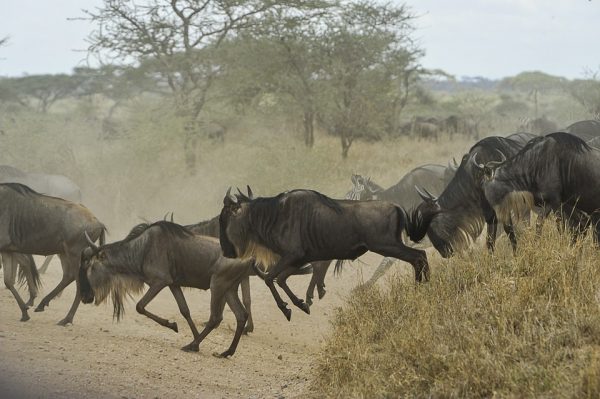
Cold surprises a lot of people. June and July nights on the Ngorongoro rim drop close to freezing, and the first hour of a dawn game drive in an open vehicle feels like winter. Travellers who have done it talk about a down jacket and a warm hat at 6am, then a T shirt by eleven. Dust is the other complaint. By September the Serengeti roads throw up fine grey powder, and a scarf or buff over the face makes long transfers much more comfortable.
Tsetse flies are active in wooded areas such as Tarangire and the Western Corridor. They are drawn to dark blue and black, so khaki, olive and tan clothing are the sensible choice. The African safari packing list covers layers, dust and fly protection in more detail.
Calving Season Safaris in Ndutu from January to February
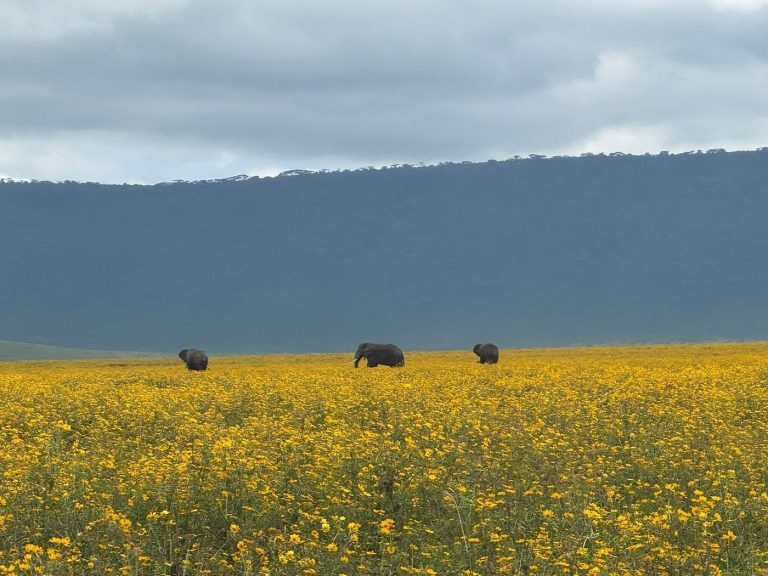
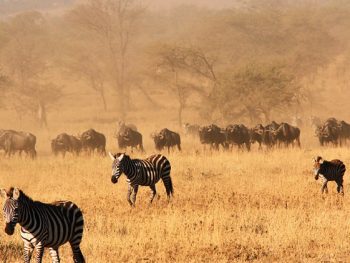
A calving season safari is the strongest case for skipping the dry season. From late December the herds settle on the short grass plains of the southern Serengeti and the Ndutu area, which lies inside the Ngorongoro Conservation Area, and they stay into March. Calving peaks in February, when several hundred thousand calves are born over two or three weeks. Guides often quote around 8,000 births a day at the peak, a widely repeated estimate rather than a census. A newborn stands within minutes and runs with the herd within a day or two.
Predators know the timetable. Lion, cheetah and spotted hyena hunt the edges of the herds, and many guides rate these weeks above August for sheer predator activity. The plains are green, the light is clear after the short rains, and the herds spread to the horizon in every direction.
Wildebeest are not the only young animals. Zebra foals, gazelle fawns and, across the wider wet season, impala and warthog young appear on the same plains, which is why photographers often call January to March the baby animal season.
The catch is that the plains do not hold water for long. If the short rains fail, the herds may drift toward Kusini or the Gol area for a few weeks, so give yourself at least three nights and stay where your guide can reach both Ndutu and the southern Serengeti. Afternoon storms are possible, though they usually pass within an hour or two. The great wildebeest migration guide follows the herds week by week, including the camps that move with them. Our Great Migration safari packages guide matches each month to the right camp area.
Long Rains Safaris in April and May: The Green Season Trade Offs
A green season safari in April or May divides opinion more than any other timing choice. Rain falls hard but often in bursts, frequently in the afternoon, and mornings can be clear. The parks are green, newborn animals are everywhere, and Palearctic migrant birds are still present until around April.
Against that, black cotton soil in the central Serengeti can become impassable, some loop roads close, and many mobile camps shut for the long rains. Tall grass hides small cats. People who go in late May tend to enjoy it; people who booked April expecting August conditions often do not.
Where to go matters more than usual. The herds drift past the Moru Kopjes toward Seronera in the central Serengeti, which keeps its resident lions and leopards in every month, and the Ngorongoro Crater floor works in any weather because the animals have nowhere else to go. Lake Manyara and Tarangire are green, with thicker cover and plenty of young animals. If you travel in these months, plan shorter driving days and leave room for one wet afternoon in camp.
Short Rains Safari Trips in November and December
The short rains make November safari trips a good compromise. Showers are lighter and shorter than in April, the dust settles, and the plains turn green almost overnight. The herds leave the Masai Mara and walk south along the eastern side of the Serengeti through Lobo and the Loliondo area, often in fast, scattered groups that are hard to predict.
Birding is at its best from November to April, when migrants from Europe and Asia arrive and resident species breed in full plumage. Tanzania’s bird list runs past a thousand species. Tarangire and Lake Manyara are good places to see both migrants and residents, with lovebirds, hornbills and rollers around the baobabs, and Ruaha’s checklist alone runs to several hundred species.
December is split in half. The first two weeks are green, with occasional showers and the herds arriving back near Ndutu by the end of the month. From around the 20th the festive holidays begin, so plan these dates early.
Worst Months for a Tanzania Safari, and the Low and Shoulder Seasons
The worst time for a Tanzania safari is April, with late March and the first half of May close behind. It is not a write off: the north stays open and the crater delivers in any weather. It is simply the period when rain, mud and closed camps are most likely to spoil a first trip with fixed plans. For a southern safari, the long rains from about March to May are a firmer no, since many Ruaha and Nyerere camps close altogether.
The trade is quiet parks. Tanzania’s travel year falls into three bands, and knowing which one you are booking helps set expectations on crowds and rates.
February is busy only around Ndutu, where calving camps fill early, while the rest of the country stays calm. Rate differences between the bands are set out in the FAQ below.
Park by Park Safari Timing: Serengeti, Ngorongoro, Tarangire and Lake Manyara
Each northern park has its own best months, and a northern circuit safari usually stitches three or four of them together. The rows below show how each one behaves through the year.
Balloon flights over the Serengeti run in most months, with launch sites shifting to follow the herds. A dawn flight over the calving plains or the Western Corridor is one of the few times you see the scale of the migration from above.
Southern and Western Tanzania Safaris: Ruaha, Nyerere, Katavi and Mahale
A southern Tanzania safari follows a different calendar from the north. The south has one wet season, from about November or December to April, and many camps in Ruaha and Nyerere close from April to May, with some shutting from mid March. The dry months from June to October are the main season.
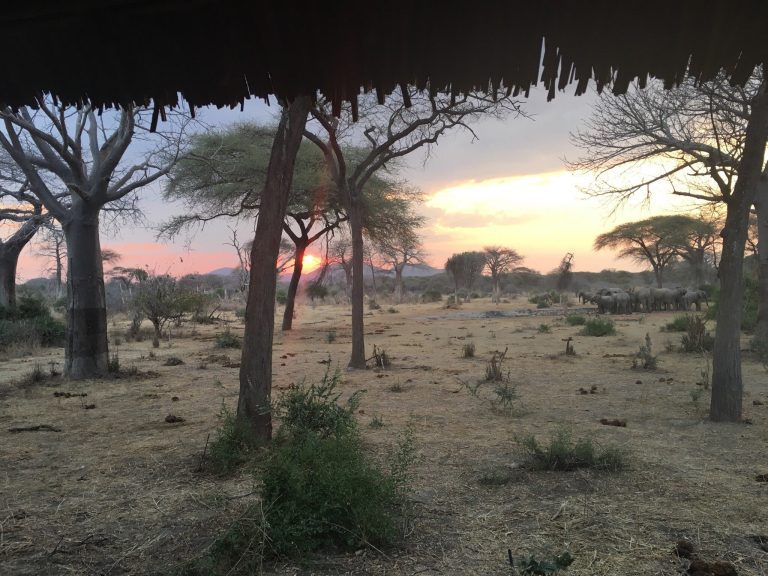
Ruaha National Park is known for big lion prides, large elephant herds and wild dogs. June to October is the classic window, as the Great Ruaha River shrinks to pools and animals concentrate along it. Wild dog packs often den from about June to August, which can keep them in one area for weeks, though sightings are never certain. October is very hot, regularly in the mid to high thirties Celsius. The wet season brings green hills and good birding to the camps that stay open.
The former Selous Game Reserve’s northern section is now Nyerere National Park, and it is the one southern park where boat safaris on the Rufiji River and its lakes are a main event. June to October is best for game drives and walking safaris, while the wetter months bring migrant birds and a greener river. Our Nyerere safari tours guide covers access by road and air.
Further west, Katavi is at its best late in the dry season, when hippos and crocodiles pack into shrinking pools and buffalo herds gather on the floodplains. Chimpanzee trekking in Mahale Mountains is easiest from about July to October, when the chimps often feed lower on the slopes, and the Mahale camps close for the long rains.
Kilimanjaro Climbing Windows and Trekking Weather
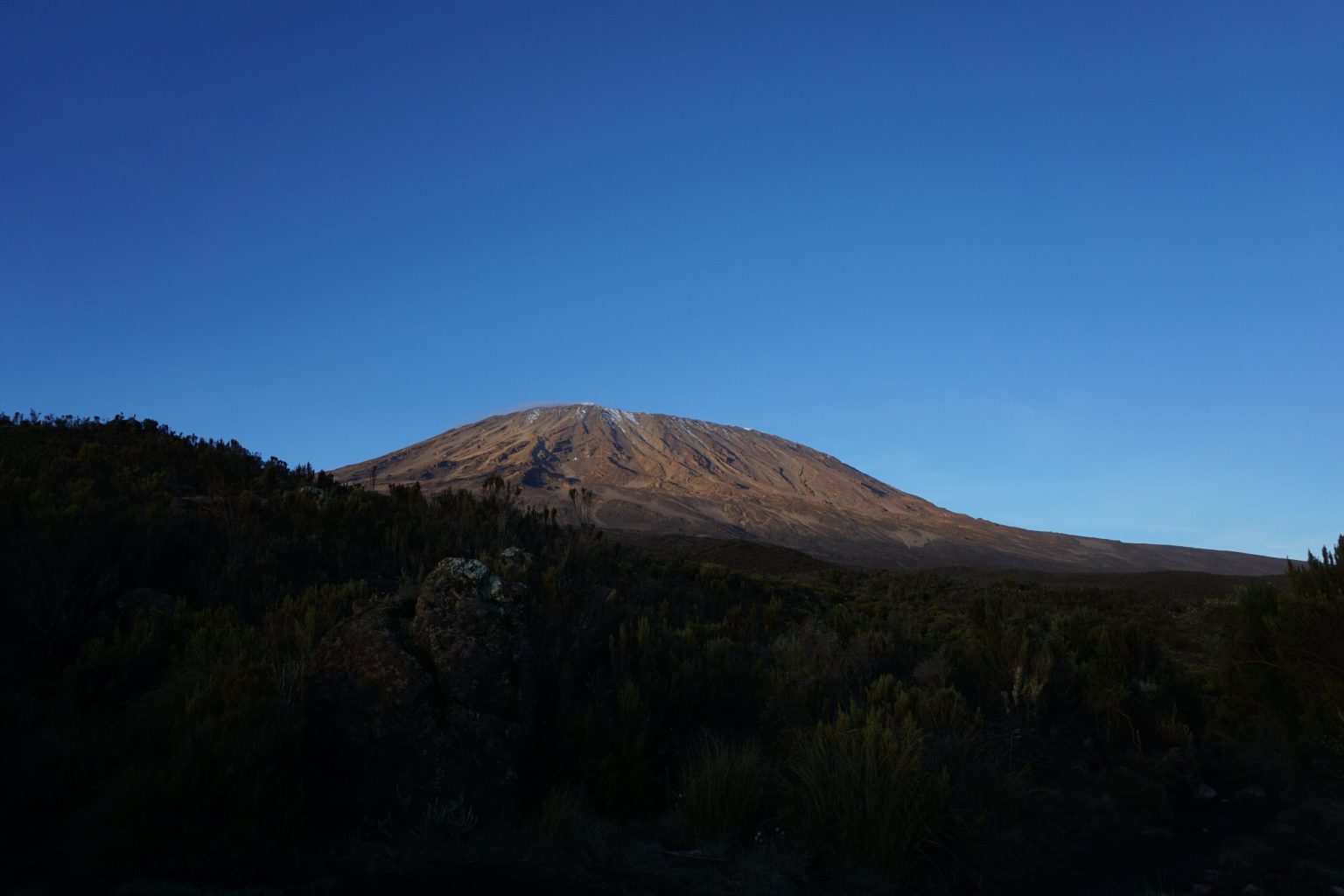
Kilimanjaro trekking follows the two dry seasons. January to early March is warmer, with clear mornings and the best views of the summit cone. June to October is drier and colder at night, and it is the main climbing season, so the popular routes are at their busiest in July, August and September. Both windows work; the choice usually comes down to when you can travel and whether you would rather be warmer or drier.
April and May are the hardest months on the mountain, with mud on the forest trails and cloud higher up. November can also be wet, though some climbers use the Rongai route on the drier northern side in shoulder months. Summit night is cold in every season, often between minus 7C and minus 20C with wind chill at the crater rim, so the full layering kit goes with you whatever the month.
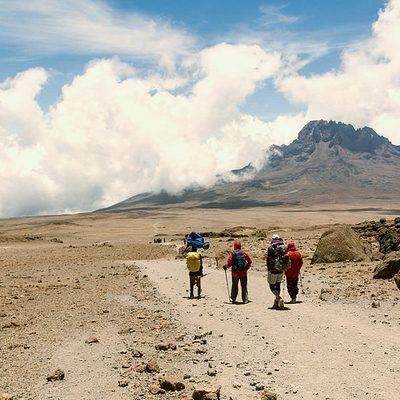
Mount Meru, the volcano inside Arusha National Park, is a popular warm up climb of three or four days and follows the same dry season windows. For gentler hiking, the Usambara Mountains in the northeast have village trails and cool forest that suit the dry months best, since the red clay paths turn slippery in the rains.
A climb and a safari fit well together, since tired legs welcome a week in a game vehicle. Route choice, acclimatisation and summit night are covered in the Mount Kilimanjaro trekking guide, and the full budget sits in the cost to hike Kilimanjaro breakdown.
Zanzibar Beach Trips: Weather, Monsoon Winds and Ocean Life
Most Zanzibar beach trips follow a safari, so the island’s weather matters as much as the parks. The best months are June to October, when the southeast Kusi wind keeps the air fresher and drier, and December to February, when the northeast Kaskazi wind brings hot, calm, humid days. Daytime highs sit around the high twenties to low thirties Celsius for most of the year.
April is Zanzibar’s wettest month by a long way. Heavy rain falls through much of March to May, the sea can turn murky, and a number of beach hotels close for some or all of the long rains. November brings short, sharp showers that rarely spoil a whole day. The Kusi wind can blow hard from about July into October, which suits kitesurfers on the east coast and makes some boat trips choppy.
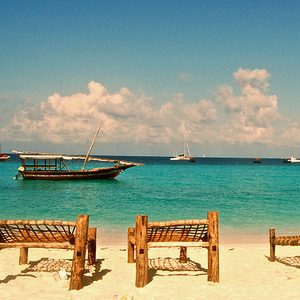
Ocean life has seasons too. Humpback whales pass through the Zanzibar Channel from about July to October, and whale sharks feed off Mafia Island from roughly October to March. Green turtles nest on the Mafia archipelago’s beaches, with hatchlings reaching the sea over several months in the middle of the year. Snorkelling and scuba trips are possible most of the year, with the calmest water between the two monsoons.
Tropical cyclones rarely reach Tanzania, which sits close to the equator, but the far southeastern coast around Lindi and Mtwara carries a small risk from about December to April. It is worth watching forecasts if a trip includes that stretch of coast or Kilwa in those months. A 15 day Tanzania safari and Zanzibar holiday shows how a combined itinerary fits together.
Festival and Event Trips Through the Tanzania Year
Some travellers plan a Tanzania trip around an event rather than the herds. Dates move a little each year, so check the organiser’s announcement before booking flights.
Ramadan is the one event that changes a Zanzibar trip. The island is mostly Muslim, so during the holy month many local restaurants close in daylight, life in Stone Town slows, and visitors are asked to dress modestly and avoid eating in the street. Beach hotels carry on as usual, and the Eid celebrations at the end are lively.
Timing a Tanzania Safari with Gorilla Trekking in Uganda or Rwanda
Plenty of travellers fly from Kilimanjaro to Entebbe or Kigali to add a gorilla trekking safari, and the seasons line up well. Bwindi’s drier months, roughly June to September and December to February, fall in the same windows as the Tanzania dry season and calving season, so the trails are firmer on the gorilla side while the herds are at their best on the plains. The best time for gorilla trekking in Uganda guide sets out the forest weather month by month.
Uganda has announced a lower gorilla permit rate for April, May and November, the same months as the Tanzania green season and short rains, though these low season permits cannot be rescheduled. Permits are limited, so secure them through a licensed operator before booking flights; the Uganda gorilla permit guide explains how. The Tanzania safari and gorilla trekking guide has sample routes, and if Rwanda suits your flights better, see Rwanda gorilla trekking. Some travellers do the reverse and pair Bwindi with the Masai Mara during crossing season. For parks, routes and trip lengths beyond timing, the Tanzania safari guide is the place to start.
Best Time to Visit Tanzania: Questions Travellers Ask
What is the single best month for a Tanzania safari?
For most first time visitors, it is August or September. The weather is dry, game viewing is at its most reliable, the Mara River crossings are running in the northern Serengeti, and Kilimanjaro and Zanzibar are both in good condition. If you would rather see calving and big predator action, choose February instead.
What is the rainy season in Tanzania?
The north has two. The long rains, Masika, run from about March to May, with April the wettest month, and the short rains, Vuli, fall in November and early December. The south and west have a single wet season from about November or December to April. Rain usually comes as afternoon storms rather than all day, except at the height of the long rains.
Where is the Great Migration in each month?
Roughly: Ndutu and the southern plains from late December to March, with calving peaking in February; Moru and Seronera in April and May; the Western Corridor and the Grumeti River in June; the northern Serengeti and the Mara River from July to October; and Lobo and the eastern side in November, heading back south in December. Rain moves this by weeks in some years, and the migration guide tracks it in detail.
Is calving season better than the river crossings?
It depends on what you want to watch. Calving in February gives constant predator activity across open green plains and herds in every direction, with fewer vehicles outside Ndutu itself. The Mara River crossings from July to September are the dramatic scenes from the documentaries, but they mean long waits by the river and more vehicles at the busiest points. Many repeat visitors rate calving higher.
What is the difference between June and October?
June is the start of the dry season: the grass is still fairly long, mornings are cold and the herds are in the Western Corridor near the Grumeti. October is the end of it: dusty, hot, with the last Mara crossings in the north and Tarangire and the southern parks at their peak as water runs out. June is quieter at the river; October suits travellers heading south.
When is Tanzania busiest, and when is it quietest?
The busiest periods are July to September and the two weeks around Christmas and New Year. Expect several vehicles at river crossings and at big cat sightings, queues at the Ngorongoro and Tarangire gates, and full camps near the Mara River. Many guides leave camp before gate opening to beat the line. On Kilimanjaro, the popular routes are busiest in the same months. The quietest months are April, May and early November, followed by early December and June.
How do prices change by season in Tanzania?
Lodges and camps charge their top rates from June to October and over the Christmas fortnight. From late March to May, many lodges drop their rates by roughly 20 to 30 percent, and November and early December are also discounted. Park fees change much less. Serengeti entry for a non resident adult is TZS 178,850 per 24 hours, about US$70, which many operators still quote as US$82.60 with 18 percent VAT, and TANAPA has set a lower entry rate between mid March and mid May, US$70.80 with VAT. In the Ngorongoro Conservation Area, entry is US$70.80 per adult and the crater service fee is US$295 per vehicle per descent. The full picture is in our Tanzania safari cost guide.
When is the worst time to visit Tanzania, and is April really that bad?
April is the hardest month, with late March and early May close behind. Some roads become impassable, and many mobile and southern camps close. Even so, the Ngorongoro Crater, Seronera and Lake Manyara still deliver good game viewing, and rain often comes as an afternoon downpour rather than a full day. It suits flexible travellers, birders and repeat visitors better than a first safari with fixed expectations.
How far ahead should I book for the dry season?
For August and for the calving weeks in February, camps near the Mara River and Ndutu often fill nine to twelve months ahead. For other months, four to six months is usually enough. If you are adding gorilla trekking, book the permits first, since they are the hardest part to change.
What does a gorilla permit add if I combine Tanzania with Uganda or Rwanda?
A Uganda gorilla permit is US$800 for foreign non residents and US$700 for foreign residents, with a low season rate of US$600 announced for April, May and November. Low season permits are paid in full at booking and cannot be rescheduled. Rwanda’s permit is US$1,500. Add a regional flight from Kilimanjaro and transfers to the park.
What should I pack for different seasons in Tanzania?
For June to October, bring a warm fleece or down jacket and a hat for dawn drives and nights on the crater rim, plus a scarf against dust and neutral colours for tsetse areas. For the green months, add a light rain jacket and quick drying clothes. Zanzibar needs reef shoes and sun protection all year. Kilimanjaro needs full cold weather gear whatever the season.
Is malaria worse in the rainy season?
Malaria is present in most of Tanzania’s safari areas all year, with a lower but real risk on Zanzibar, and mosquito numbers rise during and just after the rains. Speak to a travel clinic about antimalarials in any month, and use repellent and long sleeves in the evenings. The high slopes of Kilimanjaro and the Ngorongoro rim carry a much lower risk.
Can I see the migration and Zanzibar on one Tanzania trip?
Yes. July to October works for the Mara River crossings followed by beach time, and late January to February works for calving followed by hot, calm days on the coast. Both windows avoid the long rains on Zanzibar. A short flight links the Serengeti airstrips or Arusha with Zanzibar.