The classic Africa honeymoon pairs a few nights of safari with a few nights on a beach: the Serengeti with Zanzibar, the Masai Mara with Diani or the Seychelles, Kruger with Mozambique or Mauritius, the Okavango Delta with Victoria Falls, or gorilla trekking with Lake Kivu or Lake Bunyonyi. Most couples book a safari honeymoon of ten to fourteen nights through one licensed operator, and short flights link the parks of East and southern Africa to the coast. Our guide to the best African safari countries compares those parks.
Planning one alongside a wedding can feel like too much. It gets easier once you see that the shape of the trip barely changes from country to country. The real choices are which animals you most want to see, which month you can travel, how far you are willing to fly, and whether you want the beach at all or would rather end in the Winelands, the desert or by a lake.

How a Bush and Beach Honeymoon Safari Works
A bush and beach honeymoon safari runs in two halves. Four to six nights go to one or two safari camps, then you fly to the coast or an island for four to seven nights of doing very little. Safari first and beach second is the order nearly every planner suggests, and it is the right one. Game drives start before dawn, and after a week of 5am coffee most couples want a lie in, a pool and no schedule at all.
Each safari day has a rhythm. A wake up call with coffee before sunrise, a morning game drive of three or four hours, brunch, a long middle of the day by the pool or in the room while the animals rest, then an afternoon drive that ends with drinks as the sun goes down. Dinner comes late, often outside. Most camps include two drives a day, and the better ones let a honeymoon couple skip one, sleep in, or take breakfast out in the bush.
Transfers are shorter than people expect. One or two light aircraft flights of an hour or two usually connect the bush to the beach, and in Tanzania and Kenya you can often fly straight from a safari airstrip to the coast without going back through a capital. International arrivals come into Nairobi, Kilimanjaro, Johannesburg, Cape Town, Kigali or Entebbe depending on the region.
Keep the number of moves low. Two camps with two or three nights each feels like a holiday. Four camps in eight nights feels like a logistics exercise, with half of every other day spent packing and sitting on airstrips.
Serengeti Safari and Zanzibar Beach Honeymoon
The Serengeti and Zanzibar honeymoon is the best known pairing in East Africa. A Tanzania safari usually covers the Serengeti, often with a night or two at the Ngorongoro Crater rim, and the wildebeest migration moves through the Serengeti all year, calving in the southern plains around January and February and crossing the Mara River in the north from roughly July. Read our Serengeti safari guide to match the herds to your dates, since they are not in the same place every month.

Longer trips start in Tarangire, with its baobabs and big elephant herds in the dry months, or by Lake Manyara, where a few small lodges sit among palms and fever trees below the Rift Valley wall. In the Serengeti, a dawn hot air balloon flight followed by a champagne breakfast on the plains is the extra most couples ask for.
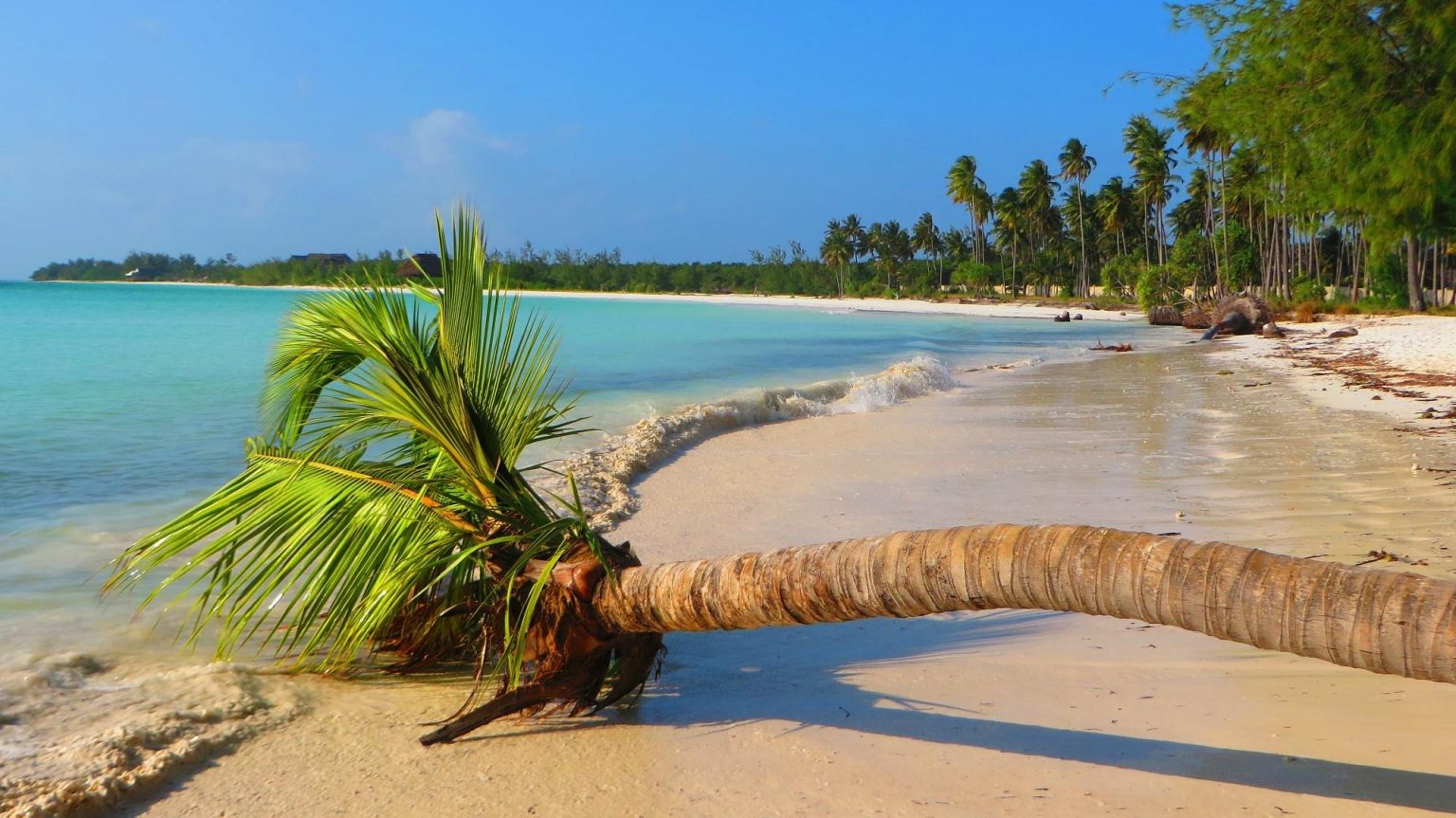
From the Serengeti airstrips, scheduled light aircraft reach Zanzibar in a couple of hours, sometimes with a stop at Arusha. On the island, pick your coast with care. The north around Nungwi and Kendwa keeps swimmable water through the day, while on the east coast at Paje, Jambiani and Matemwe the tide can pull the sea hundreds of metres out across the reef flat. Couples who wanted to swim at any hour are the ones who most often say they booked the wrong side. Stone Town, a spice farm tour and a dhow sunset sail fill a spare day.
Pemba, north of Zanzibar, is greener and much quieter, with fewer hotels and good reef snorkelling. For a longer trip, southern Tanzania’s Ruaha or Nyerere pairs with Mafia Island, where whale sharks gather from around October to February.
Masai Mara Safari Honeymoon with Diani or the Seychelles
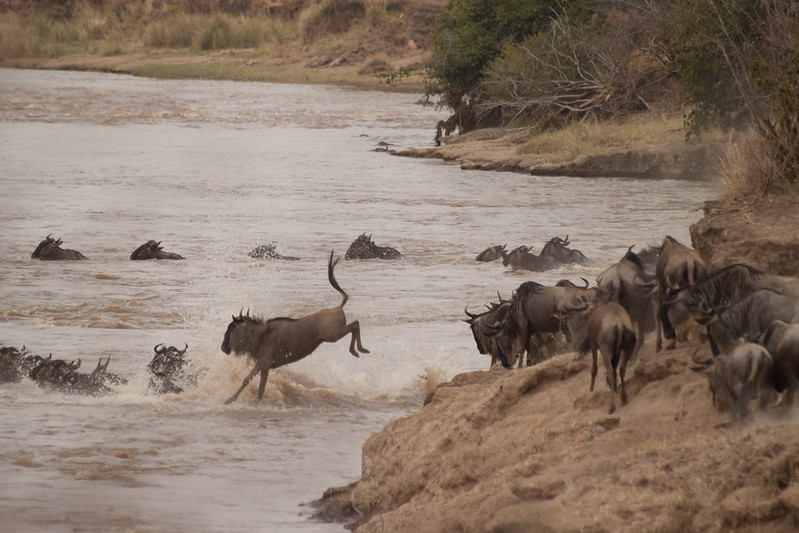
Kenya’s Masai Mara safari is the other half of the migration story. The herds usually arrive in the Mara from about July and stay into October, and the river crossings draw the vehicles. Couples who want privacy often stay in the private conservancies that border the reserve, where vehicle numbers are capped and night drives and walks are allowed. Camps such as Mahali Mzuri, Mara Plains, Sala’s Camp and Cottar’s 1920s Camp are the names honeymoon planners mention most. Our Masai Mara safari guide and the great wildebeest migration page cover the timing in detail.
North of the Mara, Laikipia and Samburu add a drier, emptier kind of safari. Ranches and conservancies such as Segera offer walks, horse rides and camel treks, and Samburu holds species you will not see further south: Grevy’s zebra, reticulated giraffe, the gerenuk and the Somali ostrich. A Mara and Samburu trip shows two very different Kenyas in one week.
Scheduled flights link the Mara to Ukunda airstrip for Diani Beach in about an hour and a half, which makes Kenya one of the easiest bush and beach trips on the continent. Watamu and the old Swahili town of Lamu are quieter. If you want a true island, Nairobi has direct flights to the Seychelles, with granite boulder beaches on Praslin and La Digue and a handful of private island resorts, North Island the best known, where you share the beach with a few other couples at most.
Kenya also carries the extras couples ask about: a hot air balloon flight over the Mara at dawn, and breakfast with Rothschild’s giraffes at Giraffe Manor in Nairobi, which books out months ahead.
Cape Town and Kruger Safari Honeymoon with Mozambique or Mauritius
South Africa offers the most polished honeymoon safari lodges and the easiest logistics for a short trip. Many couples start in Cape Town for three or four nights: the cable car or a guided hike up Table Mountain, the V&A Waterfront, Cape Point and the penguins at Boulders Beach. Then they fly north to the bush.
The private reserves of Sabi Sand and the wider Greater Kruger share an unfenced boundary with Kruger National Park, and they are known for close leopard viewing from open vehicles that can leave the road. Lodges here lean hard into honeymoons, with plunge pools, outdoor showers and spa rooms; Sabi Sabi’s Earth Lodge is one example. Some reserves offer a night in an open treehouse or a star bed, as at Lion Sands or Kapama, where you sleep under a net with the bush sounds all around. Our South Africa safari guide explains the difference between the national park and the private reserves.
From Kruger, a short flight reaches Vilanculos on the Mozambique coast, and from there a helicopter or boat takes you to Benguerra or Bazaruto in the Bazaruto Archipelago, with dhow trips, reef snorkelling and dugongs in the channel. See our Mozambique tours page for the islands. Couples who prefer a larger resort island fly from Johannesburg to Mauritius instead; the Mauritius tours and holidays guide covers the lagoons, catamaran trips and Port Louis.
Worried about malaria? A few South African reserves in the Waterberg and the Eastern Cape are malaria free, which some couples prefer if they are planning a pregnancy soon after the wedding. Ask your doctor before choosing.
Okavango Delta Safari and Victoria Falls Honeymoon Trip
Botswana suits couples who care more about space than polish. An Okavango Delta safari mixes game drives with mokoro trips, where a poler guides a dugout canoe along reed channels, and the floodwaters peak in the dry months of roughly June to August. Camps are small, often with fewer than ten tents, and many are reached only by light aircraft from Maun. The Okavango Delta safari guide covers the different areas and seasons.

Victoria Falls sits a short flight or drive from northern Botswana. The falls carry the most water from about March to June, when the spray can soak you from the paths, while Devil’s Pool on the Zambian lip usually opens from mid August to around mid January, once the river drops. A sunset cruise on the upper Zambezi is the standard evening, and a short helicopter flight over the gorge shows the scale of the falls in a way the paths cannot. On the Zambian side, small river lodges such as Tongabezi put open fronted rooms right on the water. Our Victoria Falls safari page has the practical detail.
Couples with more nights add Mauritius or the Seychelles afterwards, which turns this into a full Botswana and island honeymoon, or swap the falls for the Linyanti for even more solitude. Couples can join the two on our gorilla trekking and Victoria Falls itineraries.
Mountain Gorilla Safari and Lake Honeymoon in Uganda or Rwanda
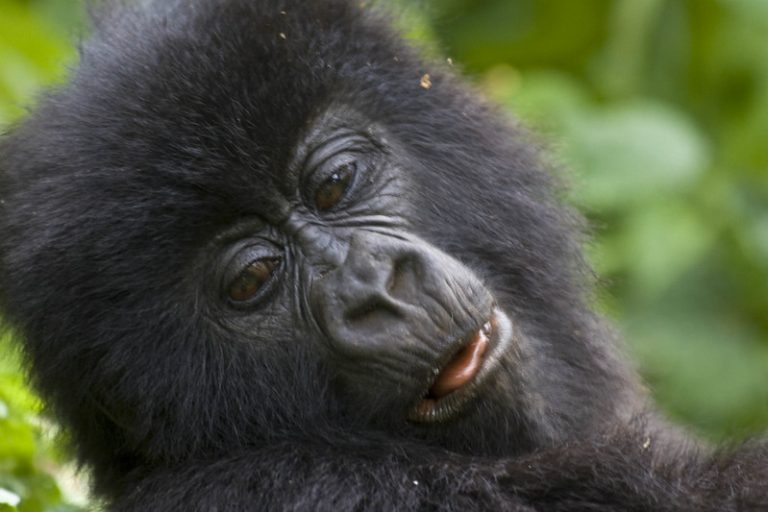
A mountain gorilla safari trades the beach for a lake, and it suits couples who want one shared experience they will talk about for years. You trek into Bwindi Impenetrable Forest in Uganda or Volcanoes National Park in Rwanda, spend one hour with a habituated gorilla family, then rest. The trek can take under an hour or most of a day, depending on where the family moved overnight, so the rest days afterwards are welcome.
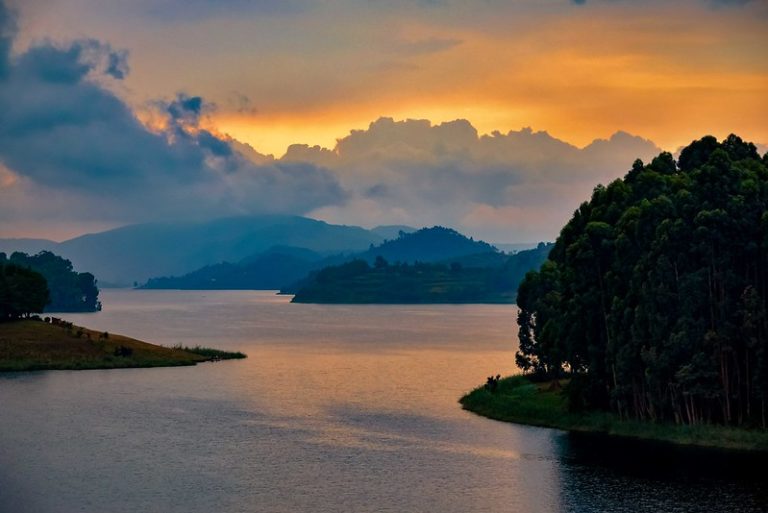
In Uganda, Lake Bunyonyi is about two hours by road from Bwindi’s southern sectors at Rushaga and Nkuringo. It has terraced hills and small islands, and it is widely reported to be free of bilharzia, so couples swim and paddle dugout canoes there. In Rwanda, Lake Kivu at Rubavu is about an hour and a half from the park headquarters at Kinigi, with sandy shores, boat trips to the islands and lakeside lodges.
Gorillas also sit well inside a bigger East Africa trip. Rwanda to the Serengeti and Zanzibar, or Rwanda to the Masai Mara and Diani, both fit into about eleven nights, and Rwanda’s Nyungwe Forest adds chimpanzees and a canopy walkway. Start with our gorilla trekking on your honeymoon guide, which covers lodges, the trek as a couple and the best months, then compare gorilla trekking in Uganda’s Bwindi with Rwanda gorilla trekking. For the higher end, the luxury gorilla trekking in Rwanda and Uganda guide lists the lodges with fireplaces, private cottages and forest views.
South Africa Honeymoon Tours Beyond the Safari: Winelands, Mountains and Coast
South Africa is the one country where a honeymoon can skip the beach and still have plenty of slow days. The Cape Winelands around Stellenbosch, Franschhoek and Paarl sit about an hour from Cape Town, with wine estates under the mountains, long lunches and small spa hotels. The hop on, hop off Franschhoek wine tram links several estates, and some farms, Babylonstoren among them, add garden tours and rooms in old Cape Dutch buildings. The Cape is warmest from November to March.
Further afield, the Cederberg lies about three hours north of Cape Town, with red rock mountains, ancient San rock art and lodges in private reserves such as Bushmans Kloof. In the east, the Drakensberg suits couples who like to hike, and a guided 4×4 day up the Sani Pass climbs into Lesotho. The Garden Route along the south coast joins these by road.
The coast is wilder than many honeymooners expect. On the Elephant Coast in KwaZulu Natal, Thonga Beach Lodge sits inside the iSimangaliso Wetland Park, a World Heritage Site where loggerhead and leatherback turtles nest on the beaches in the early summer months. Between about June and November, southern right whales come close to shore at Hermanus. For a slow start or finish, Rovos Rail runs luxury train trips between Pretoria and Cape Town. Couples timing a South Africa trip should read our best time to visit South Africa guide, since the Cape and Kruger peak in different months.
Namibia, Madagascar and Other Offbeat Africa Honeymoon Trips
Not every Africa honeymoon trip follows the bush and beach pattern. Namibia works for couples who like driving and big empty spaces. A self drive route takes in the red dunes of Sossusvlei and Deadvlei, where balloon flights land for a champagne breakfast, then the coast at Swakopmund, the wild Skeleton Coast and the waterholes of Etosha. Nights are clear and the stars are the best on the continent. Our Namibia safari page and best time to visit Namibia guide have the routes and the seasons.
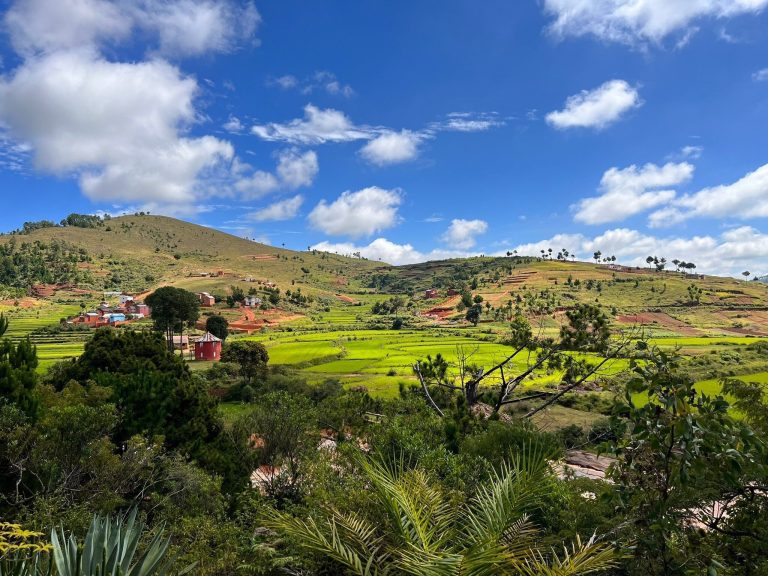
Madagascar works for couples who like walking more than driving: lemur tracking in Andasibe, the limestone pinnacles of Tsingy de Bemaraha, the Avenue of the Baobabs at sunset and beach time on Nosy Be or Ile Sainte Marie. Roads are slow, so plan fewer stops than the map suggests. Our Madagascar tours page has routes.
Sao Tome and Principe, two small islands in the Gulf of Guinea, see very few visitors. Rainforest hikes, empty beaches and cocoa plantations fill the days, with turtle nesting around the turn of the year and whales offshore in the dry months. Zambia’s South Luangwa walking safaris pair with the freshwater beaches of Lake Malawi, and the Comoros offer quiet volcanic islands with few other travellers.
North Africa is its own kind of honeymoon. Morocco has no safari, but Marrakesh riads with courtyard pools, the Atlas Mountains and a night in a desert camp near Merzouga suit couples who want food, markets and culture rather than wildlife.
Romantic Safari Experiences and Wildlife for Honeymoon Couples
The best honeymoon safari moments are usually small and planned ahead. A hot air balloon safari over the Serengeti, the Mara or the Sossusvlei dunes is the headline one. Walking safaris, at their best in Zambia’s South Luangwa and in the Kenyan conservancies, slow everything down to tracks, plants and birds. Water safaris by mokoro in the Okavango or by boat on the Zambezi, Chobe and Kazinga Channel bring you close to hippos, crocodiles and elephants drinking. Cultural visits with Maasai communities in Kenya and Tanzania, or with San guides in Botswana and Namibia, add people to the trip, and the better ones pay the village directly.
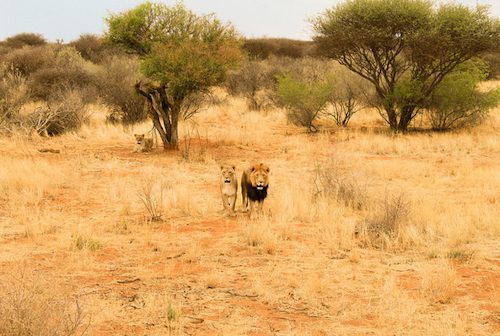
What you see depends on the region. East Africa has the migration herds, cheetahs on the open plains and, in some years, flamingos on the Rift Valley lakes. Southern Africa is stronger for leopards in Sabi Sand, African wild dogs, and rarer antelope such as sable in Hwange. Uganda and Rwanda add mountain gorillas, chimpanzees and, in Uganda’s wetlands, the shoebill stork. The Big Five are possible in Kenya, Tanzania and South Africa, though sightings are never guaranteed.
Tell each camp it is your honeymoon and ask what they can arrange: a private dinner on the deck or in the bush, a bush bath, a sundowner spot for two, a sleep out on a star bed. Some camps also offer honeymoon rates or a free night on longer stays, so it is worth asking before you pay.
Sample Africa Honeymoon Itineraries by Trip Length
These honeymoon safari trips show how the pairings fit into real dates. Any licensed operator can adjust them, and most will combine two or three countries in one quote.
Best Time for an Africa Honeymoon Safari
Dry season is the safe answer for most honeymoon safaris: animals gather at water and the grass is short, so game viewing is easier. East Africa is best from about June to October and again from December to February. Southern Africa peaks from roughly May to October. The beach side matters too, so check both halves of the trip against your wedding date.
| Pairing | Best months | Watch for |
|---|---|---|
| Serengeti and Zanzibar | Jun to Oct, Dec to Feb | Long rains Apr, May |
| Mara and Diani | Jul to Oct | Peak crowds Aug |
| Kruger and Mozambique | May to Nov | Cyclones Jan to Mar |
| Kruger and Mauritius | May to Oct | Cyclones Jan to Mar |
| Cape Town and Winelands | Nov to Mar | Winter rain Jun to Aug |
| Okavango and Vic Falls | Jun to Oct | Heat Oct, Nov |
| Gorillas and a lake | Jun to Sep, Dec to Feb | Muddy trails Apr, May |
| Namibia self drive | May to Oct | Hot Dec to Feb |
| Seychelles add on | Apr, May, Oct, Nov | Trade winds |
Green season, roughly November to March in southern Africa and April and May in East Africa, brings lower lodge rates, newborn animals and fewer vehicles, at the cost of afternoon storms and thicker bush. Some places reward it: the Okavango’s summer brings migrant birds and calving antelope, and the Cape is at its best while Kruger is wet. For gorillas, the rains make trails slippery but the trek still runs every day; our best time for gorilla trekking in Uganda guide explains the trade off.
Privacy and Lodge Styles on a Safari Honeymoon
On a safari honeymoon, the lodge shapes the trip more than the park does. Tented camps put canvas walls between you and the bush, so you hear lions and hippos at night, and the better ones have proper beds, en suite bathrooms and outdoor showers. Lodges are built of stone or timber and feel more like a small hotel. Many couples mix the two: a tented camp for the wildlife, a lodge or villa for the last nights.
Ask for a private vehicle if you can. Shared game drives are fine, but a private guide lets you stop for as long as you like at one leopard, skip the 5am start once in a while and eat breakfast in the bush on your own schedule.
The suites with plunge pools and the best views are the first rooms to sell out, and some camps set rooms up as twins by default, so ask for a double bed when you book. Small camps of six to ten tents feel more private than large lodges, and the most secluded rooms are often the furthest from the main area, which is worth knowing before you ask for them at night with an escort. See our best luxury African safari tours guide and the safari lodges page for options in each region.
Health, Safety and Travel Advice for an Africa Honeymoon
See a travel clinic six to eight weeks before you fly. Most safari regions carry a malaria risk, so antimalarials, repellent and long sleeves at dusk are standard, and some countries ask for a yellow fever certificate depending on where you arrive from. Travel insurance that covers medical evacuation from remote camps is worth having on any safari; our African safari insurance guide lists what a policy should include.
Safari camps and beach resorts in the main honeymoon regions are well run and used to international guests. The real risks are malaria, sun, road travel and petty crime in cities, so fly between regions rather than driving long distances at night and keep valuables out of sight in town. Official advice differs widely by country and changes often: at the latest check, the US rates Uganda at Level 4 and Kenya and Rwanda at Level 3. Our safest countries in Africa page compares the US, UK and Canadian ratings, and the Uganda safety guide goes into the gorilla countries in detail.
Same sex couples should check the law before choosing. South Africa recognises same sex marriage, and Rwanda, Botswana, Mozambique and Mauritius do not criminalise same sex relationships, while Uganda, Kenya and Tanzania, Zanzibar included, do. Lodges are usually discreet and welcoming, but the law still applies to visitors, so confirm the current position with your operator. Public displays of affection are frowned upon for all couples in much of East Africa outside the lodges.
Planning and Booking Your Honeymoon Safari Trip
The price of a honeymoon safari depends on a handful of things, and once you know them you can move the total quite a lot. The biggest is the camp tier, since nightly rates at top camps run several times those of good mid range camps that cover the same wildlife. Season comes next, then the number of internal flights, park fees charged per person per day, private vehicles and, for gorilla trips, the permits. The FAQ below gives current figures, and the African safari cost guide breaks them down by country.
Pack light, neutral coloured clothes for the bush, a warm layer for open vehicles at dawn, binoculars each, sun protection and a camera with a zoom lens, with beach clothes in a separate bag. Long haul fares are the biggest single cost for many couples, which is why so many use one flight to reach two or three countries. You can compare licensed operators on our gorilla safari companies page, and most will quote a combined trip covering two or three countries.
Africa Honeymoon Safari FAQ
How much does an Africa honeymoon safari cost?
Mid range camps in Kenya, Tanzania and South Africa usually charge around US$300 to US$700 per person per night on a full board basis, and top luxury camps in the Masai Mara conservancies, Sabi Sand or the Okavango Delta often run from about US$1,000 to well over US$2,000 per person per night, usually including game drives. On top come park fees: the Masai Mara reserve charges non residents US$100 per day from January to June and US$200 per day from July to December, and Zanzibar requires a mandatory visitor insurance of US$44 per person. Add light aircraft flights and international airfares, and a ten to twelve night bush and beach honeymoon commonly lands in the five figures per couple. Our Kenya safari cost, Tanzania safari cost and Botswana safari cost guides break each country down.
Which African country is best for a honeymoon?
It depends on what you want most. Tanzania and Kenya are best for the migration and an easy beach finish, South Africa for short trips with the Cape, wine and leopards, Botswana for remote water safaris, Rwanda and Uganda for gorillas, and Namibia for desert and self drive. Many couples combine two of them.
How many nights should a safari honeymoon be?
Ten to fourteen nights works for most couples: four to six on safari at one or two camps, then four to seven on the beach or by a lake. A week can work in South Africa or Kenya, where transfers are short, but anything shorter tends to feel rushed.
Should we do the safari or the beach first?
Safari first. Game drives start before sunrise and the days are full, so the beach works as recovery at the end. The one exception is a very long flight straight after the wedding, when a night or two of rest before the first camp helps.
Can we add gorilla trekking to an Africa honeymoon, and what do permits cost?
Yes, and it fits well before a Serengeti, Mara or Zanzibar leg. A Uganda gorilla trekking permit costs US$800 per foreign non resident, with a low season rate of US$600 announced for April, May and November; low season permits cannot be rescheduled, and permits are paid in full at booking. A Rwanda gorilla permit costs US$1,500. Both partners need their own permit. Most healthy adults manage the trek with a porter and a walking stick, and a rest day afterwards helps.
Is an Africa honeymoon safe?
Safari camps and beach resorts in the main honeymoon regions are well run and used to international visitors. The real risks are malaria, sun and road travel, so take antimalarials where advised, use repellent, and fly between regions rather than driving long distances at night. Check your government’s travel advice before booking, and same sex couples should check local law, which varies widely between countries.
Where can we have a malaria free Africa honeymoon?
Cape Town, the Winelands and the Garden Route are malaria free, and so are a few safari reserves in South Africa’s Waterberg and Eastern Cape. Mauritius and the Seychelles are also free of malaria. Namibia’s south, including Sossusvlei, carries little risk, though the north does. Ask a travel clinic for current advice.
How far ahead should we book a honeymoon safari?
Six to twelve months ahead for peak season, and up to eighteen months for the smallest Okavango camps or migration season in the Mara. Gorilla permits in Rwanda and Uganda also sell out for June to September, so secure those first.
Do safari lodges do anything special for honeymooners?
Most will, if they know. Expect a private dinner, a bottle in the room or a sundowner set up for two, and some camps offer honeymoon rates or a free night on longer stays. Tell your operator and each lodge when you book, and ask for a double bed, since some rooms are set up as twins.