
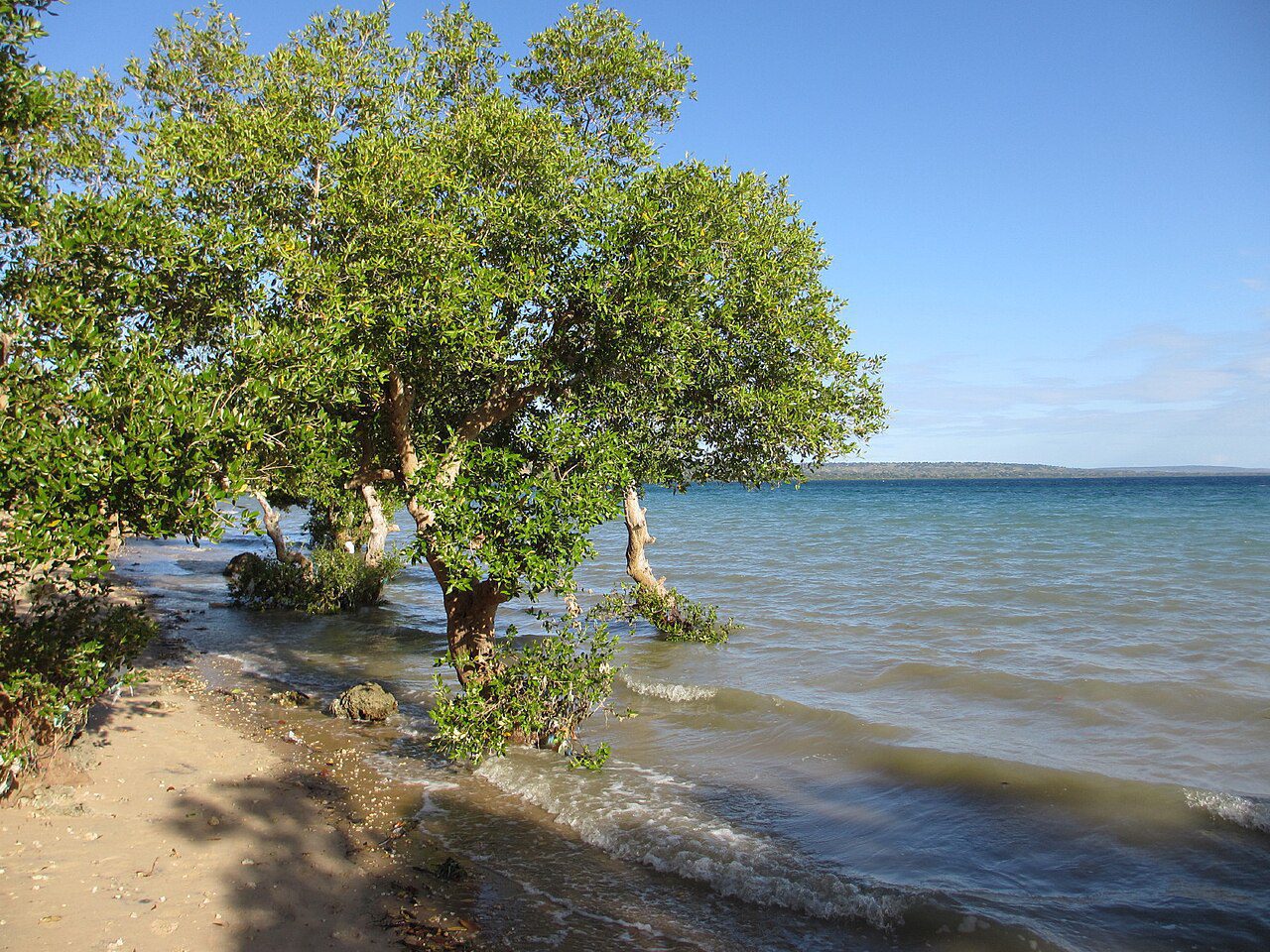
Mozambique tours combine Indian Ocean island stays, ocean safaris with whale sharks and manta rays, and bush safaris in Gorongosa National Park, usually over 7 to 14 days. Most travellers fly into Maputo or Vilankulo and book a beach and bush circuit with a licensed operator, often linked to Kruger in South Africa. Mozambique runs about 2,500 km along Africa’s southeast coast, with Portuguese, Swahili and Arab heritage.

Mozambique Tours by Region: Picking Your Coast and Bush Mix
Mozambique is long and thin, and that shape decides almost every Mozambique tour. From the South African border at Ponta do Ouro to the Tanzanian border on the Rovuma River is roughly the distance from London to Rome. Roads link the south well enough. Up north, flights do most of the work.
So think in regions. The far south covers Maputo, Inhaca Island, Maputo National Park and Ponta do Ouro, all within a few hours of Kruger and Eswatini. The Inhambane coast is Tofo, Barra and the old town of Inhambane, home of the ocean safari. Further up sit Vilankulo and the Bazaruto Archipelago, where most island lodges are. Inland and central, Gorongosa National Park brings the bush. The north holds Ilha de Moçambique, Lake Niassa, the Niassa Reserve and the Quirimbas, and that is where the security picture changes, which is covered further down.
Plenty of first trips try to string all of it together by road. Trip reports from people who did that tend to mention long days on the EN1 highway and too little time in the water. Two regions done properly beat four rushed ones.
Choosing a Mozambique Tour Style: Group Trips, Tailor Made Tours and Self Drive
How you travel shapes a Mozambique tour as much as where you go, and the market here is small. Few international adventure companies run scheduled departures in Mozambique, and some list no trips at all in a given season, so the choice usually comes down to four styles.
Whichever style you pick, ask the operator who actually runs each part on the ground, whether the boat operator follows the marine park’s whale shark and dolphin rules, and what happens if a cyclone or a closed Gorongosa road forces a change. Reviews that mention how a company handled a problem tell you more than the glossy itinerary.
Bazaruto Archipelago Island Tours and Dhow Safaris
Bazaruto Archipelago tours are what most people picture when they book a Mozambique beach trip, and the islands match the photographs. Five islands make up Bazaruto Archipelago National Park: Bazaruto, Benguerra, Magaruque, Santa Carolina and Bangue. The area was declared a protected area in 1971 and has been managed by the conservation group African Parks together with the national parks authority since 2017.
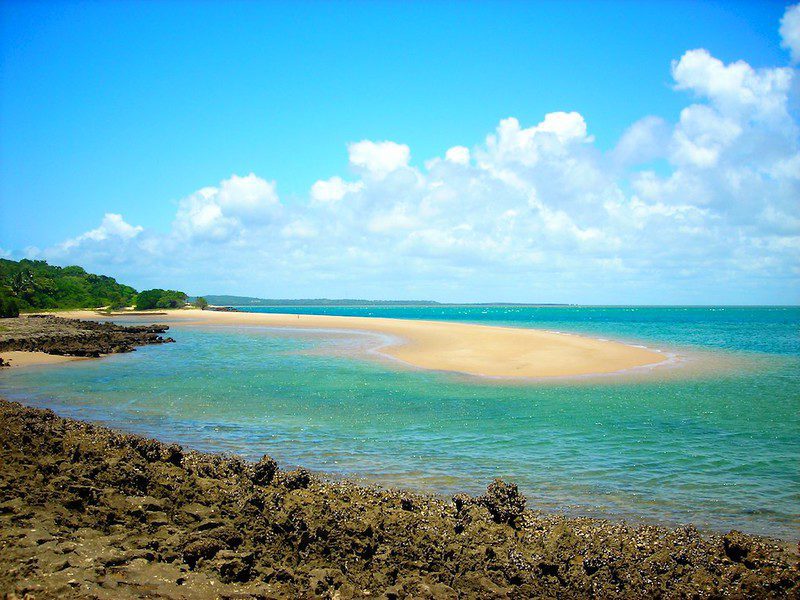
Under the water is the real draw. The park holds East Africa’s last viable population of dugongs, a few hundred animals at most, and they are shy, so sightings are a bonus rather than a promise. Scenic flights over the seagrass beds and quiet boat trips give the best odds. Reef trips to Two Mile Reef off Benguerra bring turtles, reef sharks and big shoals of fish, plus dolphins on many crossings. Humpback whales pass through between roughly June and October.
A dhow safari is the classic way to see the islands. Day trips sail from Vilankulo with lunch grilled on a sandbank and snorkelling on the reef, while multi day dhow trips camp on the islands. Sun on the water is fierce and shade on a dhow is limited, so a wide brimmed hat and reef friendly sunscreen earn their place. In the windier winter months, crossings can be wet and choppy, and an early start usually means calmer water.
Staying on the islands is where Bazaruto trips get expensive. Benguerra has the widest choice, including Azura Benguerra and Kisawa, and Bazaruto Island has the large Anantara Bazaruto resort. Santa Carolina, the one rocky island, also has a lodge. Guests reach the islands by boat, helicopter or light aircraft from Vilankulo, and some fly in from Johannesburg via Vilankulo the same day. For couples, the archipelago is one of the strongest beach choices in Africa, and our guide to a honeymoon in Africa compares it with other options.
Vilankulo: The Gateway Town for Bazaruto Trips
Vilankulo tours suit travellers who want the archipelago without paying island lodge rates every night. The town sits on the mainland facing Bazaruto, with its own airport, regular domestic flights and direct flights from Johannesburg on Airlink. It is small enough to cover on foot or by tuk tuk.
From here, operators run dhow day trips, scuba outings, horse rides on the beach and snorkelling at Magaruque. Kitesurfers come for the steady winter wind. The market sells cashews, fresh fish and capulana cloth, and a handful of seafood restaurants line the beach road. Lodges range from simple guesthouses to boutique places on the waterfront, so mixing two nights in Vilankulo with two on an island is a common way to keep a trip affordable.
One practical point raised again and again by visitors: the tide here goes a long way out. Beach time and boat departures run to the tide table, so ask your lodge for times the night before.
Tofo and Inhambane Ocean Safaris: Whale Sharks and Manta Rays
An ocean safari in Tofo is the trip that put this small beach town on the map. Boats launch straight through the surf and spend about two hours searching the open water for whale sharks, then drop snorkellers in beside them. Tofo is home to the Marine Megafauna Foundation, a research group founded here in 2008 that studies whale sharks and manta rays, and its work is the reason Tofo’s operators follow strict viewing rules: no touching, and keep a good distance.
Be realistic about the odds. Whale sharks can turn up in any month because young animals stay in the area, and numbers peak from about October to March. Research on Tofo’s snorkel trips has found sighting rates falling over the years, though, so a whale shark on any given trip is far from certain. Operators who offer a free second trip after a blank are worth looking for, and booking more than one day gives a rough sea day room to pass.
Divers come for the manta rays. Reef mantas visit cleaning stations on Manta Reef and nearby sites through the year, and the deeper reefs are best suited to experienced divers because of currents and surge. Humpback whales pass from roughly June to October, sometimes into November, and boats often stop for them on the way out. Loggerhead and leatherback turtles, several dolphin species and the odd dugong further north round out the ocean list.
Above water, Tofo is relaxed and sandy, with backpacker lodges, surf at Tofinho point and a small market. Barra, around the point, is quieter. Twenty minutes or so inland, Inhambane town is one of the oldest settlements on the coast, with a colonial cathedral, a waterfront market and ferries across the bay to Maxixe on the EN1. Inhambane has its own airport with domestic flights from Maputo, which saves a long road day from the capital.
Gorongosa National Park Safari: Africa’s Comeback Park
A Gorongosa National Park safari is the bush half of most Mozambique tours, and its story is a big part of the appeal. The park sits at the southern end of the Great Rift Valley in central Mozambique, about 4,000 square km of floodplain, palm savannah and woodland, with Mount Gorongosa rising to the west. During the civil war that ended in 1992, about 95 percent of its large animals were killed.
Recovery under the Gorongosa Project, a partnership between the government and the Carr Foundation, has been one of the most closely watched in Africa. The most recent aerial wildlife count logged more than 110,000 large animals, with the highest elephant total ever recorded in the park. Waterbuck, impala, buffalo, hippos and huge numbers of crocodiles are easy to see. African wild dogs were brought back from South Africa in 2018, and lions are seen on many drives, though big cat sightings are never promised.
Game drives cover the floodplains around Lake Urema, where birding is excellent, and walking safaris and boat trips run in some areas. Tours to Mount Gorongosa’s rainforest slopes and coffee project are another option. Chitengo camp is the park’s main base, and smaller tented camps such as Muzimu sit in quieter sectors.
Timing matters more here than anywhere else in the country. Heavy summer rains flood the tracks, and most of the road network closes for part of the wet season, roughly December to March, with exact dates set by the park and each lodge. Most visitors drive about half a day from Beira or take a short charter flight.
Gorongosa is not the only wildlife area. Zinave and Limpopo national parks are being restocked with animals moved from South Africa, and Limpopo is part of the Great Limpopo Transfrontier Park shared with Kruger and Zimbabwe’s Gonarezhou. Banhine, a wetland and grassland park between the two, is wilder still and best reached with a guide in a 4×4. If you are planning a wider southern Africa trip, our Zimbabwe safari guide covers that side of the border.

Southern Mozambique Tours: Maputo, Maputo National Park and Ponta do Ouro
Maputo city tours are worth a day or two at the start or end of a trip. The capital has wide avenues lined with jacaranda and flame trees, a busy Central Market, the old fortress, the National Museum of Art with work by Malangatana and other Mozambican painters, and a domed railway station often credited, without firm evidence, to Gustave Eiffel’s firm. Mafalala, the historic neighbourhood of reed and zinc houses, has community walking tours. The seafood is the best reason to linger: prawns, crab and grilled fish at the fish market. Keep phones out of sight on the street and take registered taxis at night.
Across the bay, Inhaca Island and the tiny Portuguese Island are popular day trips by boat. Both sit inside Maputo National Park, which joins the old Maputo Elephant Reserve with the marine reserve running down to Ponta do Ouro. The park was recently added to South Africa’s iSimangaliso Wetland Park World Heritage Site as a cross border extension. Elephants are the main land attraction, plus giraffe, zebra and antelope brought in from elsewhere, and the beaches host loggerhead and leatherback turtles that nest from about November to February.
Down at the border, Ponta do Ouro tours centre on the sea: dolphin swims with licensed operators, surf on the point break and scuba trips to reefs such as Pinnacles, known for sharks. The town is close to South Africa’s Kosi Bay border, so it suits self drivers coming up from KwaZulu Natal, and the tarred road from Maputo over the Katembe bridge has cut the drive from the capital. Quieter lodges sit further north at Ponta Mamoli and Ponta Malongane.
North of the capital, the EN1 runs past Xai Xai, a beach town near the mouth of the Limpopo River with a sheltered reef pool, and on to Bilene’s calm lagoon. Both are common overnight stops on the drive to Tofo, and both break up what is otherwise a long day in the car.
Ilha de Moçambique Heritage Tours
Ilha de Moçambique tours are for travellers who want history alongside the beach. The small coral island off Nampula Province was the colonial capital for centuries and was listed as a UNESCO World Heritage Site in 1991. It is only about 3 km long and joined to the mainland by a narrow single lane bridge of roughly 3.5 km.
The northern half, Stone Town, holds the Fort of São Sebastião, the Palace of São Paulo, now a museum, and the small Chapel of Nossa Senhora de Baluarte, often described as the oldest European building in the southern hemisphere. The southern half, Macuti Town, is where most residents live in houses roofed with palm thatch. Guided walks, sunset dhow sails and trips to nearby beaches at Chocas Mar fill two or three days easily.
Most visitors fly into Nampula and drive a few hours east. The island district is not among the Nampula areas that carry official warnings, but the advice for the province’s far north still applies, so check the current map of restricted districts before you book.
Northern Mozambique Trips: Niassa, the Quirimbas and Lake Niassa
This is where older guides, including earlier versions of this page, need correcting. Quirimbas Archipelago tours and Niassa Reserve safaris are still described on many websites as if nothing has changed. They are both inside areas where governments currently warn against all travel.
The Quirimbas, a chain of coral islands off Cabo Delgado Province that includes historic Ibo Island and Quirimbas National Park, have been affected by an armed insurgency in the province since 2017. The UK advises against all travel to Cabo Delgado except the area around Pemba, Palma town and Afungi, where it advises against travel unless it is unavoidable. The US places the whole province on its Do Not Travel list. Some island lodges have closed or stopped selling, and travel insurance policies usually do not cover trips against government advice.
The Niassa Special Reserve covers about 42,000 square km of miombo woodland and granite hills on the Tanzanian border. It once held one of Africa’s largest elephant populations, which poaching cut sharply, and it still has wild dogs, lions and sable. The US lists the reserve as Do Not Travel, and the UK advises against all travel to Mecula and Marrupa districts, where most of the reserve lies. For now, it is not a place to plan a safari.
The Mozambican shore of Lake Niassa, the same lake Malawi calls Lake Malawi, is a different case. Around Cobue and Metangula it is not covered by the current warnings, and a handful of lodges reach it by boat from Likoma Island. Most travellers combine it with a Malawi safari.
Lake Cahora Bassa Fishing and Boat Trips
Cahora Bassa fishing trips are a niche but loyal part of the Mozambique tour market. The lake in Tete Province, in the far west, formed behind the Cahora Bassa dam on the Zambezi, finished in the 1970s, and is one of Africa’s largest man made lakes. Anglers come for tigerfish and vundu, while boat cruises run to the dam wall and through the gorge, with hippos, crocodiles and fish eagles along the shoreline. Lodges such as Ugezi Tiger Lodge and Moringa Bay cater mainly to South African fishing groups. Tete has flights from Johannesburg and Maputo. Most people pair the lake with a Zambia safari or the Lower Zambezi rather than the coast, since it sits a long way inland.
Best Time for Mozambique Tours, Month by Month
The best time for Mozambique tours is May to October, the dry season, when skies are clear, humidity drops and Gorongosa’s tracks are open. That window also covers the humpback whale season. October to March is hot and humid with summer rain, cyclone risk from roughly December to March, and Tofo’s whale shark peak. The south is a little cooler than the north, and coastal winter nights can feel cool on a boat.
| Month | Coast | Gorongosa | Ocean |
|---|---|---|---|
| January | Hot, wet | Tracks shut | Whale sharks |
| February | Cyclone risk | Tracks shut | Whale sharks |
| March | Humid, storms | Mostly shut | Whale sharks |
| April | Drying | Check access | Mantas |
| May | Dry, warm | Open, green | Mantas |
| June | Dry, mild | Good | Humpbacks |
| July | Dry, mild | Good | Humpbacks |
| August | Dry, windy | Very good | Humpbacks |
| September | Dry, warm | Best | Humpbacks |
| October | Hot, dry | Best, hot | Sharks return |
| November | First rains | Rains start | Turtles nest |
| December | Hot, busy | Closing | Turtles nest |
January to March is the quietest period, with heavy rain and cyclone risk on the coast and Gorongosa largely closed. Lodges that stay open often cut their rates, and whale shark numbers at Tofo are high, so divers on a budget sometimes choose it. Travel insurance that covers weather delays is worth having in these months.
April and May are a soft shoulder. Rain eases, the bush is green and the sea is often calm, though Gorongosa’s roads may still be drying out in April. June to August brings cool mornings, warm days and the first humpbacks, plus South African school holidays around July that fill the southern beaches. Pack a fleece for early boat trips.
September and October are the best months for a combined Gorongosa and coast trip: game gathers at the water, whales are still about, and the sea warms up. November and December turn hot, the first storms arrive, and the south gets busy with regional visitors over the Christmas holidays, when beach lodges in Ponta do Ouro and Vilankulo book out early.
Is Mozambique Safe for Tourists? Current Travel Advice by Province
Most Mozambique tours run in areas where official advice is to take normal precautions plus a bit more. At the latest check, the US rated the country at Level 2, exercise increased caution, and the UK advised against travel only to specific northern areas. The restricted areas are worth reading before you pay a deposit, because the security situation in Cabo Delgado can change quickly.
Advice changes, so read the latest version from your own government, such as the UK Foreign Office or US State Department pages, in the week you travel. Our guide to safe countries to visit in Africa puts Mozambique in a wider context.
Day to day, the issues are petty theft in Maputo, road safety and police roadblocks. If you are stopped, stay polite, ask for an official fine with a receipt if one is demanded, and never hand your passport to the informal helpers who crowd cars at border posts. Night driving is best avoided because of unlit vehicles and livestock. Cash matters too: ATMs outside the bigger towns are often empty, so draw meticais in Maputo, Inhambane or Vilankulo before heading anywhere remote.
Combining Mozambique with Kruger Safaris and Bwindi Gorilla Trekking
The most popular pairing is a Kruger safari and Mozambique beach tour. Kruger’s Crocodile Bridge gate sits a few minutes from the Lebombo and Ressano Garcia border, a few hours’ drive from Maputo, and the Giriyondo border inside the park leads into Limpopo National Park for 4×4 vehicles only, open 08:00 to 15:00 from April to September and to 16:00 from October to March. Flying via Johannesburg to Vilankulo works for anyone heading straight to Bazaruto. See our South Africa safari guide for the Kruger side and our breakdown of Kruger National Park safari costs for budgeting. Many operators selling Mozambique tours build both into one itinerary. Overland trips also run up from Victoria Falls through Zimbabwe to the coast.
Adding gorilla trekking in Bwindi turns the trip into a primates and beach holiday that few itineraries offer. There are no direct flights between Mozambique and Uganda, so the usual routing is through Johannesburg, Nairobi or Addis Ababa to Entebbe. Order matters for health paperwork: Mozambique asks for a yellow fever certificate from travellers arriving from risk countries such as Uganda, so get the jab at least ten days before you leave home and carry the certificate throughout. Most people trek first and finish on the beach, which also gives sore legs a rest.
Plan the gorilla side early, since permits are limited each day. Start with our Bwindi gorilla trekking guide, check how to book Uganda gorilla permits, and read the best time to go gorilla trekking so both halves of the trip line up with the dry months. If Rwanda fits your flights better, our Rwanda gorilla trekking guide covers Volcanoes National Park. Madagascar tours, just across the Mozambique Channel, are another good Indian Ocean partner for a primate trip.
Visas, Flights and Getting Around on a Mozambique Trip
Visitors from many countries, the UK among them, now need an Electronic Travel Authorisation for tourist stays of up to 30 days, applied for and paid through the official eVisa portal before travel. UK advice says to apply at least five working days ahead, carry a printed approval, and have a passport valid for six months from arrival with two blank pages. Travellers from countries outside the exemption list apply for a visa on the same portal. Uganda uses its own eVisa system, explained in our guide to the East Africa tourist visa.
International flights land mainly in Maputo and Johannesburg, with Airlink flying from Johannesburg to Vilankulo, Beira, Nampula, Pemba and Tete, and LAM covering domestic routes. Road travel up the EN1 works for the south, with the Maputo to Tofo drive taking most of a day. Self drivers need a 4×4 for sand roads around Ponta do Ouro and the parks, plus the warning triangles and reflective vest that traffic police check for. Pack light for small planes and helicopters to the islands, and use our African safari packing list as a starting point. Medical cover with evacuation is wise in a country where serious care is limited outside Maputo, so compare options in our African safari insurance guide.
Mozambique Tours FAQ
Is it safe to book a Mozambique tour right now?
Yes, for the main tourist regions. Maputo, the Inhambane coast, Vilankulo, the Bazaruto Archipelago and Gorongosa are outside the areas covered by government warnings, and tours run there normally. Avoid Cabo Delgado, which includes the Quirimbas, the Niassa Reserve districts and the far north of Nampula Province, where the UK and US advise against travel. Check the latest advice in the week you fly.
How many days do I need for a Mozambique tour?
Seven days covers one beach base such as Bazaruto or Tofo. Ten to fourteen days allows a proper bush and beach trip with three or four nights in Gorongosa or Kruger and the rest on the coast. Add three to four days for a Bwindi gorilla trekking extension, allowing for the flights through Johannesburg or Nairobi.
When is the best time to see whale sharks and manta rays in Tofo?
Whale sharks can appear in any month, with numbers highest from about October to March, and sightings are never guaranteed. Reef manta rays are seen through the year. If whale sharks matter most, go between October and March, book at least two ocean safaris, and ask the operator about a repeat trip if you miss out.
How much does a Mozambique tour cost?
The biggest costs are island lodges in the Bazaruto Archipelago, which sit among the most expensive beach stays in southern Africa, and the flights or helicopter transfers between regions. Tofo, Vilankulo and Maputo have budget and mid range options, and self driving the south from South Africa keeps costs well down. Gorongosa charges a daily conservation fee on top of lodging. For the Kruger half of a combined trip, see our South African safari cost guide.
Do I need a visa for Mozambique, and what does it cost?
Visitors from exempt countries such as the UK need an Electronic Travel Authorisation for stays of up to 30 days, applied for online before travel. UK government advice puts the fee at a US$37 visa fee plus a 650 metical processing fee, about US$47 in total, paid online when you apply rather than at the border. Other nationalities should check the official eVisa portal, and fees can change at short notice.
Can I combine Mozambique with gorilla trekking in Bwindi, and what do gorilla permits cost?
Yes. Fly through Johannesburg, Nairobi or Addis Ababa to Entebbe, trek first and finish on the Mozambique coast. A Uganda gorilla permit costs US$800 for foreign non residents, US$700 for foreign residents and UGX 300,000 for East African citizens, with a reduced US$600 non resident rate announced for April, May and November. Permits are paid in full at booking. Rwanda’s permit costs US$1,500.
Do I need malaria tablets and a yellow fever certificate?
Malaria occurs across Mozambique, including the coast, so antimalarials are normally advised; ask a travel clinic six to eight weeks before you leave. A yellow fever certificate is required if you arrive from a risk country or transit through one for more than 12 hours, which applies after a Uganda gorilla trip.
Can I drive myself into Mozambique from South Africa?
Yes, and many South Africans do. The main crossings are Lebombo near Kruger, Kosi Bay for Ponta do Ouro, and Giriyondo inside Kruger for 4×4 vehicles. Carry your licence, vehicle papers and a letter of authority for a hired car, plus two warning triangles and a reflective vest. Avoid driving after dark.
Do I need travel insurance for a Mozambique tour?
Yes. Many tour operators make it a booking condition, and good medical care is limited outside Maputo, so choose a policy with medical evacuation, scuba cover if you plan to go underwater, and cover for weather delays in the cyclone months. Most policies exclude areas where your government advises against travel, which in practice means Cabo Delgado and parts of Niassa and Nampula.
Should I book a group tour or a tailor made Mozambique trip?
Group overland tours suit solo travellers and anyone happy with fixed dates, and they usually pair Kruger with the southern beaches. Tailor made trips suit couples, families and anyone heading to Bazaruto, Gorongosa or a gorilla trek, because the flights and island transfers are easier to string together around your own dates.
Is Mozambique good for a honeymoon or a family trip?
Bazaruto and Benguerra suit honeymoons well, with private villas, dhow sunsets and calm water. Families do best in Vilankulo, Ponta do Ouro or Inhambane, where there are self catering options, shallow beaches and short drives. Ocean safaris have minimum ages set by each operator, so check before booking with children.