Bwindi nature walks are guided hikes on forest trails inside Bwindi Impenetrable National Park, led by Uganda Wildlife Authority rangers and ranging from the three hour Munyaga waterfall walk at Buhoma to full day crossings like the Ivi River trail to Nkuringo. You need no gorilla permit, and most visitors book a walk at the sector office the day before or after their trek. Expect monkeys, Albertine Rift birds, butterflies and waterfalls rather than gorillas.
Plenty of travellers reach Bwindi with one gorilla permit and two nights booked, then wonder what to do with the second day. The forest trails answer that. Below, each main walk gets its own section: where it starts, how long it takes, how hard it feels and what tends to turn up, followed by the Buhoma village walk that this page has always covered. For every activity in the park side by side, see our guide to things to do in Bwindi.
Bwindi Nature Walks by Trail, Sector and Difficulty
Each nature walk in Bwindi starts from one of four sectors. Buhoma in the north has the most trails. Ruhija in the east holds the high birding routes. Nkuringo and Rushaga in the south mark the far end of the long crossings. Roads between sectors are slow and winding, so choose walks that begin near your lodge.
| Trail | Sector | Time | Level |
|---|---|---|---|
| Munyaga waterfall | Buhoma | 3 hrs | Easy to moderate |
| Munyaga River walk | Buhoma | 1 to 2 hrs | Easy |
| Muzabajiro loop | Buhoma | 3 to 4 hrs | Moderate |
| Rushura Hill | Buhoma | Half day | Moderate to hard |
| Habinyanja trail | Buhoma | 4 to 6 hrs | Hard |
| Kashasha River | Nkuringo to Buhoma | 4 to 7 hrs | Hard |
| Ivi River trail | Nkuringo to Buhoma | 6 to 7 hrs | Hard |
| Bamboo trail | Ruhija | 6 to 7 hrs | Hard |
| Mubwindi Swamp | Ruhija | 4 to 5 hrs | Hard |
| Village walk | Buhoma | 3 hrs | Easy |
Those times assume a steady pace with stops. Rain rewrites them. Wet clay turns slick within minutes here, and a three hour walk can stretch to five, which is why rangers rarely promise a finish time. The park runs from about 1,160 metres in the valleys to 2,607 metres at its highest point, so the Ruhija trails also ask more of your lungs than the Buhoma ones.
Munyaga Waterfall Hiking Trail and the Short River Walk in Buhoma
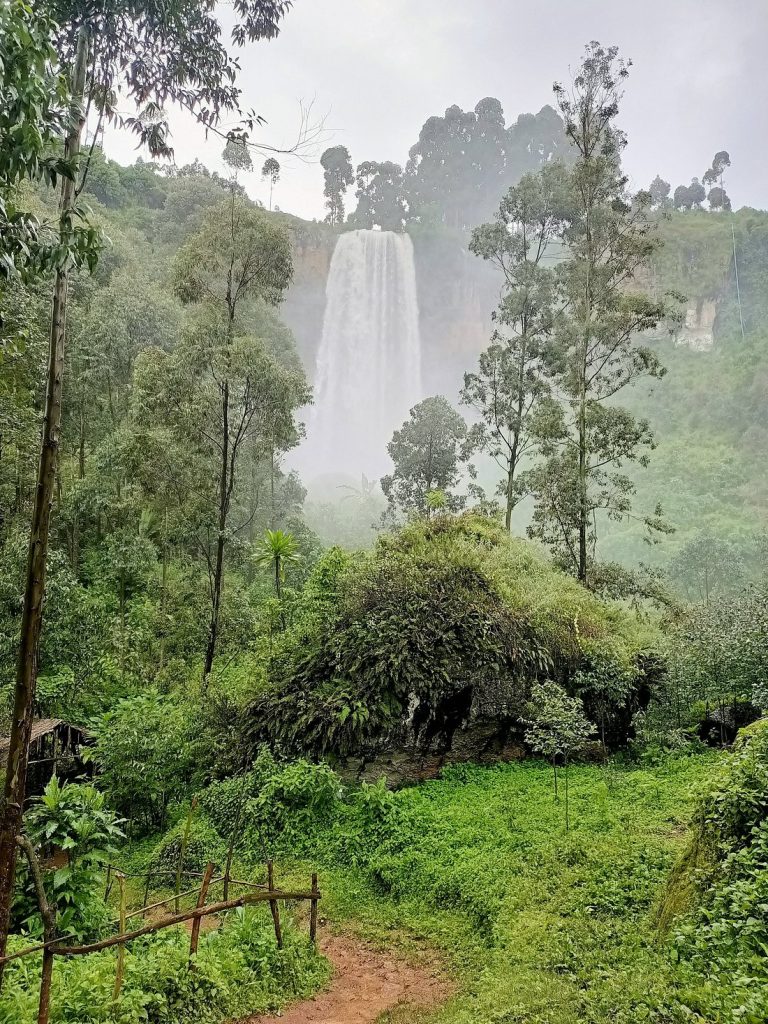
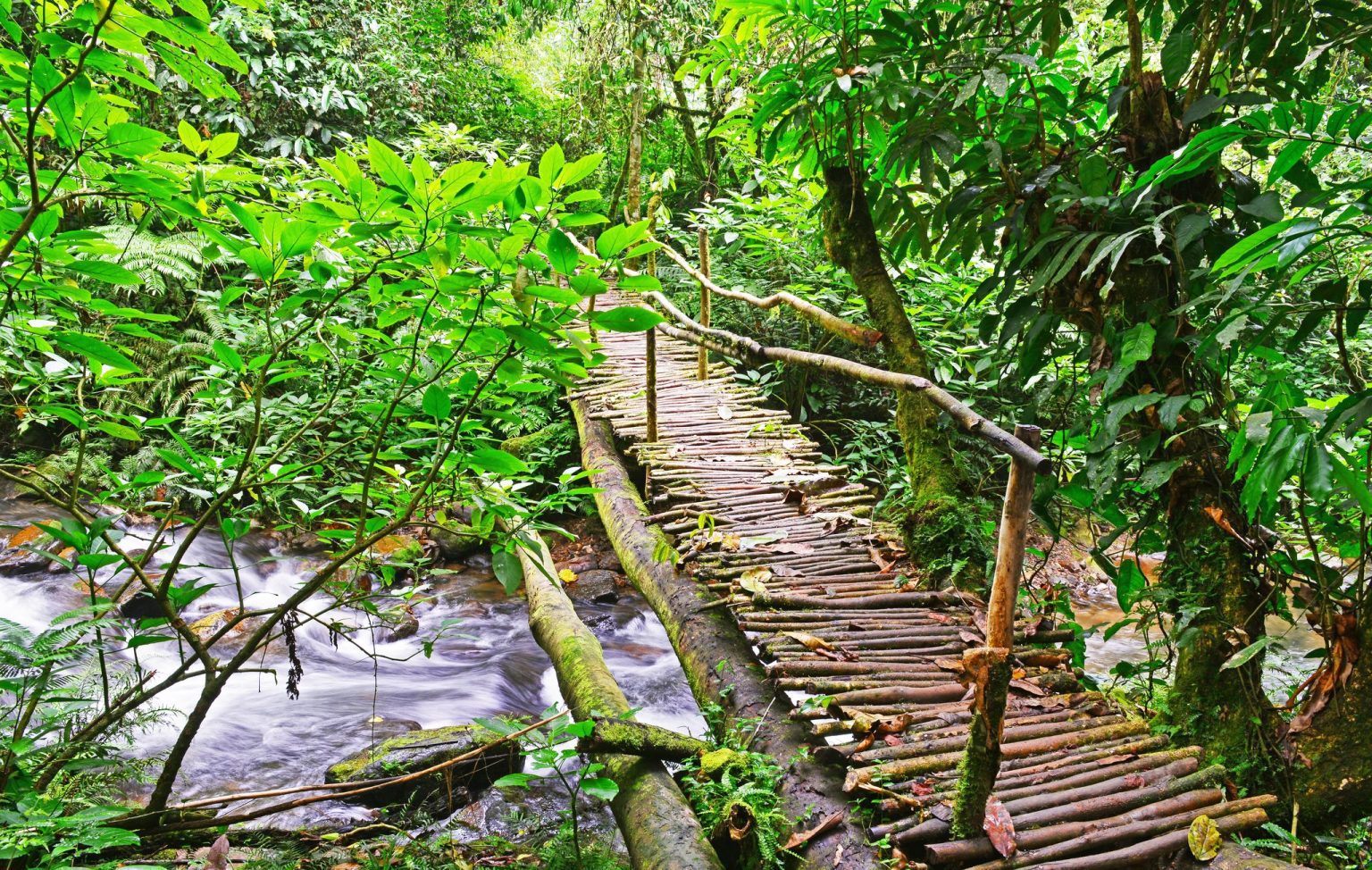
When people ask about a Bwindi nature walk, they usually mean the Munyaga waterfall trail. It is the easiest way into the forest interior without a gorilla permit. The hike leaves the Buhoma park office after a short briefing and follows an old track along the Munyaga River for about two kilometres before the canopy closes in. Then come the stream crossings, on rocks and fallen logs. The prize is a chain of three cascades, the tallest falling roughly 33 metres over a wall of ferns, moss and orchids.
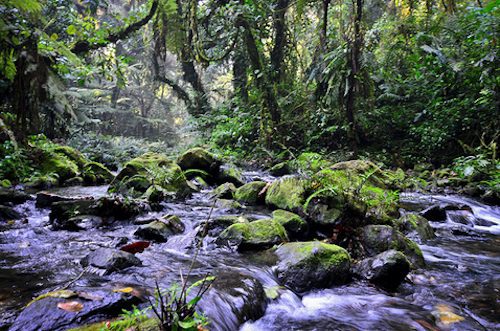
Allow about three hours there and back. Ranger led groups set off in the morning and again after lunch, so the walk slots into a Buhoma afternoon after a short gorilla trek, if your legs agree. Reaching only the first fall takes around an hour, a common choice for anyone short of time. Tree ferns line the path. Black and white colobus and red tailed monkeys feed above the water.
Birders often prefer the gentler Munyaga River walk, an hour or two along the valley below the park headquarters where the Bizenga stream joins the Munyaga. The forest edge here is good for sunbirds, turacos and the Kivu ground thrush, best early in the morning or late in the afternoon. Some lodges describe parts of this stretch as lying outside the park boundary; ask at the office whether a ranger is needed on the day, since arrangements vary.
Worth it after a gorilla trek? Yes, for a different reason. A trek is about one family. This walk is about the forest, at a pace that lets you look at it. Our list of the best waterfalls in Uganda sets the Munyaga falls alongside Murchison and Sipi if you are building a longer route. Our Uganda safari guide covers every park on that kind of route.
Muzabajiro Loop and Rushura Hill Hiking Trails
Both hikes swap the forest floor for long views. The Muzabajiro loop is a circuit of roughly six kilometres on the Buhoma side, climbing to a grassy summit near Rukubira Hill and dropping back through forest. On a clear day the top looks over the Western Rift Valley and south to the Virunga volcanoes, and there is a natural picnic spot up there. Three to four hours covers it. One sustained climb, then easy walking. Some of its tracks are shared with the cycling routes from Buhoma, which our guide to mountain biking in Bwindi describes.
Steeper, and often called the toughest of the short Buhoma walks, the Rushura Hill hike climbs past terraced farms to a ridge on the border with the Democratic Republic of Congo, its summit usually given as about 1,915 metres. Part of the trail runs through forest that straddles both countries. On a good morning the view takes in Lake Edward and Lake George to the north, the Rwenzori Mountains on the skyline and the Virunga chain to the south. Haze hides the distant peaks more often than brochures admit. Start early, keep expectations loose, and plan on a half day.
Habinyanja and Kashasha River Hiking Trails
With a spare full day in Buhoma, the Habinyanja trail is the quiet choice. It fords the Munyaga River, climbs hard along the Riyoyi and Habigorogoro ridges above the Buhoma River, then eases down to the Habinyanja swamp, four to six hours in all. Guides point out a rock outcrop locals call the African Corner, because its outline resembles the map of the continent. The swamp is known for the African black duck, black bee eaters hunt along the streams, and Pel’s fishing owl has been recorded here, though it is rarely seen.
The Kashasha River trail is the more direct of the two walking routes between Buhoma and Nkuringo, about 13 kilometres through the middle of the park. Starting at Nkuringo means a steep descent of around 600 metres through community farmland into the valley, then four to five hours of walking; it meets the Ivi River route for the last stretch into Buhoma. In the other direction, with that climb at the end, it takes six or seven. River crossings, giant ferns and some of the oldest forest on the circuit fill the middle section.
The Ivi River Trek from Buhoma to Nkuringo
The Ivi River trail is the longer, gentler crossing, about 14 kilometres between Nkuringo and Buhoma, and most groups take six to seven hours. From the Nkuringo side you walk several kilometres down a murram road before turning into the forest toward the river, then follow an old trading path villagers used to carry goods to market long before the park existed. Halfway along is Mukempunu, a name usually translated as the place of pigs, where giant forest hogs and bush pigs churn up the mud.
Most people treat the Buhoma to Nkuringo hike as a day on foot in place of a long road transfer, when they hold gorilla permits in both sectors. Your bags travel round by road with the driver, who waits at the other end. Hikers who have done it tend to describe the opening hours as warm, humid and manageable, and the last climb up the Nkuringo ridge as the bit that hurts. Porters can be hired at the trailhead, and many walkers say they would not attempt it without one. Going south to north turns that climb into a descent, kinder on the lungs, harder on the knees. One long day, two sectors, no car sickness.
From Nkuringo, strong walkers can carry on down to Lake Mutanda in about five hours and finish at the water for a canoe trip. The southern trekking base is covered in our Nkuringo gorilla trekking guide.
Some operators also advertise a dawn to dusk Ruizi or Rusizi River expedition in the south as the longest single hike in Bwindi. No current park listing we could find confirms it, so check with the sector office that it still runs before planning a day around it.
Bamboo Trail Hiking to Rwamunyonyi Peak
The Bamboo trail is the hike for height. It leaves Ruhija and climbs to Rwamunyonyi Peak, at 2,607 metres the highest point in the park; the name is usually translated as the hill of many birds. On the way up you pass through one of Bwindi’s few stands of mountain bamboo. Plan on six to seven hours return, with a packed lunch.
Thin air is the real test. Anyone who flew in from sea level a few days earlier will feel it on the steeper pitches. In return you get forest zones that change as you climb, montane birds such as the handsome francolin and regal sunbird that are scarce lower down, and on clear mornings a view across the canopy to Lake Bunyonyi and the Virunga volcanoes. The hike suits the second day of a two night stay, following a trek from the Ruhija sector.
Mubwindi Swamp Birding Trek in Ruhija
Birders come to Ruhija for one walk above the rest. Four to five hours return, the Mubwindi Swamp trail descends about 300 metres from the Ruhija ridge through montane forest to a swamp set high in the hills. No site anywhere is more reliable for the African green broadbill, a small green bird that hides well and is known only from Bwindi and a few forests in eastern Congo. Grauer’s swamp warbler, the handsome francolin, regal sunbird and Rwenzori batis are other targets, and on a clear day the view opens toward the Virunga massif.
Going down is easy. Coming back up, at altitude and often in afternoon drizzle, is where people learn how fit they are. Access is controlled, so arrange it through the Ruhija office or your lodge in advance, and bring a picnic to eat at the swamp edge. A specialist bird guide changes this walk: several trip reports credit theirs with calling birds in by mimicking their songs. Further species and routes appear in our guide to birding in Bwindi.
Buhoma Village Walk and Batwa Cultural Tours
The Buhoma village walk is a three hour community tour through the farms and homes just outside the park, and the gentlest walk in Bwindi. It leaves from the Buhoma Community Rest Camp with a local guide, and the fee stays with the villages along the forest edge.

First stop is usually a crafts cooperative, where women weave baskets and mats from local grasses and sell them on the spot. Then the path winds through gardens of beans, maize and bananas worked with hand hoes, and past smallholder tea planted right up to the park boundary. During the picking season the pluckers take just the top two leaves and a bud, by hand. The Kayonza tea factory and the coffee farms around Buhoma appear in our page on agro tourism in Uganda.
By the Munyaga River, women wash clothes on the rocks, and butterflies settle on the damp ground nearby. At a banana plantation you see ripe bananas turned into juice, a sweet local beer and the strong spirit called waragi. The name is often said to come from “war gin”, though nobody has pinned that story down.
Later comes a traditional healer, not a witch doctor but a herbalist who treats coughs, stomach complaints and wounds with forest plants and explains each remedy as he goes. Many walks stop at a local primary school, where pupils and teachers work with little equipment and no electricity. The tour usually closes with songs and dance from a Batwa group.
The Batwa are the forest people who lived in Bwindi before the national park was created and its boundaries closed to them. A separate Batwa cultural tour, led by Batwa guides, walks through forest edge country to show how they hunted, gathered food and medicine and built shelters, and it usually takes the better part of a day. Their history, and how to choose a visit where the money reaches the community, are covered in our guide to the Batwa people.

Wildlife Watching on Bwindi Forest Walks
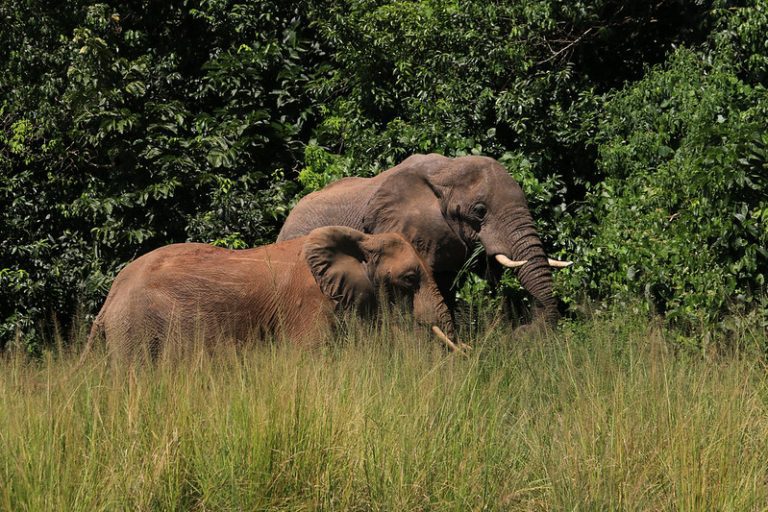
Primates, birds and butterflies are what a forest walk delivers. Gorillas are not. Black and white colobus are the most dependable sighting, moving through the upper canopy in family groups. On the Buhoma trails and by the Ivi River you may also see red tailed, blue and L’Hoest’s monkeys, while olive baboons work the gardens along the boundary. Early starts improve the odds of a duiker on the path. Chimpanzees and forest elephants live here as well, yet walkers seldom see either. Expect safari ants too: columns cross the paths, and a stray bite is why guides tell you to tuck trousers into socks. Our guide to the primates of Bwindi covers each species and where to look.
Gorillas do sometimes cross a trail. When that happens, the ranger holds the group back at least 10 metres, the distance the Uganda Wildlife Authority sets for all gorilla viewing. The 2018 census counted 459 mountain gorillas in Bwindi, close to half of the 1,063 known worldwide, and results of a newer count are still awaited. A reliable hour with a family needs a permit. Our Bwindi gorilla trekking guide and the gorilla habituation experience cover both options.

Bwindi records over 200 butterfly species, the African giant swallowtail and cream banded swallowtail among the ones guides look for, and around 350 birds, including most of the Albertine Rift endemics found in Uganda. The forest is commonly described as an Ice Age refuge that stayed wooded while much of the region dried, which helps explain why so many species persist here. Mornings are best for birds and monkeys. Butterflies need sun, so the bright hours around midday along the Munyaga River suit them. Photographers should know the forest floor is dark: a fast lens or a high ISO setting matters more than a long zoom.
Seasons, Fitness and Trail Rules for Bwindi Hiking Tours
Walks run all year. The drier months, June to August and December to February, give the firmest paths and the clearest views from Rushura Hill. The wetter months, March to May and September to November, bring more mud, fewer visitors and, for birders, the season when many species nest and northern migrants arrive. Rain can fall in any month in a rainforest, so carry a jacket every day. For a month by month view, read our guide to the best time for gorilla trekking in Uganda.
Fitness matters on anything longer than the waterfall walk. Steep, muddy climbs at altitude are the norm, and the long crossings run six to eight hours. A few weeks of hill walking at home pays off. Talk to a travel clinic about a yellow fever vaccination, which Uganda asks visitors to show, and anti malarial tablets.
Pack as you would for a trek: waterproof boots with real grip, gaiters, long trousers tucked into socks, a rain jacket, and gardening gloves for the stinging nettles and for grabbing roots on steep ground. Most trailheads lend walking sticks. The complete kit list is in our gorilla trekking packing list.
Planning Your Bwindi Hiking Days
Walks are booked the evening before, at the sector office or through your lodge. Most visitors give Bwindi two to four nights: one for the gorilla trek, one or two for walks, more for serious birding or the habituation experience. Choose a lodge in the sector where you plan to walk, using our guide to Bwindi lodges. The drive from Kampala or Entebbe takes about eight to ten hours, and scheduled flights reach the Kihihi and Kisoro airstrips in roughly an hour and a half; getting to Bwindi covers road and air routes, including the drive from Kigali. Bwindi also pairs well with a Masai Mara safari in Kenya for travellers who want forest walks and open savannah game drives on one trip.
Bwindi Nature Walks and Hiking Tours: Frequently Asked Questions
How much do nature walks in Bwindi cost?
The latest UWA conservation tariff we could read lists a day nature walk or birding walk in Bwindi at US$40 for foreign non residents, US$30 for foreign residents and UGX 30,000 for East African citizens. For the Buhoma to Nkuringo walk the rates are US$60, US$50 and UGX 30,000; for Rushura Hill, US$40, US$20 and UGX 10,000. Park entry is charged on top, at US$40, US$30 and UGX 20,000 per day. Many older pages still show US$30 for a walk, and UWA has announced changes for the new tariff period, so check the current rate with UWA or your operator. Community groups set the prices for the village walk and the Batwa trail, and porters work for a fixed fee paid at the trailhead.
Do I need a gorilla permit to do a forest walk in Bwindi?
No. Nature walks are separate activities with their own fee, so you can hike in Bwindi without trekking gorillas. If you do want gorillas, book the gorilla permit first, since permits sell out months ahead while walks can be booked the day before.
Which Bwindi nature walk is best after a gorilla trek?
In Buhoma, either the waterfall trail or the village walk; each takes about three hours. Ask at the morning briefing how far away your gorilla family is likely to be before booking anything for the afternoon, because some treks run until mid afternoon.
How fit do I need to be for hiking in Bwindi?
The waterfall trail and village walk suit anyone who can manage three hours on uneven ground. Everything else, from Rushura Hill and Habinyanja to the Bamboo trail, Mubwindi Swamp and the crossings, asks for steady fitness: the climbs are steep, and you are walking between roughly 1,160 and 2,607 metres. Our page on how hard gorilla trekking is describes the same terrain.
Can children join Bwindi forest walks?
Children too young for gorilla trekking, which starts at 15, can usually join the village walk and the shorter forest walks with a parent. Leave the long hikes for older teenagers and adults. Age rules differ by trail, so ask the sector office as you book.
Will I see gorillas on a Bwindi nature walk?
Probably not. Now and then a gorilla family crosses a path, and the ranger keeps everyone 10 metres or more away. Plan on monkeys, birds and butterflies instead.
What time do Bwindi nature walks start?
Most leave in the morning after the gorilla briefing, around 8 to 9am, and short walks such as the waterfall trail also run after lunch. The long crossings leave early to finish in daylight.
How many days should I spend in Bwindi for walks and trekking?
Two to four nights works for most people. Two nights fits one gorilla trek and one walk. Three lets you add a long hike or the Batwa tour without rushing, and four suits birders who want both Buhoma and Ruhija.
Is it safe to hike in Bwindi?
Walks inside the park are led by UWA rangers, often with an armed ranger, on set trails. At the latest check the US State Department rates Uganda at Level 4, Do Not Travel, and the UK and Canada publish their own advice, so read current advisories and your insurance terms before you book. Our page on whether Uganda is safe to visit explains the ratings.