A Serengeti safari is a run of guided game drives in Tanzania’s best known national park, and the two choices that shape it are the month you travel and the region you sleep in, because the wildebeest herds move through a different corner of the park each season. Most visitors book with a licensed Arusha operator, then drive in over the Ngorongoro highlands or fly to a park airstrip. Lion, leopard, cheetah and elephant live here all year.

Planning a first trip here can feel like a lot to hold in your head. The park is roughly ten times the size of Kenya’s Masai Mara, and a lodge in the wrong corner for your month can mean three hours of driving each way to reach the herds. So this guide follows the order most people plan in: the regions, the migration calendar and the best months, then what the trip costs and how long to stay, then wildlife, balloon flights, lodges, getting there, booking, safety and packing. If you want to sketch dates and a route as you read, our Plan Your Tanzania Safari page has a trip builder and a migration month planner.
Serengeti Safari at a Glance
The Serengeti takes its name from the Maasai word for endless plains. It was gazetted as a national park in 1951, and in 1959 the Ngorongoro highlands were split off as a separate conservation area where Maasai herders could stay with their cattle. UNESCO listed the park as a World Heritage Site in 1981. No fence divides it from its neighbours: the Ngorongoro Conservation Area to the southeast, Maswa Game Reserve to the southwest, the Grumeti and Ikorongo reserves to the west, Loliondo to the east and the Masai Mara over the Kenyan border. Together they make up the wider Serengeti ecosystem, roughly twice the size of the park itself.
| Item | Serengeti facts |
|---|---|
| Country | Northern Tanzania |
| Park area | 14,763 sq km |
| Gazetted | 1951 |
| World Heritage | Since 1981 |
| Lions | More than 3,000 |
| Bird species | Over 500 |
| Main gateway | Arusha |
| Road from Arusha | About 7 to 8 hrs |
| Flight from Arusha | About 1 hr |
| Calving | Jan to Mar |
| Mara crossings | Jul to Oct |
| Ideal stay | 3 to 5 nights |
Three things surprise first timers. Vehicles must be back at camp or out of the park by about 6pm, so there are no night drives inside the national park. Off road driving is banned in the park too, though it is allowed in parts of Ndutu next door. And the open plains everyone pictures are only one face of the place: the north is rolling hill country, the west is woodland and river, and the centre is a mix of kopjes, acacia and grass.
Serengeti Safari Regions: Choosing the Right Part of the Park
Choose the region first and the lodge second. Trip reports repeat this more than any other lesson, usually from someone who booked a well reviewed lodge and found the herds half a day’s drive off. Each sector suits a different season and a different style of Serengeti safari, and splitting your nights between two regions is the simplest way to cover both resident game and the migration.
Central Serengeti Safari at Seronera
Most first time visitors sleep in the Seronera Valley, and with good reason. The Seronera River keeps water after the plains dry out, so resident game stays put, and the sausage trees and yellow barked acacias along its banks are classic leopard country. Lion prides use the granite kopjes as lookouts. Simba Kopjes, Maasai Kopjes and, further south, the Moru Kopjes all sit within a morning’s drive, and the Retima hippo pool and Banagi Hill are close to the main lodges.
A central Serengeti safari works in any month. That is its strength. Traffic is the catch. Seronera has the most lodges and the most vehicles, and a leopard in a roadside tree can pull a dozen cars in minutes. Guides who know the quieter loops make the difference, and so does leaving at first light before most lodges have finished breakfast.
One honest warning from trip reports: in the calving months, when the herds sit far to the south, Seronera can feel strangely empty, with long drives to reach a single cheetah. If you travel between January and March, give Seronera one or two nights at most and spend the rest near Ndutu.
At Moru Kopjes, the Maasai rock paintings of shields and figures sit under an overhang, and nearby Gong Rock rings like a bell when struck with a stone. Moru is also home to the park’s small, closely guarded black rhino population. Sightings are rare, so if a rhino matters to you, the Ngorongoro Crater gives far better odds.
Southern Serengeti and Ndutu Calving Safari
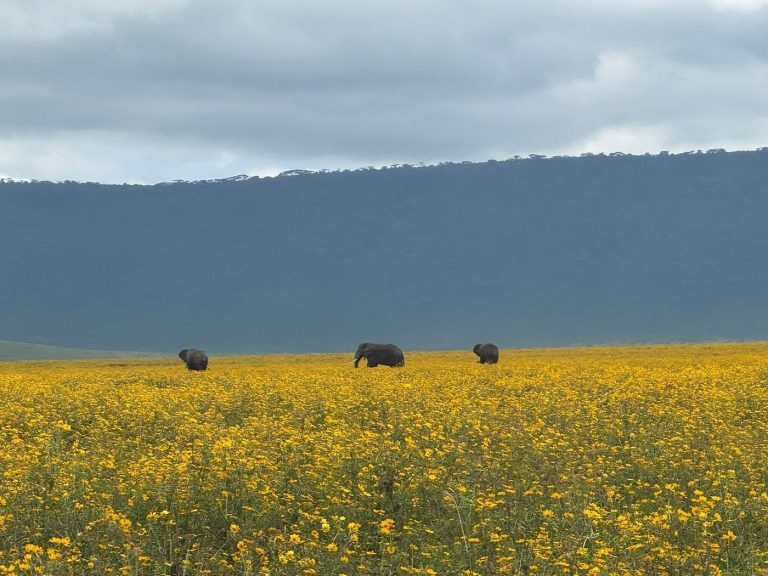
From about December to March the herds spread over the short grass plains in the south of the park and across the boundary into the Ndutu area of the Ngorongoro Conservation Area. The old volcanic ash soils grow a mineral rich grass that suits lactating females, and most calves arrive in a short window around February, often several thousand a day at the peak. An Ndutu calving safari is the best season for predator action, since lion, cheetah and hyena shadow the newborns across open ground.
Ndutu lies outside the national park, so camps there follow Ngorongoro rules, which allow off road driving in parts of the area where the park itself does not. Photographers love it for that reason: a guide can position the vehicle for light and angle rather than craning from the track. Many camps are seasonal and shut outside the calving months. And when it rains, black cotton soil turns to grease, so expect slow going and the odd stuck vehicle.
Lake Ndutu and Lake Masek hold flamingos at times, and the woodland round them is good for giraffe and, if you are lucky, a lion up a tree. East of the main track, the Gol Kopjes are a long studied cheetah stronghold. Entry needs a special permit arranged through your operator at extra cost, and several trip reports rate that detour as the best day of their safari.
Western Corridor and Grumeti Safari
The Western Corridor runs from the central plains toward Lake Victoria along the Grumeti River. The herds usually reach it in May and June after the long rains, and the Grumeti produces the year’s first river crossings, typically from about mid June into July. They are smaller and less predictable than the Mara crossings, partly because the Grumeti is often a chain of pools by then, yet the river holds some very large Nile crocodiles.
Outside the migration window a Western Corridor safari is quiet. Resident game is thinner than at Seronera, the woodland hides animals, and tsetse flies bite in wooded stretches; travellers repeatedly mention that dark blue and black clothing seems to draw them. North of the park, the private Grumeti Reserve hosts a few high end lodges with walks, night drives and off road viewing, none of which the national park allows.
Northern Serengeti Safari at Kogatende and the Mara River
From about July into October the herds work into the far north, where the Mara River loops across the border from Kenya. A northern Serengeti safari is built around the crossings: thousands of wildebeest bunching on the bank, hesitating, then plunging in. The country around Kogatende and the Lamai Wedge on the northern bank has an airstrip and a cluster of camps, and its rolling hills make it one of the prettiest parts of the park. The Kenyan side of the same river is covered in our Masai Mara migration safari guide.
Be realistic about a crossing day. Herds can mass on a bank for hours and then turn away. Plenty of people wait half a day or longer in the vehicle, and some leave without a crossing. Vehicles bunch at the popular points, and a driver who parks in the herd’s path can stop a crossing altogether. Head out early, pack lunch and ask your guide to hold back. A central Serengeti lodge is usually too far from the river for a useful day, so a migration trip in these months needs nights in the north.
Lobo and Eastern Plains Safari Areas
The Lobo area sits between Seronera and the Kenyan border, with big granite kopjes, the Bologonja Springs and some of the lowest vehicle numbers in the park. Herds pass through on the way north in the dry months and again on the way south around October and November. Resident elephant, buffalo and lion keep drives worthwhile the rest of the year, and the private concession round Klein’s Camp to the east allows walks and night drives.
The eastern plains around Namiri, once closed to visitors for cheetah research, now hold a handful of camps and some of the best big cat viewing in Tanzania. Prices there sit at the top of the market. Even in April, with storm clouds overhead, trip reports describe herds lingering near camp and cheetah families hunting gazelle fawns within sight of the vehicle.
Wildebeest Migration Safari Month by Month
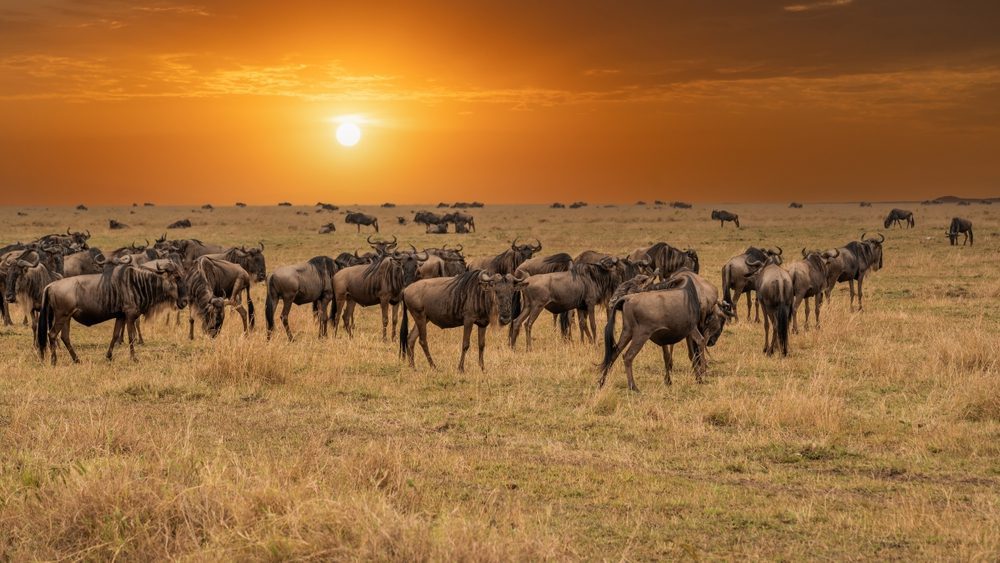
The Great Migration is a loop, not a single event. Well over a million wildebeest move with hundreds of thousands of zebra and gazelle in a roughly clockwise circuit between the southern plains and the Masai Mara, following rain and fresh grass. Tanzania National Parks describes more than 1.5 million animals on the move. The pattern holds from year to year, but the timing slides with the rains, sometimes by weeks, so nobody can promise calving or a crossing on a set date. For the whole story of the herds, see our Great Wildebeest Migration guide.

| Month | Usual herd area | Main event | Best base |
|---|---|---|---|
| January | South, Ndutu | Early calves | Ndutu, south |
| February | South, Ndutu | Calving peak | Ndutu, south |
| March | South plains | Calves, predators | Ndutu, south |
| April | Moru, Seronera | Long rains, moving | Seronera |
| May | Centre to west | Rut, long columns | Seronera, west |
| June | Western Corridor | Grumeti crossings | West |
| July | Grumeti to north | First Mara crossings | West, Kogatende |
| August | North, Mara | Mara crossings | Kogatende, Lamai |
| September | North, Mara | Crossings both ways | Kogatende, Lamai |
| October | Mara, Lobo | Late crossings | North, Lobo |
| November | Lobo, Loliondo | Short rains, return | Lobo, Seronera |
| December | Heading south | Herds regroup | Ndutu, south |
January to March. The herds graze the southern plains, and calving peaks in February. Prime time for cheetah and lion hunts. The short rains have greened the grass, so expect scattered storms and warm days.
April and May. The long rains arrive and the herds drift past Moru and Seronera, then west in long columns. The rut runs around May, with bulls fighting and calling through the night. Lodges are quiet, some camps close and tracks turn muddy.
June. Most of the herd is in the Western Corridor and along the Grumeti. The dry season begins, and central Serengeti is excellent for resident game.
July to September. The herds reach the north, and Mara River crossings come in bursts. A large share spends weeks across the border in the Mara, while big numbers stay on the Tanzanian side and cross back and forth. Peak season for visitors and wildebeest alike, so camps fill early.
October to December. Late crossings carry on into October in many years. When the short rains break, the herds turn south through Lobo and Loliondo on the eastern side, reaching the southern plains again by December. A short rains safari in November tends to be quiet and better value. Ready made migration routes for each season are laid out on our great migration safari packages page.
Best Time for a Serengeti Safari, Month by Month
The best time for a Serengeti safari depends on what you want from it. Late June to October is the long dry season: easy viewing, the northern river crossings and the heaviest demand. Late December to March brings calving on the southern plains and the year’s best predator action. Late March to May is the long rains, with green grass, muddy tracks, closed seasonal camps and the lowest prices. No month is a bad month, only a different trade off, and Tanzania National Parks itself points visitors to June to October for the migration and January to February for calving.
| Month | Weather | Crowds | Herds |
|---|---|---|---|
| January | Warm, showers | Moderate | Ndutu |
| February | Warm, mostly dry | High | Ndutu |
| March | Rains begin | Moderate | South |
| April | Wettest | Low | Moru, centre |
| May | Rain easing | Low | Centre, west |
| June | Dry, cool | Moderate | West |
| July | Dry, cool | High | West, north |
| August | Dry | Very high | North |
| September | Dry, warm | High | North |
| October | Dry, hot | Moderate | North, Lobo |
| November | Short rains | Low | Lobo, east |
| December | Showers | High at holidays | Heading south |
January and February are warm and green, with afternoon storms that rarely last. This is calving, so book Ndutu or a southern camp and pack a light rain jacket. February books up early, as do the Christmas and New Year weeks just before it.
March is a quiet shoulder month. Calves are still young and predators busy, the rains start to build late in the month, and lower park entry applies from 15 March, which our cost section below explains.
April and May are the green season. April is usually the wettest month of the year, and some seasonal and mobile camps close. Seronera stays productive for resident cats, roads are empty and lodge rates drop. Bring waterproof layers and expect a few slow, slippery drives.
June opens the dry season. Mornings in an open vehicle are cold, so a fleece earns its place, and the herds gather in the Western Corridor for the Grumeti crossings.
July to September is peak season. Grass dies back, animals gather near water, and the Mara River crossings draw the biggest crowds of the year in August. Dust is the main complaint, on the plains and on the gravel road in, so a buff and a dust cover for your camera help.
October is hot and dry, with late crossings in many years and thinner crowds once school holidays end in the northern hemisphere.
November and December bring the short rains, which green the plains in days. The herds stream south through Lobo, birders get the arrival of Palaearctic migrants, and rates ease until the festive weeks.

Temperatures stay mild all year: warm afternoons in the high 20s Celsius and cool mornings, coldest from June to August. For rain, crowds and wildlife across the rest of the country, see our guide to the best time to visit Tanzania.
Serengeti Safari Cost and Park Fees
A Serengeti safari cost comes down to four lines: park fees, the vehicle and guide, where you sleep, and whether you drive or fly. Park fees are fixed by Tanzania National Parks (TANAPA) and are the same for everyone; the rest moves with season, tier and group size. Package prices from Arusha operators include park fees, the vehicle, a driver guide and full board, and across the operators’ own published rates the site has checked, they run at about US$220 to US$460 per person per day for camping trips, US$340 to US$515 a day for private mid range lodge safaris with two sharing, and from about US$900 a day for luxury camps.
| Fee, adult non resident | Basis | Amount |
|---|---|---|
| Serengeti entry, high season | Per 24 hours | US$82.60 |
| Serengeti entry, 15 Mar to 15 May | Per 24 hours | US$70.80 |
| Lodge or camp concession | Per night inside | About US$70.80 |
| Public campsite | Per night | About US$35.40 |
| Ngorongoro transit, by road | Per 24 hours | US$70.80 |
The amounts include Tanzania’s 18 percent VAT, which is why some quotes show US$70 or US$60 and others the higher figures. Entry is charged per 24 hours, so a two night stay usually means paying for two or three periods depending on the clock. The concession is charged for each night in a lodge or tented camp inside the park, and it is the line travellers forget when they compare camps inside the park with cheaper lodges just outside it. Children aged 5 to 15 pay less, and under fives enter free.
The road from Arusha crosses the Ngorongoro Conservation Area, so a driving safari also pays the Ngorongoro Conservation Area Authority’s US$70.80 entry each way, even if you never descend into the crater. Ndutu is inside that conservation area too, so a night at an Ndutu camp pays Ngorongoro fees rather than Serengeti ones.
Package examples from Arusha operators’ published rates show how the totals stack up: about US$990 per person for a 4 day group camping trip, about US$1,220 for a 3 day group lodge trip with one Serengeti night and the crater, about US$1,890 for 5 days in lodges, and US$2,401 to US$3,585 for a private 7 day trip, depending on group size and season. At the top end, Singita Sasakwa in the Grumeti Reserve publishes US$2,550 to US$3,525 per adult per night before park fees.
Prices move most with the month. April and May are the cheapest, both for park entry and for lodges, and the Christmas weeks, February and July to October cost the most. Group size matters on a private trip, because the vehicle and guide are split between fewer people. Most operators ask a deposit of 20 to 30 percent to confirm, a few up to 40 percent, with the balance due some weeks before travel. Our Serengeti safari cost guide builds full totals for several trip lengths, and the Tanzania safari cost guide covers the other parks.
How Many Days You Need for a Serengeti Safari
Three nights inside the park is a sensible minimum for a Serengeti safari, giving two full days of game drives plus the afternoons either side. Four or five nights lets you split time between Seronera’s resident cats and wherever the herds are, which is the single change that most improves a trip.
The road is what eats days. From Arusha, the drive in takes most of a day, and so does the drive out, so a road trip of fewer than five days spends a large share of its time in the vehicle between parks. That is why most people pair the Serengeti with Tarangire and the Ngorongoro Crater on the way in or out, making the road work for them. Flying cuts the transfer to about an hour each way, so a three night fly in trip can give as much game viewing as a five day drive.
For the far north in the crossing season, plan at least three nights near the river, because a crossing can take days to happen. By the end of a week of 6am starts, many travellers are tired, so a beach or pool day at the end is welcome.
Serengeti Wildlife Safari: Big Five, Predators and Plains Game
The Serengeti is above all a predator safari. Lions are the headline: Tanzania National Parks puts the population above 3,000, one of the largest in Africa, and a full day of game drives without one would be unusual. Cheetahs do well on the open southern and eastern plains. Leopards are shier but reliable along the Seronera River, resting in sausage trees and acacias through the heat of the day. Spotted hyenas are everywhere, and you may see bat eared fox, jackal, serval, caracal and, rarely, African wild dog in the far east and north.
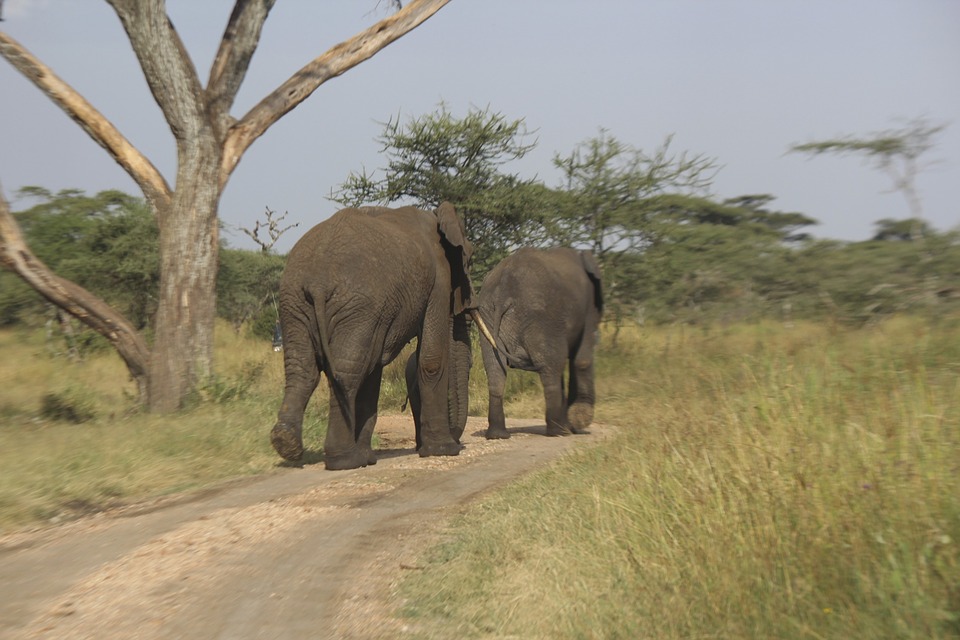
For the rest of the Big Five, elephant herds are common in the north, around Lobo and in parts of the Western Corridor, and buffalo are found throughout. Rhino is the hard one. The small black rhino population round Moru is guarded and seldom seen, so most visitors tick rhino off in the Ngorongoro Crater, and even there they are often distant. A combined trip gives the best realistic chance of all five, though no guide can promise them.

Plains game fills the gaps: topi, Grant’s and Thomson’s gazelle, impala, eland, kongoni, waterbuck and Masai giraffe, with hippos and crocodiles in the rivers. The herds owe their size to a cattle vaccine. Rinderpest, spread from livestock, held the wildebeest near a quarter of a million until cattle vaccination stamped it out, after which the population climbed past a million, according to the Mara Conservancy’s history of the ecosystem.
Small things reward patience too. Leopard tortoises cross the tracks after rain, chameleons inch over the road in Ndutu, and the kopjes hold hyraxes, agama lizards and klipspringer.

Birders count more than 500 species, from ostrich, kori bustard and secretary bird on the plains to grey breasted spurfowl, Fischer’s lovebird and rufous tailed weaver, which are found in few places outside northern Tanzania. Migrants from Europe and North Africa arrive from about November to April, when many residents breed as well. If your route also takes in Uganda, birding in Bwindi adds a completely different set of Albertine Rift forest species.
Serengeti Hot Air Balloon Safari
A Serengeti balloon safari is the add on most visitors ask about. Pickups run very early, usually between about 4:30 and 5:30 in the morning depending on the camp, and the balloon lifts around sunrise for roughly an hour over the plains, sometimes at treetop height and sometimes several hundred metres up. You land wherever the wind allows, sit down to a bush breakfast, then rejoin your guide for a game drive. Shared flights cost about US$599 to US$700 per person including the breakfast, and the park’s balloon fee is usually built into that price.

Launch sites follow the season. Seronera flies all year. Operators also launch from the Ndutu area during calving, roughly late December to mid March, from the Western Corridor in the middle of the year, and from Kogatende in the crossing months. Check which site fits your dates, because a central lodge is too far from a northern launch for a dawn pickup. Baskets carry a dozen or more people and sell out in peak months, and operators set their own minimum age for children. Most guests rate the flight a highlight; a few found an hour over empty grass less exciting than they hoped, so it is worth asking where the herds are that week. A pilot who cancels for wind is doing the right thing.
Serengeti Game Drives, Walking Safaris and Other Tours in the Park
Game drives are the core of every Serengeti safari. Morning drives leave around first light and run to late morning, when cats are active and the light is soft; afternoon drives go out from about 2pm until the evening curfew. Many guides prefer a full day with a picnic, especially in the north, which often means leaving at 6am and getting back after 4pm. Bring snacks, water, sunscreen and a pair of binoculars for each person, since one shared pair wears thin by the second morning. Our guide to safari cameras and binoculars covers what to look for, and the safari camera guide helps photographers choose a lens.

Lunch on a full day is a packed box at a picnic site. The main ones, with toilets, are at Naabi Hill gate, at the Seronera visitor centre, where a short trail and displays explain the ecosystem, and in the north near the Kogatende airstrip. Naabi Hill gives a wide view over the southern plains while your guide sorts the permits, and the Seronera centre is the place to stretch your legs in the middle of a long day. Most lodges pack a lunch box if you ask the night before.
Walking safaris run with a limited number of camps and operators in set areas, led by an armed ranger or licensed walking guide. You move slowly, read tracks and notice what a vehicle misses: dung beetles, termite mounds, birds and plants. Walks are short, a few hours in the cool of the day, and age limits apply. Horseback safaris are offered on some private land bordering the park, never inside it.
Night drives are banned inside the national park. They happen only in Ndutu and in the private reserves and concessions on the boundary, where guides use a spotlight to find genets, bushbabies, aardwolf and hunting lions. Evenings inside the park are for the fire instead, and with no town lights for a hundred kilometres the stars are the brightest most visitors have seen. Some camps set out telescopes or bush dinners and sundowners on a kopje.
Photographic safaris are mostly a question of vehicle space: a private vehicle, a window seat each and a guide willing to wait for light. Cultural tours fit in on the road between the Serengeti and the crater, with visits to Maasai villages in the Ngorongoro highlands and a stop at Olduvai Gorge, the early human site where the museum explains the fossil finds of the Leakey family. Some lodges also run Maasai beadwork sessions and talks by naturalists.
Types of Serengeti Safari Tours: Camping, Lodge, Fly In and Private Trips
Four broad kinds of Serengeti safari tour are on sale, and the right one depends on time, budget and how much road you can bear.
Food is rarely a worry. Lodges and tented camps serve full board, often with packed breakfasts or bush lunches on long drives, and camping crews cook three meals a day. Tell the operator about diets when you book, since remote camps order supplies in advance.
Expect patchy connectivity. Camp wifi is slow and often limited to the main tent, and mobile signal comes and goes on the plains, so many travellers buy a local SIM or an eSIM in Arusha as a backup. Treat it as a few days off.
Travellers with limited mobility can do a Serengeti safari with some planning. Vehicles have a high step and bush planes board by short steps, so ask about ground floor rooms, handrails and a vehicle with a lower entry; a few operators specialise in accessible trips. Families with young children do best on shorter drives and at a lodge with a pool, and our family safari in Africa guide covers ages and camp rules.
Where to Stay on a Serengeti Safari by Region and Budget
Your bed decides how much of each day goes on driving. Permanent lodges give comfort and reliability, tented camps put you closer to the bush, and mobile camps follow the herds. The names below are examples to discuss with your operator, not a full list, and seasonal camps open and close by month.

Two habits save trouble. Split your nights when the herds are in the north or south: two nights at Seronera for resident game, then two near the herds. And stay inside the park where you can, because lodges beyond the boundary cost less but add long drives to the best areas. Published luxury rates start at several hundred dollars per person per night and pass US$2,500 at the top camps, while mid range lodges sit well below that; the cost section above shows how the nightly concession adds to every bed inside the park.
Getting to the Serengeti: Road Safari from Arusha or Fly In
Arusha is the starting point for almost every Serengeti safari. International flights land at Kilimanjaro International Airport (JRO), about an hour from Arusha, and some travellers arrive through Dar es Salaam or Zanzibar. Check the visa rules before you fly; our East Africa tourist visa page explains which visa covers a multi country route.

By road, Arusha to Seronera is around 325 kilometres and seven to eight hours of driving without long stops. Tarmac runs past Karatu, climbs over the Ngorongoro crater rim and drops onto the plains at Naabi Hill gate, where permits are checked. The last stretch is gravel, corrugated in places and very dusty in the dry months. Because the road crosses the Ngorongoro Conservation Area, that area’s entry fee applies as well. Most itineraries break the drive with a night in Karatu or on the crater rim, which turns a slog into a game drive. Seronera to Kogatende alone takes several hours more.
By air, small planes fly from Arusha and Kilimanjaro to Seronera, Kogatende, Lobo, Kusini, Ndutu and the Grumeti strips. Central Serengeti is about an hour away, the north longer, often with stops. Scheduled fares listed by Arusha operators run at about US$259 plus US$28 tax to Seronera and about US$355 plus US$33 to Kogatende, each way. Luggage limits are strict, usually around 15 kilograms per person in soft bags. A common plan is to drive in through Tarangire and the crater and fly out, or fly into the north for the crossings and drive back by way of the crater. For routes into the wider region, including Uganda, see our getting there guide.
Self drive is possible with a suitable 4×4 and the right permits, but few visitors find it worthwhile: roads are rough, signs are few, and a local guide hears on the radio where the cats were seen that morning. Our self drive safari guide explains where driving yourself makes more sense.
Serengeti Safari Itineraries with Ngorongoro, Tarangire and Zanzibar
Most visitors see the Serengeti on the northern circuit safari, which links it with Tarangire, Lake Manyara and the Ngorongoro Crater. Driving from Arusha, the natural order runs Tarangire for elephants and baobabs, then Manyara or a night in the Karatu highlands, then the Serengeti, then the crater on the way back. A Ngorongoro Crater safari is the Serengeti’s best partner, filling the rhino gap in half a day on the crater floor.

Our sample itineraries show how the days split. A 3 day Tanzania safari or a 4 day safari tour is tight for the Serengeti by road and works better fly in, since a third of a short road trip goes on driving. The 5 day Tanzania safari and the 6 day wildlife safari cover Tarangire, the Serengeti and the crater with two nights in the park.

With a week or more, the 7 day adventure safari and the 8 day Tanzania safari leave time to split nights between the centre and the herds. Longer trips such as the 9 day safari, the 10 day wildlife tour, the 12 day safari and the 14 day safari add Lake Eyasi, Lake Natron or the far north.

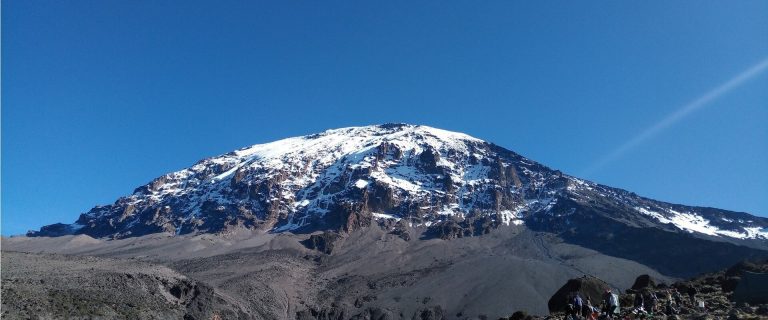
Zanzibar is the classic finish. Flights run from Serengeti airstrips and Arusha to the island, so you can go from bush to beach without backtracking. The 15 day Tanzania safari and Zanzibar holiday shows how it fits. Some travellers also climb with a Kilimanjaro trek before the safari, which needs a week on its own.

Seven or eight days feels right for most first timers. For the whole country, from the southern parks to the coast, start with our Tanzania safari guide, and use the Tanzania safari planner to test a route against your month.
Serengeti Safari or Masai Mara Safari: How the Parks Compare
The comparison people make most is with Kenya’s Masai Mara, and the plain answer is that they are one ecosystem split by a border. The Serengeti is far bigger, holds the herds for most of the year and has calving in the south. The Mara is compact, closer to Nairobi and very good from July to October, with crossings on the same river. A Masai Mara safari in Kenya suits a short trip; the Serengeti rewards a longer one.
| Park | Size | Best for | Gateway |
|---|---|---|---|
| Serengeti | 14,763 sq km | Herds, big cats | Arusha |
| Masai Mara | About 1,510 sq km | Short trips, crossings | Nairobi |
| Ngorongoro Crater | About 260 sq km floor | Rhino, one day | Arusha |
| Tarangire | About 2,850 sq km | Elephants, baobabs | Arusha |
| Kruger | About 19,500 sq km | Self drive, Big Five | Johannesburg |
On cost, the Mara is not always cheaper. Its reserve fee is US$100 per day from January to June and US$200 from July to December, more than Serengeti entry in the peak months, though shorter transfers from Nairobi save money elsewhere. If you are thinking of the Mara outside the migration, the long rains of April and May are the months many Kenya guides avoid, much as in the Serengeti.
Within Tanzania, the crater and Tarangire are partners, not rivals: the crater for a dense half day and rhino, Tarangire for elephants in the dry season. Kruger in South Africa offers tarred roads and self drive, yet no migration of this scale. The direct border post at Bologonja is closed to tourist traffic, so a two country trip flies between Kilimanjaro and Nairobi or drives round through Namanga or Isebania.
How to Book a Serengeti Safari Tour and Choose an Operator
Most visitors book a Serengeti safari tour through a licensed Tanzanian operator who arranges the vehicle, a driver guide, park permits and lodges. Park entry is paid through TANAPA’s system, usually by the operator at the gate, so a private visitor rarely handles the fees directly. Compare quotes from two or three companies on our list of Tanzania safari companies, and check what each includes: park and concession fees, Ngorongoro transit and crater fees, drinking water, balloon flights and internal flights are the usual differences. Regional operators such as All in Africa Safaris publish their own guides to Serengeti National Park, which help when comparing what different companies offer.

A good quote names the lodges night by night, states whether the vehicle is private or shared and how many window seats it has, lists every park fee with VAT, and says what happens if a balloon flight is cancelled. Ask for a guide who knows the region you will visit, a pop top vehicle, and routes away from the busiest roads. Tell the guide on day one what you most want to see. One told that you care about cheetahs or birds will plan a different day from one who assumes you only want lions.
Timing the booking matters as much as the company. For the northern camps in August and the calving camps round Ndutu in February, book six to twelve months ahead. Most operators take a deposit of 20 to 30 percent, some up to 40 percent, so read the cancellation terms before you pay. A quote far below the market rate usually cuts a corner somewhere: an older vehicle, a lodge outside the park or a guide new to the region. Tipping the guide and camp staff is customary, so ask your operator for its current guideline and carry small notes.
Serengeti Safari Safety, Health and Visas
Safety on a guided Serengeti safari is mostly about wildlife and roads. Stay in the vehicle unless your guide says otherwise, never walk round an unfenced camp after dark without an escort, and avoid driving at night outside the parks. In Arusha and other towns, keep valuables out of sight and avoid demonstrations. The northern parks sit far from the areas most travel advisories focus on, but read your own government’s current advice before you book, since its level changes. Our page on safe countries to visit in Africa compares the region.
The Serengeti is a malaria area. Ask a travel clinic about tablets, and use repellent and long sleeves at dawn and dusk. Tanzania may ask for a yellow fever certificate if you arrive from a country with yellow fever risk, including Kenya and Uganda, which matters on combined trips. Tsetse flies bite in wooded areas of the west and north; the bites sting, and the flies are drawn to dark blue and black. Travel insurance with medical evacuation cover is sensible for remote parks, and our African safari insurance guide explains what to look for.
Most visitors need a Tanzanian tourist visa, applied for online before travel or bought on arrival at the main airports. The ordinary single entry visa costs US$50, while United States citizens take a multiple entry visa costing US$100. Tanzania also asks visitors to buy its inbound travel insurance.
What to Pack and Wear for a Serengeti Safari
Packing for a Serengeti safari is simple but it matters. Bring neutral clothes in khaki, olive or tan, a warm fleece for open vehicles at dawn, a wide brimmed hat, sunglasses, sunscreen, repellent and a buff for the dust. Leave white at home, because the dust turns it brown within an hour, and skip dark blue and black in tsetse country. Red is fine on a game drive; bright colours only matter on walks, where they stand out.

Soft bags are needed for light aircraft, with the 15 kilogram limit in mind. A light rain jacket earns its space from November to May. Spare camera batteries and a car charger help, since lodges run on solar electricity and some only in the main area. Our African safari packing list runs through it item by item, the what to wear on safari guide covers colours and layers, and our safari gear guides cover boots, jackets, bags and optics.
Pairing a Serengeti Safari with Gorilla Trekking in Bwindi
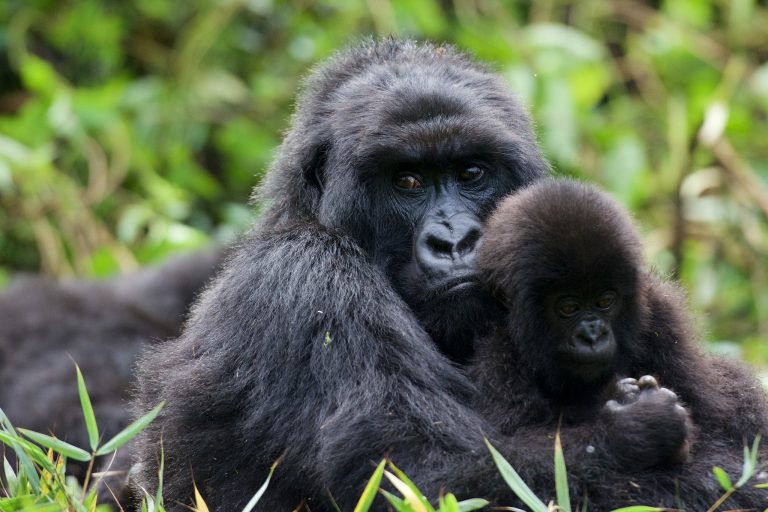
A Serengeti safari and mountain gorilla trekking in Uganda make one of East Africa’s favourite combinations, because the savannah and the rainforest have almost nothing in common. Most travellers fly from Kilimanjaro or Arusha to Entebbe or Kigali, then go on to Bwindi Impenetrable National Park in southwest Uganda. No practical road links the two, so flights are the sensible route.
Timing matters more than order. The dry seasons overlap well from June to September, matching the northern crossings with the easiest trekking in Bwindi, and December to February pairs calving with Uganda’s shorter dry spell. Our guide to combining a Tanzania safari with gorilla trekking lays out sample routes. Uganda gorilla permits are booked through a licensed tour operator and sell out ahead of most lodges, so check gorilla permit availability before you fix your Serengeti dates.
Serengeti Safari FAQ
How much does a safari in Serengeti cost?
Package prices from Arusha operators, which include park fees, the vehicle, a guide and full board, run at about US$220 to US$460 per person per day for camping trips, US$340 to US$515 for private mid range lodge trips with two sharing, and from about US$900 a day for luxury camps. Published examples include about US$1,220 for a 3 day group lodge trip with the crater, US$1,890 for 5 days in lodges and US$2,401 to US$3,585 for a private 7 day trip. Serengeti entry is US$82.60 per adult per 24 hours in the high season and US$70.80 from 15 March to 15 May, plus a nightly concession inside the park. The Serengeti safari cost guide has full totals.
What are the best months for a Serengeti safari?
June to October for the dry season and the Mara River crossings, and late January to February for calving on the southern plains. April and May are wettest and cheapest, with resident cats still easy to find round Seronera.
What month is the Great Migration in the Serengeti?
The herds are in the Serengeti ecosystem in every month. Calving runs from about January to March in the south, the Grumeti crossings come in June and July, and the Mara River crossings run from about July into October in the north.
How many days do you need in the Serengeti?
Three nights in the park is the sensible minimum, and four or five lets you split time between Seronera and the herds. Driving from Arusha adds most of a day each way, so road trips usually add Tarangire and the crater.
Is a Serengeti safari worth it?
For most people, yes, provided the region matches the month. Visitors who come away disappointed were usually based in the wrong area for the herds, or spent most of a short trip on the road. Plan the region first and the Serengeti rarely lets anyone down.
Is it safe for Americans to go to Tanzania right now?
The northern parks are far from the places most advisory warnings focus on. Read the US State Department’s current advisory before booking, avoid demonstrations in towns, and travel with a licensed operator. On safari the real risks are road travel, wildlife and malaria.
Why can’t you wear black or white on a safari?
Black and dark blue attract tsetse flies in wooded parts of the park, and white turns grey in the dust within an hour. Khaki, olive and tan work best. Red is fine in a vehicle, though bright colours stand out on walks.
Is the Serengeti better than the Masai Mara or Kruger?
The Serengeti and the Mara are one ecosystem: the Serengeti is larger, with calving and more varied regions, while the Mara is smaller, closer to Nairobi and best from July to October. Kruger suits self drive with tarred roads, but has no migration on this scale.
Can I see a river crossing for sure?
No. Herds can gather for days without crossing, and the timing moves each year with the rains. Several nights in the north and long mornings at the river give the best chance.
Will I see the Big Five on a Serengeti safari?
Lion, leopard, elephant and buffalo are seen by most visitors over three or four days, though nothing is guaranteed. Rhino is rare in the Serengeti, so add a day in the Ngorongoro Crater if you want all five.
Is a Serengeti safari suitable for children and older travellers?
Yes, with planning. Long hours on rough tracks tire young children, so shorter drives and a lodge with a pool help, and some camps, walks and balloon flights set minimum ages. Older travellers often fly in to avoid the long road.
Will my phone work in the Serengeti?
Sometimes. Signal is decent near Seronera and patchy elsewhere, and camp wifi is often slow and limited to the main area. A local SIM or eSIM bought in Arusha is the best backup.