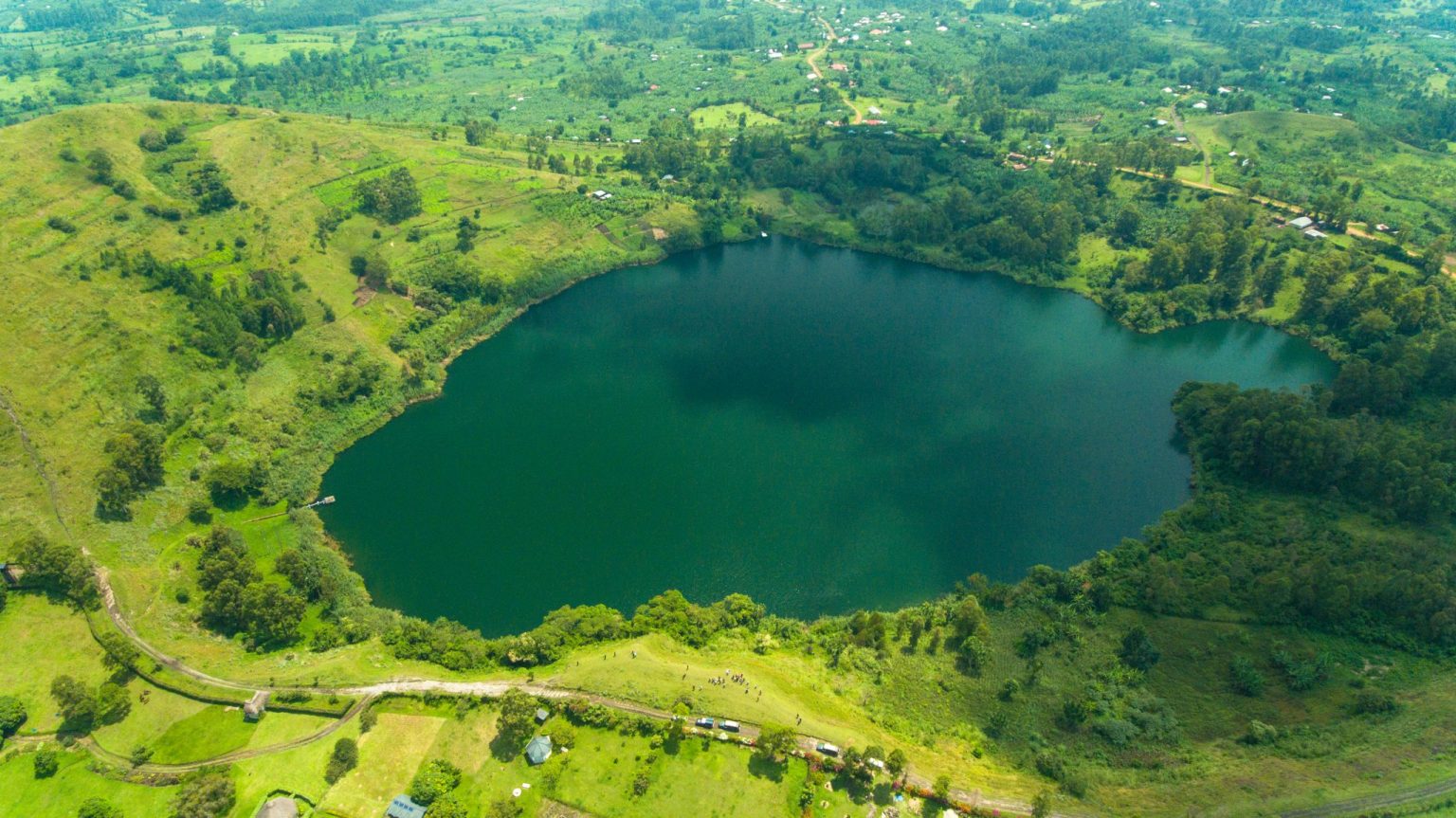
Is Uganda safe to visit? For most travellers on an organised safari or gorilla trek, yes, with clear caveats: the real risks sit in road travel, city crime, border areas and a regional Ebola situation, and US advice is far stricter than the UK’s or Germany’s. Gorilla trekking in Bwindi Impenetrable National Park runs under armed ranger escort. Uganda is an East African country of about 46 million people, home to about half the world’s mountain gorillas.
That short answer hides a lot of detail, and the detail is the useful part. Below, the current travel advice from Washington, London, Ottawa and Berlin is set side by side, followed by what the risks look like on the ground in Bwindi, on the safari circuit and in Kampala, and what you can do about each one.
Is Uganda Safe to Visit Right Now for a Safari?
The honest answer depends on who is asking and where they plan to go. A traveller on a guided Uganda safari with a licensed operator, a professional driver and booked lodges sits in a very different risk bracket from a backpacker riding motorbike taxis around Kampala at night. Official advisories are written for every citizen in every situation, which is why they read so starkly.
Most of the danger in Uganda is predictable. It clusters around a few places and a few behaviours: the western border with the DRC, the far north near South Sudan, the Karamoja region in the northeast, night driving, public transport and certain parts of Kampala after dark. Organised gorilla trekking tours and game drive safaris are routed and timed to avoid most of those.
Short version? Uganda is not risk free.
Nor is it the place the strictest advisory might suggest at first reading. Thousands of visitors trek with gorillas in Bwindi and Mgahinga each year, ride the Kazinga Channel boats in Queen Elizabeth and watch the Nile force itself through Murchison Falls, and the large majority go home with nothing worse than sore legs and a sunburn. The key is to read the official advice properly, pick a reputable operator and accept a few rules that would feel unnecessary at home.

Official Travel Advice for Uganda Safari Trips: US, UK, Canada and Germany
The four governments readers most often ask about disagree quite sharply right now. Each was checked on its official page or official data feed for this update, and the table summarises where they stand at the latest check before the detail below.
| Country | Level at latest check | Main reasons |
|---|---|---|
| United States | Level 4, Do Not Travel | Health, crime, terror, unrest |
| Canada | Avoid travel that is not necessary | Ebola, terror, crime |
| United Kingdom | No areas advised against | Terror, crime, roads |
| Germany | No country warning | DRC border, Semliki |
United States. At the latest check, the State Department rates Uganda Level 4, Do Not Travel, naming crime, health, terrorism and unrest, a rating that has stood since an update in early June. The health indicator is tied to the regional Ebola situation, and the advisory says the US government has limited ability to provide emergency consular help to its citizens in Uganda during the outbreak. Its crime section is blunt: armed robbery, home invasion and sexual assault happen, crime is more common in the larger cities, Karamoja and along the western and northern borders, and police struggle to respond to serious crime in most places. Terrorist groups have targeted religious venues, schools, transport hubs and areas visited by tourists, national parks among them. For comparison, the same feed rates Rwanda and Kenya at Level 3, Reconsider Travel, and the DRC at Level 4. Entry rules at home matter too. At the latest check, US citizens who had been in the DRC within the previous 21 days could not board flights to the United States, and US entry measures for people recently in Uganda have been changed more than once during the outbreak, so American travellers should read how the current order applies to their own passport and route home before booking anything. The CDC, for its part, lists Ebola in the DRC and Uganda at Level 2, Practice Enhanced Precautions, at the latest check.
United Kingdom. At the latest check, the FCDO does not advise against travel to any part of Uganda. Its advice was last updated in October to remove the yellow fever certificate requirement, and it says terrorists are very likely to try to carry out attacks, warns about crime, demonstrations, poor driving standards and the Anti Homosexuality Act, and asks visitors to Bwindi and Mgahinga to use registered tour operators, check with the Uganda Wildlife Authority before travelling and avoid tours that cross into the DRC. The FCDO advises against all travel to the DRC provinces that border Uganda, Virunga National Park included. On Ebola, it notes that the WHO declared Uganda’s outbreak over at the end of August while the one in the DRC continues.
Canada. At the latest check, Global Affairs Canada advises Canadians to avoid travel to Uganda that is not necessary, because of the regional Ebola outbreak, terrorism and high crime, and to avoid all travel within 50 km of the South Sudan border, with an exception for national park visits with a reputable guide on well travelled roads. Canada has also introduced temporary border measures: citizens and permanent residents returning from Uganda, the DRC or South Sudan within 21 days must quarantine and monitor their health, a rule currently set to run until late November. Canada’s page still lists a yellow fever certificate as an entry requirement, which shows how slowly some official pages catch up after a change.
Germany. At the latest check, the Auswärtiges Amt has no formal travel warning for Uganda. It strongly advises against travel that is not necessary to Semliki National Park, advises against such travel in the rest of the strip within 20 km of the DRC border, and asks for particular care in Queen Elizabeth, Bwindi, Mgahinga and Rwenzori national parks, around the Sabyinyo, Gahinga and Muhavura volcanoes and in Karamoja, including checking the current security picture with local security forces. It also names the Ishasha sector in the south of Queen Elizabeth as an area where border clashes can carry risk. On health, it lists no compulsory vaccinations for direct entry from Germany, though onward countries such as Rwanda may still ask for a yellow fever certificate.
Australia’s Smartraveller sits closer to the UK and Germany, asking at the latest check for a high degree of caution overall, with stricter levels in the South Sudan and DRC border areas. Travel advice can change within days, so check your own government’s page the week you fly and again just before departure.
Ebola and Other Health Alerts for Uganda Safari Travellers
Ebola is the reason the US and Canadian advice tightened, so it deserves a plain explanation. In May, an outbreak of Bundibugyo virus disease, a form of Ebola, was confirmed in the DRC’s Ituri Province and spread into Uganda through imported cases. The WHO declared it a public health emergency of international concern within days. Uganda’s own outbreak stayed small and was declared over by the WHO at the end of August. The DRC outbreak is still active.
Early in October, Kenya reported an imported case in Nairobi in a traveller whose route had passed through Uganda, and Uganda’s Ministry of Health traced contacts. There is no approved vaccine or specific treatment for the Bundibugyo strain, which is why governments remain cautious even when local case numbers are zero.
What does this mean for a gorilla trekking safari? Bwindi and the southwest are not outbreak zones. The practical effects are elsewhere: Uganda has kept its border crossings with the DRC closed since late May, with exceptions only for response teams, humanitarian work, food and cargo, and anyone who does enter from the DRC must quarantine for 21 days, so do not plan any trip that links Uganda with Congo’s parks. You may face temperature checks at Entebbe on departure, and some countries screen or restrict arrivals who were recently in Uganda. Read the rules for your home country and any transit hub before you buy a ticket.
A cluster of Marburg virus cases was also reported in Kyegegwa district in western Uganda this year, and the German advice lists Marburg among the outbreaks recorded recently. Kyegegwa is not on the usual safari routes, but anyone driving between Kibale and Kampala should check the latest Ministry of Health updates first.
Standard advice from the German and US authorities applies: avoid hospitals unless you need one, avoid funerals and large crowds, avoid contact with wild animals and bushmeat, and call a doctor by phone rather than walking into a clinic if you develop a fever within 21 days of leaving. Malaria causes similar early symptoms, so keep taking your antimalarials.
Gorilla Trekking Safety in Bwindi and the DRC Border Question
Gorilla trekking in Bwindi is among the most tightly controlled activities a tourist can do in Uganda. Every trek starts with a ranger briefing at the sector headquarters, groups are capped at eight visitors per gorilla family, and the party is escorted into the forest by Uganda Wildlife Authority rangers, some of them armed. Most visitors who write about it say the rifles are explained as a deterrent for forest elephants and buffalo rather than people, and that the rangers are the calmest people on the trail.
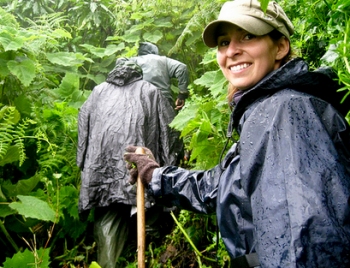
The real trail hazards are physical. Treks can last anything from under an hour to six or seven hours, on steep, muddy, nettle covered slopes. Twisted ankles and falls are the most common injuries, which is why trip reports keep returning to the same advice: wear broken in boots with grip, use the walking stick handed out at the briefing, wear gardening gloves for nettles and hire a porter. The gorilla trekking packing list covers the gear, and the gorilla habituation experience is worth reading about if you want longer with a family and are fit enough for a full day off trail.
The border question needs a straight answer. Bwindi’s southern sectors, Nkuringo and Rushaga, lie close to the DRC frontier, and Mgahinga touches it. Bwindi has a dark history here: in 1999 an armed group crossed from Congo and killed eight tourists near Buhoma. Security was rebuilt after that attack, with a permanent military and ranger presence, and the park has hosted visitors without a comparable incident since. The UK notes that security personnel routinely accompany tourists on gorilla tracking visits in this area, asks visitors to use registered operators and avoid any tour crossing into the DRC, and Germany names Bwindi and Mgahinga among the parks where particular care is advised.
Practically, that means trekking with a licensed operator who knows which roads are being used, travelling in daylight and never accepting an offer to pop across to Congo. Northern Buhoma and eastern Ruhija sit further from the border, and every sector is covered on the main Uganda gorilla trekking safari guide.
One more rule protects the gorillas rather than you. Anyone with a cold, flu or stomach bug can be stopped from trekking on the day, because gorillas catch human respiratory infections. Rangers take this seriously, so travel insurance that covers a missed trek through illness is worth having.
Safety on Uganda Safari Routes and National Park Tours
Beyond Bwindi, the standard Uganda safari circuit runs through Murchison Falls, Kibale Forest, Queen Elizabeth and Lake Mburo. Each has its own security picture.
Queen Elizabeth National Park is where the most serious recent attack on tourists happened. In October 2023, two foreign visitors and their Ugandan driver were killed on a park road by militants linked to the Allied Democratic Forces, an armed group based in the eastern DRC. Since then, patrols have increased, some safari vehicles travel with armed escorts in the Ishasha sector, and operators plan routes with the army and park authorities. Germany also lists more recent attacks on security posts and a school in the Kasese and Fort Portal areas, which lie between Queen Elizabeth and Kibale, plus raids on villages south of Kibale, so ask your operator how they currently handle that stretch.
Murchison Falls safaris and Lake Mburo sit away from the western border and carry a lower profile, although wildlife itself is a hazard: hippos and buffalo kill more people in Africa than most tourists realise, so stay in the vehicle on game drives and follow ranger instructions on walks. Chimpanzee trekking in Kibale follows the same ranger led model as gorilla trekking.
Semliki National Park, on the DRC border, is the one park that Germany singles out and advises against visiting unless necessary. Karamoja and Kidepo Valley in the far northeast are still visited, but cattle raiding and armed theft mean they need extra planning, and most operators fly guests in rather than drive.
Road Travel Safety on a Uganda Safari Trip
Road accidents are the single biggest danger to a visitor in Uganda, more than crime and far more than terrorism. Every one of the four governments says so in its own words. Driving standards are poor, overtaking on blind bends is routine, and at night the roads fill with unlit vehicles, cyclists, pedestrians and livestock.

Boda bodas, the motorbike taxis that swarm Kampala, are the main thing to avoid. The UK, US, Canadian and German advice all warn against them, partly because of crashes and partly because some riders have mugged passengers. Matatus (shared minibuses) and long distance buses carry similar risks, and overnight buses have been robbed. Lake Victoria ferries have a poor safety record from overloading.
The drive to Bwindi is long, typically eight to ten hours from Entebbe by road, with the last section on winding murram tracks that turn to mud in the rains. A professional safari driver in a well maintained 4×4, a rule of no driving after dark outside town, and an overnight stop on the way down are the three things that reduce risk most. Flying into Kihihi or Kisoro on a domestic flight cuts the drive out entirely; the options are compared on the getting to Bwindi page. The rainy seasons, roughly March to May and September to November, make some roads slow or impassable, as covered in the best time for gorilla trekking in Uganda guide.
Self drive is legal and some visitors do it, but it is the higher risk choice. Police checkpoints are common, so carry your passport and driving licence. UK visitors can drive on a UK licence for up to three months. The UK advice also asks drivers to stay off the roads outside main towns after dark, with the Kampala to Entebbe road the one exception, and warns that armed criminals sometimes stop vehicles; if that happens, do not resist.
Two smaller things catch arriving visitors out. At Entebbe International Airport only ticketed passengers may enter the terminal, so whoever meets you will be waiting outside. And on the last Saturday of each month, between 7 and 10 in the morning, Uganda holds a national cleaning day when businesses close and most movement stops; tourists and international travellers are exempt, but police may ask you to explain where you are going, so carry your documents and let your driver plan around it.
Crime and Scams in Kampala and Entebbe for Tour Visitors
Kampala has the crime you would expect of a large, fast growing African capital. Pickpocketing and bag snatching are common in markets, taxi parks and crowded streets, and muggings happen after dark, sometimes by people on motorbikes. Armed robbery and carjacking are less common but do occur, including against foreigners. If someone threatens you, hand over what they want; every government advises against resisting.
Practical habits help more than anything else. Leave the passport in the hotel safe and carry a copy. Use ATMs inside banks or malls. Keep phones out of sight in traffic, since snatch theft through open car windows happens in Kampala jams. Order taxis through your hotel or an app rather than flagging one down, and do not walk around at night, even short distances. Entebbe is calmer and smaller, and many safari itineraries stay there on the first and last nights rather than in Kampala at all.
Scams are mostly low level and familiar. Overcharging by drivers and market traders is routine, so agree a price before any ride or purchase. Strangers who stop you with a hard luck story or a business offer, or who phone your hotel room asking for details, are best ignored. The two scams that matter most for safari travellers are visa and permit fraud. Apply for your visa only through the official Uganda immigration portal, because lookalike sites charge more or take money for nothing. Buy gorilla permits only through a licensed tour operator that is a recognised member of AUTO, the Association of Uganda Tour Operators, which buys them from UWA in your name; the guide to booking Uganda gorilla permits explains the legitimate routes. Uganda’s Ministry of Health has also warned about fraudsters selling fake Ebola test results and certificates, which no traveller needs.
Drink spiking in bars and on public transport has been reported, followed by robbery, and the UK also warns about methanol in illicit spirits. Stick to sealed bottled drinks and never leave a glass unattended.
Health Precautions for a Uganda Safari or Gorilla Trek
Malaria is the most common serious health risk for visitors and is present across Uganda, including around Bwindi and the savannah parks. See a travel clinic six to eight weeks before you fly, take antimalarials, and use repellent and long sleeves at dusk.
On yellow fever, the rules have just changed. In October, Uganda’s immigration authorities dropped the yellow fever vaccination certificate as a condition of entry, and the UK advice was updated to say it is no longer mandatory; Germany, at the latest check, lists no compulsory vaccinations for direct entry from Germany while still recommending the yellow fever jab. Some official pages, Canada’s among them, and some airline systems were still catching up at the latest check, and Rwanda and Kenya can still ask for proof from travellers arriving from Uganda, so carry the certificate if you have one and confirm current rules before you fly.
Drink bottled or boiled water, avoid ice and street food from unlicensed vendors, and avoid swimming in lakes and rivers because of bilharzia; Lake Bunyonyi is widely described as an exception, though no lake can be guaranteed clear. Medical care in Kampala is reasonable for routine problems, but facilities outside the city are limited and serious cases are often evacuated to Nairobi or further. That makes safari travel insurance with medical evacuation cover the single most useful purchase after your permit. Altitude is a minor factor in Bwindi, which sits between roughly 1,160 m and 2,600 m, and a bigger one if you climb the Virunga volcanoes in Mgahinga. A travel first aid kit covers the small problems before you need a clinic.
LGBTQ+ Travellers on Uganda Tours: The Legal Situation
This needs stating plainly. Same sex sexual activity is illegal in Uganda. The Anti Homosexuality Act 2023 carries long prison sentences, life imprisonment for some offences and the death penalty for what it calls aggravated homosexuality, although Uganda has not carried out an execution of a civilian since 1999. The law also criminalises the promotion of homosexuality, with sentences of up to 20 years, and the US advisory states plainly that it applies to visitors and residents alike. Uganda’s Constitutional Court upheld most of the act in April 2024, and Germany notes that a further appeal to the Supreme Court is expected.
The UK, US, Canadian and German advice all describe a real risk of harassment, blackmail, arbitrary arrest and violence for people who are, or are perceived to be, LGBTQ+. Canada adds that attacks have increased since the law was passed. Tourists are rarely the focus, and many lodges and safari operators are discreet and welcoming, but the law applies to visitors too.
LGBTQ+ travellers should weigh this carefully before booking. Those who go typically keep a very low profile, avoid public displays of affection (which are frowned upon for all couples in Uganda), think twice about dating apps, and book through an operator they have asked directly about this. For a gorilla trek with fewer legal concerns, Rwanda gorilla trekking in Volcanoes National Park offers the same mountain gorillas, and Rwanda does not criminalise same sex relationships.
Women, Families and Solo Travellers on Uganda Safaris
Women travelling alone on an organised safari mostly report feeling safe in lodges and on treks, with the usual frustrations of unwanted attention in towns. Dressing modestly away from the lodges helps, as does using hotel arranged transport rather than street taxis. Solo travellers of either sex face more risk on public transport and at night, which is another reason most choose a guided trip with a driver. Our guide to safari clothes for women covers practical outfits.
Families travel widely in Uganda, but children must be at least 15 to trek with gorillas, so younger children stay at the lodge, often with a babysitter or doing a nature walk. Game drives, boat trips on the Kazinga Channel and short community walks suit families well. Lodges on the main routes, listed on the Bwindi safari lodges page, have staff and security on site, usually a guard at the gate and staff escorts to rooms after dark, since forest elephants and buffalo can wander through camp.
Political events are the other thing to plan around. Demonstrations can start without warning and have turned violent, particularly around elections, and the US advisory notes that security services have used batons, rubber bullets, tear gas and gunfire to break up crowds. Avoid rallies, and avoid wearing red or yellow near political gatherings, as these colours are linked to parties.
Is Uganda Safe for Americans, Indians and Other Visitors on Safari Tours?
Nationality changes the paperwork far more than the risk on the ground. A Uganda safari runs the same way for a passport from Ohio, Ontario, Hamburg, Copenhagen or Mumbai: same rangers, same roads, same lodge guards. What differs is your own government’s rating, your insurer’s reading of it and the rules for getting home.
Americans face the strictest home advice. With the US rating at Level 4 at the latest check, the two questions to settle before paying a deposit are whether your travel insurance still covers you under a Do Not Travel advisory and how current US entry measures treat someone flying home from East Africa. Plenty of American visitors still trek in Bwindi each month; they simply arrange those two things first and enrol in the State Department’s STEP alerts. Canadians need to read the quarantine rule for returning travellers, while British, German and Danish travellers sit under softer advice and mostly need standard insurance with medical evacuation cover.
Is it safe for Indians to visit Uganda? Yes, on the same terms as anyone else. Uganda has a long established Indian community, concentrated in Kampala and Jinja, whose families arrived in the colonial era; many were expelled under Idi Amin in 1972 and a large number later returned. Indian food, temples and businesses are part of everyday Kampala, and Indian visitors rarely report feeling singled out. Apply for the visa only through the official Uganda immigration portal, and follow the same road, city and health precautions as every other traveller.
Readers also ask whether Uganda is safe for white tourists. Skin colour is not the issue so much as looking wealthy. Foreign visitors of any background are assumed to have money, children call out “mzungu” in friendly greeting in rural areas, and the UK warns that criminals may target tourists who appear wealthy. Keep jewellery, cameras and phones out of sight in towns and the attention stays good natured.
The visible security helps. Banks, shopping malls, larger hotels and many restaurants in Kampala and Entebbe post guards at the door, vehicles are often checked at the entrance to big shopping centres and hotels, and Uganda’s police run a tourism unit in the main visitor areas. None of that removes risk, yet it is one reason most visitors on an organised trip report feeling safer than the headlines led them to expect.
Uganda Travel Rules on a Safari Trip: Colours, Camouflage, Photos and the 48 Hour Rule
Several Uganda safety questions are really questions about local law, and getting them wrong causes more trouble for visitors than crime does. These are the rules worth knowing before your safari trip starts.
Can you wear blue in Uganda? Yes. Blue is legal and common, and although it is also linked with one opposition party, the colours the UK flags around political events are red and yellow. The practical reason to leave dark blue and black in the bag is wildlife, not politics: tsetse flies are drawn to those colours in savannah parks such as Murchison Falls and Queen Elizabeth, and their bite stings. Khaki, olive and tan work better on game drives, and green or brown suits a gorilla trek in the forest.
The 48 hour rule searchers ask about is a legal protection, not a tourist rule. Uganda’s Constitution requires that anyone arrested be brought before a court within 48 hours. In practice, if you or someone in your group is detained, ask to contact your embassy at once, call your safari operator and do not sign anything you cannot read. Detentions of tourists are rare, and most involve photography near official sites, missing ID or arguments at checkpoints, all avoidable.
Practical Safety Tips Before You Book a Uganda Gorilla Safari
A few decisions made at home do most of the work. Book through a licensed operator; the gorilla safari companies page explains what to check, including registration with the Association of Uganda Tour Operators. Ask any operator directly how they route around current risk areas, whether vehicles travel after dark, and what happens if a road or park area closes.
Register with your embassy before you go: the US runs STEP, and the UK, Canada and Germany have similar alert services. Save the local emergency number, 999, and your operator’s 24 hour line in your phone, and keep a paper copy of your passport, visa, permit and insurance details. Read your government’s advice the week you fly, because it can change quickly.
If the Ebola situation or the advisories make Uganda feel too uncertain for this year, there are good options. Rwanda offers gorilla trekking with shorter drives from Kigali, and many travellers already combine Bwindi with Kenya’s Masai Mara safari or Tanzania’s Serengeti safari for the migration. The broader safest countries to visit in Africa guide compares the region.
Uganda, Kenya or Rwanda: Which Is Safer for a Safari Trip?
Which is safer, Kenya or Uganda? On paper, the answer flips depending on which government you read. Washington rates Uganda more strictly. London is stricter on Kenya. Neither verdict says much about a guided safari through either country’s parks, which share the same main hazards of roads, city crime and wildlife.
Where Kenya and Uganda really differ for a safari traveller is in the kind of risk. Kenya’s terrorism threat sits mostly near the Somali border and the north coast, far from the classic game parks. Uganda’s specific concern is the western border, which is where Bwindi, Mgahinga and Queen Elizabeth lie, though under heavy security. Many travellers simply combine the two, flying from Entebbe to Nairobi after their gorilla trek for a Masai Mara safari, and the Uganda vs Rwanda gorilla trekking comparison covers the choice between the two gorilla countries. One East Africa Tourist Visa covers Uganda, Kenya and Rwanda; the East Africa Tourist Visa guide explains how it works.
Can you travel to Uganda right now? Yes. Entebbe International Airport is open, international airlines fly in daily, visas are issued through the official online portal, and gorilla trekking, game drives and boat trips run on their normal schedules. What has changed is the paperwork around the trip, chiefly your own government’s rating, your insurance and any home country rules for travellers returning from the region.
Uganda Safety FAQ
Is Uganda safe to visit for gorilla trekking right now?
For most visitors on an organised trip, yes. Treks run every day with armed ranger escorts, and the gorilla parks are not Ebola outbreak areas. The main precautions are using a licensed operator, avoiding night travel and checking your government’s latest advice, which in the US case is Level 4 at the latest check.
Is it safe for Americans to travel to Uganda?
At the latest check the State Department says Do Not Travel, Level 4, and US entry measures for people returning from the region have changed several times during the Ebola outbreak. Americans who still go face no different on the ground risks from other visitors, but they should check how current entry rules affect their return and confirm their insurance remains valid under a Level 4 advisory, since some policies may exclude it.
Is Uganda safe for British, Canadian and German tourists?
At the latest check, the UK does not advise against travel anywhere in Uganda, Germany has no country wide warning, and Canada advises avoiding travel that is not necessary and has a 21 day quarantine on return until late November. All three ask for caution near the DRC border and on the roads.
Is it safe for Indians to visit Uganda?
Yes, on the same terms as other visitors. Uganda has a large, long established Indian community in Kampala and Jinja, and Indian travellers face no particular risk beyond the road, city and health precautions that apply to everyone. Apply for the visa only through the official immigration portal.
Which is safer, Kenya or Uganda?
It depends on whose advice you read. At the latest check the US rates Kenya Level 3 and Uganda Level 4, while the UK advises against travel to parts of Kenya near the Somali border and the north coast but to no part of Uganda. For a guided safari in either country’s main parks, the everyday risks are much the same: roads, city crime and wildlife.
Can you wear blue in Uganda?
Yes. It is legal, though dark blue and black attract tsetse flies in savannah parks, so neutral khaki or olive is better on game drives. What you must not wear is camouflage or military style clothing, which is illegal, and red or yellow are best avoided near political rallies.
What is the 48 hour rule in Uganda?
Uganda’s Constitution says anyone arrested must be brought before a court within 48 hours. If you are ever detained, ask to contact your embassy, call your safari operator and do not sign documents you cannot read.
Is there Ebola in Uganda?
The WHO declared Uganda’s outbreak over at the end of August, but the outbreak in the neighbouring DRC continues and the border is closed to most travellers. Check the Ministry of Health and your government’s page before you fly.
Is Uganda safe for women travelling alone?
Most solo women on an organised safari report feeling safe in lodges and on treks. The usual problems are unwanted attention in towns and the risks of boda bodas and public transport after dark, so use hotel arranged transport, dress modestly away from lodges and watch your drink in bars.
Is Kampala safe for tourists?
Kampala is manageable in daylight with normal city sense. The risks are pickpocketing, bag snatching, muggings after dark and boda boda crashes. Use hotel or app taxis, avoid walking at night and keep valuables out of sight.
Do I need a yellow fever certificate to enter Uganda?
Uganda announced in October that it is no longer mandatory for entry. Some official pages and airlines were still catching up, and Rwanda and Kenya may ask for one from travellers arriving from Uganda, so carry it if you have it.
How much do the Uganda visa, gorilla permit and travel insurance cost?
The single entry Uganda tourist eVisa is US$50 and the East Africa Tourist Visa covering Uganda, Kenya and Rwanda is US$100, both through the official immigration portal only. A Uganda gorilla trekking permit is US$800 for foreign non residents, US$700 for foreign residents and UGX 300,000 for East African citizens, with a US$600 low season rate announced for April, May and November. Insurance with medical evacuation cover varies widely by age and trip length, so get quotes that state the evacuation limit clearly.
Can I cross from Uganda into the DRC to see gorillas?
Not at present. Uganda’s DRC border crossings are restricted for most travellers because of Ebola, and the UK, Canada and Germany all advise against tours that cross into Congo. Rwanda is the usual alternative for a second gorilla trek.
What is the emergency number in Uganda?
Dial 999 for police and ambulance. Away from Kampala, help can be slow to arrive, so your safari operator and lodge are usually the fastest first contact.