A Zambia safari cost runs from about US$160 to US$180 per person a day at budget camps near Mfuwe to over US$1,200 a night at Lower Zambezi luxury camps, and a 7 night fly in trip to South Luangwa and the Lower Zambezi totals roughly US$4,200 to US$5,300 per person. Most travellers book fully inclusive camps through a licensed safari company. Zambia, north of Zimbabwe, is the home of the walking safari.
Zambia sells a quieter kind of safari. Camps are small, many are owner run, and a good share of the budget goes on time with a guide rather than on hotel polish. Every figure below comes from a camp, airline, operator or government rate page, so you can see which choices move the total and which barely touch it. For a side by side with other countries, the African safari cost guide compares Zambia with Kenya, Tanzania, Botswana and the gorilla parks.
Zambia Safari Cost per Person per Night by Camp Tier
The camp you choose is the biggest single lever on a Zambia safari. Zambian camps quote per person per night sharing, and the better ones fold in meals, two guided activities a day, laundry and the airstrip transfer. Budget lodges near Mfuwe split it up instead: a bed and meals, with each drive or walk paid separately. These are published rates from the camps themselves, in US dollars.
| Camp | Green season | Peak season |
|---|---|---|
| Wildlife Camp tent | US$154 | US$278 |
| Wildlife Camp chalet | US$205 | US$325 |
| Flatdogs chalet | US$397 | US$518 |
| Flatdogs luxury tent | US$414 | US$540 |
| Baines’ River Camp | US$705 | US$967 |
Wildlife Camp’s full board rate in South Luangwa includes accommodation, all activities, meals, laundry and the airport pickup, but not park fees or drinks. Flatdogs’ safari package includes the park and conservation fees, two activities a day, laundry and Mfuwe airport transfers. Baines’ River Camp in the Lower Zambezi includes non premium drinks and activities but adds park fees and levies of US$110 per person per night.
At the top, Green Safaris publishes “from” rates for its fully inclusive camps: Sausage Tree Camp in the Lower Zambezi from US$1,200 per person a night, Chisa Busanga in the Kafue from US$1,160, Potato Bush Camp from US$975, Shawa Luangwa from US$760 and Ila Safari Lodge in the Kafue from US$600. A fly in operator itinerary across three luxury lodges, such as safari.com’s ten day Zambia trip at Sungani, Lolebezi and Thorntree, costs from US$17,075 per person, rising to US$18,485 in peak months.
The bottom of the market is camping. Wildlife Camp charges US$15 per person a night for a standard campsite and US$20 for a riverfront plot, the same rate all year. Add a morning drive and a night drive at US$60 each plus the US$25 park fee, and a camper’s day in South Luangwa comes to about US$160.
Zambia National Park Fees, Levies and Self Drive Charges
Zambia park fees are set by the Department of National Parks and Wildlife, charged per person per day, and are often folded into camp rates. The schedule below is the DNPW fee table as reproduced on the Zambia Tourism portal; Flatdogs’ rate page confirms the South Luangwa figures of US$25 for international visitors, US$30 for self drivers and US$20 for SADC residents.
| Park | International | Resident or SADC |
|---|---|---|
| South Luangwa | US$25 | US$20 |
| Lower Zambezi | US$25 | US$20 |
| North Luangwa | US$20 | US$15 |
| Kafue | US$20 | US$15 |
| Luambe | US$15 | US$10 |
| Kasanka | US$10 | US$7 |
| Mosi oa Tunya | US$10 | US$5 |
Self drivers pay more: US$30 a day in South Luangwa and the Lower Zambezi, US$25 in North Luangwa and US$15 at Mosi oa Tunya. A foreign registered vehicle under three tonnes adds US$15 a day, and an aircraft landing in a park US$50. Non residents pay US$20 a day for boating, US$20 for canoeing or rafting, US$30 for angling and US$5 for camping inside a park. Children under five enter free, and a park day runs from 6am to 6pm.
Watch the levies on top. In the Lower Zambezi, Baines’ River Camp lists park fees and levies together at US$110 per person per night, far above the US$25 entry fee alone, and an airstrip access fee of US$40.60. Flatdogs builds US$45 a night in park and conservation fees into its package. Flatdogs also warns that park fees have risen without notice before, and that any increase is passed on, which is why a quote that includes fees is worth more than one that lists them as extra.
Walks in the Game Management Areas outside the parks carry no park fee at all. Wildlife Camp prices a GMA walk at US$60 against US$70 for a walk inside the park, before the US$25 entry.
South Luangwa Safari Costs: Mfuwe Lodges, Night Drives and Bush Camps
A South Luangwa safari is where most Zambia budgets start, and it has the broadest spread of prices in the country. The park sits in the Luangwa Valley in eastern Zambia, with Mfuwe Airport less than an hour’s drive from the main gate, and that short transfer keeps costs down against fly in parks.

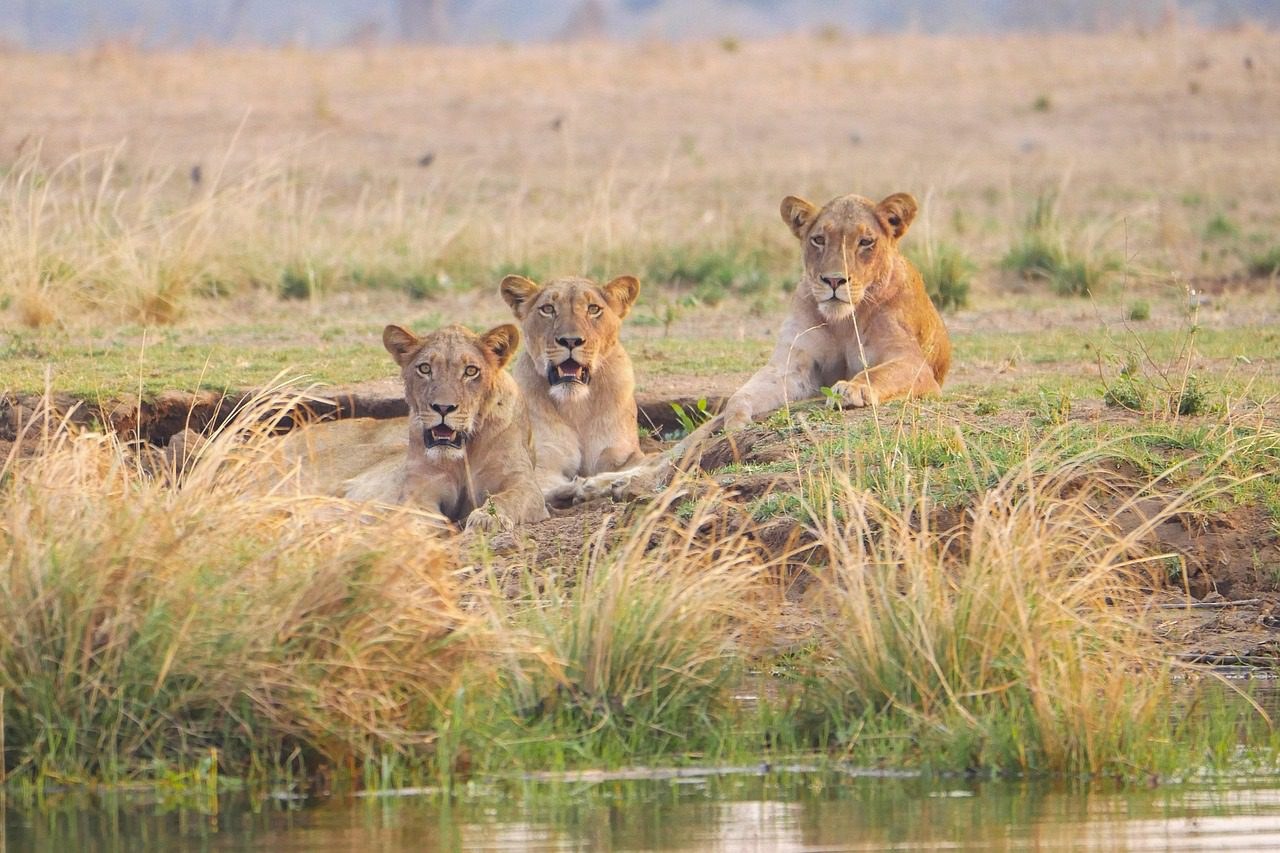
Just outside the Mfuwe gate, along the Luangwa River, lies a cluster of lodges for budget and midrange travellers. Room only rates show how low the floor goes: Wildlife Camp charges US$40 per person for a safari tent in the green season and US$88 for a chalet in the peak months, and Flatdogs’ room only classic tent starts at about US$57 with its small conservation charge. Hippos fill the river in front of these camps, and elephants walk through several of them in the dry months.
Night drives matter here. South Luangwa allows spotlit drives after dark, and leopard sightings on them are a big reason people come. At full board camps the afternoon drive that runs into the night is in the rate. At pay as you go lodges each one is another line on the bill.
Trip reports from South Luangwa make a practical point the brochures skip: a lodge outside the gate with activities booked separately can work out close to an all inclusive camp once you add a US$25 park fee for every day you enter. Two drives at US$60, the fee and a US$40 room only tent come to US$185 before any meals, against US$179 for Wildlife Camp’s green season full board tent with the same fee added.
Inside the park and further north, small owner run camps and seasonal bush camps charge for seclusion with fully inclusive rates, and Green Safaris’ Shawa Luangwa starts at US$760 a night. North Luangwa, with a US$20 park fee and very few camps, is remote walking country priced at the top end and open only in the dry season.
Lower Zambezi Safari Costs: Canoeing, Fly In Camps and Levies
A Lower Zambezi safari costs more per night than South Luangwa on average, and the reason is access. The park runs along the north bank of the Zambezi opposite Mana Pools in Zimbabwe, and most camps are reached by a short flight from Lusaka or a road and boat transfer that takes several hours.
What you get for it is variety. Canoe trips along the side channels, boat safaris on the main river, game drives, walks and tiger fishing all happen from the same camp, which is unusual in Africa. Elephants crossing between islands are a common sight in the dry season, though nothing on a safari is guaranteed.
Watch the levies. A camp that looks cheaper because it excludes park fees and levies can end up dearer than one that includes them, since US$110 a night over four nights is US$440 per person. There are a handful of lower priced lodges in the Game Management Area outside the park boundary, where you pay less and still reach the park on activities. Baines’ camps close for the heaviest rains, with rates quoted from 1 March to 30 November.

Kafue and Busanga Plains Safari Costs
A Kafue safari can be the most affordable or one of the most expensive parts of a Zambia trip, depending on which end of the park you visit. Kafue is one of Africa’s largest national parks, the park fee is US$20 a day for international visitors, and the main road between Lusaka and Mongu crosses its middle section, which makes the southern and central camps reachable by car.
Road access is what keeps southern Kafue cheaper. You can drive yourself or take a road transfer from Lusaka, skip the charter, and stay at river camps that charge less than their Luangwa counterparts. Green Safaris’ Ila Safari Lodge on the Kafue River starts at US$600 per person a night fully inclusive, and a self drive car from Mophy costs from US$100 a day.
The Busanga Plains in the far north are different. This open floodplain is known for lion, cheetah, red lechwe and puku, and its few camps are reached by light aircraft. Chisa Busanga Camp starts at US$1,160 per person a night. Busanga floods in the rains and the camps open once the water drops, usually from around June, so the season is short and rates reflect that.
Kafue also has tsetse flies in its wooded areas. They bite, they are drawn to dark blue and black, and several trip reports mention them as the one real nuisance of the park. Neutral clothing and repellent help.
Walking Safari Costs in Zambia and the Bush Camp Premium
The walking safari is Zambia’s signature experience, and it moves the budget more than most people expect. Norman Carr developed guided walks in the Luangwa Valley, and walking is still what sets Zambian camps apart from those in East Africa.
There are two ways to pay for it. You can add a morning walk at almost any South Luangwa lodge: US$70 inside the park at Wildlife Camp, or US$60 in the Game Management Area where no park fee applies, and it is part of the package at full board camps. Or you can book a night at a small bush camp, where walking is the main activity. Wildlife Camp’s bush camp experience, with a walking safari, a night in the bush and all meals, costs US$386 per person sharing or US$495 single, and runs only in the peak season.
A walk is slow. You move in single file behind a guide and an armed DNPW scout, stopping for tracks, dung, termite mounds and birds, and the big animals are watched from a respectful distance. Most walks last three to four hours in the cool of the morning. Flatdogs suggests about US$10 per couple for the DNPW scout on each walk, a small cost that is easy to forget.
Wildlife Camp offers walks from June, and most camps do not take children under twelve on foot. Bush camps are simpler than they sound in marketing: reed walls, bucket or gravity showers, and hot water when the staff heat it. Several guests say the simplicity is part of the appeal; a few wish they had known beforehand.
Bush Flights and Road Transfers on a Zambia Safari Trip
Transport is the line that surprises people most on a Zambia safari trip. The country is big, the parks are far apart, and the roads between them are long. Proflight Zambia publishes “from” fares per adult, taxes included, based on recent bookings for travel within 90 days.
A couple driving to Baines pays US$220 each per leg, a group of four only US$110, so road transfers reward a full car. Light aircraft bring a baggage rule as well: bags must usually be soft sided and kept to a strict weight per person, often around 15 to 20 kg including camera gear. Pack with that in mind from the start; the African safari packing list covers what fits.
Driving saves money but costs time. From Lusaka the road to Mfuwe takes a full day, and many budget travellers drive one way and fly the other. Mophy runs transfers between Lilongwe in Malawi and South Luangwa, which is often shorter than the trip from Lusaka.
Livingstone and Victoria Falls Tour Costs on the Zambian Side
Most Zambia safaris start or finish with Victoria Falls tours from Livingstone, and this part of the trip is priced activity by activity rather than all inclusive. The falls entrance on the Zambian side is run by the National Heritage Conservation Commission, whose fee of US$20 is payable at the gate. Mosi oa Tunya National Park, the small game park beside Livingstone with white rhino tracked on foot with rangers, charges US$10 a day for international visitors.
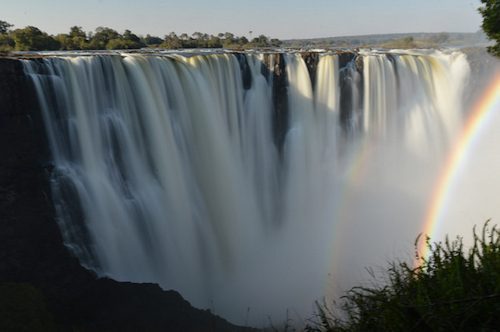
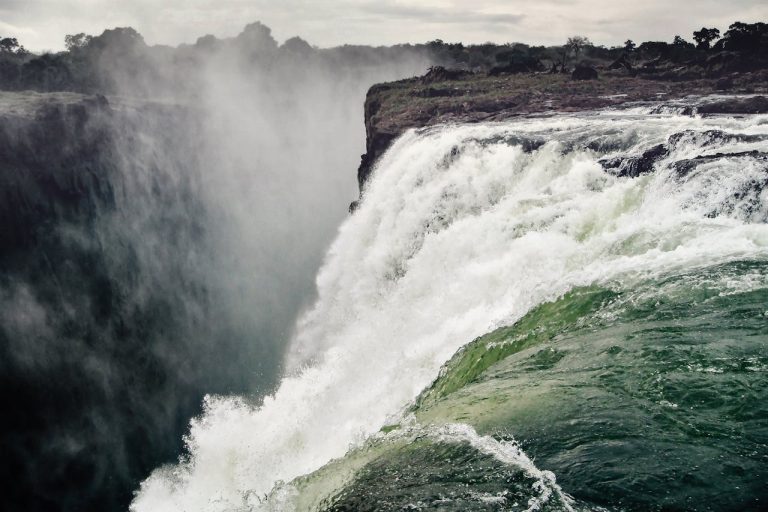
Timing changes what is possible. Livingstone Island says Devil’s Pool usually opens from late August to late December and Angel’s Pool from January to late August, both depending on water levels. The falls are fullest from around February to May, when spray can soak the viewpoints and hide much of the drop. If one activity is the reason you are going, check the water level for your month first.
The Zimbabwe side has its own prices: a US$58 rainforest entry and the widest choice of helicopter and rafting trips, set out on our Zimbabwe safari cost guide. Crossing for a day needs a visa or the US$50 KAZA UniVisa. Our Victoria Falls safari guide for Zambia covers the Livingstone activities in detail.
Zambia Green Season and Peak Safari Rates
The green season safari is the main way to cut a Zambia budget. Camps set their own season dates, so read the boundaries on each rate sheet rather than assuming one calendar.
The trade off is closures. Many bush camps close completely in the rains, some roads become impassable and the Busanga Plains are underwater. In South Luangwa a few lodges near Mfuwe stay open all year, and Wildlife Camp still quotes green season rates from November to June.
Wildlife does not disappear in the rains, but it spreads out and hides better in thick bush. Green season reports from South Luangwa mention fewer giraffe and kudu near the roads, strong wild dog sightings in some years and excellent birding, with migrants in breeding plumage. September and October are the hottest months, with the Luangwa Valley often above 40C. If the budget is tight, May, June and November are often the best compromise: most camps are open, rates are lower than the peak, and game viewing is still good.
Hidden Safari Costs: Visas, Tips, Single Supplements, Drinks and Children
The quote is rarely the whole bill on a Zambia safari tour. These are the lines that catch people out, with each camp’s own numbers.
Carry US dollars in cash, in clean notes. Park gates often cannot take cards, connectivity for card machines is unreliable, and Wildlife Camp notes there is only one bank in Mfuwe. Flatdogs also warns that Zambian banks refuse damaged or marked foreign notes and older series US dollar bills, so bring newer, clean notes.
Worked Example: A 7 Night South Luangwa and Lower Zambezi Safari Costed per Person
Here is a realistic Zambia safari budget for one named trip shape: 7 nights in August, two people sharing, four nights in a chalet at Flatdogs Camp in South Luangwa and three at Baines’ River Camp in the Lower Zambezi, flying Lusaka to Mfuwe and driving to Baines.
The biggest swing in this example is the Baines special, worth US$967 per person, followed by the season. Ask every camp whether a stay longer offer applies to your dates before you settle the route.
Budget, Midrange and Luxury Zambia Safari Packages
A budget Zambia safari usually means South Luangwa: a campsite at US$15 or a tent near Mfuwe, game drives booked one at a time, and a road or scheduled flight transfer. Guide owned mobile camping is the other route in: Mophy’s Budget Safari Tours runs camping trips from US$250 per person a day, with a 3 to 5 day South Luangwa safari from US$475 and meals, 4×4 transport and camp gear included.
Midrange trips use full board lodges and owner run camps at about US$350 to US$550 a night, where meals, two activities and often park fees are included. Flatdogs sits squarely here, and so do parts of Kafue and a few Lower Zambezi camps outside the park.
Luxury Zambian safaris are small rather than flashy, at US$700 to over US$1,200 a night. Expect a handful of tents or chalets, plunge pools at some, expert guides, and walking and boating built in, with most of the top camps reached by charter. safari.com’s operator page puts its luxury tiers at about US$1,000, US$1,500 and US$2,500 or more per person per day, and companies with several camps of their own often discount longer stays across them, which makes a single company route cheaper than mixing brands.
Book the peak months early. Small camps fill months ahead for July to October, and seats on light aircraft go with them. Use a licensed operator for anything beyond a simple Mfuwe stay, since they hold the charter contracts and can sequence the camps so you are not paying for empty flight legs. Our Zambia safari guide covers the parks and wildlife in more depth, and the safari companies page lists operators who handle Zambia and gorilla trips together.
Combining Zambia with Victoria Falls, Malawi and Bwindi Gorilla Trekking: Combo Costs
Zambia fits into a bigger African trip easily. Victoria Falls is the obvious pairing, and the US$50 KAZA UniVisa lets you cross to the Zimbabwe side and make day trips into Chobe in Botswana from Kazungula. For a deeper Botswana stay, see the Botswana safari cost guide and the Okavango Delta safari, or the Chobe safari cost page for day trips from Kasane.
Malawi is the other natural add on. South Luangwa lies closer to Lilongwe than to Lusaka by road, and many travellers cross the border at Mchinji, then finish with a few days on Lake Malawi, where Green Safaris’ Kaya Mawa starts at US$610 a night. Liwonde and Majete add more game viewing. The Malawi safari guide has the details.
Mountain gorillas are the third option. Uganda Airlines has flown direct between Entebbe and Lusaka, which makes a Bwindi gorilla trekking safari a realistic add on before or after Zambia. A Uganda permit costs US$800 for foreign non residents, US$700 for foreign residents and UGX 300,000 for East African citizens; in April, May and November it drops to US$600 and US$500, though those permits cannot be rescheduled and are paid in full at booking. The habituation experience costs US$1,500, with a rise to US$1,800 announced. Permits sell out in the busy months, so secure one through a Uganda gorilla permit booking before fixing your Zambia dates. Rwanda’s permit costs US$1,500, or US$1,050 with the RDB 30 percent offer from November to May when you add nights in Nyungwe or Akagera; Rwanda gorilla trekking works the same way via Kigali. Travellers who want a higher comfort level can look at Luxury safaris for gorillas in Uganda and Rwanda, and the gorilla trekking and Victoria Falls itineraries show how the two fit in one trip.
Zambia Safari Cost FAQ
How much does a Zambia safari cost per day?
Per person sharing, camping near Mfuwe with two booked drives and the park fee comes to about US$160 a day. Full board budget camps cost US$154 to US$325 a night before the US$25 park fee. Midrange camps such as Flatdogs cost US$397 to US$540 with park fees included. Luxury camps run from about US$700 to over US$1,200, and Lower Zambezi camps may add US$110 a night in fees and levies.
How much would it cost to go on an African safari trip in Zambia?
A 7 night trip to South Luangwa and the Lower Zambezi at midrange to upper camps comes to about US$4,230 per person in May or US$5,230 in August, before international flights. A budget South Luangwa stay of four nights costs about US$1,090 including the flight from Lusaka, and a ten day luxury fly in trip starts at US$17,075.
What are the park entry fees for Zambia’s national parks?
International visitors pay US$25 a day in South Luangwa and the Lower Zambezi, US$20 in Kafue and North Luangwa, and US$10 at Mosi oa Tunya. Self drivers pay US$30 in South Luangwa and the Lower Zambezi, and a foreign vehicle adds US$15 a day. The falls entrance at Livingstone costs US$20, paid to the National Heritage Conservation Commission.
Do I need a visa for a Zambia safari?
Not on a US, UK, EU, Canadian or Australian passport: Zambia’s Department of Immigration lists these among the nationals who can enter without a visa, with a return ticket if you arrive by air. Others can use the US$50 KAZA UniVisa, which also covers Zimbabwe for up to 30 days.
What’s the best time to visit Zambia?
July to October is the classic window for game viewing, with September and October the hottest and best for concentrated wildlife, and peak rates. May, June and November give lower rates with most camps open. Devil’s Pool usually opens from late August to late December, and the falls are fullest from February to May.
Is 70 too old to go on safari?
No. Game drives and boat safaris suit most fitness levels at any age, and many Zambian camps host guests in their seventies and older. A morning walk covers a few kilometres at a slow pace over flat ground; multi day walking trails between bush camps cover more distance in heat. Check that your insurance covers evacuation, and ask about a private vehicle, US$250 extra at Wildlife Camp, if you want to set the pace.
Why can’t I wear white on safari?
White shows dust within an hour and stands out to animals on a walking safari, where guides ask for neutral khaki, green or brown. Dark blue and black are the colours to avoid in Zambia, though, because they attract tsetse flies, especially in Kafue. Pack a soft duffel that meets light aircraft limits, sturdy closed shoes for walks, a warm layer for June and July drives, a hat and repellent.
Is a green season safari in Zambia worth it?
For flexible travellers, often yes. Rates drop by about US$120 to US$260 a night at the camps above, the bush is green, birding is at its best and there are very few other vehicles. The trade off is that many bush camps close, walking is limited and animals are harder to find in thick grass. South Luangwa’s year round lodges near Mfuwe are the safest choice.
Are walking safaris in Zambia safe, and is there an age limit?
Walks are led by licensed guides with an armed DNPW scout, and they follow strict rules on distance and group size, which gives them a very good safety record. Most camps set a minimum age of twelve for walks, and some remote bush camps do not take children at all.
Can I self drive on a Zambia safari?
Yes, in South Luangwa and much of Kafue, with a well equipped 4×4 in the dry season. Self drive park fees are US$30 a day in South Luangwa, and Flatdogs notes that self drivers may not use open safari vehicles in the park. Many roads become impassable in the rains, so most first timers prefer guided drives.
How many days do I need for a Zambia safari?
Plan on at least three nights in one park, since transfers eat into short stays. A week covers South Luangwa and either the Lower Zambezi or Victoria Falls, and ten days or more lets you add Kafue, Malawi or a gorilla trek in Uganda.
Is a Zambia Safari Worth the Money? What the Days Are Like
For travellers who want to walk and to see few other vehicles, yes. A day in South Luangwa starts with tea by the river before six, then a drive or a walk in the cool, with the guide stopping to read a track or point out a carmine bee eater colony in the riverbank. Midday is hot and slow. The afternoon drive runs past sunset, a spotlight sweeping the mopane for leopard, genet and hyena on the way back to camp.
In the Lower Zambezi the rhythm moves to the water: a canoe drifting down a side channel while elephants feed on the islands, then a boat back at dusk. Sightings are never guaranteed. What travellers mention most afterwards is the guiding, and how a camp of eight guests felt like a private safari.