- Titus, weighing 267 kg (589 lbs) and standing 1.95 meters tall, holds the record as the biggest wild gorilla ever documented, despite mountain gorillas being smaller than eastern lowland gorillas on average
- Eastern lowland gorillas (Grauer’s gorillas) are the largest gorilla subspecies, with males reaching 250 kg, making them the biggest primates on Earth
- Phil, a captive gorilla at St. Louis Zoo, reached 390 kg (860 lbs), demonstrating how captivity can lead to extreme weight gain
- Gorilla trekking destinations in Rwanda, Uganda, and the Democratic Republic of Congo offer opportunities to observe these giants in their natural habitat
- Understanding gorilla size variations helps trekkers appreciate the diversity within gorilla populations and the conservation needs of different subspecies
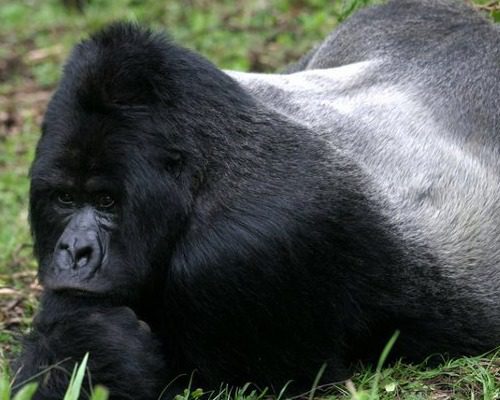
Size Comparison Across Gorilla Subspecies
| Subspecies | Average Male Weight | Maximum Recorded Weight | Height (Standing) | Primary Habitat |
|---|---|---|---|---|
| Eastern Lowland | 204-250 kg | 263 kg (wild) | 2.0+ meters | DRC lowland forests |
| Mountain Gorilla | 140-160 kg | 267 kg (Titus) | 1.7-1.8 meters | Virunga Mountains, Bwindi |
| Western Lowland | 140-180 kg | 275 kg (captive) | 1.65-1.75 meters | Central/West African forests |
| Cross River | 140-200 kg | Unknown | 1.65-1.8 meters | Nigeria-Cameroon highlands |
Gorilla Subspecies and Size Variations
Gorillas represent the largest living primates on our planet, but not all gorillas grow to the same proportions. The gorilla family divides into two main species: the eastern gorilla and the western gorilla, with each species containing two subspecies. These divisions matter greatly for anyone planning gorilla trekking expeditions, as different regions host different subspecies with varying physical characteristics.
Eastern lowland gorillas, scientifically known as Grauer’s gorillas, claim the title of the largest gorilla subspecies. Adult males typically weigh between 204 and 250 kilograms, with heights exceeding two meters when standing upright [1]. These giants inhabit the lowland tropical forests of the eastern Democratic Republic of Congo, where abundant vegetation supports their massive frames.
Mountain gorillas, the second eastern gorilla subspecies, live at high altitudes in the Virunga Mountains and Bwindi Impenetrable Forest. Despite sharing genetic lineage with their lowland cousins, mountain gorillas average smaller sizes, with males typically weighing 140 to 160 kilograms [2]. The cooler climate and different vegetation at altitude contribute to these size differences.
Western lowland gorillas and Cross River gorillas complete the gorilla family tree. Western lowland gorillas, the most numerous subspecies, inhabit the forests of Central and West Africa. Cross River gorillas, the rarest subspecies with fewer than 300 individuals remaining, live along the Nigeria-Cameroon border.
Titus: The Gorilla King and His Legacy
The story of Titus reads like wildlife royalty. Born on August 24, 1974, in the Virunga Mountains of the Democratic Republic of Congo, Titus lived his entire life under the watchful eyes of researchers who documented his rise from orphaned youngster to dominant silverback [3]. His life became one of the most thoroughly documented gorilla biographies in scientific history.
What made Titus truly special extended beyond his physical dimensions. At 267 kilograms and 1.95 meters tall, he surpassed the typical size range for mountain gorillas by a significant margin. His massive frame commanded respect, yet those who studied him noted his relatively peaceful leadership style. Unlike many silverbacks who maintain dominance through aggression and displays of force, Titus led through presence and strategic decision-making.
By 2004, Titus had built the largest known gorilla troop ever recorded, a testament to his reproductive success and leadership abilities. He sired more offspring than any other documented gorilla, spreading his genetics throughout the population. This genetic legacy continues today in the mountain gorilla populations of the Virunga region, where gorilla trekking groups regularly observe his descendants.
Researchers who spent decades following Titus noted his intelligence and adaptability. He navigated complex social situations, managed conflicts between troop members, and made strategic decisions about feeding locations and sleeping sites. His death on September 14, 2009, marked the end of an era in gorilla research and conservation.
Record-Breaking Gorillas Throughout History
While Titus holds the record for wild mountain gorillas, the history of gorilla documentation includes several other giants worth noting. These records help scientists understand the upper limits of gorilla growth and the factors that contribute to exceptional size.
The Heaviest Wild Gorilla
In Cameroon, Africa, hunters shot a male gorilla that weighed 263 kilograms, making it the heaviest wild eastern lowland gorilla ever documented [4]. This individual likely benefited from optimal nutrition and genetics, reaching the upper end of what eastern lowland gorillas can achieve in natural conditions. The specimen provided valuable data about gorilla anatomy and physiology.
The Tallest Gorilla on Record
Near Lake Kivu in 1938, another male gorilla was shot that measured 1.95 meters in height with an arm span of 2.7 meters and a chest width of 1.98 meters [5]. This individual weighed 219 kilograms, combining height with substantial mass. These measurements remain the largest recorded dimensions for any gorilla, wild or captive, demonstrating the potential size range within the species.
Phil: The Captive Giant
The record for the heaviest gorilla ever recorded belongs to Phil, a silverback who lived at the St. Louis Zoo during the 1970s. Phil reached an astonishing 390 kilograms (860 pounds), nearly double the weight of large wild gorillas [6]. His extreme weight resulted from captivity conditions: limited space for movement, consistent food availability, and a diet different from wild vegetation.
Phil’s case illustrates how captivity affects gorilla physiology. Without the need to forage across large territories, climb trees, or compete for resources, captive gorillas often develop obesity. Modern zoos have reformed their care practices, providing larger enclosures, varied diets, and enrichment activities to maintain healthier weights.
Captive Weight Comparisons
Male gorillas in contemporary zoos typically weigh between 180 and 220 kilograms when properly managed. Some individuals still reach 300 to 310 kilograms due to genetic predisposition or management challenges [7]. These weights, while high, remain well below Phil’s record, reflecting improved understanding of gorilla nutrition and welfare.
The Science Behind Gorilla Size
Understanding why gorillas grow so large requires examining their biology, diet, and evolutionary history. Several factors combine to produce the largest primates on Earth.
Diet and Nutrition
Gorillas achieve their massive size through herbivorous diets that would seem insufficient for such large animals. A typical adult male consumes approximately 37 kilograms of vegetation daily [8]. This diet consists primarily of leaves, stems, bamboo shoots, and fruit when available. The sheer volume of plant material provides adequate calories and proteins for muscle development and maintenance.
The digestive system of gorillas has evolved to extract maximum nutrition from fibrous plant material. Their large body size actually helps this process, as bigger bodies can accommodate longer digestive tracts and larger fermentation chambers. This allows gorillas to process tough vegetation that smaller primates cannot efficiently digest.
Different gorilla populations consume different plant species based on habitat. Mountain gorillas eat more terrestrial vegetation, including bamboo and wild celery. Eastern lowland gorillas have access to more fruit, which provides higher calorie density. These dietary differences may contribute to size variations between populations.
Genetics and Sexual Dimorphism
Gorillas exhibit pronounced sexual dimorphism, with males growing significantly larger than females. Adult females typically weigh 70 to 100 kilograms, less than half the weight of adult males [9]. This size difference relates to mating systems and social structure.
Male gorillas compete for access to female groups. Larger males generally win these competitions, either through direct combat or intimidation displays. This selective pressure favors genes that promote large size in males. Over evolutionary time, this has produced the extreme dimorphism observed today.
Individual variation in genetics also plays a role. Some males inherit genetic combinations that promote greater height, bone density, or muscle mass. Titus likely benefited from favorable genetics that allowed him to exceed typical mountain gorilla dimensions.
Environmental Factors
The environment where gorillas live influences their growth and final size. Food availability, disease pressure, and climate all contribute to physical development. Gorillas in areas with abundant, high-quality vegetation tend to grow larger than those in marginal habitats.
Altitude affects mountain gorillas specifically. Living at elevations between 2,200 and 4,300 meters presents challenges including colder temperatures and different vegetation. The energy required to maintain body temperature in cool climates may limit how large mountain gorillas can grow compared to their lowland relatives.
Gorilla Trekking: Observing Giants in the Wild
For wildlife travelers in 2025, gorilla trekking represents one of the most profound wildlife experiences available. Three countries offer regulated trekking opportunities: Rwanda, Uganda, and the Democratic Republic of Congo. Each destination provides access to habituated gorilla families that tolerate human presence.
Rwanda: Volcanoes National Park
Rwanda’s Volcanoes National Park protects mountain gorilla populations in the Virunga Mountains, the same habitat where Titus lived and ruled. The park contains approximately 12 habituated gorilla families available for trekking. Permits cost $1,500 per person, with treks departing daily from park headquarters.
The Rwandan gorilla trekking experience emphasizes conservation and community benefit. Revenue from permits supports park protection, anti-poaching efforts, and local development projects. Trekkers often observe large silverbacks that, while not matching Titus’s record size, still display the power and presence of mature male mountain gorillas.
Uganda: Bwindi Impenetrable Forest and Mgahinga
Uganda offers gorilla trekking in two locations. Bwindi Impenetrable Forest hosts roughly half of the world’s remaining mountain gorillas, with multiple habituated families spread across four trekking sectors. Mgahinga Gorilla National Park, part of the Virunga range, hosts one habituated family.
Ugandan permits cost $800 per person, making them more accessible than Rwanda while maintaining strict conservation standards. The terrain in Bwindi is particularly challenging, with steep slopes and dense vegetation. Trekkers should prepare for strenuous hikes that can last from two to eight hours.
Democratic Republic of Congo: Virunga and Kahuzi-Biega
The DRC offers two distinct gorilla trekking experiences. Virunga National Park provides access to mountain gorillas in the same habitat as Rwanda’s Volcanoes National Park. Kahuzi-Biega National Park offers the rare opportunity to trek with eastern lowland gorillas, the largest gorilla subspecies.
Security concerns have historically limited tourism in the DRC, but Virunga National Park has worked to provide safe trekking experiences. Permits cost $400, the most affordable option for gorilla trekking. Observing eastern lowland gorillas at Kahuzi-Biega allows comparison with mountain gorillas, highlighting the size differences between subspecies.
What to Expect During Gorilla Trekking
Gorilla trekking begins early, typically with briefings at park headquarters around 7:00 AM. Groups of up to eight trekkers, accompanied by guides and armed rangers, hike into the forest to locate assigned gorilla families. Trackers who left earlier in the morning communicate gorilla locations via radio.
Once located, trekkers spend one hour observing the gorilla family. Rules require maintaining a seven-meter distance, though gorillas sometimes approach closer. Photography is permitted without flash. The experience of watching a massive silverback, perhaps weighing 200 kilograms or more, moving through the forest just meters away creates lasting impressions.
Silverbacks often rest during midday visits, conserving energy while their families feed and play nearby. Younger gorillas provide entertainment, wrestling and climbing while adults monitor the surroundings. The size difference between the dominant male and other group members becomes strikingly apparent during these observations.
Conservation Status and Threats
Understanding the biggest gorillas ever recorded takes on urgency when considering conservation status. All gorilla subspecies face threats that have reduced their populations to fractions of historical levels.
Population Numbers
Mountain gorillas number approximately 1,063 individuals as of the most recent census data [10]. This represents a conservation success story, as populations have grown from around 620 individuals in 1989. Strict protection, anti-poaching efforts, and tourism revenue have enabled this recovery.
Eastern lowland gorillas have fared worse. Their population has declined by more than 80% over the past 50 years, with current estimates suggesting fewer than 5,000 individuals remain [11]. Civil conflict in the DRC, habitat loss, and poaching have devastated their numbers.
Western lowland gorillas remain the most numerous subspecies, with populations estimated at 100,000 to 200,000 individuals. Cross River gorillas are critically endangered, with fewer than 300 individuals surviving in fragmented habitat.
Primary Threats
Habitat loss affects all gorilla populations. Human population growth in Central Africa drives agricultural expansion, logging, and settlement into gorilla habitat. As forests shrink, gorilla populations become isolated in fragments too small to support viable long-term populations.
Poaching continues despite legal protection. Gorillas are sometimes killed for bushmeat, though cultural taboos against eating gorillas exist in many areas. More commonly, gorillas die in snares set for other animals. Infants are occasionally captured for illegal wildlife trade, though this practice has declined.
Disease poses a growing threat. Gorillas share approximately 98% of their DNA with humans, making them susceptible to human diseases. Respiratory infections transmitted from humans have caused gorilla deaths. The COVID-19 pandemic highlighted this vulnerability, leading to temporary trekking closures and enhanced health protocols.
Civil conflict particularly affects gorillas in the DRC. Armed groups operating in and around protected areas disrupt conservation efforts, threaten rangers, and sometimes kill wildlife. Virunga National Park has lost more than 200 rangers to violence since its establishment.
Conservation Efforts
Multiple organizations work to protect gorillas and their habitat. The International Gorilla Conservation Programme coordinates efforts across Rwanda, Uganda, and the DRC. The Dian Fossey Gorilla Fund continues the research and protection work started by Fossey in the 1960s.
Gorilla trekking tourism provides critical funding for conservation. Permit fees support park operations, ranger salaries, and community development. This creates economic incentives for local communities to support conservation rather than converting habitat to agriculture.
Veterinary programs monitor gorilla health and intervene when necessary. Vets remove snares, treat injuries, and conduct health checks. These programs have saved numerous individual gorillas and provided valuable health data.