A South Africa safari means Big Five game drives in Kruger National Park and the private reserves on its border, with malaria free options in Madikwe, Pilanesberg and the Eastern Cape. Most travellers self drive Kruger using SANParks rest camps or book a guided lodge stay through a licensed safari company. South Africa, at the continent’s southern tip, has tarred roads, varied parks and a Johannesburg air hub, which make it one of Africa’s simplest safari countries to plan.

Few safari countries give you this much choice. You can drive yourself through a park the size of a small country, sleep in a fenced rest camp and cook on a braai, then spend two nights at a lodge where a ranger and tracker follow a leopard off road. Or skip the malaria zone completely and take the children to a reserve three hours from Johannesburg. The decisions below are the ones that shape the trip: which kind of park, which region, what season, and how to get between them.
Planning a South Africa Safari: National Parks or Private Reserves
Every South Africa safari starts with one choice, and it matters more than the choice of region. On one side are the national parks, run by SANParks or by provincial bodies such as Ezemvelo KZN Wildlife. They are open to self drivers, priced for South African families, and you move on public roads at your own pace. On the other side are the private game reserves, where a lodge sells you a room, meals and two guided game drives a day as one package.
Same animals, different access. In a national park you stay on the road, you cannot follow a lion into the grass, and you must be inside a camp gate by closing time. A private reserve guide can leave the track, stay out after dark with a spotlight and radio a handful of other vehicles, which keeps sightings quiet. That freedom is what the higher lodge rate pays for.
Regions come next. The table gives the short version, and each one has its own section below.
| Region | Best for | Malaria | Self drive |
|---|---|---|---|
| Kruger park | Big Five, value | Yes | Yes |
| Greater Kruger | Leopard, luxury | Yes | No |
| Madikwe | Families, dogs | No | No |
| Pilanesberg | Short trips | No | Yes |
| Eastern Cape | Garden Route | No | Addo only |
| KwaZulu Natal | Rhino, coast | Low | Yes |
| Kgalagadi | Desert cats | No | Yes |
Booking works differently for each. Kruger rest camps are reserved directly with SANParks, while private lodges are booked direct or through an operator, and a directory of Safaris in South Africa is a useful place to compare companies that plan these trips. Prices for every style sit in the FAQ at the end, and our South African safari cost guide breaks them down day by day.
Kruger National Park Self Drive Safari
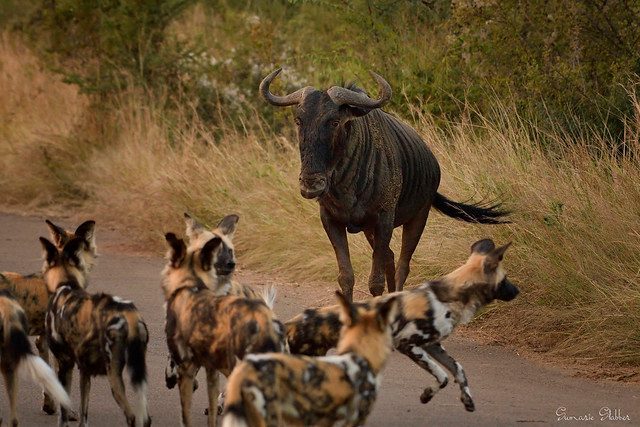
A Kruger self drive safari is the backbone of most South African trips, and the park was built for it. Kruger covers close to two million hectares across Limpopo and Mpumalanga, runs about 350 kilometres from south to north, and borders Mozambique along the Lebombo hills. It was proclaimed a national park in 1926 and now holds 147 mammal species and more than 500 birds, including ground hornbill, kori bustard, martial eagle and Pel’s fishing owl. All of the Big Five live here, along with wild dog, cheetah and very large herds of buffalo and elephant.
Nine main entrance gates lead to a network of tarred and gravel roads linking the rest camps. Skukuza, Lower Sabie, Satara, Olifants, Letaba and Punda Maria are the best known, and each has a shop, fuel, a restaurant or takeaway and braai areas. Accommodation runs from campsites and safari tents to bungalows and family cottages, plus small bushveld camps with no shop that feel far more private.
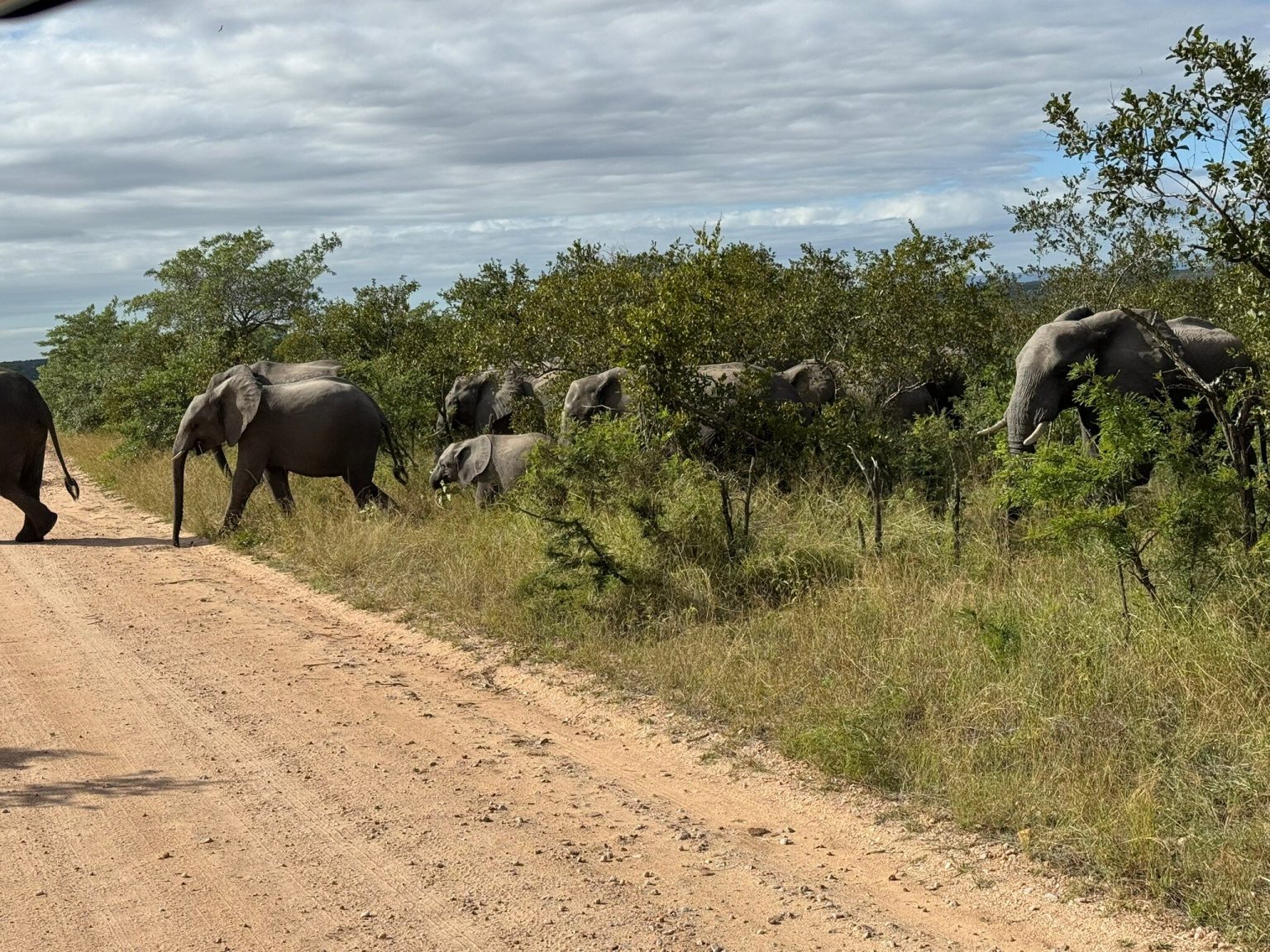
The rules are simple and strictly enforced. Speed limits are 50 km/h on tar and 40 km/h on gravel, you stay in your car except at marked picnic sites and hides, and gate times are fixed by season: roughly 05:30 opening in summer and 06:00 in winter, with closing between about 17:30 and 18:30. Arrive late and you can be fined. A single elephant blocking the road can hold you up for twenty minutes, so leave a buffer.
Trip reports from first time self drivers repeat the same lessons. The south of the park, around Skukuza, Lower Sabie and Crocodile Bridge, has the densest game and the most cars. The centre around Satara is good for lion on the open plains. The north, past Letaba and up to Punda Maria and Pafuri, is quieter, wilder and better for birding. Several travellers wrote that four days felt far too short once they saw the distances. Others mention how dusty the gravel roads get in the dry months and how often the best sighting of the day came on a side loop, not the main tar road.
Self drivers can still book a guide by the trip. SANParks runs sunrise drives that leave before the public gates open, sunset drives that return after dark, and night drives, the only way to see the park after closing as a self driver. Morning bush walks with two armed rangers, multi night wilderness trails, 4×4 eco trails and mountain biking near Olifants round out the list. History has a place too: the Stevenson Hamilton Memorial Library at Skukuza, the Letaba Elephant Hall with its tusks of the great bulls, the Albasini ruins near Phabeni and the Jock of the Bushveld route in the south. Our Kruger National Park safari cost guide covers rest camp types and activity booking in detail.
Greater Kruger Private Reserve Safaris: Sabi Sand, Timbavati and Klaserie
A Greater Kruger safari takes place in the private reserves along the park’s western edge, where the fences came down decades ago and the same animals move freely back and forth. Sabi Sand is the most famous, known worldwide for relaxed leopards that ignore vehicles. Timbavati and Klaserie to the north near Hoedspruit are larger and quieter, with a reputation for lion and elephant. Thornybush, Manyeleti and Balule fill out the range, from simple tented camps to some of the best known lodges in Africa.

Life at a private lodge follows the bush clock. A ranger drives an open vehicle while a tracker sits on the bonnet seat reading spoor. Guides can go off road to follow animals, and reserves cap the number of vehicles at one sighting, often two or three, so you are not one of twenty cars around a leopard in a tree. Night drives with a spotlight turn up hyena, genet, civet and owls. Bush walks show you the small things: dung beetles, termite mounds, tracks from the night before.
Inside Kruger itself, some areas are leased as private concessions and run in the same way, with lodges such as Singita Lebombo, Lukimbi, Jock Safari Lodge and Hamiltons. They give the guided model inside the national park, usually with exclusive traversing in their sector.
Names come up again and again in Sabi Sand: Londolozi, Singita (Ebony and Boulders), Lion Sands and Richard Branson’s Ulusaba. Further north, Royal Malewane sits in Thornybush and Tanda Tula in the Timbavati. Each camp runs its own child policy. Some take babies and run cub clubs with junior ranger activities, others accept no one under twelve on drives, so check before you book a family trip. Getting in is usually a scheduled flight to Skukuza, which is closest to the Sabi Sand lodges, or to Hoedspruit for the northern reserves, then a road transfer or a light aircraft hop to the lodge strip.
Is it worth paying for? Travellers who have done both usually say yes for two or three nights, mainly for cats and wild dog. Fewer say it is worth a whole trip when Kruger itself is next door. Three nights per reserve is the common advice, since one night gives you just two or three drives.
Malaria Free Safaris in Madikwe, Pilanesberg and the Waterberg
A malaria free safari is the reason many families, pregnant travellers and older visitors pick South Africa over Kenya or Tanzania. Kruger, the Greater Kruger reserves and the far north of KwaZulu Natal carry malaria risk, highest in the wet summer months. The reserves north and west of Johannesburg do not, and they still hold the Big Five.

Madikwe Game Reserve lies hard against the Botswana border in the North West Province. It was proclaimed in 1991 on old farmland, restocked with thousands of animals, and now covers about 75,000 hectares of open bushveld and rocky hills. There is no self drive and no day visitor access: you stay at one of the lodges and every drive is guided. That keeps the roads quiet. Many lodges welcome children with family rooms and shorter kids’ drives, and the road trip from Johannesburg takes about four to five hours, or under an hour by light aircraft.
Pilanesberg National Park is the easy option. It fills the crater of a volcano that went extinct over a billion years ago, rings of hills around a central lake, about two to two and a half hours from Johannesburg and right beside Sun City. You can self drive, join a guided drive or come for the day. The trade off is traffic. Pilanesberg is busier and more developed than Madikwe, and some visitors find it feels less wild, though rhino and elephant sightings are often good.
The Waterberg, three to four hours north of Johannesburg in Limpopo, is a mountain safari region with Marakele National Park, the private Welgevonden reserve and Mabula. Cliffs, gorges and fewer visitors make it a quieter Big Five safari, and it is malaria free too. Our family safari in Africa guide compares these reserves with child friendly options elsewhere on the continent.
Eastern Cape Safaris: Addo Elephant Park and Private Reserves
An Eastern Cape safari pairs naturally with the Garden Route, and it is malaria free from end to end. Addo Elephant National Park sits under an hour from Gqeberha (formerly Port Elizabeth) and shelters more than 600 elephants in dense spekboom thicket, along with buffalo, black rhino, lion, spotted hyena, zebra and kudu. Its marine area adds southern right whales and great white sharks, which is why Addo markets itself as a Big Seven park.
You can self drive Addo in an ordinary car, stay at Addo Main Camp or one of the smaller camps such as Narina Bush Camp, and book guided drives, horse rides, 4×4 trails, hikes and marine tours. Elephants gather at waterholes such as Hapoor through the middle of the day, so the hot hours here are often the best hours.
Private reserves fill the region around Addo: Shamwari, Kwandwe, Amakhala, Kariega and Lalibela all run the guided lodge model. Most were farmland a generation ago and were restocked, so they are smaller and fenced compared with the Greater Kruger. Game viewing is good and compact; the wilderness feel is not quite the same. For many visitors that is a fair trade for no malaria and an easy drive from the coast.
Smaller still is Pumba Private Game Reserve, about twenty minutes from Makhanda (Grahamstown) and a little over an hour from Gqeberha. It is best known for white lions, a rare colour form that lives here alongside tawny lions, and it takes day visitors along with overnight guests. Addo and Pumba both work as a day safari from Gqeberha, which suits Garden Route road trippers who cannot spare a night.
Further west along the Garden Route, Tsitsikamma has no Big Five but gives forest hiking, kayaking up the Storms River gorge and the old Big Tree yellowwood. Closer to Cape Town, Aquila (about two hours away) and Sanbona (about three hours) offer short Cape safaris. Both run full day tours from the city with an early pickup. They are useful when time is tight, but they are small fenced reserves and should not replace a few nights in the bushveld.
KwaZulu Natal Safaris: Hluhluwe iMfolozi, Phinda and iSimangaliso
A KwaZulu Natal safari combines rhino country with a subtropical coast. Hluhluwe iMfolozi Park, proclaimed in 1895, is one of the oldest protected areas in Africa and the place where Operation Rhino brought the southern white rhino back from the edge in the 1950s and 1960s. It covers roughly 96,000 hectares of rolling hills and river valleys, holds the Big Five, and is run by Ezemvelo KZN Wildlife. Self drive is easy, Hilltop Camp has wide views, and the iMfolozi wilderness trails are among the best walking safaris in the country.

To the northeast, Phinda Private Game Reserve mixes sand forest, wetland and savannah, and is known for cheetah and rhino sightings on guided drives. Next to it, iSimangaliso Wetland Park became South Africa’s first natural World Heritage Site in 1999. Boat tours on the St Lucia estuary pass hippo and crocodile, and on the Maputaland beaches loggerhead and leatherback turtles come ashore to nest in the summer months, with guided turtle tours by night. Malaria risk here is low but not zero, so take advice from a travel clinic.
The Drakensberg sits inland, a high basalt wall with hiking trails, rock art, waterfalls and rafting, good for two or three days between the game reserves and Durban.
Kgalagadi and Kalahari Desert Safaris
A Kgalagadi safari is for travellers who have already seen Kruger and want something emptier. The Kgalagadi Transfrontier Park spans the border with Botswana, more than three million hectares of red dunes and two dry riverbeds, the Auob and the Nossob, where most game gathers at boreholes. Black maned Kalahari lions, cheetah, brown hyena, gemsbok, springbok and an outstanding range of raptors are the draw.
Twee Rivieren, the main South African gate, lies about 250 kilometres from Upington, and the park’s other camps, Nossob and Mata Mata, are several hours’ drive further on sand roads. Summer days are fiercely hot and winter nights drop below freezing, so autumn is the favourite season. The unfenced wilderness camps sell out early. A normal car manages the main routes, though a high clearance vehicle is far more comfortable on the corrugations.
At the luxury end, Tswalu Kalahari is South Africa’s largest private reserve, with very few guests and guided sightings of meerkats, aardvark and, with luck, pangolin.
Best Time for a South Africa Safari, Region by Region
The best time for a South Africa safari in the north and east is the dry winter, roughly May to September. Grass dies back, water dries up, and animals gather near rivers and dams. Mornings are cold, often near freezing before sunrise, and days are warm and clear. Malaria risk is at its lowest.
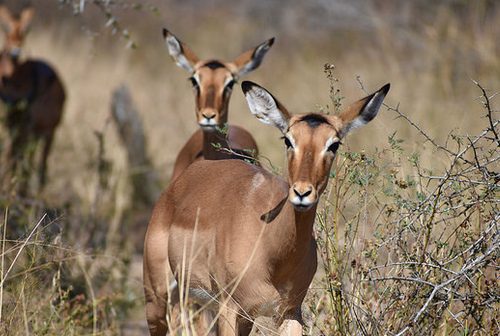
Summer, from about November to March, is green, hot and humid, with afternoon thunderstorms, newborn impala, migrant birds and the best birding of the year. Game is harder to see in long grass, but private reserves often run specials. The Cape works the other way round: hot and dry in summer, cool and wet in winter.
School holidays and the December festive season fill Kruger rest camps, so availability matters more than weather for self drivers. If you want bush and Cape Town in good shape on one trip, April, May, September and October are the usual compromise. Month by month detail, including rainfall and temperatures, sits in our guide to the best time to visit South Africa.
A Day on Safari, Trip Length and What to Pack
A safari day in South Africa runs on the light, and first timers are often surprised by how early it starts. At a private lodge, the rhythm looks like this:
Self drivers in Kruger tend to follow the same pattern: out of the gate at opening, back in camp by late morning, rest through the heat, then out again until the gates close. Keep the camera ready right up to the exit gate. More than one trip report describes a rhino on the road in the last kilometre.
How long? Three nights per reserve is the sensible minimum, and many travellers wish they had booked more. A first trip of seven to ten nights usually mixes three to five safari nights with time in Cape Town. Two weeks lets you add a second region, such as the Eastern Cape or KwaZulu Natal, or a flight to Victoria Falls.
Packing is mostly about layers. Winter morning drives in an open vehicle are bitterly cold, and even summer dawns can be chilly, so a warm jacket, beanie and gloves are worth the space. Add neutral clothing, a sun hat, sunscreen, a buff for dust, insect repellent with DEET for malaria areas, and binoculars, ideally 8×42. Light aircraft to lodges limit luggage and need soft bags. Our African safari packing list and guide to what to wear on safari cover both seasons.
Getting Around South Africa on Safari
South Africa covers about 1.2 million square kilometres, bordered by Namibia, Botswana, Zimbabwe, Mozambique and Eswatini, with Lesotho inside its borders. Distances are big. Most visitors fly into OR Tambo International in Johannesburg or Cape Town International, then connect by domestic flight or hire car.
For Kruger, the drive from Johannesburg takes about four and a half to five hours to the southern gates on good highways. Flights reach Kruger Mpumalanga International near Mbombela (Nelspruit), Skukuza inside the park and Hoedspruit for the Timbavati and Klaserie lodges, and private reserves often add a light aircraft hop to their own airstrip. Pilanesberg is about two hours by road from Johannesburg, Madikwe four to five, and the Waterberg three to four. Addo is reached from Gqeberha airport, Hluhluwe iMfolozi is about three hours north of Durban’s King Shaka airport, and the Kgalagadi from Upington. Phinda has its own airstrip with flights from Johannesburg, which saves the long drive up from Durban.
Day tours to Kruger from Johannesburg do exist, but they leave in the small hours and return late at night, with more time on the highway than in the park. Pilanesberg is the realistic day trip from Johannesburg, as Aquila is from Cape Town and Addo from Gqeberha.
South Africans drive on the left. A normal sedan copes with every tarred road in Kruger and most gravel loops; a higher clearance car helps in summer rain and in the Kgalagadi, and the 4×4 eco trails need a real 4×4. Outside the parks, avoid driving after dark, when potholes, stray livestock and unlit vehicles are the main hazards, and keep doors locked and valuables out of sight in the cities. Our page on self drive safaris in Africa compares South Africa with Namibia and Botswana.
Visitors from the UK, USA, Canada, Australia and most of the EU can enter visa free for up to 90 days. Your passport should be valid for at least 30 days beyond departure and have two blank pages. Check the rules for your nationality before you book, and take out travel insurance for an African safari with medical evacuation cover.
Cape Town, Victoria Falls and Bwindi Gorillas: Extending a South Africa Safari
Most safari trips to South Africa include Cape Town, and it deserves at least three or four nights. Take the cableway or hike up Table Mountain, ride the ferry to Robben Island where Nelson Mandela spent 18 of his 27 years in prison, see the African penguins at Boulders Beach near Simon’s Town, walk Kirstenbosch botanical garden on the mountain’s eastern slopes, and spend an evening at the V&A Waterfront, where the Zeitz MOCAA gallery fills an old grain silo. Kirstenbosch is the easiest place to see fynbos, the heath of proteas and ericas that makes the Cape Floral Region a World Heritage Site. Helicopter flips over the Atlantic seaboard leave from the Waterfront, and cycling tours run through the city and the vineyards. The Winelands around Stellenbosch and Franschhoek are an hour away, Cape Point a scenic half day drive, and Hermanus, about an hour and a half along the coast, the classic whale watching town in season.
Johannesburg is more than a transit stop. A guided Soweto tour takes in Vilakazi Street, home to the Mandela House museum and once to Archbishop Desmond Tutu, and the Hector Pieterson Museum, which tells the story of the 1976 student uprising. Add the Apartheid Museum and the Cradle of Humankind World Heritage Site, about 50 kilometres to the northwest, and a day or two before the flight to Kruger is well spent. The Big Hole at Kimberley suits a road trip toward the Kalahari.
For couples, the Cape Town and safari pairing is the classic South African honeymoon: a few nights of food and wine, then a private plunge pool at a lodge in Sabi Sand or Phinda. Our guide to a honeymoon in Africa compares it with the Indian Ocean islands and East Africa.
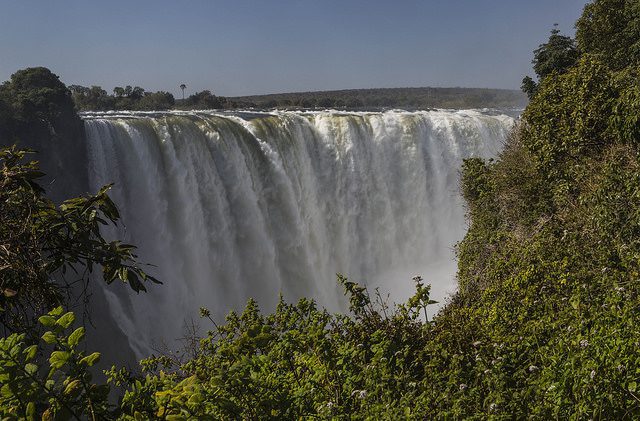
Johannesburg is one of the best connected airports in Africa, so a South Africa safari links easily to the rest of the continent. Victoria Falls is a flight of about one hour and forty five minutes away, and many travellers pair two nights at the Falls with Chobe or the Okavango Delta; see our Victoria Falls safari guide and Okavango Delta safari page.
There are no gorillas in South Africa, but they are closer than many people think. Direct flights from Johannesburg reach Entebbe in about four hours and Kigali in a similar time. From there, gorilla trekking in Bwindi or gorilla trekking in Rwanda adds three or four days: Big Five game drives on open savannah, then an hour with a mountain gorilla family in the forest. Permits sell out for the busy months, so read our guide to booking Uganda gorilla permits before fixing your Kruger dates, check how to get to Bwindi from Entebbe or Kigali, and consider the longer gorilla habituation experience. Kit differs between the two halves: the forest calls for gloves, gaiters and waterproof boots, which our gorilla trekking packing list covers.
South Africa Safari FAQ
How much does a South Africa safari cost per day?
It depends almost entirely on the style. Typical operator rates per person per day when sharing are about US$80 to US$150 for a Kruger self drive with rest camps, fees and fuel; US$300 to US$600 for a guided tour or value lodge; US$300 to US$700 at a Madikwe lodge; US$400 to US$900 for a mid range Greater Kruger lodge; and US$1,200 to US$3,000 or more at the top Sabi Sand lodges. A seven to ten day holiday combining Cape Town with a few safari nights is often quoted at around US$3,000 to US$9,000 per person before international flights. Rates move with season and the rand, so get a current quote. Our South African safari cost guide has the full breakdown.
What are the Kruger National Park conservation fees?
SANParks charges a daily conservation fee per person for every day inside the park. For international visitors it is R602 per adult and R300 per child up to 31 October, rising to R692 per adult and R345 per child from 1 November. SADC nationals pay R296 per adult from 1 November and South Africans R140. Children pay from age 2 to 11, and a Wild Card covers daily fees for its holder. Private reserves add their own nightly levy, which some lodges include in the rate.
Is Kruger or a private reserve better for a first safari in South Africa?
Both work. Kruger gives freedom, space and far lower costs, and confident drivers find it easy. A private reserve gives a ranger and tracker, off road tracking and night drives, which matters most for leopard and wild dog and on short trips. Many first timers spend most nights in Kruger and finish with two or three in the Greater Kruger.
What are the Big Five on a South Africa safari?
Lion, leopard, elephant, rhino and buffalo. The name comes from the old hunting days, when these were the most dangerous animals to track on foot. Kruger, the Greater Kruger reserves, Madikwe, Pilanesberg, Addo, Hluhluwe iMfolozi and Phinda all hold the Big Five. Leopard is usually the hardest to find, which is where private reserve trackers earn their keep, and no reserve can promise all five on a short stay.
What should I wear on a safari in South Africa?
Neutral colours such as khaki, olive and tan, in layers you can peel off as the day warms. Winter dawns in an open vehicle are close to freezing, so bring a fleece, a windproof jacket, a beanie and gloves from May to September. Summer calls for light long sleeves against sun and mosquitoes, a wide brimmed hat and a light rain shell. Closed walking shoes are enough unless you plan bush walks, and lodge dinners are casual.
Which South African safari reserves are malaria free?
Madikwe, Pilanesberg and the Waterberg reserves north of Johannesburg, the Eastern Cape reserves including Addo, Shamwari, Kwandwe and Amakhala, the Kgalagadi, and the small reserves near Cape Town. Kruger, the Greater Kruger and northern KwaZulu Natal carry risk, highest in the wet summer, so ask a travel clinic about antimalarials.
How many days do I need for a South Africa safari?
Three nights per reserve is the minimum most guides suggest. For Kruger self drive, five to seven nights lets you cover both the busy south and the quieter centre or north. A first trip of seven to ten nights usually mixes three to five safari nights with Cape Town.
Can I do a South Africa safari as a day trip?
Yes, with limits. Pilanesberg from Johannesburg, Aquila from Cape Town, and Addo or Pumba from Gqeberha all work as one day game drives. Kruger is possible from Johannesburg on a very long day, but most of it is spent on the road, so even one night inside the park gives a far better safari.
Do I need a 4×4 for a self drive safari in South Africa?
No. An ordinary hire car handles every tarred road in Kruger, Addo and Pilanesberg and most gravel loops in the dry season. A higher clearance vehicle gives a better view over tall grass and helps after heavy rain and on the Kgalagadi’s sand roads, and the Kruger 4×4 eco trails require one.
Can children go on safari in South Africa?
Yes. Kruger rest camps are family friendly and self drive lets you stop when the children need a break. Private lodges often set minimum ages, commonly six for open vehicle drives and twelve for walks, and some run children’s programmes. Malaria free Madikwe and Pilanesberg are the most popular family choices.
Are there gorillas in South Africa?
No. Wild gorillas live only in central and east Africa. Mountain gorillas are found in Bwindi and Mgahinga in Uganda, Volcanoes National Park in Rwanda and the Virunga park in Congo, all a few hours’ flight from Johannesburg.
What does it cost to add gorilla trekking to a South Africa safari?
A Uganda gorilla permit costs US$800 for foreign non residents and US$700 for foreign residents, with a reduced US$600 rate announced for April, May and November. Permits are paid in full when booked. A Rwanda permit costs US$1,500. Flights from Johannesburg, lodges near the park and ground transport come on top, so three or four extra days is the usual budget. Our Uganda gorilla trekking guide covers permits, parks and the trek day in full.
Is a South Africa safari safe?
Safari areas are well run and safe if you follow park rules: stay in your vehicle except at marked spots, keep to gate times and never feed animals. Outside the parks, avoid driving at night, lock car doors in cities and keep valuables out of sight. Most visitors have no problems.