The best gorilla safari companies are the ones that pass simple checks: a current Uganda Tourism Board or Rwanda Development Board licence, a real office, their own guides and vehicles, and a written quote naming your permit, lodges and trekking sector. The licensed gorilla trekking tour operators listed below run trips to Bwindi, Mgahinga and Volcanoes National Park. This independent guide shows how to vet any of them before paying.

What Separates Good Gorilla Safari Companies from the Rest
Search for a gorilla safari company and the first page is a wall of near identical promises: private trips, expert guides, the best lodges, permits included. Uganda alone has hundreds of registered tour firms and an unknown number of unregistered ones. Some own a fleet of Land Cruisers and keep guides on the payroll all year. Plenty are small, honest and very good. A few are a website, a WhatsApp number and nothing else.
Why does the choice weigh more here than on a game drive safari? One piece of paper. Gorilla permits are capped per family per day, the dry months and the Christmas weeks sell out far ahead, and nobody at the park gate can conjure a permit that was never bought. A company that books a beautiful lodge and fumbles the permit has failed at the one thing you cannot replace on arrival.
So the things that separate a strong gorilla trekking company are mostly dull. It answers the question you actually asked. It tells you when a plan will not work, such as landing at Entebbe after a night flight and trekking in Bwindi the next morning, and proposes something that will. It sends the permit copy without being chased. It names every lodge, and it puts all of it in writing.
Price is a weaker signal than most people expect. The Uganda gorilla permit costs the same whoever buys it, because the Uganda Wildlife Authority (UWA) sets the fee; Rwanda’s permit is fixed the same way by RDB. When one quote sits far below the rest, the saving has to come from somewhere: an older vehicle, a lodge two hours from your trailhead, a shared seat, or a permit that does not exist yet. Our gorilla trekking cost guide breaks down where the money goes.
Types of Gorilla Trekking Companies: Local Operators, Overseas Agencies and Group Tour Brands
The ranking pages for this search are a good map of who sells gorilla trekking tours. Three kinds of company keep turning up, and each suits a different traveller.
Overseas agencies are not middlemen in the bad sense. A good one gives you home country consumer protection, such as ATOL cover on packages sold with flights in the UK, one contact for a complicated route, and someone in your own time zone when things go wrong. You pay a margin for that. Your driver guide and car still come from a local company, so ask the agency to name its ground operator before you pay, then run that firm through the licence checks below. Agencies that refuse to say usually have a reason.
Group tour brands suit solo travellers and anyone who wants the whole of East Africa in one booking. Seats are sold on set dates with a fixed itinerary and a shared vehicle, and the permit is bought once you pay the deposit and send passport details. The trade off is control: you move at the group’s pace, on the group’s day.
Local operators give the most direct line to the people actually running your gorilla safari. You can ask for a particular guide, change the route, and talk to the office that holds your permit. What you lose is home country protection, which is why the checks in the next section matter most for this group.
Gorilla Safari Company Licence Checks in Uganda and Rwanda
Every business selling a gorilla tour in Uganda should hold a current licence from the Uganda Tourism Board, which registers and licenses tour operators under the Tourism Act. UTB keeps an online register. Search it for the company’s exact trading name. New approvals can take time to appear, so if a young firm is missing, ask for its licence number and confirm that with UTB instead.
Licences are enforced. UTB has suspended operators while it looked into fraud complaints and publishes those notices, so a two minute search for the company name plus “UTB” before paying is time well spent.
The Association of Uganda Tour Operators (AUTO) is the main trade body. It asks for registration papers before admitting a member, and its members have long bought gorilla and chimpanzee permits from UWA for their clients. Uganda gorilla, habituation, chimpanzee and golden monkey permits are booked through a recognised AUTO member, so ask any company you shortlist for its membership. The thing to worry about is a mismatch: an AUTO badge on a website for a company the association does not list. Scammers copy that badge more than any other. Check the member directory or contact AUTO directly.
For a Rwanda gorilla trekking trip in Volcanoes National Park, the licensing body is the Rwanda Development Board, and Rwandan law requires every tour operator and travel agency to hold an RDB tourism operating licence. The Rwanda Tours and Travel Association (RTTA) is the private sector body, a useful signal like AUTO but not a licence. Check any membership claim with RTTA itself. Our list of Rwanda safari companies gives names to start from.
Plenty of companies run trips in both countries from one office, which is normal, since southern Bwindi and Volcanoes sit only a few hours apart by road through the Cyanika or Katuna borders. Ask where the firm is registered and whether it uses a partner across the border. If it does, check the partner too.
How a Gorilla Tour Operator Secures Your Permit
This is the part most operator homepages skip. In Uganda, UWA issues every permit and sets the price, sector and family allocation, but it sells permits to licensed operators, not to travellers. You book through a licensed gorilla tour operator that is a recognised AUTO member, and it buys the permit from UWA in your name. That suits the trip anyway, because the permit date and sector have to line up with transport and a lodge nearby, and operators deal with UWA every week.
UWA has suspended the old short reservation hold, so permits are now paid in full when booked. Expect to pay the permit amount early, with passport details, and expect a copy of the issued permit in your name, showing the date and sector: Buhoma, Ruhija, Rushaga or Nkuringo in Bwindi, or Mgahinga. Rwanda works much the same way through RDB. If the copy does not arrive within a reasonable time, ask why in writing.
Permit fraud has a real history. Trip reports describe travellers who paid months ahead and arrived to find no permit had ever been bought. Ugandan news outlets have also covered UWA staff dismissed after an investigation into permits issued and paid for outside the official system, with tour operators drawn into the inquiry. Both are reasons to ask for the permit number and confirm it with UWA before the balance goes.
Low season permits for April, May and November come with stricter terms, including no rescheduling, so a good operator spells those out before you pick those months. Our guide to the best time for gorilla trekking in Uganda covers what the wet months mean on the trail. Anyone selling “discounted” permits outside that official low season rate, or promising a particular gorilla family, is offering something UWA does not sell.
The gorilla habituation experience needs the same care. Daily places are very few and sold mainly in the Rushaga sector, so book it first and confirm it the same way.
Trip Styles and Tour Lengths Gorilla Safari Companies Sell
Browse a few operator sites and the same trip shapes repeat. Knowing them helps you spot a sensible quote, and spot one that crams too much driving into too few days.
Companies also sell different comfort levels. Some focus on budget camping and shared transport, many sit in the mid range, and others sell only luxury gorilla trekking with top lodges and private flights. A few happily mix the two, spending on the lodge nearest the trailhead and saving elsewhere. None of these is wrong. What matters is knowing which one you are being quoted and exactly what it covers.
Departure points matter as well. Uganda trips usually start in Entebbe or Kampala, Rwanda trips in Kigali, and many southern Bwindi trips now start in Kigali too, since the drive to Rushaga or Nkuringo is shorter from there than from Entebbe. A company that offers both starting points is often worth a closer look.
Comparing Gorilla Trekking Tour Quotes Line by Line
Ask at least three companies to quote the same gorilla trekking safari: the same dates, nights, lodge standard and vehicle set up. Only then can you compare like with like. A common complaint from travellers is that only a few of the companies they contact send an itinerary that matches the request at all, which narrows the field fast.
| Quote line | Ask this | Why it matters |
|---|---|---|
| Permit | Bought, in my name? | Trip depends on it |
| Sector | Which one? | Lodge distance |
| Lodges | Named, which sector? | Early starts |
| Vehicle | Private or shared? | Seat and pace |
| Flights | Included? | Fly in trips |
| Fuel | Included? | Often left out |
| Meals, water | All listed? | Hidden extras |
| Porter, tips | Guideline given? | Budgeting |
Then read the itinerary for time on the road. By car, Bwindi is a full day from Entebbe; the alternative is a domestic flight followed by a transfer. A careful operator puts a night near the park before the trek, and many travellers say they were grateful for a rest day after the long flight in. Check which sector each lodge sits in. A lodge in Buhoma does nothing for a permit in Rushaga, and the drive between them takes hours on mountain roads. Our Bwindi safari lodges page shows which lodges serve which sector.
Ask too what “all inclusive” means. Several big brands advertise one upfront price with no hidden costs, and that is a fair standard to hold any company to: permits, lodges, meals, transport, park transfers and guiding in the quote, with porters, tips, drinks, visas and insurance listed separately so you can budget for them.
Driver Guides, Vehicles and Group Size on a Gorilla Safari
Inside the forest, UWA or RDB rangers lead every group. Your company’s driver guide handles everything else: the long drives, the briefings, the timing of a 7am report at the park office, and the problems nobody planned for. That person shapes most of your days, so ask about them directly.
Does the company employ guides all year or hire freelancers for the season? How long has your guide driven the Bwindi routes? Is the guide trained in first aid, or a member of a guides’ association? Reviews that praise a guide by name say more than a page of general compliments.

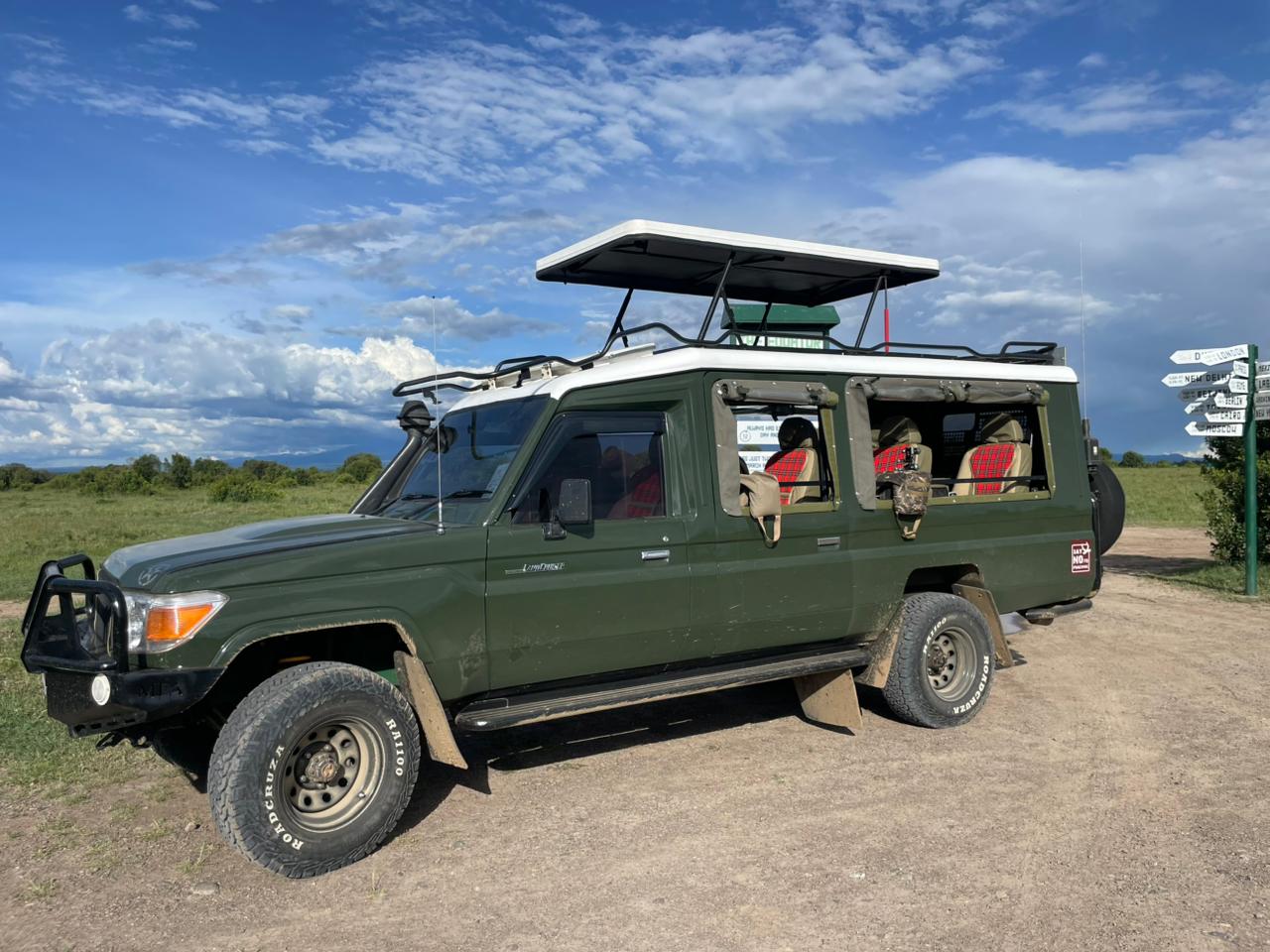
Vehicles matter more in Uganda than the brochures admit. The roads up to Ruhija and Nkuringo are steep, rough and greasy after rain. You want a well kept four wheel drive, usually a Land Cruiser or similar with a pop up roof for the game drives that often go with a gorilla trip. Ask the vehicle’s age, how many passengers share it and what happens after a breakdown. A company with its own fleet can usually send a replacement the same day. One renting cars trip by trip may not manage that.
Group size is the other question. A private gorilla tour gives you your own vehicle, guide and start times, and suits families, photographers and anyone with health needs; our page on gorilla trekking for travellers with disabilities shows how much can be arranged. A group gorilla tour shares vehicle and fuel costs on fixed dates, which is cheaper per person and good company, with less say over stops. At the gorilla family itself, everyone treks in a group of up to eight whichever you book.
Ask about driving after dark as well. Few travellers who have done it on rural Ugandan roads want to repeat it, and a sensible operator plans each day to arrive in daylight.
Reviews, Sighting Promises and Responsible Gorilla Tour Operators
Reviews help, read across more than one platform: Google, Trustpilot, TripAdvisor and SafariBookings each catch different travellers. Look past the star score. Recent reviews that mention a named guide, a problem and how it was fixed tell you how a company behaves when something goes wrong. A run of short five star reviews posted in the same week tells you something else. Licences still come first, though. Reviews can be bought; a UTB licence cannot.
Be careful with sighting guarantees. Some companies advertise near certain gorilla sightings, and it is true that trackers leave at dawn to find each family, so sightings are very likely on most treks. No company controls where a wild family walks, though. What a company can honestly offer is a policy for the rare day nobody finds the gorillas. Ask what that policy is, and get it in writing.
Responsible operation is worth asking about too. A good gorilla trekking tour operator follows the park rules on distance, group size and illness without being told, briefs you on masks and keeping back, and encourages you to hire a porter from the villages around the park. Some companies fund community projects or conservation work. That is good to see, though the clearest proof of responsibility is a guide who will tell a guest to step back from a gorilla even when the guest is paying.

Payment Protection and Red Flags Before You Book a Gorilla Tour
Most horror stories start with payment. The reported cases share a pattern: a large wire or money service transfer, then silence; a permit that was “confirmed” and never bought; or a company that folds between booking and arrival.
Pay by card where you can, since card schemes let you dispute a charge. Never pay a personal account. Keep a receipt for every payment naming the company you checked, and keep every email and chat message. Read the cancellation terms before the first payment, because UWA’s refund rules for permits are stricter than most lodge terms, and a company should say plainly which part of your money can come back. Take travel insurance that covers cancellation and medical evacuation; our African safari insurance guide explains what to look for.
One flag alone is not proof of fraud. Two together should send you to the next name on the list. Telling a company you are comparing quotes is fine, and a decent operator will not hold it against you.
Be open with whichever company you pick about anything that affects the trek: knee or heart trouble, age, fear of heights, diet. A good operator will ask for a sector with gentler ground, suggest a porter, or tell you honestly that a long trek may be hard. Pack for rain in any month; our gorilla trekking packing list covers gloves for the nettles, gaiters and boots.
Uganda or Rwanda: Choosing Where Your Gorilla Safari Company Operates
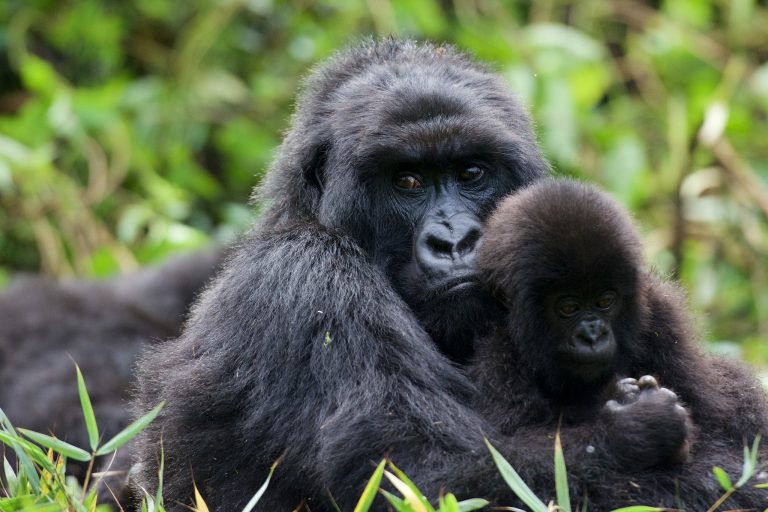
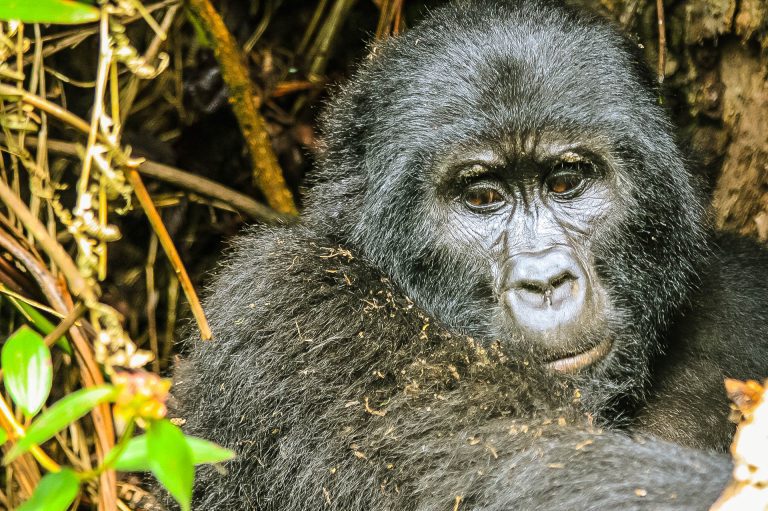
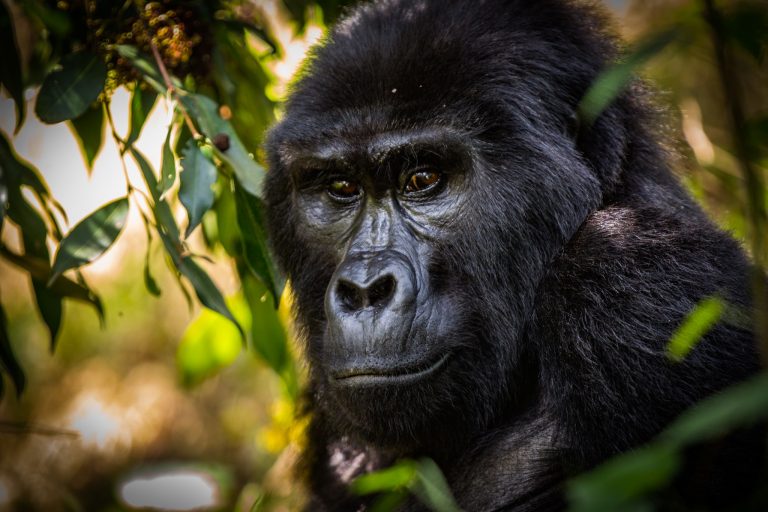
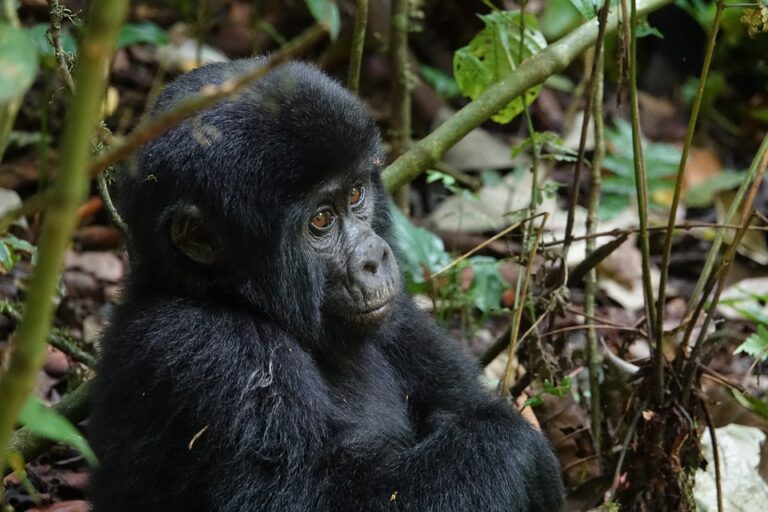
Most companies on this page sell both countries, so the first decision is often where to trek. Rwanda’s Volcanoes National Park is about two and a half to three hours from Kigali by good road, with 12 habituated families, open volcano slopes and a dense cluster of top lodges, which suits short trips. Uganda’s Bwindi holds close to half the world’s mountain gorillas, with 459 counted in the 2018 census, plus Mgahinga, four Bwindi sectors and the habituation experience. It is further from the airport, wetter underfoot and suits longer trips that add chimps and savanna parks.
Our comparison of Uganda and Rwanda for a gorilla safari sets out the trade offs, and the Rwanda gorilla permits guide explains how RDB issues them. For flights and road routes into each Bwindi sector, see getting to Bwindi.
Combining a Gorilla Trek with Kenya, Tanzania or Congo
For many travellers Africa is one trip. Gorillas pair well with the Masai Mara or the Serengeti, linked by regional flights through Nairobi or Kilimanjaro, and several of the big group brands sell exactly that route. If your trek is one leg of a longer trip, every company involved deserves the same checks. Our guide to Tanzania safari companies covers the TALA licence and TATO membership, and Tanzania safari and gorilla trekking sets out routes and timing.
A handful of companies also run Congo gorilla trekking, for mountain gorillas in Virunga or eastern lowland gorillas in Kahuzi Biega. Check current government travel advice for eastern Congo before booking any trip there, and ask the operator how it handles a sudden closure.
Gorilla Safari Company Questions Travellers Ask
Which company is the best for gorilla trekking?
No single company is best for everyone. The right one for you holds a current UTB or RDB licence, appears in the AUTO or RTTA member list if it claims membership, sends a written quote naming your permit, sector and lodges, and gives you the permit copy before the balance is due. Shortlist two or three companies from the list above, ask each for the same trip, and choose the one that answers your questions most clearly.
Which gorilla trekking companies are the best in Uganda?
The strongest Uganda gorilla trekking companies are licensed by the Uganda Tourism Board, buy permits directly from UWA, employ their own driver guides and keep their own vehicles. The companies listed on this page all plan Bwindi and Mgahinga trips; run each through the licence checks and the permit steps above before choosing.
What are the top 10 African safari tour companies?
Any top ten list depends on who made it and what they were paid. For gorilla trips, a licensed local operator in Uganda or Rwanda, a specialist overseas agency or a large group tour brand can all be good choices. For other countries, see our lists of Rwanda safari companies, Tanzania safari companies and Kenya safari companies, and apply the same licence checks.
How much does it cost to go on a gorilla safari?
The permit is the fixed part. A Uganda gorilla permit costs US$800 for foreign non residents, US$700 for foreign residents and UGX 300,000 for East African citizens, with a low season rate of US$600 for non residents (US$500 for foreign residents) in April, May and November. A Rwanda permit costs US$1,500, and RDB has offered a 30 percent low season reduction from November to May for travellers who also stay in Nyungwe or Akagera. The Uganda habituation experience is US$1,500, and a rise to US$1,800 has been announced. Whole trips vary far more: published prices from international agencies range from under US$3,000 per person sharing for a short Rwanda trip to well over US$13,000 for a few days of luxury, and local operators often quote less for the same trek. Confirm every rate for your dates.
Do gorilla safari companies charge more for the permit, and how much deposit should I pay?
The permit should appear in a quote at its official price; the company earns its money on transport, lodges and service. Because UWA now requires permits to be paid in full at booking, expect to pay the permit amount up front plus a lodge deposit, often around 30 percent of the rest, with the balance some weeks before travel. Pay by card or to a company account, and get the cancellation terms in writing first.
Can I book a gorilla permit without a tour operator?
In Rwanda, yes: RDB sells permits to travellers. In Uganda, no. UWA sells permits to licensed operators, so you book through a licensed tour operator that is a recognised AUTO member, and it buys the permit from UWA in your name. Around either permit you can arrange transport and lodges yourself or hire a car and driver. Most travellers still use an operator for the whole trip because the permit date, sector and lodge must match, and an operator can sort out changes on the ground.
Is a private gorilla tour better than a group trip?
For families, photographers and anyone who needs a slower pace, usually yes, since you control start times and stops. Solo travellers on a budget often find a small group trip good value and good company. The trek itself is the same: up to eight visitors per gorilla family, for one hour.
Can a tour company guarantee I will see gorillas?
No. Trackers locate the families early each morning, so sightings are very likely, but gorillas are wild and nobody controls where they go. Ask what the company does on the rare day a family is not found, and get the answer in writing.
How far ahead should I book a gorilla trekking tour?
For June to September and the Christmas weeks, many travellers book six months or more ahead because permits sell out. For quieter months a few months is often enough. Book the habituation experience earliest of all, since daily places are very few.
What should I do if a tour operator takes my money and no permit appears?
Ask in writing for the permit copy and number, then contact UWA reservations or RDB to check whether a permit exists in your name. If it does not, dispute the card payment, report the company to UTB or RDB and to AUTO or RTTA if it claims membership, and keep every record.
Does this site book gorilla permits or recommend one company?
No. bwindiforestnationalpark.com is an independent visitor guide. It is not affiliated with UWA, it does not sell tours or book permits, and it does not rank companies. The companies shown on this page are listed so you can run them through the checks above yourself.