The best safari countries in Africa are Tanzania and Kenya for the wildebeest migration and big cats, Botswana for private water safaris, South Africa for an easy first trip, Zambia and Zimbabwe for walking safaris, Namibia for self drive, and Uganda or Rwanda for mountain gorilla trekking. Which one is best for you comes down to the animals you most want to see, the month you can travel and how you like to travel.
There is no single winner, and anyone who tells you otherwise is usually selling one country. The right pick depends on what you most want to see, the month you can travel, and how you feel about long drives, small planes and early starts. This guide walks through every major safari country, from the big savannah names to Madagascar, Gabon and Ethiopia, gives each one a quick verdict on what it is best for, its top parks, its best months, its cost level and who it suits, and shows how each one links up with gorilla trekking in Bwindi. Most people end up with one main country and one add on. Prices and park fees sit in the FAQ at the end. A 10 to 14 day Madagascar itinerary shows how the island’s parks link up by road and air.
How to Choose an African Safari Country for Your Trip
Start with the animal or the experience you would be gutted to miss. If it is gorillas, your trip is built around Uganda or Rwanda and everything else is an add on. If it is the migration, the month decides the country. If it is simply lots of big game with good guiding, you have the widest choice of all.
Then look at how the parks are run. Big national parks such as the Serengeti, Kruger and Etosha keep vehicles on roads and stop game drives after dark. Private concessions and conservancies, the model Botswana, Kenya’s Mara conservancies and South Africa’s private reserves use, cap guest numbers and usually allow off road driving to a sighting, night drives and guided walks. You pay more for that freedom, and many repeat visitors say it is worth it.
Season matters more than first timers expect. Southern Africa’s dry winter from about May to October is peak game viewing. East Africa has long rains around March to May and short rains near November. Green season travel brings lower rates and newborn animals, plus some closed camps, muddy tracks and afternoon storms.
Last, think about logistics. A country with good road links, like South Africa or Namibia, rewards self drivers. Botswana, Zambia and much of Tanzania rely on light aircraft, and these planes carry soft bags only with a tight weight limit, which changes how you pack. If you want help weighing these trade offs, licensed African safari operators can build a route around your dates, and our own pages on African safari costs and safari insurance cover the planning basics.
Safari Countries Compared: What Each Trip Does Best and Where It Falls Short
The safari countries compared in this table are the ones most trips are built around. Read the cost level as a rough guide to what a typical guided trip costs against the other countries; the per day price bands sit in the FAQ at the end.
| Country | Best for | Top parks | Cost level |
|---|---|---|---|
| Tanzania | Migration, scale | Serengeti, Ngorongoro | Mid to high |
| Kenya | Big cats, Mara | Masai Mara, Amboseli | Low to high |
| Botswana | Privacy, water | Okavango, Chobe | High |
| South Africa | First trips, leopard | Kruger, Sabi Sand | Low to high |
| Uganda | Gorillas, chimps | Bwindi, Kibale | Mid |
| Rwanda | Short gorilla trip | Volcanoes, Akagera | High |
| Zambia | Walking safaris | South Luangwa | Mid to high |
| Zimbabwe | Guides, canoeing | Mana Pools, Hwange | Low to mid |
| Namibia | Self drive, desert | Etosha, Sossusvlei | Low to mid |
| Madagascar | Lemurs | Andasibe, Isalo | Mid |
| Malawi | Quiet parks, lake | Majete, Liwonde | Low to mid |
| Mozambique | Beach finish | Bazaruto, Gorongosa | Mid to high |
Every safari country has a weak spot, and the ranking pages that skip them do first timers no favours. Here is the honest version, one line each, before the country by country detail.
Read across the rows and a pattern appears. The East African countries win on the sheer number of animals and on gorillas, the southern countries on privacy, walking and self drive options. Neither half is the safer bet for a first trip; it depends on which trade off bothers you less.
Safari Country Matcher: Which African Safari Country Suits You
Choose what matters most, the month you can travel, your budget level and the kind of trip. Every safari country stays listed below until you choose, then the table narrows to the countries that fit and explains why the others dropped out.
Showing all 15 safari countries
| Country | Known for | Best months | Budget range | What it means for you |
|---|---|---|---|---|
| 1.Tanzania | Serengeti herds, Ngorongoro Crater, Kilimanjaro, Zanzibar | June to October, January and February | Budget to luxury | Herds are in the Serengeti most of the year; plan a week and finish on Zanzibar |
| 2.Kenya | Masai Mara big cats, river crossings, conservancies, Maasai culture | July to October, January and February | Budget to luxury | Short flights from Nairobi; stay in a conservancy to avoid crowded crossings |
| 3.Botswana | Okavango Delta mokoro trips, Chobe elephants, wild dog | June to October | Mobile camping to luxury | Fly in camps with few vehicles; soft bags only on light aircraft |
| 4.South Africa | Kruger, Sabi Sand leopards, malaria free reserves, Cape Town | May to September | Budget to luxury | The easiest first trip; self drive Kruger or pick a malaria free reserve with young children |
| 5.Uganda | Bwindi gorillas, Kibale chimps, Queen Elizabeth and Murchison Falls | June to September, December to February | Budget to luxury | Trekkers must be 15 or older; permits go through a licensed AUTO member operator |
| 6.Rwanda | Volcanoes gorillas, Nyungwe chimps, Akagera Big Five | June to September, December to February | Mid range to luxury | Gorillas about three hours from Kigali airport, so two or three nights is enough |
| 7.Zambia | South Luangwa walking safaris, leopard, Lower Zambezi canoeing | June to October | Budget to luxury | Many bush camps close in the rains, so travel in the dry season |
| 8.Zimbabwe | Mana Pools walking and canoeing, Hwange, Victoria Falls | May to October | Budget to luxury | Some of Africa’s most highly trained walking guides, often at lower rates than Botswana |
| 9.Namibia | Etosha waterholes, Sossusvlei dunes, desert elephants | June to October | Budget to luxury | Rent a proper 4×4 and keep driving days to about five hours |
| 10.Madagascar | Lemurs, chameleons, baobabs, Tsingy | April to November | Budget to mid range | No big game and slow roads; allow about two weeks |
| 11.Malawi | Majete Big Five, Liwonde boat safaris, Lake Malawi | May to October | Budget to mid range | Quiet restored parks plus a lake finish, good value for a second safari |
| 12.Mozambique | Bazaruto and Quirimbas islands, Gorongosa | May to November | Mid range to luxury | Best as the beach end of a Kruger trip; avoid the far north on official advice |
| 13.Ethiopia | Gelada monkeys, Ethiopian wolf, Lalibela churches | October to March | Budget to mid range | A highland and culture trip rather than a Big Five safari |
| 14.Gabon | Loango lowland gorillas, forest elephants on the beach | June to September | Luxury | Few visitors and small camps; suits experienced travellers |
| 15.DR CongoCheck official advice | Virunga mountain gorillas, Kahuzi Biega lowland gorillas, bonobos | Depends on security | Mid range to luxury | Tourism in the east has been suspended at times; check your government’s advice first |
No country matches every choice. Try another month or set one choice back to its first option.
Why the other countries dropped out
Last checked October. Best months follow the country sections on this page, and wildlife sightings are never guaranteed. Budget ranges are indicative; the per day price bands sit in the FAQ. DR Congo stays in the table for completeness but is never offered as a match while official advice warns against travel to the east. Sources: national park authorities, official travel advisories and the country guides linked in each row.
Uganda Safaris: Gorilla Trekking, Chimps and Savannah Parks

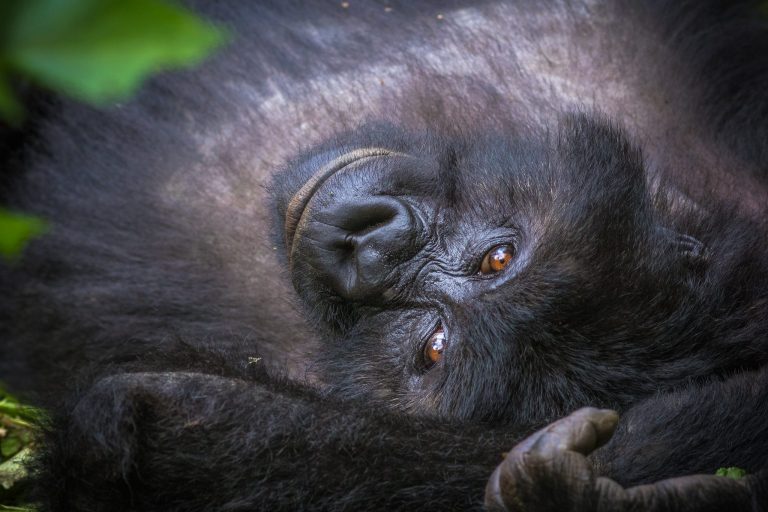
A Uganda safari is the most varied primate trip in Africa. Gorilla trekking in Uganda is the headline: Bwindi Impenetrable National Park holds close to half the world’s mountain gorillas, spread across four trekking sectors, Buhoma, Ruhija, Rushaga and Nkuringo. Treks can take forty minutes or most of a day, depending on where the family slept. Mgahinga, on the Virunga volcanoes, has one habituated group and golden monkeys too.
Uganda also sells the longer version. The gorilla habituation experience in Rushaga gives you about four hours with a family still being used to people, instead of the standard one hour. Chimpanzee tracking in Kibale National Park fits easily on the drive north.
Savannah game is the part people underestimate. Queen Elizabeth National Park has the Kazinga Channel boat trip and the tree climbing lions of Ishasha, a short drive from Bwindi’s northern gate. Murchison Falls pairs a Nile launch to the base of the falls with game drives for giraffe, elephant and lion. Kidepo, far in the northeast, is wild and empty. Add the Rwenzori Mountains, more than a thousand bird species including the shoebill, and white water rafting on the Nile at Jinja, and Uganda rewards a trip of ten days or more. Uganda’s game density is lower than the Serengeti’s, which is the honest trade.
For routes and day plans, see Uganda safaris and itineraries, the 3 day gorilla safari, and things to do in Uganda. Our guide to the best time for gorilla trekking explains the rainy months, and the step by step guide to planning a Uganda gorilla safari covers permits, routes and lodges in order.
Rwanda Gorilla Trekking Safaris and Akagera Game Drives

Rwanda gorilla trekking is the quick, polished version of the experience. Volcanoes National Park is about two and a half to three hours by road from Kigali airport, so a gorilla trip of two or three nights works even for travellers with very little time. Treks start from the park headquarters at Kinigi, and the bamboo and volcano slopes are often steeper than people expect.
The rest of the country is compact. Golden monkey tracking, the hike to Dian Fossey’s grave and the climb up Bisoke’s crater lake all leave from the same area. Nyungwe Forest in the southwest has chimpanzees, colobus monkeys and a canopy walkway. Akagera National Park in the east has been restocked with lions and rhinos and is now a genuine Big Five park, which lets you finish a gorilla trip on a game drive.
Kigali deserves a day. The Kigali Genocide Memorial explains the events of 1994 with care, and most visitors say it changed how they saw the whole country. See Rwanda gorilla trekking safaris, Rwanda safari cost and Uganda vs Rwanda if you are choosing between the two, and the Rwanda safari planner sets out the order to book things in.
Kenya Safari Trips: Masai Mara Migration and Private Conservancies

A Kenya safari is the classic East African game drive trip, and the country still sets the standard for big cat viewing. The Masai Mara safari is the main draw. The reserve, about 1,510 square kilometres in Narok County, is the northern end of the Serengeti ecosystem, with no fence between them, so the Great Migration crosses into Kenya from roughly July to October. Lion, cheetah and leopard are seen all year. Our guide to the best safari in Kenya lays out first time itineraries.
The Mara has a crowding problem at river crossings in peak season. The answer most repeat visitors give is the private conservancies on the reserve’s edge, Maasai land leased for tourism, where vehicle numbers are capped and night drives and walks are allowed.
Two extras are easy to fold into a Mara safari. A hot air balloon lifts off at dawn over the plains and lands for breakfast in the grass, and a visit to a Maasai village near the reserve shows how the people who share this land with lions live. Arrange the village visit through your camp, so the fee reaches the community rather than a middleman.
Beyond the Mara, Amboseli puts elephants in front of Kilimanjaro on clear mornings. Samburu in the north has dry country species you will not see further south, such as Grevy’s zebra, reticulated giraffe, gerenuk and Beisa oryx. Laikipia’s ranches, including Ol Pejeta and Lewa, are among the best places in East Africa to see rhino. Nairobi itself has a national park on the city edge. The Diani and Watamu coast makes an easy beach finish.
Plan with our Kenya safari cost guide, the 3 day Kenya safari outline and the Kenya family safari page. There are no wild gorillas in Kenya; this guide explains how people add them from Uganda. To put a route together step by step, use the Kenya safari planner.
Tanzania Safari Tours: Serengeti, Ngorongoro and Kilimanjaro

A Tanzania safari wins on scale. The Serengeti safari covers about 14,750 square kilometres of plains and kopjes, and the herds spend most of the year on the Tanzanian side. Calving on the southern plains around Ndutu peaks in about February, the Grumeti River crossings follow in early summer, and the Mara River crossings in the far north run from about July to October.
The northern circuit links the Serengeti with the Ngorongoro Crater, one of the most reliable places in Africa to see black rhino, plus Tarangire for its elephants and baobabs, and Lake Manyara. It is easy to drive, and very busy in July and August around the crater rim and the central Serengeti. The southern parks, Nyerere (the old Selous) and Ruaha, see far fewer vehicles and offer boat safaris and walking. In the north itself, almost all game viewing happens from a vehicle, which is the main trade off against Zambia or Botswana. For river crossings with fewer cars, camps near Kogatende and Lamai in the far north are the usual base, and private reserves such as Grumeti on the western edge cap vehicle numbers for a higher rate. In the far west, Gombe and Mahale have habituated chimpanzees on the shores of Lake Tanganyika.
Tanzania also gives you Kilimanjaro trekking and the beaches of Zanzibar. For a feel of what each operator charges, read our Tanzania safari cost page or this outside guide to Tanzania safari cost. Sample routes range from a 3 day safari to a 7 day adventure and the 15 day safari and Zanzibar holiday. Our best time to visit Tanzania guide tracks the herds month by month, and our shortlist of the best safari companies in Tanzania helps once you are ready to compare operators. The Tanzania safari planner walks through the booking order.
Botswana Safaris: Okavango Delta Mokoro Trips and Chobe

A Botswana safari is the low volume, high cost model done well. The government favours small camps on large private concessions, so you may share a sighting with one other vehicle, or none. Camps in the Okavango Delta mix game drives with mokoro trips, poled dugout canoes gliding through papyrus channels, and walks on palm islands. The flood arrives in the dry winter months, which is when water and game concentrate. Typical trips and prices are compared in our guide to Botswana safari packages.
Chobe National Park, in the north, is known for huge elephant herds along the Chobe River, best seen from a boat in the afternoon. Linyanti and Savuti are good for wild dog and predators. The Central Kalahari and Makgadikgadi Pans offer something different again: black maned Kalahari lions, meerkats and a zebra migration across the salt pans in the rains. In the far east, the Tuli Block and its Mashatu reserve are known for elephants and big cats among red rock outcrops.
Botswana suspended commercial trophy hunting in 2014 and reopened it in 2019, mostly in areas away from the photographic camps. If that matters to you, ask which concession your camp sits in.
Most of the delta is reached by light aircraft from Maun or Kasane, so transfers are quick, while bags are restricted to soft holdalls with a strict weight limit. Botswana’s green season from about November to March brings much lower rates and newborn antelope, and some camps close in the wettest weeks. See Botswana safari cost and the best time to visit Botswana.
South Africa Safari Trips: Kruger, Private Reserves and Malaria Free Options

A South Africa safari is the easiest place to start. Flights into Johannesburg and Cape Town are frequent, roads are good, and the range of lodges runs from self catering rest camps to some of the most expensive lodges on the continent. Kruger National Park covers nearly two million hectares, is home to the Big Five, and can be self driven on tar and gravel roads. The private reserves along its western edge, such as Sabi Sand and Timbavati, have no fences with the park and are famous for leopard sightings at close range.
Families like South Africa for one more reason: the malaria free reserves of the Eastern Cape, Madikwe and the Waterberg. KwaZulu Natal adds Hluhluwe Imfolozi, the park that saved the southern white rhino, and the iSimangaliso wetlands. Addo Elephant National Park, near Gqeberha on the Eastern Cape, is malaria free as well and sits at the eastern end of the Garden Route. Then there is Cape Town, the winelands and the Garden Route, which many people tag on after the bush.
See our South Africa safari guide, South African safari cost and the best time to visit South Africa.
Namibia Self Drive Safaris: Etosha and the Sossusvlei Dunes

A Namibia safari is as much about scenery as wildlife, and it is the best self drive country in Africa. Etosha National Park, built around a vast white salt pan, is the wildlife core. In the dry winter months animals line up at waterholes, and floodlit waterholes at the rest camps let you watch rhino and elephant drink after dark. Namibia is also often named as holding the largest wild cheetah population in the world, much of it on farmland outside the parks.
Away from Etosha the game is thinner, though the setting is not. The red dunes of Sossusvlei and the dead camel thorn trees of Deadvlei are worth the early start for sunrise. Damaraland has desert adapted elephant and black rhino, tracked on foot or by vehicle with specialist guides. The Skeleton Coast has shipwrecks and seal colonies, Cape Cross being the largest. In the northeast, the Zambezi Region’s Bwabwata and its wetlands feel more like Botswana, with good birding.
Distances are long and many roads are gravel, so rent a proper 4×4 and do not plan more than about five hours of driving a day. See our Namibia safari, Namibia safari cost and best time to visit Namibia pages.
Zambia Walking Safaris: South Luangwa, Lower Zambezi and Victoria Falls

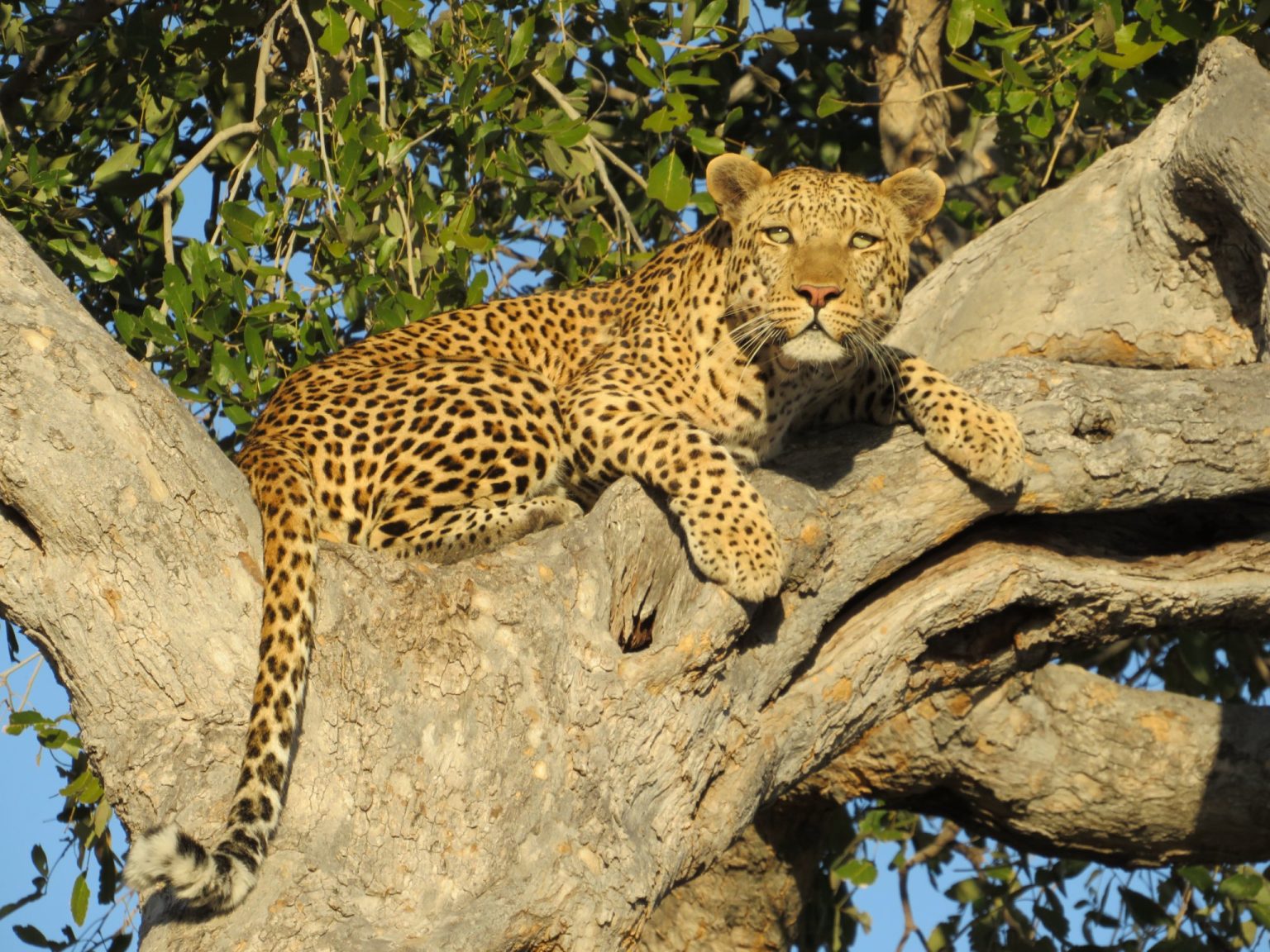
A Zambia safari suits people who have done one game drive trip and want something closer to the ground. Walking safaris were pioneered in South Luangwa, and the valley is still one of the best places in Africa for leopard, including on night drives. The Lower Zambezi pairs game drives with canoe trips past elephants and hippos. Kafue, one of Africa’s largest parks, is quiet, and its Busanga Plains are good for lion and cheetah.
Zambia shares Victoria Falls with Zimbabwe; the Livingstone side gets you close to the spray, and in the low water months a swim at the edge of the falls. The falls are at full flood from about March to May, when spray can hide the view, and lower but clearer later in the dry season. Many bush camps close in the rains from about November to April, so time your trip for the dry season. See Zambia safari and Zambia safari cost.
Zimbabwe Safaris: Hwange, Mana Pools Canoe Trips and Victoria Falls
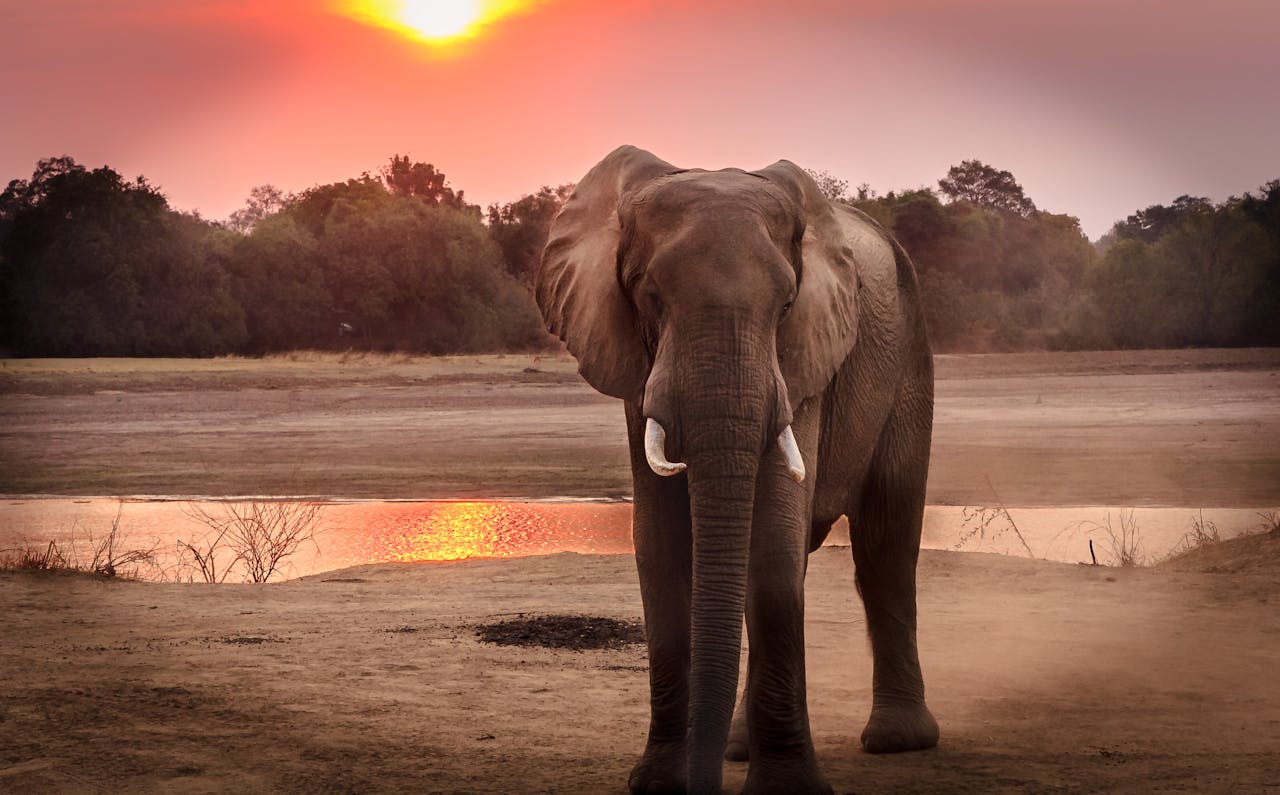
A Zimbabwe safari is where many old Africa hands go back to. Zimbabwe’s professional guide exam is famously hard, and walking with a fully licensed guide here is a different thing from sitting in a vehicle. Mana Pools on the Zambezi is the benchmark for walking and canoe safaris, and its open floodplain woodland is known for elephants standing on their hind legs to reach acacia pods. Hwange, the largest park, has big elephant herds and good wild dog sightings, and Lake Kariba adds houseboats and drowned trees.
The Zimbabwe side of Victoria Falls has the longer and fuller view of the curtain of water. Rates are often lower than in Botswana for a similar experience. Mana Pools is closed or hard to reach in the rains, roughly January to April. See Zimbabwe safari and Zimbabwe safari cost.
Madagascar Lemur Tours and Island Wildlife Trips

Madagascar tours are wildlife trips without the Big Five. The island split from the mainland long ago, and most of its animals live nowhere else. Lemurs are the reason most people come: indri calling at dawn in Andasibe, sifaka dancing across open ground in Berenty, ring tailed lemurs in Isalo. Night walks bring out mouse lemurs, chameleons and leaf tailed geckos.
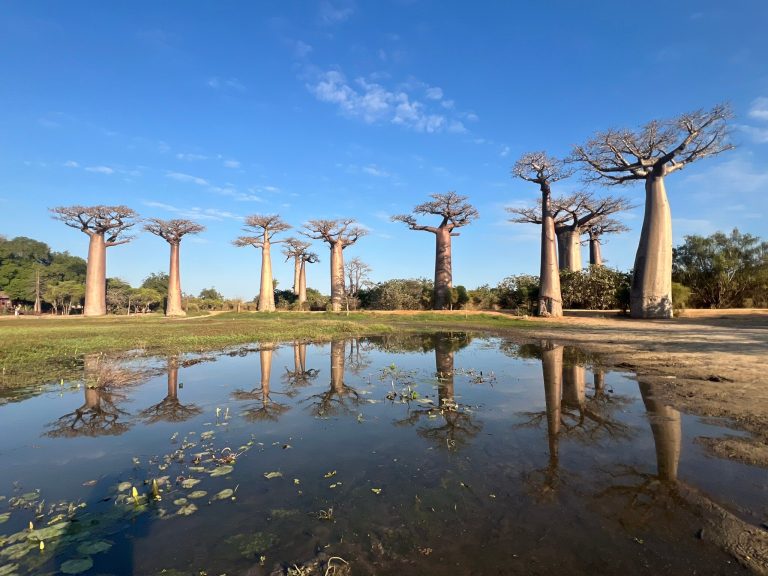
The Avenue of the Baobabs near Morondava and the limestone needles of Tsingy de Bemaraha are the big scenic sights, and Nosy Be and Ile Sainte Marie offer beaches and, in season, humpback whales. Roads are slow and domestic flights change often, so give Madagascar two weeks if you can. Read Madagascar tours and primates of Madagascar; lemur fans often pair the island with gorillas in Uganda for a primate focused trip.
Malawi and Mozambique Safari Trips: Lake, Bush and Beach

A Malawi safari is a comeback story. African Parks, the conservation group, has restocked Majete, Liwonde and Nkhotakota with elephant, lion, rhino and cheetah, and Majete is now home to the Big Five. Liwonde’s boat safaris on the Shire River are some of the best value hippo and elephant viewing in the region. Lake Malawi, Africa’s third largest lake, has hundreds of brightly coloured cichlid fish for snorkelling, plus quiet beaches at Cape Maclear and on Likoma Island. Mount Mulanje and the Nyika Plateau suit hikers. See Malawi safari.
Mozambique tours lean towards the sea. The Bazaruto and Quirimbas archipelagos have dhow trips, reefs and dugongs, and Tofo is known for whale sharks and manta rays. Gorongosa National Park, nearly emptied by the civil war, has been restored and is worth a visit for its lions and wild dogs. Mozambique works well as a beach finish after Kruger. See Mozambique tours.
Congo and Gabon Gorilla Trips Beyond East Africa

Gorilla trekking in Central Africa is for travellers who have already seen mountain gorillas, or who want something very few people do. In the Democratic Republic of Congo, Virunga National Park has mountain gorillas on the Congolese side of the volcanoes, and Kahuzi Biega has habituated eastern lowland gorillas, the largest gorilla subspecies. Eastern Congo has a long history of armed conflict and Virunga’s tourism has been suspended at times, so check your government’s travel advice before planning a Congo gorilla trekking safari. The DRC is also the only place to see bonobos, at the Lola ya Bonobo rescue centre near Kinshasa; see bonobo tours.
Gabon is a rainforest country with very few tourists. Loango National Park has habituated western lowland gorillas, forest elephants on the beach and, in season, humpback whales offshore. Lopé has huge mandrill troops. Next door, the Republic of Congo’s Odzala Kokoua National Park runs lowland gorilla treks from a few small camps reached by charter from Brazzaville. Read Gabon gorilla trekking, mandrill tours in Gabon, mountain vs lowland gorillas and our country by country guide to where to see gorillas in Africa.
Ethiopia, Mauritius and Other African Tours Worth Adding
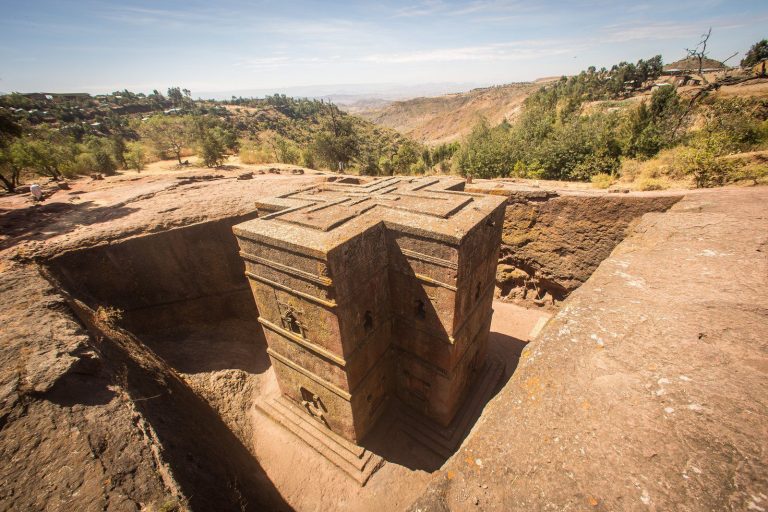
Ethiopia tours are a highland trip, not a Big Five safari. The Simien Mountains have gelada monkeys grazing on the cliff edges and Walia ibex, and the Bale Mountains are the best place to see the Ethiopian wolf, the rarest canid in Africa. Add the rock churches of Lalibela and the castles of Gondar, and it is one of the most rewarding cultural trips on the continent. See Ethiopia tours.
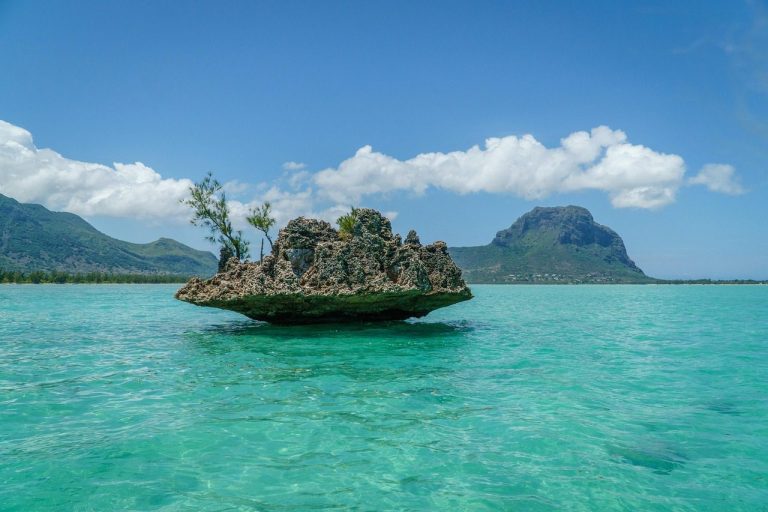
Mauritius holidays are the classic beach finish after an East or Southern African safari, with direct flights from Johannesburg and Nairobi, calm lagoons and good scuba sites. The Seychelles play the same role from Nairobi, with granite islands and quieter beaches. See Mauritius tours. Morocco, in the north, is the other side of Africa entirely: Atlas Mountains trekking, desert camps in the Sahara and the old medinas, best in spring and autumn. If an island with a different feel appeals, there are Cape Verde tours too.
The short film below gives a feel for a classic game drive trip before you choose.
Combining Safari Countries: Two Country Safari Routes That Work
Combining two safari countries in one trip is normal, and the best pairings share a border, a flight hub or an ecosystem. The rule of thumb that runs through trip reports is one main country plus one add on. Three or more countries in under two weeks usually means more time in airports than in the bush.
Book the hardest piece first. That is the gorilla permit in Uganda or Rwanda, a delta camp in peak season, or a riverside Mara camp in August. Then build the rest of the route around it. Our two week East Africa safari shows one complete route.
Gorilla Trekking Combination Safaris Across Africa
Most travellers flying all the way to Africa want more than one thing, and gorilla trekking combination safaris are the most popular way to do that. Uganda and Rwanda are small, and the gorilla parks sit close to each other across the border, so pairing them with a savannah country is straightforward. Here are the combinations that work best.
Several practical points come up again and again in trip reports. Book gorilla permits first, because they sell out months ahead in June to September and over Christmas, and the trek date then fixes the rest of the route. Leave a buffer day before any international flight, since light aircraft run to tight schedules. And for Uganda, Kenya and Rwanda, the East Africa Tourist Visa covers all three on one multiple entry visa, which makes a cross border trip easier; Tanzania is not part of it. See our East Africa Tourist Visa guide and Rwanda vs Uganda vs Congo.
To see how the logistics fit together, read how to get to Bwindi and the safari planning guide. Our list of gorilla safari companies names licensed operators who run these combinations, and Bwindi lodges covers where to stay near the trailheads.
Kenya or Tanzania Safari: Which Is Better for Your Trip
Kenya and Tanzania share the same great ecosystem, so a Kenya or Tanzania safari question is really about scale, style and how long you have. Neither is the clear winner for wildlife.
A Kenya safari is the shorter, easier one. The Masai Mara is small, about 1,510 square kilometres, and packed with resident lions, cheetahs and leopards, and it is a short flight or a long day’s drive from Nairobi. Its edge is the private conservancies, where camps cap vehicle numbers and can drive off road, walk and go out at night. The herds cross into the Mara from roughly July to October, which is also when the river crossings draw the biggest crowds.
Tanzania works on a bigger canvas. The Serengeti is roughly ten times the size of the Mara, the herds spend most of the year on the Tanzanian side, and the Ngorongoro Crater, Tarangire and Lake Manyara sit on the same drive. Calving around Ndutu in about February is a Tanzania only event. Add Kilimanjaro and Zanzibar, and it suits a longer trip. Most game viewing in the northern parks happens from the vehicle, on set tracks.
Both pair easily with gorillas. Entebbe and Kigali have direct flights to Nairobi, and Kigali flies to Kilimanjaro. Our Kenya safari cost and Tanzania safari cost pages compare the money side line by line.
Kruger or Serengeti Safari: Which Suits Your Trip
This is the comparison most first timers end up making, and both parks are excellent. They are simply built for different trips.
A Kruger safari is the easy one to organise. Johannesburg has flights from most of the world, the park is a few hours’ drive away or a short flight to Skukuza, and tar roads plus well run rest camps make a self drive straightforward. The Big Five are all present, and the private reserves along the western boundary are among the best places in Africa to watch leopard. Kruger lies in a malaria area, so families with small children often pick a malaria free reserve such as Madikwe instead.
A Serengeti safari wins on scale and on the herds. The plains are wider and emptier, the wildebeest migration is there for most of the year, and the big cat sightings are hard to beat. You visit with a driver guide rather than on your own, the drives between parks are longer and dustier, and the Ngorongoro Crater next door adds the best chance of black rhino on the northern circuit.
Prices for both sit in the FAQ below, and the Kruger safari cost and Serengeti safari cost pages set them out line by line.
Best Safari Countries for First Timers, Families, Honeymoons, Budget and Luxury Trips
The same country can be perfect for one traveller and wrong for the next. These are the best safari countries by type of trip, drawn from the country sections above.
The family safari in Africa guide covers age limits camp by camp, and self drive safaris in Africa explains which countries let you drive yourself.
Best Countries for Migration Safaris, Walking Safaris and Gorilla Trekking
Some travellers start with one experience rather than a country. These are the countries that do the big specialist trips best.
The Great Migration safari. Tanzania hosts the herds for most of the year: calving on the southern plains around Ndutu in about January and February, the western corridor and Grumeti River in early summer, and the far northern Serengeti from about July to October. Kenya’s Masai Mara has them from roughly July to October. Timing is never exact, because rainfall moves the herds. Our Great Migration guide follows them month by month.
Walking safaris. Zambia’s South Luangwa is where the walking safari began, and Zimbabwe’s Mana Pools is the benchmark for walking with a fully licensed guide. Tanzania’s Ruaha and Nyerere, Kenya’s conservancies, some Botswana concessions and Kruger’s guided wilderness trails also offer walks, usually for guests aged 12 or 16 and over depending on the camp.
Gorilla trekking safaris. Mountain gorillas live only in Uganda, Rwanda and the DRC. For gorilla trekking in Uganda, Bwindi has the most habituated families and four trekking sectors, and Uganda alone sells the four hour habituation visit; permits are booked through a licensed operator that is a recognised AUTO member. Rwanda gorilla trekking in Volcanoes National Park is the quickest to reach from an airport. Lowland gorillas are trekked in Gabon, the Republic of Congo and the DRC.
Water safaris. Botswana’s mokoro trips and Chobe boat cruises, canoeing on the Lower Zambezi and at Mana Pools, Liwonde’s boat safaris in Malawi, Uganda’s Kazinga Channel and the Nile launch at Murchison Falls, and boat safaris in Tanzania’s Nyerere.
Self drive safaris. South Africa and Namibia lead, with good roads, clear park rules and bookable rest camps. Botswana’s Moremi and Chobe suit experienced 4×4 drivers only, with rooftop tents and full recovery gear.
Big Five Safari Countries: Where All Five Are Most Likely
Lion, leopard, elephant, buffalo and rhino in one trip is the goal on many first safaris. Rhino is nearly always the hard one, because poaching has pushed it into a small number of guarded parks, and leopard is the most elusive of the cats.
South Africa is the most reliable Big Five country. Kruger and the Sabi Sand and Timbavati reserves next to it hold all five, and private guides there are allowed to follow a leopard off road. In Tanzania, the Ngorongoro Crater is the classic Big Five game drive, with black rhino on the crater floor, though leopards are seen more often in the Serengeti. Kenya’s Mara has four of the five in good numbers, and rhino tracking is better at Ol Pejeta, Lewa or Lake Nakuru.
Smaller countries have caught up. Rwanda’s Akagera and Malawi’s Majete were restocked by African Parks and now hold all five, and Botswana has reintroduced rhino to parts of the delta in small numbers. Namibia’s Etosha lacks buffalo, so it is a four out of five park. Uganda has elephant, buffalo, lion and leopard in Queen Elizabeth, Murchison Falls and Kidepo, and its rhinos live at the Ziwa rhino tracking site on the road to Murchison, which is how a Uganda safari completes the set. Sightings are never guaranteed in any park, so treat the Big Five as a hope rather than a promise.
Best Time for an African Safari Trip by Country
Most savannah parks are at their best in the dry season, when grass is short and animals gather near water. That broad rule hides plenty of exceptions, and the right month changes from one country to the next. Use the table as a starting point, then check the country guide.
| Country | Best months | Main draw |
|---|---|---|
| Uganda | Jun to Sep, Dec to Feb | Gorillas, chimps |
| Rwanda | Jun to Sep, Dec to Feb | Gorillas |
| Kenya | Jul to Oct, Jan to Feb | Mara migration |
| Tanzania | Jun to Oct, Jan to Feb | Serengeti herds |
| Botswana | Jun to Oct | Delta flood |
| South Africa | May to Sep | Kruger game |
| Namibia | Jun to Oct | Etosha |
| Zambia | Jun to Oct | Walking safaris |
| Zimbabwe | May to Oct | Mana Pools |
| Madagascar | Apr to Nov | Lemurs |
| Malawi | May to Oct | Lake and parks |
| Mozambique | May to Nov | Islands |
| Ethiopia | Oct to Mar | Highlands |
| Gabon | Jun to Sep | Loango, whales |
| Morocco | Mar to May, Sep to Oct | Atlas, desert |
In the gorilla parks, rain falls in every month, so the dry seasons mean firmer trails rather than guaranteed sunshine. In Tanzania, January and February are an exception to the dry season rule, because that is when the herds calve in the southern Serengeti. Botswana’s flood peaks during the dry months, which is why winter is the delta’s best season. Late September and October get very hot in the Zambezi valley and Botswana, which is great for game and tiring for people.
Safari Safety, Health and Visas by Country
The main safari countries run their parks normally, and the official travel advice mostly reflects crime in cities, border areas and health risks rather than conditions on a game drive. Here is how the safari countries compare on the three things travellers ask about most before booking.
| Country | US advisory | US and UK entry | Malaria |
|---|---|---|---|
| Zambia | Level 1 | Visa free | Yes |
| Botswana | Level 2 | Visa free | North |
| South Africa | Level 2 | Visa free | Kruger area |
| Namibia | Level 2 | Visa on arrival | North |
| Tanzania | Level 2 | eVisa | Yes |
| Zimbabwe | Level 2 | Visa on arrival | Yes |
| Kenya | Level 3 | Online eTA | Yes |
| Rwanda | Level 3 | Visa on arrival | Yes |
| Uganda | Level 4 | eVisa | Yes |
Safety. Zambia holds the lowest US rating, and Botswana, Namibia, South Africa, Tanzania and Zimbabwe sit at Level 2, mostly for crime in towns. Kenya and Rwanda are at Level 3 and Uganda at Level 4, yet the UK advises against no part of Uganda, and its gorilla parks and savannah parks run normally with ranger escorts. Eastern DRC and Mozambique’s far north are the real exceptions. On any safari, the day to day risks that matter most are road travel between parks and malaria, so wear a seatbelt and take antimalarials where advised. Our guide to safe countries to visit in Africa sets out the US, UK and Canadian advice in full.
Visas. South Africa, Botswana and Zambia let US, UK and most EU travellers in without a visa. Namibia now charges a visa on arrival or online. Tanzania and Uganda sell visas online, Kenya uses an online Electronic Travel Authorisation, and Rwanda sells visas on arrival. The East Africa Tourist Visa covers Uganda, Rwanda and Kenya on one multiple entry document, though Kenya’s side of it has been listed as unavailable at times, and the KAZA UniVisa covers Zambia and Zimbabwe. See the East Africa Tourist Visa guide; fees are in the FAQ.
Health. Malaria is present in most safari areas outside South Africa’s Highveld, the Eastern Cape and Namibia’s south, so speak to a travel clinic about tablets. Uganda no longer requires a yellow fever certificate on arrival, though the vaccine is still recommended, and several neighbours, Rwanda among them, ask for one if you arrive from a yellow fever country, Uganda included. Good safari travel insurance with medical evacuation cover matters more in remote fly in camps than anywhere else.
Safari Lodges and Camps Worth Knowing in Each Country
Where you sleep changes a safari almost as much as which country you choose. Every country runs from simple camps to very expensive lodges, and a few names come up again and again in trip reports and on operators’ quotes. These are examples to help you read a quote, not endorsements.
A tip that comes up in trip reports: a camp inside the park saves an hour of driving each way, and that hour at dawn is often the best of the day. Mixing tiers also works, with simple nights on transit stops and the money spent where you stay longest. The luxury African safari tours page covers the top end across the continent.
What to Pack and Wear on an African Safari
Packing for a safari is mostly about layers, neutral colours and weight. Light aircraft into Botswana, the Serengeti, the Mara and Bwindi’s airstrips carry soft bags only, usually around 15 kilograms including hand luggage, so check the limit with your operator before you buy anything. Early morning game drives are cold in an open vehicle, even in summer, and the midday sun is fierce, so a fleece, a windproof layer, a wide brimmed hat and good sunglasses all earn their place.
Stick to khaki, olive and tan on game drives. Bright white shows dust and spooks animals, and dark blue and black attract tsetse flies in parts of Tanzania, Zambia and Zimbabwe. Our African safari packing list works through every item, what to wear on safari covers clothing for women and men, and binoculars and cameras for safari helps you pick optics.
Gorilla trekking needs a different kit: waterproof boots, gaiters, gardening gloves for the nettles and a rain jacket. See the gorilla trekking packing list and what to wear for gorilla trekking, or browse everything in our gear and clothing section. Pack malaria tablets and repellent for most of these countries, plus sunscreen, a small torch and a universal adapter.
What an African Safari Is and How the Tradition Started
“Safari” is the Swahili word for a trip, borrowed from the Arabic for travel. In the 1800s it meant long hunting expeditions on foot with porters, and writers from Victorian travellers to Ernest Hemingway made the idea famous in Europe and America. Over the last century the focus moved from guns to cameras. Today almost all African safaris are photographic, built around game drives, guided walks, boat trips and treks, with the fees helping to pay for the parks and the people who live around them.
A modern safari can be a week of camping with a group, a fly in trip between private camps, a self drive through Kruger or Etosha, or a gorilla trek in a rainforest. Trophy hunting still exists in a few countries and is a separate business; our hunting safari cost page explains it.
African Safari Countries FAQ
Which is the best country for a first African safari?
Kenya and South Africa are the easiest first safaris. Kenya’s Masai Mara gives you big cats and, in season, the migration within a short flight of Nairobi. South Africa’s Kruger area has good roads, malaria free options nearby and lodges at every budget. Tanzania is a close third if you have a week or more.
What is the average cost of an African safari per day?
Costs swing widely by country, tier and season. These bands are per person sharing, per day, with park fees, vehicle, guide and meals inside the figure, and they match the rates set out on our African safari cost guide and country cost pages.
| Country (US$) | Budget | Mid range | Luxury |
|---|---|---|---|
| Kenya | 120 to 190 | 200 to 320 | 430 to 2,750 |
| Tanzania | 220 to 460 | 340 to 515 | 520 to 3,525 |
| South Africa | 80 to 150 | 385 to 1,190 | 1,800 to 3,680 |
| Botswana | 224 to 600 | 595 to 1,445 | 995 to 3,895 |
| Namibia | 245 to 365 | 490 to 1,600 | 900 to 1,840 |
| Zimbabwe | 40 to 50 | 271+ | 550 to 1,185 |
| Zambia | 154 to 325 | 350 to 550 | 700 to 1,200+ |
Read the rows with their basis in mind. Kenya’s luxury band starts at fly in conservancy camps, Tanzania’s luxury figure is the room alone before park and concession fees, South Africa’s and Namibia’s budget bands are self drives in rest camps, Zimbabwe’s is ZimParks chalet beds and park fees before car hire and food, and Botswana’s lowest band runs from group camping in bow tents to private mobile trips. Uganda and Rwanda are priced by trip because the gorilla permit dominates: a three day Bwindi trip runs about US$1,200 to US$2,090, and a week in Rwanda with gorillas about US$2,835 to US$3,570. Park fees add to lodge only rates: the Masai Mara reserve charges non residents US$200 per adult per day from July to December and US$100 from January to June. The country pages go line by line: Kenya, Tanzania, South Africa, Botswana, Namibia, Zimbabwe, Zambia, Rwanda and the gorilla trekking cost guide for Uganda.
How much does a one week or two week African safari cost?
Per person sharing, before international flights, a week costs about US$2,401 to US$4,460 in Tanzania across camping and private mid range trips, US$2,835 to US$3,570 in Rwanda with gorillas, US$3,580 to US$4,650 for a Zimbabwe week by road, US$2,680 to US$3,600 for Botswana mobile camping and US$6,720 to US$13,470 at Botswana’s classic camps. Six fly in nights in Kenya’s conservancies run about US$4,810 to US$6,155, a shared road week in Kenya well under half that, and seven nights in Zambia’s South Luangwa and Lower Zambezi about US$4,230 to US$5,230. In Uganda a nine day trip with gorillas, Kibale and the savannah parks starts near US$4,990. The cheapest and dearest weeks within one country are often four to ten times apart, so the country sets the floor rather than the ceiling. For two weeks, build it leg by leg: our ten day Serengeti and gorilla example comes to about US$6,550 to US$6,650 before the other four days, fourteen day Uganda trips start near US$6,590, a fourteen day Madagascar group tour costs US$3,912 to US$4,890, and at luxury camps in Botswana or Tanzania two weeks easily pass US$25,000.
How much are gorilla trekking permits in Uganda and Rwanda?
A Uganda gorilla permit costs US$800 for foreign non residents, US$700 for foreign residents and UGX 300,000 for East African citizens, and a reduced US$600 rate has been announced for April, May and November. The gorilla habituation experience is sold at US$1,500, rising to US$1,800 for foreign non residents from 1 January. Uganda permits are booked through a licensed tour operator that is a recognised AUTO member, not directly with the wildlife authority. A Rwanda permit costs US$1,500, falling to US$1,050 from November to May when you add qualifying nights in Akagera or Nyungwe. Prices change, so confirm before you pay; see gorilla permits in Uganda and Rwanda.
Can I combine gorilla trekking with a Big Five safari?
Yes. The most popular pairings are Bwindi with the Masai Mara, Rwanda with the Serengeti, and Uganda’s own circuit of Queen Elizabeth and Murchison Falls with Bwindi. Rwanda’s Akagera also has the Big Five, a few hours from the gorilla park.
Which African country is the safest for safari?
Zambia holds the US State Department’s lowest rating, Level 1, and Botswana, Namibia, South Africa and Tanzania sit at Level 2, mostly for crime in towns rather than anything in the parks. Kenya and Rwanda are at Level 3 and Uganda at Level 4, while the UK advises against no part of Uganda, and the gorilla parks and safari circuits in all three run normally with ranger and guide escorts. Eastern DRC is the clear exception. The bigger everyday risks are road travel and malaria. Our guide to safe countries to visit in Africa compares the US, UK and Canadian advice country by country.
Is Kenya or Tanzania better for safari?
Neither wins outright. Kenya is better for a shorter trip, for the private conservancies with walks and night drives, and for the migration from about July to October. Tanzania is better for a week or more, for the calving season around February, the Ngorongoro Crater and a Zanzibar beach finish. With ten days in the migration months you can do both.
Which African country has the most wildlife?
Tanzania is the usual answer: the Serengeti ecosystem holds more than a million wildebeest, and a large share of the country is set aside as parks and reserves. Botswana has the largest elephant population in Africa, Kenya’s Masai Mara has some of the densest big cat populations, and South Africa’s Kruger holds the Big Five in big numbers. For variety of primates, Uganda leads, with mountain gorillas, chimpanzees and more than a dozen other species.
How many days do I need for a safari?
Plan at least four to five days in one country for a proper game drive trip, and ten to fourteen days if you are adding gorillas or a beach. Three days is enough for a single gorilla trek, but it leaves no slack if a flight is late.
Is a self drive safari a good idea?
In South Africa and Namibia, yes, for confident drivers. Elsewhere a driver guide is worth it, because guides know where animals have been seen, handle the rough roads and deal with park rules. In Uganda many visitors hire a vehicle with a driver; see Uganda car hire.
Is Kruger or Serengeti better?
Kruger is better for a first trip that needs easy logistics, a self drive or a tight budget, and its private reserves are superb for leopard. The Serengeti is better for the migration, wide open plains and big cats, and it pairs more easily with gorilla trekking in Uganda or Rwanda. Many people do Kruger first and the Serengeti on a later trip.
Can you wear red in Africa?
Yes. Red is worn every day across Africa, and the Maasai of Kenya and Tanzania are known for their red shuka cloths. On a game drive, though, khaki, olive and tan work better, since bright colours stand out to animals, dark blue and black attract tsetse flies, and white shows every speck of dust. On a gorilla trek, muted colours are also the norm. Leave military style camouflage at home, because several African countries reserve it for the armed forces.
Which safari country is best for families?
South Africa is the easiest, thanks to malaria free reserves such as Madikwe and the Eastern Cape, good roads and lodges that welcome children. Kenya and Tanzania suit families with older children, and some camps set minimum ages for walks and game drives. Gorilla trekking is open from age 15 in Uganda and Rwanda, so younger children stay at the lodge on trek day. Our family safari in Africa guide covers ages and camp rules.
Do I need a visa for a multi country safari?
Each country has its own rules. For Uganda, Kenya and Rwanda, the East Africa Tourist Visa covers all three on one multiple entry visa for 90 days and costs US$100; apply through the country you enter first. Kenya’s side of the joint visa has been listed as temporarily unavailable at times and Kenya also runs an online Electronic Travel Authorisation, so check the official portals before you fly. Uganda’s single entry visa is US$50, Rwanda’s is US$50 for 30 days, and Tanzania’s is US$50 for most nationalities and US$100 for US citizens. Namibia charges N$1,600 for a visa on arrival or eVisa, Zimbabwe US$30 for most passports, and South Africa, Botswana and Zambia are visa free for US and UK travellers. For Zambia and Zimbabwe together, the KAZA UniVisa costs US$50 and covers both sides of Victoria Falls.