The best time to visit South Africa is May to September for a safari in Kruger and the north, and November to March for Cape Town, the winelands and the beaches. For both on one trip, April, May, September and October suit a South Africa safari and the Cape together, with fewer crowds than December or July. The Western Cape gets its rain in winter; Kruger and the interior get theirs in summer.
Best time to visit South Africa at a glance.

South Africa’s Two Climates and What They Mean for a Safari Trip
Most African safari countries follow one simple rule: go in the dry season. South Africa does not, because it runs on two calendars at the same time, and planning a South Africa trip starts with knowing which calendar applies to which region.
Across the north and east, rain falls in summer. That covers Kruger National Park, the Greater Kruger private reserves, Madikwe, the Waterberg, Johannesburg and Pretoria, and most of KwaZulu Natal. Storms build on hot afternoons from about November to March, and the winter months from May to September are dry, sunny and cool. This is the safari calendar.
The Western Cape works the other way round. Cape Town, the winelands and the West Coast have a Mediterranean climate, so summer is dry and often windy, and winter brings cold fronts with rain from about May to August. The Garden Route and the Eastern Cape sit between the two systems and can see rain in any month.
Two oceans add a third layer. The cold Benguela current keeps the Atlantic side of the Cape chilly for swimming even in midsummer, while the warm Agulhas current gives False Bay a milder sea and keeps the KwaZulu Natal coast warm enough to swim through most of the year.
Seasons are reversed for visitors from Europe and North America. July is midwinter. Christmas falls in high summer.
The upshot surprises a lot of first timers: the best month for a game drive in Kruger is often one of the wettest in Cape Town, and the reverse holds too. You either pick the region that suits your month, or you pick a shoulder month that works reasonably well for both.
Month by Month South Africa Safari and Travel Calendar
This South Africa travel calendar sets Kruger, using long term averages for Skukuza published by SANParks, beside Cape Town, using long term averages for the airport. Temperatures are average daily highs and rain is the monthly total, so treat both as a guide to the pattern rather than a forecast.
| Month | Kruger | Cape Town | Best for |
|---|---|---|---|
| January | 33C, 96mm | 26C, 15mm | Beaches, birds |
| February | 32C, 92mm | 27C, 17mm | Cape, calving |
| March | 31C, 72mm | 25C, 20mm | Wine harvest |
| April | 29C, 35mm | 23C, 41mm | Both, value |
| May | 28C, 14mm | 20C, 69mm | Safari, value |
| June | 26C, 8mm | 18C, 93mm | Safari, sardines |
| July | 26C, 9mm | 18C, 82mm | Safari, whales |
| August | 27C, 7mm | 18C, 77mm | Safari, flowers |
| September | 29C, 24mm | 19C, 40mm | All regions |
| October | 30C, 35mm | 21C, 30mm | Safari, whales |
| November | 31C, 75mm | 24C, 14mm | Cape, births |
| December | 32C, 86mm | 25C, 17mm | Beaches, Cape |
What the highs hide is the cold at night. Skukuza’s average low in June and July is under 6C, and on an open vehicle at dawn it feels colder than that.
January is peak summer. Kruger is green, humid and stormy, with newborn antelope and migrant birds about, while Cape Town is hot, dry and full of local holidaymakers until schools reopen in the middle of the month. The Kaapse Klopse minstrel parade fills central Cape Town in the first days of the year. Book beach stays early and pack light, quick drying clothes for the bush.
February is similar in the north, with heavy afternoon storms and long grass. The Cape is at its most settled: holiday crowds have gone, days are long and the sea in False Bay is near its warmest. Locals rate it one of the better months for Cape Town and the winelands.
In March the rains start to ease in Kruger and the grape harvest is in full swing around Stellenbosch and Franschhoek. The Cape Town International Jazz Festival usually falls late in the month. Easter can land in March or April, and it fills Kruger rest camps for a week or more.
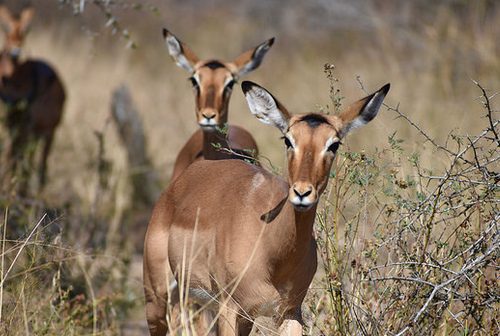
April is one of the best all round months. The bush is still green but drying, nights are cooler, impala rams start rutting and roaring, and the first Cape rain has not set in properly. Lodges often hold their quieter season rates. With one trip and two regions to cover, April is a strong candidate.
By May the north is dry. Mornings turn crisp, grass falls back and game viewing improves week by week, while the Cape gets its first proper cold fronts. It is a good value month for a safari, mosquito numbers drop with the cold, and the Drakensberg has clear autumn weather for hiking.
June is midwinter and the coldest month in the bush. Dawn game drives start in near freezing air, but days are clear and around 26C in Kruger. The KwaZulu Natal sardine run usually arrives in June or July, and the first southern right whales reach the Cape coast. Cape Town is at its wettest, so plan indoor options and flexible days for Table Mountain. Many South African houses and guesthouses are built for heat rather than cold, so a heated room is worth asking about.
July is the classic Kruger month, with dry bush, animals at rivers and waterholes, and long sunny days. It is also busy: the South African mid year school break runs from late June into July, and European and North American holidays start soon after. The National Arts Festival in Makhanda and the Durban July horse race both fall around this time. Rest camps and private lodges book out early.
August stays dry and cold at night in the north, with dust building as the bush dries. On the West Coast, spring flowers begin to open in Namaqualand if the winter rain was good, and whale numbers build along the southern Cape. The Table Mountain cableway often closes for a short maintenance spell in winter, so check before you build a day around it.
September works almost everywhere. Kruger is in its late dry season with excellent game viewing, the Cape is warming up, the wildflowers peak, and whales are close to shore around Hermanus. If one month had to be picked for a first trip that combines bush and coast, this would be it.
October brings heat to the lowveld, often well above 30C, and the first storms can arrive late in the month. Animals stay close to the last water, so sightings can be very good, though the bush looks bare and dusty. Jacaranda trees turn Pretoria and parts of Johannesburg purple. The Cape is pleasant and whales are still around. A short school break falls in late September or early October.
November turns the north green. Impala and wildebeest drop their young, migrant birds arrive and private reserves start offering summer specials. In the Cape it is warm, dry and often windy, and the beaches are uncrowded before the holidays.
December is full summer and the start of the long festive season. Schools close early in the month, local families head for the coast and Kruger, and roughly 20 December to early January is the busiest stretch of the year. Book well ahead if December is your only option.
Shoulder Season Trips: Autumn and Spring for Safari and Cape Together
For most first visitors, the shoulder season is the best overall time for a South Africa trip that mixes a safari with the Cape. Autumn runs from about March to May and spring from about September to November. In both, the weather is mild across the country, local schools are mostly in session and lodges are less full than in July or December.
Autumn safari trips catch the bush as it dries. April and May bring cooler mornings in Kruger, thinning grass and the impala rut, while Cape Town still has plenty of dry, settled days and the winelands are harvesting. The Drakensberg is at its clearest for hiking. Is April a good time to visit South Africa? For most visitors, yes: Easter is the only real crowd, and outside that week it is one of the easiest months to combine regions.
Spring safari trips overlap the end of the dry season, so game viewing in Kruger and the Greater Kruger reserves is often at its best in September and early October. Down south, whales fill Walker Bay, the West Coast flowers bloom and the Cape warms towards summer. The trade off is heat and dust in the lowveld by October, and the chance of the first storms late in the month.
Both shoulders reward flexibility. A September trip might start in Kruger with cold dawn drives and finish in Cape Town in a light jacket. A May trip reverses that, with a warm, still bush and a cooler, damper Cape.
Kruger Safari Seasons: Dry Winter Game Drives and the Green Summer
For a Kruger safari, the dry winter from about May to September gives the easiest game viewing. Grass dies back, seasonal pans dry up, and elephant, buffalo and the big cats gather along the Sabie, Olifants, Letaba and Crocodile rivers and at permanent dams. The southern and central parts of the park tend to be the most productive in these months because of that river network.
Winter days are mild and dry. Nights are not. Trip reports from first time visitors keep repeating the same lesson: they packed for Africa and froze on the first morning drive. A warm jacket, a beanie and gloves are worth packing for June and July, and most private lodges put blankets and hot water bottles on their open vehicles. By mid morning you will be down to a shirt.
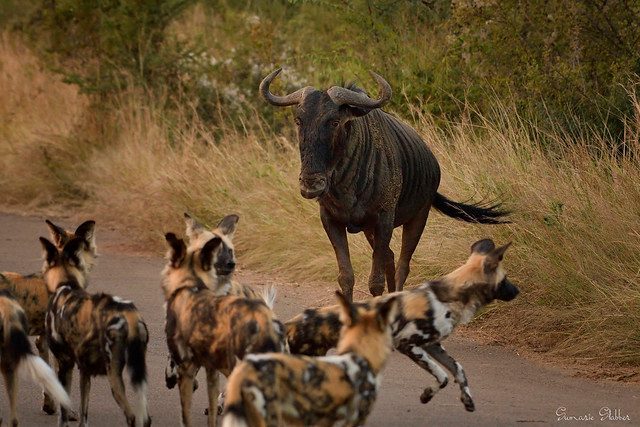
Wildlife behaviour changes through the year too. The impala rut fills April and May with roaring rams, and wild dogs usually den in the cooler months, which in some years keeps a pack in one area for several weeks. Late September and October are the late dry season: water is at its scarcest, animals gather at the few pools left, and predators work those spots. Heat and dust are the price, and the bush is at its least photogenic. Plenty of regular visitors still rate these weeks as the best of the year for sightings.
The green season, roughly November to March, is a different safari rather than a worse one. Afternoon storms clear quickly, the bush turns green, and the impala lambing season in late November and December puts young animals everywhere, which draws predators. Birding is at its best, with summer migrants such as carmine bee eaters and woodland kingfishers. Long grass makes game harder to find, and a higher clearance vehicle helps on gravel roads after rain. Private reserves often cut their rates in these months, which our Kruger National Park safari cost guide explains in detail.
Gate times change with the season as well. Most Kruger gates open at 06:00 and close between 17:30 and 18:00, with the earliest closing in the winter months of May to July. Self drivers who are not inside their rest camp on time can be fined, so plan the last drive of the day with a margin.

Close to Kruger, the Panorama Route past Blyde River Canyon, God’s Window and Bourke’s Luck Potholes is often added to a safari. Its high ground clouds over and fills with mist on summer afternoons, so go early in the day from November to March, and expect the clearest views in the dry winter months.
Malaria Free Safari Reserves and Malaria Season in South Africa
Malaria shapes the timing of a South Africa safari for families with young children, pregnant travellers and anyone who would rather avoid antimalarial tablets. Most of the country is free of malaria. The risk areas are the lowveld of Mpumalanga and Limpopo, including Kruger and the Greater Kruger reserves, parts of Limpopo along the northern borders, and the far north of KwaZulu Natal along the Mozambique border.
Malaria season by area.
Two points matter for timing. The risk in Kruger is lowest in the dry winter, which happens to be the best game viewing season, though lower does not mean nil. And the malaria free reserves follow their own regional weather: Madikwe and the Waterberg are best from May to September, with cold nights in June and July, while the Eastern Cape reserves near Addo Elephant National Park have a milder coastal climate that suits a safari in almost any month. Our family safari guide covers these reserves for parents with small children.
Wherever you go in the north, insect repellent with DEET, long sleeves at dusk and a room with screens or a net are simple habits that cut the risk further.
Cape Town and Winelands Trips: Dry Summer Against Winter Rain
The best time of year to go to Cape Town is November to March, the dry season, with February and March the local favourites. For a Cape Town trip in those months, days are long and warm, the beaches at Camps Bay, Clifton and Muizenberg are at their best, and boat trips, hikes up Table Mountain and drives to Cape Point rarely get rained off. December and January are crowded and priced to match. The Atlantic beaches stay cold even then; Muizenberg and the False Bay side are the ones for swimming.
The Cape Doctor, a strong southeasterly wind, blows on and off from about September to March. It clears the air, but it can close the Table Mountain cableway and make some beaches unpleasant for the day, so keep the mountain flexible and go up on the first clear, calm morning.
Winter, from about May to August, is the rainy season. Cold fronts arrive every few days, often with bright spells between them, and many visitors who went in July describe the rain as manageable rather than ruinous. The winelands look green, restaurants are quieter, and rates drop. Robben Island boats and the cableway are the activities most likely to be cancelled, so book them early in your stay with a spare day behind them.
The African penguin colony at Boulders Beach near Simon’s Town is there all year, so a penguin visit works in any month; summer brings the most visitors on the boardwalks, and winter mornings are quieter. Great white shark cage trips at Gansbaai and the southern right whales of Walker Bay both peak in the cooler months, which gives a winter Cape trip a reason of its own.
In the winelands, harvest runs from about February to April, when Stellenbosch, Franschhoek and Paarl are busiest and several estates hold harvest events. Winter tastings are quieter, with fires lit in many tasting rooms. North of the city, the Cederberg mountains are hot in summer and can see snow in winter, so spring and autumn suit hiking there best.
Garden Route Road Trip and Whale Watching Tours from Hermanus
A Garden Route road trip through Mossel Bay, Wilderness, Knysna, Plettenberg Bay and Tsitsikamma works in any month, because the coast has a mild climate and its rain is spread through the year rather than packed into one season. Winter is a little wetter around Knysna and Tsitsikamma, summer brings brief afternoon showers, and the coast is crowded over the December holidays. February to April and September to November are the most comfortable months, with warm days, fewer people and open roads. Knysna holds its oyster festival in winter, usually in July.
The whale watching season is the big seasonal draw on this coast. Southern right whales come close to shore to mate and calve from about June to November, and the best months are September and October, when numbers are highest and mothers with calves rest in sheltered bays. Hermanus, on Walker Bay, is the best known spot, roughly a two hour drive from Cape Town. A cliff path runs along the town’s shoreline, so you can watch from land without a boat, and licensed boat based whale watching tours run from Hermanus and Gansbaai. The Hermanus Whale Festival is usually held in late September or early October.
Further east, Plettenberg Bay sees southern right and humpback whales in the same months, plus dolphins all year, and De Hoop Nature Reserve has some of the highest concentrations of southern rights on the coast. June and July are early in the season. If whales are a priority, aim for late August to October.
Surfers time things differently: the biggest swells at Jeffreys Bay arrive in the winter months from about May to September, and the world surf tour stop there usually falls in July.
Namaqualand Wildflower Tours and West Coast Flower Season
A Namaqualand wildflower tour is one of the most weather dependent trips in the country. After good winter rain, the semi desert of the Northern Cape and the West Coast turns orange, white and purple with daisies and succulents for a few weeks in late winter and spring. SANParks puts the usual peak in Namaqua National Park between mid August and mid September, but the timing moves with the rain, and a dry winter can mean a thin display.
Closer to Cape Town, the Postberg section of the West Coast National Park opens to visitors only during flower season in August and September, and makes a long day trip from the city.
Three things catch people out. Flowers open only in sunshine and warmth, so an overcast day can leave whole fields closed. Most blooms face the sun, so drive with the sun behind you. And the show is best from mid morning to mid afternoon, roughly 10:00 to 15:00. Check the SANParks flower updates a week or two before you go, and keep your dates loose if you can.
KwaZulu Natal Safari, Drakensberg Hiking and the Warm Coast
KwaZulu Natal has a subtropical climate with hot, humid summers and mild, dry winters. A KwaZulu Natal safari in Hluhluwe iMfolozi, Phinda or Mkhuze follows the same rule as Kruger: the dry months from May to September give the easiest game viewing and good rhino sightings, while summer is green, hot and best for birding.
The coast runs on its own calendar. Durban and the beaches north and south of it are warm enough for swimming most of the year, and the sea is warmest in summer. The sardine run, when vast shoals move up the coast followed by dolphins, sharks and gannets, usually happens in June and July, though the exact timing depends on the water cooling and is hard to predict. Scuba trips at Sodwana Bay and Aliwal Shoal run through the year, and winter often brings the clearest water.
Turtle tracking tours on the iSimangaliso coast near Kosi Bay and Sodwana run in summer. Loggerhead and leatherback females come ashore to lay from about November to December, and hatchlings make for the sea from about January to February. Night drives with licensed operators are the only way to see them.
The Drakensberg is a hiking destination with a sharp seasonal split. Summer brings heavy afternoon thunderstorms, swollen rivers and misty peaks, so start hikes early and be off high ground by early afternoon. Winter is dry and clear, with frost and sometimes snow on the high ground, which looks lovely but is cold to camp in. April, May, September and October are the most comfortable hiking months. The Anglo Zulu and Anglo Boer battlefield tours around Dundee and Rorke’s Drift work all year, though winter gives the clearest, driest days for walking the sites.
Kalahari, Limpopo and Johannesburg Safari Seasons
A Kalahari safari in the Kgalagadi Transfrontier Park, on the border with Botswana and Namibia, is about extremes. Summer days often go above 40C, and winter nights fall below freezing. The best months for most visitors are March to May, after the summer rains, when the red dunes carry grass, the dry riverbeds of the Auob and Nossob hold springbok, gemsbok and wildebeest, and the heat has eased. The cool dry months from June to August suit people who do not mind cold nights, and the black maned Kalahari lions are often seen near the waterholes along the riverbeds. The first rains, usually from about December, bring calving and dramatic storms, along with heat. Private Kalahari reserves such as Tswalu follow the same pattern.

The far north of Limpopo follows the summer rainfall pattern. Game viewing in Mapungubwe National Park, where the Limpopo and Shashe rivers meet Botswana and Zimbabwe, is best in the dry months from May to September, when elephants come to the river and the baobabs stand bare. Summer is very hot, with good birding from November. The Waterberg, a malaria free plateau a few hours north of Johannesburg, has cold winter nights and comfortable dry season game drives, and makes a short safari for travellers who do not have time for Kruger.
Johannesburg and Pretoria sit high on the Highveld, which keeps summer days warm rather than scorching and brings short, loud afternoon thunderstorms from about November to March. Winter is dry, sunny and cold at night, with frost on clear mornings. For a short Johannesburg safari in Pilanesberg or a city tour of Soweto, Constitution Hill and the Cradle of Humankind, the dry months from April to September are the most reliable, and October adds the jacarandas.
For the wider Kalahari, our guides to the best time to visit Namibia and the best time to visit Botswana cover the neighbouring parks.
School Holidays, Festivals and Quiet Months for a South Africa Trip
Crowds in South Africa are driven as much by local school holidays as by the weather, because South Africans travel heavily within their own country. Kruger rest camps, Drakensberg resorts and the Garden Route fill up first. When planning a South Africa safari trip, check the dates below against the official school calendar for your year.
When South Africa gets busy.
Private reserves in the Greater Kruger feel local holidays less, because vehicle numbers at each sighting are limited. The SANParks rest camps are another story. Bookings open close to a year ahead, and the river camps such as Lower Sabie and Satara go first for school holidays. Day visitors face gate quotas at the busiest times.
The quietest months are February and early March outside Easter, May and early June before the school break, and November before the festive season. These are also the months when lodges are most likely to run specials, which makes them the cheapest time to travel to South Africa for most visitors.
A few dates are worth building a trip around, or avoiding, depending on your taste: the Kaapse Klopse parade through Cape Town in early January, the Cape Town International Jazz Festival in late March, the AfrikaBurn arts gathering in the Tankwa Karoo around April or May, the National Arts Festival in Makhanda around late June and early July, and the Hermanus Whale Festival in late September or early October.
The Hardest Months for Each South Africa Safari and Coast Trip
There is no bad month to visit South Africa as a whole, but each region has a month or two that suits it least. Knowing them helps more than chasing a perfect month.
None of these is a reason to cancel a trip. A green season safari brings lower rates and newborn animals; a winter Cape week brings whales and empty restaurants. The point is to pick activities that suit the month you have.
Timing a South Africa Trip with Victoria Falls and Bwindi Gorilla Trekking
South Africa’s dry winter lines up well with the rest of the region, which makes June to October a natural window for a longer African trip. Johannesburg has direct flights to Livingstone and Victoria Falls, and to Entebbe for Uganda.

Victoria Falls runs on water levels rather than rain. The falls are fullest from about March to June, when the spray can hide the curtain. July and August give a clear view with plenty of water. From about mid August to late December the river drops, Devil’s Pool on the Zambian side usually opens, and white water rafting runs the full length of the gorge. Our guide to a Victoria Falls safari in Zambia covers each side of the falls month by month, and the Zimbabwe safari guide covers Hwange and Mana Pools.
For gorilla trekking in Bwindi, the drier months are June to August and December to February, which means a July or August trip can pair a Kruger safari with a gorilla trek in Uganda in the same dry spell. Trekking runs all year, though, and the wetter months of April, May and November are quieter on the trails. Our guide to the best time to go gorilla trekking in Uganda sets out the Bwindi seasons, and gorilla trekking in Bwindi explains how a trek works. Permits are limited, so read about booking Uganda gorilla permits before you fix your South Africa dates, and see getting to Bwindi for the flights and transfers. Travellers short on time sometimes choose gorilla trekking in Rwanda, which is a shorter drive from Kigali.
A typical combination runs Cape Town first, then Kruger, then a flight north to Victoria Falls or to Uganda. Wildlife fans with more time sometimes add the Okavango Delta in Botswana, whose flood peaks in the same dry months, or birding in Bwindi for the Albertine Rift endemics.
Planning, Packing and Trip Length for Each South Africa Season
Lead time matters more than most people expect. For Kruger rest camps in the school holidays, book as soon as the SANParks system opens, close to a year ahead. Small private lodges for July to October often fill six to nine months out, and Cape Town over Christmas is similar. Shoulder months are easier, and good last minute availability is common in the green season.
Packing changes with the season and the region. Winter safaris need proper warm layers for dawn and dusk, and the Cape in winter needs a waterproof jacket. Summer in the bush calls for light, neutral colours, a wide brimmed hat and repellent, while the Cape in summer calls for a windproof layer and serious sun protection. Our African safari packing list and notes on what to wear on safari cover both seasons, and safari travel insurance with medical evacuation cover is worth arranging before you book flights.
Most visitors want around ten days to two weeks to cover the Cape and a safari without rushing. With a week, pick one region and match it to the month. For the wider picture of parks and reserves, start with our South Africa safari guide, and for budgets by season, our South African safari cost guide.
Best Time to Visit South Africa: Frequently Asked Questions
What is the best time to visit South Africa for a safari?
For a first safari, July to September is the safest choice for game viewing in Kruger, Madikwe and the Greater Kruger reserves, with September a strong pick because the Cape is also drier by then. May and June are nearly as good and quieter, apart from the late June school break. Sightings depend on the bush and the animals, so no month guarantees a particular species.
What is the best time of year to go to Cape Town?
November to March, the dry summer, with February and March the most settled and less crowded than December and January. For whales and lower rates, go between June and October and keep Table Mountain and Robben Island flexible for the rain.
What is the weather like in South Africa in July and August?
It is winter. Kruger and the north are dry and sunny, with days around 26C to 27C and nights that can drop below 6C. Cape Town is cool and wet, with highs around 18C and cold fronts every few days. The KwaZulu Natal coast stays mild, and the Drakensberg and Kalahari can see frost.
What is the cheapest time to travel to South Africa, and do safari prices change with the season?
The best value is usually in the green season from November to March, outside the December to early January festive period, and in the shoulder months of April, May and September. Private lodges often run specials in quieter months, and Cape Town rates drop in winter. In Kruger, SANParks charges a daily conservation fee that does not change by season: from 1 November it is R692 per international adult and R345 per child each day. Operators quote a mid range safari at roughly US$300 to US$700 per person per day, and our cost guides break this down further.
How much time should I spend in South Africa?
Ten to fourteen days covers Cape Town, the winelands or the whale coast, and three or four nights on safari. A week suits one region done well. Add three to five days for Victoria Falls, and four or more for a gorilla trek in Uganda including travel.
Is April a good time to visit South Africa?
Yes. April is a shoulder month with green but drying bush in Kruger, mostly dry weather in Cape Town, the tail of the wine harvest and comfortable hiking in the Drakensberg. Avoid the Easter week if you want quiet rest camps.
Do I need malaria tablets for a South Africa safari?
For Kruger, the Greater Kruger reserves, northern Limpopo and the far north of KwaZulu Natal, ask a travel clinic, since these are malaria areas and the risk is highest from about November to April. Cape Town, the Garden Route, the Drakensberg, Madikwe, Pilanesberg, the Waterberg and the Eastern Cape reserves are malaria free.
How cold does a winter safari in South Africa get?
Days in Kruger are around 25C to 27C in June and July, but average lows at Skukuza are under 6C, and wind chill on an open vehicle makes early drives feel close to freezing. The Waterberg, Madikwe and the Kalahari get colder still at night. Pack a warm jacket, beanie and gloves, and expect to peel layers off by mid morning.
When can you see whales and penguins in South Africa?
Southern right whales are seen along the southern Cape coast from about June to November, with the most sightings in September and October. Hermanus, De Hoop, Gansbaai and Plettenberg Bay are the main whale watching spots, and humpbacks pass in the same months. The penguins at Boulders Beach live there all year.
Is South Africa good for a family safari in the school holidays?
It can be, but book early and think about malaria. Malaria free reserves such as Madikwe, Pilanesberg and those near Addo are popular with families, and some lodges set minimum ages for game drives. Kruger rest camps fill quickly in the late June to July break and over December, so reserve close to a year ahead.
How much do gorilla permits cost if I add Bwindi to a South Africa trip?
A Uganda gorilla permit costs US$800 for foreign non residents and US$700 for foreign residents, with a reduced US$600 rate announced for April, May and November. Permits are paid in full at booking. A gorilla permit in Rwanda costs US$1,500. Licensed safari companies can secure the permit and arrange the flight from Johannesburg to Entebbe or Kigali.