A Kenya family safari works best with two or three parks, a private vehicle and short game drives, planned around your youngest child’s age rather than an adult itinerary. Most families pair the Masai Mara or one of its conservancies with Amboseli or Laikipia, add the elephant orphanage and Giraffe Centre in Nairobi, and finish on the coast at Diani. Kenya suits families because camps welcome children, guides speak English and Big Five game drives start close to Nairobi.
Plenty of parents worry that a safari is too much for small children: too long in the car, too many rules, too far from a doctor. Those worries are fair, and nearly all of them come down to choices you make at the planning stage. This guide takes them in the order you will face them, from the age your children need to be for each activity to how a trip with older teens can carry on into Uganda for gorilla trekking in Bwindi.

Why Kenya Works for a Family Safari Trip
Kenya has been running safaris for longer than almost anywhere in Africa, and it shows in the small things families notice. Camps keep cots and high chairs. Kitchens will serve the children an early supper before the adults eat. Many guides have children of their own and know that a seven year old cares more about dung beetles than about waiting forty minutes for a leopard to wake up.
Distances help too. Nairobi National Park sits on the edge of the capital, so a first game drive can happen on the day you land. The Masai Mara safari region is a short light aircraft flight from Wilson Airport, which spares children a long road transfer. And the Indian Ocean coast is close enough to turn a week in the bush into a proper holiday with sand and swimming at the end.
Then there is the wildlife itself. On the open plains of the Mara and Amboseli, animals are easy to see without binoculars, which matters when your passengers are under four feet tall. The Wildebeest Migration crosses into the Mara from roughly July, which lines up with northern summer school holidays. Sightings are never guaranteed, but few places give children so much to look at so quickly.
So what is the best family safari in Kenya? For most families with children aged six to twelve, it is a week to ten days split between a Mara conservancy and either Laikipia or Amboseli, with two nights in Nairobi at the start and a few days on the coast at the end. Families with teenagers can go further: Samburu in the north, walking safaris, a balloon flight, or a hop across to Uganda for gorillas. If you are still choosing between countries, our wider guide to a family safari in Africa sets Kenya against Tanzania, Uganda, Rwanda and southern Africa, and our pick of the best safari in Kenya compares the parks for every kind of traveller.
Kenya Family Safari Age Rules: Game Drives, Walks and Balloon Trips
There is no national minimum age for a family safari in Kenya. Each camp, conservancy and activity operator sets its own rule, and the numbers vary more than most parents expect. Ask three separate questions before you book: the minimum age to stay at the camp, the minimum age for a shared game drive, and whether a private vehicle is compulsory for younger children.
| Activity | Typical minimum | Notes |
|---|---|---|
| Staying at camp | Any age to 12 | Varies by camp |
| Shared game drive | 6 to 8 | Younger in private car |
| Private game drive | Often none | Parent decides |
| Small group tour | About 5 | Operator rule |
| Balloon flight | 7 or 8 | Height 1.2m |
| Bush walk | 12 to 16 | Conservancies |
| Horse riding | About 8 | Riders only |
| Uganda chimps | 12 | UWA rule |
| Uganda gorillas | 15 | Strict |
Game drives are where age matters most. On a shared vehicle, a crying toddler costs other guests their sighting, so many camps set a floor of six or eight. Book your own vehicle and that rule usually falls away, because you control the pace and can head back the moment someone has had enough. Some camps go further and make a private vehicle compulsory for any family with children under 12.
Walking is stricter. Bush walks with an armed ranger happen only in conservancies and private reserves, since the national reserve does not allow them, and most operators want children to be at least 12. A few camps set 16. Shorter nature walks around camp, looking at tracks and insects, are often open to younger children with a guide.
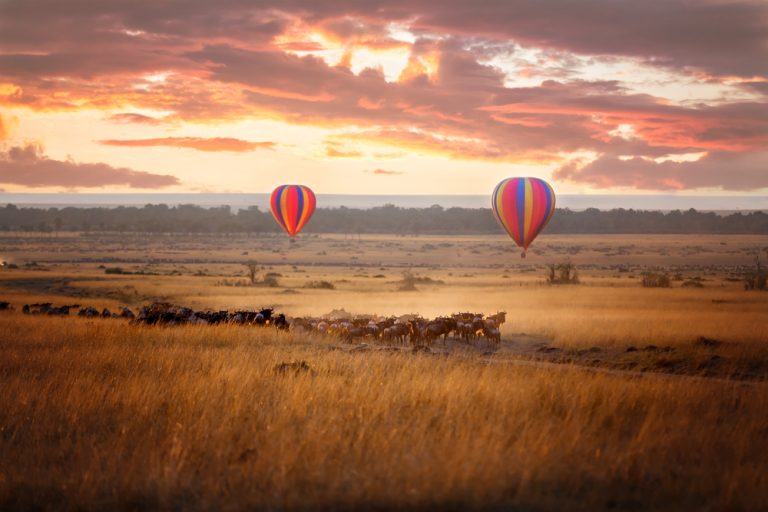
Balloon flights over the Mara set both an age and a height limit. Governors’ Balloon Safaris asks for children aged eight or over and taller than 1.2 metres, while at least one other operator accepts seven year olds. Check with the company that flies from your area. Horse and camel safaris in Laikipia usually take confident riders from about eight, with camel rides open to younger children on a lead rope.
By age band, the picture looks like this. Under fives manage best in a private vehicle with short outings and plenty of pool time. Six to eleven is the sweet spot: old enough to sit through a two hour drive, young enough to be thrilled by everything. Teenagers can do almost all of it, including walks, balloon flights and, from 15, Uganda gorilla trekking across the border.
Child Friendly Safari Parks and Conservancies in Kenya
Picking parks is mostly about drive times and how easily children can see animals. Fewer parks, with longer stays in each, beat a long list every time.
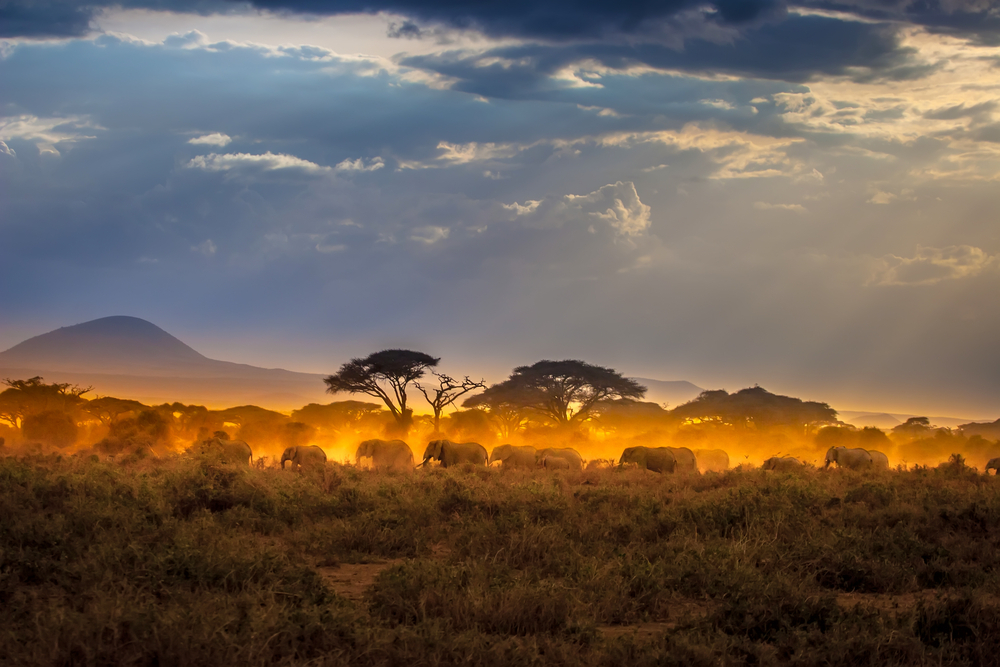
The Masai Mara is the anchor of most family itineraries, and the conservancies around it are worth the extra cost for families. Fewer vehicles means fewer engines idling next to a lion, plus a guide who can stop for a tortoise without holding up a queue. Read more on routes and camps in our Masai Mara safari guide.
Laikipia deserves more attention from parents than it gets. At around 1,800 metres on the Ol Pejeta plains the nights are cool, mosquitoes are fewer and the activity list is long. Children who struggle to sit still for hours often do better there than anywhere else.
One honest note from family trip reports: not every animal turns up. Families who spent three nights in Laikipia have left without a leopard, and clouds can hide Kilimanjaro or Mount Kenya for days. Tell children early that a safari is a search, not a zoo, and the misses sting less.
Family Safari Activities in Kenya Beyond the Game Drive
Game drives fill the mornings, but the activities in between are often what children talk about afterwards. A good Kenya family safari tour mixes both, so ask every camp what it offers children, not just adults.
Some families also build in a visit to a school or a community project in Nairobi or near camp. Done well, with an organisation that runs the visit itself, it is often the part of the trip teenagers remember longest. Done badly it is a photo stop, so ask your operator who hosts the visit and how the community benefits.
Long drives still happen. Parents who have been there recommend a simple activity book, an animal checklist or a scavenger hunt for each child, plus a turn with the binoculars on every sighting. Devices tend to stay in the bag once the first elephants appear.
Nairobi Family Tours: Elephant Orphanage and Giraffe Centre
Nairobi often gets a single night on a safari plan. With children, give it two. The city has three of the best family tours in the country within half an hour of each other in the Karen and Lang’ata suburbs.
The Sheldrick Wildlife Trust elephant nursery, inside Nairobi National Park, opens to the public for one hour a day, from 11am to noon. Keepers bring in orphaned baby elephants for their milk feed and a mud bath while a keeper talks about each calf’s rescue. Visits are by advance booking only, through the trust’s own office by email, and the trust does not accept bookings made through third party ticket sites. Arrive early, because the visit starts on time and is not extended for latecomers.
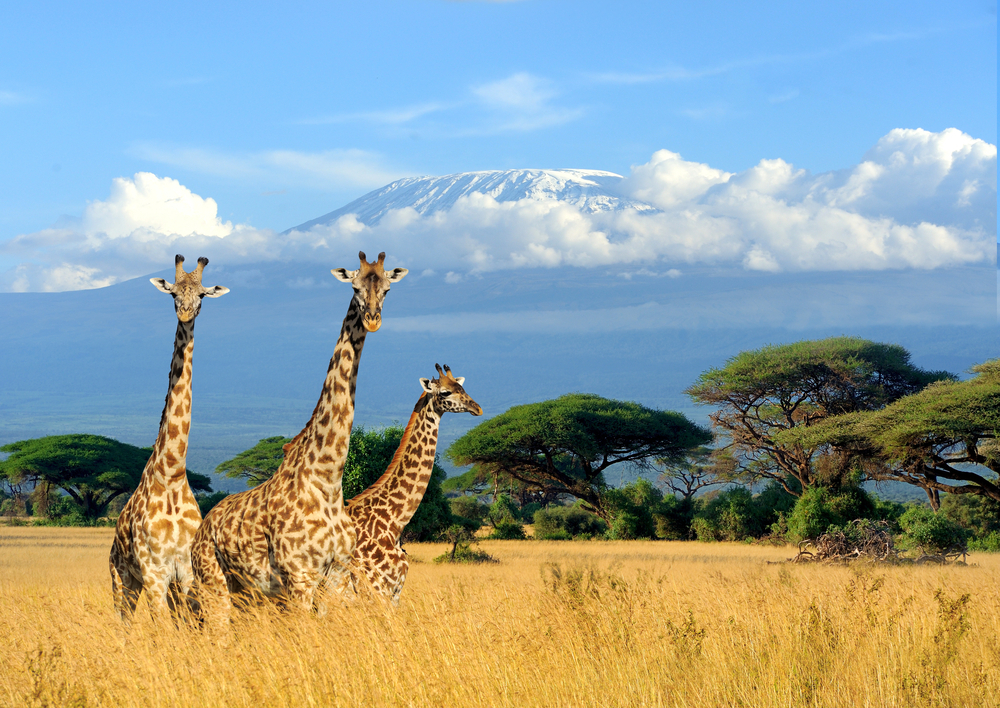
A short drive away, the Giraffe Centre run by the African Fund for Endangered Wildlife lets children feed endangered Rothschild’s giraffe from a raised platform. It is open daily from 9am to 5pm and is cashless, so carry a card. Most families spend an hour or two there, including the nature trail behind the centre. Next door, Giraffe Manor is a small hotel where the same giraffes put their heads through the windows at breakfast; it books up far ahead and suits a one night treat.
Round out the day with a morning game drive in Nairobi National Park, where lions and rhinos graze with the city skyline behind them, or a visit to the Kazuri bead workshop, where children can watch clay beads being formed and painted by hand. Both fit well on an arrival day while everyone shakes off the flight.
Sample Kenya Family Safari Itineraries
Three shapes cover most Kenya family safari packages. Use them as a starting point for a quote, then stretch or trim to suit your children’s ages and your dates. Each keeps at least three nights per stop on safari.
Small group family departures also exist. Some international operators run fixed date Kenya family trips of about a week for children from around five, travelling by overland truck and safari vehicle with simple camping on some nights. They cost less than a private trip and give children others their age to share it with, but the drives are long and bumpy and the pace is set for the group. For longer private routes, see our 7 day Kenya safari and 10 day Kenya safari guides.
Pacing a Kenya Family Safari: Drives, Days and Rest
The commonest mistake on a family safari is trying to do too much. Four parks in ten days looks good on paper and feels like a road trip to a six year old. Two or three parks in a week to ten days, with at least three nights in each, works better for almost every family.
Game drives need the same thinking. Adult safaris run three or four hour drives at dawn and dusk. For children under eight, aim for 90 minutes to two and a half hours, with a guide who will turn back without fuss. Mornings tend to go better, since children are fresher and animals are more active in the cool. Several parents in trip reports say the hardest part of their Kenya safari was the long road transfer, not the game drives, and that letting a small child nap in the vehicle saved the day.
The Masai Mara’s own ticket rules affect pacing too. A reserve ticket runs for 12 hours, from 6am to 6pm, and does not carry over to the next day, so a family that reaches the gate in mid afternoon after the drive from Nairobi pays a full day for a short drive. Good operators put the first night at a camp outside the gate and enter fresh the next morning. Conservancy camps avoid the issue on days you stay inside the conservancy.
Build in one empty day. Seriously. A day with no drives, spent at the pool or on a short walk, is when children often enjoy the trip most, and it stops the second half from turning into a grind.
Private Vehicles, Flights and Self Drive on a Kenya Family Safari
How you move between parks shapes a family safari trip more than any lodge choice. There are three realistic options: a private vehicle with a driver guide, light aircraft between camps, or a mix of the two. Self drive is possible in parts of Kenya, but with children it is the hardest way to do it.
A private safari vehicle is the single best spend for most families. You set the hours, stop for toilet breaks without apology and leave a sighting when someone is tired. Ask for a four wheel drive Land Cruiser rather than a pop up roof minivan if your route includes rough tracks or the Mara conservancies, since vans cannot reach everywhere and give a bumpier ride. Families who chose the cheaper van often said so afterwards.
Flying between parks costs more but saves hours of bumpy road. On a Nairobi to Mara road transfer of five or six hours, much of it on rough tracks, children get tired and car sick. A light aircraft flight takes under an hour. Many families mix the two: drive the short legs, such as Nairobi to Naivasha, and fly the long ones. Bush planes set tight luggage limits, so pack soft bags. See Kenya safari cost for how that choice changes a budget.
Safety in the vehicle is simple and often skipped. Most safari vehicles have seat belts but no child seats, so bring your own car seat for small children and use the belts between parks, where road crashes, not animals, are the main risk. Inside a park the rule is easier still: children stay seated and inside the vehicle unless the guide says otherwise.
Family Safari Lodges and Tents in Kenya
Family friendly camps in Kenya come in a few shapes. Family tents join two bedrooms under one canvas roof or with a shared deck, so parents can hear the children at night. Family suites in lodges do the same with solid walls. Private houses and villas, found in the Mara, Laikipia, Lewa and on the coast, come with their own vehicle, guide and cook, which gives full control over meal times and drives and suits multigenerational groups with grandparents along.
What to look for, in rough order of importance:
Some smaller luxury camps and honeymoon lodges do not take children at all, or only from 12. Check before falling for a property. On the other side, larger lodges in the national reserve and at Amboseli are often the most relaxed about younger children, since they have space and staff to spare. Lodges with solid walls suit families who want amenities and a little more insulation from the night noises; tented camps give children the full bush experience, lions calling included.
Malaria and Health on a Kenya Safari with Kids
Health is the question parents ask most, and the answers are reassuring as long as you prepare. Book a travel clinic or paediatric travel appointment six to eight weeks before departure, so there is time for any vaccines and to try antimalarial tablets at home.
Malaria is present across Kenya below 2,500 metres, which covers the Mara, Amboseli, Tsavo, Samburu and the coast. Central Nairobi carries very little risk. Children can take antimalarials, but the choice and dose depend on age and weight. Atovaquone with proguanil comes in a paediatric tablet and is the one most families are prescribed, while doxycycline is not given to children under eight. Several parents report that giving the tablet with the main meal of the day, ideally with some milk or fat, avoids an upset stomach.
Tablets are only half of it. Children should wear long sleeves and trousers from dusk, use a repellent containing DEET or picaridin at a strength your doctor advises for their age, and sleep under a net. Keep repellent off small hands, since they end up in mouths and eyes. Any fever during the trip or in the months after needs a malaria test straight away, and tell the doctor where you travelled.
On vaccines, routine childhood jabs should be up to date. The US Centers for Disease Control recommends yellow fever vaccination for travellers to most of Kenya from nine months old, though not for trips limited to Nairobi and most of the coast. Kenya asks for a certificate only from travellers arriving from a yellow fever country, and Uganda dropped its blanket certificate requirement in a notice of 2 October, though carrying the card is still wise if you plan to add gorillas, because Rwanda and some airlines may still ask for it. Your clinic will also discuss typhoid and hepatitis A.
The equator sun is stronger than most visitors expect, even on cool mornings in an open vehicle. Wide brimmed hats, high factor sunscreen reapplied through the day and plenty of water keep most problems away. Children dehydrate faster than adults, so pack a water bottle for each child on every drive. Carry a small kit with children’s paracetamol, oral rehydration sachets, antihistamine, antiseptic and plasters. Make sure your safari travel insurance covers medical evacuation, since good hospitals are in Nairobi and flights out of remote camps are expensive without cover.
Is Kenya Safe for a Family Safari Tour Right Now?
For families on a guided Kenya safari tour, yes, with the usual care. At the latest check the US government rated Kenya Level 3, reconsider travel, citing health, crime, terrorism, unrest and road safety, with its strictest warnings for areas near the Somali border that no family itinerary visits. The UK and Canada are less strict for the main safari areas, so read your own government’s advice before booking. Our guide to the safest countries to visit in Africa compares the advice country by country; check your own government’s page before you fly, since advisories change.
Most of the risk sits in towns rather than parks. Protests in Nairobi and western Kenya can turn violent, so avoid crowds and follow your driver’s advice on routes. Use a driver or a booked car rather than public transport in the city, and keep phones out of sight at traffic lights.
Inside the parks and camps, safety is about wildlife and is handled by rules that children pick up quickly. Stay in the vehicle at sightings. Keep voices low. In unfenced camps, a guard walks you to and from your tent after dark, and children never wander between tents alone. Guides deal with this every day and will brief everyone on arrival.
Best Time for a Kenya Family Safari
Kenya’s dry seasons give the easiest family safari conditions. From late June to October the grass is short, animals gather near water and tracks are firm, and the migration usually reaches the Mara from July. That window lines up with northern summer holidays, so camps fill early and the Mara gets busy. Book six months or more ahead for those weeks.
January to March is the quieter dry spell and a strong pick for families who can travel then. It is warm, the resident lions and cheetahs are easy to find, and birding is good from about October to April. Late November and early December, after the short rains, bring green plains and lower camp rates with some afternoon storms. The long rains from around April to June make some tracks hard going, and several camps close, so most families avoid them.
Kenya Beach Trip After the Safari
Ending with a few days on the coast gives everyone a rest after early starts and dusty roads, and it is where many children say they had the most fun. Most families add three to five nights.
Diani Beach, about 30 kilometres south of Mombasa, is the usual pick: a long white sand beach with calm water inside the reef at low tide, family resorts with pools, and day trips by dhow to Wasini Island for snorkelling and dolphin spotting. Flights from Nairobi land at Ukunda, a few minutes from the beach. Families who prefer the train can take the Madaraka Express from Nairobi to Mombasa, around five hours, which many children rate as an outing in its own right.
Watamu and Malindi to the north have a marine park with good snorkelling and a quieter feel. Lamu, the old Swahili island town with no cars, suits older children who will enjoy donkeys, dhow sailing and wandering narrow lanes. It is a culture trip more than a beach holiday, so pair it with a few days on nearby Manda or Shela beaches.
Timing on the coast follows the rest of Kenya. The long rains from around April to June bring rough seas and some resort closures, while the months from December to March are hot, calm and the best for snorkelling.
Combining a Kenya Family Safari with Uganda Gorilla Trekking
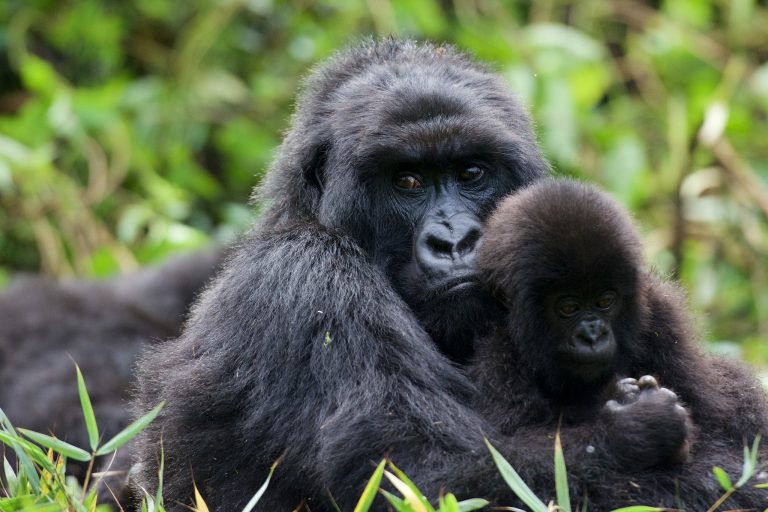
Families with teenagers often ask whether they can add mountain gorillas to a Kenya safari, since there are no gorillas in Kenya itself. The answer is yes, with one firm rule: gorilla trekking in Uganda and Rwanda has a minimum age of 15, enforced at the briefing on the morning of the trek. The gorilla habituation experience carries the same limit. Families with a 13 or 14 year old should plan around that rather than hope for an exception.
For older teens, the combination works well. Fly from Nairobi to Entebbe in about an hour and a quarter, then take a domestic flight to Kihihi or Kisoro for Bwindi, or drive across the country with a guide over two days. Rwanda’s Volcanoes National Park is quicker to reach via Kigali and suits a short add on. Our guide to gorillas and a Kenya safari covers the routes in full, and getting to Bwindi has flight and road options.
A gorilla trek can take anything from under an hour to most of a day on steep, muddy forest slopes. Fit teenagers usually manage it better than their parents, and hiring a porter helps everyone. Permits sell out in peak months, so secure them before you book the rest of the trip through a licensed operator, as explained on our gorilla permit booking guide. The best time for gorilla trekking in Uganda overlaps with Kenya’s June to October dry season, so one trip can catch both.
When some of the family is under 15, Uganda still has plenty to offer. Younger children can join community walks around Buhoma, the Batwa cultural trail and canoe trips on Lake Bunyonyi while older siblings and a parent trek. Chimpanzee tracking in Kibale is open from 12 under the UWA tariff. Compare options on the Rwanda gorilla trekking page if the shorter transfer suits your group better.
Planning and Packing for a Family Safari Trip
Every traveller to Kenya, including babies, needs an approved electronic travel authorisation (eTA) before flying, applied for through the official government portal at least two weeks ahead. A parent fills in the application for each child, and the government recommends applying as a group. If you hold an East Africa Tourist Visa from a member country, check how it applies to your route. Kenya has also gazetted a requirement for foreign visitors to hold health insurance meeting set minimum cover, uploaded with the eTA application. Its enforcement was challenged in the High Court soon afterwards, so check the eTA portal for the current position before you buy a policy.
Packing for children follows the same rules as adults, with a few extras. Neutral colours such as khaki, olive and tan work best on drives, while very dark blue and black can attract tsetse flies in some areas. Layers matter more than parents expect: mornings in an open vehicle in the Mara or Laikipia can be cold, and a fleece and beanie are welcome. Closed shoes beat sandals for walks around camp. Our guides on what to wear on safari and the full African safari packing list cover clothing and bag weight limits for light aircraft. Our guide to safari gear for kids covers hats, binoculars and clothing that fit smaller travellers.
A few items make a real difference with children. A pair of compact kids’ binoculars gives each child their own view instead of a queue for the family pair. A wide brim sun hat with a chin strap stays on in an open vehicle. A child friendly picaridin repellent is easier on young skin than strong DEET, subject to your doctor’s advice. A safari animal spotting book keeps young minds busy between sightings. Bring any baby formula, nappies and favourite snacks from home, since brands in Kenya differ and camps stock little.
Kenya Family Safari FAQ
What is the best family safari in Kenya?
For most families, a week to ten days that pairs a Masai Mara conservancy camp with Laikipia or Amboseli, with a private vehicle, two nights in Nairobi for the elephant nursery and Giraffe Centre, and a few days at Diani to finish. Conservancies suit families best because they cap vehicle numbers and offer walks, night drives and children’s programmes.
What is the best age for a Kenya family safari?
Six to twelve is the easiest window. Children that age can manage two hour game drives, follow wildlife rules and qualify for shared drives at most camps. Younger children can come with a private vehicle and shorter outings. Teenagers can do nearly everything, including bush walks and, from 15, gorilla trekking in Uganda or Rwanda.
What is the average cost of a Kenya family safari?
Shared road packages with park fees run from about US$120 to US$320 per person a day, while fly in conservancy camps run about US$450 to US$1,000 a night. Many camps charge children under 12 around half the adult rate, and under fives sharing with parents often stay free, though these rates are not always advertised, so ask. Masai Mara National Reserve fees for foreign visitors are US$200 per adult per day from July to December and US$100 from January to June, with children aged 9 to 17 paying US$50 and under nines entering free; conservancy fees are separate. In Nairobi, the elephant nursery asks a minimum donation of US$20 per adult and US$5 per child under 12, paid in cash, plus Nairobi National Park entry, and the Giraffe Centre charges foreign visitors KSh 1,500 per adult and KSh 750 per child aged 3 to 12. Our Kenya safari cost guide has full budget breakdowns and a worked trip total.
What is the 12 hour rule for the Masai Mara?
A Masai Mara reserve ticket is valid for 12 hours, from 6am to 6pm, whatever time you enter, and it does not carry over to the next day. Arriving late in the afternoon still costs a full day, so families usually spend the first night outside the gate and start fresh the next morning.
Is it safe to visit Kenya with children right now?
At the latest check the US rated Kenya Level 3, reconsider travel, citing health, crime, terrorism, unrest and road safety, with its strictest warnings for the Somali border area. Guided family safaris in the Mara, Amboseli, Laikipia and on the coast run normally. Avoid protests in Nairobi, use a driver in the city, wear seat belts between parks, and check your government’s advice before you fly.
Do children need malaria tablets for a Kenya safari?
Most of Kenya’s safari parks and the coast carry malaria risk, so doctors usually prescribe antimalarials for children, dosed by age and weight. Atovaquone with proguanil is the common choice for children, and doxycycline is not given under eight. Combine tablets with long sleeves at dusk, repellent and nets. Only a doctor or travel clinic should set the dose.
How many days should a family safari in Kenya last?
Seven to ten days on safari suits most families, split between two or three areas with at least three nights in each. Add three to five days on the coast if you want a beach finish. Shorter trips work with flights between parks, but avoid squeezing in more parks to fill the time.
Do children need a Kenya eTA, and what does it cost?
Yes. Every traveller who is not exempt needs an approved eTA before boarding, babies included. The standard eTA costs US$30 per person; apply on the official portal at least two weeks before travel, as a group if you can.
Can we self drive a Kenya safari with children?
It is possible on good roads to Naivasha, Nakuru and Amboseli, and the Mara Triangle admits private four wheel drives, but Narok County’s side of the Mara does not. With children it is hard work: long drives, no one to spot animals, and no guide to read the bush. Most families find a driver guide worth it.
Can safari camps in Kenya handle allergies and fussy eaters?
Usually, if you warn them early. Send dietary needs to your operator when you book and remind the camp on arrival. Simple food for children, early suppers and packed breakfasts are standard in family camps, though remote bush camps have less room to improvise.
Is Kenya or Tanzania better for a family safari?
Kenya usually wins for younger children: shorter flights between parks, Nairobi’s elephant nursery and Giraffe Centre, conservancy camps with children’s programmes, and an easy beach finish. Tanzania suits families with older children who can handle the longer drives across the Serengeti and the Ngorongoro Crater.
Can my 12 year old go gorilla trekking after our Kenya safari?
No. Uganda and Rwanda both set the minimum age for gorilla trekking at 15, and rangers check at the start. A 12 year old can join chimpanzee tracking in Kibale, community walks near Bwindi and canoeing on Lake Bunyonyi while older family members trek.
How much do gorilla permits cost if we add Uganda or Rwanda?
A Uganda gorilla trekking permit costs US$800 for foreign nonresidents and US$700 for foreign residents, with a lower US$600 rate announced for April, May and November. The habituation experience costs US$1,500, and UWA has announced a rise to US$1,800 for foreign nonresidents. Rwanda’s permit costs US$1,500. Uganda permits are paid in full at the time of booking.