The safest countries in Africa to visit are Botswana, Namibia and Zambia for a safari, and Mauritius, Seychelles and Senegal for a beach or cultural trip, judged on the Global Peace Index and on current US, UK and Canadian travel advice. Rwanda and Ghana also rank well for order and stability. Kenya, Tanzania, South Africa and Uganda carry stricter warnings, mostly about cities, borders and health, yet still host large numbers of guided safari travellers.
Safety in Africa is rarely a yes or no for a whole country. It depends on the region, the activity and how you travel. A guided game drive in Botswana’s Okavango Delta and a night walk through central Johannesburg sit in different worlds, and official advice reflects that by naming specific border areas and city districts rather than whole nations. Below, the main safari and holiday countries are set against what three governments say about them at the latest check, followed by the health, road and street risks that matter more on a safari than crime does.

How Safety Is Judged for an Africa Safari Trip
Most lists of safe African countries lean on one index, the Global Peace Index from the Institute for Economics and Peace. It scores 163 countries on 23 indicators grouped under three headings: safety and security in society, ongoing conflict, and militarisation. A lower score means a more peaceful country. Useful, but it was never built for tourists. It says nothing about whether a lodge in a remote park is secure, it weighs things like military spending that do not touch a visitor, and online lists often quote editions years out of date with scores that disagree with each other.
Government travel advisories are a better guide for a safari trip planner. They are reviewed often, they name the exact districts to avoid, and your travel insurer reads them too. Three systems matter most for English speaking travellers. The US State Department uses four levels: Level 1 Exercise Normal Precautions, Level 2 Exercise Increased Caution, Level 3 Reconsider Travel and Level 4 Do Not Travel. The UK Foreign, Commonwealth and Development Office does not grade whole countries; it lists areas it advises against visiting, and anywhere not listed is open. Global Affairs Canada uses four steps, from take normal security precautions through to avoid all travel.
The three often disagree. Uganda is the clearest case: Level 4 in Washington, open throughout in London. Neither is wrong. They weigh different things, and the US rating in particular reacts fast to health emergencies and to how much help its embassy can give citizens.
So is Africa safe for US citizens? Africa is 54 countries, and the US puts only a handful at its calmest level and eleven at its strictest. Most of the safari circuit sits at Level 2, a rating the US also gives several Western European countries. Here is where each main safari and holiday country stands at the latest check of all three governments.
| Country | US level | UK no go areas | Canada |
|---|---|---|---|
| Zambia | 1 | None | Normal |
| Seychelles | 1 | None | Normal |
| Senegal | 1 | None | High caution |
| Botswana | 2 | None | High caution |
| Namibia | 2 | None | High caution |
| Mauritius | 2 | None | Normal |
| South Africa | 2 | None | High caution |
| Tanzania | 2 | Mozambique border | High caution |
| Madagascar | 2 | None | High caution |
| Morocco | 2 | None | High caution |
| Ghana | 2 | Bawku area | High caution |
| Kenya | 3 | Somalia border | High caution |
| Rwanda | 3 | Rusizi border | Normal |
| Uganda | 4 | None | Avoid unless needed |
Read the table as a starting point, not a verdict. The detail for each country, below, is where the useful information sits.
The Most Peaceful Countries in Africa for Travel and Tours
On the Global Peace Index rankings most often quoted from recent editions, the same group of countries fills Africa’s top ten, in varying order: Mauritius, Botswana, Namibia, The Gambia, Sierra Leone, Ghana, Senegal, Madagascar, Zambia and Liberia Mauritius has led the continent for years. Botswana and Namibia follow because of stable governments, few armed conflicts and small, spread out populations.
Two things stand out. First, the index and the travel advisories mostly agree on the southern African safari countries, which is why Botswana, Namibia and Zambia head nearly every list of safe places to travel in Africa. Second, the index ranks some West African countries higher than their tourist infrastructure would suggest. Sierra Leone scores well for peace, for instance, but the US asks visitors not to travel outside the Freetown peninsula after dark, largely because of poor roads and limited medical help.
Lists change. Tanzania and Malawi once sat higher on the index than they do now, after election unrest and economic strain, and Ethiopia, once a favourite on safe country lists, has dropped off them because of fighting in several regions. Rwanda sits mid table on the index but has a long reputation among travellers for clean, orderly streets and low street crime.
Botswana Safari Safety: Okavango Delta, Chobe and the Remote Camps
A Botswana safari is about as low risk as wildlife travel gets in Africa, largely because of how the country runs tourism. Most visitors fly between small camps in light aircraft, the Okavango Delta and much of the north are split into private concessions with few vehicles, and guests spend nearly all their time inside the camp system.
The US rates Botswana at Level 2 for crime alone, naming theft, burglaries and muggings. Canada asks for a high degree of caution, again because of crime, and the UK advises against no part of the country. Almost all of that crime happens in Gaborone, Francistown and Maun rather than in the delta camps, though some traveller reports mention room thefts at riverside lodges near Kasane, so use the safe and lock the door even in a game area. On the roads, elephants and cattle cross at night, which is one more reason to drive only in daylight.
One current point: the UK reports that Botswana has added health screening and entry restrictions for travellers arriving from Ebola affected regions. If your trip links a Bwindi gorilla trek with a Botswana safari, as many combination itineraries do, check the entry rules for that route before you book flights.
Namibia Self Drive Safari Safety: Etosha, the Desert and Gravel Roads
A Namibia safari is the classic self drive trip in Africa, and the safety question here is mostly about the road. Namibia has one of the lowest population densities on the continent, wide gravel highways and long empty stretches between fuel stops. Crime is mainly a Windhoek problem. The UK warns that muggers target tourists in the capital and that gangs sometimes try to get into cars at busy junctions.
The US places Namibia at Level 2 for crime and health, noting that visitors often travel far from medical help. Canada asks for a high degree of caution because of crime, and the UK advises against nowhere. The dry climate also means fewer tropical diseases than in the wetter safari countries, with malaria limited to the north.
Roads are the real hazard. UK advice is plain: keep to 80 km/h on gravel, carry two spare tyres, take plenty of water and do not drive at night outside towns, because wildlife and livestock wander onto the roads. Gravel surfaces get worse during the rains from January to April. Trip reports from Namibia dwell far more on punctures and loose corrugations than on theft. Our guide to self drive safaris in Africa covers the vehicle side, and the Namibia safari page covers Etosha and the desert parks.
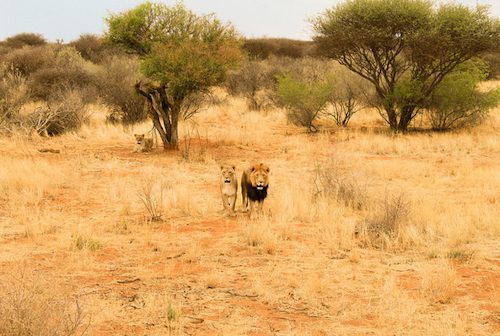
Zambia Safari Safety: South Luangwa, Lower Zambezi and Victoria Falls Tours
On paper, the Zambia safari circuit has the calmest official rating of any major wildlife destination in Africa. The US holds Zambia at Level 1, Exercise Normal Precautions, a rating it has not changed in several years. Canada also asks only for normal security precautions across most of the country.
The exceptions are border zones. Canada advises a high degree of caution within 20 km of the borders with Angola, the DRC and Mozambique. None of the main safari areas sits in those strips: South Luangwa, the Lower Zambezi and Kafue are all well inside the country, and Livingstone faces Zimbabwe across the river, not one of the flagged borders. The UK advises against nowhere in Zambia and notes that the country may screen travellers arriving from Ebola affected regions.
Lusaka needs ordinary city care. Walking safaris, a South Luangwa speciality, need a different kind of care: listen to the armed scout, walk in single file and never run from an animal. The Victoria Falls safari in Zambia page and the wider Zambia safari guide cover the parks.
Rwanda Gorilla Trekking Safety in Volcanoes National Park
Rwanda gorilla trekking runs from Kinigi at Volcanoes National Park, and Rwanda keeps its reputation for tidy, orderly streets and low street crime. Its official ratings have moved recently, though, so readers who last checked a few years ago will find a different picture.
Since early June, the US has rated Rwanda at Level 3, Reconsider Travel, citing crime, unrest and health. The health part is the regional Ebola outbreak centred on the DRC; the unrest part is fighting in eastern DRC that could spill across the border. The US also says not to travel within 10 km of the Rwanda and DRC border.
The UK view is narrower. It advises against travel unless necessary only to the parts of Rusizi District within 10 km of the DRC, including the Rwandan islands in Lake Kivu and Kamembe Airport, in the far southwest. Canada still asks only for normal security precautions in Rwanda, with a high degree of caution near the DRC border in Rubavu and Rusizi and in the section of Volcanoes National Park along that border.
What this means in practice: gorilla treks continue, Kigali airport has added health screening, and border crossings with the DRC are restricted. Rubavu (Gisenyi) on Lake Kivu sits right at the Goma border, so check the latest advice before adding a lake stay. The Rwanda gorilla trekking guide covers the treks themselves.
Uganda Gorilla Trekking Safety in Bwindi and the Savannah Parks
For most travellers on an organised Uganda gorilla trekking safari, Uganda is visited safely with clear caveats, and the official advice from the US is currently far stricter than that of the UK. Gorilla treks in Bwindi Impenetrable National Park go out with armed ranger escorts every morning, and safari itineraries are planned around the known risk areas.
The US has held Uganda at Level 4, Do Not Travel, since an update in early June, naming health, crime, terrorism and unrest. Canada advises avoiding travel to Uganda that is not necessary, for the regional Ebola situation, terrorism and crime, and says to avoid all travel within 50 km of the South Sudan border. The UK advises against no part of Uganda. It flags terrorism and crime and asks visitors to Bwindi and Mgahinga to use registered tour operators and avoid tours that cross into the DRC.
Uganda’s own Ebola outbreak was small, and the UK reports that the WHO has declared it over, while the outbreak in the DRC continues and Uganda’s border with the DRC stays closed apart from exceptions. Some home countries, Canada among them, still apply health checks or quarantine to arrivals coming back from Uganda. Road travel and petty crime in Kampala are the everyday risks. Read our full Uganda safety guide for American, Canadian, UK and German travellers before booking a gorilla permit.
Tanzania Safari Safety: Serengeti, Ngorongoro and Zanzibar Trips
The northern Tanzania safari circuit of the Serengeti, Ngorongoro Crater, Tarangire and Lake Manyara runs normally, and Zanzibar’s beaches stay busy. Arusha, the safari hub, is one of the places solo travellers most often describe as easy to get around with ordinary care.
The US now rates Tanzania at Level 2, Exercise Increased Caution, after a spell at Level 3 that followed the election protests. The advisory names crime, terrorism, health, unrest, arbitrary enforcement of local laws and the targeting of gay and lesbian people, and asks travellers to reconsider travel near the Mozambique border in Mtwara Region, on the far southern coast and a long way from the safari parks. The UK advises against travel unless necessary only within 20 km of the border with Mozambique’s Cabo Delgado province. Canada asks for a high degree of caution, advises against all travel within 10 km of the Mozambique border in Mtwara, and against travel that is not necessary south of the A19 highway.
All visitors to mainland Tanzania and Zanzibar now need government issued inbound travel insurance, bought online or on arrival, even with a private policy. You can be refused entry without it.
Many travellers pair a Serengeti safari with gorillas in Bwindi. That works well, and our Tanzania safari and gorilla trekking page shows how the two link up, but each country’s advice applies separately.
Kenya Safari Safety: Masai Mara, Amboseli and the Coast
A Kenya safari in the Masai Mara, Amboseli, Samburu or Tsavo is a well trodden route with a large, experienced guiding industry. Kenya’s official advice is detailed because the country is big and the risk sits in specific places. A shorter 5 day Kenya safari covers the Mara, Nakuru and Amboseli.
Since late July the US has rated Kenya at Level 3, Reconsider Travel, naming health, crime, kidnapping, terrorism, unrest and road safety. Its do not travel list covers the Eastleigh and Kibera areas of Nairobi, the counties along the Somalia border, Tana River County outside Tsavo, the coast north of Malindi and parts of the far northwest. Protests in Nairobi and western Kenya have turned violent at times, and safari vehicle crashes have hurt visitors who were not wearing seatbelts. Buckle up between parks.
Both the UK and Canada advise against all travel to the counties along the Somalia border: Mandera, much of Wajir and Garissa, and Lamu County except Lamu and Manda islands. Canada adds Turkana and Marsabit within 110 km of the South Sudan and Ethiopia borders and coastal strips of Tana River and Kilifi, and asks travellers to avoid Kibera. None of those areas is on the classic safari circuit. At the latest check, the UK and Canada also reported an imported Ebola case in Nairobi, with screening and contact tracing in place.
Kenya has also gazetted a requirement for foreign visitors to hold travel health insurance meeting set minimum cover, uploaded with the eTA application. Its enforcement was challenged in the High Court, and reports since disagree on how it is being applied, so check the eTA portal for the current position before you buy a policy. Our East Africa tourist visa guide covers the rest of the paperwork. Combining a Masai Mara safari with Bwindi gorillas remains one of the most popular East Africa routes. Longer trips are set out in our 10 day Kenya safari guide.
South Africa Safari Safety: Kruger, Cape Town and the Private Reserves
A South Africa safari in Kruger or the private reserves of Sabi Sand and Madikwe is among the best organised in Africa. The country’s crime rate is high, though, and every official source says so plainly.
The US rates South Africa at Level 2, citing crime, terrorism, unrest and kidnapping. Canada asks for a high degree of caution because of serious crime. The UK advises against no part of the country but gives specific warnings worth reading: violent crime and targeted attacks on the roads to and from Cape Town airport, including visitors in hire cars; muggings of hikers on Table Mountain, Lion’s Head and Signal Hill; and a fatal attack on a tourist near Kruger, after which SANParks advised against using Numbi Gate.
Practical habits make the difference. Keep bags off the passenger seat and out of sight to avoid smash and grab thefts at traffic lights, carry cameras and laptops in hand luggage rather than checked bags at Johannesburg and Cape Town airports, and hike Table Mountain in a group. Township visits are best done with a local guide rather than alone. Inside the reserves, risk drops sharply. The South Africa safari page covers the parks, and our guide to the best time to visit South Africa covers the seasons.
Island and Beach Trips: Mauritius, Seychelles and Madagascar Safety
For a beach holiday or honeymoon trip after a safari, the Indian Ocean islands are the usual choice.
Seychelles holds US Level 1, and Canada asks only for normal precautions. Petty theft on beaches is the main issue.
Mauritius tops Africa on the peace index and is rated Level 2 by the US for crime, mostly pickpocketing and bag snatching in markets, beaches and near ATMs. Canada asks for normal precautions. In mid October, demonstrations and community unrest followed a police shooting, and the government imposed temporary overnight curfews over most of the main island. Check the UK and local updates before you fly. The Mauritius holidays page covers the island itself.
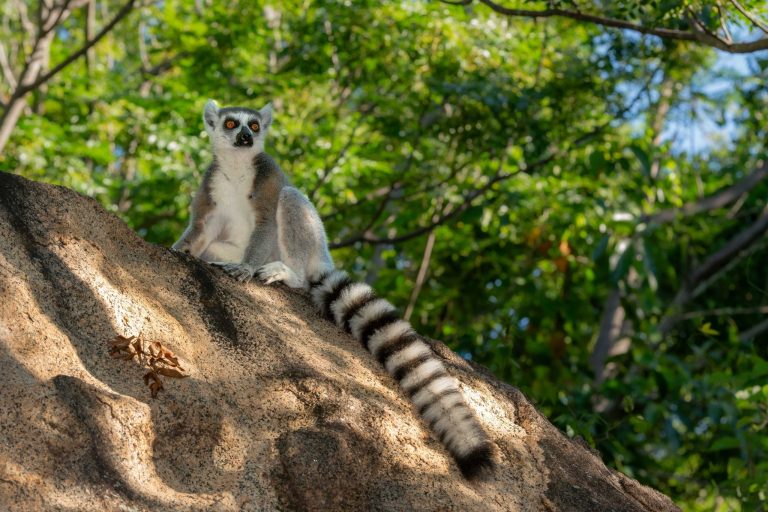
Madagascar is a wildlife trip more than a beach one, with lemurs and baobabs, and its ratings are more cautious. The US holds it at Level 2 for crime, unrest and health, and medical care outside the capital is very limited. Canada asks for a high degree of caution for crime and political instability. Cyclones can hit the east coast from about January to March. Travel with a guide and driver, and see our Madagascar tours page. Our Madagascar and Uganda itinerary combines the two in one trip.
West, North and Southern Africa Tours: Senegal, Ghana, Morocco, Eswatini and Others
These countries suit cultural tours more than big game safaris, and several score well on both the peace index and official advice.
Senegal holds US Level 1, while Canada asks for a high degree of caution because of crime. The Gambia, Sierra Leone, Liberia and Benin all sit at US Level 2, with health care limits named for the first three and no go areas along Benin’s northern borders, including W and Pendjari parks. Ghana is also Level 2; the US asks visitors to reconsider travel to the northern border regions, the UK advises against travel unless necessary to the Bawku area, and Canada advises against travel that is not necessary within 25 km of the Burkina Faso border.
Morocco sits at US Level 2 for terrorism risk, and the UK advises against no part of it. Canada advises against all travel near the Western Sahara berm and within 20 km of the Algerian border. Petty theft and persistent touts in the medinas are the daily nuisance. Egypt and Tunisia are both at US Level 2, with no go zones in North Sinai, the Western Desert and along the Libyan and Algerian borders.
Mozambique, popular for beaches after a Kruger safari, is at US Level 2 overall but with Do Not Travel advice for Cabo Delgado Province, the Niassa Special Reserve and northern Nampula. The UK and Canada also advise against Cabo Delgado. The southern beaches around Vilanculos and Tofo sit far from those areas; see our Mozambique tours page. Malawi, Zimbabwe and Eswatini are all at US Level 2. Canada flags fuel shortages in Malawi and civil unrest in Eswatini, and the US mentions official harassment of its citizens in Zimbabwe. The Malawi safari and Zimbabwe safari guides cover the parks.
Health, Road and Wildlife Risks on an African Safari
Ask people who have done several African safaris what went wrong, and the stories are rarely about crime. They are about a stomach bug, a long drive in the dark, a missed malaria dose or a tyre that blew on a gravel road. Plan for these first.
Insurance is worth a second look. If you travel against your government’s advice, your policy may be void; the UK spells that out on every country page where it lists no go areas. Our African safari insurance guide explains what to check, and the gorilla trekking packing list covers the medical kit.
Street Smart Travel Habits for Safari Tours in African Cities
Most safari trips start and end in a city, and that is where the bulk of crime against visitors happens. A few habits from repeat travellers cover most of it.
Guided visits make sense for informal settlements and townships. A local guide knows the area, the residents expect visitors, and the money stays in the community.
Matching Safe Safari Countries to the Traveller
The safest country for one safari trip is not always the safest for another. Group size, budget and who is travelling all change the answer.
Gorilla trekking is a special case, since it happens only in Uganda, Rwanda and the DRC. With the DRC parks under Do Not Travel advice, the choice is between Uganda and Rwanda. Both run treks daily with armed rangers.
Least Safe African Countries Under Do Not Travel Advice
The US lists Burkina Faso, the Central African Republic, Chad, the DRC, Libya, Mali, Niger, Somalia, South Sudan, Sudan and Uganda at Level 4. Sudan, South Sudan, the DRC, Somalia and Mali also sit at the bottom of Africa on the Global Peace Index, which makes them the least safe countries on the continent by both measures. Most are under active conflict or insurgency, and travel insurance will not cover a holiday there. Uganda is the outlier on that list, rated mainly for a regional health emergency rather than fighting, and the UK view differs sharply, which is why it has its own section above. Burundi, Ethiopia, Guinea Bissau, Kenya, Mauritania, Nigeria and Rwanda sit at Level 3. For Ethiopia’s tour routes, our Ethiopia tours page sets out which regions are affected. Ratings move, so check the latest page the week you book and again before you fly.
Safe Countries in Africa: Frequently Asked Questions
What is the safest country in Africa to visit right now?
On current official advice, Zambia, Seychelles and Senegal hold the lowest US rating, Level 1, and Canada also asks only for normal precautions in Zambia and Seychelles. For a wildlife safari, Zambia, Botswana and Namibia have the fewest official concerns. Mauritius leads Africa on the Global Peace Index but saw unrest and curfews in October.
Is Africa safe for US citizens?
Most of the main safari countries are rated Level 1 or Level 2 by the US State Department, the same range it gives much of Europe. Kenya and Rwanda are at Level 3 and Uganda at Level 4, mainly for health and border reasons. Guided trips with licensed operators remove much of the risk. Read the advisory for each country on your route, not for Africa as a whole.
What are the 10 most peaceful countries in Africa?
Recent editions of the Global Peace Index place Mauritius, Botswana, Namibia, The Gambia, Sierra Leone, Ghana, Senegal, Madagascar, Zambia and Liberia in Africa’s top ten, in varying order. The index measures national peace rather than tourist safety, so pair it with current travel advice.
What is the least safe country in Africa?
Sudan, South Sudan, the DRC, Somalia and Mali sit at the bottom of the Global Peace Index for Africa, and all are under US Do Not Travel advice along with Burkina Faso, the Central African Republic, Chad, Libya and Niger. Ordinary travel insurance will not cover trips to most of them.
Which African safari country is safest for a first safari?
Botswana and Zambia are the easiest to recommend, because most of the trip happens inside remote camps and concessions with little time in cities. South Africa’s private reserves are also well run, though the cities need care. Kenya and Tanzania suit first timers on a guided trip with a licensed operator.
Is gorilla trekking safe in Uganda and Rwanda?
Treks in both countries go out daily with armed ranger escorts and small groups of eight visitors per gorilla family. The official ratings differ more than the treks do: the US rates Uganda at Level 4 and Rwanda at Level 3, while the UK advises against no part of Uganda and only a border strip in Rwanda’s Rusizi District. Read the advice for your own passport before you book.
How much would a 2 week trip to Africa cost, including gorilla permits?
It depends on the country and comfort level. A fourteen day Uganda safari starts near US$6,590 per person, a fourteen day Madagascar group tour runs about US$3,912 to US$4,890, and two weeks at luxury camps in Botswana or Tanzania can pass US$25,000. A Uganda gorilla permit costs US$800 for foreign non residents and US$700 for foreign residents, with a lower US$600 rate announced for April, May and November, and permits are paid in full at booking. A Rwanda permit costs US$1,500. Our African safari cost guide breaks the totals down by country.
Do I need special travel insurance for Kenya or Tanzania?
Tanzania and Zanzibar require government issued inbound travel insurance for all visitors, bought online or at the port of entry, even if you hold a private policy. Kenya has gazetted a health insurance requirement linked to the eTA, but its enforcement was challenged in the High Court, so check the eTA portal for the current position before travel. Keep your own full policy either way, since government schemes do not replace evacuation and cancellation cover.
Does a Level 3 or Level 4 advisory affect my travel insurance?
It can. Many policies exclude claims in places your government advises against, and UK insurers follow FCDO no go areas closely. Ask your insurer in writing whether your route is covered before paying for the trip.
Is it safe to go on safari in Africa as a solo woman?
Many women travel alone on guided safaris in Botswana, Namibia, Zambia, Rwanda and Tanzania. The usual city precautions apply in Nairobi, Johannesburg, Kampala and Windhoek: no walking alone after dark, and registered taxis or a hotel driver. Small group or private guided trips remove most of the risk.
Do I need malaria tablets on an African safari?
For most safari regions, yes. Malaria is present in Uganda, Rwanda, Kenya, Tanzania, Zambia, northern Botswana and the Kruger area. The Eastern Cape reserves in South Africa and much of central and southern Namibia are low risk. A travel clinic can advise for your exact route.
Are African safari countries safe for LGBT travellers?
It depends on the country. South Africa, Botswana, Mozambique, Mauritius, Seychelles and Rwanda do not criminalise same sex relations. Uganda’s Anti Homosexuality Act carries severe penalties, and the US warns that gay and lesbian people have been targeted by police in Tanzania. Discretion is wise across East Africa.