An African hunting safari cost is built from three parts: a daily rate for the outfitter, guide and camp, a trophy fee for each animal taken, and extras such as flights, permits, taxidermy and shipping. Hunters book through a licensed outfitter in a country that issues hunting quotas, mostly South Africa, Namibia, Zimbabwe, Tanzania, Mozambique and Zambia. This neutral explainer sets out the rules first, with current price ranges in the FAQ.
How Hunting Safari Prices Are Built: Daily Rates, Trophy Fees and Licences
Almost every outfitter in Africa prices a hunting safari the same way. A daily rate covers the professional hunter, trackers, skinners, the hunting vehicle, lodging, meals, laundry and field preparation of trophies. On top of that comes a trophy fee for each animal taken, which is only charged when an animal is actually shot. Pass on a species and you pay nothing for it.
That second rule has a sting in it. Nearly all price lists state that a wounded animal that is not recovered is charged as if it had been taken. Shot placement is part of the bill.
Government charges sit inside or beside both numbers. In concession countries such as Tanzania, Zimbabwe and Zambia, the state sells hunting blocks to outfitters and charges game or licence fees per animal, along with conservation and community levies that the hunter pays through the outfitter. On private land in South Africa and much of Namibia, the landowner sets trophy fees, while provincial or national permits are bought by the outfitter and usually folded into the daily rate. Namibia and South Africa add value added tax to daily rates, which several published price lists show as a separate line.
Two pricing models follow from this. An a la carte hunt lets the hunter pay the daily rate and then pick animals as they come, paying each trophy fee off the list. A package hunt bundles a fixed number of days and a fixed species list into one price, which is easier to budget and usually cheaper per animal, though anything shot outside the package goes back to list price. A few South African ranches also sell cull hunts, where the hunter takes non trophy animals chosen for herd management at a much lower fee, and the meat stays on the farm.
Observers pay too. A partner or friend who joins the hunting safari without hunting pays a daily observer fee, which is lower than the hunter’s rate but adds up over a ten day trip.
Plains Game Hunting Safaris and Why They Cost Least
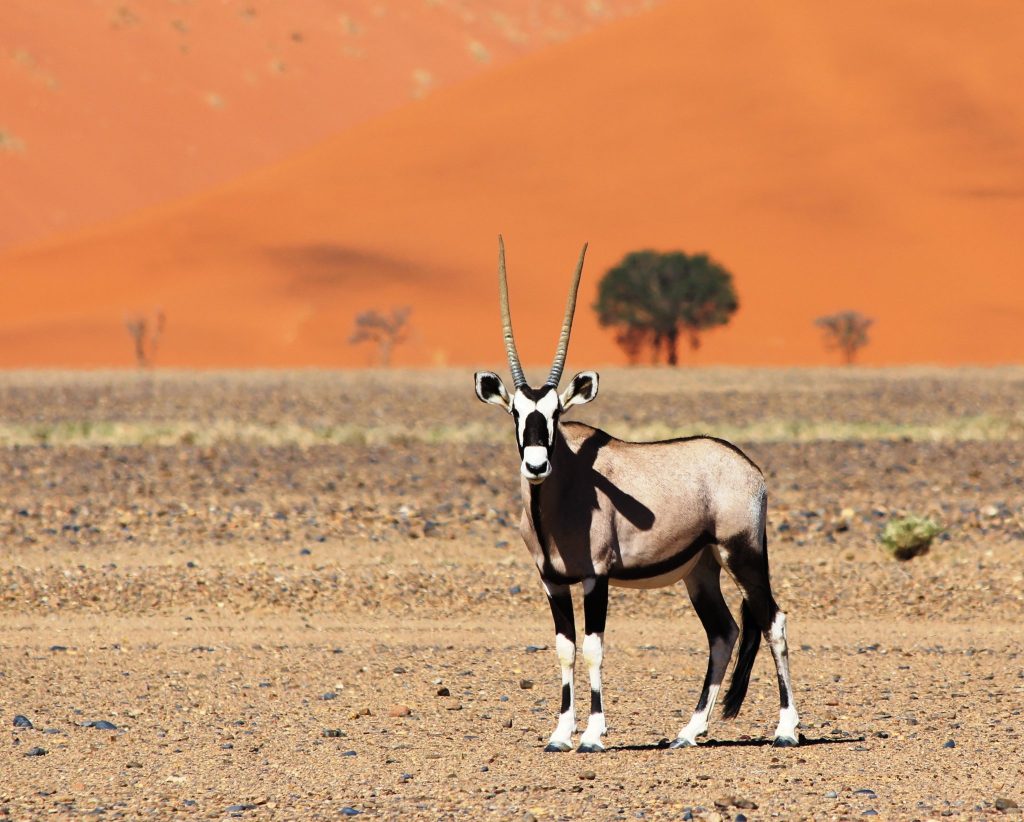
Plains game hunting safaris are the entry point, and most first time hunters in Africa start here. The term covers the antelope and other non dangerous species: impala, springbok, blesbok, warthog, blue and black wildebeest, red hartebeest, gemsbok (oryx), kudu, nyala, eland, waterbuck and the larger, rarer antelope such as sable.
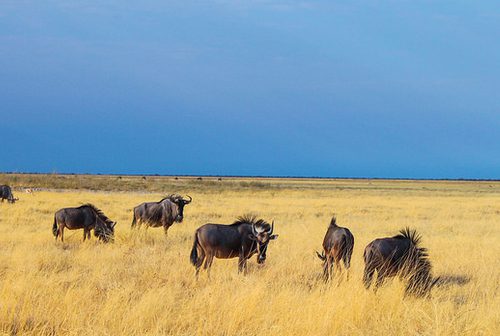
Three things keep plains game cheaper. The animals are plentiful on private land, so trophy fees on the common species are low. Hunts are mostly run from ranch lodges reached by road from Johannesburg, Port Elizabeth or Windhoek, so there are no charter flights. Daily rates are also the lowest on any list, and a 2×1 arrangement brings them down further.
Trophy fees climb steeply with size and rarity, so the species list decides the bill more than the number of days. A week spent on impala, springbok, blesbok and warthog costs a fraction of the same week chasing kudu, eland and sable. Colour variants such as black springbok or golden wildebeest, bred on some ranches, carry a premium of their own. Many forum trip reports make the same point: decide which three or four animals really matter before comparing quotes, because the cheap package that includes the wrong species turns expensive once extras are added at list price.
For the question “what can you hunt in Africa on a budget”, the honest answer is the common plains game in South Africa or Namibia, on a 2×1 package, with European skull mounts instead of shoulder mounts. That combination keeps every line of the bill low.
Dangerous Game and Big Five Hunting Safari Pricing
A dangerous game hunting safari is a different product. Cape buffalo, hippo, crocodile, leopard, lion and elephant need a professional hunter licensed for dangerous game, longer trips, more staff and often remote concessions, and every one of those raises the daily rate.
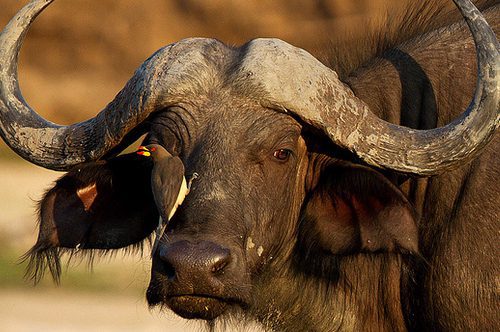
Cape buffalo is the usual step up from plains game, hunted on large ranches in South Africa and in concessions in Zimbabwe, Mozambique, Tanzania and Zambia. Leopard hunts run over bait and need a permit from a national quota, so outfitters sell them as a fixed package rather than a trophy fee added to a plains game trip. Lion hunting is tightly restricted, banned outright in some countries and blocked from import into others. Elephant permits are few, auctioned in some places, and often sold as a package for the whole safari. White rhino hunts on private land in South Africa still exist but are rare and among the most expensive hunts sold anywhere.
Some outfitters also sell non exportable hunts, mainly for elephant, at a lower price, where the hunter cannot take the trophy home. These exist because import rules in the hunter’s country, not the hunting country, decide whether a trophy can travel.
Hunting Safari Costs by Country: Where Hunting Is Legal in Africa
Trophy hunting is legal in a little over a dozen African countries, each with its own permits, quotas and fee structure. Others have banned it outright. This matters for cost because the country sets the taxes, the licence fees and the kind of land you hunt on.
Country also decides how you get around. Southern African ranch hunts are mostly a road transfer from the airport, while Tanzanian and Zambian concessions can need a charter flight each way, which on a short trip can cost more than several hunting days. The original rule of thumb still holds: the further from a main airport, the higher the bill.
Hunting Seasons, Fenced Ranches and Free Range Areas on a Hunting Safari
Hunting seasons across southern and eastern Africa follow the dry months, roughly from late autumn into spring in the southern hemisphere. In South Africa and Namibia, May to September is the core of the hunting safari season, with thinner bush, animals drawn to water, cool mornings and few mosquitoes. Zimbabwe’s main season runs from about May to October; late September and October bring very hot days and nights. Tanzanian blocks open in the dry season and close when the rains make tracks impassable.
Season affects cost in a quieter way than on a photographic safari. Peak months book out first and some outfitters offer lower prices for the shoulder weeks at either end, while a few hunt year round on private land. The bigger price split is land type.
A fenced ranch, sometimes called a high fence operation, keeps game inside a perimeter fence on private land. Some of these properties are tens of thousands of hectares, and hunting there can be demanding. Others are small, and hunters and critics alike question whether that counts as fair chase. Free range hunting takes place on open land where animals move freely, such as Namibian conservancies or concessions in Zimbabwe and Tanzania. Free range trophy fees and daily rates are usually higher, and a full bag is less certain. Hunts on smaller properties with hand reared or captive bred animals, including so called canned lion hunts, are widely condemned, and several countries refuse imports from them.
Very cheap quotes deserve a second look for this reason. A price far below the market often points to a small enclosure or ranch bred stock.
Firearm Permits, Rifle Hire and Travel Logistics on a Hunting Trip
Bringing your own rifle on an African hunting trip means two sets of paperwork: export or travel permission from your own country, and a temporary import permit from the hunting country. In South Africa this is the police temporary import permit, applied for in advance, with outfitters and specialist agents commonly advising at least six weeks. Limits apply on the number of firearms per hunter and on ammunition, which is also capped by airline weight rules. Namibia, Zimbabwe and Tanzania run their own systems, usually processed on arrival with documents prepared by the outfitter.
Many hunters skip all of this and hire a rifle from the outfitter, paying per day or per safari plus the cost of ammunition used. Hiring removes airline firearm fees, the risk of a rifle missing a connection, and the permit queue at the airport. For a first plains game hunting safari it is often the simpler choice. Ammunition bought in Africa costs more than at home, and dangerous game calibres cost the most.
Other travel costs sit outside any hunting package: international flights, a hotel night near the airport on arrival or departure, travel and medical insurance, and visas where needed. Read our guide to African safari insurance before buying a policy, since many standard policies exclude hunting.
Trophy Export, CITES Permits and Import Rules for Hunting Safari Trophies
The legal side of a hunting safari does not end in Africa. A trophy needs an export permit from the hunting country and, for many species, an import permit from your own country before it can move. This is where costs and delays often appear long after the hunt.
CITES, the Convention on International Trade in Endangered Species, governs cross border movement of protected species. Species listed on Appendix I, such as leopard and most African elephant populations, need an import permit from the destination country plus an export permit from the hunting country. Appendix II species, such as lion, hippo and some elephant populations, need an export permit, and many importing countries add their own stricter rules on top.
In the United States, the Fish and Wildlife Service requires most African trophies to enter through a designated port with a declaration form, and species listed under the Endangered Species Act, including African lion and elephant, need a separate import permit that can take months and goes out for public comment. Raw trophies such as hides and skulls that have only been dipped and packed are also inspected by the US Department of Agriculture.
In the European Union, import permits are required for trophies of several species including African elephant, lion, hippo and white rhino, and some member states have national bans on certain species. In the United Kingdom, Parliament has debated a ban on importing hunting trophies of threatened species over several sessions, with government support for the principle. Australia has banned lion trophy imports. Rules change often, so check with the relevant wildlife authority before paying a deposit, since a hunt for a trophy you cannot import is a different purchase from one you can.
Hidden Costs on a Hunting Safari: Taxidermy, Shipping, Tips and Taxes
The quoted price of a hunting safari is rarely the final cost. Hunters who post trip reports on hunting forums repeat the same warning: the bill after the hunt surprised them more than the hunt itself. Some use a rule of thumb of doubling the outfitter’s quote to arrive at the full figure.
Dip and pack is the first step: a local taxidermist cleans, treats and crates the skins, skulls and horns for export. Then comes shipping by air freight through a broker, plus customs clearance at home. Finally, taxidermy turns the raw trophy into a mount, done either in Africa (often cheaper per mount, then shipped finished) or at home. A full shoulder mount costs many times more than a European skull mount, and hunters on a budget often choose skull mounts or tanned hides for most species. Trip reports also mention long waits, sometimes a year or more, between the hunt and the trophies arriving.
Gratuities are expected on every hunting safari: the professional hunter, trackers, skinners and camp staff are tipped at the end, usually in cash. Many outfitters publish guidance. Taxes on the daily rate apply in Namibia and South Africa, and rifle hire, ammunition, drinks outside the package and excursions are usually charged separately. Prices on some South African lists are tied to the rand exchange rate, with a clause allowing them to change if the rand moves beyond a set band.
The Conservation and Ethics Debate Around Trophy Hunting Safaris
Trophy hunting is one of the most divisive subjects in African conservation, and both sides make serious arguments. Readers weighing the cost of a hunting safari will meet them, so here they are stated plainly.
Supporters argue that hunting gives wildlife a cash value on land that would otherwise go to cattle or crops, especially in remote areas that photographic tourism does not reach. Hunting concessions cover large areas of Africa, and their fees pay for anti poaching patrols and wildlife departments in several countries. An IUCN briefing paper published in 2016 concluded that legal, well regulated trophy hunting can deliver benefits for conservation and for local communities, while acknowledging poor governance and excessive quotas in some places. Community programmes in Zimbabwe and Namibia are often cited as examples.
Critics argue that much of the money stays with outfitters and governments rather than reaching communities, pointing to a widely quoted figure that only about 3% of hunting company revenue reached communities in hunting areas, though that number came from a single country and year and its use is disputed. They also point to quota setting without good population data, the removal of the largest breeding males, captive lion breeding, and the killing of collared animals such as Cecil, the Hwange lion shot in 2015. Kenya has run on photographic tourism without trophy hunting since 1977, and opponents see that as proof that another model works.
Where people land on this is a personal decision. What is not in dispute is that poorly run hunting harms wildlife populations and that the rules described above exist to prevent that.
Photographic Safari Alternatives: Big Game Without the Hunt
Many readers who search for hunting safari prices are really comparing ways to see big game in Africa. A photographic safari visits many of the same regions, often the same reserves next door to hunting blocks, and the costs are covered on our pages for African safari cost, South African safari cost, Namibia safari cost, Zimbabwe safari cost and Botswana safari cost.
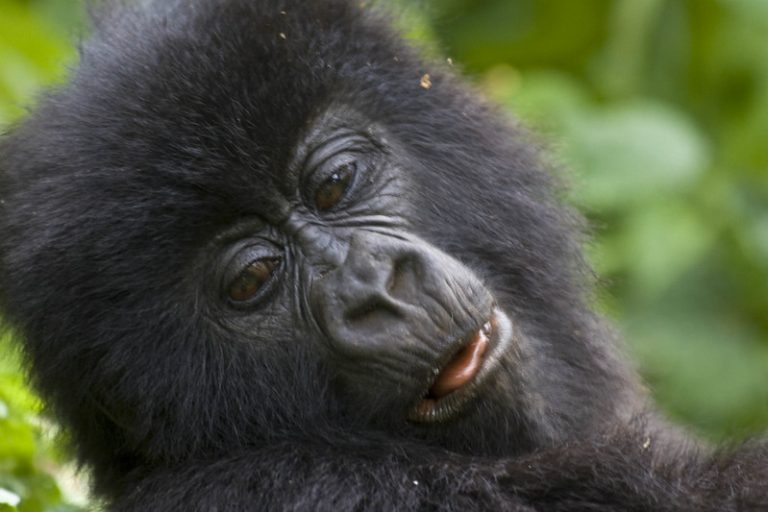
For buffalo and elephant in large numbers, the Okavango Delta and Hwange are hard to beat. The Big Five on a self drive budget points to Kruger; our Kruger safari cost guide breaks it down. For predators, the Masai Mara and the Serengeti are the classic choices, and both pair easily with gorilla trekking in Bwindi, where the closest wildlife experience in Africa happens on foot, an hour with a habituated mountain gorilla family. Permits for that are covered in our guide to Uganda gorilla permits, and photographers will find the gorilla trekking photography guide useful.
African Hunting Safari Cost FAQ
How much does an African hunting safari cost in total?
Published outfitter prices and hunting guides give these typical ranges for the hunt itself, before flights, taxidermy and shipping. All figures are in US dollars and vary by outfitter, species and trophy quality.
| Type of hunt | Typical hunt price |
|---|---|
| Cull hunt, SA | From about $2,950 |
| Plains game, 7 days | $5,000 to $12,000 |
| Cape buffalo, 10 days | $8,500 to $20,000 |
| Leopard, Namibia | About $23,000 |
| Big Five species | $35,000 to $120,000+ |
Once flights, dip and pack, shipping, taxidermy, tips and an observer are added, one detailed estimate puts a seven day South African plains game trip at roughly $14,000 to $27,000 all in, and a ten day buffalo hunt at about $19,000 to $37,000. Tanzanian concession hunts with charter flights can run from $80,000 upward. Treat every figure as a starting point for a written quote.
What are typical daily rates and observer fees on a hunting safari?
| Rate | Typical range |
|---|---|
| Plains game, 1×1 | $290 to $450 a day |
| Plains game, 2×1 | $200 to $375 a day |
| Dangerous game | $700 to $1,500+ |
| Observer | $150 to $275 a day |
These ranges come from several current South African and Namibian price lists. Namibian lists add a 15% government tax on daily rates, and some outfitters charge a reduced rate for arrival and departure days. Big Five and remote concession hunts in Tanzania or Zambia sit well above the dangerous game range.
What are typical trophy fees for African species?
| Species | Typical trophy fee |
|---|---|
| Springbok | $350 to $550 |
| Impala | $500 to $650 |
| Warthog | $225 to $600 |
| Blue wildebeest | $950 to $2,500 |
| Gemsbok (oryx) | $1,000 to $1,500 |
| Kudu | $2,000 to $2,500 |
| Cape eland | $2,300 to $2,500 |
| Sable | $4,200 to $6,500 |
| Cape buffalo bull | $8,900 to $14,500 |
| Leopard | From about $7,500 |
These are South African and Namibian price list figures. Females, cull animals and smaller trophies cost less; colour variants and record size animals cost more. Lion and elephant are usually sold as full packages, with guides quoting from about $15,000 upward for elephant and $25,000 upward for lion where those hunts are legal at all.
What extra costs should I budget for beyond the hunting package?
Flights to Johannesburg or Windhoek usually cost $1,500 to $3,500 return from North America or Europe. Rifle hire runs from about $35 a day of use to about $250 per safari, with ammunition often $5 to $8 a round. Tips for the professional hunter, trackers and camp staff commonly total $700 to $1,400 for a seven day hunt. Dip and pack is often $200 to $400 per animal, shipping a few hundred dollars per trophy, and a single shoulder mount $1,800 to $3,500. Many hunters find the after hunt costs match the hunt itself.
Which African countries allow hunting safaris?
South Africa, Namibia, Zimbabwe, Tanzania, Mozambique, Zambia, Botswana (under quotas since the ban was lifted), Cameroon, Ethiopia, Uganda (outside national parks) and a handful of others issue hunting licences. Kenya and Rwanda do not allow trophy hunting.
Can you hunt in Uganda or near Bwindi?
Not in Bwindi or any other Ugandan national park. The Uganda Wildlife Authority licenses limited sport hunting on community land outside the parks, in areas around Lake Mburo and parts of Karamoja. Mountain gorillas and chimpanzees are fully protected and are never on any hunting quota. Visitors to Bwindi come to track gorillas on foot; see our Bwindi gorilla trekking guide.
Can I bring a hunting trophy home?
Sometimes. You need an export permit from the hunting country and, for CITES Appendix I species and many others, an import permit from your own country, applied for before the hunt. The US requires extra permits for lion and elephant, the EU requires import permits for several species, and some countries ban certain imports altogether. Check before booking.
How long do trophies take to arrive after the hunt?
Dipped and packed trophies often take several months to clear export, freight and customs. Finished mounts done in Africa can take a year or longer. Import permits for protected species can take months to issue, so applications are made well before travel.
Can a non hunting partner come on a hunting safari?
Yes. Observers pay a lower daily fee, share the lodge and vehicle, and can usually add day trips such as a Kruger game drive, Victoria Falls or a township tour, charged separately.
When is the best time of year for a hunting safari in Africa?
The dry season, roughly May to September in South Africa and Namibia and May to October in Zimbabwe, when bush is thinner and game gathers near water. Late September and October can be very hot in Zimbabwe and the Zambezi Valley.
Should I take my own rifle or hire one?
Taking your own means permits at home and in Africa, airline fees and paperwork on arrival. Hiring from the outfitter avoids all of that and suits a first plains game hunt. Hunters who want their own rifle for dangerous game usually apply for permits several weeks before travel.
Is trophy hunting good or bad for conservation?
Opinion is split. Supporters, including an IUCN briefing paper, say well regulated hunting funds habitat protection and gives communities a reason to keep wildlife. Critics say benefits rarely reach communities, quotas are poorly set and photographic tourism can do the same job. The debate is summarised in the ethics section above.