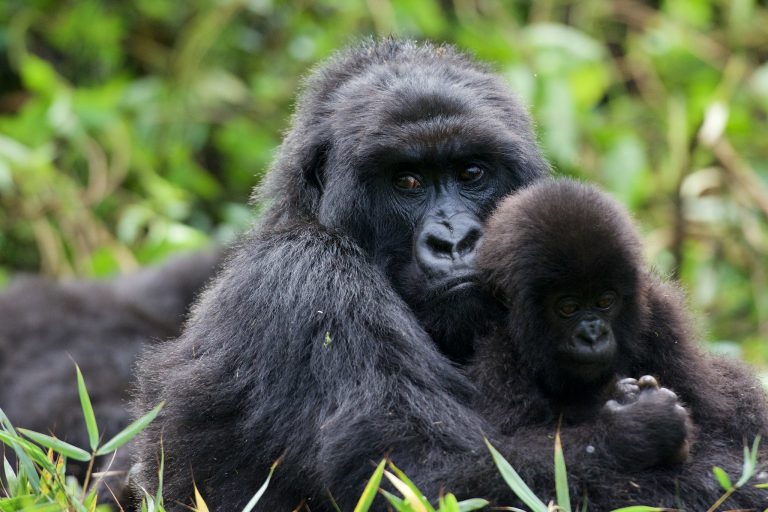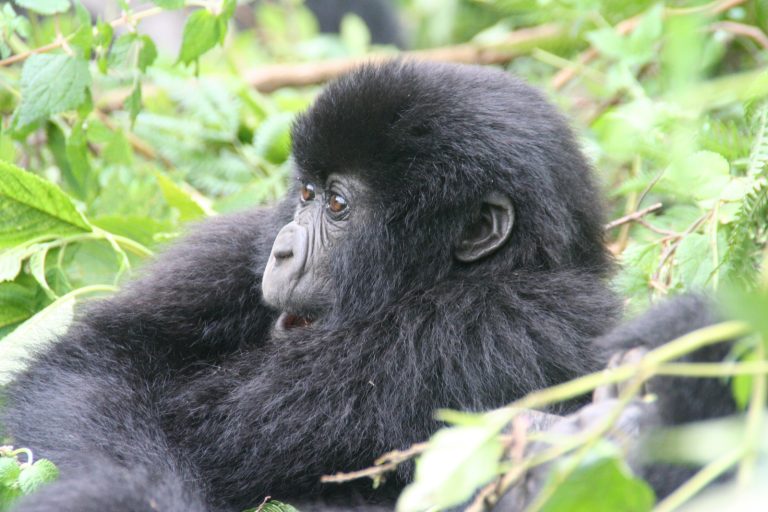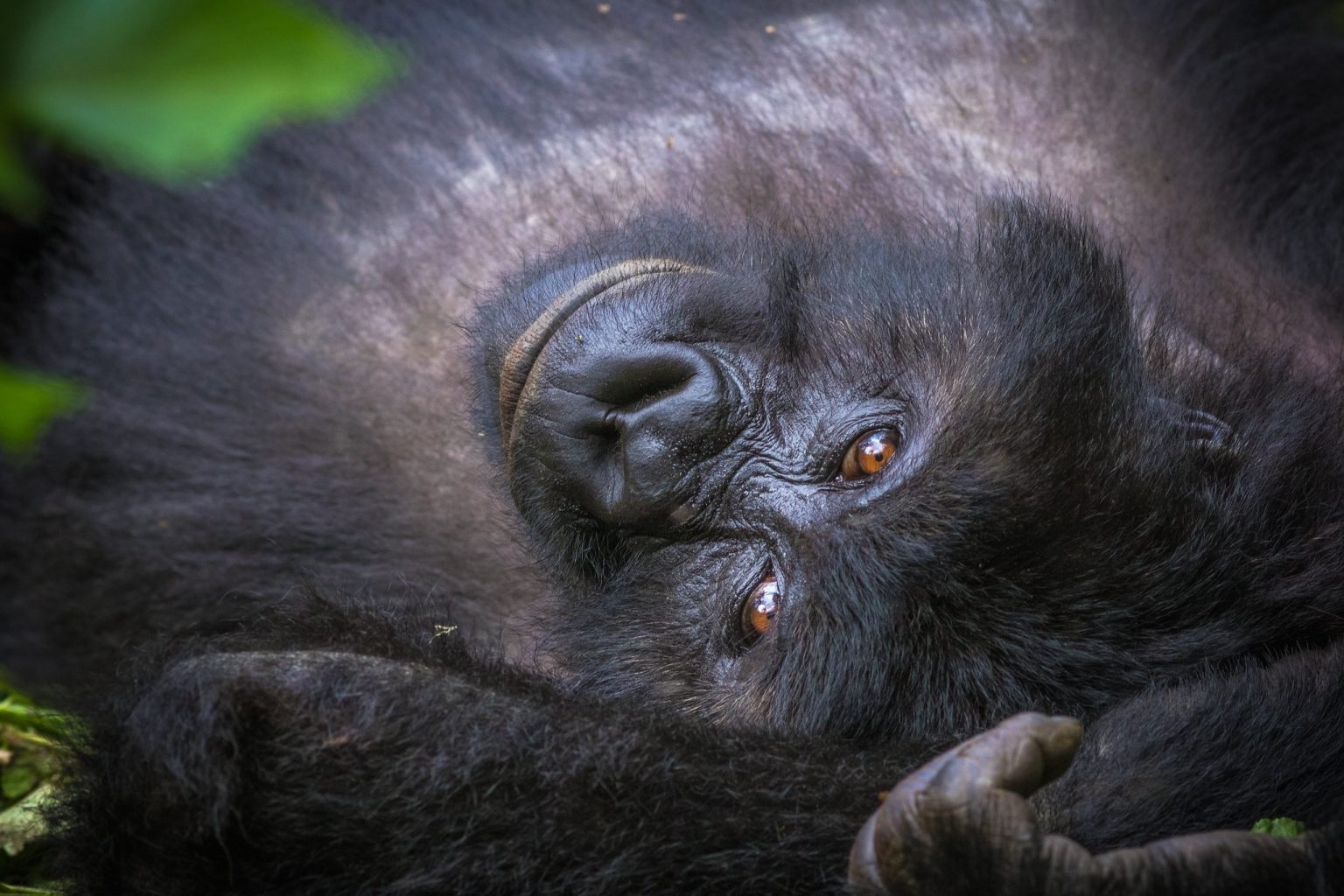
The Bitukura gorilla group is a habituated mountain gorilla family in the Ruhija sector of Bwindi Impenetrable National Park, on the park’s high eastern ridge. It is visited on a Ruhija permit issued by the Uganda Wildlife Authority, and the family you trek is assigned by rangers at the morning briefing. Bitukura is known for living peacefully with several adult males and for one of the fastest habituations in Bwindi.
Some older guides, including an earlier version of this page, place Bitukura in Buhoma. In fact the family lives on the Ruhija side of the park, two to three hours by road from Buhoma. The difference matters, because your permit, your lodge and your drive all follow the sector. Here is the family’s story and what a gorilla trekking safari to see it involves.
Bitukura Gorilla Family History: A Fast Habituation in Ruhija
Most families take two to three years to accept people. Bitukura took far less. Bitukura habituation work began in 2006 by IGCP’s account (several operators say 2007), and the group was ready for visitors after only about 15 months of daily contact. Trackers already knew these gorillas by sight. They kept crossing paths with them while following the neighbouring Kyaguliro research group, so the family had grown used to seeing people long before the formal programme began.
Tourism started around 2008, with one operator dating the first visitors to October of that year. At the time the group was larger than it is now; several histories put it at about 24 members. Quarrels between the males and the usual traffic of young adults leaving for other groups brought it down over the years that followed. Guides still like to call Bitukura the quick learners of Ruhija, a family that took to people faster than any other in the park.
Early accounts also mention a contest between silverbacks called Zeus and Rukina. Those two males belong to the story of the neighbouring Kyaguriro research group rather than Bitukura: Rukina overthrew the long serving Zeus there in 2014, and after Rukina’s death Kyaguriro divided in 2016, producing the Mukiza family. One operator adds that a mature Bitukura silverback attacked Kyaguriro’s young successor during that unsettled period, which, if accurate, shows how closely the two families’ ranges overlap. It is not confirmed in the conservation records available today.
Silverbacks of the Bitukura Group: Karamuzi, Ndahura and Mugisha
Bitukura’s defining trait is tolerance. IGCP says the family has lived with as many as five adult males at once, and up to four of them have been full silverbacks, far more than most groups put up with. The males often form pairs that stick together during squabbles. In the older rosters the silverbacks Rukara and Rukumu kept company, as did the two blackbacks Mugisha and Obia, and those alliances showed most clearly whenever the bigger males argued. By most accounts the old silverback Karamuzi stood aside for years while a much younger male, Ndahura, led the family, a rare arrangement that guides loved to explain at the briefing. Ndahura was described as the second youngest of the silverbacks when he took charge, and Karamuzi is now spoken of as retired.
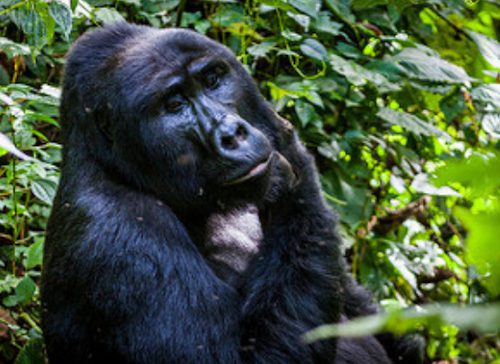
Ndahura’s time ended suddenly. He fell from a tree and died on 18 December 2016, according to the International Gorilla Conservation Programme. Leadership passed to Mugisha, who appears in older rosters as one of the group’s blackbacks and has since matured into a silverback.
The roster this page carried for years is below. It reflects the family before 2016 and is kept as a record; ask your ranger which of these gorillas are still present.
Bitukura Group Size Today
IGCP’s latest profile records 13 gorillas: two silverbacks, two blackbacks, four adult females, one subadult, two juveniles and two infants. Operator pages range from 13 to 15 or more, often citing a birth in 2019 or an older silverback count. One Ruhija operator gives 14, made up of four silverbacks, four adult females, two juveniles and four young; another gives 15 including a newborn. Our family directory puts Bitukura at 11 to 14, which covers the recent conservation counts.
Membership keeps shifting in both directions. Ruhara, listed as the newest arrival in some older rosters, is now described as an adult, and births have replaced several of the gorillas that left. For context, IGCP counts 44 habituated mountain gorilla families across Uganda, Rwanda and DR Congo, with an average of about ten members, so Bitukura sits a little above the typical size.
Thirteen is a comfortable size for an hour’s visit. The family spreads out to feed but rarely so far that you lose sight of most of it, and with two silverbacks there is usually a big male in view.
How Hard Is Bitukura Gorilla Trekking?
Ruhija is the highest of Bwindi’s trekking sectors, and the starting point sits on a ridge at around 2,300 metres. Bitukura gorilla trekking usually means walking down into the valleys where the family feeds, then climbing back up afterwards. That return climb is what people remember.
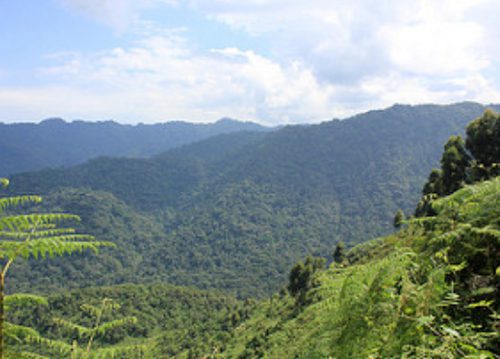
The family does have a habit that helps: it often forages near the Ruhija tourism station and along the forest edge. On those days the walk can be an hour or two in total. On others the trackers find it deep in a valley, and the round trip stretches to five or six hours.
Mornings up here are cold and often misty, and the altitude leaves some visitors short of breath on the first steep section. Take it slowly; the ranger sets the pace for the slowest walker anyway. A porter is money well spent on the climb out.
The day itself follows the usual pattern. Report to the Ruhija briefing point by about 7:30, listen to the rules talk and the family history from the warden, then set off in a group of no more than eight with an armed ranger. Advance trackers will have left at dawn to find where Bitukura nested the night before, and they radio the position as you walk. Expect to stop now and then while the guide cuts a way through the thicket with a machete.
Once you reach the family, bags and sticks stay with the porters a short way back and the hour with the gorillas begins, at a distance of about ten metres. Each habituated family receives no more than eight visitors a day, and anyone with a cold or cough is asked to stay behind, because human illness can spread to gorillas.
Requesting the Bitukura Family on Your Ruhija Permit
Families cannot be booked by name. UWA sells gorilla permits for Ruhija, and the warden allocates visitors to Bitukura or one of the other Ruhija families on the morning, taking fitness and requests into account. Pass your preference to your safari company when they buy the permit, then mention it again at the briefing.
Ruhija often has permits when Buhoma is sold out, because fewer travellers think of it. That makes Bitukura a good fallback if your dates are fixed. The other Ruhija groups, Oruzogo, Kyaguliro and the newer Mukiza family, are described on our Ruhija gorilla trekking page.
Each has its own character. Oruzogo opened in about 2011 and was known for years as a busy family full of juveniles. Kyaguriro, spelled Kyaguliro by some operators, is kept mainly for research, with Max Planck Institute scientists following it since 1998, and it is opened to visitors only at times. Mukiza is the half of Kyaguriro that left in 2016 under the silverback of that name. Whichever of the four you are given, the trailhead, the ridge and the climb back up are the same.
Ruhija Lodges Closest to the Bitukura Trailhead
Ruhija has fewer lodges than Buhoma or Rushaga, strung along the ridge road. Gorilla Mist Camp sits on the side of the sector where Bitukura, Oruzogo and Kyaguliro range, about five kilometres from the briefing point. Ruhija Gorilla Safari Lodge and the non profit Bakiga Lodge are closer to the trailhead, and Kiho Gorilla Safari Lodge offers more comfort a little further out on Bugarama Hill.
Budget travellers can look at Broadbill Forest Camp or the community run Ruhija Gorilla Friends Resort. Full details by tier are on our Bwindi lodges page. Wherever you stay, ask for a hot water bottle; nights on the ridge are the coldest of most Uganda trips.
Sleeping on the ridge itself is the main advice operators give for a Bitukura trek. Staying in Buhoma means leaving long before dawn for the drive across, and staying in Kabale or at Lake Bunyonyi means a start at around 5 am and roughly two hours on a dark mountain road before the briefing. Either works if your itinerary forces it, but a night in Ruhija gives you a calmer morning and fresher legs for the climb out.
Packing for a High Altitude Bitukura Trek
Ruhija adds warmth to the usual kit list. Start the morning in a fleece or light down layer that packs small, because you will shed it once the climbing starts. Waterproof boots with good grip, gaiters, gloves for the vines and a reliable rain jacket complete the essentials.
Bring trekking poles if you use them at home, or take a stick at the gate. Our gorilla trekking packing list is the full gear hub, and the guides to rain jackets and daypacks help with the two items people most often regret skimping on.
Other Gorilla Families, Birding and Getting to Ruhija
Ruhija is also Bwindi’s birding base. The trail from the ridge down to Mubwindi Swamp is where birders look for the African green broadbill, one of the Albertine Rift endemics, so a spare day here is easy to fill.
For comparison with other parts of the park, the Mubare family in Buhoma is Uganda’s oldest habituated group, Rushegura often feeds near Buhoma’s headquarters, and the Nshongi group anchors the Rushaga sector in the south. Every family is listed on our gorilla groups hub. Ruhija is reached by road from Kabale or from Buhoma, and our getting to Bwindi page has the routes. Most visitors need a Uganda visa, and the East Africa tourist visa page explains the single country and regional options. Many travellers continue to other Uganda safari highlights or fly on to Kenya or Tanzania afterwards.
Bitukura Gorilla Group FAQ
How much does a Bitukura gorilla trekking permit cost?
Bitukura is trekked on a Ruhija permit at the standard Uganda rate: US$800 for foreign nonresidents, US$700 for foreign residents and UGX 300,000 for East African citizens. A US$600 rate has been announced for April, May and November. Ask your operator to confirm the price for your date.
How many gorillas are in the Bitukura group?
IGCP’s latest profile counts 13, with two silverbacks, two blackbacks, four adult females and five young. Operators quote 13 to 15, and the family once numbered about 24.
How many silverbacks does the Bitukura family have?
Two in the latest conservation count. In earlier years it held up to four silverbacks at once, Ndahura, Karamuzi, Rukumu and Rukara, which is why it is known as a family of many males.
Is Bitukura in Buhoma or Ruhija?
Ruhija. The family lives on the eastern ridge of Bwindi and is trekked from the Ruhija briefing point, not from Buhoma.
Why was Bitukura habituated so quickly?
Trackers following the nearby Kyaguliro group had been seeing these gorillas for years, so they were already partly used to people. The formal programme took about 15 months instead of the usual two to three years.
Who leads Bitukura now?
Conservation records name Mugisha, who took over after Ndahura died in a fall in December 2016. Your ranger will confirm the current leader on the day.
Is the altitude in Ruhija a problem?
Rarely serious. At around 2,300 metres most people feel only some breathlessness on climbs. Walk slowly, drink plenty and tell the ranger if you feel unwell.
Can I combine Bitukura with birding?
Yes. Ruhija is the base for the Mubwindi Swamp trail, so a gorilla day and a birding day from the same lodge is an easy pairing.