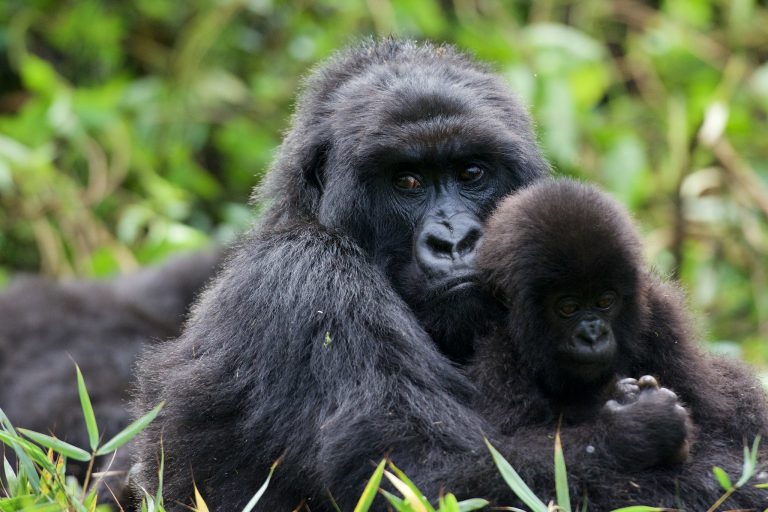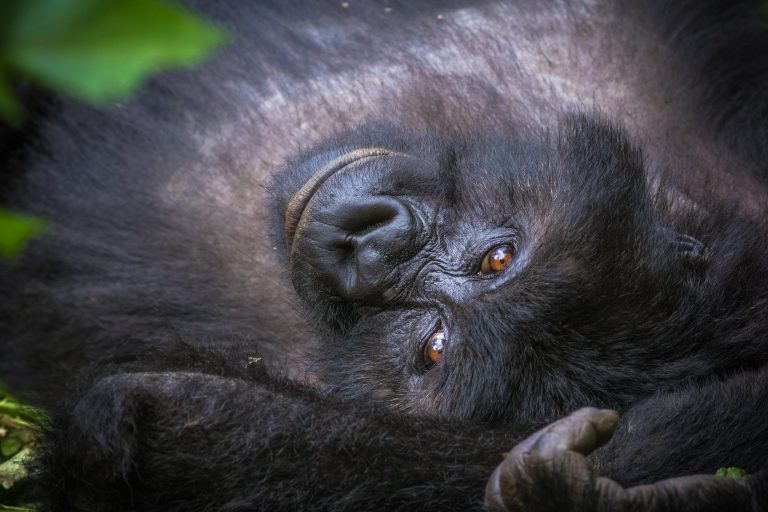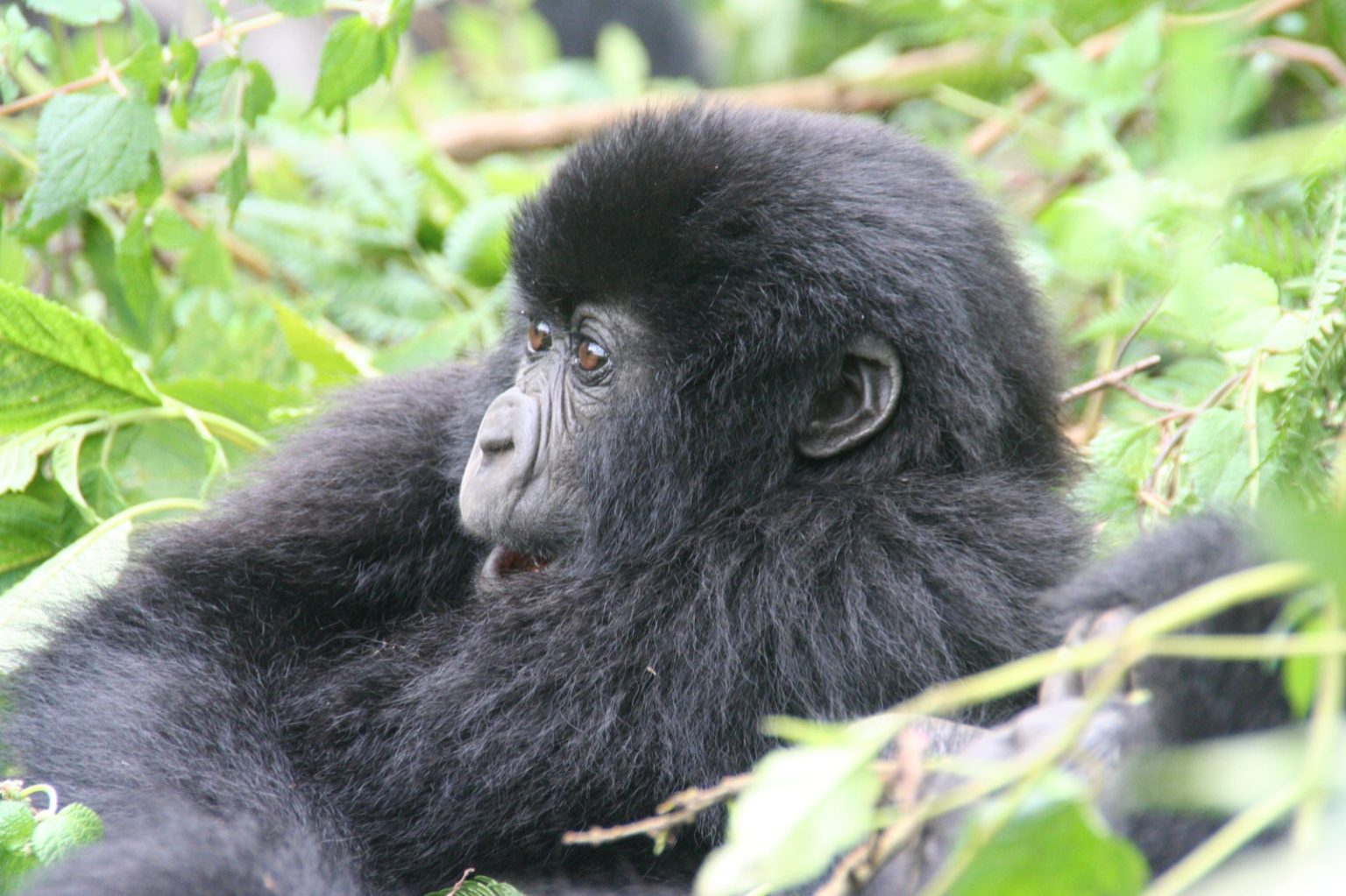
The Mishaya gorilla group is a mountain gorilla family in the Rushaga sector of southern Bwindi Impenetrable National Park, formed in July 2010 when the silverback Mishaya broke away from the Nshongi group. Mishaya died in 2014, and the family that carries his name has since been rebuilt under another male. Visits run on Rushaga permits from the Uganda Wildlife Authority, with families allocated by rangers on the morning.
Few gorilla families have had a stranger decade. Mishaya’s group was born in a rebellion, lost its founder to a rare illness, scattered, and was found again years later under a male from the same parent family. If you are heading to Rushaga, this is the story a ranger may tell you at the briefing, along with the practical details of a Bwindi gorilla trekking safari in the south.
Mishaya’s Breakaway from Nshongi: Origins of a Rushaga Trekking Family
When the Nshongi group opened to tourists in 2009, it was the largest habituated gorilla family anyone had recorded, with about 36 members and several adult males living together. That peace lasted less than a year. In July 2010 Mishaya, one of the junior silverbacks, left with roughly ten gorillas, mostly females and their young. Accounts of the exact number vary between eight and 13.
Mishaya took his followers to a separate part of the Rushaga forest, and UWA began offering visits to the new family soon after. That split is why Rushaga, opened only in 2009, quickly had more than one family to trek.
The name comes from the founder. Rangers and the conservation programme that profiles Bwindi’s families use the silverback’s name for the group, and it stuck after he died, the same way Nshongi kept its name. One operator page says the family was named after an area of the forest, but we found nothing to back that up. Spellings drift too: you will see Mishaya, Mashaya and Miyasha, and the parent group written as Nshongi or Shongi.
Accounts also differ on Bweza. One older guide says Bweza left Mishaya’s group, while the conservation profiles and most rangers describe Bweza as a second breakaway from Nshongi in 2012. Either way, all three families share the same roots, which is why trackers sometimes see them range close to one another.
Silverback Mishaya: Fights, Injuries and a Sudden Death
Mishaya was a fighter. Guides describe him seeking out other groups and taking females from them, which is how a young silverback builds a family. It came at a cost. In April 2011 he clashed with a wild, unhabituated group and was badly hurt, along with a two year old infant from his family. Vets from the gorilla health programme treated both, and both recovered.
Then, on 3 February 2014, UWA trackers on patrol found him dead in the forest. He was 28. A post mortem by Gorilla Doctors found a full twist of the small intestine, a condition they had not seen reported in mountain gorillas before, which probably killed him within a day. A health check only a week earlier had shown nothing wrong. Some trekking guides still say the cause of death was never found; the post mortem result is the one to trust.
Losing a silverback puts a family at real risk, since a passing male may kill infants to bring their mothers back into breeding. Here a blackback called Mwine stepped up, kept the females together and protected the young, including an infant born to the female Mwiza only weeks before Mishaya died.
The Mishaya Group Today: Tinfayo, Size and Members
What happened after 2014 explains why sources disagree so much. The International Gorilla Conservation Programme reports that the group did not hold together for long without a mature silverback. Some members joined the Bweza and Bikingi families. The rest were found again in May 2018, now led by Tinfayo, a male who had himself left Nshongi around 2012 with the adult female Shida and her infant Rotary. Rangers then habituated the family a second time.
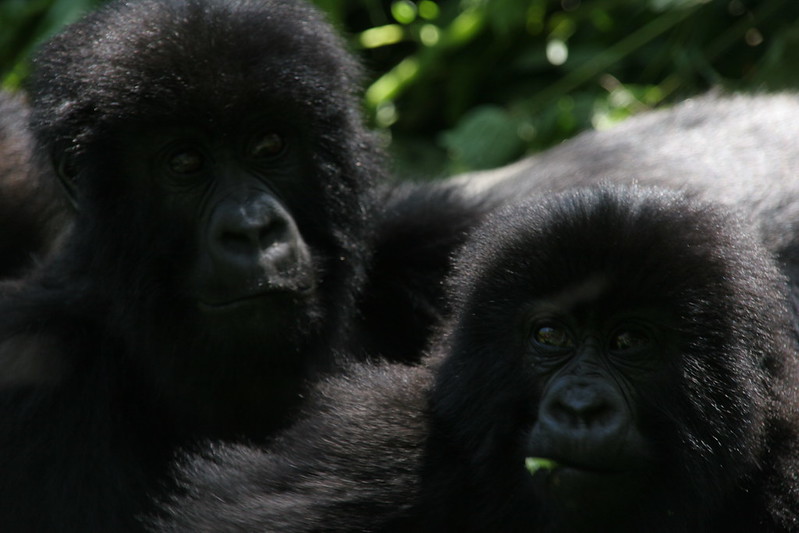
IGCP’s latest profile counts nine gorillas: one silverback, five adult females, one juvenile and two infants. Many operator pages still describe Mwine as leader with 12 to 14 members, figures that belong to the years just after Mishaya’s death. Other guides give seven or eight, one with a single infant where IGCP lists two. Put together, the counts run from about 7 to 12, which is the range our Bwindi gorilla families directory uses, and the true figure on your trek day depends on births, deaths and any female who has moved to a neighbouring group.
The roster this page carried before is below, kept for the record. It shows the family in its first years under Mishaya.
Because the family went through habituation again after 2018, check with your safari company whether Mishaya is currently on UWA’s standard trekking rota, and on what terms. Allocations in Rushaga change as new families open and others are rested.
Mishaya Gorilla Group Conservation: Trackers, Vets and Bwindi’s Census
Every habituated family in Bwindi is visited daily by Uganda Wildlife Authority trackers, whether tourists come or not. They follow the group from its night nests, note who is present, and report injuries, births and strangers. That routine is how Mishaya’s 2011 wounds were spotted in time for treatment, and how his body was found within hours in 2014.
The vets of Gorilla Doctors work alongside the rangers. They step in only when a problem is caused by people, such as a snare, or threatens the whole group, as with a serious wound or a respiratory outbreak. Their post mortem on Mishaya added a new condition to the record of mountain gorilla health, which is one reason his death is so often retold.
Re-habituation after 2018 was about monitoring as much as tourism. A family that scatters and drifts away from daily contact can no longer be checked for snares or illness, so rangers spent time getting Tinfayo’s group used to people again before visitors joined them. The money from trekking permits pays for much of that work, and a share of park revenue goes to the parishes around Rushaga.
The family is a small part of a bigger picture. Bwindi’s 2018 census counted 459 mountain gorillas, close to half the world total of 1,063, and results of the newer census are still awaited. Our page on the mountain gorilla census explains how those counts are made, and the silverback gorilla facts guide covers why a family depends so much on its lead male.
Mishaya Gorilla Trekking: Terrain and Difficulty
Rushaga sits lower than Ruhija or Nkuringo, on hills that roll rather than plunge, yet the sides of each valley are steep and the forest is dense and humid. A Mishaya gorilla trek is usually rated moderate. The family often ranges a little deeper into the forest than some of its neighbours, so the walk in can be longer than average.
Times vary from about an hour to five or more before contact. Many visitors to Rushaga say the descent into a valley felt easy and the climb back out did not, so save some energy. A porter, a stick and steady pacing make it manageable for anyone of ordinary fitness.
A Mishaya Gorilla Trekking Day: Briefing, the Hour and the Rules
A Mishaya gorilla trekking safari day starts at the UWA briefing point at Rushaga, between about 7:00 and 7:30. Rangers check passports against permits, explain the rules and split visitors into groups of up to eight, one group per family. If you are given Mishaya, your group may drive a short way to a trailhead or walk from the post; one park guide puts the walk to the usual starting point at about half an hour.
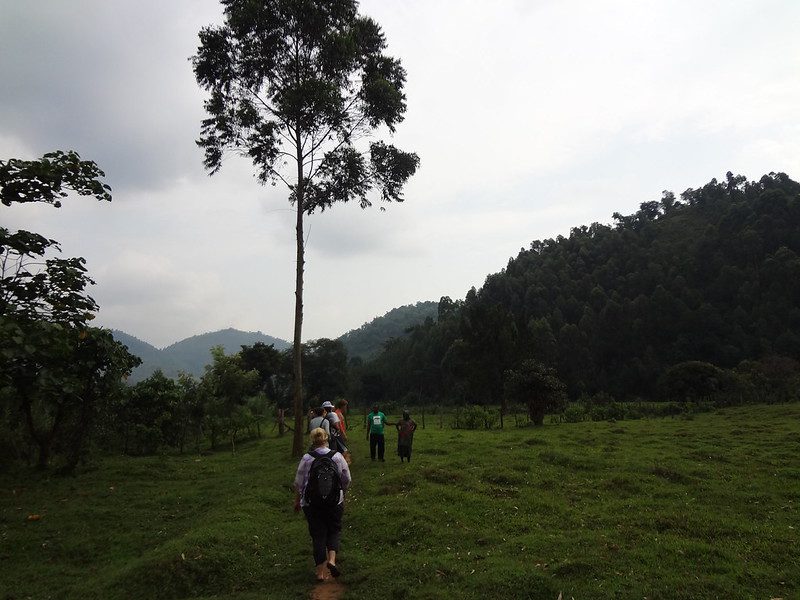
An armed ranger leads, trackers radio ahead with the family’s position, and porters carry the bags. On the way in, keep an eye out for black and white colobus, l’Hoest’s monkeys, duikers and a great many butterflies. Birds call constantly, though most stay hidden in the canopy.
Once you reach the gorillas you have one hour. UWA asks visitors to stay at least 10 metres away, and rangers may hand out masks. No flash, no eating or drinking near the family, voices low, and if a gorilla walks toward you, stay still or step back slowly as the ranger directs. With five adult females and young ones in the group, much of the hour is usually spent watching feeding, grooming and infants clambering over their mothers, while Tinfayo rests or keeps watch nearby.
Then the walk out, usually uphill. Back at the post the rangers hand out a trekking certificate, and most people are at their lodge by early afternoon. A cold, cough or fever can get you turned away on the morning, since gorillas catch human respiratory infections easily.
Asking for Mishaya on a Rushaga Gorilla Permit
The Uganda Wildlife Authority sells gorilla trekking permits for Rushaga as a sector. Your permit never names a family, and on the morning the warden assigns each visitor to one of the Rushaga groups. A request for Mishaya can be passed on by your operator and repeated at the briefing; rangers balance it against fitness and numbers, and they cannot promise it.
Rushaga has the most families of any Bwindi sector, so it often has space when other sectors are full. It is also the home of the four hour gorilla habituation experience, run with families that are still getting used to people.
Permits are paid in full when booked, since UWA suspended the short reservation hold, and the dry months sell out first. Book three to six months ahead for June to September or December to February. Permits bought at the lower rate UWA has announced for April, May and November cannot be rescheduled, so be sure of your dates before you take one.
Best Time for Mishaya Gorilla Trekking in Rushaga
Mishaya gorilla trekking runs every day of the year, and the family does not migrate with the seasons. What changes is the ground underfoot. The drier months, June to September and December to February, give firmer trails, easier roads into Rushaga and clearer light for photos, which is why permits go fastest then.
March to May and October to November are wetter. The red earth on the farm paths and the forest floor turns slick, the climb back out of a valley takes longer, and trekkers in these months often mention mosquitoes at the lodges in the evening. Rain rarely lasts all day, though, and the forest is at its greenest. Fewer visitors also means a better chance of a family close to your request.
Whatever the month, pack for rain. Our best time to visit Bwindi guide goes through the year month by month.
Rushaga Lodges Nearest the Mishaya Trailhead
Lodges line the road from the Rushaga gate towards Rubuguri. Gorilla Safari Lodge, a few minutes from the gate, is the established top choice. Ichumbi Gorilla Lodge and Four Gorillas Lodge offer good mid priced cottages, and Rushaga Gorilla Camp lets you walk to the briefing. Budget options include Rushaga Gorilla Haven Lodge, Nshongi Camp and Wagtail Eco Safari Camp in Rubuguri.
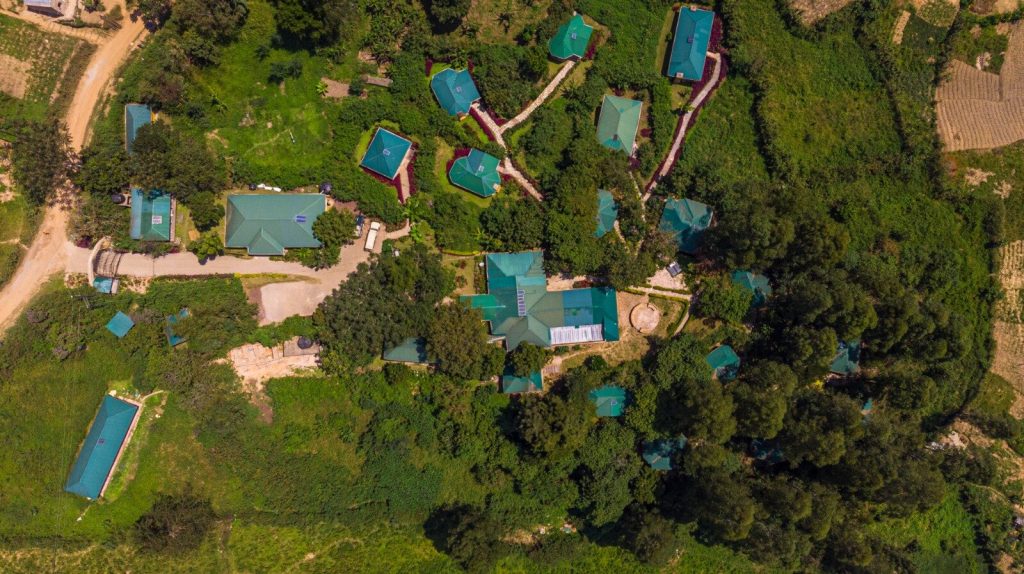
The Bwindi lodges guide compares them all by sector and tier. Lake Mutanda lodges work too, with an earlier start for the drive of up to an hour.
Packing for a Rushaga Gorilla Trek
Humid forest and steep valley sides call for waterproof boots with ankle support, long trousers you can tuck into gaiters, and gloves to grab vines. Bring a rain jacket, two litres of water, lunch and a warm layer for the hour you spend standing still.
Our gorilla trekking packing list is the gear hub. Anyone booking habituation should also read the separate habituation packing list, since four hours off trail calls for more.
Related Gorilla Families and Reaching Rushaga
Mishaya’s story is tied to Nshongi, its parent group and Rushaga’s first family. For a contrast with the north of the park, the Habinyanja family in Buhoma went through a similar split, peacefully, in 2002, and Mubare shows what happens to a small group when its silverback ages. Every family appears on our gorilla groups hub, and the sector itself is covered on the Rushaga gorilla trekking page.
Rushaga is the closest Bwindi sector to Rwanda. Many travellers drive across from Kigali in four to five hours, as described in gorilla trekking in Uganda from Kigali, or fly to Kisoro and drive about an hour. Mgahinga’s golden monkeys are close enough for an extra day, and gorilla trekking in Rwanda is a short drive over the border at Cyanika for anyone who wants to compare two countries’ families on one trip.
Mishaya Gorilla Group FAQ
What does a Rushaga gorilla trekking permit cost?
Standard Uganda rates apply: US$800 for foreign nonresidents, US$700 for foreign residents and UGX 300,000 for East African citizens, with a US$600 rate announced for April, May and November. The habituation experience in Rushaga is priced separately at US$1,500, and a rise to US$1,800 has been announced, with sources differing on when it takes effect. Permits, parks and the trek day are covered in full in our guide to gorilla trekking in Uganda.
How many members are in the Mishaya gorilla group?
Recent counts range from about 7 to 12. IGCP’s latest profile lists nine: one silverback, five adult females, one juvenile and two infants. Higher figures date from the family’s early years under Mishaya and Mwine.
How long does the Mishaya gorilla trek take?
From about an hour to five or more hours of walking before you reach the family, plus one hour with the gorillas and the walk back. Allow most of the day.
When is the best time to trek the Mishaya family?
June to September and December to February are the driest months and the easiest underfoot. The family can be trekked all year, and the wetter months bring fewer visitors.
How did silverback Mishaya die?
Gorilla Doctors’ post mortem found a twisted small intestine, which blocked blood flow and likely killed him within 24 hours. He was 28 and had shown no illness a week earlier.
Who leads the Mishaya group now?
IGCP names the silverback Tinfayo, a former Nshongi male. Some operators still say Mwine, which reflects the period right after 2014.
Is Mishaya related to Nshongi and Bweza?
Yes. Both Mishaya (2010) and Bweza (2012) split from Nshongi, and Tinfayo also came from Nshongi.
Can children trek the Mishaya family?
Only from the age of 15, the rule for every gorilla family in Uganda.
How fit do I need to be for Rushaga?
Reasonably fit. If you can walk for a few hours on hilly ground with breaks, you will manage with a porter and a stick.