So, Uganda vs Rwanda, which is better for your next trip? Whether you are seeking the ultimate wildlife experience or breathtaking mountainous landscapes, both countries have something incredible to offer.
Uganda is home to various wildlife, such as the ever-popular mountain gorillas. It also boasts some of Africa’s biggest national parks – including Murchison Falls National Park, Queen Elizabeth and Bwindi Impenetrable Forest.
On the other hand, Rwanda shines with its clean cities and the breathtaking Volcanoes National Park, ideal for those interested in gorilla trekking safaris and golden monkey adventure and culture.
There’s so much to love about each destination, whether it’s Uganda’s colorful and energetic local markets or Rwanda’s deep history, culture, and welcoming people.
Being aware of these important differences allows you to make a more informed decision that is best suited to your travel preferences.
Uganda vs Rwanda: An African Safari Showdown

So, when you’re planning your next safari adventure, take a look at Uganda and Rwanda. Whether you’re looking for primate encounters or big game viewing, both countries have something for everybody. Understanding what each country offers will set you up to make a smart decision.
1. Unique Wildlife Safari Experiences
Uganda and Rwanda are home to their beloved mountain gorillas. The best places to view them are Bwindi Impenetrable Forest in Uganda and Volcanoes National Park in Rwanda!
In Uganda, you’ll find chimpanzee trekking in Kibale National Park. On the other hand, Rwanda’s primate experiences, especially in Nyungwe Forest, are truly world-class! From the dense wildlife density to rare, endemic species such as the golden monkey, this is an experience that enhances your safari experience.
On the ground, conservation efforts in both countries are key to protecting these endangered species. These conservation efforts improve your chances of sighting rare animals while on guided tours!
2. Trekking Experiences: Gorillas and Chimpanzees
Trekking experiences differ quite a bit from each country. In Uganda, the treks tend to be more strenuous. They tend to demand a greater level of fitness.
Rwanda’s treks are typically shorter and easier. Guided treks ensure safety and optimal wildlife interaction. Be prepared for a few hours of trekking, though permits are more expensive in Rwanda.
Although the cost is steep, the once-in-a-lifetime experience of being so close to these magnificent creatures is absolutely priceless.
3. Adventure Activities and Outdoor Fun
As you can imagine, both countries are filled with tons of adventure activities. Uganda is famous for its white-water rafting on the Nile and mountaineering in the Rwenzori Mountains.
Meanwhile, Rwanda showcases breathtaking hiking trails around its volcanic mountains. Water-based activities like canoeing and boat safaris are an option in both areas.
Quad biking and horseback riding add to the experience even more, opening up the trails and paths to some truly distinctive landscapes.
4. Birdwatching and Scenic Landscapes
Whether you’re a dedicated birdwatcher or just enjoy beautiful scenes, vibrant avian life awaits you in both countries. Uganda is a birder’s paradise, with almost 1,000 bird species.
The greatest places to see them are in Queen Elizabeth National Park, but Rwanda’s Akagera National Park is just as full of variety! The picturesque scenery of both countries complements your birdwatching pursuits.
Easily reachable lookout points offer awe-inspiring landscapes, making your experience even more memorable.
Cultural Insights and Local Experiences

The cultural experiences you have in both Uganda and Rwanda will elevate your trip to a whole new level. The more you engage with local communities and discover what makes each nation unique, the more memorable your visit will become! With community-based tourism, you get to engage with the locals, experience their traditions and daily life, and gain a better understanding of their culture.
1. Community-Based Tourism Initiatives
In Rwanda, local initiatives such as the Nyamirambo Women’s Center provide jobs and opportunities for women while fostering responsible tourism. In Uganda, community-based initiatives like the Batwa Experience offer a glimpse into the heritage and lives of the country’s indigenous people.
These unique engagements directly fund conservation and community development initiatives. The economic benefits of community tourism enrich local community members’ livelihoods, meaning your visit makes a positive impact.
You’ll discover a range of immersive experiences, including guided village tours and cultural performances that bring to life the rich traditions of these two neighboring countries.
2. Local Cuisines and Dining Adventures
Uganda has matoke and posho, and Rwanda is known for its brochettes and isombe. Dining experiences, from vibrant street markets to fine dining restaurants, give you a chance to experience the local tastes.
Culinary tours like these in both countries allow you to discover the beauty of indigenous cooking techniques and local ingredients. Food has an incredible ability to be an entry point for cultural exchange.
Eating alongside your local hosts will lead to more intriguing, insightful discussions that give you a deeper appreciation of their lifestyle.
3. Cultural Heritage and Traditions
Cultural heritage sites such as the Kasubi Tombs in Uganda highlight the nation’s royal history, while Rwanda’s storytelling traditions preserve its past. Traditional crafts and art forms, from Ugandan basket weaving to Rwandan imigongo art, are an expression of the cultures and traditions of each place.
Because historical events directly influence the traditional practices still practiced today, it gives a very special and intimate view into indigenous cultures. Beyond that, there are myriad ways to immerse yourself in these traditions, making sure your journeys reverberate well past your homecoming.
Practical Considerations for Travelers

When choosing between Uganda and Rwanda for your next adventure, these practical considerations may determine your overall experience. Knowing what these key pieces mean will help you avoid the pitfalls and hit the highlights of a beautiful, well-planned trip.
1. Cost Analysis: Budgeting for Your Trip
Travel costs can differ greatly between Uganda and Rwanda. Uganda is generally quite a bit cheaper, with accommodations, food, and activities costing less. In Uganda, for example, meals may run $5 – 15.
By comparison, a comparable meal in Rwanda can cost anywhere from $10-$25. Gorilla trekking permits are not cheap, but can vary widely. For example, Rwanda’s permits run about $1,500 each, with Uganda’s being much less expensive at $800, allowing for greater access for budget-conscious travelers.
Group tours or package deals can offer additional savings, often covering the cost of transportation and guided experiences, adding to your value.
2. Flight Availability and Travel Logistics
Getting to Uganda and Rwanda involves some considerations. Both countries have large international airports, Entebbe International Airport for Uganda and Kigali International Airport for Rwanda. Direct flights to Kigali are much more common, making your travel logistics that much easier.
Once in Rwanda though, you’ll enjoy much shorter travel times between the major cities and national parks. By comparison, Uganda can involve much longer drives to simply get to the same destination. This is an important consideration, often more so for those on tighter schedules.
3. Health and Safety Guidelines
Health precautions should be taken into consideration when traveling to these areas. Vaccinations for certain diseases, such as yellow fever, are often mandated. Rwanda is known for being very safe, currently holding a Level 1 travel advisory, while Uganda requires usual precautions.
Travel insurance is a must, particularly so if you are going to be participating in more adventurous activities such as gorilla trekking. Both countries provide different healthcare facilities, but understand there are limitations in the more remote areas.
Comparing National Parks and Accessibility
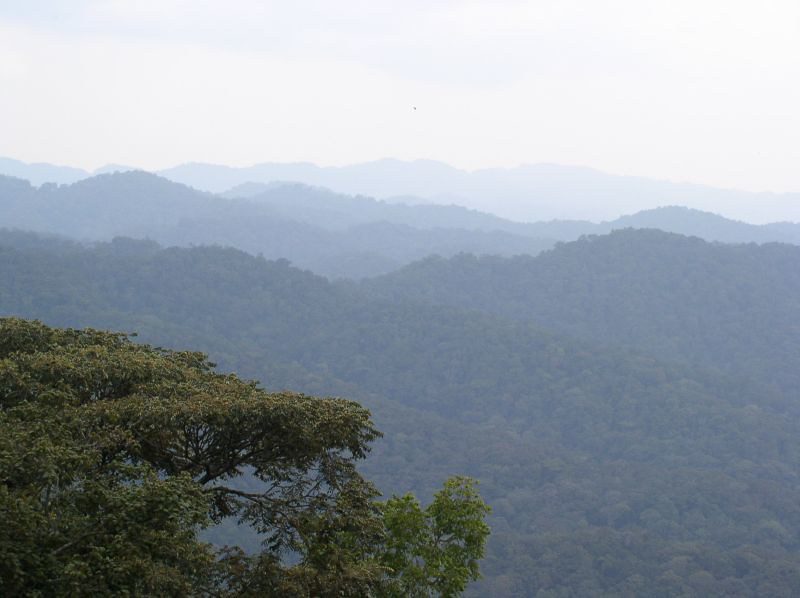
If you’re trying to decide between Uganda and Rwanda for your upcoming trip, the national parks are usually the first place people compare the two. Each country offers distinct ecosystems and thrilling wildlife experiences. They offer different degrees of accessibility, allowing for a wide range of traveler desires.
| Feature | Uganda (Bwindi Impenetrable National Park) | Rwanda (Volcanoes National Park) |
| Accessibility | Moderate; roads can be rough | High; well-maintained roads |
| Unique Attractions | Mountain gorillas, diverse ecosystems | Volcanoes, gorillas, golden monkeys |
| Visitor Amenities | Lodges, camping, local guides | Luxury lodges, community initiatives |
| Conservation Status | Strong; community involvement | Strong; well-funded programs |
1. Overview of Bwindi Impenetrable National Park
Bwindi is extremely important for the conservation of the mountain gorilla, as it is home to almost 50% of the world’s remaining population. The park is famous for its diverse wildlife and has many hiking trails that offer breathtaking views through thick forests.
Visitor facilities are excellent with comfortable high-end lodges and local expert guides that make trekking a once in a lifetime experience. Trekking in Bwindi is quite different, with something for novice and experienced trekkers alike.
Cultural exchanges, organized via community programs, offer a more immersive understanding of the local culture.
2. Highlights of Volcanoes National Park
Volcanoes National Park is characterized by its stark volcanic terrain as well as its dense rainforest. The country is an eco-tourism success story, known for the world’s best gorilla trekking, for the chance to come across other wildlife, like golden monkeys.
As it is in many other places, the park’s role in conservation and tourism is critical and fiercely protected by local communities. Accessibility is generally better than in Uganda, with well-maintained roads leading directly to the park, ensuring a smoother visitor experience.
3. Biodiversity and Visitor Experience
The highland gorilla experience in both Uganda and Rwanda is absolutely incredible and worth every penny. Uganda’s parks are home to the most species in Africa. Conversely, Rwanda has staked its tourism claim on gorillas, as well as the endemic golden monkey.
Wildlife sightings in both parks are astounding, adding to the unforgettable experiences of visitors. Uganda’s conservation strategies focus heavily on local communities, whereas Rwanda’s strategy blends government and NGO initiatives.
Protecting biodiversity is a legacy we must leave for future generations, and that’s why tourism must be sustainable.
Sustainable Tourism Practices

Sustainable tourism is key to safeguarding these precious natural resources, and ensuring that travelers can continue to commune with the beauty of Uganda and Rwanda for years to come. Of course, both countries practice sustainable tourism. Their hope is that we can all work together to protect their vibrant ecosystems and unique cultural heritage so future generations can fully appreciate these incredible destinations.
1. Environmental Conservation Efforts
Wildlife conservation programs Uganda and Rwanda have put in place important conservation programs, including wildlife protection units. On the ground in Uganda, protecting the mountain gorillas is a priority. In Uganda, the Bwindi Impenetrable National Park is central to protecting the mountain gorillas. Organizations such as the Gorilla Doctors help to continue these initiatives.
At the same time, the Rwandan government created the Volcanoes National Park to safeguard its own gorilla population. Working alongside non-governmental organizations (NGOs) supports and uplifts these efforts, with government and NGO collaboration creating sustainable habitats. Local engagement has been a clear success; indigenous people are on the frontline of conservation, including through eco-tourism initiatives that create economic benefits.
These programs often have a great success story, such as the recovery of the mountain gorilla population, to demonstrate their effectiveness. Despite these successes, poaching and habitat loss remain threats, and the commitment from governments, community members, NGOs, and travelers must continue.
2. Impact on Local Communities
Tourism is one of the most important drivers of local community economic development. Responsible tourism practices in both Uganda and Rwanda ensure that tourism revenue contributes to job creation and the growth of local businesses.
Community engagement in tourism creates several important social benefits, including cultural exchange and empowerment. However, the realities of tourism can sometimes result in adverse effects, such as over-reliance on tourism and cultural erosion. Balancing tourism growth with community needs is essential to ensure sustainable development that honors local traditions while providing economic benefits.
3. Responsible Tourism Engagement
Principles of responsible tourism urge everyone to appreciate and honor the cultures and environments we visit. As a traveler, what you choose to support makes all the difference. Ensuring that conservation continues to be supported by responsible tourism will have long-lasting effects.
Engagement opportunities, like supporting community-based tourism projects, go a long way in ensuring your impact is positive. When done right, responsible tourism minimizes the negative impacts while maximizing long-term sustainability and creating a stronger bond between travelers and the communities they visit.
Best Times to Visit Each Country
Planning your trip with an awareness of seasonal variations, weather patterns, and wildlife behaviors will help you make the most of your Uganda and Rwanda safari experience. With this information, you’ll enjoy a much better trip, making the most of your time in these gorgeous countries.
1. Seasonal Weather Patterns
Similar to Uganda, Rwanda is characterized by a marked division in climate from month to month. Uganda experiences a tropical climate, with two major rainy seasons occurring from March to May and October to November. Rwanda has a more temperate climate, frequently cooler owing to its height.
For trekking and wildlife viewing, the best months in each country are generally June through September. Sunny skies and low humidity characterize this dry season. In this season, outdoor life thrives, with amazing access to trails and other activities.
For an outdoor-activity heavy itinerary especially, weather is a huge consideration. The dry season offers the benefit of clearer skies and more stable weather. This makes them perfect for gorilla trekking, particularly in Uganda’s Bwindi Impenetrable Forest or Rwanda’s Volcanoes National Park.
In Uganda, expect temperature ranges between 60°F and 80°F. In Rwanda, temps are a bit cooler with heavy rains in the wet season. When it comes to packing, pack light layers for daytime adventures, including waterproof gear for those pop-up rain showers.
2. Peak Tourist Seasons and Their Benefits
Uganda’s peak tourist seasons range from June to September and December to February. Likewise, Rwanda sees the majority of its visitors during these months. Shear peak seasons make wildlife more visible, particularly important for gorilla tracking.
They come with serious challenges such as excessive traffic and a lack of available accommodations. At peak times, tours and experiences become more plentiful, with a variety of options available including guided hikes, cultural tours, and more.
Do expect a lot of company, especially at the most frequented spots, such as Lake Bunyonyi or the Genocide Memorial in Kigali. Even with these hassles, the electric energy draws in most adventure-seekers, creating an incredible moment to discover.
Frequently Asked Questions
Which country has better wildlife experiences, Uganda or Rwanda?
Uganda offers diverse wildlife, including the famous gorillas in Bwindi Impenetrable Forest. Uganda vs Rwanda gorilla trekking comparison Rwanda is most famous for its pristine gorilla trekking in Volcanoes National Park. Both are outstanding, but Uganda can offer a more diverse experience.
What is the best time to visit Uganda and Rwanda?
Like many African countries, Uganda and Rwanda are best visited during the dry seasons (June-September and December-February). These months have the best wildlife viewing and trekking conditions, ensuring your adventure is more rewarding.
How do I get around in Uganda and Rwanda?
In Uganda, you can take a private taxi, bus, or rent a car/in driver. Rwanda has a much more developed transport system, with ride-hailing apps such as Uber available and widely used. Whether you choose Uganda or Rwanda, both countries have something to accommodate every traveler.
Are there any health precautions to consider before traveling?
Are there any health precautions to take before visiting Uganda or Rwanda? Always check with your healthcare provider for the most current advice based on your travel itinerary.
Which country is more affordable for travelers?
Overall, Uganda is the cheaper option compared to Rwanda. From your accommodation to your activities, you will find options for the more budget-conscious traveler, saving you money in Uganda.
Is it safe to travel to Uganda and Rwanda?
Uganda vs Rwanda – Is it safe to travel there Both countries are very safe for tourists. Be aware of your surroundings and stay updated on local developments and travel advisories. Keeping your stuff safe and knowing what’s going on around you is key wherever you go.
What cultural experiences should I not miss?
In Uganda, be sure to catch traditional dance performances and visit local markets. In Rwanda, the Genocide Memorial and community visits offer profound cultural experiences. Either country will provide an experience that leaves you feeling more enlightened and empowered to travel the world.