
Explore. Experience. Belong.
Bwindi Impenetrable
National Park
Gorillas
One hour with a gorilla family stays with you for life. Your independent guide to permits, sectors, lodges and safari companies in Bwindi Impenetrable National Park.
Bwindi Impenetrable Forest National Park: Uganda's Gorilla Trekking Safari Forest
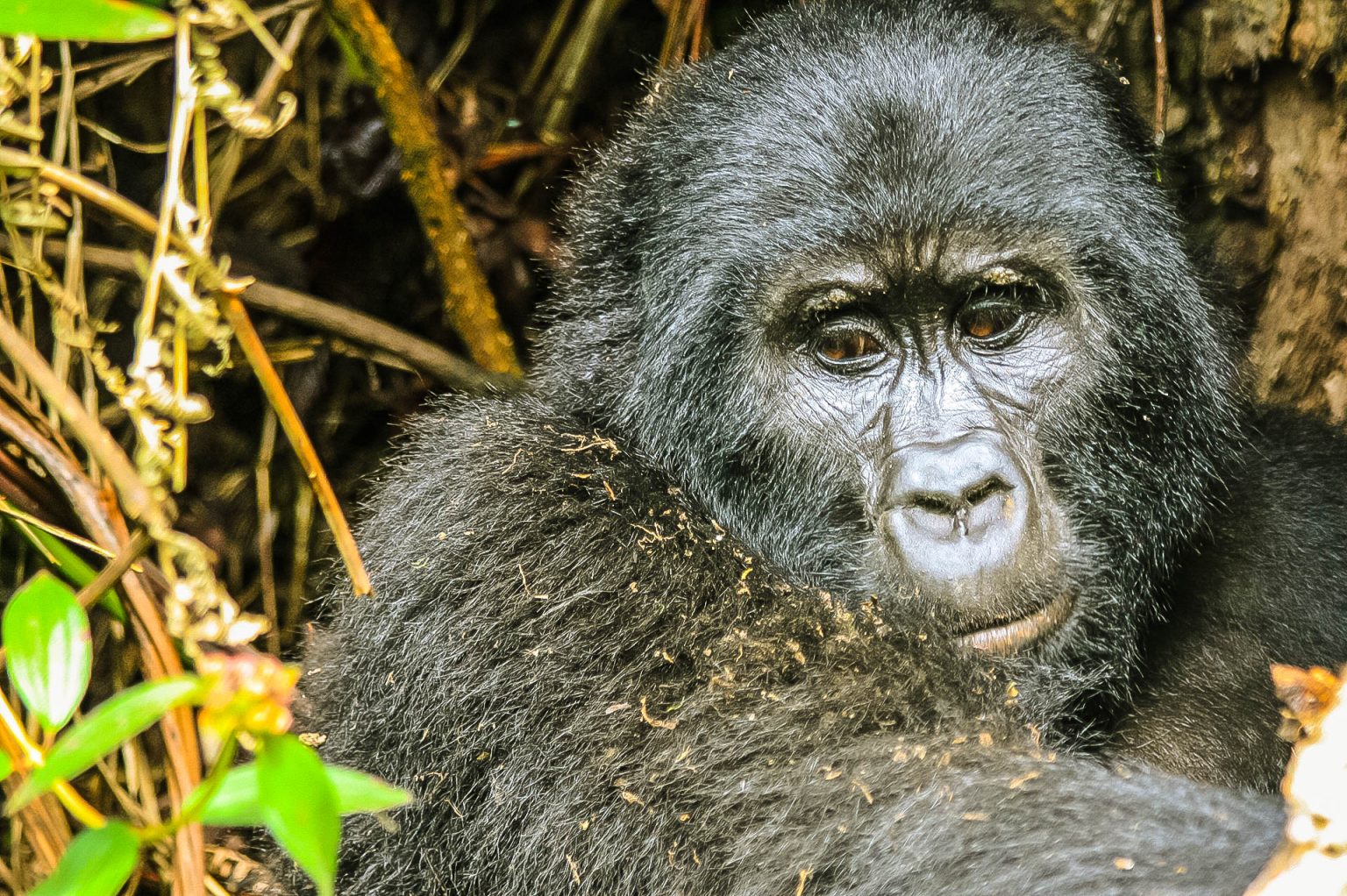
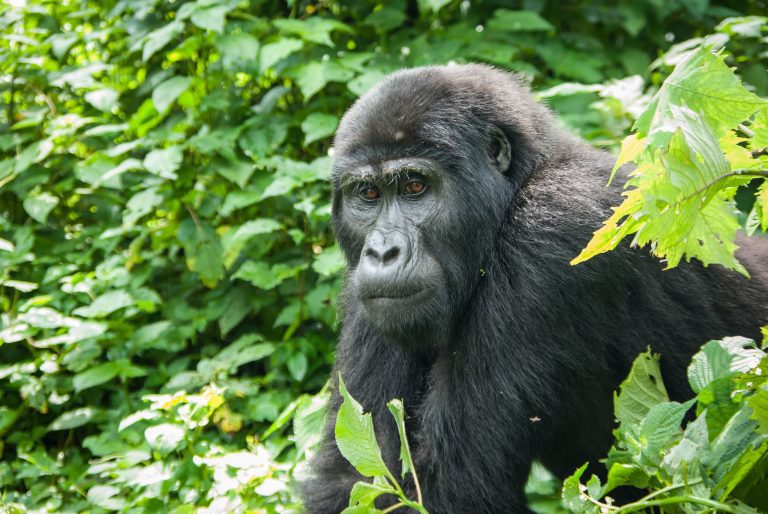
Bwindi Impenetrable Forest National Park is a protected rainforest in southwestern Uganda where visitors go gorilla trekking with rangers to spend one hour beside a habituated mountain gorilla family. Most travellers reach it on a three or four day gorilla safari from Kampala, Entebbe or Kigali, sleeping near one of four trekking sectors. The park borders the Democratic Republic of Congo, carries UNESCO World Heritage status and shelters close to half of the world's mountain gorillas.
That last figure is the reason the permits sell out. The 2018 census counted 459 gorillas in Bwindi and the neighbouring Sarambwe reserve, out of a world total of 1,063. A sixth census ran through the forest in 2025 and its gorilla results are still awaited.
Plenty of first timers worry the trek will be beyond them. Some days it is short. On others the family has moved deep into the ridges and the walk takes most of the morning. This guide explains how the sectors differ, what a trek day involves and when the trails are kindest, so you can pick a plan that suits your legs and your diary. For permits, costs, gorilla families and tour options in one place, start with our complete guide to Uganda gorilla trekking.
Bwindi Gorilla Trekking Sectors: Where to Trek
Your gorilla permit is issued for one sector, and the four sit hours apart by road, so book your lodge in the same sector as your permit. Family numbers change as groups split or open to visitors, which is why the counts below are ranges.

Buhoma
Forest · Classic Trek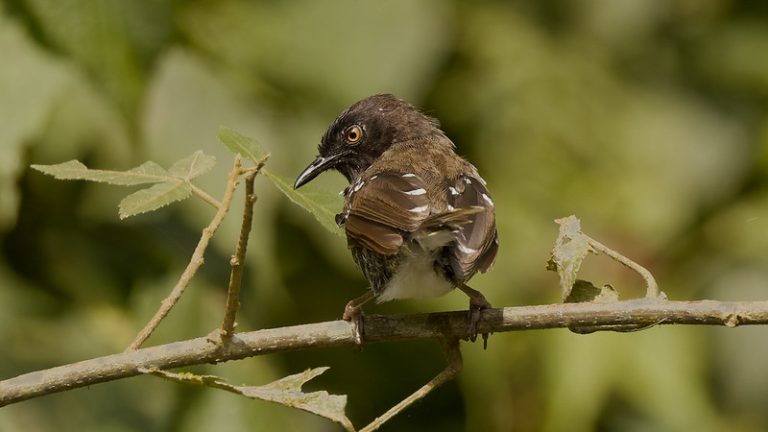
Ruhija
Birding · Bamboo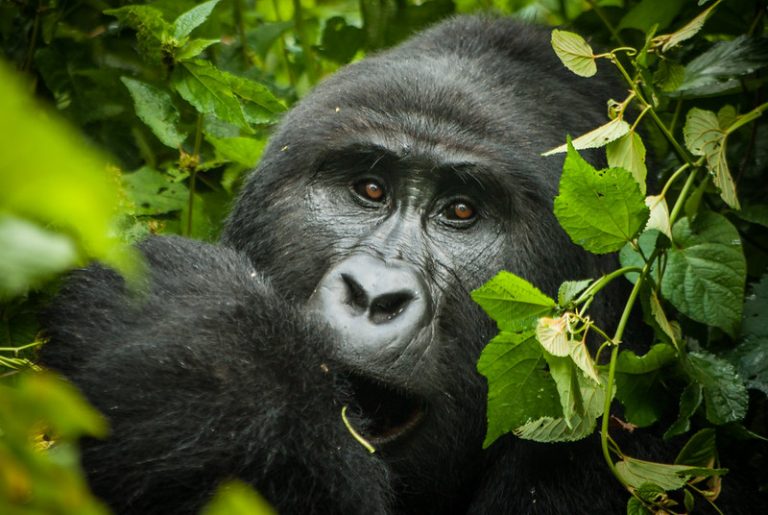
Rushaga
Most Families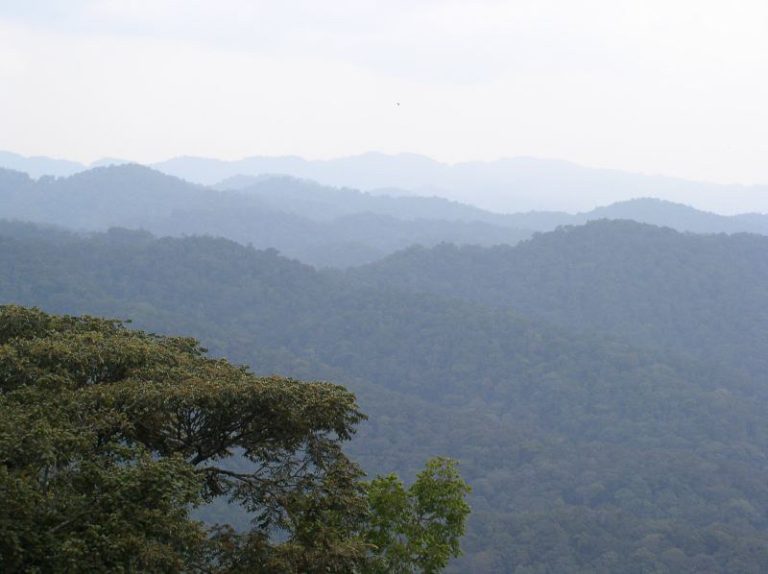
Nkuringo
Scenic · Challenging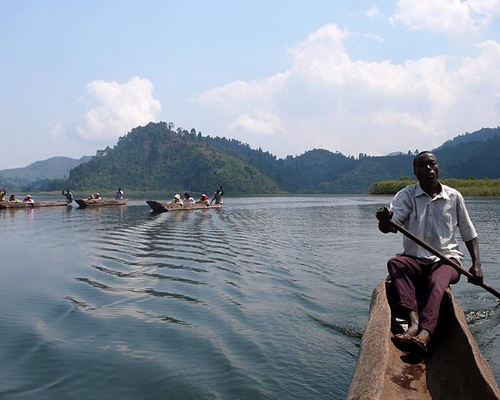
Lake Bunyonyi
Serenity · CanoeingWhere gorilla tracking began, with the Mubare family. Buhoma has the widest choice of lodges, a village walk and the waterfall trail on the doorstep. Treks here are often, though not always, the gentlest, which is why older trekkers and first timers tend to start here.
Buhoma trekking guideThe highest and coolest sector, at roughly 2,300 metres, with bamboo, a research station and the Mubwindi Swamp trail that birders travel for. Fewer lodges and fewer visitors. Mornings can be cold enough for a fleece.
Ruhija trekking guideThe sector with the most habituated families, so it is often the one with permits left when others are full. It is also the only place to book the Gorilla Habituation Experience. Easy pairing with Lake Mutanda, Lake Bunyonyi and Mgahinga.
Rushaga trekking guideLodges sit on a ridge facing the Virunga volcanoes. The catch is the start: a long, steep descent into the forest, which means a long climb back out at the end. Trip reports regularly rank it the toughest sector, and the most scenic.
Nkuringo trekking guideA Gorilla Trekking Day in Bwindi, Step by Step
A Bwindi gorilla trek is a guided hike, not a drive. You must be 15 or older, and you walk with an armed ranger, trackers and up to seven other visitors. Nobody can promise how far the family will be, yet sightings are very likely, because trackers follow each family every day.
The single piece of advice repeated most often in trip reports is to hire a porter. They carry your daypack, steady you on the slippery descents and pull you up the banks, and the work is an important income for families around the park. Walking sticks are handed out at the start. Poles tend to be too wide for the narrow paths.
Dress for nettles and ants rather than for heat: long trousers tucked into socks or gaiters, long sleeves, gloves, waterproof boots with grip and a rain jacket in the daypack. Carry two litres of water, a packed lunch and something sweet for the climb back. If knees or lungs are a concern, say so at booking and again at the briefing. Rangers try to match slower walkers with a nearer family, and stretcher teams can carry visitors who cannot walk the full distance, for a fee.
Full Packing List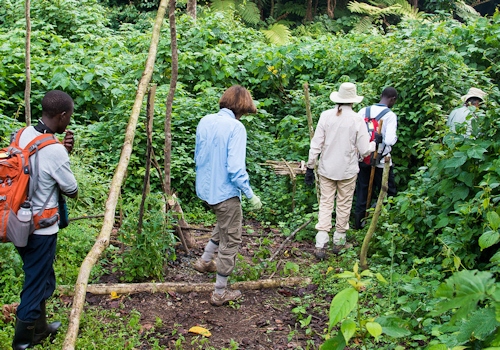
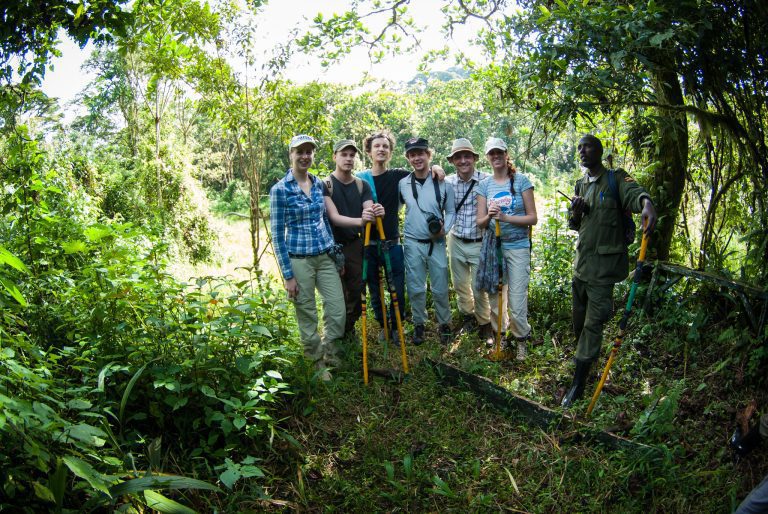
Rangers explain the rules, then split visitors into groups of no more than eight, one group per gorilla family. Tell them here if you need a shorter walk.
Trackers have gone ahead to find where the family nested. Your ranger follows their radio calls, sometimes on a path, sometimes cutting one with a machete.
Most groups reach their family within two to four hours. A few find them in under an hour. Expect mud, nettles, steep slopes and stops to catch your breath.
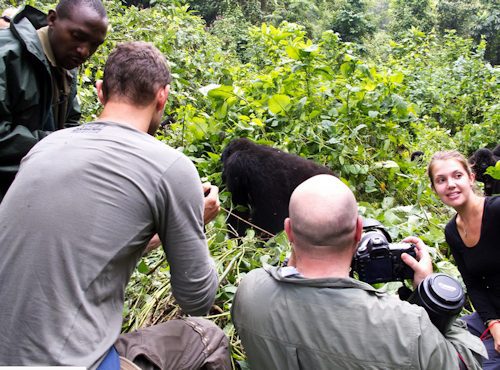
Bags and sticks are left with the porters. You stay at least seven metres back, keep voices low and take photos without flash. The hour goes faster than anyone expects.
The return is often slower than the way in, especially in Nkuringo. Most trekkers are back at their lodge by mid to late afternoon, with a certificate from the rangers.
Why It Is Called Impenetrable: The Story Behind Bwindi Gorilla Safaris
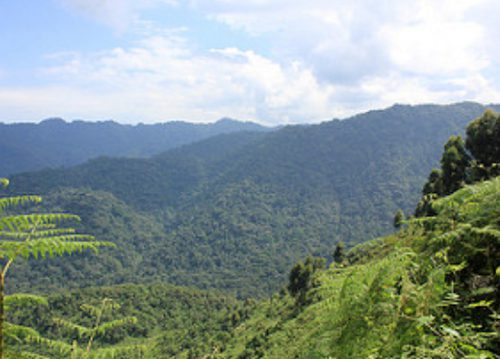
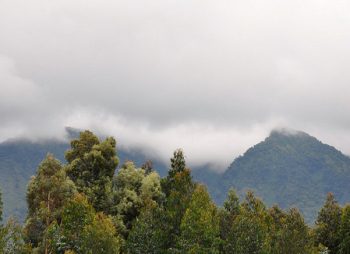
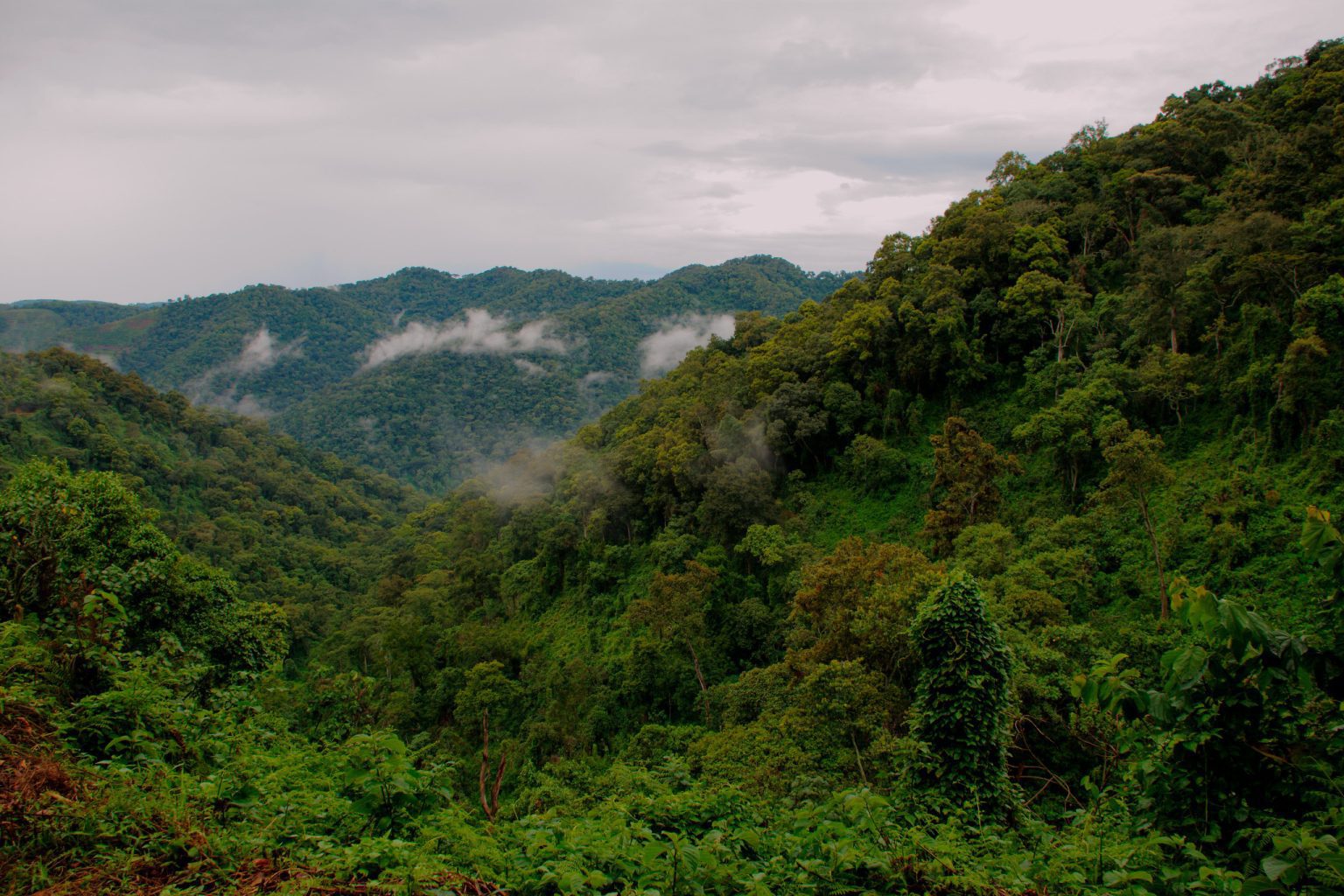
Walk ten metres off a trail and the name explains itself. Vines, ferns, nettles and fallen trunks fill every gap between the trees, and the ground drops into steep valleys and climbs back onto knife edge ridges. About sixty percent of the park sits above 2,000 metres. The local name, from the Rukiga word for the dark swampy forest at its heart, is usually translated as impenetrable.
The forest is also old. It survived the last ice age while much of Africa's highland forest shrank, which is why scientists describe it as more than 25,000 years old and why it holds so many species found nowhere else. That age is the main reason UNESCO listed it.
Not every part of the story is comfortable. The Batwa, forest people who hunted and gathered here for generations, lost access when the national park was created. Today the Batwa cultural trail and community programmes around the park edge give visitors a way to hear that history from Batwa guides, and a share of park revenue goes to the surrounding parishes.
Two blocks of forest, Kasatora and Kayonza, are protected as crown forest reserves.
The blocks are joined and renamed the Impenetrable Central Crown Forest.
The forest gains extra legal protection for its mountain gorillas.
Bwindi becomes a national park and the Batwa are moved out of the forest.
Gorilla tracking for visitors begins in April with the Mubare family at Buhoma.
UNESCO inscribes the park as a natural World Heritage Site.
in the last census
gorilla families
species
Bwindi Safari Activities: More Than Just
Gorilla Trekking
Most visitors book a Bwindi safari for the gorillas, then wish they had kept a spare day. One extra night lets you add a forest hike, a birding morning or a Batwa walk, and it gives tired legs a break between two treks.
Explore All Activities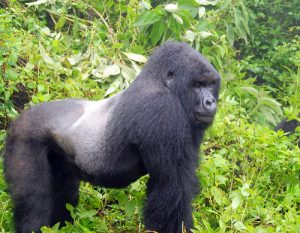
A longer gorilla tracking experience in Rushaga, with up to four hours beside a family that researchers are still getting used to people. Only four visitors a day per family, and you walk with the habituation team rather than a tourist group.
Read more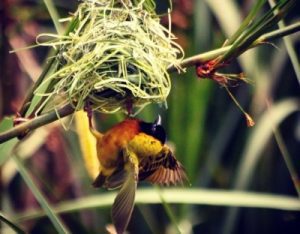
About 350 species, including 23 Albertine Rift endemics. The Mubwindi Swamp trail at Ruhija is the classic route for the African green broadbill, and early mornings around Buhoma are good for turacos and sunbirds.
Read more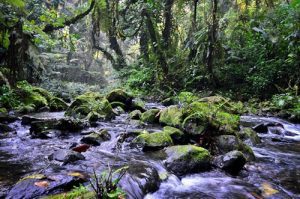
Guided forest hikes leave from Buhoma, including the Munyaga River walk to a series of waterfalls, the Rushura Hill trail with views to Lake Edward on clear days, and a longer Ivi River route.
Read more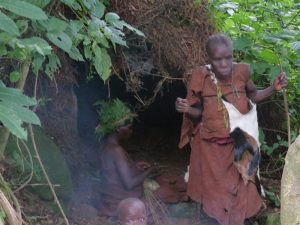
A half day walk led by Batwa guides, showing how their families once lived in the forest: hunting, gathering medicinal plants, building shelters, and the songs that go with them. Run near Buhoma and in the south around Rubuguri.
Read more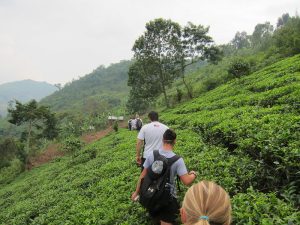
Short walks through the farms and homesteads on the park edge: a traditional healer, a banana beer brewer, tea and coffee growers and a school, with the fee going back into the village.
Read more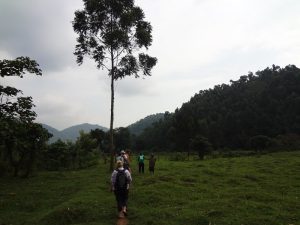
A day long hiking trip that crosses the forest between the northern and southern sectors, useful if you have permits in both. Your luggage goes round by road while you walk through.
Read more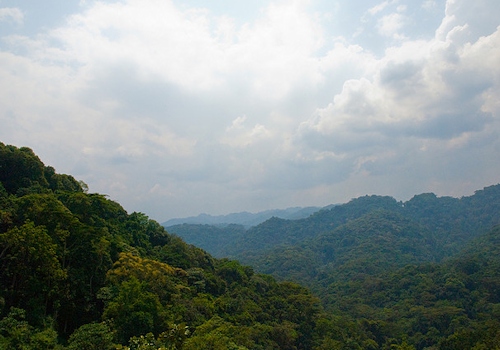
Guided cycling along the Ivi River trail and village tracks outside the park, run by a women led community group that rents out bikes. A good rest day activity between treks.
Read more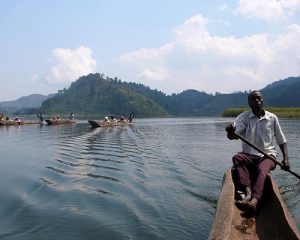
Close to the southern sectors, both lakes suit a slow morning by dugout canoe or a night or two of rest after trekking, with the Virunga volcanoes on the skyline.
Read more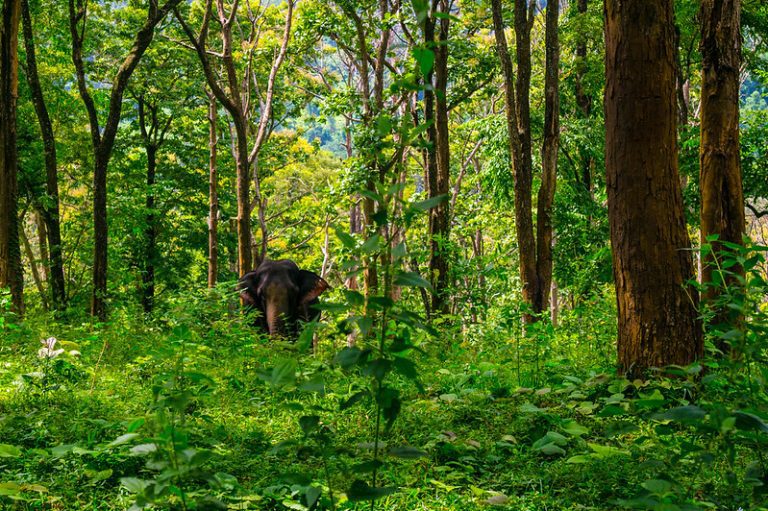
Wildlife Watching on a Bwindi Safari Beyond the Gorillas
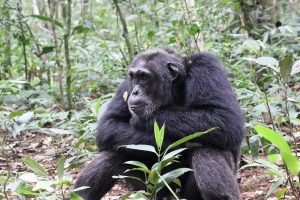
Gorillas are the headline, yet the forest is busy with other life. Its first dedicated chimpanzee census, carried out in 2025, estimated 426 chimpanzees spread across the park. They are not habituated for tourism here, so treat any sighting as luck rather than a plan.
On the trails you are more likely to see black and white colobus, L'Hoest's monkeys, red tailed and blue monkeys, and baboons near the park edge. Forest elephants, giant forest hogs and several duiker species live here too, though the dense cover means they are heard far more often than seen.
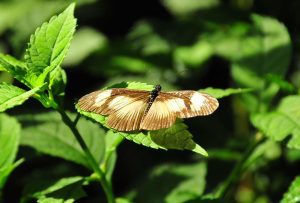
For birders the draw is the Albertine Rift endemics: Shelley's crimsonwing, the African green broadbill, handsome francolin, Rwenzori batis and blue headed sunbird among them. Butterflies are a quieter surprise. On a sunny morning along the Buhoma river trails they gather on wet ground in their dozens, and the park ranks among the most important montane forests in Africa for them.
Best Time for a Bwindi Gorilla Trekking Safari
Gorilla trekking in Bwindi runs every day of the year, and the gorillas do not migrate, so the question is really about trail conditions and crowds. The park sits high on the equator, which keeps temperatures steady: nights and early mornings of roughly 7 to 15°C and afternoons of 20 to 27°C. It rains a lot, between about 1,400 and 1,900 millimetres a year.
June to August and December to February are the drier months. Paths are firmer, river crossings lower and the steep sections less slippery, which makes these the most popular trekking seasons and the hardest months to find a permit. For July and August, many travellers book four to six months ahead.
March to May and October to November are wetter, with April usually the heaviest. Showers tend to come in the afternoon, after most treks are finished, but the morning mud can be deep and you may slide down a bank or two. Lodges are quieter, and permits are easier to find. Some travellers prefer it for that reason, and photographers like the softer light.
Whatever the month, pack a rain jacket. Bwindi is a rainforest, and a dry morning is never guaranteed.
| Month | Rain | Trails | Crowds |
|---|---|---|---|
| January | Low | Good | Busy |
| February | Low | Good | Busy |
| March | High | Muddy | Quiet |
| April | Highest | Very muddy | Quiet |
| May | High | Muddy | Quiet |
| June | Low | Best | Busy |
| July | Lowest | Best | Peak |
| August | Low | Best | Peak |
| September | Moderate | Good | Busy |
| October | High | Muddy | Moderate |
| November | High | Muddy | Quiet |
| December | Moderate | Fair | Busy |
Popular Safari Itineraries
3 Day Bwindi Gorilla Trek
3 Days · 2 Nights · From Kampala or Kigali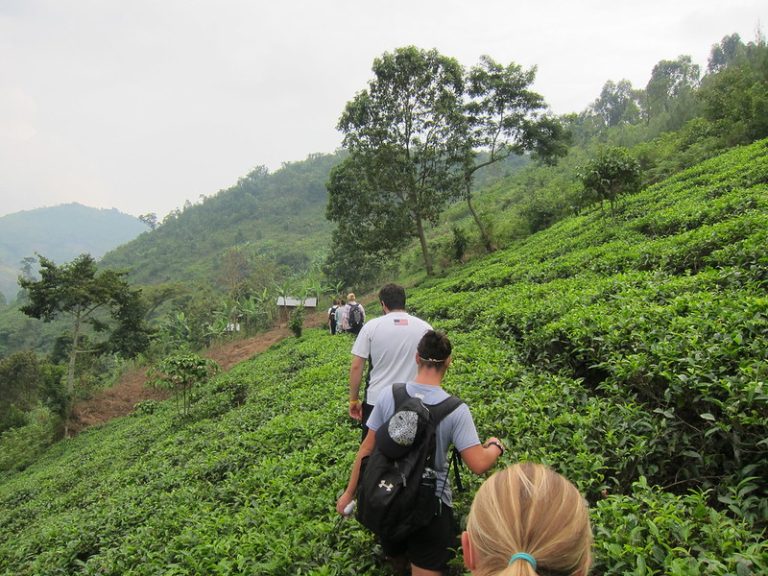
Gorillas & Lake Bunyonyi
5 Days · 4 Nights · Trek + rest days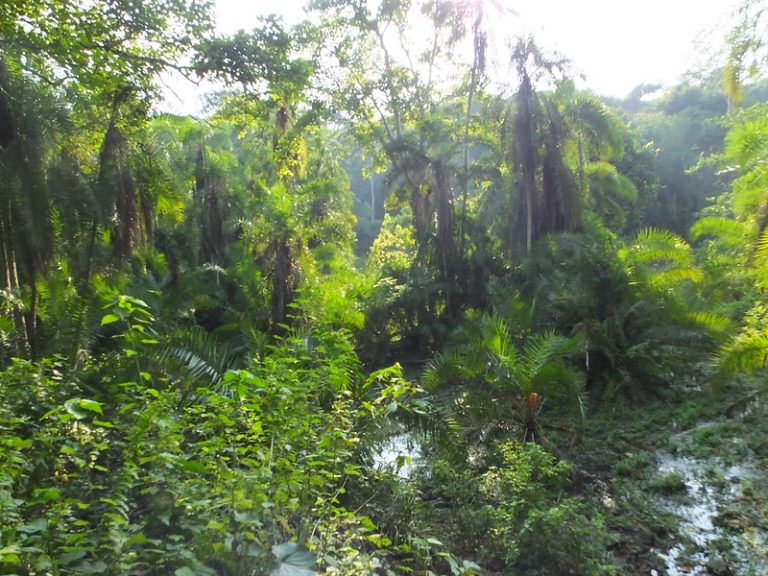
Bwindi & Queen Elizabeth NP
7 Days · 6 Nights · Ishasha tree climbing lions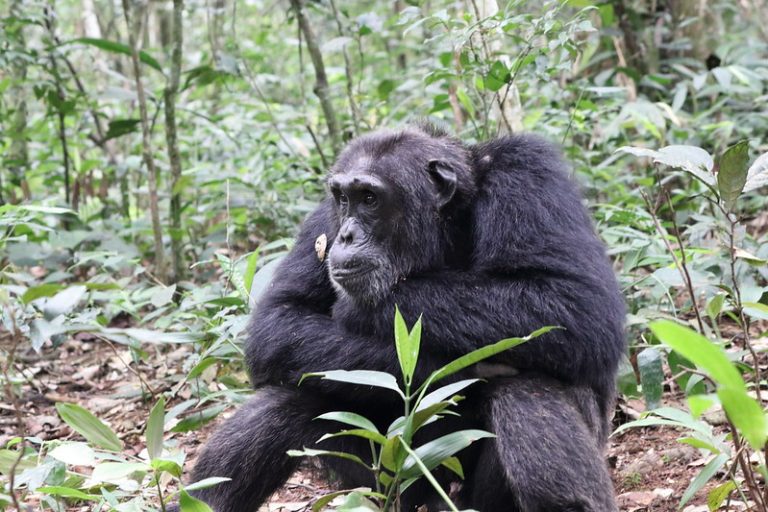
Gorillas, Chimps & Murchison
10 Days · 9 Nights · Kibale + Murchison FallsGetting to Bwindi for Your Gorilla Safari
Bwindi has no paved road to the gates, which is part of why it stays quiet. Plan at least two nights: one to arrive and rest, one for the trek day itself.
Where to Stay on a Bwindi Gorilla Safari
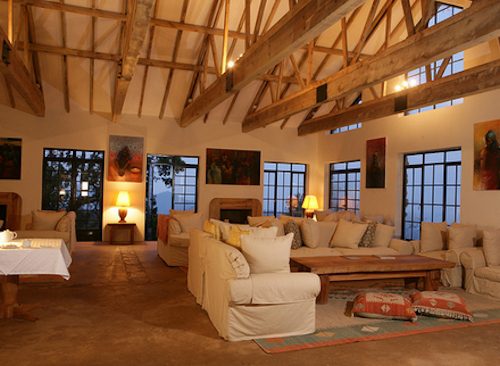
Sleep in the sector where your permit is. Briefings start around 7:30 in the morning, and a lodge on the wrong side of the forest can mean a three hour drive before dawn. Every sector has a spread from simple guesthouses to high end lodges.
Bwindi Gorilla Trekking Safari FAQ
How much does a Bwindi gorilla trekking permit cost?
Uganda Wildlife Authority sets the fees. A standard gorilla trekking permit is US$800 for foreign non residents, US$700 for foreign residents and UGX 300,000 for East African citizens, for one hour with a family. A lower rate of US$600 has been announced for April, May and November, and those discounted permits cannot be moved once booked. The four hour Gorilla Habituation Experience in Rushaga has been sold at US$1,500, with a rise to US$1,800 announced, so confirm the current rate with UWA or your operator before you pay. Porters charge a separate daily fee, paid directly after the trek.
How do I book a permit, and how far ahead?
The Uganda Wildlife Authority issues permits and sells them to licensed operators, so you book through a licensed tour operator that is a recognised member of AUTO, the Association of Uganda Tour Operators, which buys the permit in your name. Full payment is needed to secure one. Each permit is tied to a sector and a date, so decide where you will sleep at the same time. For June to September and December to February, book four to six months ahead. In the wetter months a few weeks is often enough, though popular families still fill.
How fit do I need to be for gorilla trekking in Bwindi?
Reasonably fit, and ready for steep, muddy ground at altitude. If you can walk uphill for two or three hours with rests, you will manage most treks. Practise on hills and stairs before you travel, wear boots you have already broken in, hire a porter and ask for a nearer family at the briefing if you are worried.
What is the minimum age, and can older travellers trek?
Trekkers must be at least 15. There is no upper age limit, and many visitors in their sixties and seventies trek every year. Buhoma and Ruhija tend to suit slower walkers, Nkuringo less so. For anyone who cannot walk the full distance, local stretcher teams can carry visitors in and out for a fee, arranged in advance.
Which Bwindi sector is the easiest?
No sector is guaranteed easy, because the walk depends on where the family is that day. Buhoma is most often described as the gentlest and Ruhija as moderate. Rushaga varies by family, and Nkuringo usually involves a steep descent and climb. Tell the rangers your fitness level and they will try to assign a family that suits you.
Am I guaranteed to see gorillas?
No, but the odds are very high. Trackers locate each habituated family every morning before visitors set off, and nearly every group reaches its family. On the rare day a family cannot be found, ask your operator what the policy is.
Is Bwindi safe to visit?
Yes for most travellers. After an attack on tourists by rebels from across the border in 1999, security was overhauled, and every trekking group now walks with armed rangers. Check your government's current travel advice for southwestern Uganda before you go, as you would for any trip.
How many days do I need in Bwindi?
Two nights is the minimum for one trek: arrive, trek the next morning, leave the day after. Three nights lets you add a second trek, a Batwa walk or a forest hike. Most gorilla safaris from Kampala or Kigali run three to five days in total.
Should I trek in Bwindi or in Rwanda?
Both protect the same mountain gorilla subspecies. Rwanda's Volcanoes National Park is closer to Kigali airport and its treks are often shorter, but its permit costs roughly twice as much. Bwindi offers more families, more sectors and the Habituation Experience, and it pairs well with Queen Elizabeth National Park and Lake Bunyonyi. Our side by side guide to gorilla trekking in Uganda and Rwanda compares permits, families and costs in both countries.
The Forest
Is Calling
Compare licensed safari companies, pick your sector and plan your trek with an operator who handles the permit.
Plan Your SafariGuides to Plan Your Trek
Uganda Gorilla Permit: Price, How to Get One, Refunds and Rules
Read More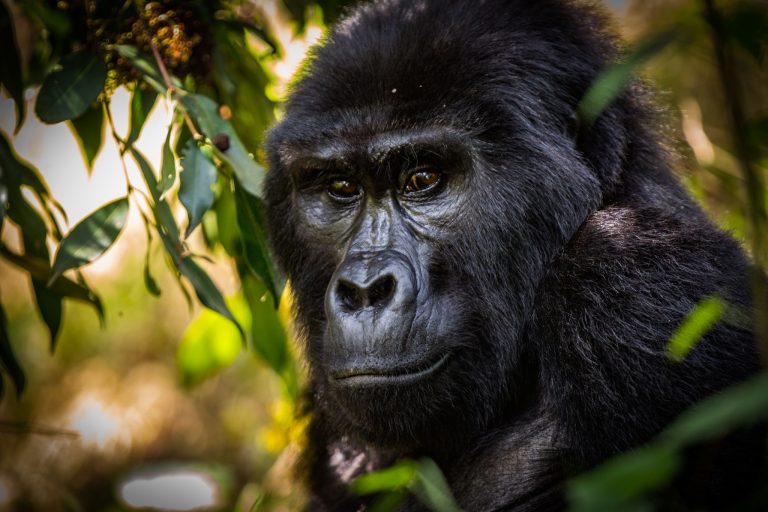
Best Time to Visit Bwindi and Go Gorilla Trekking in Uganda
Read More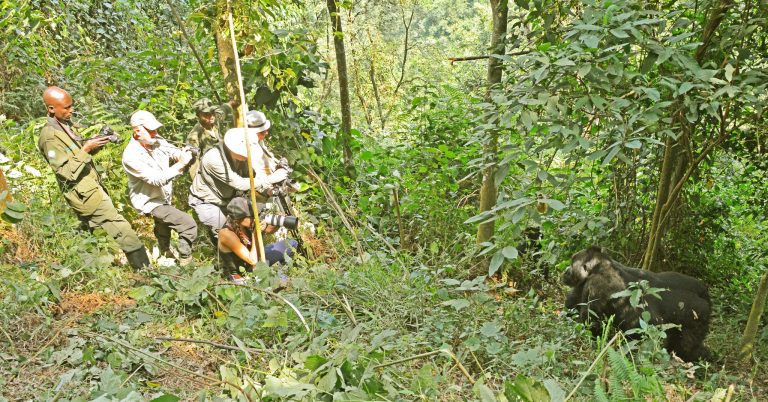
Gorilla Trekking Packing List: What to Pack for Uganda and Rwanda
Read MoreChoosing boots, rain jackets and layers? Read our safari gear and clothing guide.
Let's Stay in Touch
Permit updates, new lodges and trekking tips straight to your inbox.