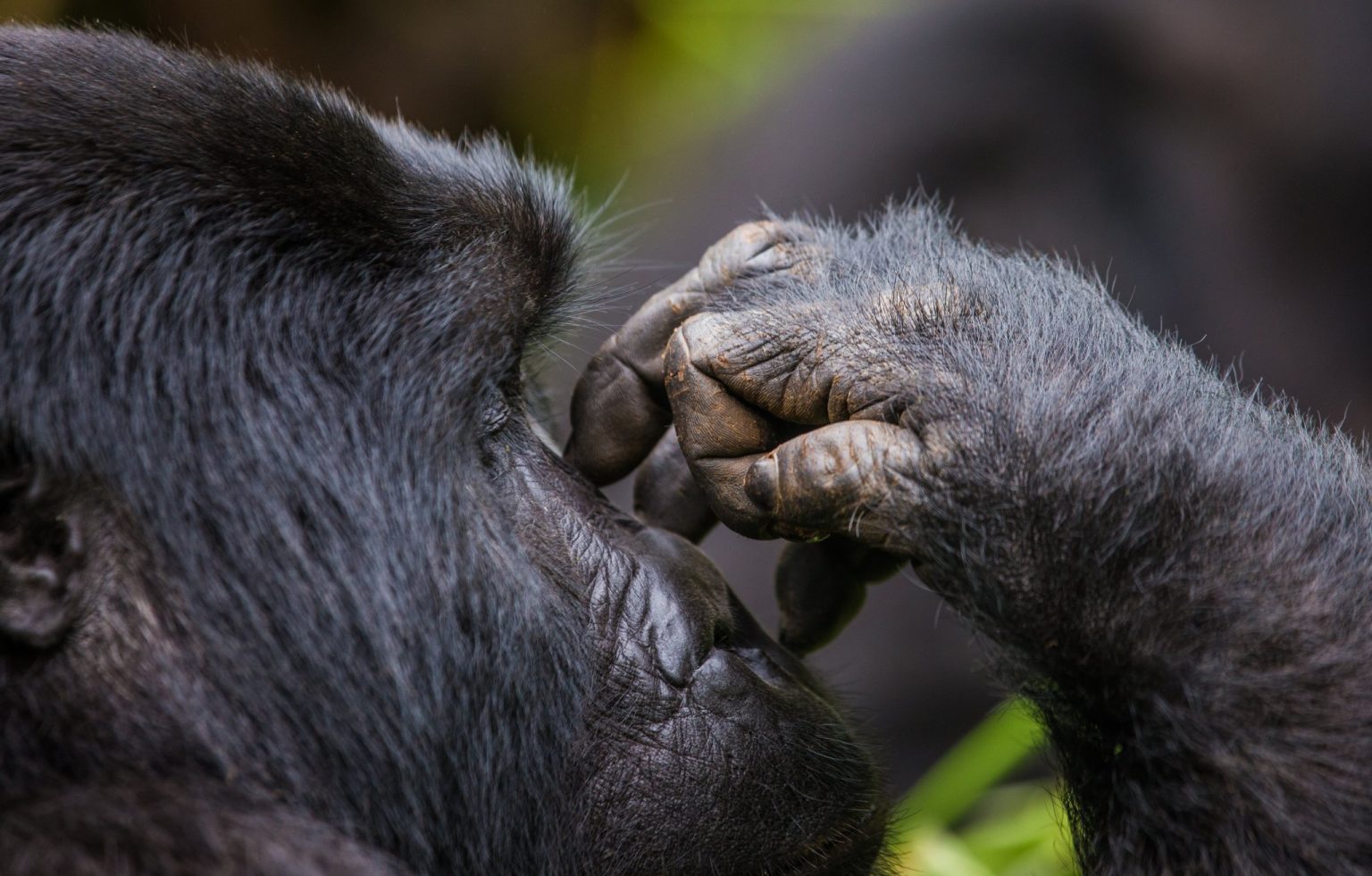
A 3 day gorilla trekking safari in Uganda takes you to Bwindi Impenetrable National Park, or sometimes Mgahinga Gorilla National Park, for one hour with a habituated mountain gorilla family, with a travel day on either side. Most packages start in Kampala or Entebbe by road, quicker ones fly to Kihihi or Kisoro, and many begin in Kigali, Rwanda. Both parks lie in southwest Uganda; Rwanda runs its own 3 day version in Volcanoes National Park.
Three days is the shortest comfortable way to do Uganda gorilla trekking. It works. It is also tight, with two of the three days spent mostly travelling on the road version and no spare day if rain, a stomach bug or a late flight upsets the plan. The first decision, then, is where you start, because that choice also settles which side of the forest you trek on and which budget band your package falls into.

Day by Day: 3 Day Gorilla Trekking by Road from Kampala or Entebbe
The 3 day gorilla safari by road is the version most Ugandan operators sell, and the one with the lowest price per person. You ride in a 4×4 with a driver guide. That detail matters more than it sounds, since the last stretch into the southern and eastern sectors is steep murram that turns greasy after rain.

Do not book an international flight out of Entebbe on the evening of Day 3. Traffic around Kampala is unpredictable, and a flight the next day is the safer plan. Trip reports keep making a related point: on the road version you spend most of two days in the vehicle, so the driver guide and the car are worth more attention than the lodge. Treat the drive as part of the trip, with the roadside markets and tea estates, rather than dead time.
Every road option and distance, including the Kabale and Rukungiri routes, is in our guide to getting to Bwindi.
3 Day Fly In Gorilla Safari to Kihihi or Kisoro
A fly in gorilla safari swaps both road days for a short scheduled flight with Aerolink Uganda. Kihihi airstrip, north of the park, serves Buhoma and, with a longer transfer, Ruhija. Kisoro, to the south, serves Rushaga, Nkuringo and Mgahinga. Our fly in gorilla safari guide has the routes in detail.
Two practical points come up repeatedly in traveller forums. Morning flights to Kisoro are the dependable ones, because cloud builds over the Virunga volcanoes later in the day. And the airstrip transfer is no formality: Kisoro to Rushaga is roughly an hour on a decent road, whereas Nkuringo and Ruhija take longer on hill tracks. Light aircraft have tight baggage limits, so pack a soft bag. Timetables change by season; confirm the current one before you book a connecting flight home.
Flying suits travellers with little time, anyone whose back or knees dread ten hours in a vehicle, and people adding gorillas to a safari elsewhere. Your operator books the seats along with the permit.
3 Day Gorilla Trekking Tour Starting in Kigali
Starting in Rwanda is the quiet shortcut for a Uganda gorilla trek. Kigali often has better international connections than Entebbe, and the southern Bwindi sectors are closer to Kigali than to Kampala, so you trek at the Uganda permit rate without the long Ugandan drive. The page on gorilla trekking in Uganda from Kigali covers the border in depth, and our guide to 1 day gorilla trekking in Uganda explains when an even shorter trip works.
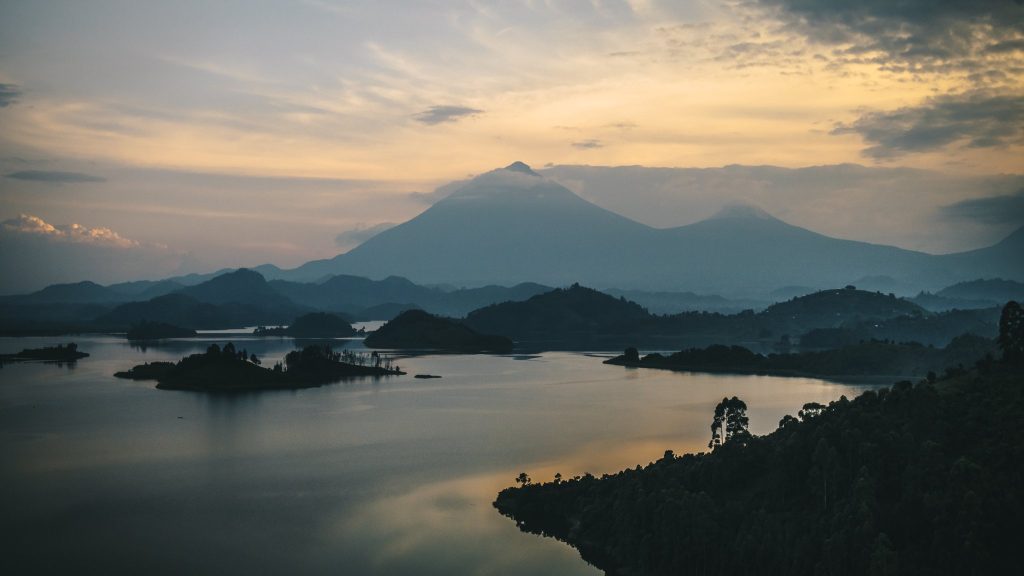
Buhoma is the awkward sector from Kigali, five to seven hours each way, and is best left off a 3 day Rwanda start. You need a Uganda visa or the East Africa Tourist Visa to cross, and the vehicle needs papers for both countries, which a licensed operator arranges. Keep the clock in mind too: Uganda is one hour ahead of Rwanda, so a 7.30am briefing in Rushaga is 6.30am on the watch you set in Kigali. The video below covers the Kigali route.
Fly In or Drive on a 3 Day Gorilla Safari: Time, Cost and Comfort
Flying or driving is the decision that shapes a 3 day gorilla safari more than any lodge choice. By road from Entebbe you give up most of two days to the vehicle. By air you trade those hours for flight costs and a strict bag limit. From Kigali, the southern sectors sit close enough that the road version feels almost like a fly in trip at road prices.
| Route in | Each way | Best sectors |
|---|---|---|
| Road from Entebbe | 8 to 10 hours | Rushaga, Ruhija, Buhoma |
| Fly to Kihihi | 1 to 2 hours, then transfer | Buhoma, Ruhija |
| Fly to Kisoro | About 75 minutes, then transfer | Rushaga, Nkuringo, Mgahinga |
| Road from Kigali | 4 to 5 hours | Rushaga, Nkuringo |
The road is the cheapest way in. A seat on the scheduled light aircraft costs roughly US$300 to US$600 per person each way, moving with the season and the route, and the Kigali route needs a visa that covers both countries, usually the US$100 East Africa Tourist Visa. Add the lodge transfer at the far end, usually one to two hours, and a baggage limit of about 15 kg in a soft bag, with excess charged by the kilo. A road trip costs less because two people share one vehicle and driver; a flight is priced per seat, so the gap grows with group size.
Drive if you want to see the country, if you are travelling as a family or a group of four or more, or if the budget is tight. The equator stop, the Ankole cattle around Mbarara, the terraced Kigezi hills and the roadside markets are a real part of the trip, and a good driver guide makes the hours pass. Fly if you have only three days in Uganda after a long haul flight, if a bad back or knees make ten hours in a 4×4 a misery, or if you are adding gorillas to a Kenya or Tanzania safari and want to arrive with an afternoon free. Start in Kigali if your permit is for Rushaga or Nkuringo: it is the cheapest way to cut the road time in half.
A mixed plan is common, too. Some travellers drive in and fly out, which leaves the scenery for the outward leg and gets them to Entebbe in time for an evening international flight. Our guide to the Uganda fly in gorilla safari has the airstrips and transfers in detail.
3 Day Rwanda Gorilla Trek in Volcanoes National Park
Is there a 3 day gorilla trek in Rwanda? Yes, and it is the version Google shows most often next to the Uganda one. A 3 day Rwanda gorilla trek runs from Kigali to Volcanoes National Park in the northwest, about two to two and a half hours by road, so the travel days are short and the trek day starts from the Kinigi park headquarters. The main difference from Uganda is the permit: the Rwanda Development Board charges US$1,500, against US$800 in Uganda.
Prices for the Rwanda version sit well above Uganda’s because of the permit. Operators publish 3 day Rwanda trips from about US$2,200 per person with a budget lodge, and about US$2,600 each for a midrange trip shared by two; the top lodges near Kinigi charge from about US$1,000 to more than US$3,600 per person a night, which takes a 3 day trip well past US$5,000. RDB’s low season offer cuts the permit to US$1,050 from November to May, but only for visitors who also spend nights in Nyungwe or Akagera, so it rarely fits a 3 day Volcanoes trip.
Choose Rwanda for the short drive, the wider spread of lodges near the park and a simpler day. Choose Uganda for the lower permit and the chance to stay in a forest lodge beside the trailhead, or cross from Kigali into southern Bwindi and get both: Rwanda’s flights with Uganda’s permit. The full Rwanda picture is in our guide to Rwanda gorilla trekking, the permit terms are on the Rwanda gorilla permit page, and the shortest option of all is 1 day gorilla trekking in Rwanda.
3 Day Gorilla Trekking Prices per Person, Permit Included
A 3 day gorilla trekking tour in Uganda costs roughly US$1,250 to US$1,400 per person for two people sharing on a budget road trip, permit included, and about US$1,500 to US$2,100 at midrange lodges. Fly in versions start near US$1,900 with a simple lodge and run from US$2,500 to over US$4,000 with midrange or upper lodges. These are typical ranges from operators’ published rates, not fixed prices.
| 3 day trip | Two sharing, each | Solo |
|---|---|---|
| Budget, by road | US$1,250 to US$1,400 | About US$1,700 |
| Midrange, by road | US$1,500 to US$2,100 | Add US$300 to US$500 |
| Midrange, from Kigali | About US$1,700 to US$1,900 | About US$2,100 to US$2,200 |
| Luxury, by road | US$2,800 to US$4,000 | Higher still |
| Fly in | US$1,900 to over US$4,000 | Higher still |
| Rwanda, Volcanoes | From about US$2,200 | Higher still |
The permit is the biggest single line, at US$800 for foreign non residents, US$700 for foreign residents and UGX 300,000 for East African citizens. In April, May and November the two foreign rates fall to US$600 and US$500, which takes US$200 off each budget or midrange figure above, but those low season permits are paid in full and cannot be rescheduled. The Uganda gorilla permit guide covers every rule.
Watch the headline. One of the top results for this search advertises a 3 day trip from US$490 per person sharing, and the small print says the gorilla permit is excluded; with the permit the same trip comes to about US$1,290. Another operator lists its budget version with the permit at US$1,680 for a solo traveller, US$1,375 each for two and US$1,115 each for a group of six. Group size moves the price more than anything except the lodge, because the vehicle, fuel and driver cost is split between everyone in the car.
Worked through for one common shape, a midrange trip from Kigali to Rushaga for two people sharing comes to about US$1,730 each: the US$800 permit, the US$100 East Africa Tourist Visa, half of three days of vehicle and driver at about US$200 a day, two nights full board at about US$200 a night, a porter, tips and a little for drinks. The line by line version is on the permit page, and the gorilla trekking cost guide prices longer trips.
What a 3 Day Gorilla Safari Package Includes and Leaves Out
Package wording varies between operators, so compare quotes line by line. Watch the headline price above all: some of the cheapest 3 day gorilla safari packages on the first page of Google exclude the permit, which is the largest single cost of the trip.
Vehicles vary more than the brochures suggest. Budget trips often use a 4×4 safari van with a pop up roof that seats up to seven or eight; upgrades bring a Land Cruiser with more ground clearance and a smoother ride on murram. Group size moves the price a lot, too, because the vehicle and driver cost is split between everyone in the car, so a solo traveller pays far more per head than four friends.
One firm warning: avoid anyone offering a gorilla visit without a named UWA permit. Unofficial “treks” are illegal and put people and gorillas at risk, and Ugandan media have reported investigations into tampered permits, so ask for a copy with the permit number. The gorilla permits page explains booking, and the licensed companies running these trips are listed on our page of gorilla safari companies.
Some of what you pay stays in the hills. UWA shares a portion of park revenue with the parishes around Bwindi, including a fixed share of every gorilla permit, which funds schools, clinics and water projects. Porter fees, community walks and Batwa tours add to it directly.
Other 3 Day Gorilla Packages: Habituation, Two Treks and Ishasha
Not every 3 day gorilla trekking package follows the travel, trek, travel pattern. Operators sell a handful of variations, each with its own trade off.
Permits sometimes decide the variant for you. When Bwindi is full on your date, some operators offer Mgahinga instead, and in the busy months the sector on your permit can change the whole route. Ask early which sectors are still open.
Gorilla Trekking Day in Bwindi, Hour by Hour
Whatever route you choose, the middle day runs to the same UWA routine, and this gorilla trekking experience is why the other two days exist. You report to the sector briefing point by about 7.30am. Rangers go through the rules, local performers sometimes sing or dance, and visitors are split into parties of up to eight, one party per gorilla family. If someone in your group has a weak knee or a heart condition, say so now. Rangers will try to match you with a family seen closer to the trailhead, though nobody can promise it.
Then you walk. Trackers left at dawn for the spot where the family nested and radio its position to your ranger. Some treks take 40 minutes, others most of the day; one to seven hours covers almost every case, and the slope and mud count for more than the distance. Porters wait at the start. Hire one even if you are fit, since they carry your daypack, pull you up the worst banks, and the fee goes straight to families living around the park.
Once the group reaches the gorillas the clock starts. One hour, at least 10 metres away, no flash, no eating, voices low. Young gorillas sometimes close the gap themselves, and the ranger will signal you to step back slowly. After the hour the walk out often feels shorter than the walk in, and back at the briefing point you receive a trekking certificate with your family’s name on it.
Sightings with habituated families are very likely, not guaranteed, and a 3 day plan has no second attempt built in. Anyone who would be crushed to miss out should add a fourth night or book the habituation day.
Bwindi or Mgahinga, and Which Sector Fits a 3 Day Gorilla Trip
Bwindi Impenetrable National Park is the usual choice for a 3 day trek, with four trekking sectors and the most habituated families of any park in Africa. Mgahinga Gorilla National Park is Uganda’s smallest park and part of the Virunga Mountains, shared with Rwanda and Congo. It has one habituated family, Nyakagezi, which makes permits scarce, but the trek runs over open volcanic slopes and the park adds golden monkey tracking, the Batwa Trail and volcano hikes. The comparison of Bwindi and Mgahinga sets out the trade off, and Mgahinga gorilla trekking has the detail.
Inside Bwindi your permit names one sector, and on a 3 day trip it has to match the route. Crossing the park from one sector to another can take three hours or more on hill roads. People get this wrong more than anything else in planning.
The same routes as times on the road, so you can see what each sector costs you on Day 1 and Day 3:
| Sector | From Entebbe | From Kigali |
|---|---|---|
| Buhoma | 9 to 11 hours | 5 to 7 hours |
| Ruhija | 8 to 9 hours | About 5 hours |
| Rushaga | 8.5 to 10 hours | 4.5 to 5 hours |
| Nkuringo | 9 to 11 hours | 4 to 5 hours |
Road times from Entebbe include the crawl through Kampala traffic and a lunch stop, and they stretch by an hour or more in the rains. By air, the lodge transfer after landing is about 1.5 to 2 hours from Kihihi to Buhoma and 2.5 to 3 hours to Ruhija, and about 1 to 2 hours from Kisoro to Rushaga and 1 to 1.5 hours to Nkuringo. On a 3 day trip the rule is simple: pick the start point, then ask for a permit in a sector that start point reaches in one day.
Each sector has its own character. Buhoma gorilla trekking starts in the north at the park’s original headquarters, with the Waterfall Trail for the afternoon. Ruhija sits high in the east, cooler, good for birders, and often begins with a steep descent. Rushaga gorilla trekking has the largest number of families and is the only sector running habituation. Nkuringo, on a ridge above the forest, is known for some of the hardest treks in the park.

Lodges for a 3 Day Bwindi Gorilla Trek, Community Camps to Luxury
On a 3 day gorilla trek, a lodge’s distance from the briefing point matters more than any spa or view. Book one in the same sector as your permit. The full guide to Bwindi lodges covers every option.

Nights in Bwindi are cool, especially at Ruhija and Nkuringo, so a fireplace or a hot water bottle is no luxury. Lodges pack the trekking lunch and can line up porters; tell them the evening before what time you need breakfast.
Best Months for a 3 Day Gorilla Trekking Trip in Uganda
A 3 day gorilla trekking trip works in any month, because Bwindi is a rainforest and the gorillas stay put. Timing changes the mud, the crowds and permit availability, and on a short trip with no spare day those matter. Month by month detail is in the guide to the best time for gorilla trekking in Uganda.
| Months | Rain and trails | Permits |
|---|---|---|
| Jun to Aug | Low rain, firmest | Sell out |
| Sep | Rising, fair | Busy |
| Oct to Nov | High, muddy | Easier |
| Dec to Feb | Lower, good | Busy |
| Mar to May | Highest, slippery | Easiest |
June to August and December to February are the dry seasons, and the road days are kinder in them too. The murram into Ruhija, Nkuringo and Buhoma stays passable, so Day 1 and Day 3 keep closer to schedule. These months fill first; book four to six months ahead, more for the habituation day.
March to May and October to November are wetter, with April usually the wettest month. Showers tend to arrive in the afternoon, so you may trek dry in the morning and get soaked on the walk out. Fewer vehicles at the briefing is the upside, along with a lower UWA permit rate in April, May and November (see the FAQ). On a 3 day road trip in the rains, ask your operator to allow an extra hour for each drive.
Fitness, Clothing and Packing for a 3 Day Gorilla Trek
You do not need to be an athlete for a gorilla trekking safari, but you do need to walk uphill on uneven ground for a few hours at altitudes of roughly 1,200 to 2,600 metres. Treks fall into three rough bands: a short one of one to two hours on easier ground, a moderate one of three or four hours, and a long one of five hours or more on steep, muddy slopes. Nobody knows which band you will get until the trackers report in.
If you can manage a three to four hour hill walk at home with breaks, you can manage most treks. In the weeks before, walk hills or stairs, add some cycling or jogging, and work on your legs; stretching helps with the soreness the next day. Porters and the walking sticks handed out at the briefing make a real difference on the steep sections, and our page on trekking difficulty and fitness goes further.
On a fly in trip, check the light aircraft’s baggage limit before you pack. For product advice, see the gorilla trekking packing list, the guides to gorilla trekking boots, gloves and rain jackets, and the full safari gear section.
Health rules on the day are strict. Anyone with a cold, flu or stomach bug can be turned away, because gorillas catch human illnesses. Uganda’s immigration service has announced that a yellow fever certificate is no longer a condition of entry, but health advice still recommends the vaccine and Rwanda or Kenya may ask for the card on an onward crossing, so carry it. Malaria prophylaxis is advised for the lower areas you drive through.
Is a 3 Day Gorilla Trek Enough, and Is It Worth the Money?
For one gorilla trek, three days is enough. Most visitors see the gorillas on their first attempt, because trackers follow each habituated family from first light, and the hour with them is the same whether you stay two nights or six. A 3 day gorilla trek suits travellers with fixed leave, people adding gorillas to a Kenya or Tanzania safari, and anyone who wants the trek without a full Uganda circuit.
It stops being enough in four situations. If you have flown a long way, a fourth night protects the permit against a delayed flight, a stomach bug or a road closed by rain, since a missed trek date is not refunded. If you want two different families, or the habituation day plus a standard trek, you need a second trekking day. If you are driving from Entebbe and dread two ten hour days, a fourth day lets you break the drive at Lake Mburo or Lake Bunyonyi. And if you hope to add chimpanzees or the tree climbing lions, three days cannot hold them. The 4 day gorilla safari in Uganda covers each of those extensions.
Shorter works too, in the right place. From Kigali, a two day trip to Rushaga or Nkuringo is realistic, and a long single day is possible with a very early start; the guide to 1 day gorilla trekking in Uganda explains when it makes sense and when it does not. From Entebbe, anything under three days means flying.
Is gorilla trekking worth the money? Most people who go say yes, often more firmly than they expected, and trip reports return to the same points: the hour passes faster than anyone expects, the walk can take fourteen minutes or four hours, and the driver guide shapes the trip more than the lodge does. The money matters beyond the trip. Permit fees pay for the rangers, trackers and vets who keep Bwindi’s gorillas protected, and a share goes to the communities around the park, which is part of why the population has grown. If the price is a stretch, the April, May and November permit rate, a budget camp and a Kigali start bring the total down a long way.
Extending a 3 Day Gorilla Safari in Uganda and East Africa
This website is an independent visitor guide. It does not sell gorilla permits, book lodges or run tours. The itineraries described here are run by licensed Uganda safari companies, which buy the permit, book the lodge and supply the vehicle and driver guide. Compare a few on our page of licensed safari companies, and ask each the same questions from the inclusions section.
With more than three days the plan stretches easily. A 4 day gorilla safari adds a second trek, the habituation day, golden monkeys or a night on Lake Bunyonyi. Five to seven days pairs gorillas with boat trips and tree climbing lions in Queen Elizabeth National Park and chimpanzee tracking in Kibale. Longer plans sit on the Uganda safaris page and in our overview of Uganda gorilla trekking tours, and the Rwanda side is covered in Rwanda gorilla trekking.
Gorillas also slot onto a wider East Africa trip. Short flights link Entebbe and Kigali with Nairobi and Kilimanjaro, so a 3 day gorilla add on before or after a Masai Mara safari or a trip combining Tanzania and gorilla trekking is a common pattern, especially from July to October when the wildebeest migration and the dry trekking season overlap.
3 Day Gorilla Trekking Uganda: Prices and Questions
How much does a 3 day gorilla trekking safari in Uganda cost?
The UWA gorilla permit is US$800 for foreign non residents, US$700 for foreign residents and UGX 300,000 for East African citizens, falling to US$600 and US$500 for the two foreign categories in April, May and November, paid in full and not reschedulable. Full 3 day road packages including the permit commonly run about US$1,250 to US$1,400 per person on a budget and US$1,500 to US$2,100 midrange for two sharing, with solo travellers paying several hundred dollars more and groups of six somewhat less. Fly in packages start near US$1,900 with a simple lodge and pass US$4,000 at the top lodges. Some advertised prices of a few hundred dollars exclude the permit, so check before you compare. A Uganda visa costs US$50 single entry, or US$100 for the East Africa Tourist Visa covering Uganda, Rwanda and Kenya. These are typical ranges, not fixed prices.
Is it cheaper to trek gorillas in Uganda or Rwanda on a 3 day trip?
Uganda. A Rwanda permit costs US$1,500, almost twice the Uganda rate, and even with Rwanda’s 30 percent low season offer (US$1,050 from November to May for visitors who add nights in Nyungwe or Akagera) Uganda stays cheaper. That gap is why many travellers fly into Kigali and cross to southern Bwindi.
Which month is best for gorilla trekking in Uganda?
June to August and December to February are the best months for most people, with firmer trails and road days that run to time. July and August book out first. If you want quieter briefings and the low season permit, May and November are good compromises, as long as you pack for rain.
Is 3 days enough for gorilla trekking in Uganda?
Yes, for one trek. Three days gets you in, through the trek and out again, and most visitors see the gorillas on the first try. The catch is that there is no buffer. If you have flown a long way, a fourth night protects the permit against weather, illness or a delayed flight.
Is gorilla trekking worth the money?
Most people who go say yes, often more firmly than they expected. The hour is short and the permit is expensive, but the money pays for rangers, trackers, vets and community projects that keep the gorillas alive, and the population has grown under this system. If the cost is a stretch, the April, May and November permit rate and a budget lodge bring the trip down a long way.
What are the best gorilla trekking tours, and which company should I use?
There is no single best company, and you should be wary of any list that claims one. The right operator for you holds a current Uganda Tourism Board licence, sends a copy of your permit, names its lodges and vehicle, and replies with an itinerary that matches what you asked for. Recent, detailed reviews that mention guides by name are a good sign. Our gorilla safari companies page explains every check.
Is there a 3 day gorilla trek in Rwanda?
Yes. A 3 day Rwanda gorilla trek drives from Kigali to Volcanoes National Park on Day 1, often after the Kigali Genocide Memorial, treks from Kinigi on Day 2 and returns on Day 3, sometimes after golden monkey tracking. The Rwanda permit is US$1,500, so packages start around US$2,200 per person, against about US$1,250 to US$1,400 for a budget Uganda trip.
What is the best time of year to see the gorillas in Rwanda?
The same as in Uganda: the drier months of June to September and December to February, when the volcano slopes are less muddy. Treks run all year, and the wetter months bring fewer visitors and, in Rwanda, a permit offer from November to May for travellers who add nights in Nyungwe or Akagera.
Has anyone been injured in gorilla trekking?
Injuries do happen, but they are almost always slips, twisted ankles and scratches from the forest rather than anything the gorillas do. Habituated gorillas are used to quiet groups, and rangers manage the distance and teach you to crouch and look down if a silverback displays. Good boots, a walking stick, gloves and a porter to steady you on steep banks prevent most problems, and travel insurance with evacuation cover is sensible on any trek.
Can you wear blue in Uganda?
Yes, there is no rule against it. Dark blue and black do attract tsetse flies in savannah parks such as Queen Elizabeth and Murchison Falls, so many guides advise against those colours on game drives. In Bwindi, muted greens, browns and khaki are the usual advice, since bright colours and white show the mud and stand out to wildlife.
Should I drive or fly to Bwindi on a 3 day gorilla safari?
Drive if you want to see the countryside and keep costs down, and accept two long road days. Fly if time is short, if you have back trouble, or if you want a free afternoon on arrival. Starting from Kigali by road is the middle ground for the southern sectors.
Can children or older travellers do a 3 day gorilla trip?
Trekkers must be at least 15. Younger children can travel with the family and stay at the lodge, where some lodges offer supervised activities. Travellers in their 60s and 70s trek regularly with porters, sticks and a word to the rangers so they are matched with a closer family where possible.
How far in advance should I book a 3 day gorilla trekking tour?
Three to six months ahead for most dates, and longer for June to August, the Christmas period and any habituation booking. Permits are limited to eight visitors per family per day, and the sector you get depends on what is left for your date.
How many gorillas live in Bwindi?
The 2018 census counted 459 mountain gorillas in Bwindi, part of a world total of 1,063. Results of the most recent census are still awaited.