A Uganda gorilla permit costs US$800 for foreign non residents, US$700 for foreign residents and UGX 300,000 for East African citizens on the current UWA tariff, falling to US$600 and US$500 in April, May and November. Every visitor, resident and East African citizen included, gets the permit through a licensed tour operator that is a recognised member of AUTO, paying in full at booking. Each permit buys one ranger led trek and one hour with a mountain gorilla family in Bwindi or Mgahinga.
The figures on this page come from UWA’s own published conservation tariff, its permit management guidelines and its letter to the trade on low season rates, checked line by line. Rwanda and Congo sell their own permits and get their own section near the end. Everything before that is about the Uganda permit: what it costs, how to get one, what you need on the day, when to use it and how to avoid losing the money.
Uganda Gorilla Trekking Permit Prices by Visitor Category
Your price for a gorilla trekking permit in Uganda depends on one thing: which residency category your passport and paperwork put you in. Sector does not change it, and nor does the family you are given. Rushaga costs the same as Buhoma, and Mgahinga costs the same as Bwindi. How the two parks differ on the trail is covered in our Bwindi and Mgahinga comparison.
| Visitor | Standard | Apr, May, Nov |
|---|---|---|
| Foreign non resident | US$800 | US$600 |
| Foreign resident | US$700 | US$500 |
| Rest of Africa | US$500 | Not published |
| East African citizen | UGX 300,000 | Not published |
Foreign non residents are everyone visiting from outside Africa without a Ugandan or East African work or residence permit. That is most readers of this page, and the US$800 rate is the one to budget for unless your dates fall in the low season months.
Foreign residents pay US$700. To qualify you carry a valid work permit or residence card for an East African Community state to the briefing, where rangers check it. UWA’s guidelines let a foreign resident buy up to five permits for one trip, and only for family members who are themselves resident in the region. A visiting parent or sibling from Europe is treated as a foreign non resident and pays US$800, even if you book them together.
Citizens of other African countries, listed by UWA as Rest of Africa, pay US$500. East African Community citizens pay UGX 300,000, and UWA will not accept a top up that converts an East African permit into a foreign one. Book in the right category from the start.
Prices are set in US dollars for foreign visitors and in shillings for East Africans. UWA’s payment points take both currencies by card, so there is no need to change money for the permit itself.
Low Season Gorilla Permits: US$600 Treks in April, May and November
Discounted gorilla permits are back in Uganda, which is fitting for a page whose old address still carries the word. UWA’s letter to tour operators introduced a low season rate for gorilla trekking in April, May and November of US$600 for foreign non residents and US$500 for foreign residents, with immediate effect. On a couple’s trip that is US$400 saved before anything else changes.
Two conditions come with it, and both are about money. The permit is paid in full when it is booked, like every Uganda permit now. And it cannot be rescheduled. UWA’s guidelines treat promotional permits as forfeited if they are not used on the printed date and location, so a delayed flight or a changed itinerary costs you the whole US$600. Buy one only when your dates are fixed, and check that your travel insurance names prepaid permits.
The letter gives no low season figure for Rest of Africa or East African citizens. Those visitors pay the standard rate unless UWA says otherwise, so ask your operator to confirm before you pay.
Is the saving worth the weather? Bwindi is montane rainforest and it rains in every month. April and May are the wettest, with slippery descents on the steeper Nkuringo and Ruhija trails; November tends towards shorter afternoon showers. Lodges near the park often drop their own rates in the same months, which can take another chunk off a midrange stay, and you get more choice of sector. Spend a little of the saving on a porter and waterproof boots. Our budget gorilla trekking in Uganda guide covers other ways to bring the bill down.
Uganda has run discounted months before. An earlier scheme for the same months ended when UWA moved to one price all year, which is why older articles still disagree about whether a discount exists. The current low season rate is set out in UWA’s own letter to the trade, so treat any operator who denies it with some caution.
To price your own group, the calculator below works from UWA’s published figures for every visitor category and month. It also prices the habituation permit at the current and the announced revised rate, and can add a Kibale chimpanzee permit. Our page on Uganda gorilla permit price changes follows each new UWA announcement.
Uganda Gorilla Permit Cost Calculator
Work out what your gorilla permits will cost at the official Uganda Wildlife Authority rates, by visitor category, month and permit type. Lodges, transport, operator fees and tips are not included.
- Per person
- USD 800
- Your group
- USD 1,600 for 2 trekkers
| Gorilla tracking permit, standard rate, x1 | USD 800 |
July is a standard rate month. Each permit covers the ranger guide, park entry for the trek day and the community contribution.
| Permit | Foreign nonresident | Foreign resident | Rest of Africa, East Africa |
|---|---|---|---|
| Gorilla tracking, Bwindi or Mgahinga | USD 800 | USD 700 | USD 500; UGX 300,000 |
| Gorilla tracking, April, May, November | USD 600 | USD 500 | No low season rate |
| Gorilla habituation, current tariff | USD 1,500 | USD 1,000 | USD 1,000; UGX 750,000 |
| Gorilla habituation, announced revised tariff | USD 1,800 | USD 1,600 | USD 1,000; UGX 750,000 |
| Chimpanzee tracking, Kibale, current tariff | USD 250 | USD 200 | To be confirmed; UGX 180,000 |
| Chimpanzee tracking, Kibale, revised tariff | USD 300 | USD 200 | USD 100; UGX 180,000 |
| Chimpanzee tracking, April, May, November | USD 200 | USD 150 | No low season rate |
Indicative official rates per person. Low season permits cannot be rescheduled. UWA has not given a start date for the revised tariff here, or said whether the low season rates carry on under it, so confirm the rate for your trek date with your operator before paying. Operators add their own service charge on top.
Last checked October. Sources: Uganda Wildlife Authority Conservation Tariff; UWA notice on low season rates and the revised tariff structure.
What the US$800 Gorilla Trekking Permit Includes and What You Pay on Top
Think of the Uganda gorilla trekking permit as a ticket for one guided day of gorilla trekking in Uganda. UWA’s tariff says the price covers the guide fee, park entrance for that day and a community development contribution. Behind those words sit the morning briefing, the ranger guides and armed escort, and the trackers who leave at first light to find last night’s nests.
The community part is concrete. UWA states that it shares US$10 from every gorilla permit sold at Bwindi with the parishes around the park, on top of the 20 percent of park revenue it passes to communities beside all its parks. That money builds classrooms and health posts and pays for small projects in Batwa and Bakiga villages along the boundary.
Two extras are hidden in the permit that few people use. Because the day’s park entry is folded in, an afternoon nature walk in the same park costs only the activity fee, not a second US$40 entrance ticket. And UWA’s tariff gives every gorilla permit holder one free day’s entry into Mount Elgon National Park and Toro Semliki Wildlife Reserve, to be used within a month either side of the trek. Activity fees there still apply.
Now the other column. These all sit outside the permit:
One rule turns a sector mistake into a bill. UWA’s tariff lists a fine of 50 percent of the permit fee for tracking in a different location from the one on your permit. You cannot swap sectors on the morning without paying for it, which is why the permit should be booked before the lodge.
A permit is personal. It carries the trekker’s name, nationality and passport number, and rangers check it against the passport at the briefing. If the bio data was not captured at booking, UWA’s guidelines ask for it to be added before the trek date.
Why a Uganda Gorilla Permit Costs US$800: Where the Permit Money Goes
Eight hundred dollars for an hour is the number that stops people, and it helps to see what it pays for. A Uganda gorilla permit is priced high on purpose. Mountain gorillas live only in Bwindi and the Virunga volcanoes shared by Uganda, Rwanda and Congo, and Bwindi’s last published census counted 459 of the world’s 1,063. Each habituated family meets no more than eight visitors a day, for one hour, so the protection of the whole population is paid for by a small number of tickets.
Most of the fee goes into running the parks. UWA is funded largely by its own tourism revenue, and gorilla and chimpanzee permits are its biggest earners. That money pays the rangers who patrol against snares and poaching, the trackers who stay with each habituated family from dawn, the veterinary team that treats gorillas caught in snares or sick with human disease, and much of the cost of savanna parks that earn far less.
The pricing works because it keeps numbers low. Uganda could sell far more treks at a lower price, but more visitors means more stress and more disease risk for the gorillas. Since habituated trekking began, Bwindi’s population has grown, and the people who once relied on the forest for bushmeat and timber now earn from porter fees, lodges and craft sales. That is the case for the permit price, and it is why the rate has only moved upwards.
Uganda’s price history shows the pattern. The standard permit stood at US$600 for years, rose to US$700 and then to US$800, and the low season rate has come and gone with it. Rwanda went further and charges US$1,500. Our page on Uganda gorilla permit price changes keeps the full record.
Gorilla Habituation Experience Permit Prices in Rushaga

The gorilla habituation experience is a separate permit at a separate price. On the current UWA tariff it costs US$1,500 for foreign non residents, US$1,000 for foreign residents and Rest of Africa visitors, and UGX 750,000 for East African citizens. Like the trekking permit, it includes the guide fee and park entry for the day.
Prices are going up for most visitors. UWA’s letter to the trade, reference TDO 93/04, sets a revised tariff that takes the habituation experience to US$1,800 for foreign non residents and US$1,600 for foreign residents from 1 January, while Rest of Africa stays at US$1,000 and East Africans at UGX 750,000. Permits are paid in full when booked, so the rate that applies is the one in force on the day you pay; ask your operator to state it on the invoice, and check whether a booking made now for a later trek date will be topped up.
What does the extra US$700 or more buy? Up to four hours with a family that researchers are still accustoming to people, instead of one hour with a family long used to visitors. You follow trackers as they read bent stems, dung and night nests, and you spend most of a morning with the gorillas. Only two families in Rushaga are in habituation, with four visitors per family a day, so this is one of the scarcest permits in East Africa. Book it as early as a peak season trek. Rwanda does not sell an equivalent.
The low season discount in UWA’s letter covers gorilla tracking and chimpanzee tracking only. Habituation keeps its full price in April, May and November.
Other UWA Activity Permits Priced Around a Gorilla Trek
Most trips add a second primate or a walk, and each is its own UWA permit with its own price. The fees below come from UWA’s published tariff and are per person; activity fees exclude park entry unless the note says otherwise.
| Activity | Foreign | Resident | East African |
|---|---|---|---|
| Chimp tracking, Kibale | US$250 | US$200 | UGX 180,000 |
| Chimp habituation, Kibale | US$400 announced | About US$300 to 350 | UGX 250,000 |
| Chimps, Kyambura Gorge | US$100 | US$80 | UGX 50,000 |
| Golden monkey tracking | US$60 | US$50 | UGX 40,000 |
| Golden monkey habituation | US$100 | US$80 | UGX 100,000 |
| Volcano climb, Mgahinga | US$100 | US$80 | UGX 50,000 |
| Batwa trail, Mgahinga | US$80 | US$70 | UGX 50,000 |
| Batwa experience, Bwindi | US$40 | US$40 | UGX 40,000 |
| Nature walk, Bwindi | US$40 | US$30 | UGX 30,000 |
| Buhoma to Nkuringo walk | US$60 | US$50 | UGX 50,000 |
Chimpanzee tracking in Kibale is the most common add on, and its fee includes Kibale’s park entry plus a nature walk on the same day. In the low season months UWA’s letter cuts it to US$200 for foreign non residents and US$150 for foreign residents. UWA has also announced rises: Kibale chimp tracking to US$300, chimp habituation to US$400, Kyambura Gorge to US$200, the Buhoma to Nkuringo walk to US$100 and the Rushaga to Nyabaremura walk to US$80. See our guide to chimpanzee tracking in Kibale for the trek itself.
Golden monkey trekking in Mgahinga looks cheap at US$60, but the fee excludes the park, so a visitor who is not gorilla trekking in Mgahinga that day also pays US$40 entry, taking the real cost to US$100. The Mgahinga Batwa trail is different: its US$80 includes entry. In Bwindi the Batwa experience is US$40 before entry, which is where the free same day entry on your gorilla permit earns its keep.
Long walks between sectors carry their own logic. The Buhoma to Nkuringo walk, US$60, crosses the forest on foot while your driver takes the bags round by road, and it saves most of a day’s driving between the two sectors.
Park Entry Fees for Bwindi, Mgahinga and the Other Safari Parks

Park entry only appears on your bill for days in a park without a gorilla or chimp permit that includes it. UWA groups its parks into categories, and Bwindi, Mgahinga, Queen Elizabeth, Kibale, Lake Mburo and Kidepo all sit in Category A.
Vehicles pay too. A foreign registered tour vehicle or 4×4 is charged US$150 per 24 hours in UWA parks, against UGX 30,000 for a Ugandan registered tour vehicle. This is one reason a Kigali based trip usually switches to a Ugandan vehicle at the border or uses a Ugandan operator from the start; ask any quote from a Rwandan company how it handles the fee.
If your gorilla trip continues to Queen Elizabeth for the tree climbing lions and the Kazinga Channel, budget US$40 a day entry there plus US$30 for the launch trip. Murchison Falls entry is US$45. Foreign residents and East African citizens can buy UWA annual passes, which cover entry but not gorilla, chimp or mountain activities.
How to Get a Uganda Gorilla Permit: AUTO Tour Operators, Steps and Payment
Every gorilla permit in Uganda is issued by UWA, and nothing is sold at the park gates. UWA’s tariff and its permit guidelines say that gorilla and chimpanzee permits for foreign non residents and Rest of Africa visitors can only be booked through tour operators licensed by the Uganda Tourism Board. UWA states plainly that it has no agents inside or outside Uganda.
For visitors from abroad that means a licensed Ugandan safari company. The operator checks UWA’s booking system for open slots, reserves the permit in your name and pays UWA. Foreign residents and East African citizens book the same way, through a licensed operator that is a recognised AUTO member, because UWA sells permits to licensed operators and not to visitors. The operator route also keeps the trip simple, since a Uganda gorilla safari price normally includes the permit and the company can match a lodge and driver to whichever sector UWA allocates.
Operators pay UWA by card on its point of sale machines in dollars and shillings, by bank transfer and deposit, or by MTN and Airtel mobile money. Online card payment through the booking system is open to registered operators. Whatever the method, the full invoiced amount must reach UWA, and UWA’s guidelines say every bank charge is borne by the operator or visitor.
That last rule causes real trouble. Travellers on forums describe sending the exact permit price by international transfer, then learning that intermediary banks shaved off a few tens of dollars, leaving the permit unpaid and a second transfer needed to cover the gap. Ask your bank to charge all fees to you, the sender, and send a little extra if the operator agrees to credit it.
What does the operator charge? On a full package, nothing visible: the permit is passed through at UWA’s price. If you ask a company to buy a permit on its own, without a tour, most add a handling fee for the reservation, payment and delivery, and some add a few percent for card payments. The fee varies by company, so ask for it as a separate line next to UWA’s price. To check an operator, look for membership of the Association of Uganda Tour Operators and a Uganda Tourism Board licence, then compare a shortlist on our page of established safari companies. The guide to Uganda gorilla trekking tours helps you read package quotes side by side, and if time is tight, the one day gorilla trek in Uganda page shows when a single day works.
Can you go on a gorilla tour in Uganda without a tour? In practice the permit and the tour arrive together. A traveller who only wants the permit can ask an AUTO member to buy it and arrange their own lodge and transport, but most people find the package simpler, because the operator then matches the lodge and vehicle to the sector UWA allocates. Our pages on the 3 day gorilla trekking tour and the 4 day gorilla safari in Uganda show what the permit sits inside on the two most common trip lengths.
Uganda Gorilla Permit Requirements: Passport, Age, Health and Documents
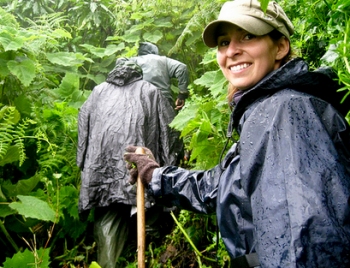
A Uganda gorilla permit is checked at the sector office before every trek, and a missing document can cost you the day. The requirements are few, but each one is enforced at the briefing table, not before.
Three of these trip people up more than the rest. The first is a passport renewed after booking: the number on the permit no longer matches, so send the new details to your operator, who asks UWA to update the record before the trek date. The second is age. Families sometimes book a fifteenth birthday trek a few weeks too early, and rangers go by the date of birth, not the year. The third is health. Nobody wants to lose US$800 to a cold, yet mountain gorillas die of human respiratory infections, and rangers do send people back.
How long is a permit valid? For one day, in one sector, for one activity. It is not an open ticket, and it does not roll over if you miss the date; only a formal reschedule moves it. Ownership is just as tight. The permit belongs to the named trekker, so it cannot be sold on, gifted or swapped with another traveller at the gate, and the money paid for one activity cannot be moved to another. Rules on changing the date are in the refunds section below.
Disability is not a bar. Travellers who cannot walk the trail can book a sedan chair carried by a porter team through their operator, and rangers give the nearest family to the slowest group where they can. Fitness matters more than age past 15: UWA warns that treks take two to seven hours on steep, muddy ground, and the trek day section further down covers porters and preparation.
Avoiding Fake Gorilla Trekking Permits That Cost You the Fee
The quickest way to lose US$800 is to pay the wrong person. A worry that turns up again and again in traveller groups is simple: I have paid, I have a PDF, but is this permit real? Uganda’s press has reported a fraud inquiry inside UWA in which permits were recycled and receipts forged, and fake “permit agents” on social media are a separate and more common problem.
The same trick runs on visas. Uganda’s immigration ministry warns that fake eVisa sites charge “processing fees” of roughly US$110 to US$200 on top of the real US$50 fee. The only official portal is visas.immigration.go.ug.
Watch your inbox, not just the seller. Operators and travellers have reported cases where a genuine email thread was intercepted and fresh bank details slipped into an invoice. If payment instructions change mid conversation, or arrive from a slightly different address, call the company on a number you found yourself before sending a cent.
If a lodge or a friend of a friend booked your permit, nothing is wrong with that as such. It is one of the most common worries in traveller groups: the permits came from an accommodation provider with good reviews, and now there is no way to tell whether they are real. There is. Ask for the UWA receipt, check the booking ID with UWA reservations, and do it before you book flights.
Uganda Gorilla Permit Refunds, Rescheduling Fees and Transfers

Permit fees are paid to UWA, not kept by your tour company, so any refund follows UWA’s permit guidelines and an operator can only return what UWA returns. Requests go in writing to UWA’s Executive Director, usually through the operator, and the date UWA receives the request counts as the cancellation date.
On a US$800 permit, that is roughly US$600 back with two months’ notice, US$400 at seven weeks, US$200 at a month, and nothing in the final fortnight. Older guides quote a 91 day top band; UWA’s current guidelines use 61 days.
Rescheduling is often the better move. UWA allows up to two reschedules on one permit. The first is free, subject to space; the second carries a surcharge of 25 percent of the permit price. Requests should reach UWA at least 14 days before the trek; a later request is handled only if there is space and also attracts the 25 percent charge. The new date must fall within twelve months of the original date, in the same park and for the same activity. Move into a pricier period and you pay the difference.
Two traps sit in the small print. A permit that has been rescheduled can no longer be refunded at all. And low season permits, like other promotional permits, cannot be rescheduled, so they are lost if unused.
A few cases fall outside the scale, all at UWA’s discretion. A trekker who falls ill in the park before tracking, confirmed by a medical report at their own cost, can be refunded 50 percent; so can someone injured in an accident in the park before the trek. If a group tracks for a whole day without finding the family, which is rare, UWA may move the permit to the next day, or refund 60 percent if there is no slot or your itinerary cannot stretch. A double payment is refunded in full. Advance payments for park entry and other activities are not refundable, so the chimp walk you prepaid stays paid.
The checker below applies these rules to your own permit and the days left before your trek.
Uganda Gorilla Permit Change and Refund Checker
Plans change. Pick your permit type, what has happened and how many days remain before the trek to see whether the date can move, what UWA keeps and what to do next.
Usually possible
Ask for a new date in the same park
With 60 days to go your request reaches UWA at least 14 days ahead, so a first move to a date with space is free.
Basis: UWA permit guidelines.
| Situation | What usually happens | Basis |
|---|---|---|
| First move, 14 days or more ahead | Moved to an open date in the same park within twelve months, free | UWA guidelines |
| Move requested under 14 days ahead | Handled only if there is space, with a 25% surcharge | UWA guidelines |
| Second move | 25% surcharge; a rescheduled permit can no longer be refunded | UWA guidelines |
| Low season permit | Cannot be rescheduled | UWA notice |
| Cancel 61 days or more ahead | 75% refunded, less bank charges | UWA guidelines |
| Cancel 46 to 60 days ahead | 50% refunded | UWA guidelines |
| Cancel 15 to 45 days ahead | 25% refunded | UWA guidelines |
| Cancel 14 days or fewer ahead | No refund | UWA guidelines |
| Ill in the park before tracking | 50% refund with a medical report, at UWA’s discretion | UWA guidelines |
| Family not found after a full day | Moved to the next day, or 60% refunded | UWA guidelines |
| Mgahinga family left Uganda | Full refund | Operator reported |
| Tracking in another sector | Fine of 50% of the permit fee | UWA tariff |
UWA does not post its booking terms on its website. The scale here follows UWA’s permit management guidelines; the rule marked operator reported comes from licensed operators and may change. Refunds are at UWA’s discretion. Any refund goes back through the operator who bought the permit, and operator service charges usually stay with them.
Last checked October. Sources: Uganda Wildlife Authority Conservation Tariff and permit management guidelines; UWA notice on low season rates; operator permit guides.
Can someone else use your permit? No. A Uganda gorilla permit is not transferable. It carries the trekker’s name, nationality and passport number, rangers match it to the passport at the briefing, and UWA does not move permit money from one activity to another, so a gorilla permit cannot become a chimp permit or a habituation permit either. Missing or mistyped bio data is the one thing that can be corrected, and only before the trek date. If you cannot travel, the realistic routes are a reschedule for yourself or the refund scale, not a sale to a friend.
Where do these rules come from? UWA does not publish its booking terms on its website, and its booking terms page currently says none are available. The scale on this page follows UWA’s permit management guidelines as circulated to licensed operators, and the same 61, 46 and 15 day bands appear in recent operator guides. Some older pages still print an earlier scale with a 91 day top band and a 75 percent refund when no gorillas are found; that version has been replaced. The 25 percent late reschedule charge and the 50 percent fine for tracking in another location sit in UWA’s conservation tariff itself. Because refunds are at UWA’s discretion, ask your operator for the current terms in writing on the invoice.
Mgahinga has one extra wrinkle. Its only bookable family, Nyakagezi, has crossed into Rwanda and Congo in the past, and operators report that UWA refunds the permit in full if the family is out of Uganda and no trek takes place. Confirm what your operator will do before you choose Mgahinga over a Bwindi sector.
Any deposit you paid an operator for lodges and transport follows the operator’s own terms, so read them alongside UWA’s. Cancellation cover in your travel insurance is the backstop; check that it names prepaid permits.
Gorilla Trekking Availability, Sectors and the Cost of Getting Them Wrong
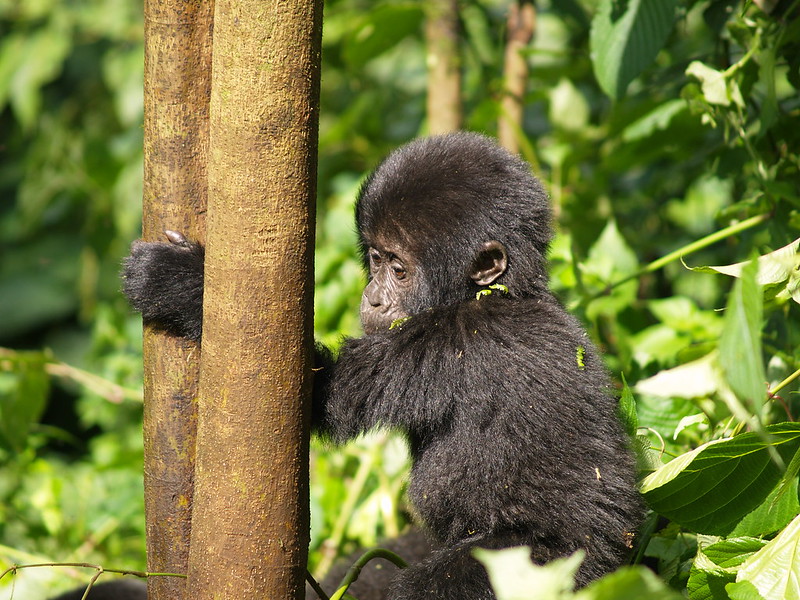
Uganda gorilla permit availability comes from one UWA rule: eight visitors per family per day. With around 19 families open to trekkers across Bwindi’s four sectors, that gives roughly 152 places a day, and Mgahinga adds about eight. Rwanda’s Volcanoes National Park sells about 96. Supply is not the issue; demand is. June to September, the Christmas and New Year weeks and February sell first, often six to ten months ahead, and groups of four or more need longer because they want places with the same family. March, April, May, October and November usually need three to six months. UWA’s system takes bookings up to one year ahead, and every booking is paid in full when it is made, so a permit bought early ties up the money early.
Last minute treks happen, mostly in Rushaga and mostly in the wet months. UWA sells no standby permits at the parks; a gap opens only when someone cancels or fails to show, and it sells at the full rate. Never build a trip on it. The month by month section below shows how rain, price and demand move through the year.
Gorilla trekking in Bwindi runs from four separate sectors, each with its own trailhead and lodges, and the drive between the far ends can take three hours or more on hill roads. UWA prints the sector on the permit, and tracking elsewhere carries that 50 percent fine. The commonest costly mistake in trip reports follows from this: someone books a lodge they like, receives a permit for a different sector, and pays for a predawn transfer of two to five hours, or an extra night somewhere closer. Fix the permit first, then pick the lodge in the right sector with our Bwindi safari lodges guide. Our guide to planning a Bwindi gorilla safari puts every step in order.
The finder below narrows the five permit areas to the route you are taking in, the permit you want and how hard a walk you are happy with.
Uganda Gorilla Permit Sector Finder
Every Uganda gorilla permit is tied to one sector of Bwindi or to Mgahinga. Filter by your route in, permit type and walking preference to see which sectors suit the trip you are planning.
Showing all 5 sectors
| Sector | Families | Nearest airstrip | Terrain | What it means for you |
|---|---|---|---|---|
| 1.BuhomaNorth Bwindi | About seven, including Mubare, the first family habituated for visitors | Kihihi, about an hour by road | Easy to moderate by Bwindi standards | Fits a northern circuit with Queen Elizabeth; the usual pick for older trekkers |
| 2.RuhijaEast Bwindi | About four | Kihihi, two hours or more by road | Moderate to hard, at about 2,300 m | Cooler nights; pack a warm layer and expect steep valley walks |
| 3.RushagaSouth Bwindi | The most of any sector, about eleven | Kisoro, about an hour by road | Varies from moderate to steep | Best odds of a permit on a busy date; the only sector for habituation |
| 4.NkuringoSouth Bwindi | About four, including Nkuringo, Bushaho, Christmas and Posho | Kisoro, about an hour by road | Hard; a steep drop off the ridge and a climb back out | Book a porter; good views of the Virunga volcanoes from the lodges |
| 5.Mgahinga Gorilla National ParkVirunga slopes | One bookable family, Nyakagezi. Hirwa is now listed under Mgahinga, but check whether UWA sells permits for it | Kisoro, a short drive | Often gentler, through bamboo on volcano slopes | Few permits a day, so book early; combines with golden monkey tracking |
No sector matches all selected filters. Try removing one filter.
Family counts change as groups split and merge, so treat them as a guide. Every sector can be reached by road from either side of the country; the route filter shows the shortest fit. Tracking in a sector other than the one on your permit draws a UWA fine of half the permit fee. Sightings are never guaranteed.
Last checked October. Sources: Uganda Wildlife Authority Conservation Tariff; Duma Explorer and Monkey Travel sector guides.
You can request a sector, but not a family. Families are allocated at the briefing, and rangers try to give nearer groups to slower walkers. Groups of eight who want a family to themselves can, in theory, buy all eight permits for one family on one day, at eight times the price; the rangers, trackers and porters still come along.
Best Time to Use a Uganda Gorilla Permit, Month by Month
Which month is best for gorilla trekking in Uganda? For dry trails, June to August and December to February. For the cheapest permit and the most choice of sector, April, May and November. Treks run every day of the year, so the real choice is between firmer paths in the busy months and a lower price with more mud in the quiet ones. Bwindi is a montane rainforest that takes somewhere around 1,400 to 1,900 mm of rain a year, and no month is fully dry.
| Month | Permit | Crowds and trails |
|---|---|---|
| January | US$800 | Busy; good trails |
| February | US$800 | Moderate; good |
| March | US$800 | Quiet; muddy |
| April | US$600 | Quietest; very muddy |
| May | US$600 | Quiet; muddy |
| June | US$800 | Busy; good |
| July | US$800 | Peak; best trails |
| August | US$800 | Peak; good |
| September | US$800 | Moderate; fair |
| October | US$800 | Quiet; muddy |
| November | US$600 | Quiet; muddy |
| December | US$800 | Busy late; fair to good |
The permit column shows the foreign non resident rate. Foreign residents pay US$700, or US$500 in the same three discount months.
June to August is when most people trek, and July is usually both the driest and the fullest month. Permits for the Buhoma families, which many older trekkers want, go first, often six to ten months ahead. Late June gives most of the dry season benefit with a little less pressure on permits and lodges.
December to February is the second dry window. The Christmas and New Year fortnight sells like July, while February is one of the better value months for a standard US$800 permit on a firm trail.
March, September and October sit in between. Treks run normally, rain comes in heavy afternoon bursts, and permits are easier to find. September often stays fairly dry in its first half.
April, May and November bring the US$600 low season permit. April is the wettest month in most years, with ankle deep mud on the steeper Rushaga, Nkuringo and Ruhija trails and slower road transfers. Late May is the pick of the three, as the rain eases and the forest is at its greenest. November tends towards shorter showers. One condition comes with the price: the low season permit cannot be rescheduled, so it suits fixed dates only.
Our full guide to the best time for gorilla trekking in Uganda covers rainfall, temperature and birding month by month.
What a Uganda Gorilla Permit Trip Adds Up To: A Worked Total
The permit is the biggest single line, but it is rarely more than half the trip. Here is one common shape, priced from UWA’s tariff, the immigration ministry’s visa fees and the ranges Ugandan operators and lodges publish on their own rate pages.
What moves it? The lodge most of all. A budget camp near Rushaga brings the stay down to roughly US$100 to US$200 for two nights and the total to around US$1,400, close to what operators charge for their cheapest Kigali packages. A top lodge at US$1,000 or more a night pushes it past US$3,500.
Travelling alone costs more than people expect, because nothing is shared. The solo traveller carries the whole vehicle, another US$300 here, and pays a single room rate. One Rushaga lodge publishes US$100 for a single room against US$150 for a double, so the solo guest pays US$100 a night where each of a couple pays US$75. Across midrange lodges, expect the solo version of this trip to land somewhere around US$2,100 to US$2,200.
Starting from Entebbe instead adds a long drive each way, or a flight. Recent one way fares from Entebbe to Kihihi or Kisoro have been about US$300 to US$450 per person, and Aerolink, the scheduled domestic carrier, allows 15 kg of checked bags in soft luggage and charges US$3 for each extra kilo. Sedan chairs carried by porter teams, for travellers who cannot walk the trail, are usually quoted at around US$400 to US$500 and are arranged in advance. Our gorilla trekking cost guide prices longer trips at every budget, and the calculator below totals your own choices.
Gorilla Trekking Cost Calculator
Plan your gorilla trekking adventure budget with our comprehensive calculator.
Gorilla trekking Cost calculator
Rwanda and Congo Gorilla Trekking Permit Prices Compared with Uganda

For Rwanda gorilla trekking, the Rwanda Development Board sells permits for Volcanoes National Park at US$1,500. From November to May, RDB’s offer takes 30 percent off, to US$1,050, for visitors who also spend nights in Nyungwe or Akagera national parks. Rwanda is friendlier to independent buyers, with an online portal open to the public, and our page on Rwanda gorilla permits covers RDB’s rates, offer and refund terms in full. For a whole Rwanda trip with lodges and transport, see the Rwanda gorilla trekking cost per person guide. Any Rwanda safari company can pair the permit with a lodge near the park.
Plenty of travellers fly into Kigali for the shorter flights and still trek in Uganda for the cheaper permit, crossing to Rushaga or Nkuringo. Our guide to gorilla trekking in Uganda from Kigali explains the border route, and the Uganda vs Rwanda comparison weighs time against budget.
The Democratic Republic of Congo is the third mountain gorilla country. Virunga National Park has listed its permit at about US$400 when treks run, but insecurity in North Kivu has closed trekking for long stretches, so check the park’s position and current travel advice first. Our Congo gorilla trekking safari page tracks the situation, and the where to see gorillas in Africa page compares every option on the continent.
Trek Day on a Uganda Gorilla Permit, and Where to Go Next
On trek day the permit commits you to a ranger led gorilla tracking group and a set of rules that are enforced. You report with passport and permit to the sector office for the briefing at about 7:30 or 8:00am, and most groups walk by about 9:00. By then the trackers have usually found the family and radioed its position.
Groups stay at eight or fewer, and the hour is fixed. UWA asks visitors to keep 10 metres back, cover a cough or sneeze and turn away, and avoid eating, drinking or smoking near the gorillas. No flash. Anyone with a cold, flu or stomach bug should not trek at all, since mountain gorillas catch human illnesses easily.
Walk times vary wildly. Trip reports run from a family found fourteen minutes from the trailhead to a four hour climb up a ridge and the same again back, and the permit’s hour is the same either way, because it starts when your group reaches the family. Porters carry the bag, haul you up muddy banks, and the pay supports households beside the park. Gardening gloves for nettles and thorny vines, and gaiters against safari ants, come up in trip reports far more than in glossy guides. The gorilla trekking packing list covers the rest, and our page on trekking difficulty, length and fitness sets out what the walking is like. And the hour itself? It goes faster than almost anyone expects.
A gorilla permit often anchors a longer East Africa trip. Short flights link Entebbe and Kigali with Nairobi and Kilimanjaro, so Bwindi pairs well with a Masai Mara safari in the migration months of roughly July to October, or with a Serengeti safari in Tanzania. Lock the gorilla date first, since it is the hardest piece to move, and check road times in our guide to getting to Bwindi.
Uganda Gorilla Trekking Permit FAQ
How much does a gorilla permit cost in Uganda?
On the current UWA tariff, a gorilla trekking permit costs US$800 for foreign non residents, US$700 for foreign residents, US$500 for citizens of other African countries and UGX 300,000 for East African citizens. In April, May and November the low season rate is US$600 for foreign non residents and US$500 for foreign residents, paid in full and not reschedulable. The price is the same in every Bwindi sector and in Mgahinga, and it includes park entry for the day.
How much does it cost to trek with a gorilla in Uganda?
The permit is US$800, but the whole trek costs more. A three day trip from Kigali with two sharing a midrange lodge comes to about US$1,730 per person once transport, lodge, visa, porter and tips are added, and the cheapest operator packages from Kigali start around US$1,350 to US$1,450. The full Uganda trekking cost breakdown prices longer trips.
How much does a chimpanzee permit cost in Uganda?
Chimpanzee tracking in Kibale costs US$250 for foreign non residents, US$200 for foreign residents and UGX 180,000 for East Africans, including Kibale’s park entry. The low season rate in April, May and November is US$200 for foreign non residents, and UWA has announced a rise to US$300. Kyambura Gorge in Queen Elizabeth is US$100, and the Kibale chimp habituation experience is US$300.
How difficult is gorilla trekking in Uganda?
Moderate fitness is enough for most families. UWA says treks take two to seven hours, at roughly 1,200 to 2,600 metres, on steep, muddy and sometimes trackless slopes. Nkuringo and Ruhija tend to be the steepest. Regular hill walking in the months before helps, a porter makes a real difference, and rangers give nearer families to slower walkers when they can.
What are the gorilla permit requirements in Uganda?
Bring your original passport matching the name on the permit, be at least 15 on the trek date, and carry a work permit, residence card or East African ID if you booked a resident or East African rate. You also need a valid Uganda visa or East Africa Tourist Visa, and you must be free of colds and stomach bugs. Arrive at the sector office by about 7:30am for the briefing.
Can I buy a Uganda gorilla permit myself?
No. UWA sells Uganda gorilla and habituation permits to licensed tour operators, so you book through one that is a recognised AUTO member, and it buys the permit from UWA in your name. That applies to foreign non residents, foreign residents and East African citizens alike, and nothing is sold at the park gates. In Rwanda, anyone can book online with RDB.
Is the low season gorilla permit worth it?
For travellers with fixed dates, usually yes. It saves US$200 per person, lodges often cut rates in the same months, and sectors are easier to get. The trade off is wetter, slipperier trails and a permit that cannot be moved, so it suits people whose flights and leave are settled.
How do I get a permit to go gorilla trekking in Uganda?
Choose two or three possible dates and a preferred sector, then ask a licensed tour operator that is a recognised AUTO member to check UWA’s calendar. Send each trekker’s passport details, pay the full permit price, and wait for the UWA receipt with a booking ID. This is the route for every visitor category, including foreign residents and East African citizens.
Which month is best for gorilla trekking in Uganda?
June to August and December to February have the driest trails, with July the driest and busiest month. April, May and November are wetter, quieter and carry the low season permit rate. Gorillas are found all year, because they do not migrate with the seasons.
What is the gorilla habituation experience in Uganda?
It is a separate permit that lets up to four visitors spend up to four hours with a gorilla family that researchers are still accustoming to people, in Bwindi’s Rushaga sector. You follow the trackers from the start of their day and see how habituation works. It costs more than a standard trek and keeps its full price in the low season months.
Can I go on a gorilla tour in Uganda on my own?
You can travel independently, but the permit still comes through a licensed operator. Some travellers ask an AUTO member to buy only the permit and then hire a car and driver or drive themselves to the sector, which works if you allow for slow roads and stay close to the trailhead the night before. Most book a short package, which bundles the permit, lodge and a driver who knows the sector roads.
Is a gorilla permit refundable if I get sick?
Partly. Rangers can stop anyone with a cold, flu or stomach bug from trekking, and UWA may refund half the permit with a medical report. Cancelling in advance follows a sliding scale from 75 percent back at 61 days or more to nothing in the final fortnight, so travel insurance that names prepaid permits is worth having.
Can the name on a gorilla permit be changed?
Usually not. The permit carries the trekker’s name and passport number and is not transferable, and funds paid for one activity cannot be moved to another. Bio data missing at booking can be added before the trek date. If you cannot go, a reschedule or the refund scale is the realistic route.
Do children pay for gorilla permits?
There is no child permit because the minimum age is 15 in Uganda, Rwanda and Congo, checked against the passport at the briefing. A 15 year old pays the full adult rate for their category. Younger children can do other activities, and UWA charges children aged 5 to 15 reduced park entry of US$20.
Can I trek gorillas more than once on one trip?
Yes. Each trek needs its own US$800 permit, and many visitors book two days in different sectors to meet two families. Some pair a standard trek with the US$1,500 habituation experience in Rushaga.
Is Uganda or Rwanda better for a gorilla permit?
Uganda has the lower fee, US$800 against US$1,500, more families and sectors, and the habituation experience. Rwanda has the shorter drive from Kigali, simple online booking and often shorter walks on the volcano slopes. On a tighter budget for a first trek, Uganda usually comes out ahead.