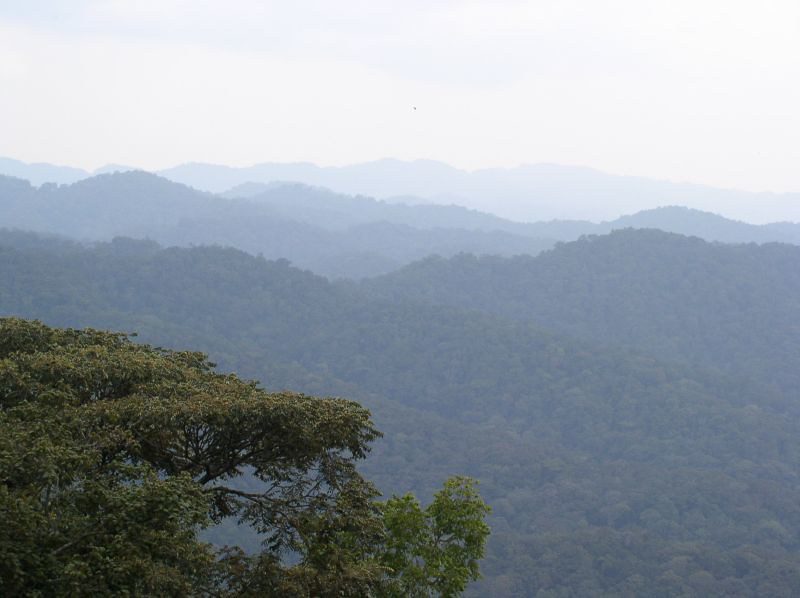
Bwindi Impenetrable Forest National Park in southwestern Uganda offers 18 confirmed activities ranging from gorilla trekking to cycling tours, cultural walks, and specialist birdwatching. The centrepiece activity, gorilla trekking, requires a permit costing USD $800 per person for foreign non-residents, while the extended Gorilla Habituation Experience costs USD $1,500 per person. Park entrance fees for other activities are USD $40 per person for foreign non-residents. Bwindi sits at elevations between 1,160 and 2,607 metres, spans 331 square kilometres, and is gazetted as a UNESCO World Heritage Site. The park is divided into four sectors: Buhoma, Ruhija, Rushaga, and Nkuringo, each with its own suite of activities and trailheads.
New to planning this trip? Start with our step-by-step guide to planning a Bwindi safari, which covers permits, timing and sector choice in the order those decisions need to be made.
| Activity | Duration | Difficulty | Cost (Foreign Non-Resident) | Best Season |
|---|---|---|---|---|
| Gorilla Trekking | 2–8 hrs (1 hr with gorillas) | Moderate to Strenuous | USD $800/permit | Jun–Aug, Dec–Feb |
| Gorilla Habituation Experience | Full day (4 hrs with gorillas) | Strenuous | USD $1,500/permit | Jun–Aug, Dec–Feb |
| Guided Forest Walks | 30 min – 8 hrs | Easy to Moderate | USD $30–$40 | Year-round |
| Birdwatching | Half day – full day | Easy to Moderate | USD $30–$40 + guide | Nov–Apr |
| Batwa Cultural Experience | 3–4 hrs | Easy | USD $40/person | Year-round |
| Buhoma to Nkuringo Long Walk | Full day | Strenuous | USD $60/person | Jun–Aug, Dec–Feb |
| Rushura Hill / Muzabajiro Loop | Half day | Moderate | USD $40/person | Year-round |
| Cycling (Ride 4 a Woman) | 2–3 hrs | Easy to Moderate | Community rate (approx. USD $10–$20) | Year-round |
| Buhoma Village Walk | 3 hrs | Easy | Community fee | Year-round |
| Butterfly Watching | Half day | Easy | Included in park entry | Nov–May |
Gorilla Trekking in Bwindi Impenetrable Forest
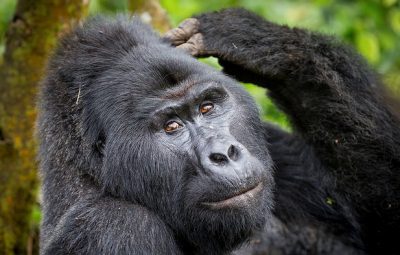
Gorilla trekking is the primary reason most visitors travel to Bwindi. The park holds more habituated mountain gorilla families than any other park in the world, with 19 fully habituated families spread across all four sectors. Only eight visitors per gorilla family are permitted on any given day, and each group is allocated a maximum of one hour in direct contact with the gorillas. The Uganda Wildlife Authority (UWA) controls all permit issuance. Gorilla Safari Permits cost USD $800 per person for foreign non-residents, USD $700 for foreign residents, and USD $500 for other African nationals. East African citizens pay UGX 300,000. No walk-in permits are sold at the park gate; all permits must be purchased through UWA or a licensed tour operator, and advance booking of three to six months is standard for the peak dry season months of June through August and December through February.
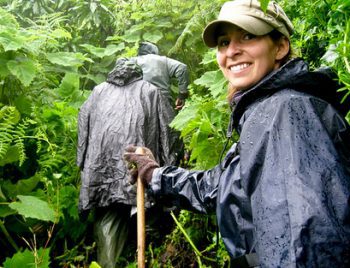
The physical demand of a gorilla trek depends on where the gorilla family has chosen to nest overnight. Rangers and trackers go out before dawn to locate the family, and trekkers follow. Some treks take two hours round trip; others take eight hours through steep, muddy terrain. Trekkers must be aged 15 or older and are advised to hire a porter from the local community at an additional fee of around USD $15. The one-hour rule with the gorillas is strictly enforced by UWA guides, and no flash photography is permitted. Low-season months of April, May, and November offer a permit discount, with some operators listing prices as low as USD $600 during those periods.
Read the complete guide to gorilla trekking in Bwindi, or compare the four sectors directly: Buhoma, Ruhija, Rushaga and Nkuringo. If you are unsure whether the walking suits you, see how difficult gorilla trekking actually is.
Gorilla Habituation Experience in Bwindi
The Gorilla Habituation Experience (GHEX) is a distinct permit category available only in the Rushaga sector of Bwindi. Unlike standard trekking, where visitors spend one regulated hour with a fully habituated family, the habituation experience allows four visitors at a time to spend up to four hours with a semi-habituated gorilla group that is still being accustomed to human presence. The permit costs USD $1,500 per person for foreign non-residents, USD $1,000 for foreign residents, and the same for African nationals. East African citizens pay UGX 750,000. Participants accompany UWA researchers and rangers throughout the visit, which provides a markedly different encounter: gorillas interact more naturally, move more freely, and the process of habituation itself is observable. No seasonal discount applies to GHEX permits.

See the full guide to the Gorilla Habituation Experience for costs, booking windows and what the four hours actually involve, and the Rushaga sector guide for lodges and access, since GHEX runs nowhere else.
Guided Forest Walks and Hiking Trails in Bwindi
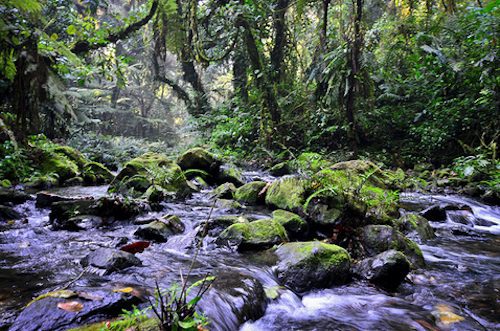
Several guided nature walks operate from the Buhoma, Ruhija, Nkuringo, and Rushaga sectors and do not require a gorilla permit. These walks range from 30-minute introductory strolls to eight-hour full-day treks. The Munyaga River Waterfall Trail, beginning at Buhoma, runs for approximately two kilometres along a disused logging road before ascending through closed-canopy forest to a 33-metre waterfall. This three-hour walk is rated as one of the best general forest walks for combining primate sightings with forest scenery. Guided walks from Buhoma are available on the same day as gorilla trekking if conducted earlier in the morning, though this is demanding. In Ruhija, guided walks cost USD $30 for foreign non-residents and USD $15 for foreign residents, and require a separate USD $40 park entrance fee because trekking and hiking from Ruhija cannot practically be combined on the same day.
The six-hour Bamboo Trail from Ruhija leads to Rwamunyonyi Peak at 2,607 metres, the highest point in the park. The Mubwindi Swamp Trail in Ruhija descends several hundred metres from the trailhead to a swamp holding 20 IUCN Red Data Book bird species, making it a specialist birding trail as much as a hiking route. Visitors who engage a UWA ranger guide are charged a guide fee on top of the walk fee, and community porters can be hired at most trailheads.
Trailheads differ by sector, so read the Buhoma sector guide for the Waterfall Trail and the Ruhija sector guide for the Bamboo and Mubwindi Swamp routes.
Birdwatching Along Bwindi’s Albertine Rift Trails
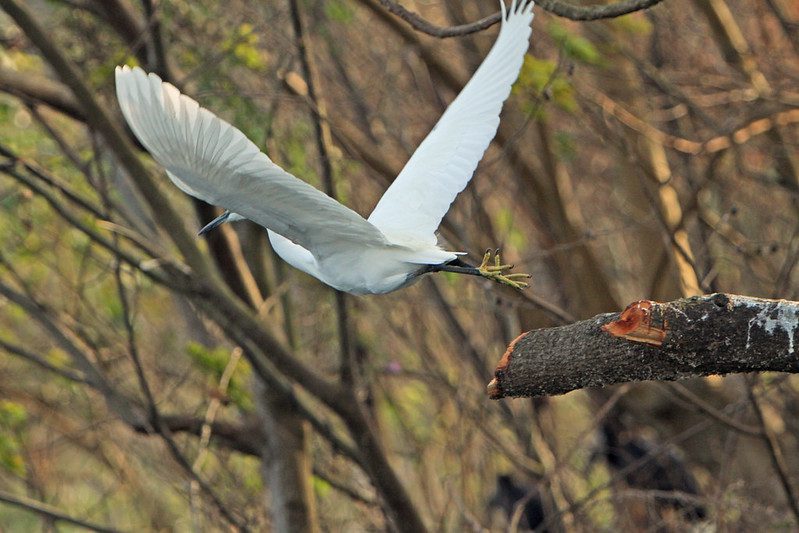
Bwindi holds over 350 confirmed bird species, with 23 species endemic to the Albertine Rift Valley. This represents approximately 90 percent of all Albertine Rift endemic bird species found in Uganda. Notable species include the Short-tailed Warbler, Blue-headed Sunbird, Narrow-tailed Starling, and seven species listed on the IUCN Red Data Book. Birding takes place along four primary trails: the Main Trail at Buhoma, the Buhoma Waterfall Trail, the Bamboo Zone trail in Ruhija, and the Mubwindi Swamp Trail also in Ruhija. The dry season months of December through February coincide with the arrival of migratory species, adding further variety to the resident list. The Mubwindi Swamp Trail is regarded among visiting birders as the most productive single route in the park, particularly for forest-floor and swamp specialists. Specialist birding guides can be arranged through lodges or UWA at Buhoma and Ruhija sector offices.
Our full guide to birding in Bwindi and across Uganda lists the endemics by trail and covers the wider national circuit. Optics matter more than reach in low forest light, which is covered in our notes on cameras and binoculars for safari.
The Batwa Cultural Experience

The Batwa were the original inhabitants of Bwindi Impenetrable Forest, living as nomadic hunter-gatherers within the forest for generations. When the park was gazetted as a national park in 1991, the Batwa were resettled outside the forest boundaries. The Batwa Cultural Experience is a three-to-four-hour guided walk led by Batwa community members themselves, documenting their traditional survival skills, forest-based medicine, fire-making techniques, and hunting practices. The programme is partly supported by USAID and provides direct income to Batwa households. The Buniga Forest Batwa Trail in the Nkuringo area is one of the most developed versions of this experience, running through a forest reserve adjacent to the main park. UWA charges foreign non-residents USD $40 per person for the Batwa Forest Experience, separate from general park entrance fees. The Buhoma Community Village Walk also incorporates a visit to the Batwa community at its conclusion, with traditional dancing.
For the history and present circumstances behind the experience, read our background piece on the Batwa people of Bwindi. The Buniga trail version is described in the Nkuringo sector guide.
Wildlife Viewing Beyond the Gorillas
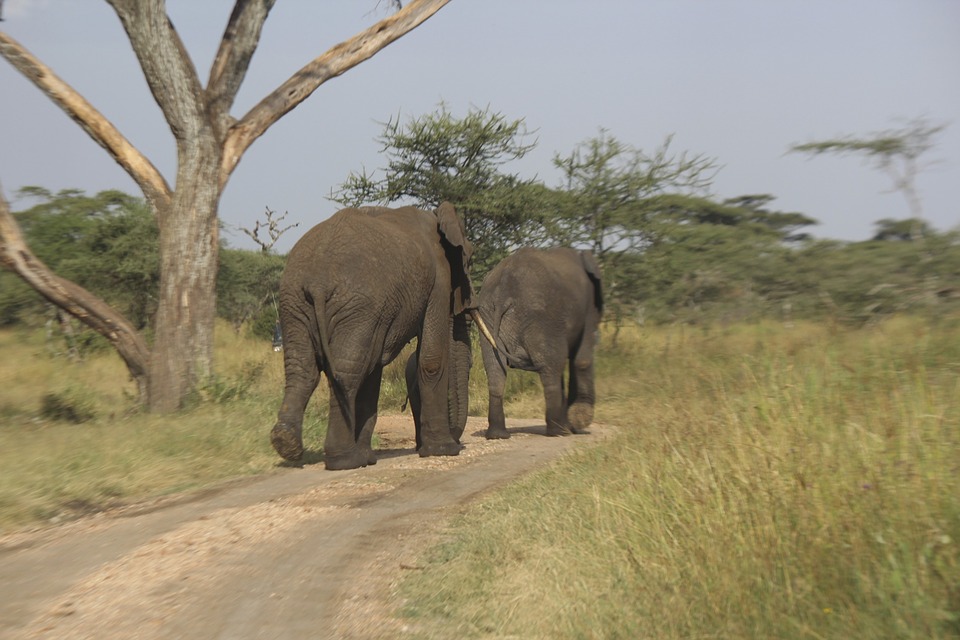
Bwindi holds around 120 mammal species in addition to its mountain gorilla populations. Common primates encountered on forest walks include the black-and-white colobus monkey, red-tailed monkey, olive baboon, and L’Hoest’s monkey. Forest elephants move through the park but sightings are unpredictable; the Nkuringo and Ruhija sectors offer better chances due to more open terrain at higher elevations. Duikers are regularly seen on the Waterfall Trail and along the forest edge near Buhoma. Butterfly watchers benefit from over 200 recorded species within the park, with the greatest diversity concentrated along water courses and forest clearings. The best butterfly sightings occur during the wet months of October through May, when species are most active and visible on flowering vegetation and damp soil.
For bigger game, the savannah parks are a short drive away. See what else to do after a gorilla safari, or read the full guides to Queen Elizabeth National Park and Murchison Falls National Park.
Long-Distance Forest Hikes in Bwindi
For visitors with multiple days at the park, Bwindi offers two structured long-distance forest hikes. The Buhoma to Nkuringo trail is a full-day cross-park walk connecting the northern and southern sectors through closed-canopy montane forest. The fee for this hike is USD $60 per person for foreign non-residents, USD $50 for foreign residents, and UGX 50,000 for East African citizens. The Rushura Hill hike, also referred to as the Muzabajiro Loop, is a half-day option offering wide-angle views over the forest canopy and into the Democratic Republic of Congo. The Muzabajiro Loop costs USD $40 for foreign non-residents and USD $20 for foreign residents. Both hikes require a UWA ranger guide and are best completed in dry conditions, as the paths become significantly more challenging when wet.
The cross-park walk starts and finishes in two different sectors, so read both the Buhoma and Nkuringo guides before booking accommodation, and check trekking difficulty and fitness requirements for the full-day option.
Buhoma Village Walk and Community Cultural Visits
The Buhoma Community Village Walk is a three-hour guided walk beginning at the Buhoma Community Rest Camp, covering the farming communities and trading areas surrounding the park’s northern boundary. Guides lead visitors through a crafts centre where local women produce baskets and woven goods available for purchase, a visit to a traditional healer, a demonstration of local banana fermentation for juice, beer, and waragi (local gin), and a final visit to the Batwa community that ends with traditional dancing. The walk directly supports the Buhoma Community Programme, which directs income into local schools, healthcare, and household livelihoods. Participation in this walk contributes financially to the immediate community more directly than most other activities at the park. The walk can also be done as a guided mountain bike ride through the Ride 4 a Woman programme in Buhoma.
Full detail on the northern sector, its lodges and its trailheads is in the Buhoma gorilla trekking guide.
Cycling Tours with the Ride 4 a Woman Initiative
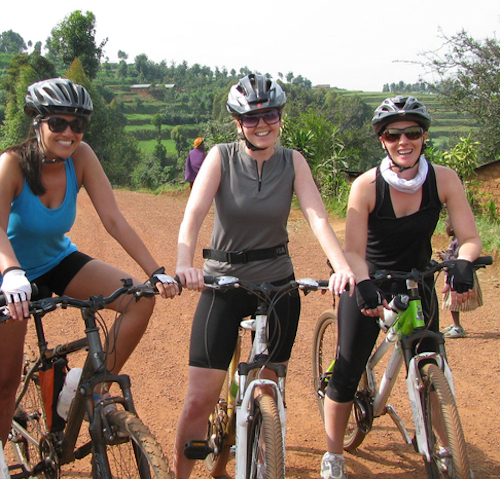
The Ride 4 a Woman organisation is based in Buhoma town, a short distance from the main park gate. It is a women-led community project that began by renting bicycles to visitors and has grown to include over 300 members who offer guided bike rides, sewing classes, weaving, traditional cooking, and accommodation. Two main cycling trails are available: the Village Bike Ride, which takes approximately two hours through farmland and small settlements, and the River Ivy Ride, which follows a forest-edge trail where vervet monkeys, black-and-white colobus, and various birds can be spotted. Trained guides accompany all rides, and all income from the programme goes directly to member households. Sewing classes at the Ride 4 a Woman craft shop near Buhoma Hospital cost UGX 30,000 per visitor. Mountain bikes with gears are available for rent at the Buhoma base. Altitude is a practical consideration for visitors who are not accustomed to cycling at elevation, as Buhoma sits at around 1,700 metres.
Rides start from Buhoma town, so see the Buhoma sector guide for where to stay within walking distance of the base.
Primate Tracking Beyond Mountain Gorillas
Bwindi supports 11 primate species, making forest walks productive for primate tracking independent of the gorilla permit system. The black-and-white colobus monkey is the most reliably spotted primate on guided walks out of Buhoma and Ruhija, often seen moving through the upper canopy in social groups. Red-tailed monkeys and L’Hoest’s monkeys are also frequently encountered along the Waterfall Trail. Olive baboons are common near the forest edge. Chimpanzees are present in Bwindi’s forest but they are not habituated for tourism, so sightings are occasional rather than guaranteed. Visitors interested in dedicated chimpanzee tracking should plan a separate visit to Kibale National Park, where chimpanzee habituation programmes are fully operational.
For chimpanzees, read the full guide to chimpanzee trekking in Kibale National Park. Golden monkeys are tracked next door in Mgahinga, covered in our guide to golden monkey trekking in Uganda.
Nature Photography in Bwindi’s Rainforest
Bwindi offers photography opportunities across all its activity categories, but the most productive environments for general nature photography are the forest interior trails in Buhoma and the Mubwindi Swamp area in Ruhija. Light conditions inside the closed-canopy sections of the forest are consistently low, even on clear days, so a camera with good low-light performance or a fast lens is more practical than flash units, which are also prohibited during gorilla trekking. The Waterfall Trail provides accessible waterfall photography within a three-hour walk. Morning forest mist along the Rushura Hill viewpoints is a reliable subject in most months. Butterfly concentrations along waterways and at damp clearings provide macro photography opportunities, particularly between November and May.
Our dedicated guide to photography on a gorilla trek covers settings, lens choice and the rules enforced during the hour with a family, and cameras and binoculars deals with kit selection.
Tea Plantation Visits and Village-Based Experiences
Several tea estates operate on the land surrounding the park’s boundaries, particularly in areas around the Buhoma and Nkuringo sectors. These estates are part of the agricultural landscape that buffers the park and can be visited informally or through community tour programmes. Village-based experiences run by community tourism groups allow visitors to observe and participate in local farming practices, including banana cultivation, sweet potato harvesting, and tea picking. Local food preparation demonstrations are included in several community walk programmes, where visitors learn traditional cooking methods using local ingredients. These village experiences are operated at community-set fees and do not require UWA permits, though they are most logistically convenient when incorporated into a broader park visit rather than as standalone day trips.

More on farm visits, tea and crop tourism around the park is covered in our guide to agro-tourism in Uganda.
Conservation and Community Project Visits
Several non-governmental and conservation organisations maintain active programmes in communities surrounding Bwindi that can be visited by interested travellers. Conservation Through Public Health (CTPH) operates a village Aquaponics project near Buhoma that visitors can tour, which demonstrates integrated conservation and food security approaches in gorilla corridor communities. The Bwindi Community Hospital, funded partly through tourism and international donors, runs charity cycling tours that support local healthcare and can be joined by visitors. Nkuringo Walking Safaris, based in the southern sector, offers multi-activity packages that combine forest walks with community visits to schools and women’s groups. Engaging with these projects does not require advance permits beyond the standard park fees but does typically require coordination with the organising NGO or lodge concierge at least one day in advance.
Twenty percent of gorilla permit revenue is returned to communities bordering the park. Background on how that funding works, and on the gorillas it protects, is in our guide to Bwindi’s gorilla families.
Costs and Fees for Activities in Bwindi Impenetrable Forest
| Activity / Fee | Foreign Non-Resident (USD) | Foreign Resident (USD) | East African Citizen (UGX) |
|---|---|---|---|
| Gorilla Trekking Permit | $800 | $700 | 300,000 |
| Gorilla Habituation Experience (GHEX) | $1,500 | $1,000 | 750,000 |
| Park Entrance Fee (Buhoma / general) | $40 | $40 | 20,000 |
| Guided Nature Walk (Ruhija) | $30 | $15 | Included in entry |
| Batwa Forest Experience | $40 | $40 | 40,000 |
| Buhoma to Nkuringo Long Walk | $60 | $50 | 50,000 |
| Rushura Hill / Muzabajiro Loop | $40 | $20 | 10,000 |
| Bamboo Walk (Ruhija) | $40 | $20 | 10,000 |
| Porter (per trek) | ~$15 | ~$15 | Negotiable |
| Ride 4 a Woman Cycling Tour | ~$10–$20 | ~$10–$20 | Community rate |
| Sewing Class (Ride 4 a Woman) | ~$8 (30,000 UGX) | ~$8 | 30,000 |
Permit rates are revised periodically by the Uganda Wildlife Authority. For current pricing, discount windows and how to buy, see our guide to booking Uganda gorilla permits, or work through the Bwindi safari planning guide for a full trip budget.
Best Time to Visit Bwindi for Each Activity
| Month | Season | Gorilla Trekking | Birdwatching | Hiking / Long Walks | Butterflies |
|---|---|---|---|---|---|
| January | Dry | Excellent | Good (migrants present) | Excellent | Moderate |
| February | Dry | Excellent | Good | Excellent | Moderate |
| March | Wet (start) | Good | Very Good | Moderate | Good |
| April | Wet | Good (lower price) | Very Good | Moderate | Very Good |
| May | Wet | Good (lower price) | Very Good | Challenging | Very Good |
| June | Dry | Excellent | Good | Excellent | Moderate |
| July | Dry | Excellent | Good | Excellent | Moderate |
| August | Dry | Excellent | Good | Excellent | Moderate |
| September | Dry (end) | Very Good | Good | Very Good | Moderate |
| October | Wet | Good | Very Good | Moderate | Good |
| November | Wet | Good (lower price) | Excellent | Challenging | Very Good |
| December | Dry | Excellent | Excellent (migrants arrive) | Excellent | Moderate |
For a month-by-month breakdown of weather, crowds and pricing, see when to visit Bwindi and the best time to go gorilla trekking in Uganda.
Packing for Bwindi Activities

Footwear and Clothing
Waterproof ankle-support hiking boots are required for gorilla trekking and all long walks. Pack at least one full waterproof layer (jacket and trousers). Long-sleeved shirts and long trousers protect against stinging nettles and insects. Gaiters are optional but useful in the wet season. Lightweight gardening gloves protect hands on steep sections.
Photography and Optics
A camera with good low-light capability and a zoom lens performs best in the forest interior. Bring extra batteries and multiple memory cards. Binoculars with at least 8x magnification are standard for birdwatching. A waterproof camera bag or rain cover is essential. No flash photography is permitted during gorilla encounters.
Health and Hydration
Carry at least 1.5 litres of water per trek. High-energy snacks such as nuts and dried fruit sustain energy on longer walks. Insect repellent with DEET is recommended for the forest interior. Antimalarial medication should be discussed with a travel health clinic before departure. A basic first aid kit with blister plasters is practical on multi-day hikes.
Documents and Permits
Carry printed gorilla permits on trek day; digital copies are not always accepted at the park gate. A passport with a valid Ugandan visa is required at the gate. Travel insurance documentation is recommended. If accessing Bwindi from Rwanda via Kigali, bring all border crossing documents and the East African Tourist Visa if applicable.
Detailed lists are in our guides to what to wear for gorilla trekking, the full Africa safari packing list, gaiters, safari travel insurance and the East Africa Tourist Visa.
Frequently Asked Questions About Things To Do in Bwindi
Can I do multiple activities on the same day as gorilla trekking?
Yes, but only from Buhoma sector where the proximity of trails makes it practical. The Buhoma Waterfall Trail or a Buhoma village walk can be completed either before or after a gorilla trek from this sector. In Ruhija and other sectors, the full-day demands of gorilla trekking and the layout of trailheads make same-day combination activities less feasible. Confirm with your guide the day before.
How far in advance do I need to book a gorilla permit?
Three to six months in advance is the standard recommendation for peak season months of June through August and December through February. For low-season months of April, May, and November, permits are easier to obtain within four to eight weeks, though earlier booking is still advisable. No walk-in permits are available at any of the four Bwindi sector offices.
Is the Gorilla Habituation Experience worth the additional cost over a standard permit?
The GHEX permit at USD $1,500 costs nearly double the standard USD $800 permit and provides four hours instead of one with a less habituated gorilla group. For visitors with a serious interest in gorilla behaviour, conservation research, or photography, the additional time justifies the cost. For first-time gorilla visitors, the standard one-hour permit with a fully habituated family provides a more predictable encounter. GHEX is available only in Rushaga sector.
What is the physical fitness level required for activities in Bwindi?
Gorilla trekking and long-distance hikes such as the Buhoma to Nkuringo trail require reasonable fitness and ability to walk on steep, uneven terrain for several hours. The Buhoma village walk, Batwa cultural experience, and cycling tours around Buhoma are accessible to visitors with average fitness. The Mubwindi Swamp birding trail involves significant descent and ascent and is physically demanding. Altitude between 1,700 and 2,600 metres is a factor for visitors arriving directly from sea level.
Are there activities in Bwindi that do not involve paying a gorilla permit?
Yes. All guided forest walks, the Batwa cultural experience, birdwatching trails, butterfly watching, the Buhoma village walk, the Ride 4 a Woman cycling programme, long-distance hikes, Rushura Hill viewpoints, conservation project visits, tea plantation tours, and community cultural experiences are available without a gorilla permit. Park entrance fees of USD $40 apply for activities within the park boundary.
How do I get to Bwindi Impenetrable Forest National Park?
From Kampala or Entebbe, the drive to Buhoma sector takes eight to ten hours by road. From Kigali International Airport in Rwanda, the drive to the Bwindi park area takes four to five hours via the Cyanika border crossing, making Rwanda a common transit point for international visitors. Most tour operators provide transport as part of package itineraries. There is no scheduled commercial air service directly to Bwindi, though charter flights to Kihihi airstrip near Buhoma are available through operators such as Aerolink Uganda. Full detail is in our guide to getting to Bwindi.
What is the Ride 4 a Woman programme and how do I participate?
Ride 4 a Woman is a women’s community organisation based in Buhoma that offers guided bicycle tours around the village and forest edge, sewing classes, weaving, traditional cooking, and guesthouse accommodation. It was established to support women affected by domestic violence, HIV, and poverty, and now has over 300 members. Visitors can walk into the Buhoma base during operating hours or arrange participation through their lodge. All fees paid go directly to the member households running the programme.
About Bwindi Impenetrable Forest National Park
Bwindi Impenetrable Forest National Park covers 331 square kilometres in the Kanungu, Kabale, and Kisoro districts of southwestern Uganda. It was declared a national park in 1991 and designated a UNESCO World Heritage Site in the same year. The forest is one of Africa’s oldest, with an estimated age of over 25,000 years, and contains a documented 120 mammal species, over 350 bird species, more than 200 butterfly species, and approximately 1,000 flowering plant species. Mountain gorilla conservation at Bwindi is managed jointly by the Uganda Wildlife Authority, the International Gorilla Conservation Programme, and several partner NGOs. Twenty percent of all gorilla permit revenue is directed into community development funds for villages bordering the park, which is a structural part of UWA policy across all four sectors.
Ready to plan the trip? Work through the Bwindi safari planning guide, then compare lodges and accommodation and licensed gorilla safari companies.