Gorilla trekking for disabled travellers is possible in Uganda and Rwanda: wheelchair users and anyone who cannot walk the trail are carried to the gorillas in a sedan chair by a team of porters, and they get the same hour with the family as everyone else. Older, sensory impaired and medically managed trekkers rely on porters, an easier sector and a ranger who knows their needs. Book the chair with your permit through an operator, months ahead, for Bwindi, Mgahinga or Volcanoes National Park.
Plenty of people rule themselves out because of a wheelchair, a diagnosis or a birthday. Usually they are wrong. Nobody can pave a rainforest, and the trail stays steep and muddy, yet what decides the day is planning: the right sector, the right family, the right people beside you and a quiet word with the ranger before the walk begins.

How an Accessible Gorilla Trekking Safari Works
An accessible gorilla trekking safari runs on the same permit, the same morning briefing and the same habituated families as any other trek. You report to the sector office early, walk or are carried into the forest with a ranger guide and armed escorts, and spend one hour with the gorillas once the trackers have found them. Each family takes no more than eight visitors a day. Reaching them can take thirty minutes. It can take most of the day.
The Uganda Wildlife Authority (UWA) runs gorilla trekking in Bwindi and Mgahinga, and the Rwanda Development Board (RDB) runs it in Volcanoes. Neither has a separate programme for disabled or older visitors, and a disability brings no extra paperwork. Support comes from three people instead: the operator who books your trip, the lodge that hosts you and the head ranger on the morning.
So can people with disabilities hike to the gorillas? Many can, with a porter at each elbow and a stick. Those who cannot are carried. No rule bars a wheelchair user, an amputee, a blind traveller or a Deaf traveller. The limits are practical ones: porters can carry a person only so far up a slope, the forest floor will not take wheels, and anyone with a cold or flu is turned away to protect the gorillas. For a plain account of how steep and long the walk gets, read our guide to trekking difficulty, length and fitness.
Sedan Chair Gorilla Trekking: What the Ride Is Like
Sedan chair trekking is how most wheelchair users reach the gorillas. Porters and guides jokingly call it the “African helicopter”. The chair is a padded seat, often a plastic or steel framed armchair with handles, lashed to two long poles, with a belt across your waist. Older bamboo stretchers are still used for travellers who cannot sit upright for long.
Four porters carry at any moment. The rest walk behind and swap in every few minutes, so a team often runs to eight and can reach twelve on a steep route or for a heavier traveller. The size is settled on the morning, once the porter leader has seen you and the trackers have reported where the family is. These are strong, practised men and women, yet the ride is not smooth. You will be tipped back on climbs, pitched forward on descents and jolted over roots. A cushion for the small of your back and padded gloves for gripping the armrests make a real difference.
At the gorillas the chair goes down on the flattest patch available, and you watch from the seat or stand with support. Trip reports often describe chair users arriving before the walkers, since a fresh team outpaces a tired hiker. Almost everyone tips more than planned once they have seen the effort.
Chairs and trained teams are limited in each sector, so the operator books them with your permit. If you can walk a little but tire fast, weigh a full chair against a personal porter and a stick; some travellers walk the easy first stretch and switch to the chair on the climb. Plain wooden walking sticks are handed out free at the briefing in most sectors. On the trail, gardening gloves for nettles and a rain cover for your lap matter more than any gadget, and the full gorilla trekking packing list covers the rest.
Easier Bwindi Trekking Sectors and Gorilla Families
Bwindi Impenetrable National Park shelters close to half the world’s mountain gorillas: the 2018 census counted 459 in Bwindi out of a world total of 1,063, and results of the 2025 census are still awaited. Bwindi gorilla trekking is split across four sectors, and here is the detail most guides skip. Ugandan permits are sold for one sector. Book Rushaga and you trek in Rushaga. That makes the sector the biggest decision for an accessible or senior friendly trek, and it is made at booking, not on the morning.
The park sits between roughly 1,160 and 2,607 metres, with steep, often muddy trails that the trackers sometimes cut fresh with machetes.
| Sector | Terrain | Altitude | Limited mobility |
|---|---|---|---|
| Buhoma | Valley trails | Lower | Often easiest |
| Rushaga | Mixed slopes | Middle | Good, many families |
| Ruhija | Steep ridges | Highest | Harder |
| Nkuringo | Steep descent | High | Hardest |
Buhoma, in the north, sits lowest, has the nearest airstrip at Kihihi and the biggest cluster of lodges a short drive from the gate. That is why so many operators send older and chair using travellers there. Mubare, Habinyanja and Rushegura range here, and Rushegura often feeds near the village edge. Read more on Buhoma gorilla trekking.
Rushaga in the south holds more habituated families than any other sector, which gives rangers more room to match groups to ability, and it is the Bwindi sector easiest to reach by road from Kigali. Some operators call it the best choice for disabled trekkers for that reason. See Rushaga gorilla trekking for its families.
Ruhija is the highest and coolest sector. A few operator pages suggest it for seniors because some families are found on gentler ground, but others mean a long drop into a valley and a hard climb back at altitude. Nkuringo starts with a steep descent and has the toughest name of the four. Both are worth avoiding for a first assisted trek, or for anyone worried about knees and stamina, unless an operator you trust has a specific reason to suggest them.
Inside a sector, rangers allocate the gorilla groups from that morning’s tracker reports, and families move overnight. Ask your operator to flag your needs to the warden at booking, then say it again at check in. Slower trekkers routinely get whichever family was found nearest the road.
Rwanda and Mgahinga Gorilla Trekking with Limited Mobility
Rwanda gorilla trekking in Volcanoes National Park has two advantages for travellers with disabilities: a paved drive of about two and a half hours from Kigali to the park office at Kinigi, and more open bamboo and meadow on the volcano slopes, so porters can often carry a chair on a clearer line.
Altitude is the trade. Treks start above 2,000 metres and climb, so the air is thinner, which matters for anyone with a heart or lung condition. Sabyinyo and Agashya are often reported as shorter treks, while Susa is known for long climbs. Rangers at Kinigi make the final call, and the advice is the same as in Uganda: tell your operator early and repeat it on the morning. Rwanda’s rules keep visitors at least seven metres from the gorillas; UWA sets 10 metres in Uganda. The Rwanda gorilla trekking guide explains the families and logistics.
Mgahinga gorilla trekking is the quieter Ugandan option. The park has one bookable family, Nyakagezi, on open volcanic slopes near Kisoro. Visibility is good and the vegetation lighter than in Bwindi, though the family can wander uphill, so treks vary. Our page on Mgahinga gorilla trekking covers the park in full.
Congo is a different story. At the latest check, Virunga National Park listed its gorilla treks as closed until further notice, so an accessible trip should be planned around Uganda and Rwanda only.
Gorilla Trekking for Seniors and Older Travellers
Gorilla trekking for seniors is common. The minimum age is 15 in both Uganda and Rwanda, there is no upper limit, and rangers regularly lead trekkers in their seventies, with chair users in their eighties going out most months. Age decides nothing here. Stamina, balance and knees do.
Pace works in your favour. The group walks at the speed of its slowest member, rests are frequent, and a porter carries your daypack and gives you a hand on the steep bits. Trip reports from trekkers past seventy keep repeating the same three tips: take the porter, take a stout wooden stick rather than thin poles, and wear cheap gardening gloves, because you will grab at plants and some of them sting. One more comes up often. Do not ask for a “more challenging” family on a second trek unless you mean it; several older trekkers who did ended up hauled up a mountain by two porters.
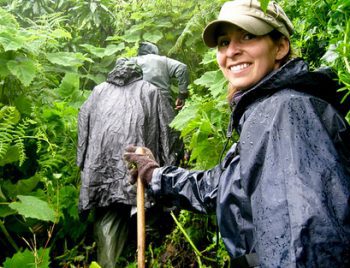
A few weeks of preparation helps at any age: daily walks on the hilliest ground you have, stairs, and gentle stretching for hips and calves. Arrive a day before the trek after the long drive, so you start rested. Booking two treks on separate days is another sensible cushion: if the first family is far away, the second morning may be easier, and Uganda permits cost less than Rwanda’s.
Older travellers wanting more time with one family sometimes ask about the gorilla habituation experience: up to four hours with the gorillas, but off trail with researchers and often harder, so it suits fit older travellers rather than people managing fatigue, and rarely suits chair users.
Gorilla Tracking with Low Vision, Blindness or Hearing Loss
Gorilla tracking with a visual impairment works best with a sighted companion you already trust to guide you, and a porter on your other side. Forest trails are uneven, roots and vines catch feet, and the path is rarely wide enough for two abreast, so most blind trekkers keep a hand on the shoulder or pack of the person in front and a stick in the other hand. A cane with a rubber tip slips on wet clay, and many people swap it for a heavier wooden staff.
Tell the ranger at the briefing. Bwindi guides are used to describing what is happening, and once they know, they call out steps, logs and slopes, then talk you through the hour in a low voice: a silverback stripping stems, a juvenile beating its chest, which youngster is climbing. You will hear plenty yourself, from feeding and cracking branches to the rumbling contact calls between gorillas. No touching is allowed, and the ranger will tell you quietly when to step back if a youngster closes the gap.
Assistance dogs are harder. Domestic animals are kept out of gorilla parks to protect the gorillas from disease, so ask UWA or RDB in writing, through your operator, well before you travel, and plan for the dog to stay elsewhere if the answer is no.
Deaf trekkers have one quiet advantage on a gorilla trek: the hour with the family is spent in near silence anyway, and rangers already move the group with hand signals. The part to plan is the spoken briefing, which covers the rules and what to do if a silverback charges (crouch, look down, stay still, follow the ranger). Read the rules in our gorilla trekking guide beforehand so nothing in the talk is new, ask for a ranger willing to brief you face to face, and agree a few signals: stop, crouch, move back, look here.
If you sign, bring your own interpreter or a companion who signs. Neither park supplies sign language interpreters, and Ugandan Sign Language differs from British or American signing. Your interpreter needs a permit of their own to come to the gorillas, so book it with yours. Hearing aids and implant processors need a waterproof pouch, a drying kit at the lodge and spare batteries in your own pocket, and walking just behind the ranger, where you can watch their hands, helps most of all.
Medical Conditions on a Gorilla Trek: Heart, Diabetes and Asthma
Long term conditions rarely stop a gorilla trekking safari, but the forest is a poor place to find out how your body copes with hills, heat and altitude. Neither UWA nor RDB asks for a disability certificate or fitness form, though some operators want a doctor’s note for chair bookings. See your doctor two or three months ahead and describe the day honestly: hours of steep walking above 1,500 metres, or a full day of jolting in a chair, plus long drives either side. Ask for a short letter covering your diagnosis, medication and anything a ranger should know in an emergency.
One rule applies to everybody. Mountain gorillas catch human respiratory infections, so anyone with a cold, flu or cough is refused at the briefing, with no refund. Hiding it puts the gorillas at risk.
Uganda’s immigration service announced in October that a yellow fever certificate is no longer a condition of entry, but carry the card because Rwanda, Kenya and some airlines may ask for it. Malaria prevention is advised in both countries. Check that your African safari insurance covers trekking and evacuation from a remote area. Bwindi Community Hospital at Buhoma and Ruhengeri Hospital in Musanze handle basic care, with serious cases moved to Kampala or Kigali.
Autism, Anxiety and Neurodivergent Trekkers on a Gorilla Tour
Many autistic travellers and people with ADHD love a gorilla tour. The forest is quiet, groups are small, and the hour with the family is calm and focused. The hard parts tend to be the unknowns and the waiting: nobody knows at breakfast how long the walk will be, the start can slip, and the briefing is full of strangers.
Some operator websites claim that people with “mental disabilities” cannot trek. We found no such rule in UWA’s published conditions. The rules cover behaviour: low voices, no sudden movements, no staring at the silverback, no eating, no flash, stay with the group. If you, or the person you travel with, can manage that for an hour with support, nothing stops you, and the same holds for learning disabilities.
Preparation pays off. Show photos and video of the forest and the gorillas in the weeks before, including a silverback beating its chest, so a display is not a shock. Present the walk length as unknown from the start. Write a one page card for the ranger with what helps and what to avoid, bring ear defenders for the drive and the briefing, and agree a signal for “I need to stop”. A private group, with all eight permits for one family, removes the waiting for strangers. Wet clothes, nettles and gaiters bother some people more than the hill, so do a practice walk at home in the exact kit.
Anxiety, panic attacks and depression bring their own worries: being stuck deep in the forest, losing control in front of strangers, or how close a large animal will come. A few facts help. Habituated gorillas have seen quiet groups daily for years. Charges are nearly always a display that stops short, with the ranger standing between you and the family. Escorts walk front and back, porters stay within reach, and you can always turn back. Many people find a place right behind the ranger calmer than the middle of the line, because they can see what is coming. Keep rescue medication in your pocket, and put a rest day between arrival and the trek.
Trekking Safety and Injuries on an Accessible Gorilla Trip
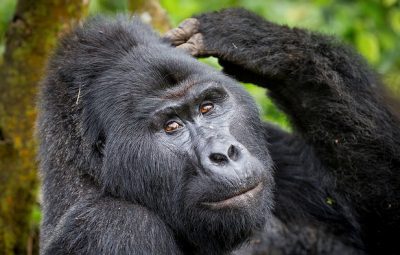
Has anyone been injured on a gorilla trek? Yes, but almost always by the ground, not the gorillas. Slips on wet clay, twisted ankles, nettle stings, ant bites and scratches from thorny vines are the everyday injuries. Serious harm from a habituated gorilla is very rare, because rangers read the family’s mood and keep the group back. Our page on whether gorillas are aggressive explains charges and what to do.
Each gorilla trekking group walks with a ranger guide and armed escorts. The rifles are there for forest elephants and buffalo, which share Bwindi and the Virunga slopes, not for the gorillas. If someone is hurt or exhausted, porters carry them out on a stretcher or in a chair, and a ranger walks back with them. For a chair user, the main risk is a porter slipping on a descent; teams swap often for exactly that reason, and the leader slows the pace on wet ground.
Uganda and Rwanda are both treated as safe for gorilla trekking, with heavy ranger presence in and around the parks. The bigger daily risk is the road, so avoid driving after dark and break long journeys. Current advice for Uganda is summed up in our page on Uganda safety for visitors.
Carers, Medication and the Morning Trekking Briefing
Many travellers with extra needs join a gorilla trekking safari with a partner, an adult child or a paid support worker. Every person who goes to the gorillas needs a permit, and the carer is no exception; the same goes for an interpreter. Book both permits for the same date, sector and family request, and ask the operator to note that you must stay together. Porters and rangers do not need permits, so a carer who only helps at the lodge and on the drive can stay behind. If you use a chair, the carer walks beside it and relays messages to the porter leader, as described in the sedan chair section above.
Pharmacies in Kampala and Kigali are well stocked. Near the parks, they are not. Pack medication in its original labelled boxes with the prescription and your doctor’s letter, split between your hand luggage and a companion’s bag. Strong painkillers and some ADHD and anxiety drugs are controlled in some countries, so check with the Ugandan or Rwandan embassy, and ask whether malaria tablets interact with anything you take. Insulin needs a cold chain plan and a cool pouch for the trek. Add your own travel first aid kit. Most lodges handle vegetarian, gluten free, diabetic and allergy requests if told in writing, and anyone with a serious allergy should carry two adrenaline pens and tell the ranger where they are.
The briefing at the sector office is where your gorilla trek gets set up around you. Walk over to the head ranger before it starts rather than speaking up in front of the crowd. Rangers routinely group slower walkers together, give a less confident trekker the family reported closest, put someone with a sight or hearing impairment right behind the lead guide, and repeat the rules with gestures. What they cannot do is move the gorillas, extend the hour or skip the rules.
Accessible Safari Lodges near Bwindi and Volcanoes
Lodging is where many accessible gorilla safaris come unstuck. Few lodges around Bwindi or Volcanoes were built with wheelchair users in mind, and many sit on steep hillsides with stone steps to the cottages. Some have added ramps and a ground floor room; others say “accessible” when they mean “we can carry you”. Ask for photos rather than adjectives, and get the answers in writing.
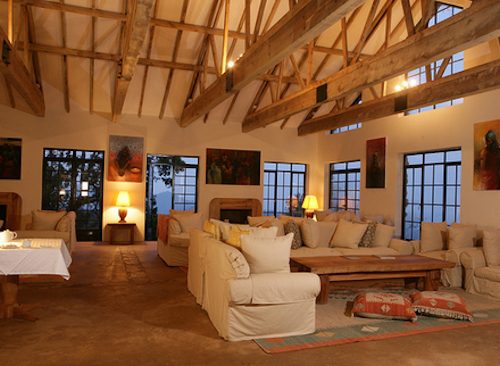
Buhoma has the widest choice of lodges close to the trailhead and the most level ground of any Bwindi sector. Musanze and Kinigi in Rwanda offer a wider spread of hotels on flatter land. The safari lodges overview lists properties by sector, and a good operator will already know which ones have looked after wheelchair guests well. Ask for adjoining rooms or a family room if a carer travels with you.
Planning an Accessible Gorilla Trekking Tour: Booking and Season
An accessible gorilla trekking tour works best through a licensed operator who has arranged chairs before, because the chair team is booked locally and the operator can speak to the warden about your needs. Our list of tour operators is a good place to start. Send each company the same written summary of your needs so you can compare their answers.
Permits come first, because each family takes only eight visitors a day. In Uganda, Uganda gorilla permits are issued by UWA; in Rwanda, Rwanda gorilla permits come from RDB. Start four to six months ahead for the dry season, earlier for a private group. UWA has suspended its seven day reservation hold, so Ugandan permits are paid in full at booking, which makes it worth confirming the chair and the lodge first. Before you pay, ask the operator to confirm in writing which sector you are in, that a chair team is reserved, how porters are paid, and what happens if you cannot trek on the day.
Season touches every need on this page. The drier months, June to September and December to February, mean firmer trails, which matters even more to a chair team than to a walker, and rain chills a seated traveller far faster. The rains of March to May and October to November turn clay slick for anyone with balance, sight or joint problems, though gorillas are often found lower then and the forest is quieter. Low season permits for April, May and November cannot be moved to another date, so weigh the saving against the chance that your health, or the weather, forces a change. Bring a rain cover for the chair and dry layers in a sealed bag. The month by month picture is in our guide to the best time to go gorilla trekking in Uganda.
Getting to the Gorilla Parks with a Wheelchair
The road is the hardest part of many trips. From Entebbe, the drive to Bwindi takes eight to ten hours, partly on rough murram, so split it with a night on the way or fly. Domestic flights to Kihihi serve Buhoma, and flights to Kisoro serve Rushaga, Nkuringo and Mgahinga, cutting a full day of driving to a short hop. These are small aircraft boarded by steps, so tell the airline in advance if you need to be lifted aboard, and pack soft bags because allowances are tight. A few operators also arrange helicopter charters for travellers who cannot manage the road.
Many travellers with limited mobility fly into Kigali instead and drive to Volcanoes in two and a half to three hours, or cross the border to Rushaga in four to five hours on mostly paved roads. Ask for a vehicle with a wide sliding door, a step and room for a folded wheelchair. The getting there guide maps each route, and the Rwanda side is covered in our Rwanda gorilla trekking guide.
Gentler Safaris to Add after the Gorillas
Most of East Africa’s other big safari experiences happen from a vehicle, which makes them easier than the gorilla trek for older travellers, chair users and anyone who needs a few calm days after the forest. Game drives in Queen Elizabeth National Park, the boat trip on the Kazinga Channel and a launch trip to the foot of the falls on a Murchison Falls safari can all be done seated. Further afield, game drives in the Masai Mara or a Serengeti safari in Tanzania pair well with the gorillas, with daily drives from an open vehicle and lodges on flat ground. Ask for rest days between long drives. To read up before you go, our page on mountain gorillas explains how they differ from lowland gorillas.
Gorilla Trekking for Disabled and Special Needs Travellers: Common Questions
Can wheelchair users go gorilla trekking?
Yes. Wheelchairs cannot be used on the forest trail, but wheelchair users are carried in a sedan chair by a porter team and spend the full hour with the gorillas. Leave your own wheelchair in the vehicle or at the lodge, and bring a cushion for the carried chair.
Can people with disabilities hike to see the gorillas?
Many can, with a porter on each side, a stick and an easier family. People who cannot walk the distance are carried. There is no ban on any type of disability; what matters is planning the sector, the chair and the briefing ahead of time.
How difficult is gorilla trekking really?
Moderately hard for a walker: one to several hours on steep, muddy forest paths at altitude, with no way of knowing the length in advance. Our full guide to how hard gorilla trekking is covers each sector and how to train.
Is there an age limit for gorilla trekking for seniors?
The minimum age is 15 in both Uganda and Rwanda, with no maximum, and trekkers in their seventies and eighties go regularly. What matters is whether you can manage hours on steep, slippery ground with help, or whether a sedan chair suits you better.
How much does a gorilla permit cost, and does a carer or interpreter pay too?
Permits cost the same for everyone. In Uganda a gorilla trekking permit is US$800 for foreign non residents, US$700 for foreign residents and UGX 300,000 for East African citizens. In April, May and November the low season rate is US$600 for non residents and US$500 for foreign residents, and those permits cannot be rescheduled. Permits are paid in full at booking. In Rwanda the permit is US$1,500. The Uganda habituation experience costs US$1,500, with a rise to US$1,800 for foreign non residents announced by UWA from January. A carer, family member or sign language interpreter who goes to the gorillas needs a full permit; we found no carer, disability or senior discount in UWA or RDB pricing.
How much does a sedan chair cost for gorilla trekking, and do I tip the porters?
The chair is not on the UWA or RDB tariff, so the price comes from porter associations and operators, and we could not confirm a fixed rate. Operator quotes we have seen for a chair and full porter team mostly fall between US$300 and US$500 per trek, rising with the size of team needed, and Rwanda quotes can run higher. A personal porter for a walking trekker is commonly quoted at about US$15 to US$20 for the day, with some operators quoting more. Tips are separate and expected. Rates change, so ask for a written quote.
Has anyone been injured in gorilla trekking?
Yes, mostly from slips, twisted ankles, nettles and ants. Serious injuries from habituated gorillas are very rare because rangers keep the group back and read the family’s mood. Anyone hurt is carried out by porters with a ranger alongside.
Is a sedan chair safe?
Porter teams carry chair users every week in Bwindi and Volcanoes, and you are strapped in. Expect a bumpy, tilting ride on steep ground. With a spinal condition or a risk of pressure sores, talk through posture, cushioning and rest stops with your doctor and the porter leader before setting off.
Do I need a medical certificate or to tell anyone about my condition?
No certificate is required by UWA or RDB, though some operators ask for a doctor’s note for chair bookings. Still tell two people: your operator when you book, and the head ranger on the morning. A short written note with your needs and emergency details saves explaining under pressure.
Can a blind or Deaf person go gorilla trekking?
Yes. Blind trekkers walk with a sighted companion and a stick, and rangers describe what is happening. Deaf trekkers agree hand signals with the ranger and bring their own interpreter if they sign. Neither needs special paperwork.
Can I ask for the closest gorilla family?
Yes, through your operator and again at the briefing. Families are assigned on the day from tracker reports, so a short trek is likely but never certain. In Uganda, booking Buhoma or Rushaga matters more than the family request.
Is Uganda or Rwanda better for gorilla trekking with a disability or for older travellers?
Rwanda wins on road access and more open forest but starts higher. Uganda offers more families and lower trekking around Buhoma, on steeper, denser trails. Many travellers fly into Kigali and either trek in Rwanda or cross to Rushaga. The family you are given often matters more than the country.
How close do you get to the gorillas?
UWA sets the minimum viewing distance at 10 metres in Uganda, and Rwanda’s rules ask for at least seven metres. If gorillas move closer on their own, rangers ask the group to step back slowly.