The Rwanda gorilla permit price is US$1,500 per person for foreign visitors, set by the Rwanda Development Board (RDB) and the same in every month. Residents and African citizens pay US$500, Rwandans and East Africans US$200, except from June to October. You buy it online from RDB or through a licensed operator, and it covers one gorilla trek in Volcanoes National Park.
Every price on this page is in US dollars, the currency RDB quotes. The page sticks to the permit and the few costs you cannot avoid around it on trek day. Planning a whole trip with lodges and several parks? The Rwanda gorilla trekking cost per person guide builds those budgets, and the walk itself is covered in our Rwanda gorilla trekking guide.
Rwanda Gorilla Permit Price by Visitor Category
RDB sells one gorilla trekking permit at three prices, and your passport and residency decide which you pay. The booking channel makes no difference. An operator in Kigali and the online portal charge the same permit fee; what changes between them is everything wrapped around it.
| Visitor | Nov to May | June to Oct |
|---|---|---|
| Foreign visitor | US$1,500 | US$1,500 |
| Rwanda resident | US$500 | US$1,500 |
| African citizen | US$500 | US$1,500 |
| Resident in Africa | US$500 | US$1,500 |
| EAC citizen | US$200 | US$1,500 |
| Rwandan citizen | US$200 | US$1,500 |
The two lower rates are labelled promotional on RDB’s fee table, and RDB states they do not apply from June to October. So a Kenyan expatriate trekking in August pays US$1,500, exactly what a visitor from Europe pays. Some operator pages still show the reduced tiers as permanent, or quote resident rates that RDB withdrew years ago; the portal is the price that counts, so check it on the day you pay.
Qualifying for the lower tiers needs paperwork. Residents of Rwanda need at least four consecutive months of residency or a work permit in their passport or diplomatic card. East Africans show an EAC identity card or passport. A diplomat holding a residence visa can extend the resident rate to a spouse and legally recognised children who live abroad, and a visitor with one Rwandan parent or a Rwandan spouse can be treated as Rwandan once immigration confirms it.
There is no child permit, because under 15s cannot trek, and RDB’s table shows the same figure in its student and child column as for adults. No student discount for gorilla trekking exists. Operators also advise a passport valid for at least six months beyond your travel dates, since the permit is issued against it. RDB also warns that a wrong, incomplete or false application can be turned away at the gate even after payment, so a resident rate claimed without the right documents can cost you the full US$1,500 again, or the trek.
The calculator below adds up the permits for your group by category and month, applies the November to May offer where it fits, and shows the visa and porter costs most international trekkers carry.
Rwanda Gorilla Permit Cost Calculator
Choose your permit category, trek month and group size to see what the gorilla permits come to, with the low season offer and common extras. Lodges, transport and guiding are not included.
- Per person
- USD 1,550
- Your group
- USD 3,100 for 2 trekkers
| Gorilla permit, standard rate | USD 1,500 |
| Tourist visa on arrival | USD 50 |
The low season offer runs from November to May only, so the standard permit rate applies in July.
| Category | Permit per person | When it applies |
|---|---|---|
| International visitor | USD 1,500 | All year |
| International visitor, low season offer | USD 1,050 | November to May, with a qualifying Akagera or Nyungwe stay |
| Foreign resident in Rwanda | USD 500 | Promotional rate, November to May; USD 1,500 from June to October |
| African citizen or resident in Africa | USD 500 | Promotional rate, November to May; USD 1,500 from June to October |
| Rwandan citizen | USD 200 | Promotional rate, November to May; USD 1,500 from June to October |
| East African Community citizen | USD 200 | Promotional rate, November to May; USD 1,500 from June to October |
Indicative rates per person per trek. The promotional rates do not apply from June to October, when every category pays USD 1,500; confirm your rate with RDB before booking. Porter fees are typical amounts reported by trekkers, not a park tariff. The USD 50 visa is waived for African Union, Commonwealth and Francophonie passports, so check Irembo for yours. Permits are paid in full when booked and are not refunded if you cancel.
Last checked October. Sources: Rwanda Development Board booking portal (mountain gorilla tracking and low season discount pages), KT Press and The New Times on the promotional rates, Rwanda High Commission visa information, Lonely Planet and trekker trip reports for porter fees.
What the US$1,500 Gorilla Trekking Permit Pays For and the Costs It Leaves Out
Your Rwanda gorilla trekking permit buys more than the hour, even if the hour is what you will remember. Park entry for the day sits inside the fee, along with the 7am briefing at Kinigi, an RDB guide for your group of eight, armed rangers, and the trackers who head out at dawn to find the family before you start walking. The hour is timed from the moment the group reaches the gorillas.
The porter line is the one worth spending. The slopes above Kinigi are steep and often muddy, porters come from an association of families living beside the park, and several trip reports note that a porter tends to join the group whether or not you planned to hire one. Walking sticks are handed out free at the trailhead, and some operators add gardening gloves to their kit list for the nettles.
One date, one family, one person. The permit cannot pass to a friend, and it is no good in Uganda’s Bwindi or Mgahinga, which run on separate permits from the Uganda Wildlife Authority. It does not name a family either; that is decided at Kinigi on the morning.
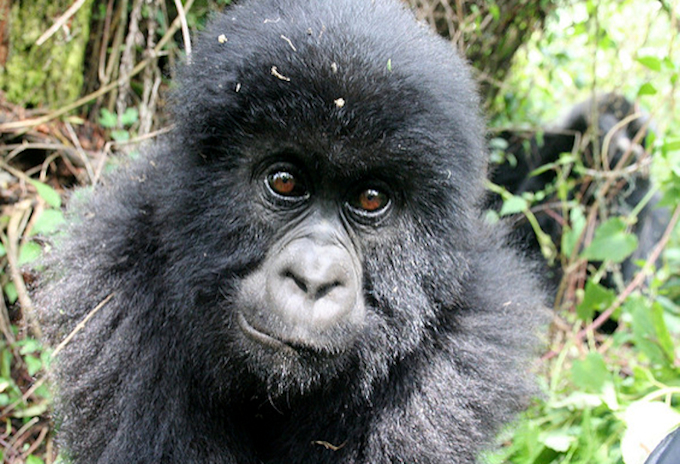
The 30 Percent Low Season Gorilla Permit Discount: US$1,050 With Nyungwe or Akagera
The low season gorilla permit discount cuts the international permit by 30 percent, from US$1,500 to US$1,050, a saving of US$450 per person. RDB uses it to spread visitors across the country, so it rewards travellers who also stay in Nyungwe Forest National Park in the southwest or Akagera National Park in the east. That is why the “flat fee all year” line in many summaries is only half right: the headline rate never moves, but this offer can bring it down.
Do the sum before chasing it. The US$450 saving has to pay for the extra nights, the transfer to Nyungwe or Akagera and the paid activity. On a seven to ten day Rwanda safari that already includes chimpanzee tracking in Nyungwe or game drives in Akagera, the discount is close to free money. On a short trip built around the gorillas, two extra nights in another park usually cost more than the permit saves. Our Rwanda gorilla trekking cost per person guide prices those longer routes.
Keep the paperwork tidy. The hotel receipt must show payment, not a reservation, and the activity must be one you actually bought. Travellers on forums say the offer is little known even among some agents, so if a quote for a November to May trip with Nyungwe nights still shows a US$1,500 permit, ask why. RDB’s portal also lists a separate conference discount for delegates at events in Rwanda; it does not publish the percentage, so ask the event organiser.

Rwanda Gorilla Permit Plus the Minimum Around It: A Worked One Day Trek Budget
What does the permit cost once you add the least you need to actually use it? The cleanest answer is a one day gorilla trek from Kigali: out before dawn, trek, back in Kigali by evening, no lodge night. The figures below come from RDB’s tariff, Rwanda’s immigration fee schedule and the published rates of Kigali operators.
Travelling alone changes the transport line, not the permit. With nobody to share the vehicle, one Kigali operator lists the same day at US$2,000 for a solo traveller against US$1,850 each for two, so a solo budget lands nearer US$2,085 to US$2,120. That US$150 is the closest thing to a single supplement on a permit day; once you add a night at a lodge, real single supplements apply and the trip belongs in the per person guide.
Driving yourself trims the transport line further. Kigali rental firms list a RAV4 from about US$35 to US$85 a day for self drive, and a Land Cruiser from about US$170, before fuel. The catch is the clock. Kinigi expects you at 7am, which means leaving Kigali around 4am, and drivers on forums describe speed cameras, slow trucks on the climbs and rough tracks from Kinigi to some trailheads where a saloon car struggles. Most self drivers spend the night before in Musanze, which adds a room.
Under the November to May offer the permit line drops to US$1,050, but the two qualifying nights in Nyungwe or Akagera mean the trip is no longer a one day trek. Leave out drinks, souvenirs, the Gorilla Guardians village visit and travel insurance, and the total above is the floor for a foreign visitor trekking with a permit in Rwanda.
Paying for a Rwanda Gorilla Trekking Permit: RDB Portal or Safari Operator
Rwanda is one of the few gorilla countries where an independent traveller can buy a gorilla trekking permit online without an agent, and the price is the same either way. RDB’s booking portal, also reached through the government’s Irembo services site, sells gorilla permits next to golden monkey tracking and the volcano hikes.
Direct booking makes sense when your dates are firm and you can reach Kinigi by 7am on your own. You also carry the risk. A delayed flight or a closed road is your problem, and RDB refunds nothing for lateness, so book for a day or two after you land, not the morning after.
Most visitors still buy the Rwanda gorilla permit through a registered operator. Members of the Rwanda Tours and Travel Association (RTTA) book on the same RDB system, can hold advance bookings on busy dates and can reschedule under terms not open to individual buyers. Their margin sits in the transport, guide and lodge lines, not the permit. Operators commonly take a deposit on the whole package, but the permit itself is paid to RDB in full when it is booked. A budget gorilla trekking trip in Rwanda bundles permit, transport and a simple lodge, and the 1 day gorilla trek from Kigali shows how the same day trip in the worked budget runs.
Ask any operator to show the permit as its own line at US$1,500 and to send the RDB permit with your passport details once bought. A permit priced below RDB’s rate is the commonest warning sign in the scam reports that circulate on traveller forums, and a PDF with a logo proves nothing until RDB confirms it; travellers who booked through a third party and could not tell if their permits were real are a recurring forum thread. When you need several dates checked at once, specialists in Rwanda gorilla tours can do it, and companies like Wild Whispers Africa book permits on both sides of the border, useful when Kinigi is sold out and Bwindi still has space. Commercial filming crews need a separate RDB authorisation with its own fees, so a professional shoot cannot run on a tourist permit. Our Rwanda safari companies list and the wider gorilla safari companies directory are good places to compare, and our guide to Rwanda gorilla tours sets 1, 2 and 3 day trips side by side.
Use the checklist below to work through the steps and documents for your booking route and category.
Rwanda Gorilla Permit Booking Checklist
Pick how you are booking and your permit category to see the steps and documents that apply, then tick them off as you go.
Showing all 14 steps, 0 ticked
Your ticks stay on this page only and are not saved. Last checked October. Sources: Rwanda Development Board booking portal, Visit Rwanda gorilla tracking page, KT Press and The New Times on promotional rate documents.
Rescheduling Fees, Refunds and No Shows on a Rwanda Gorilla Trekking Permit
Treat the US$1,500 as spent the moment you pay. RDB states that nothing is refunded for late arrival, a delayed flight, absence or cancelling for any other reason, and a missed date means the permit has expired.
Only a tourist or an RTTA agent holding a confirmed permit can apply to move it. Advance bookings held by agents follow their own rule and must be rescheduled at least 30 days before the visit or they lapse. Operators also mention a 50 percent refund when a ranger turns away a visibly sick visitor, but RDB’s booking page does not list it, so get it in writing if it matters to you.
Both gorilla refunds are rare, because trackers find the families before groups set off. That makes travel insurance the real protection for US$1,500. Check that your policy names prepaid permits and covers illness, family emergencies and missed connections, since a cold on the morning can see you refused at the gate.
The checker below sets out what RDB’s published rules allow for each situation.
Rwanda Gorilla Permit Refund and Reschedule Checker
Choose what has happened to your trek plans to see what RDB’s published rules allow and what to do next.
Reschedule, approved automatically
You can move the permit to a new date.
A tourist or RTTA agent holding a confirmed permit can apply online. Requests made more than 7 days before the visit are approved automatically, and RDB charges a processing fee of 20% of the permit fee.
Apply through the RDB reschedule service or ask your operator to do it, and check the new date has space before you change flights.
| Situation | Outcome | What to do |
|---|---|---|
| Trip cancelled | No refund | Claim on travel insurance, or reschedule if you can travel later |
| New date, more than 7 days out | Reschedule approved automatically, 20% processing fee | Apply online with your confirmed permit |
| New date, 7 days or less | Reschedule needs RDB approval, 20% processing fee | Apply at once; approval is not guaranteed |
| Late arrival or flight delay | No refund | Sleep near the park the night before |
| Missed the trek date | Permit expires | Nothing can be recovered |
| Full day tracking, no gorillas reached | 75% of the tracking fee refunded | Ask RDB or your operator to process it |
| Family moved, trek not possible | Another chance or full refund | Choose with RDB staff |
| Illness around the trek date | No published refund rule | Reschedule before the date if you can |
| Low season discounted permit | No show means the permit expires | Reschedule early or lose it |
Based on RDB’s published rules, which can change. Operators report extra limits on how often a permit can be moved; RDB’s page does not list them, so confirm before relying on a second change. Last checked October. Sources: Rwanda Development Board booking portal (mountain gorilla tracking, reschedule permit and low season discount pages).
Why Rwanda Gorilla Trekking Permits Cost US$1,500
Rwanda’s permit is the highest gorilla fee in Africa by a wide margin, and that is policy. RDB doubled the international rate from US$750 to US$1,500 in 2017 and at the same time raised the share of park revenue paid to neighbouring communities from 5 to 10 percent. The aim was fewer, higher paying visitors: more money for protection and less pressure on the gorillas.
Three things hold the price there. Supply is tiny, about 96 places a day across the whole park. Demand is global, and Rwanda has positioned Volcanoes as a high end destination with lodges priced to match. Running the park costs a lot: rangers, trackers and patrols watch every habituated family daily, vets treat snare wounds and respiratory illness, and community schemes have paid for classrooms, water supplies, health centres and housing in the districts around the parks. Our guide to mountain gorilla conservation follows that money from permit to forest.
The results show over decades. The Virunga population, shared by Rwanda, Uganda and Congo, has grown under this kind of protection, and the world total of mountain gorillas stood at 1,063 after Bwindi’s 2018 census. For the park’s background, the Volcanoes National Park Rwanda site is a useful companion read.
Travellers who pay it nearly always say it was worth it; those for whom US$1,500 is too much usually look at Uganda, where the permit is US$800. For a wider budget with lodges and transport, the guide to the cost of gorilla trekking in Rwanda breaks down a full trip.
Gorilla Permit Availability, Lead Times and Price by Month in Volcanoes National Park
Gorilla permit availability in Rwanda is arithmetic. Around twelve habituated families each take one group of eight a day, which caps the park at about 96 trekkers. Higher figures appear when a family splits or another opens, but the eight per family rule never changes. Price and demand both follow the calendar: the reduced tiers and the low season offer exist only from November to May, and demand peaks when they are switched off.
| Month | Demand | Lowest foreign rate |
|---|---|---|
| January | High | US$1,050 |
| February | High | US$1,050 |
| March | Moderate | US$1,050 |
| April | Low | US$1,050 |
| May | Low | US$1,050 |
| June | Very high | US$1,500 |
| July | Very high | US$1,500 |
| August | Very high | US$1,500 |
| September | High | US$1,500 |
| October | Moderate | US$1,500 |
| November | Low | US$1,050 |
| December | High | US$1,050 |
The US$1,050 column assumes a qualifying Nyungwe or Akagera stay; without one, every month is US$1,500 for a foreign visitor. For June to September, book six to twelve months ahead, earlier for a group of more than four on one date. These are the driest, most requested months, and neither the discount nor the resident tiers apply, so residents and East Africans pay US$1,500 too.
December to February is the second busy spell. Christmas and New Year fill early, so three to six months ahead is sensible. Late January and February are easier, and discounted permits stay on sale.
The rains of March to May and November are where dates open up and the discount applies. April and May can often be booked a few weeks out, and Kinigi is quieter. You trade that for mud and slippery slopes, so the boots and waterproofs on the Rwanda gorilla trekking packing list matter more. October sits between: moderate demand, rains starting, full price for everyone.
Large groups face their own limit. A party of ten is split across two families, and twenty need three families free on the same date, so book these as early as peak travellers whatever the month. Top lodges sell out with peak permits too; if comfort matters, read our guide to luxury lodges near Volcanoes National Park before fixing dates.
Golden Monkey Tracking and Other RDB Permit Prices in Volcanoes National Park
Gorillas are not the only permit RDB sells for Volcanoes National Park. Each of the park’s other treks has its own permit, booked on the same portal and fixed to one date, at a small fraction of the gorilla price. They make good second days and fallbacks when gorilla dates are full.
| Activity | Foreigner | Rwanda resident |
|---|---|---|
| Golden monkeys | US$100 | US$65 |
| Mount Bisoke | US$75 | US$60 |
| Dian Fossey tomb | US$75 | US$60 |
| Mount Karisimbi | US$400 | US$250 |
| Nature walk | US$55 | US$40 |
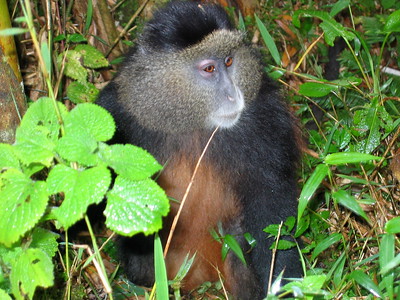
One older park site still lists Karisimbi at US$250 for non residents; RDB’s own page shows US$400 for foreigners and US$250 for residents. Golden monkey treks report to Kinigi at 7am like the gorillas, so the two go on different days. Some trip reports find the monkeys a little flat straight after the gorillas, which is an argument for doing them first.
Rwanda, Uganda and Congo Gorilla Permit Prices Compared
Price is why travellers landing in Kigali look across the border. A permit for gorilla trekking in Bwindi is US$800 for foreign non residents, US$700 for foreign residents and UGX 300,000 for East Africans. In April, May and November Uganda drops to US$600 and US$500, but those low season permits cannot be rescheduled and are paid in full at booking. Uganda’s habituation experience, four hours with a family still being habituated, is US$1,500, with a rise to US$1,800 announced. Our page on Uganda gorilla permit price changes follows each UWA announcement, and the gorilla trekking cost guide prices whole trips in both countries. Many travellers trek in both, and our combined Uganda and Rwanda gorilla safari guide shows how the route works.
The southern Bwindi sectors of Rushaga and Nkuringo lie about four hours’ drive from Kigali, so a Kigali arrival can save US$700 on the permit at the cost of a longer drive and a border crossing. That route is set out in gorilla trekking in Uganda from Kigali, while the Uganda gorilla permits guide covers UWA’s own booking, refund and low season terms, none of which match RDB’s.
Rwanda earns its premium in time. Volcanoes is about two and a half hours from Kigali on good roads, the trek fits a one to three day trip and the permit is easy to buy online. Uganda rewards a few more days and a tighter budget. The fuller comparison is in Uganda vs Rwanda for your safari, and many itineraries also pair gorillas with game drives further east, such as a Masai Mara safari in Kenya, a short flight from Kigali to Nairobi away.
Trek Day at Kinigi: What Your Gorilla Permit Hour Looks Like
On the morning, the permit buys a place in a ranger guided gorilla trekking group. Report to the RDB office at Kinigi by 7am with your passport and permit. Kinigi sits high and mornings are cold, so carry a warm layer even in the dry months. Guides speak English and French. Expect some waiting around while groups are sorted; trip reports describe a well organised but unhurried briefing.
Families are allocated there. They include well known groups such as Susa, Sabyinyo, Amahoro, Agashya, Kwitonda, Umubano and Hirwa, and you cannot choose one on the permit. Susa often ranges high, which means a long climb. If you want an easier walk, ask your driver to tell the wardens; they try to match fitness to family. Walks run from about thirty minutes to four hours or more each way.
RDB’s rules are short. Keep about seven metres from the gorillas, stay one hour, keep voices low and avoid sudden movements. Cover your mouth and turn away if you need to cough. If a gorilla charges or vocalises, stand still, look away and follow the guide. No flash, no eating or drinking near the family, and do not trek with a cold or flu: you can be refused at the gate, and the gorillas can catch it. Most people say the hour passes far faster than they expected.
Rwanda Gorilla Permit Price FAQ
How much is a Rwanda gorilla permit?
RDB charges US$1,500 for foreign non residents; US$500 for foreign residents of Rwanda, African citizens and foreigners resident elsewhere in Africa; and US$200 for Rwandan and East African Community citizens. The US$500 and US$200 rates are promotional and do not apply from June to October, when all categories pay US$1,500. From November to May a foreign visitor with a qualifying Nyungwe or Akagera stay pays US$1,050.
How much do gorilla tours cost in Rwanda?
Kigali operators price a one day gorilla trek, permit included, at about US$1,800 to US$2,200 per person, depending on group size and whether lunch and a private 4×4 are included. Two and three day trips add lodge nights, which run from simple guesthouses in Musanze to fully inclusive lodges such as Sambora Kinigi, which publishes rates from US$746 per person per night. The Rwanda gorilla trekking cost per person guide works through those longer trips.
How much does a gorilla tour cost?
The permit sets the floor. In Rwanda it is US$1,500 of every foreign trekker’s bill, so a one day tour from Kigali lands near US$2,000. In Uganda the permit is US$800, or US$600 in April, May and November, which is why gorilla tours from Kampala or Kigali into Bwindi usually cost less even with a longer drive.
How do I get a gorilla permit in Rwanda?
Book on RDB’s online portal or through Irembo: choose mountain gorilla tracking, pick a date, enter each trekker’s passport details and pay in full by card. The permit is issued automatically. Or ask a licensed Rwanda operator to book it with transport and a lodge. Nothing is sold at the park and cash is not accepted there.
Why is gorilla trekking in Rwanda so expensive?
Rwanda chose low volume and high value. About 96 places are sold a day, the permit doubled from US$750 to US$1,500 in 2017, and a tenth of park revenue goes to neighbouring communities. The fee pays for rangers, trackers, vets and community projects, and the lodges near the park are priced for the same market.
Is the Rwanda gorilla permit price the same all year?
For foreign visitors the headline is US$1,500 in every month. The only way below it is the 30 percent offer from November to May, worth US$450, which needs a qualifying Nyungwe or Akagera stay. Residents and African citizens see the bigger swing: US$500 or US$200 from November to May, US$1,500 from June to October.
What does it cost to change the date of a Rwanda gorilla permit?
RDB charges 20 percent of the permit fee, so US$300 on a US$1,500 permit. Requests more than seven days ahead are approved automatically if the new date has space; inside seven days they need RDB’s approval.
How far ahead should I book a Rwanda gorilla permit?
Six to twelve months for June to September, three to six months for December to February, and a few weeks to three months for March to May and November. Groups should book earlier in every season.
Can I buy a gorilla permit when I arrive in Rwanda?
Sometimes, mostly in the wet months, but it is a gamble. Permits are sold online, first come first served, and there are no sales at the park. If you are already in Kigali, check the portal or ask an operator about permits released from cancelled trips.
How do I know my gorilla permit is genuine?
A real permit is issued by RDB in each trekker’s passport name at the official price. Ask your operator for the RDB permit itself, not a company voucher, and if in doubt contact RDB with the permit details before you travel. A price below US$1,500 for a foreign visitor outside the low season offer is a warning sign.
Can someone else use my permit?
No. Every trekker’s name, nationality and passport number go on the permit and are checked at Kinigi. Permits cannot be transferred or resold; you can reschedule through RDB or an RTTA agent, or lose the permit.
Is a Rwanda gorilla permit worth US$1,500, or should I go to Uganda?
For most people who go, yes: small groups, well run treks, short drives from Kigali and a very high chance of finding the family. If budget matters more than time, Bwindi offers the same mountain gorillas for US$800, and Rwanda’s November to May offer narrows the gap for travellers who also visit Nyungwe or Akagera.