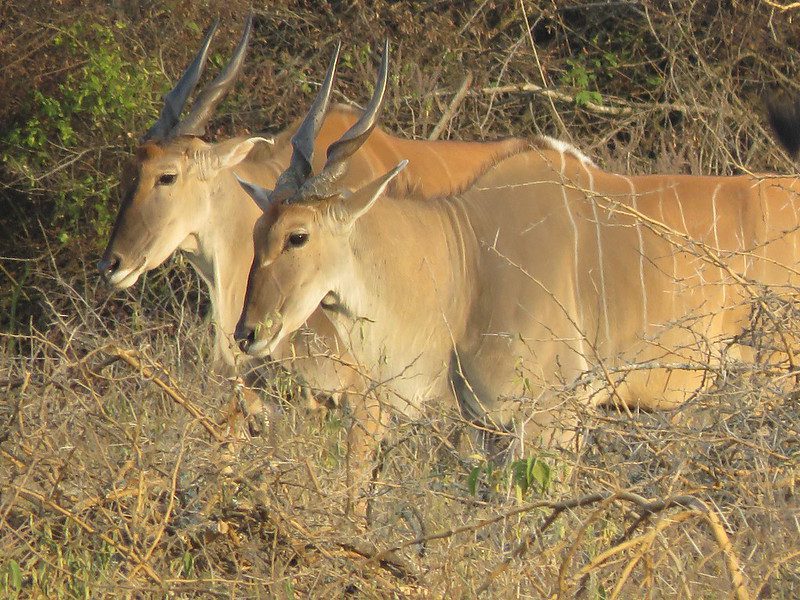
Lake Mburo National Park is Uganda’s smallest savannah park and the easiest place in the country to see zebra, eland and impala, which you can track on foot, on horseback, by bicycle, by boat or on a night drive. It sits in Kiruhura District in western Uganda, just off the Kampala to Mbarara highway, about four hours by road from Kampala. Most travellers spend one or two nights here on a safari, often as the stopover on the way to Bwindi gorilla trekking.
Lake Mburo National Park Safari at a Glance: Location, Size and Name
A Lake Mburo safari takes place in rolling grassland broken by acacia woodland, rocky ridges, forested gullies and a chain of lakes ringed with papyrus. The park lies in Kiruhura District, and its edges brush the Mbarara and Isingiro side of the Ankole region, which is why you will see several districts named in different guides. The Kampala to Mbarara highway runs along its northern side.
Small is the word everyone uses. You can drive across it in an afternoon, and the herds sit close enough to the tracks that a two hour drive rarely comes back empty. Five lakes lie inside the boundary, with Lake Mburo by far the largest, and they belong to a longer string of lakes and swamps that runs south toward the Tanzanian border.
Ask a ranger where the name comes from. The story told locally is of two brothers, Mburo and Kigarama, who lived in the valley. Kigarama dreamt of a great flood and moved up into the hills; Mburo stayed, and drowned when the water rose and filled the valley. The lake took his name, and the hills above it still carry his brother’s. Another version credits a herdsman called Mburo whose cattle grazed the plains.

Lake Mburo History and the Ramsar Wetland Behind the Safari Park
Lake Mburo was set aside as a controlled hunting area in 1933, became a game reserve in 1963 and was upgraded to a national park in 1983. The upgrade pushed Bahima herders off land they had grazed with their longhorned cattle for generations, and they were not compensated. When the government of the day fell in 1985, many returned, drove out the park staff and killed much of the wildlife. The new government redrew the boundary in 1986 and less than half of the old reserve stayed protected.
That history explains what you see on the drive in. Ranches and cattle press right up to the boundary, the herders’ Ankole cattle share the view with zebra and impala, and wildlife regularly wanders out onto private land, where it is not always welcome.
Inside the park, a few places keep older meaning. Rubanga, now a patch of forest you can walk, was a site for offerings to the gods. Ruroko is linked with the semi mythical Bachwezi, and Kigarama is remembered as the hill where the king’s servants stayed.
The wetlands carry international weight too. In 2006 the Lake Mburo to Nakivali wetland system was added to the Ramsar list of wetlands of international importance, covering about 26,834 hectares of lakes, seasonal and permanent swamps and savanna. It sits where two biological zones meet and shelters the papyrus yellow warbler, the shoebill and fish species lost from Uganda’s big lakes.
The ground is also changing. Large areas that were open grass a few decades ago are now thick with acacia scrub, which shades out grazing and pushes plains animals onto ranches. UWA’s management plan names the problem, and it is one reason giraffe were brought in.
Wildlife Safari Highlights: Zebra, Eland, Impala and Leopard
The wildlife safari here is built around plains game. Burchell’s zebra are the signature animal and turn up on almost every drive, often on the open grass near Rwonyo. Herds of impala graze the acacia edges; Lake Mburo holds the only impala population in Uganda, and a territorial male standing on a termite mound is one of the park’s classic sights. Eland, Africa’s largest antelope, are shy and move off quickly, so a good look on foot counts as a fine morning.
Topi, buffalo, Defassa waterbuck, bohor reedbuck, bushbuck, oribi, common duiker, warthog and bushpig fill out the usual list. Klipspringer live on the rocky outcrops if you know where to scan. In the papyrus, the swamp antelope called sitatunga moves along the lake fringes; you need patience and an early start. Hippos crowd the shallows, Nile crocodiles bask on the banks, and rock hyrax live among the boulders on the ridges.
Predators are a short list. Leopards live in the park and are most often seen at night. Spotted hyena, side striped jackal, serval, genet, civet and white tailed mongoose round out the night shift, and aardvark, porcupine and ground pangolin are recorded but rarely seen. Lions were wiped out locally in the 1980s. A lone lion that wandered in from Tanzania attacked three people near the park and was put down by UWA in 2015, so treat a lion here as a rumour rather than a plan. Around 68 mammal species are recorded in total.

Rothschild’s Giraffe Safari Sightings Since the Introduction
Giraffe were not part of the park’s recent wildlife until 2015, when UWA moved 15 Rothschild’s giraffe by road from Murchison Falls National Park, with help from the Kenya Wildlife Service. Conservationists now usually class them as Nubian giraffe, the same animals under a newer name. The stated reasons were to browse back the spreading acacia thickets, add a species and give visitors another draw.
It worked. The latest survey by the Giraffe Conservation Foundation with UWA rangers identified a minimum of about 65 individual giraffe, calves included. They favour the central woodland and thickets, so you are more likely to find them on a game drive safari through the middle of the park than along the lakeshore. Ask your guide where the herd was seen the day before. Sightings are likely on a full day but not guaranteed on a short evening drive.
Game Drive Safari Tracks Through the Park
A game drive safari is how most visitors start, and a network of named tracks covers the park. The routes around Rwonyo and toward the lake are the most productive for zebra, impala and buffalo, while tracks such as Ruroko and Kazuma climb into rockier country with views over the lakes. The Warukiri and Miriti valleys hold swamp edges where waterbuck and reedbuck feed.
Morning drives, leaving soon after sunrise, catch animals before they move into the shade, and afternoon drives in the last two or three hours of light pick them up again as they head for water. A high clearance vehicle is the right choice inside the park; most visitors come with a driver guide from their safari company, and a UWA ranger can ride along on request. Expect dust in the dry months and mud on the lower loops in the rains.
Lake Mburo Boat Trip for Hippos, Crocodiles and Finfoot
The boat trip on Lake Mburo leaves from the jetty near Rwonyo and runs for about two hours along the eastern shore. Hippos are certain, crocodiles very likely, and the waterbirds are the real reason birders book it: pied and malachite kingfishers, African fish eagle, pelicans, cormorants, herons and, with luck, the shy African finfoot slipping along under overhanging branches. A shoebill is recorded on the lake now and then, but it is a bonus rather than a promise.
Expectations matter. Operators who run this route often say plainly that it is not the most dramatic boat ride in Uganda; the Kazinga Channel in Queen Elizabeth National Park carries far more animals. Take it as a calm two hours on the water rather than the high point of the trip. Morning departures are cooler and better for birds, while afternoon trips catch softer light and animals coming down to drink.
Walking Safaris and the Rwonyo Salt Lick
A walking safari is the reason many people rate Lake Mburo above bigger parks. Walks go out with an armed UWA ranger, usually early, and last two hours or so. Zebra and impala tolerate people on foot better than you would expect, and you learn to read dung, tracks and alarm calls in a way no vehicle allows.
The standard morning walk heads to the salt lick near Rwonyo, where animals come to eat mineral rich soil. UWA has built a raised wooden hide beside it, and from there you can often watch three or four species at once without them noticing you. Other walks follow the lakeshore or climb a ridge for a view over the lakes, and you can ask for a route that suits your interest.
Wear closed walking shoes, long trousers in muted colours and a hat. Grass seeds and ticks are part of savannah walking, so tuck trousers into socks. Our guide on what to wear on a walking safari covers colours, quiet fabrics and footwear in more detail. Lodges outside the boundary, including Rwakobo Rock and Mihingo, run their own guided walks on adjoining land.
Horseback Safaris from Mihingo Lodge
Horseback safaris are what set Lake Mburo apart from every other national park in Uganda, since it is the only one where riding among wild animals is offered; the only other riding safaris in the country run in Kabwoya Wildlife Reserve beside Lake Albert. The rides here are run by the stables at Mihingo Lodge and range from a one hour outing for novices to half day rides for confident riders. Zebra, eland, topi and buffalo will often let a horse come closer than a vehicle.
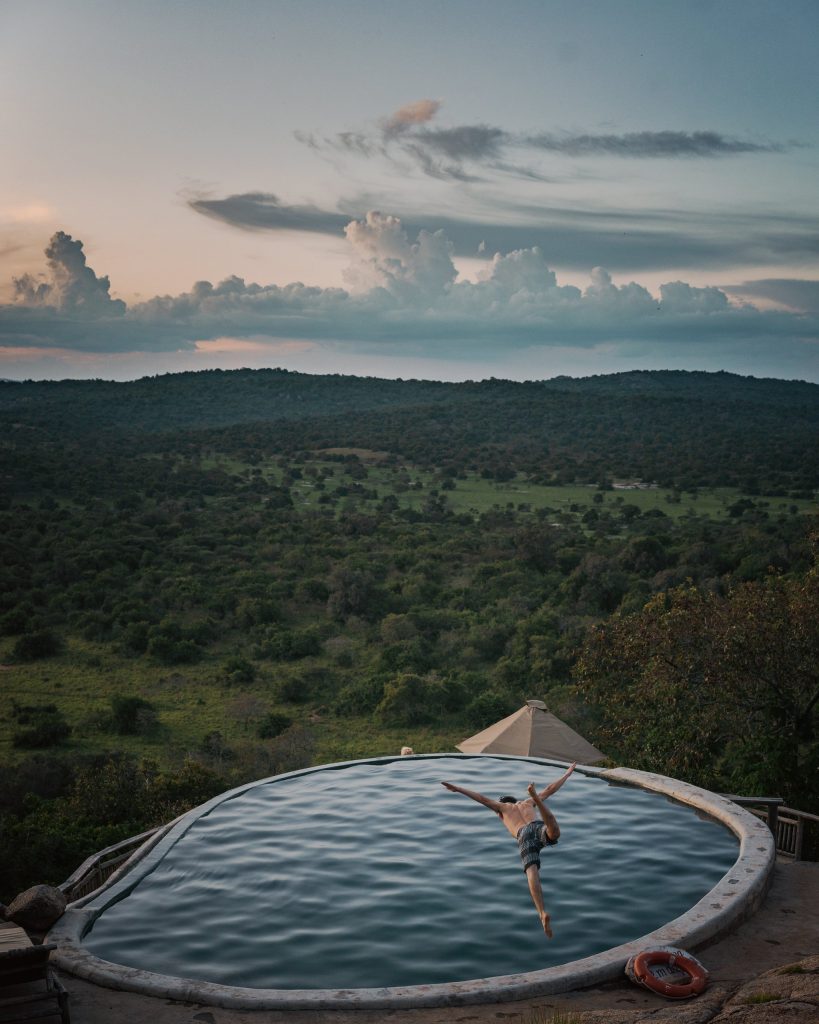
No previous riding experience is needed for the short rides, and children can join on ponies. Wear long trousers and closed shoes with a small heel. Book ahead, since horse numbers are limited and groups are kept small, and confirm the weight limit when you book.
Cycling Safaris and Quad Bike Tours
Lake Mburo is the savannah park where UWA lists cycling safaris as an official activity. Rides run with a ranger guide on park tracks among zebra, impala, eland and warthog, and lodges such as Rwakobo Rock and Mihingo arrange bikes and routes on the land around the park. Rides are mostly gentle with a few short climbs, and the early morning is best before the heat builds. If you want a cycling day near the gorillas too, our Bwindi cycling and mountain biking guide covers the rides around Buhoma.
A few local operators also run quad bike tours on community land near the park edge, passing farms, cattle and small villages. It is a noisier way to spend an afternoon and suits families with teenagers more than wildlife watchers.
Night Game Drive Safari for Leopard and Hyena
Few Ugandan parks offer a night game drive, and Lake Mburo runs one of the most reliable. Drives start after dark, last around two hours, and always carry a UWA ranger with a spotlight. The targets are leopard, hyena, bushbaby, genet, civet, serval, spring hare, nightjar and the occasional porcupine.
Leopard sightings are a matter of luck, not routine. What a night drive does give you, almost every time, is the eyeshine of animals you never noticed in daylight. Bring a warm layer, since the open vehicle gets cold, and a good torch for the walk back to your room.
Birdwatching Tours in Lake Mburo and Rubanga Forest
Birdwatching tours here mix savannah, swamp, open water and a patch of forest. UWA counts over 315 species, and other lists run closer to 350. The acacia country around Rwonyo holds the dry country specialities: red faced barbet, black bellied bustard, bare faced go away bird, coqui francolin, emerald spotted wood dove, Rüppell’s starling, mosque swallow and southern ground hornbill. Tabora cisticola is a sought after local find, and bateleur and martial eagle patrol overhead.
In the swamps, look for papyrus yellow warbler, Carruthers’s cisticola, white winged warbler, rufous bellied heron and saddle billed stork, and the rare shoebill is recorded now and then in the Warukiri and Miriti swamps. Grey crowned cranes feed in the open valleys, and brown chested lapwing passes through as a seasonal visitor. The roadside between Rwonyo and the jetty is one of the most rewarding short birding drives in the park.
The Rubanga Forest walk must be booked with the park in advance, as a ranger has to go with you. It is a small forest with a closed canopy in places, figs, palms and flame trees at the swamp edge, and forest species such as narrow tailed starling and green pigeon that you will not see out on the grass. Birders on a Uganda circuit can compare this with the forest birding in Bwindi, which is a very different list. The rains, from March to May and October to November, bring breeding plumage and migrants.
Sport Fishing Trips and Ankole Cultural Tours
Anglers can try sport fishing at the Mazinga fishing point on Lake Mburo, mainly for tilapia, with lungfish, mudfish and small haplochromine cichlids also in the lake. You need a UWA fishing permit and your own tackle, so book it with the park before you arrive. More serious fishing on the Nile and Lake Victoria is covered on our Uganda fishing trips page.
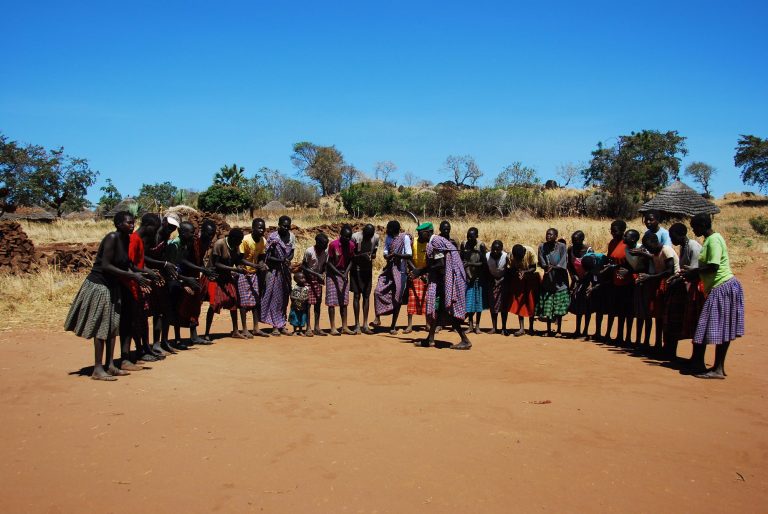
Cultural tours introduce the Bahima and Banyankole herders whose cattle share the land around the park. Homestead visits show milking, ghee and yoghurt making and the care of the longhorned Ankole cows. The Igongo Cultural Centre, on the highway toward Mbarara, has a museum on the history of the Ankole kingdom and a restaurant serving local food.
Community groups around the park have formed the Lake Mburo Community Tourism Association, which runs village walks, crafts and a heritage village so that more of the tourism money stays local. Visitor numbers are still modest, so a booking makes a real difference to these groups. Our pages on Uganda’s people and culture and farm tours in Uganda give more background.
| Activity | Length | Best time | Book with |
|---|---|---|---|
| Game drive | 2 to 4 hours | Early morning | Your driver |
| Boat trip | About 2 hours | Morning | UWA, Rwonyo |
| Walking safari | About 2 hours | Early morning | UWA or lodge |
| Horseback ride | 1 hour to half day | Morning | Mihingo Lodge |
| Cycling | 2 to 3 hours | Early morning | UWA or lodge |
| Night drive | About 2 hours | After dark | UWA |
| Rubanga walk | 2 to 3 hours | Morning | UWA, ahead |
| Fishing | Flexible | Morning | UWA permit |
Best Time for a Lake Mburo Safari
The park is open all year, and its closeness to the highway means the roads in stay usable even in the rains. The dry seasons give the easiest game viewing, as animals gather near the lakes and the grass is short.
Night drives work in any month. If you are planning around the gorillas, the same dry months suit Bwindi too; our page on the best time for gorilla trekking in Uganda sets out the trade offs, including the lower season permit rates.
Lake Mburo Lodges and Camps for an Overnight Safari
Where you sleep shapes the trip more than usual here, since several activities are run by the lodges themselves. Mihingo Lodge, on a rocky ridge on the park’s eastern edge, is the best known upmarket option, with tented rooms, a waterhole view and the horse stables. Lake Mburo Safari Lodge, also sold as Mburo Safari Lodge, and Kigambira Safari Lodge are other higher end choices, the latter with views over the lakes.
In the middle range, Rwakobo Rock sits on a granite outcrop near Nshara Gate and arranges walks and cycling, while Mantana Tented Camp, the Arcadia Cottages and Eagle’s Nest give good value close to the park. Mpogo Lodge is also used by safari companies. Zebra, impala and warthog wander through several of these lodge grounds, so keep a camera by the door.
On a budget, UWA’s Rwonyo Rest Camp has simple bandas at the park headquarters, close to the jetty, and Leopard Rest Camp offers camping. If everything inside is full, Mbarara and Lyantonde have hotels within an hour’s drive. For lodges at the gorilla end of the trip, see our Bwindi safari lodges guide.
Getting to Lake Mburo National Park from Kampala
The drive from Kampala follows the tarmac highway southwest through Masaka toward Mbarara, and takes about four hours without stops, a little longer from Entebbe airport. Most drivers break it at the Equator line at Kayabwe for photographs. Other roadside stops include the drum makers at Mpambire, papyrus mats for sale along the road, and the roasted plantain sellers at Kyazanga.
Past Lyantonde, a signposted left turn at Akageti leads to Nshara Gate, the usual entry from the Kampala side. Further west, a turn at Sanga trading centre leads to Sanga Gate. Both reach the Rwonyo headquarters in well under an hour. Self drivers manage the highway easily; inside the park, a high clearance vehicle is wiser, especially in the rains, and our Uganda car hire and self drive safari pages cover the options.
No scheduled flights serve the park, though charters can land at the Mbarara airstrip. Our getting there page covers the routes, including flights to Kihihi or Kisoro for the gorilla parks.
Lake Mburo as the Stopover Between Kampala and Bwindi
The drive from Kampala or Entebbe to Bwindi is long, and Lake Mburo sits at the natural break. From the park, the southern Bwindi sectors are another four to five hours’ drive and Buhoma in the north a little longer.
One night allows a single game drive plus a morning activity; two nights let you add the boat trip, a night drive and a ride without rushing. Many travellers find Mburo works better on the way back, as a quiet place to unwind after the trek. Shorter trips appear in our 4 day gorilla safari guide, and longer routes in the 7 day Uganda safari add chimpanzees at Kibale and Queen Elizabeth. You can also cross into Rwanda for gorilla trekking in Rwanda, or fly to Kenya and Tanzania to pair the gorillas with a Masai Mara safari or the Serengeti.
If gorillas are the main event, secure them first. Permits sell out in busy months, and our guide to booking Uganda gorilla permits explains how; the gorilla habituation experience is the longer alternative. Pack for both parks at once with our gorilla trekking packing list, adding a warm layer for the night drive.
Lake Mburo Safari Questions
What is Lake Mburo National Park famous for?
Zebra, eland and impala, since it is the only park in Uganda with impala and the easiest place to see the other two. It is also known for activities you cannot do in most Ugandan parks: walking, cycling and horseback safaris among plains game, plus night drives, a lake boat trip and good savannah and swamp birding. Its position on the main road west makes it the classic stopover on the way to Bwindi.
How much does it cost to go to Lake Mburo National Park?
On the last confirmed UWA tariff, park entry costs US$40 per person per 24 hours for foreign non residents, US$30 for foreign residents and UGX 20,000 for East African citizens, with reduced rates for children. Activities are charged on top. Operator listings put the boat trip, guided walk and night drive at roughly US$15 to US$40 per person each, the last published tariff charged about US$30 for foreign non residents to cycle, and horseback rides are priced by Mihingo Lodge by the hour. UWA revises its tariff periodically, so confirm current figures with UWA or your safari company before you travel.
In which district is Lake Mburo?
Lake Mburo National Park lies in Kiruhura District in western Uganda, in the Ankole region, with Mbarara city about 30 km to the west. Older guides place it in Mbarara District, which covered the area before the districts were split, and some list Isingiro too because the wider wetland system reaches that side.
What are the main activities and attractions at Lake Mburo National Park?
Game drives by day and night, the boat trip on Lake Mburo, ranger led walking safaris to the Rwonyo salt lick, horseback rides from Mihingo Lodge, cycling, the Rubanga Forest birding walk, sport fishing and cultural visits to Ankole cattle herders and the Igongo Cultural Centre. The main wildlife attractions are zebra, impala, eland, giraffe, buffalo, hippo and leopard.
Can you see gorillas or elephants at Lake Mburo?
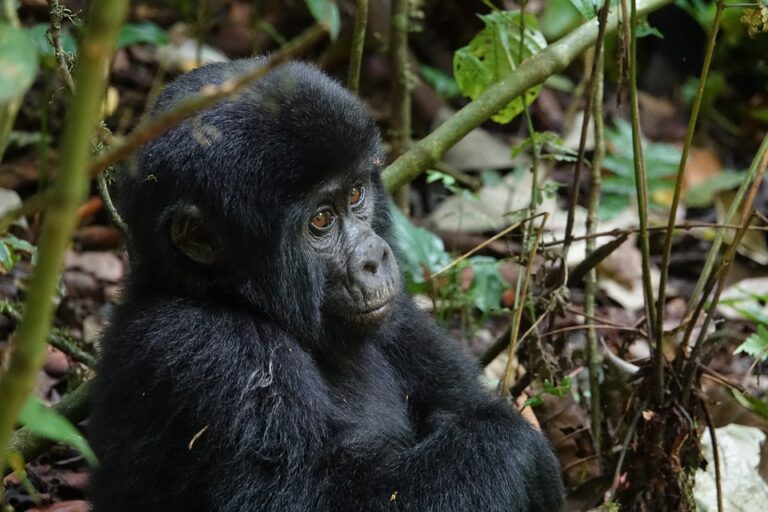
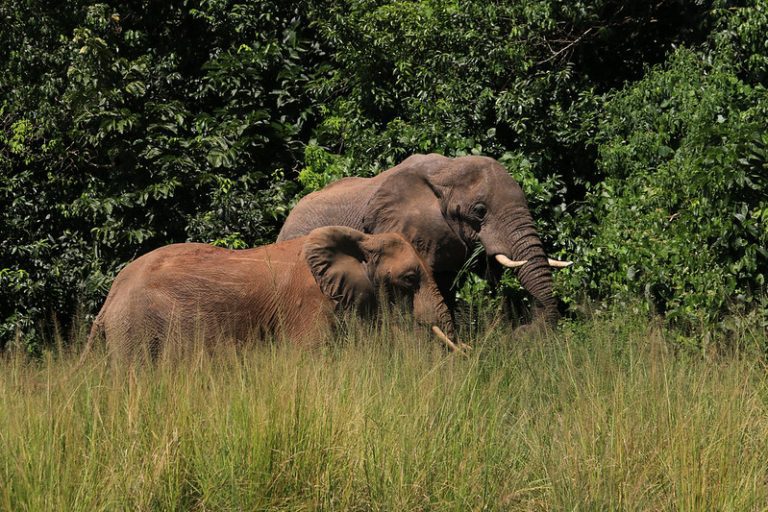
No. There are no gorillas, chimpanzees or elephants in the park. Gorilla trekking happens in Bwindi and Mgahinga in the far southwest, which is why so many trips pair the two parks.
Are there lions at Lake Mburo?
Lions are absent or very rarely recorded. The resident population was wiped out in the 1980s, and the odd lion that wanders in from the Tanzanian side does not settle. That is part of why walking, cycling and horseback safaris are allowed. Leopards and hyenas do live in the park.
Is a Lake Mburo safari worth it if I am going to Bwindi anyway?
For most people, yes. It breaks a very long drive, it is the only place in Uganda to see impala and the best for zebra and eland, and walking or riding among plains game is something the gorilla parks cannot offer. Travellers heading on to Queen Elizabeth or the Masai Mara for big cats may find one night enough.
How many nights should I spend at Lake Mburo?
One night covers an afternoon game drive and a morning walk or ride. Two nights let you add the boat trip, a night drive and a slower pace, and suit the return leg after gorilla trekking.
Can children do the walking and horseback safaris?
Children are welcome on game drives and the boat trip. For walks, UWA and the lodges usually set a minimum age, and pony rides for younger children can be arranged at Mihingo. Check the age rule when booking.
Can I self drive to Lake Mburo?
Yes. The highway from Kampala is tarmac to the turnoff, and the park tracks are passable in a high clearance vehicle in the dry season. Some loops get muddy in the rains, and a ranger guide is needed for night drives and walks.
What does a gorilla permit cost if I combine Lake Mburo with Bwindi?
Uganda gorilla permits cost US$800 for foreign non residents, US$700 for foreign residents and UGX 300,000 for East African citizens, with a US$600 low season rate announced for April, May and November. Permits are paid in full at booking.
Is malaria a risk at Lake Mburo?
Yes. Lake Mburo is a low altitude savannah park with standing water, so mosquitoes and tsetse flies are present. Take the antimalarials your travel clinic recommends, use repellent and wear long sleeves in neutral colours at dusk.