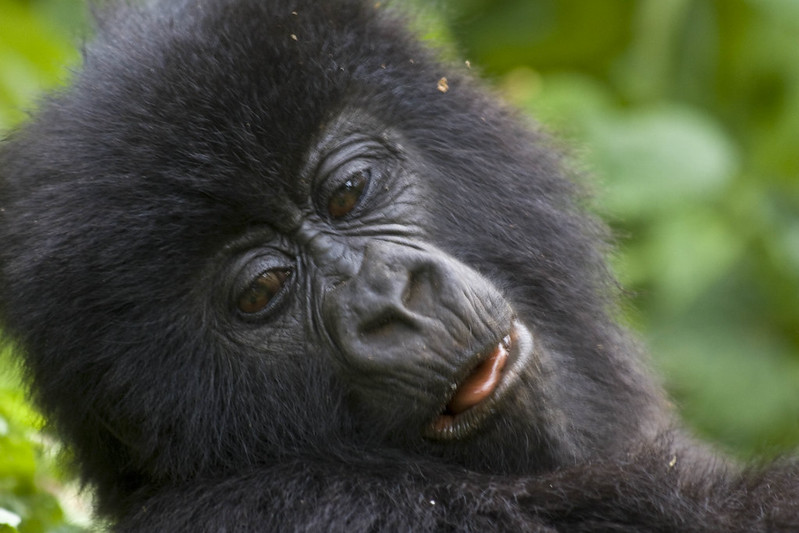
Uganda gorilla permit prices have changed several times, and the latest round brings two changes at once: a cheaper US$600 low season trekking permit for April, May and November, and a higher fee for the gorilla habituation experience, announced at US$1,800. The standard trekking rate is unchanged at US$800. Permits are issued by the Uganda Wildlife Authority (UWA) for Bwindi Impenetrable and Mgahinga Gorilla National Parks, and this page tracks what each change means for planning a gorilla trekking safari.
The figures below come from UWA’s own published tariffs and its notices to tour operators. If you just want to know how to buy a permit, go to our main gorilla permit booking guide; this page sets out the current fees, the changes UWA has announced, and why they matter for your dates.
Current Uganda Gorilla Trekking Permit Prices by Visitor Category
A gorilla trekking permit buys one hour with a habituated gorilla family, in a group of no more than eight visitors, after a trek that can last anything from under an hour to most of the day. UWA prices it by residency, with a separate rate in the low season months for foreign visitors.
| Visitor category | Standard rate | Apr, May, Nov |
|---|---|---|
| Foreign nonresident | US$800 | US$600 |
| Foreign resident | US$700 | US$500 |
| Other African citizen | US$500 | No change |
| East African citizen | UGX 300,000 | No change |
Foreign residents need a valid Ugandan work permit or residence documents to qualify, and East African citizens show a national ID or passport from a member state. The US$500 rate for citizens of other African countries was added in the tariff review that lifted the main rate to US$800. UWA’s low season notice lists reduced rates only for foreign nonresidents and foreign residents, so the two African categories pay the same in every month.
The price is identical in every sector. A Buhoma permit costs what a Rushaga, Ruhija or Nkuringo permit costs, and Mgahinga charges the same again. What changes between sectors is the drive, the lodges and the ground you walk on, which our Bwindi gorilla families guide sorts out sector by sector.
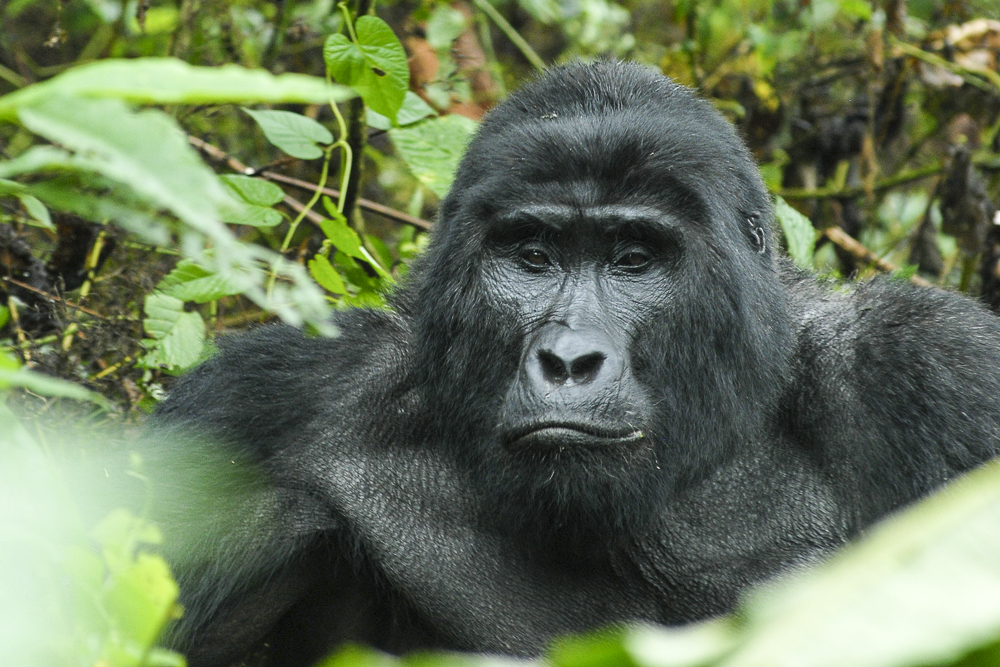
What the Uganda Gorilla Permit Price Includes and What Costs Extra
The US$800 covers more than the hour itself. Park entry for the trek day is built in, along with the UWA ranger guide, the armed escort and the trackers who set off before dawn to find the family. The certificate handed out at the briefing point afterwards comes with it too.
Everything else on trek day sits outside the permit, and these extras did not change when the permit rates moved.
Several trip reports make the same point about porters: people who meant to carry their own bag were glad of a hand on the muddy climb out. At US$15 to US$20 it is the cheapest upgrade on the whole trip, and the money goes straight to households beside the forest.
Low Season Gorilla Trekking Permits for April, May and November
In a letter to tour operators, UWA introduced low season gorilla trekking permits at US$600 for foreign nonresidents and US$500 for foreign residents, valid for treks in April, May and November. Low season chimpanzee permits came in at the same time, and those are covered on our Kibale chimpanzee trekking page. The rates took effect as soon as the notice went out.
There is one catch, and it matters. Low season permits cannot be rescheduled. A standard permit can sometimes be moved for a fee; a discounted one is fixed to its date. If your flights or plans are uncertain, the saving can disappear.
These are the wettest months in Bwindi. Trails turn to mud, steep slopes get slippery and afternoons often bring heavy rain, though it can rain on any day of the year in a rainforest. The gorillas do not move away in the wet season, and trekking groups are usually smaller. Good waterproofs, gaiters and boots with real grip make the difference; our gorilla trekking packing list covers the kit, and the best time for gorilla trekking in Uganda sets out the weather month by month.
Uganda has run low season discounts before. An earlier scheme offered reduced permits in the same three months and was later dropped, when UWA moved to one price all year. Older pages that say “there is no discount in Uganda” date from that gap.
Gorilla Habituation Experience Permit Increase
The gorilla habituation experience lets up to four visitors spend up to four hours with a family that is still being habituated, in Bwindi’s Rushaga sector. It currently costs US$1,500 for foreign nonresidents, US$1,000 for foreign residents and UGX 750,000 for East African citizens.
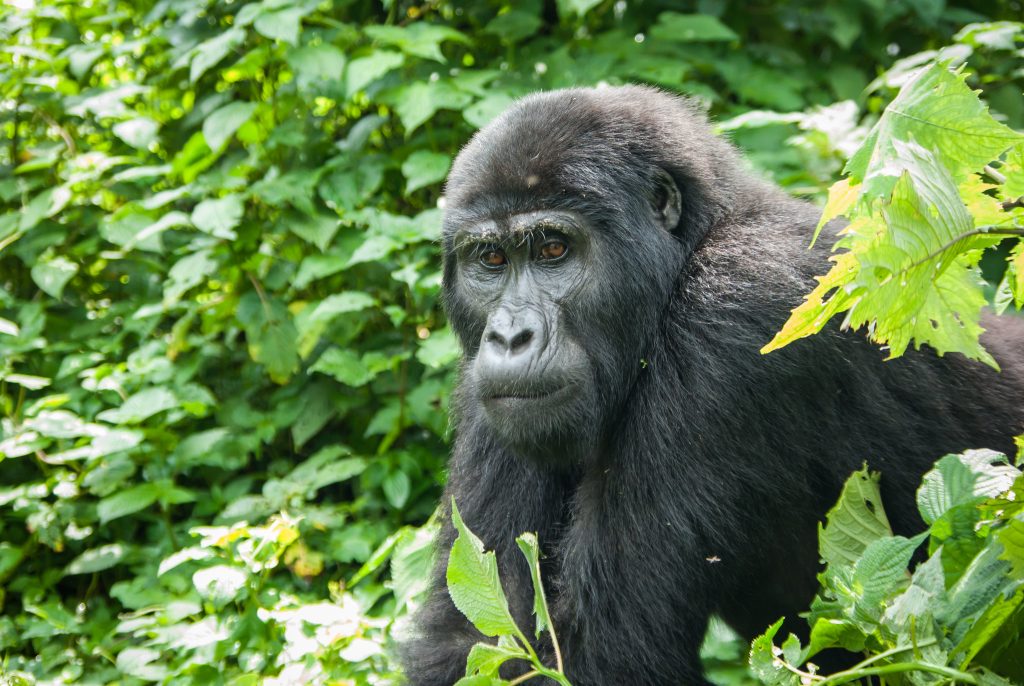
UWA has announced a rise to US$1,800 for foreign nonresidents, with foreign residents moving to US$1,600. The same notice lists other African citizens at US$1,000 and leaves the East African rate at UGX 750,000. The start date needs care. UWA places the new rates in its revised tariff, while operator websites have quoted at least two different start dates. Ask your operator which price applies to your trek date before you pay, and see our gorilla habituation experience guide for how the day works.
| Category | Current | Announced |
|---|---|---|
| Foreign nonresident | US$1,500 | US$1,800 |
| Foreign resident | US$1,000 | US$1,600 |
| Other African citizen | US$1,000 | US$1,000 |
| East African citizen | UGX 750,000 | UGX 750,000 |
For a couple, the change adds US$600 to the habituation line, from US$3,000 to US$3,600. The habituation permit has no low season rate, so April, May and November do not soften it. Only eight habituation places are sold a day across the families in training, which is why they go early even at the higher price.
Other UWA Primate Permit Changes Announced Alongside the Gorilla Rates
The same round of UWA tariff changes touched other primate tracking permits, and they matter if your gorilla safari also takes in Kibale or Queen Elizabeth.
Chimp tracking keeps its minimum age of 12, and gorilla trekking stays at 15. The Kibale chimpanzee trekking page has the current chimp rules, and golden monkey trekking in Mgahinga is covered separately.
Booking Rule Changes for Gorilla Trekking Permits
Price is not the only thing that changed. UWA suspended the seven day reservation window in its booking system. Operators used to be able to hold permits for up to a week without paying, and unpaid holds were then cancelled automatically. Now a permit is only secured once it is paid for in full at the time of booking.
For travellers this has two effects. Permits held on spec by agents are no longer tied up for a week, so dates that look sold out may free up less often but more fairly. And you, or your operator, need to pay the whole permit price up front to secure a date. Foreign nonresident permits are booked through licensed tour operators, which is how most visitors buy them anyway.
Supply has not changed with the price. Eight visitors per family per day, across around 19 families open to trekkers in Bwindi’s four sectors, gives roughly 152 places a day, and Mgahinga adds about eight. For June to September and December to February, book six months or more ahead for the sector you want. A permit is tied to one sector and one date, so book the lodge after the permit, not before.
If you ask a company to buy a permit on its own, without a tour, most add a handling fee for the reservation, payment and delivery, and some add a few percent for card payments. Requests to pay an individual, or through a money transfer service such as Western Union, are the classic scam pattern. A permit offered well below US$800 outside the low season months is a warning sign, not a bargain.
Gorilla Permit Refunds, Rescheduling Fees and Which Price Applies
Permit money goes to UWA, so gorilla permit refunds follow UWA’s scale rather than the operator’s, and they matter more now that every permit is paid in full on booking.
Rescheduling is often the better move. The first change is free, subject to space; a second carries a surcharge of 25 percent of the permit price, or US$200 on a standard permit. Low season permits sit outside this: they cannot be moved at all. A trekker turned back for illness before tracking, with a medical report, can be refunded 50 percent at UWA’s discretion. The full rules are on our Uganda gorilla permit page.
Which tariff applies when prices rise is where operators disagree. Some say the purchase date decides, others say the trek date. In past rises, permits already paid in full before the change were honoured at the old rate, which is the strongest reason to pay early for a trek you are sure of. Get the rate for your exact date confirmed in writing before you send money.
History of Uganda Gorilla Trekking Permit Price Increases
Gorilla trekking in Uganda began when Bwindi’s Mubare family received its first visitors in Buhoma. Since then the permit price has risen in steps, usually announced a year or more ahead.
One correction for anyone who read an older version of this page. The foreign resident rate went from US$600 to US$700 in the last rise, not from US$500, and East African citizens were never moved to US$700.
Why UWA Raises Gorilla Trekking Permit Fees
Gorilla permits are UWA’s largest single source of income, and they pay for far more than the gorillas. Fees fund ranger patrols, tracking teams who find each family before visitors arrive, veterinary monitoring, and the running of parks that earn little on their own. UWA describes its tariff reviews as the result of market research and consultation with tour operators and other stakeholders, aimed at keeping prices fair and competitive.
Part of the money goes to people living beside the forest. UWA shares park revenue with the parishes around Bwindi and Mgahinga, and a gorilla levy on every permit adds to that, paying for classrooms, health posts and small businesses. That link is why communities that once lost crops to gorillas now have reason to protect them. Our guide to how gorilla tourism saves mountain gorillas follows that money further.
Demand is the other driver. Uganda holds about half of the world’s mountain gorillas, with 459 counted in Bwindi in the last published census out of a world total of 1,063, and results of the latest census are still awaited. The number of permits is capped at eight per family per day, so one family earns at most US$6,400 a day at the standard rate. When demand outstrips that fixed supply, the price goes up. The low season rate works the other way, filling permits in months when they go unsold.
So why are gorilla tours so expensive? The permit is the biggest single line, and the parks are remote: a long 4×4 drive or a light aircraft seat, lodges that truck in supplies, and a small number of beds near each trailhead all add to it. The permit price is the one cost that never drops for a bigger group.
How Uganda’s Gorilla Trekking Prices Compare with Rwanda
Even after the rises, Uganda remains the cheaper of the two main gorilla trekking safari destinations. Rwanda’s permit for Volcanoes National Park costs US$1,500, nearly double Uganda’s standard rate and more than twice the low season one. From November to May, RDB’s offer takes 30 percent off, to US$1,050, for visitors who also spend paid nights in Nyungwe or Akagera. Rwanda wins on access, since Volcanoes is about two to three hours by road from Kigali, while Bwindi usually means a long drive or a domestic flight. Our Rwanda gorilla permit page covers RDB’s rules, and Rwanda gorilla trekking compares the experience. A number of operators, including those offering Uganda’s gorilla trekking alongside Rwanda, will price both routes so you can compare the full trip cost rather than the permit alone.

| Permit | Uganda | Rwanda |
|---|---|---|
| Standard | US$800 | US$1,500 |
| Low season | US$600 | US$1,050 |
| Habituation | US$1,500 | Not offered |
For a couple on standard permits the gap is US$1,400. Uganda also sells far more places a day, about 160 against Rwanda’s 96, which is why late bookers often end up in Bwindi.
Congo’s Virunga has been cheaper still, but its status changes with security conditions; see our Congo gorilla trekking page before considering it.
How Much a Uganda Gorilla Tour Costs at the Current Permit Prices
The permit is the fixed part of a Uganda gorilla tour; the rest moves with lodge, transport and group size. At the current rates, a three day trip with lodges, transport and extras runs from about US$1,200 per person on a shared budget tour, and a realistic figure at a comfortable lodge, two sharing, is about US$1,700 to US$2,100 per person before international flights. Luxury lodges push it far higher.
The low season permit is the one change that moves this total for most travellers. The habituation rise matters only if you swap the standard trek for the four hour visit. Our gorilla trekking cost guide builds up every line of the bill.
What the Price Changes Mean for Planning a Gorilla Safari
If your dates are fixed and you do not mind rain, the low season permit is the clearest saving in Uganda gorilla tourism in years. Pair it with a lodge that offers wet season rates and the total trip cost drops further. If your plans might shift, pay the standard rate and keep the flexibility.
Book early for June to September and December to February, when permits for popular sectors sell out months ahead. For the habituation experience, confirm the price for your exact date in writing. The Bwindi gorilla trekking guide explains sectors and trekking days, and Bwindi lodges covers where to stay. Many travellers add a Masai Mara safari or the Serengeti to the trip, and the permit is only one part of what a combined East Africa safari costs.
Uganda Gorilla Permit Price Changes FAQ
How much does a gorilla permit cost in Uganda?
US$800 for foreign nonresidents, US$700 for foreign residents, US$500 for other African citizens and UGX 300,000 for East African citizens. In April, May and November foreign nonresidents pay US$600 and foreign residents US$500.
Is there a gorilla permit discount in Uganda?
Yes, the low season rate. Foreign nonresidents pay US$600 and foreign residents US$500 for treks in April, May and November, but those permits cannot be rescheduled. There is no group or child discount, and children under 15 cannot trek.
When does the habituation permit go up to US$1,800?
UWA has announced the rise in its revised tariff, and operators have quoted different start dates. Confirm the rate for your trek date with your operator, in writing, before paying.
Is it cheaper to see gorillas in Uganda or Rwanda?
Uganda. Its permit is US$800, or US$600 in the low season, against US$1,500 in Rwanda, or US$1,050 under RDB’s November to May offer. Rwanda can still work out close on short trips because Volcanoes is only a few hours from Kigali.
How much does a gorilla tour cost in Uganda?
From about US$1,200 per person for a shared three day budget tour, and about US$1,700 to US$2,100 per person at a comfortable lodge, two sharing, before international flights. Longer trips with chimps and a savannah park cost more in total but less per day.
Why are gorilla tours so expensive?
The permit funds rangers, trackers, vets and community projects, and only eight people a day can visit each family. Add remote lodges and long transfers and the trip costs more than most safaris of the same length.
Is a low season gorilla trek worth it?
For many people, yes. You see the same families, often with fewer trekkers around, and save money. The trade off is mud, heavy rain and a permit you cannot move, so it suits travellers with fixed dates and good waterproofs.
Can I reschedule a gorilla permit?
Low season permits cannot be rescheduled at all. Standard permits can be moved once free, subject to space, and a second change costs 25 percent of the permit, so buy travel insurance that covers cancellation.
Do I have to pay the full permit price when booking?
Yes. Since UWA suspended its seven day reservation window, a permit is only confirmed once it is paid in full, so operators usually ask for the permit cost up front.
How close can I get to the gorillas on a Uganda trek?
UWA asks visitors to stay about 10 metres from the gorillas, wear a mask if asked, and keep to one hour with the family. The minimum age for trekking is 15.
Will gorilla permit prices rise again?
UWA reviews its conservation tariff every couple of years, and rises have usually been announced months in advance. Booking and paying early has protected travellers in past rises, since permits already paid in full were honoured at the old rate.