An African safari cost runs from about US$80 to US$515 per person a day at budget and mid range level in Kenya, Tanzania and on a Kruger self drive, to US$1,500 to US$3,895 a night at the top camps of Botswana, Tanzania and Sabi Sand, so a week costs from about US$2,400 to over US$13,000 before flights. Most travellers book through a licensed operator. Every figure below traces to a park authority, lodge or operator rate page.

Plenty of people open their first safari quote and feel a little winded. That is normal. Two quotes for what looks like the same week can sit thousands of dollars apart, and the gap nearly always traces back to a handful of decisions you control: the country, the camp tier, the month, how many people share the vehicle and whether you drive or fly between parks. This page is the hub for our country cost guides. It sets the prices side by side, then sends you to the detailed page for each country once you have a shortlist. If the shortlist is still empty, our guide to the best African safari countries explains what each one does best.
One thing to hold onto from the start. A high price does not buy more animals. It buys fewer vehicles at each sighting, a better guide, a more remote camp and less time on the road. Wildlife sightings are never guaranteed at any price. All figures are in US dollars per person sharing unless a local currency is shown, and none include international flights.
African Safari Cost per Person per Day by Country and Tier
Most African safari tours are priced per person per day, sharing a room, with park fees, vehicle, guide and meals inside the figure. These bands come from the operators’, camps’ and park authorities’ rates set out on each of our country cost pages:
| Country (US$) | Budget | Mid range | Luxury |
|---|---|---|---|
| Kenya | 120 to 190 | 200 to 320 | 430 to 2,750 |
| Tanzania | 220 to 460 | 340 to 515 | 520 to 3,525 |
| South Africa | 80 to 150 | 385 to 1,190 | 1,800 to 3,680 |
| Botswana | 224 to 600 | 595 to 1,445 | 995 to 3,895 |
| Namibia | 245 to 365 | 490 to 1,600 | 900 to 1,840 |
| Zimbabwe | 40 to 50 | 271+ | 550 to 1,185 |
| Zambia | 154 to 325 | 350 to 550 | 700 to 1,200+ |
Read the rows with their basis in mind. Kenya’s budget and mid range bands are shared and private road trips with park fees; its luxury band starts with fly in conservancy camps such as the Porini camps at US$430 to US$969 a night and tops out at Angama Mara’s US$2,750 in peak season. Tanzania’s luxury band is the room alone, from Gibbs Farm at US$518 to Singita Sasakwa at US$3,525, before park and concession fees. South Africa’s budget band is a Kruger self drive, Namibia’s is a rest camp self drive with the car and fuel in, and Zimbabwe’s is ZimParks chalet beds and park fees before car hire and food. Botswana’s lowest band runs from group camping in bow tents at about US$224 to US$265 a night to private mobile trips at US$450 to US$600, because almost nothing in the Okavango Delta sells cheaper. Madagascar is left out of the table because it is priced by tour around a hired car and driver rather than by the game drive day.
The comparison below puts the same bands side by side, adds Uganda and Rwanda as day rates before the gorilla permit, and lets you filter by region and sort by the tier you are likely to book.
Safari Country Cost Comparison
Compare indicative per person per day safari rates across nine countries, then sort by the tier you are likely to book. Rates assume two people sharing; read each band with the basis set out under the country table above.
Showing all 9 countries, sorted by budget rate, lowest first
| Country | Budget | Mid range | Luxury | What moves the price |
|---|---|---|---|---|
| 1.ZimbabweHwange, Mana Pools, Victoria Falls | USD 40 to 50 | USD 271 and up | USD 550 to 1,185 | Budget figure is ZimParks chalet beds and park fees before car hire and food; Mana Pools camps need charter flights in and out |
| 2.South AfricaKruger, Sabi Sand, Madikwe | USD 80 to 150 | USD 385 to 1,190 | USD 1,800 to 3,680 | A Kruger self drive keeps budget trips low; Sabi Sand lodges bordering Kruger sit at the top |
| 3.KenyaMaasai Mara, Amboseli, Samburu | USD 120 to 190 | USD 200 to 320 | USD 430 to 2,750 | Mara reserve fees double from July; conservancy camps build a nightly fee into the rate but cap vehicle numbers |
| 4.UgandaBwindi, Murchison Falls, Queen Elizabeth | USD 250 to 350 | USD 350 to 450 | USD 600 to 1,500 | Long road transfers between parks; gorilla and chimpanzee permits are priced on top |
| 5.ZambiaSouth Luangwa, Lower Zambezi, Kafue | USD 154 to 325 | USD 350 to 550 | USD 700 to 1,200+ | Budget camps cluster near Mfuwe; walking safaris and domestic flights make up much of the price |
| 6.RwandaVolcanoes, Akagera, Nyungwe | USD 190 to 300 | USD 300 to 500 | USD 1,200 to 3,630 | Short distances, but the gorilla permit is extra and the top lodges are among the priciest in Africa |
| 7.TanzaniaSerengeti, Ngorongoro, Tarangire | USD 220 to 460 | USD 340 to 515 | USD 520 to 3,525 | Park and concession fees run high, the crater fee is charged per vehicle, and the luxury band is the room before fees |
| 8.BotswanaOkavango Delta, Chobe, Kalahari | USD 224 to 600 | USD 595 to 1,445 | USD 995 to 3,895 | Group camping and mobile trips by road are the budget route; Delta camps are small, fly in only and priced high on purpose |
| 9.NamibiaEtosha, Sossusvlei, Damaraland | USD 245 to 365 | USD 490 to 1,600 | USD 900 to 1,840 | Self drive in rest camps is the classic route; fly in camps cost several times more |
Indicative ranges per person per day in US dollars, two sharing, from the country table above and our Uganda and Rwanda cost pages; international flights and visas excluded. Green season rates often run 20 to 50 percent lower. Gorilla permits in Uganda and Rwanda are not included. Wildlife sightings are never guaranteed.
Last checked October. Sources: the country cost pages linked on this page and the park authority, lodge and operator rates they cite.

What a One Week Safari Costs in Each Country
A week is the trip length most first timers settle on, and it is also where the countries pull furthest apart. These totals are per person sharing, before international flights, from the worked examples and published packages on each country page:
Two patterns stand out. East Africa and the Southern African self drive countries give the most safari for the least money, while Botswana and Rwanda sit at the top, by design: both governments price for fewer, higher paying visitors. And within any one country, the cheapest and most expensive weeks are four to ten times apart, so the country you pick sets the floor, not the ceiling.
To test a country, a tier and a trip length against each other, use the calculator. It works from the same day bands, then adds visas, tips, a gorilla permit and an international flight if you tick them.
African Safari Cost Calculator
Pick a country, a comfort tier and your trip length to see an indicative cost range per person and for your group, with visas, tips, gorilla permits and flights added if you need them.
- Per person
- USD 3,429 to 5,994
- Your group
- USD 6,858 to 11,988 for 2 travellers
| Ground cost, 7 days at USD 340 to 515 a day | USD 2,380 to 3,605 |
| Tanzania visa, US passport | USD 100 |
| Tanzania inbound travel insurance | USD 44 |
| Tips, 7 days at USD 15 to 35 a day | USD 105 to 245 |
| Economy return flight from the US | USD 800 to 2,000 |
Tanzania park fees run high and the Ngorongoro Crater fee is charged per vehicle, so check that your quote includes both.
| Country | Budget | Mid range | Luxury |
|---|---|---|---|
| Kenya | USD 840 to 1,330 | USD 1,400 to 2,240 | USD 3,010 to 19,250 |
| Tanzania | USD 1,540 to 3,220 | USD 2,380 to 3,605 | USD 3,640 to 24,675 |
| Uganda | USD 1,750 to 2,450 | USD 2,450 to 3,150 | USD 4,200 to 10,500 |
| Rwanda | USD 1,330 to 2,100 | USD 2,100 to 3,500 | USD 8,400 to 25,410 |
| Botswana | USD 1,568 to 4,200 | USD 4,165 to 10,115 | USD 6,965 to 27,265 |
| South Africa | USD 560 to 1,050 | USD 2,695 to 8,330 | USD 12,600 to 25,760 |
| Zambia | USD 1,078 to 2,275 | USD 2,450 to 3,850 | USD 4,900 to 8,400 |
| Zimbabwe | USD 280 to 350 | USD 1,897 to 4,655 | USD 3,850 to 8,295 |
| Namibia | USD 1,715 to 2,555 | USD 3,430 to 11,200 | USD 6,300 to 12,880 |
Indicative ranges only, not a quote. Ground cost uses the per person per day bands in the country table above, two sharing; the Uganda and Rwanda bands come from our Uganda and Rwanda cost pages and leave out the gorilla permit. Read each band with its basis: the Tanzania luxury band is the room before park and concession fees, the South Africa budget band is a Kruger self drive, the Zimbabwe budget band is ZimParks chalet beds and park fees before car hire and food, and the top of the Zimbabwe mid range band comes from the worked week on its page. Green season applies a 25 percent reduction; real discounts run from about 20 to 50 percent. A solo traveller pays a single supplement of roughly 25 to 75 percent on the ground cost. Gorilla permits are priced at the standard foreign non resident rate.
Last checked October. Sources: the country cost pages linked on this page and the park authority, lodge and operator rates they cite, Kenya eTA, Tanzania Immigration, Rwanda High Commission, National Insurance Corporation of Tanzania, Zimbabwe Department of Immigration, Namibia Embassy, UK FCDO, Uganda Wildlife Authority, Rwanda Development Board, Jacada Travel, Africa Freak, Africa Geographic, Kiboko Safaris, Safari Ventures.
What a Safari Daily Rate Pays For and What Sits Outside It
That single daily figure on a safari package bundles a surprising amount, and reading it properly is the first step to comparing quotes fairly. On a typical package the rate covers your room or tent, most meals, the vehicle, fuel, the driver guide’s wages and keep, park or reserve entry on the days listed and the scheduled game drives. At fully inclusive camps in Botswana, Zambia or the private reserves next to Kruger, house drinks, laundry and guided walks are often folded in as well.
Government fees are a smaller share than most people expect. On a 7 day mid range Tanzania safari priced at US$3,585, the park, concession and crater fees come to about US$650 to US$715, roughly a fifth. The lodges and the vehicle are where the money really goes. In Kenya, some budget operators leave park fees out of the headline price, which can make a safari look US$200 to US$400 cheaper than it is, so ask for every quote with fees shown as their own line.
The extras outside a mid range quote typically add 7 to 10 percent before drinks and souvenirs, which is why experienced travellers keep a buffer of 15 to 20 percent on top of the quoted price. In Kenya, our budget Kenya safari guide shows how camping and shared vehicles bring the base price down.
Safari Lodge Tiers: Budget, Mid Range and Luxury Prices
Where you sleep moves the price of a safari trip more than any other single decision. The parks are the same and the wildlife is the same; what changes is the bed, the food, the number of guests per guide and how far the camp sits from the busy routes. The published nightly rates on our country pages show the spread:

Mid range is where most first timers land, and the comfort jump from budget is large while the jump in sightings is smaller than many expect. Several travellers who have done both say the extra money at the top went on the room rather than the safari itself. A quiet tip from people who have done several trips: mixing tiers works, with two simple nights on a transit stop and the money spent where you will spend the most time. Our safari lodges guide covers the Bwindi end of the market, the luxury African safari tours page covers the top tier across the continent, and luxury safaris with gorillas have their own guide.
Park Fees and Gorilla Permits Across African Safari Countries
Park fees are the fixed lines in any African safari price, paid per person per day to the park authority, and they explain part of the gap between countries. Foreign non resident adult rates, as set out on our country pages:
Conservation is part of the bill. Park fees fund rangers, anti poaching work and community programmes, and in Rwanda, Botswana and the Masai Mara the authorities deliberately price for fewer, higher paying visitors. That policy is why an hour with gorillas in Volcanoes National Park costs more than a week of park fees in Kenya.
The checker below sets out the entry paperwork, headline park fees and the extras that most often catch travellers out, country by country, for a US or a UK and EU passport.
Safari Fees and Extras Checker
Check the entry paperwork, headline park fees and the extras that most often catch travellers out, country by country, before you compare quotes.
Showing all 9 countries for a United States passport
| Country | Visa or entry | Headline park fees per adult | Watch for |
|---|---|---|---|
| 1.Kenya | eTA online, USD 30, single entryeTA online, USD 30, single entry | Maasai Mara USD 200 a day July to December, USD 100 January to June; Amboseli and Lake Nakuru USD 90; Tsavo USD 80, on a KWS schedule challenged in court, so confirm on the KWS site | Conservancy fees on top of the Mara reserve fee; apply for the eTA at least a week ahead, and check the portal on the health insurance rule, which was challenged in the High Court |
| 2.Tanzania | Multiple entry visa, USD 100, plus inbound travel insurance, USD 44Single entry visa, USD 50, plus inbound travel insurance, USD 44 | Serengeti and Nyerere TZS 178,850 a day (the old USD 70 rate), plus TZS 153,300 a night to sleep inside; Tarangire TZS 127,750 (about USD 50); Ngorongoro USD 70.80, plus USD 295 per vehicle for each crater descent | Fees are charged per 24 hours, so a late exit can trigger a second day; one insurance policy covers the mainland and Zanzibar |
| 3.Uganda | eVisa, USD 50, single entryeVisa, USD 50, single entry | Murchison Falls USD 45 a day; Queen Elizabeth USD 40; gorilla permit USD 800, or USD 600 in April, May and November | Permits are paid in full at booking, and low season permits cannot be rescheduled; long drives between parks add fuel and driver days |
| 4.Rwanda | Tourist visa USD 50 where charged, waived for many passportsTourist visa USD 50 where charged, waived for many passports | Gorilla permit USD 1,500, or USD 1,050 November to May with qualifying Akagera or Nyungwe nights; golden monkeys USD 100 | Minimum trekking age is 15; permits are paid in full and rarely refundable |
| 5.Botswana | No visa needed for tourismNo visa needed, up to 90 days | Usually inside camp and mobile rates; the government schedule is under review, so confirm the daily rate with your operator or a DWNP office | Soft bags only on light aircraft, with tight weight limits; vehicle fees are separate for self drivers |
| 6.South Africa | No visa needed, up to 90 daysNo visa needed, up to 90 days | Kruger ZAR 602 a day, rising to ZAR 692 from 1 November | Private reserves charge their own conservation levy, usually inside the lodge rate |
| 7.Zambia | Visa waived for tourism; KAZA UniVisa USD 50 if crossing to ZimbabweNo visa needed, up to 90 days a year; KAZA UniVisa USD 50 if crossing to Zimbabwe | South Luangwa and the Lower Zambezi USD 25 a day, USD 30 for self drivers | Compulsory camp conservation and community levies on top of quoted rates |
| 8.Zimbabwe | Single entry visa USD 30, on arrival or online; KAZA UniVisa USD 50 covers Zambia tooSingle entry visa USD 30, on arrival or online; KAZA UniVisa USD 50 covers Zambia too | Hwange and Mana Pools USD 24 a day, VAT included, or USD 12 when staying inside Hwange | Carry small US dollar notes; activity fees at Victoria Falls carry their own park charges |
| 9.Namibia | Visa required, about NAD 1,600 (roughly USD 90)Visa required, about NAD 1,600 (roughly USD 90) | Etosha NAD 280 a day | Fuel and 4×4 hire dominate self drive budgets; book park camps early for July to October |
No country matches. Choose All nine countries.
Tipping guide, all countries
Plan on about USD 10 to 20 per guest per day for your safari guide, USD 5 to 10 a day for trackers, a similar amount into the shared camp staff box and USD 5 per transfer. Gorilla porters charge USD 15 to 20 in Uganda and USD 10 to 20 in Rwanda, plus a tip. In South Africa many lodges suggest amounts in rand instead.
Indicative fees for foreign non resident adults; children, residents and African nationals pay less. Fees change, often at short notice, so confirm with the park authority or your operator. Most package prices already include park fees.
Last checked October. Sources: the country cost pages linked on this page, Kenya Wildlife Service, Tanzania National Parks, Ngorongoro Conservation Area Authority, Uganda Wildlife Authority, Rwanda Development Board, SANParks, ZimParks, Zambia Department of National Parks and Wildlife, Zimbabwe Department of Immigration, Namibia Embassy USA, UK FCDO.
Gorilla Trekking Safari Costs in Uganda and Rwanda
Uganda gorilla trekking changes the shape of a safari budget. In most of Africa the lodge is the biggest cost; here the permit is. It buys one hour with a habituated gorilla family, and it has to be bought before anything else, because permits sell out for the dry months.
A Uganda safari is usually the cheaper way to see mountain gorillas. Treks run in Bwindi Impenetrable National Park’s four sectors, Buhoma, Ruhija, Rushaga and Nkuringo, and Mgahinga has one family on the Virunga slopes. Bwindi held 459 of the world’s 1,063 mountain gorillas at the 2018 census, and results of the newer census are still awaited. A three day trip from Entebbe to Buhoma, two sharing a private 4×4 with two nights at Mahogany Springs, adds up to about US$2,090 per person: US$800 for the permit, US$840 for the lodge, US$275 as a half share of the vehicle and fuel, then porter, tips, the US$50 eVisa and small extras. In April, May or November the same trip falls to about US$1,700. The gorilla habituation experience, four hours with a family still being used to people, is the premium option, and the Uganda gorilla permits guide covers how to buy one.

Coming in through Kigali saves money on a gorillas only trip. Bwindi’s southern sectors are four to five hours by road from Kigali, half the Entebbe drive, and one operator’s published three day budget trip via Kigali costs US$1,456 per person for two, US$1,300 for four and US$1,178 for six, with the permit, two nights full board and a private 4×4 included. Our budget gorilla trekking in Uganda page goes further.


Uganda’s savannah parks add big game for much less than a second permit. Murchison Falls has the Nile and the falls, Queen Elizabeth has boat trips on the Kazinga Channel and the tree climbing lions of Ishasha, and Kidepo in the far north is remote enough that flying often makes sense. Kibale adds chimpanzee tracking. The Uganda safaris guide sets out typical routes, and Bwindi itself rewards a spare day for birding.
A Rwanda safari costs more per day, mostly because the permit is priced for low volume. Over three days the permit is still most of the bill, roughly US$700 to US$1,000 a day; spread over a week, the daily rate falls to about US$400 to US$500 on a modest budget. In return, the drive from Kigali to Volcanoes National Park takes about two and a half hours, treks are tightly organised, and lodges near Kinigi run from Musanze rooms at about US$80 to US$90 a night to Singita Kwitonda at US$2,720 to US$3,630 per adult. Our Rwanda safari cost guide, the Rwanda gorilla trekking cost per person page and the Rwanda gorilla trekking guide have the detail.


Kenya and Tanzania Safari Costs on the Migration Circuit
Kenya and Tanzania are the classic first East African safari, with options at every price level. Prices climb from July to October as the migration moves through the Masai Mara and the northern Serengeti.

A Kenya safari costs least on a shared trip from Nairobi to the Mara with nights in simple camps outside the gate: one Nairobi operator’s three day rate card runs US$370 per person from January to June and US$570 from July in a base camp, park fees included. Mid range road trips sit around US$200 to US$320 a day. At the top, fly in conservancy camps cost US$430 to US$969 a night with meals, drinks, drives, walks and conservancy fees in, and flagship camps US$1,850 to US$2,750. The Mara reserve ticket doubles on 1 July and runs for twelve hours from the morning rather than overnight, so arriving late in the afternoon still costs a full day. Our Kenya safari cost guide has the full fee schedule, the Masai Mara safari cost page prices the reserve alone, and the budget Kenya safari guide covers camping trips.


A Tanzania safari on the northern circuit covers Tarangire, Lake Manyara, the Ngorongoro Crater and the Serengeti. Budget camping trips from Arusha cost about US$220 to US$460 a day and visit the same areas as the luxury camps, but drive further each morning because public campsites are fixed. Mid range lodge safaris run US$340 to US$515 a day. The Ngorongoro Crater’s US$295 charge per vehicle for each descent is split by everyone in the car, so a couple pays US$147.50 each and a full vehicle of six under US$50. Park fees are set in shillings now and many operators still quote the older dollar figures with VAT, so check which your quote uses. The southern circuit, Nyerere and Ruaha, suits repeat visitors, and Ruaha’s entry and concession are only TZS 76,650 each. The full detail is in our Tanzania safari cost guide, the Serengeti safari cost page, the Tanzania budget camping safari guide, the Tanzania luxury safari cost page and the Serengeti safari page.


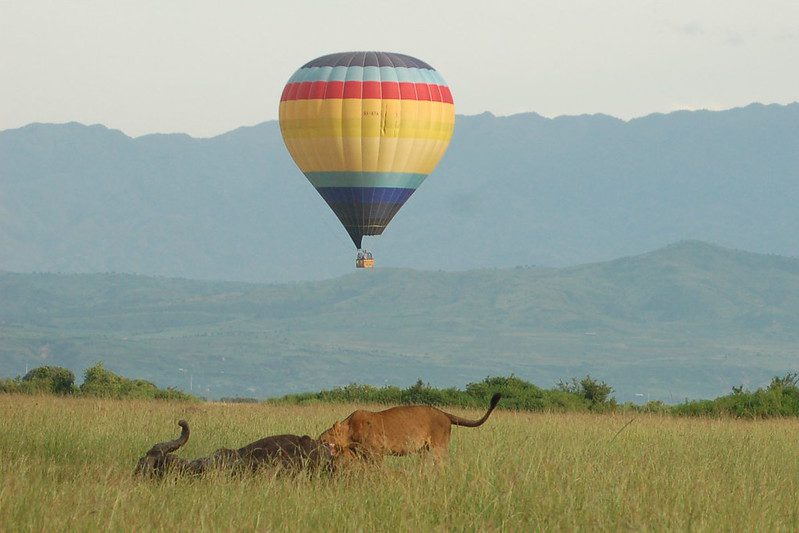
Climbers can fold Kilimanjaro into the same trip; the separate cost to hike Kilimanjaro page breaks down route prices and park fees. Cultural visits, walking safaris and balloon flights are priced as add ons: a shared Serengeti balloon is US$599 per person, a short TANAPA walk TZS 51,100 plus a ranger fee, and Olduvai Gorge US$35.40.
South Africa and Kruger Safari Costs
A South Africa safari has the widest spread of prices on the continent. At one end sits a Kruger National Park self drive using SANParks rest camps, where a hut costs from R570 a night and a bungalow from R1,528, both per unit. At the other end, Sabi Sand lodges such as Sabi Sabi bundle two guided drives a day, all meals and most drinks into R29,600 to R44,000 per person a night, a rate that rivals Botswana.

Kruger charges a daily conservation fee per person, R602 for international adults until 31 October and R692 from 1 November, and an International All Parks Wild Card at R4,680 for one person pays for itself on the seventh park day. Private reserves in the Greater Kruger add a nightly levy, R660 per adult at fully catered Timbavati lodges and R450 at Sabi Sabi, and lodges vary on whether they include it. Value camps start lower: Shindzela in Timbavati publishes R5,420 per person sharing. Siyabona’s guided three day Kruger safari from Kruger Mpumalanga airport starts at R25,200 with fees, meals and drives. Madikwe in the North West and the Eastern Cape reserves are the main malaria free choices, which matters to families. Many travellers who have done both recommend most nights in the national park and two or three in a private reserve. The South African safari cost guide covers the whole country, the Kruger safari cost page goes deeper on the park itself, and our South Africa safari page covers routes.


Botswana and Namibia Safari Costs
A Botswana safari is the most expensive in Africa at the top end, by design. The government follows a low volume, high value policy, so most of the Okavango delta is divided into private concessions with a handful of small camps each. Light aircraft link the camps and rates are fully inclusive. Natural Selection’s published sheet runs from US$595 a night at its Explorer camps in the green season to US$3,895 at Jack’s Camp in peak months, and Little Sable in Khwai falls from US$1,445 to US$660 between August and the green season. Group camping trips in bow tents from about US$224 a night and private mobile safaris through Moremi, Savute and Chobe at about US$450 to US$600 a night bring the country within reach. The Botswana safari cost guide sets out the tiers, and the Botswana budget safari, Okavango Delta safari cost and Botswana luxury safari cost pages go camp by camp.


A Namibia safari sits at the other end of the scale. Park fees are low at N$280 a day, gravel roads are good, and a self drive between Sossusvlei, Swakopmund, Damaraland and Etosha is the classic route. A two person self drive staying in rest camps runs about US$245 to US$365 each a day with the car and fuel, camping brings it lower, guided small group trips at the top end pass US$1,600 a day and fly in camps cost N$15,995 to N$30,195 a night. Distances are long: a 2,500 to 3,000 km loop in a diesel Hilux burns around N$8,400 to N$10,000 of fuel, so plan shorter driving days than you think you need. Etosha has no buffalo, so the full Big Five is not on offer there. The Namibia safari cost guide covers car hire, fuel and lodges.


Zimbabwe, Zambia and Victoria Falls Safari Costs
A Zimbabwe safari offers some of the best guiding in Africa at a mid range price. Self drivers in ZimParks chalets spend roughly US$40 to US$50 a day each on beds and park fees before car hire and food, Victoria Falls hotels start at about US$271 a night, Camp Hwange charges US$550 to US$1,080 with meals, drinks and activities, and fly in Mana Pools camps work out at about US$935 to US$1,185 a night. Victoria Falls and Hwange are linked by road, which keeps costs down, while Mana Pools and its walking and canoe safaris usually mean a charter flight. ZimParks has added VAT to its fees, so older price lists online are too low. Cash in small US dollar notes still matters here. The Zimbabwe safari cost guide and our Zimbabwe safari page cover the detail.


A Zambia safari is built around walking. South Luangwa is where the walking safari took hold, and the Lower Zambezi adds canoe trips past elephants on the riverbank. At the bottom, camping near Mfuwe with two booked drives and the park fee comes to about US$160 a day; Wildlife Camp lists full board at US$154 to US$325 depending on season, and luxury camps such as Baines’ River Camp run US$705 to US$967 plus US$110 in park fees and levies, with Chiawa Camp at US$1,510 to US$1,995. Many bush camps close in the rains. The KAZA UniVisa at US$50 covers both Zambia and Zimbabwe, useful if you want both sides of the falls. See the Zambia safari cost page, the Zambia safari guide and our Victoria Falls safari page.


For anyone weighing a different kind of trip, the African hunting safari cost page explains daily rates and trophy fees, which follow a completely separate pricing model.
Madagascar Lemur Tour Costs
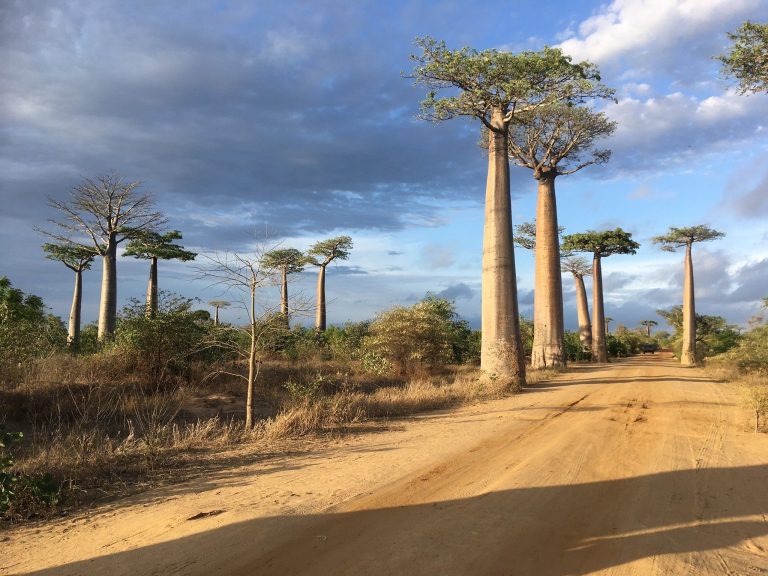
A Madagascar tour is a different add on altogether, built around lemurs, baobabs and rainforest rather than big game, and priced around a private vehicle with a driver guide. A local operator’s private 8 day RN7 tour for two costs about €1,025 per person with budget hotels, €1,180 mid range and €1,510 with luxury hotels, and a 4WD with driver can be hired from €50 a day. Domestic flights cost from about €90 to €130 one way and save whole days of driving, and every park walk needs a registered local guide paid per circuit. Fourteen day international group tours sell for US$3,912 to US$4,890 per person. Our Madagascar tour cost guide prices the routes, and Madagascar tours covers the regions and wildlife.
Worked Example: Ten Days of Serengeti and Gorillas Costed per Person
Here is one realistic two country trip built line by line, for the most popular combination on this site: a 7 day private mid range northern circuit in Tanzania in July, two people sharing, then a flight to Kigali and a three day budget gorilla trek in Bwindi’s southern sectors. Each line is the published rate from our Tanzania and gorilla trekking cost pages.
Two things stand out. The regional flight costs nearly as much as the whole gorilla trip, so routing matters; Kenya to Uganda or Rwanda is the shorter hop for many travellers. And the government fees, the Tanzanian park fees plus the gorilla permit, come to about US$1,500 of the total, a little under a quarter. Move the trip to late May and two lines drop: Kilidove’s rate falls by about 8 percent and Uganda’s low season permit is US$200 cheaper, saving roughly US$500, although low season permits cannot be rescheduled. A balloon flight over the Serengeti adds US$599.
Private Safari or Group Tour: What Sharing the Vehicle Saves
On a group safari tour the cost of the vehicle, fuel and guide is split between several guests; on a private safari your party pays for all of it. The operators’ own price ladders show what that means in dollars:
Group trips suit solo travellers and anyone watching every dollar. The catch is pace. Departures run on a fixed route, everyone shares the window seats, and a photographer who wants to wait an hour at a leopard tree may be outvoted. Better group operators cap departures at six so every guest gets a window. Private trips give you control over start times and how long you stay at a sighting, and with children that flexibility often matters more than the price difference; our family safari in Africa guide walks through the trade offs.
Safari Seasons and Dates: How Timing Moves the Price
Season is the second big lever on any African safari price. Camps charge most when the weather is driest and wildlife gathers at water, and least in the rains, when roads turn muddy and a few camps close. The published rates show how far it moves:

In East Africa the peak runs from about July to October, which is also Wildebeest Migration season in the Masai Mara, plus the Christmas fortnight. Southern Africa follows a similar pattern with different months, the dry winter from roughly May to October being peak in Botswana, Zimbabwe and Zambia, and South Africa adds its own peaks around local school holidays, Easter and December, when Kruger’s rest camps fill. Shoulder months are where the value hides: June in Kenya, November in Botswana or late May in Zimbabwe often give near peak wildlife at noticeably lower rates. For the month by month detail, see the best time for gorilla trekking in Uganda and the wildebeest migration calendar.
Getting Around on Safari: Bush Flight, Road and Self Drive Costs
How you move between parks quietly decides a large share of the bill on a multi park safari tour. Driving is cheaper but slow, and on a road safari the vehicle and guide are paid for every day, including days spent mostly on tarmac. Some travellers report five or six hours a day in the vehicle on tightly packed routes.
Fly in safaris swap road days for short hops. That costs more per leg yet saves whole days, and on a trip with three or more parks the saving in vehicle days and lodge nights can close much of the gap. Bush planes come with strict luggage rules, soft bags with no wheels or frames and a low weight limit, which catches out plenty of first timers who arrive with a hard suitcase. Self drive safaris are the cheapest option of all where they are practical, in Kruger and Namibia, and in Botswana for confident four wheel drivers with recovery gear. The Masai Mara reserve does not allow private self drive cars, so Kenya almost always means a guided vehicle. Our page on self drive safaris in Africa compares the options.
Hidden Safari Costs: Visas, Tips, Insurance and Single Supplements
The daily rate is only part of what an African safari trip costs. Several items sit outside almost every quote, and trip reports keep naming the same ones as the surprises:
Vaccinations and malaria tablets are paid before you leave, and a yellow fever certificate may be checked on some crossings. Carry clean, recent US dollar notes in small denominations for tips, since older or torn notes are often refused, and keep a buffer of about 15 to 20 percent above the quote. Gear is a smaller cost but easy to get wrong: neutral clothing, waterproof boots for a gorilla trek and a soft bag that meets bush flight limits matter more than anything expensive. Our African safari packing list, the what to wear on safari guide and the gorilla trekking packing list cover it.
How to Lower Your African Safari Cost
Cutting the cost of a safari holiday works best when you trim the things that do not change what you see. The figures on our country pages point to the same levers:
What not to cut: the guide and the vehicle. Several travellers who chose the cheapest quote say the saving came from an older vehicle with a pop up roof that leaked dust, or a driver who rushed between sightings. Forum regulars also warn that a quote far below the going rate rarely adds up once the park fees alone are counted, so ask each operator to name the vehicle, the guide’s experience and the camps, and get the camp names in writing rather than “or similar”.
Combining Gorilla Trekking With a Big Game Safari: Combined Costs
Africa works best as one connected trip, and the most popular combination pairs a savannah safari with gorilla trekking. The timing lines up neatly: from about July to October the herds are usually in the Masai Mara, and the same months are the long dry season in Bwindi and Volcanoes.
A combination adds three lines to the savannah budget: the regional flight, the gorilla permit and two or three nights near the gorillas. Uganda keeps the permit at US$800, or US$600 in April, May and November, and lets you add chimpanzees in Kibale; Rwanda’s US$1,500 permit buys a shorter drive from Kigali. The US$100 East Africa Tourist Visa covers Kenya, Uganda and Rwanda on one document. Book the permit first and build everything else around it. Our gorilla and Masai Mara safari page lays out the Kenya route, the Uganda and Kenya safari cost page prices it, the Tanzania safari and gorilla trekking guide maps the Serengeti version, and our page on combining a Kenya safari with gorilla trekking walks through the routing.
From southern Africa the link runs through Johannesburg. A Kruger, Botswana or Victoria Falls trip can end with a flight to Entebbe or Kigali and a gorilla extension of three or four days, which on our worked figures adds about US$1,450 to US$2,100 per person on the ground before the flight.

African Safari Cost FAQ
How much does a 7 day African safari cost?
Per person sharing, before international flights: about US$2,401 to US$4,460 in Tanzania across camping and private mid range trips, US$2,835 to US$3,570 for a week in Rwanda with gorillas, US$3,580 to US$4,650 for a Zimbabwe week by road, US$2,680 to US$3,600 for Botswana mobile camping and US$6,720 to US$13,470 at Botswana’s classic camps. A fly in week in Kenya’s conservancies runs about US$4,810 to US$6,155.
What is the average cost of a 10 day African safari?
It depends on the country more than the length. A 10 day Tanzania northern circuit at mid range rates falls between about US$3,600 and US$5,400, a packaged 10 day Rwanda trip starts at US$5,660, a ten day Botswana fly in trip with Lelobu costs US$6,185, and a Namibia self drive in rest camps averages about US$363 a night per person sharing. Our ten day Serengeti and gorillas example adds up to about US$6,550 to US$6,650.
How much does an average 10 day Kenya safari cost?
At the daily rates on our Kenya page, ten days come to about US$1,200 to US$1,900 on shared budget road trips and US$2,000 to US$3,200 on mid range road trips, park fees included. Ten nights at fly in conservancy camps at US$430 to US$969 a night run roughly US$4,300 to US$9,700 before light aircraft. The 10 day Kenya safari page shows the route day by day.
Why can’t I wear white on safari?
You can, but most guides advise against it. White and very bright colours stand out to animals on walks and show the red dust within an hour, while dark blue and black attract tsetse flies in parts of East and Southern Africa. Khaki, olive, tan and grey are the practical choice, and a fleece for cold morning drives matters more than any colour. Our what to wear on safari guide has the detail.
How much does an African safari cost per person per day?
About US$80 to US$515 at budget and mid range level in Kenya, Tanzania and on a Kruger self drive, from about US$271 a night at mid range in Zimbabwe, US$350 to US$550 in Zambia, US$245 to US$365 a day on a Namibia self drive, US$224 to US$1,445 a night across Botswana’s camping, mobile and mid range trips, and US$1,500 to US$3,895 at the top camps. Uganda and Rwanda are better priced by trip, because the gorilla permit dominates.
Which is the cheapest country for an African safari?
A Kruger self drive in South Africa is the cheapest Big Five safari, from about US$80 to US$150 a day with a hire car, and a Namibia rest camp self drive runs about US$245 to US$365 a day with the car, less if camping. On guided trips, Kenya’s shared Mara safaris from about US$120 a day are the cheapest. For gorillas, Uganda’s US$800 permit costs far less than Rwanda’s US$1,500.
How much does a 2 week African safari cost?
Build it leg by leg. Our ten day Serengeti and gorilla example comes to about US$6,550 to US$6,650, and the other four days are priced at the daily rates above. Fourteen day Uganda trips start near US$6,590, a fourteen day Madagascar group tour costs US$3,912 to US$4,890, and three weeks of Namibia self driving come to roughly US$7,600. At luxury camps in Botswana or Tanzania, two weeks easily pass US$25,000.
What does an African safari cost for a family of four?
Children are cheaper than most parents expect. In the Masai Mara children eight and under enter free and nine to seventeen pay US$50 a day; Kruger charges R345 for children from 1 November against R692 for adults; Kenya’s Porini camps charge 60 percent of the adult rate for children 8 to 16 sharing with two adults. A private vehicle costs little more per head for four than a couple pays. Gorilla trekking needs trekkers aged 15 or over, and chimpanzee tracking 12 or over.
Are all inclusive safari prices with airfare a good deal?
They can be, but compare like with like. Every figure on this page excludes international flights, which vary widely by season and routing from the United States and Europe, so price the flight separately and check what the package actually includes: park fees, drinks, regional flights and transfers are where packages differ most.
How much are flights from the United States to Africa for a safari?
Economy returns usually run about US$800 to US$2,000, routed through Europe, the Gulf or Addis Ababa into Nairobi, Kilimanjaro or Entebbe, or into Johannesburg for southern Africa. Fares move with the season and how early you book, so price the flight separately, and flying into and out of the same airport is usually cheaper than an open jaw route.
How many days do I need for a safari in Africa?
Three nights in one park is a sensible minimum, because the first and last days are partly travel. Six to eight nights covers two or three parks without rushing. With ten days or more you can add a gorilla trek, a beach stay in Zanzibar or a second country. Spend at least two nights in each camp, and three where you can.
Is a budget safari worth it, or will I see less wildlife?
Budget safaris use the same parks as luxury ones, so the wildlife is the same. The difference is comfort, vehicle numbers at sightings and how far you drive each morning. A good guide matters more than the lodge, so put your money there first. Sightings are never guaranteed at any price.
Can I see the wildebeest migration and mountain gorillas on one trip?
Yes. From about July to October the herds are usually in the Masai Mara and the northern Serengeti, which is also the long dry season for gorilla trekking in Bwindi and Volcanoes. Fly from Nairobi or Kilimanjaro to Entebbe or Kigali for the gorilla leg, and book the permit before anything else.
How fit do I need to be for gorilla trekking?
Reasonably fit. A trek can take under an hour or most of a day on steep, muddy, overgrown slopes, depending on where the family has moved. Rangers try to match fitness to family at the morning briefing, so say if you need a shorter walk, and hire a porter. Gardening gloves help with nettles, and gaiters keep out ants. Rangers keep visitors about 10 metres from the gorillas in Uganda and 7 metres in Rwanda.
How far ahead should I book an African safari?
Six to twelve months ahead for July to October, Christmas, and gorilla permits in the dry months. Kruger’s rest camps open about a year ahead and fill for school holidays. Green season trips can often be arranged a few weeks out, and late availability is easier for groups of two than for families.
Do I need vaccinations and malaria tablets for a safari?
Most safari areas in East and Southern Africa carry malaria risk, highest in the rains, so speak to a travel clinic about tablets well before you go. Yellow fever rules differ by country and by your route, and Rwanda and Kenya may ask for the certificate on an onward crossing, so carry it. Madikwe, Pilanesberg and the Eastern Cape reserves in South Africa are malaria free.
Should I book with a local operator or an international agent?
Both work. A licensed local operator is usually cheaper because there is no second margin, and knows the parks and guides directly. An international agent can add financial protection and one point of contact for flights and multi country trips. Whichever you choose, get the itinerary, camps and inclusions in writing and compare at least three quotes for the same route.
Is an African safari safe?
The main safari areas in Kenya, Tanzania, Uganda, Rwanda, South Africa, Botswana, Namibia, Zambia and Zimbabwe receive large numbers of visitors without trouble. In the parks, follow your guide’s instructions and never leave the vehicle unless told you can. In cities, keep valuables out of sight, use registered taxis and avoid driving after dark. Check your government’s travel advice before booking.
Is an African Safari Worth It? What Each Safari Tier Feels Like
For most people, yes, and the reason shows in how the days are spent rather than in the bill. On a budget camping trip the alarm goes before five, the tent zip is the loudest thing in camp, and you are in the vehicle with coffee before the light comes up. You drive further to reach the action and share the sighting with more vehicles, yet you see the same lions on the same plains as guests paying ten times as much.
Move up a tier and the day loosens. A guide who is yours alone waits as long as you want at a leopard tree, lunch is a table under a fig instead of a picnic box, and the afternoon drive rolls into a sundowner and a spotlight. At the top camps the difference is mostly quiet: few other vehicles, a walk with an armed guide at dawn, a room with nothing between you and the bush. Dust, early starts and long transfer days are what trip reports mention most at every level, and they are the best argument for one more night in one place rather than one more park.
Booking an African Safari Through a Licensed Operator
Once you have a country and a budget tier in mind, the practical next step is to ask two or three licensed operators for itemised quotes on the same route and the same dates. Compare the camps, the vehicle and the inclusions line by line rather than the headline total. For a gorilla trip, confirm the permit is bought in your name before you pay the balance, and read our getting to Bwindi guide so the transfer days are realistic.
Our plan your safari page brings the country guides together, and the country cost pages linked above each carry a full fee schedule for that destination.