Updated 21th September 2026
A Gorilla Trek is a highlight of all visits done in Uganda and Rwanda, and certainly mountain gorillas are the major reason why very many people visit these two destinations. Find information about gorilla trekking holidays to watch gorillas in the wild, how to acquire a permit, as well as tour companies arranging such treks. Gorilla trekking is defined as a hike into the tropical forests of Africa to see the mountain gorillas in their natural habitat.

When To Go To See The Mountain Gorillas in Africa?
Gorilla trekking is possible all year round in Uganda, Rwanda and Congo. The best time to go gorilla trekking is during the months of June, July, August, September and December. There are fewer rains and the parks are drier, making it simpler to hike and see the gorillas. In Bwindi, the average temperature throughout the year is 11°C/52°F in the morning and 23°C/73°F in the afternoon.
- January and February: Low season with fewer crowds and little or no rain.
- March, April and May: Heavy rainfall makes treks more challenging — slopes can be slippery.
- June, July & August: Peak season. Buy permits early as they sell out. Best time for gorilla safaris in Uganda and Rwanda.
Best Gorilla Safari Tour Companies in Uganda & Rwanda 2026 to 2027
Among the best gorilla trekking companies in Rwanda and Uganda:
Book your gorilla watching experience with these safari tour operators in Uganda and Rwanda. How to choose a tour company will depend on various factors including price, availability of gorilla permits, online reviews and recommendations.
Where To Stay?
Choosing the best safari lodge or accommodation depends on your budget. Some lodges charge as high as $2,500 while budget options start from $80 for a double room. Facilities, location, food and services determine accommodation costs.
Average Cost of Hotels & Lodges in Uganda
- $50–$100 per night for budget accommodation
- $150–$200 per night for mid-range
- $300–$2,500 per night for luxury
Best 5 Gorilla Safari Lodges in Uganda
- Sanctuary Gorilla Forest Lodge — from $760
- Gorilla Heights Lodge — from $700
- Mahogany Springs — from $240
- Gorilla Safari Lodge — from $233
- Lake Mulehe Gorilla Lodge — from $173
How Much Does a Gorilla Safari Cost in 2026?
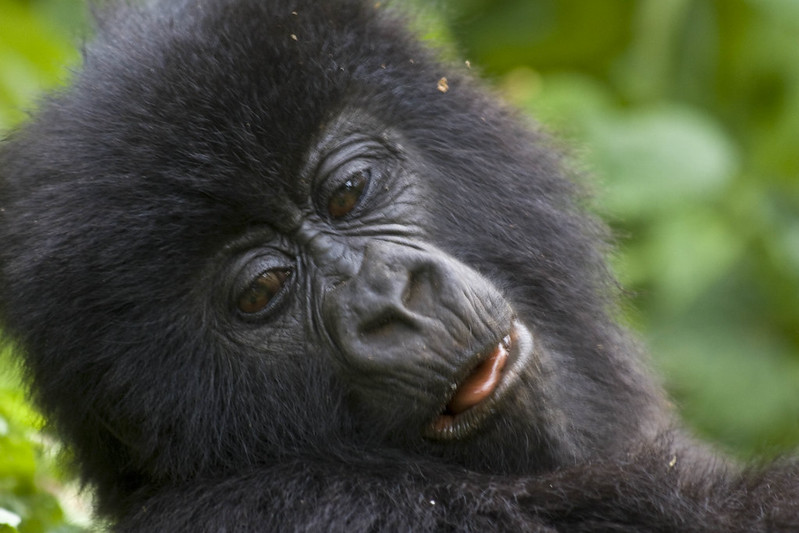
- 🦍 1 Day Gorilla Trekking Uganda — from $1,200
- 🦍 2 Days Gorilla Safari — from $1,380
- 🦍 3 Day Gorilla Tour — from $1,550
Various tour operators will give you quotes; roughly the cheapest gorilla safari starts at about $1,200 depending on group size. Super-luxury packages cost between $4,000–$6,000 per person. Most tourists prefer the mid-range. Booking during the low season can reduce costs. Click here for Rwanda Gorilla Trekking or Congo Gorilla Safaris.
A gorilla trekking permit in Uganda costs $800 and 75% of this goes toward conserving the surviving gorilla population. The government retains 15% while 10% goes to local communities around the parks. The permit includes park entrance fees, one hour of gorilla watching, advance trackers and ranger fees.
Other Trekking Costs To Consider
- Food & Drinks: ~$40 per day (most tour operators include meals)
- International Air Ticket: $500–$2,400
- Chartered Flight (to trekking area): ~$600
- Car Hire: ~$85 per day
- East African Tourist Visa: $100 (covers Tanzania, Kenya & Rwanda)
- Porter: $20 | Sedan chair: $500
- Packing items: insect repellent, sunscreen, etc.
Tips on Cutting Costs
- Don’t travel alone — share costs with a group
- Stay in budget lodges
- Choose Uganda over Rwanda (cheaper permits)
- Avoid chartered flights
- Book during the low season
Where Can I See Gorillas in Africa?
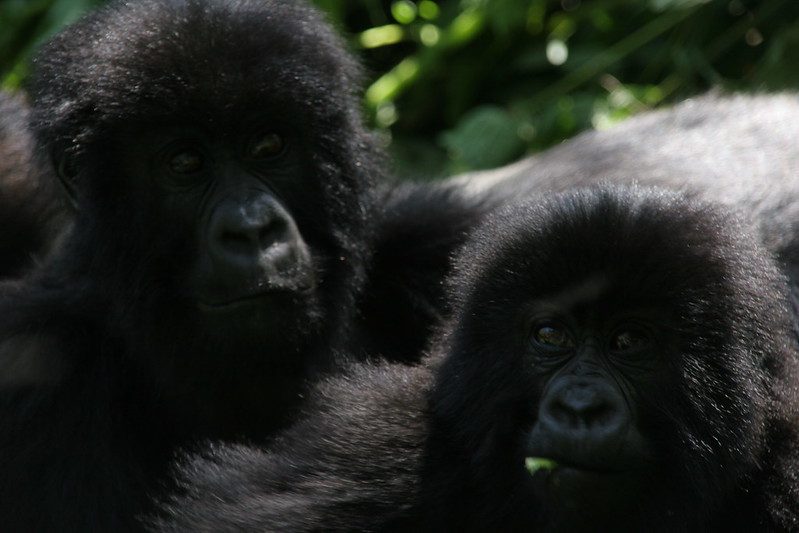
You can see gorillas in Uganda, Rwanda and Congo. Mountain gorillas are best viewed in Rwanda and Uganda, while lowland gorillas are found in the Republic of Congo. There are no gorillas in Tanzania, Kenya or South Africa — those destinations are great for other wildlife but not gorilla trekking.
Lowland gorillas are smaller with brownish-gray fur and a distinct brow ridge, whereas mountain gorillas are larger with darker black coats. Mountain gorillas are among the rarest primates in the world, with fewer than 800 surviving in the wild. In contrast, there are more than 100,000 lowland gorillas in the Republic of Congo alone.
Where to Go For Gorilla Trekking in Uganda
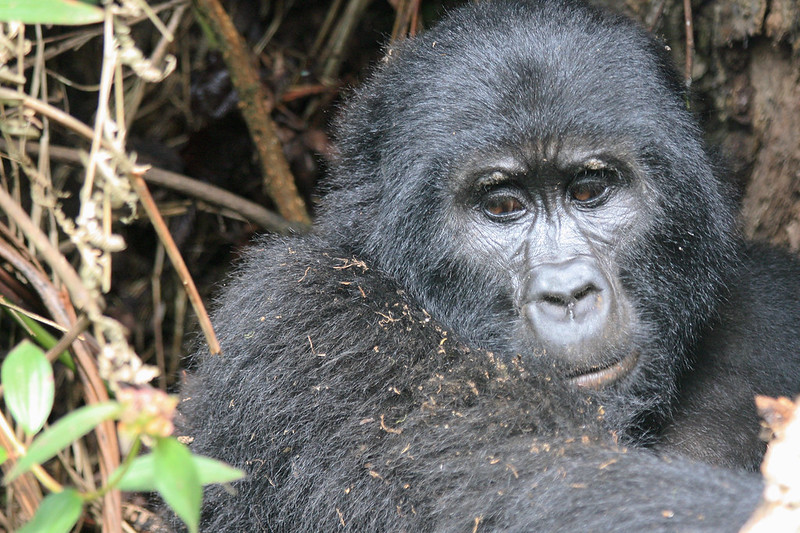
Uganda has 2 gorilla trekking areas: Bwindi Impenetrable Forest National Park and Mgahinga Gorilla National Park. In total there are 18 gorilla groups/families; you can only track one group per day.
Bwindi has 17 gorilla groups, making it the best place to see gorillas in the wild. Bwindi tours also give access to 90 mammal species and 11 primates including the black and white colobus monkey.
Bwindi Gorilla Trekking Groups
- Ruhija: Mukiza, Oruzogo, Bitukura, Kyaguliro
- Buhoma: Habinyanja, Katwe, Mubare, Rushegura
- Nkuringo: Christmas, Nkuringo, Bushaho
- Rushaga: Kutu, Bikingi, Mishaya, Bushigye, Kahungye, Rwigi, Bweza, Nshongi, Mucunguzi
Mgahinga Gorilla Family: Track the Nyakagezi group on the slopes of the Virunga Volcanoes — Mt. Muhavura (4,127m), Mt. Gahinga (3,474m) and Mt. Sabinyo (3,645m).
Luxury Gorilla Trekking Safari
The most luxurious gorilla tours are in Rwanda’s Volcanoes National Park. A gorilla permit costs $1,500 per person; a 9-day luxury Rwanda safari costs over $15,000 when staying at lodges like Bisate Lodge, Singita Kwitonda Lodge or Sabyinyo Silverback Lodge. In Uganda, Clouds Lodge, Mahogany Springs and Gorilla Forest Camp take the crown.
Budget Gorilla Tours in Africa
The cheapest gorilla permit costs $450 in Congo and $800 in Uganda. Budget accommodation in Bwindi starts from $100 per night. Options include Bwindi Backpackers Lodge, Gorilla Valley Lodge and Buhoma Community Rest Camp. In Rwanda, Hotel Muhabura is the most affordable.
Uganda vs Rwanda: Which Is Best for Gorilla Trekking?
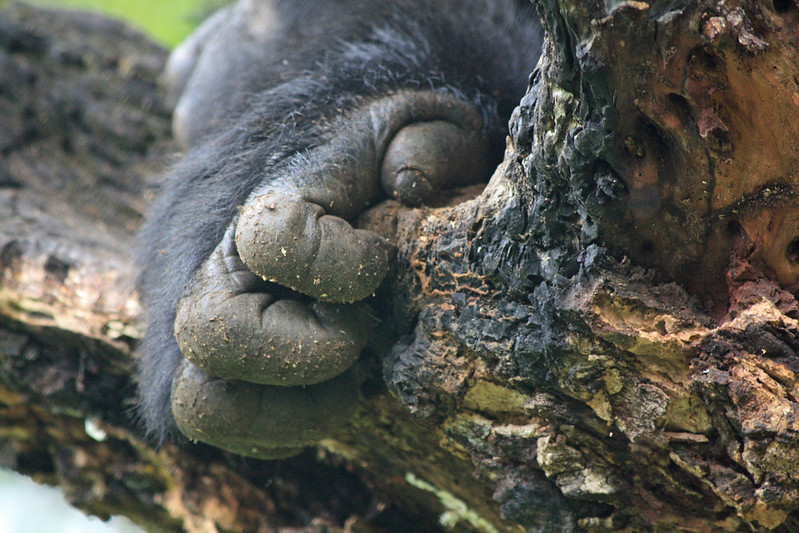
This is tricky since both countries host mountain gorillas in similar environments. Uganda has more wildlife overall — besides gorillas, you can visit Murchison Falls or see primates in Kibale Forest. On cost, gorilla permits in Rwanda were recently increased to $1,500 per person versus $800 in Uganda.
Only 80 people are allowed to see the gorillas each day, in groups of 8. Uganda is widely considered the best overall destination to see gorillas.
Packing List For Gorilla Trekking
- Waterproof hiking boots
- Day pack
- Insect repellent
- Lightweight rain jacket and poncho
- Camera (no flash)
- Binoculars
- Bottled water
- Gloves (old gardening gloves work fine)
- Long pants / trousers
- Energy snacks
How Difficult is Gorilla Trekking?
Difficulty rating: Moderate Hike (50–100 scale)
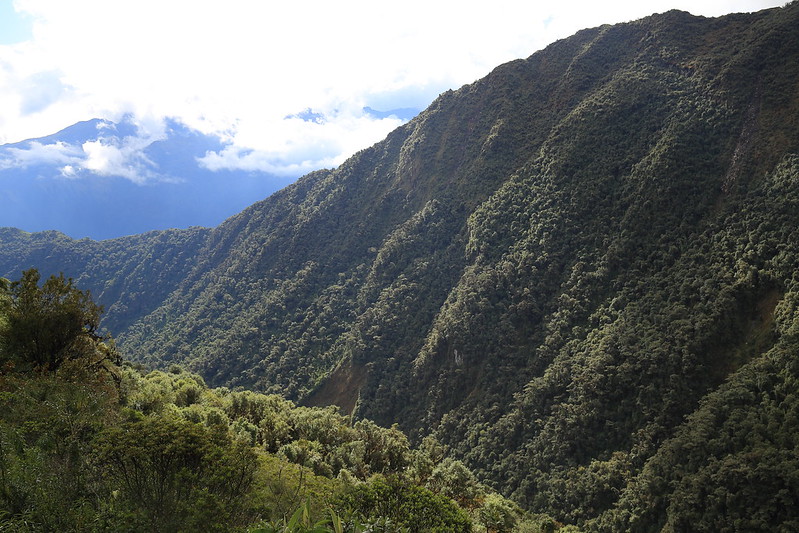
Difficulty depends on your physical fitness, weather conditions and pack weight. You can request a gorilla group matched to your fitness level. Some trekkers in their 60s and 70s have completed treks successfully. About 60% of Bwindi National Park sits above 6,600ft elevation (3,904–8,553ft overall), with steep slopes in some areas. The experience takes 2–6 hours depending on the gorilla family. Tourists with special needs can use a Sedan chair carried by porters.
Gorilla Tracking Rules in 2026
- 📏 Maintain a distance of at least 7 metres from the gorillas
- 🔞 Minimum age limit: 15 years
- ⏱ Maximum of 1 hour with the gorilla family
- 🤧 Avoid sneezing near the gorillas
- 🧴 Sanitise hands and follow all SOP guidelines
What To Expect on A Gorilla Safari
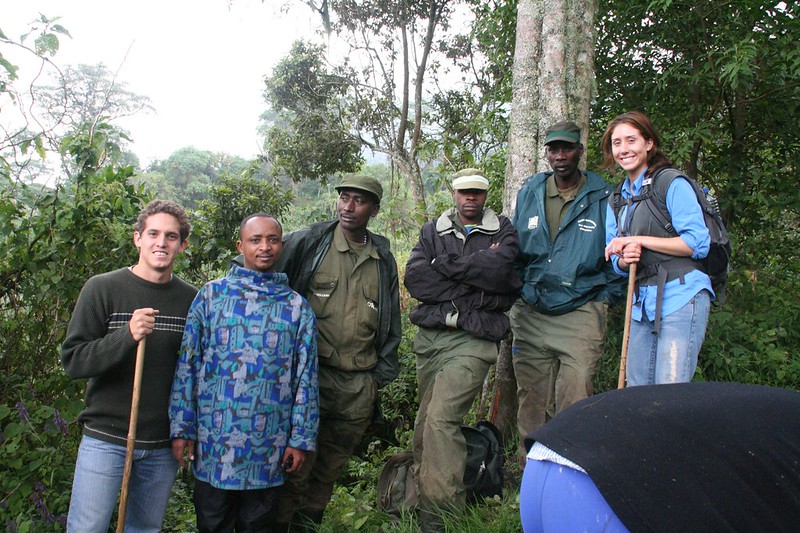
On trek day, leave early and arrive at the briefing point by 7:30am. After briefing, tourists are allocated different tracking routes in groups of 8, accompanied by guides and rangers. In the forest you may encounter monkey species, butterflies, other mammals and much more. The trek can be demanding — a good level of fitness is recommended.
Once you encounter the gorillas, take photos with your camera or phone but avoid using flash — it can startle them. You’ll spend 40 minutes to 1 hour with these gentle giants. After the trek, you can opt for a cultural Batwa pygmy village experience.
The Gorilla Habituation Experience
Gorilla habituation is the training of wild gorillas to become comfortable around humans, conducted by researchers and park rangers over approximately 3 years. Visitors can join this process with only 4 people allowed at a time. The cost is $1,500 per person per day. It’s an extraordinary, hands-on conservation experience.
2027 Gorilla Habituation Permit Prices by
Residency :
Foreign Non-Residents: $1,800 per person
Foreign Residents / Expatriates: $1,600 per person
Other African Citizens: $1,000 per person
East African Community (EAC) Citizens: UGX 750,000 per person
How To Get A Gorilla Trekking Permit in Uganda
Gorilla trekking in Uganda is conducted in Bwindi Impenetrable National Park or Mgahinga National Park. Due to the inconsistency of gorillas in Mgahinga, most permits are for Bwindi. On any given day, about 72 people enter Bwindi to see gorillas, with only 8 people allowed per gorilla family.
Gorilla Permit Prices
- Uganda gorilla permit: $800 (1 hour with the gorillas)
- Uganda gorilla habituation permit: $1,500 (full day)
- Rwanda gorilla permit: $1,500
- Congo gorilla trekking permit: $400
- East African citizens: 250,000 UGX
Tour operators typically add $60–$100 per permit as a service fee. However, if you’re booking a full tour through them, they usually waive the permit fee. We strongly recommend booking with a safari agent to avoid common mistakes — such as booking a gorilla family far from your accommodation.
Other Primate Safaris in Africa
Beyond mountain gorillas, Uganda offers chimpanzee tracking in Kibale Forest National Park ($150 permit), golden monkey trekking in Mgahinga Gorilla National Park, and chimp encounters at Kyambura Gorge in Queen Elizabeth National Park ($50 per person). After your gorilla safari, consider visiting the tree-climbing lions of Ishasha, Murchison Falls, Kidepo Valley or PianUpe Reserve.
Kibale Forest National Park — Chimpanzee Tracking
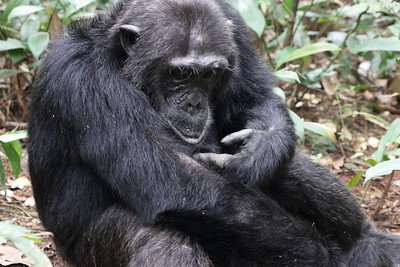
Within Kibale Forest you’ll find 13 primate species. Trekking runs from 8am–2pm on the Kanyanchu trail. Chimp habituation experience is also available here.
Queen Elizabeth National Park — Wildlife & Chimpanzee Trek
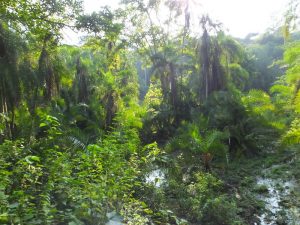
Visit Kyambura Gorge to see chimpanzees. 16 permits issued daily. The trek takes about 3 hours and is more challenging than Kibale. Minimum age: 12 years. The park also hosts tree-climbing lions, hippos, buffaloes, leopards and elephants.
Volcanoes National Park — Rwanda Gorilla Safari
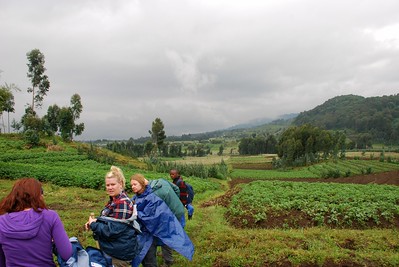
Rwanda’s gorilla trekking takes place in the Virunga mountains. A permit costs $1,500. Rwanda has 17 gorilla families; the Susa group is the most popular. Best time to visit: late June, July and August.
Golden Monkey Tracking in Africa
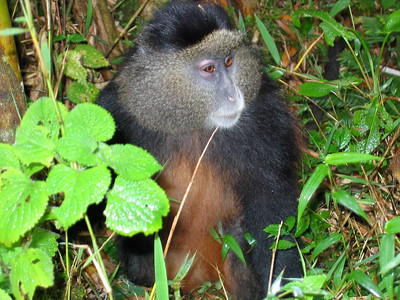
Golden monkey tracking is the third-best primate activity after gorillas and chimpanzees. Golden monkeys are found in Mgahinga Gorilla National Park (Uganda) and Volcanoes National Park (Rwanda), both in the Virunga mountains.
What To Wear — Clothing Guide
Good quality waterproof walking boots, warm layers for cold evenings, and wet-weather clothing are essential at this altitude. A lightweight jacket is a must. Pack gloves, long-sleeved shirts, trousers and knee-high hiking gaiters.
About Mountain Gorillas
Male mountain gorillas can grow to 6ft tall and weigh 350–500 pounds, with arms that stretch to 7 feet. As males mature, the hair on their back turns silver — giving them the name silverback. Mountain gorillas (Gorilla beringei beringei) have longer and darker hair than lowland gorillas due to the colder, high-altitude environments they inhabit. Their lifespan is 40–50 years, and gorillas share 98% of their genetic composition with humans.
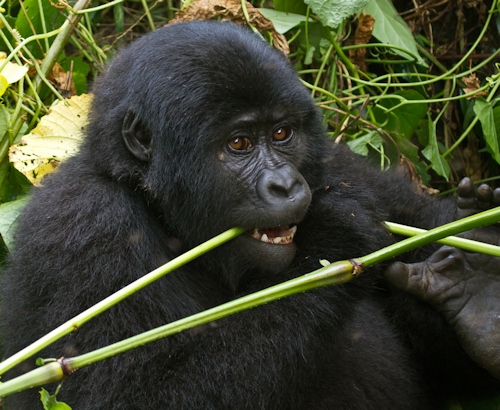
Mountain gorillas are primarily ground-dwelling but will occasionally climb trees. Their diet includes large quantities of flowers, leaves, fruit, roots, bamboo and seasonal shoots — adults can consume up to 75 pounds per day. A gorilla’s day runs from 6am to 6pm, with a midday rest.
Mountain gorillas live in groups ranging from 2 to 40 individuals, most commonly around 10. There is no fixed mating season; babies are born throughout the year. Males begin breeding around age 15, females between 10–12 years. Females can give birth every 2–3 years, producing 4–6 offspring in a lifetime. Researchers have documented 25 distinct gorilla vocalizations.

Suggested Gorilla Trekking Tour Packages
3 Day Gorilla Tour — from $1,300 per person
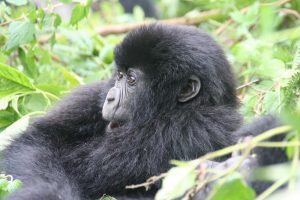
Budget or luxury 3-day gorilla experience in Bwindi Forest National Park (Uganda) or Volcanoes National Park (Rwanda).
7 Days Gorilla Adventure & Murchison Falls — from $1,700 per person
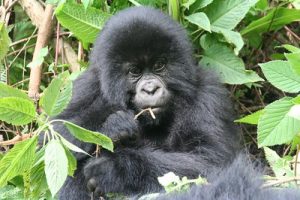
Visit the mountain gorillas of Uganda and adventure to Murchison Falls National Park with wildlife tours and a launch cruise on the Nile.
8 Days Gorillas & Wildlife — from $2,100 per person

Visit Bwindi Forest, Queen Elizabeth and Murchison Falls national parks for the best combined wildlife and gorilla safari in Africa.
14 Days Uganda & Rwanda Gorillas — from $4,389 per person
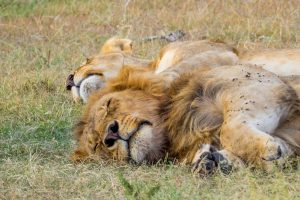
See all the Big Five, a variety of birds, mountain gorillas, lions, rhinos, buffaloes and much more.
Gorilla Conservation and The Future
The Dian Fossey Gorilla Fund International plays a crucial role in conserving this endangered species, focusing on habitat protection and community-based conservation. The International Gorilla Conservation Programme collaborates with local communities in Uganda, Rwanda and the DRC to combat poaching and habitat loss.
The mountain gorilla population has made a remarkable recovery — from just 254 individuals in 1981 to approximately 1,063 today — thanks to dedicated conservation efforts. The IUCN Red List still categorises the mountain gorilla as Endangered.
Key Conservation Figures
Dian Fossey (1967–1985) established the Karisoke Research Center in Rwanda, developed anti-poaching measures, and pioneered methods for identifying individual gorillas through nose prints. Her book Gorillas in the Mist raised global awareness. She was murdered in 1985 while continuing her fight against poachers. Her work helped the mountain gorilla population grow from 242 to over 1,000.
Eugène Rutagarama risked his life during Rwanda’s 1990s conflict to protect the remaining mountain gorillas from extinction.
George Schaller conducted the first comprehensive field study of mountain gorillas in the late 1950s in Congo’s Virunga Mountains. His 1963 book The Mountain Gorilla: Ecology and Behavior became foundational for gorilla conservation and changed public perception of these animals.
Paul Matschie, a German zoologist, was the first to scientifically describe and classify the mountain gorilla as a distinct subspecies (Gorilla beringei beringei) in 1903, establishing the taxonomic foundation for all subsequent research and conservation.