• Kahuzi Biega National Park is home to the world’s largest population of eastern lowland gorillas, also known as Grauer’s gorillas
• The park covers 6,000 square kilometers and features two extinct volcanic peaks: Mount Kahuzi and Mount Biega
• Visitors can participate in guided gorilla trekking experiences with habituated gorilla families
• The park contains over 1,370 identified plant species and numerous endemic wildlife species
• Best visiting season runs from June to September and December to February when trails are more accessible
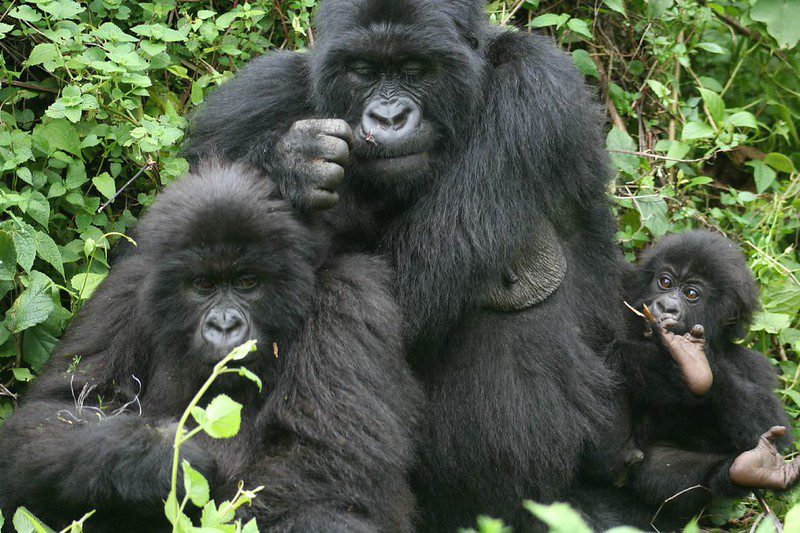
Planning Your Visit to Kahuzi Biega National Park
Getting There and Access Points
Reaching Kahuzi Biega National Park requires careful planning and preparation. The primary gateway is through Bukavu, the capital city of South Kivu province. International visitors typically fly into Kigali International Airport in Rwanda, then travel overland to Bukavu via the Cyangugu border crossing. This journey takes approximately 4-5 hours by road and offers scenic views of Lake Kivu.
From Bukavu, the park headquarters at Tshivanga is located about 30 kilometers northwest of the city. The road conditions vary depending on the season, with four-wheel-drive vehicles recommended year-round. Alternative access points include Itebero and Hombo stations, though these require longer travel times and more challenging road conditions.
Best Time to Visit
The park operates year-round, but certain seasons offer optimal conditions for gorilla trekking and wildlife viewing. The dry seasons from June to September and December to February provide the most favorable weather conditions. During these periods, rainfall decreases significantly, making forest trails more accessible and less muddy.
The rainy seasons from March to May and October to November bring heavy precipitation that can make trekking more challenging. However, these periods also offer advantages such as fewer visitors, more active wildlife behavior, and lush vegetation. The forest comes alive during rainy seasons with increased bird activity and flowering plants.
Accommodation Options
Accommodation near Kahuzi Biega National Park ranges from basic guesthouses to comfortable lodges. In Bukavu, several hotels cater to international visitors, including Hotel Begonias and Orchids Safari Club. These establishments provide modern amenities, reliable electricity, and restaurant services.
For those seeking closer proximity to the park, the Kahuzi Biega Lodge offers comfortable rooms within walking distance of the park headquarters. This facility provides basic but clean accommodation with shared bathroom facilities. Camping is also permitted at designated sites within the park, though visitors must bring their own equipment and supplies.
Gorilla Trekking Permits and Regulations
Gorilla trekking permits are mandatory for all visitors wishing to observe the habituated gorilla families. The park currently manages several habituated groups, with permits limited to eight visitors per group per day. This restriction helps minimize stress on the gorillas while ensuring sustainable tourism practices.
Permit prices vary for different visitor categories. International tourists pay higher fees compared to regional visitors and Congolese nationals. Advance booking is strongly recommended, particularly during peak seasons. Permits can be obtained through the Institut Congolais pour la Conservation de la Nature (ICCN) or authorized tour operators.
Strict regulations govern gorilla encounters to protect both visitors and wildlife. Visitors must maintain a minimum distance of seven meters from gorillas at all times. Groups are limited to one hour with the gorillas, and flash photography is prohibited. Anyone showing signs of illness will not be permitted to participate in trekking activities.
Wildlife and Conservation in Kahuzi Biega National Park
The conservation story of Kahuzi Biega National Park reflects both remarkable successes and ongoing challenges. Established in 1970, the park initially focused on protecting the unique montane ecosystems of the volcanic peaks. The addition of the lowland sector in 1975 expanded protection to include the critical habitat of eastern lowland gorillas.
Gorilla Conservation Efforts
The park’s gorilla conservation program represents one of the most successful wildlife protection initiatives in Central Africa. Research teams have studied gorilla behavior, ecology, and genetics for over four decades. This research has provided valuable insights into gorilla social structures, feeding habits, and habitat requirements.
Habituation programs began in the 1980s, gradually accustoming selected gorilla families to human presence. This process takes several years and requires daily contact with trained researchers and guides. Currently, five gorilla families are fully habituated for tourism, while additional groups undergo the habituation process.
Anti-poaching efforts form a critical component of conservation activities. Park rangers patrol vast forest areas to prevent illegal hunting and protect wildlife corridors. Community engagement programs work with local populations to develop alternative livelihoods and reduce pressure on park resources.
Research and Monitoring Programs
Scientific research within Kahuzi Biega National Park contributes to global understanding of tropical forest ecosystems and great ape behavior. Long-term studies track gorilla population dynamics, health status, and genetic diversity. This data helps inform management decisions and conservation strategies.
Ecological research examines forest regeneration patterns, plant-animal interactions, and climate change impacts. Scientists have documented how gorillas serve as seed dispersers, helping maintain forest diversity and structure. These findings highlight the critical role of gorillas in ecosystem functioning.
Collaborative research partnerships with international institutions bring additional expertise and resources to conservation efforts. Universities and research organizations from Europe, North America, and other African countries contribute to ongoing studies and capacity building initiatives.
Community Conservation Programs
Local communities play a vital role in park conservation success. Community-based programs provide employment opportunities through guide training, porter services, and handicraft production. These initiatives create economic incentives for wildlife protection while preserving traditional knowledge and cultural practices.
Education and awareness programs reach schools and community groups throughout the region. These activities focus on the importance of forest conservation, sustainable resource use, and wildlife protection. Environmental education helps build local support for conservation efforts and develops future conservation leaders.
Benefit-sharing mechanisms ensure that tourism revenues contribute to community development projects. Funds support school construction, healthcare facilities, clean water systems, and agricultural improvement programs. These investments demonstrate the tangible benefits of wildlife conservation to local populations.
Activities and Adventures Beyond Gorilla Trekking
While gorilla trekking remains the primary attraction, Kahuzi Biega National Park offers diverse activities for adventure seekers and nature lovers. The park’s varied landscapes and rich biodiversity provide opportunities for multiple outdoor pursuits and cultural experiences.
Mountain Climbing and Hiking
The volcanic peaks of Mount Kahuzi and Mount Biega offer challenging climbing opportunities for experienced hikers. The ascent to Mount Kahuzi’s summit takes a full day and requires good physical fitness. The trail passes through different vegetation zones, from dense forest to bamboo stands and finally to subalpine meadows.
Mount Biega presents a more technical climb with steeper terrain and rocky sections. Both peaks provide spectacular panoramic views of the surrounding landscape, including Lake Kivu and the Virunga Mountains. Clear weather conditions are essential for summit attempts, making the dry season optimal for climbing activities.
Shorter hiking trails explore various sections of the park without requiring overnight camping. The Tshibati Falls trail leads to a beautiful waterfall within the montane forest zone. The Marais de Lugushwa trail traverses wetland areas that support diverse bird populations and unique plant communities.
Bird Watching and Wildlife Photography
Kahuzi Biega National Park ranks among Central Africa’s premier bird watching destinations. The park’s diverse habitats support over 350 recorded bird species, including numerous endemic and near-endemic varieties. The Congo peacock, Democratic Republic of Congo’s national bird, can be observed in dense forest areas with patience and experienced guides.
Forest canopy species include various hornbill species, turacos, and colorful sunbirds. Ground-dwelling species such as forest francolins and various flycatcher species inhabit the understory. Wetland areas attract waterfowl, herons, and specialized marsh species.
Photography opportunities extend beyond birds to include primates, forest mammals, and botanical subjects. The park’s diverse primate community includes chimpanzees, several monkey species, and various prosimian species. Forest elephants, though elusive, can sometimes be photographed at mineral licks or river crossings.
Cultural Experiences and Community Visits
The region surrounding Kahuzi Biega National Park is home to several indigenous communities with rich cultural traditions. The Batwa people, traditionally forest-dwelling hunter-gatherers, maintain deep connections to the forest ecosystem. Cultural programs allow visitors to learn about traditional forest knowledge, medicinal plants, and sustainable hunting practices.
Local markets in nearby towns offer opportunities to purchase traditional crafts, textiles, and artwork. Basket weaving, wood carving, and pottery represent important cultural expressions and provide income for local artisans. These purchases support community economies while preserving traditional skills.
Traditional music and dance performances showcase regional cultural diversity. Different ethnic groups maintain distinct musical traditions, instruments, and ceremonial practices. Evening cultural programs at lodges or community centers provide entertainment while supporting local performers.
🦍 Kahuzi Biega National Park Visit Planner
Calculate your trip costs and get personalized recommendations