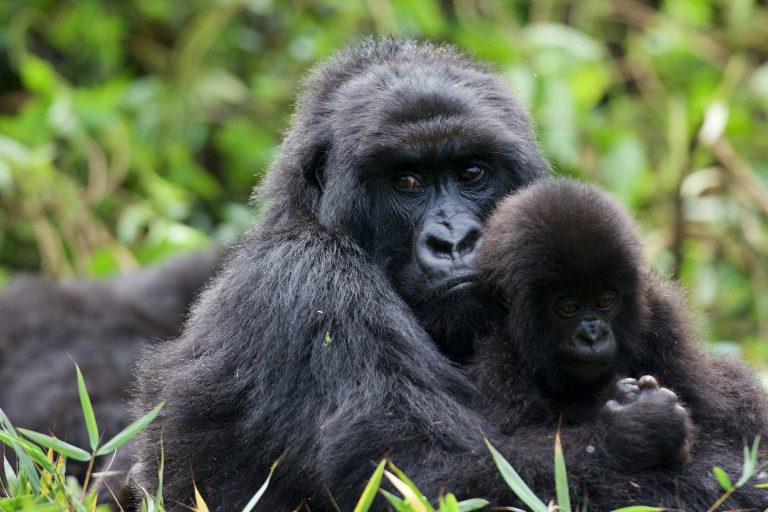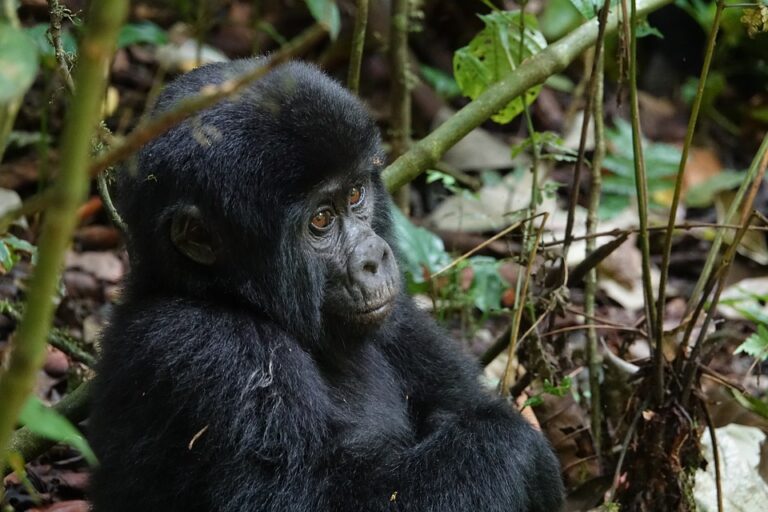
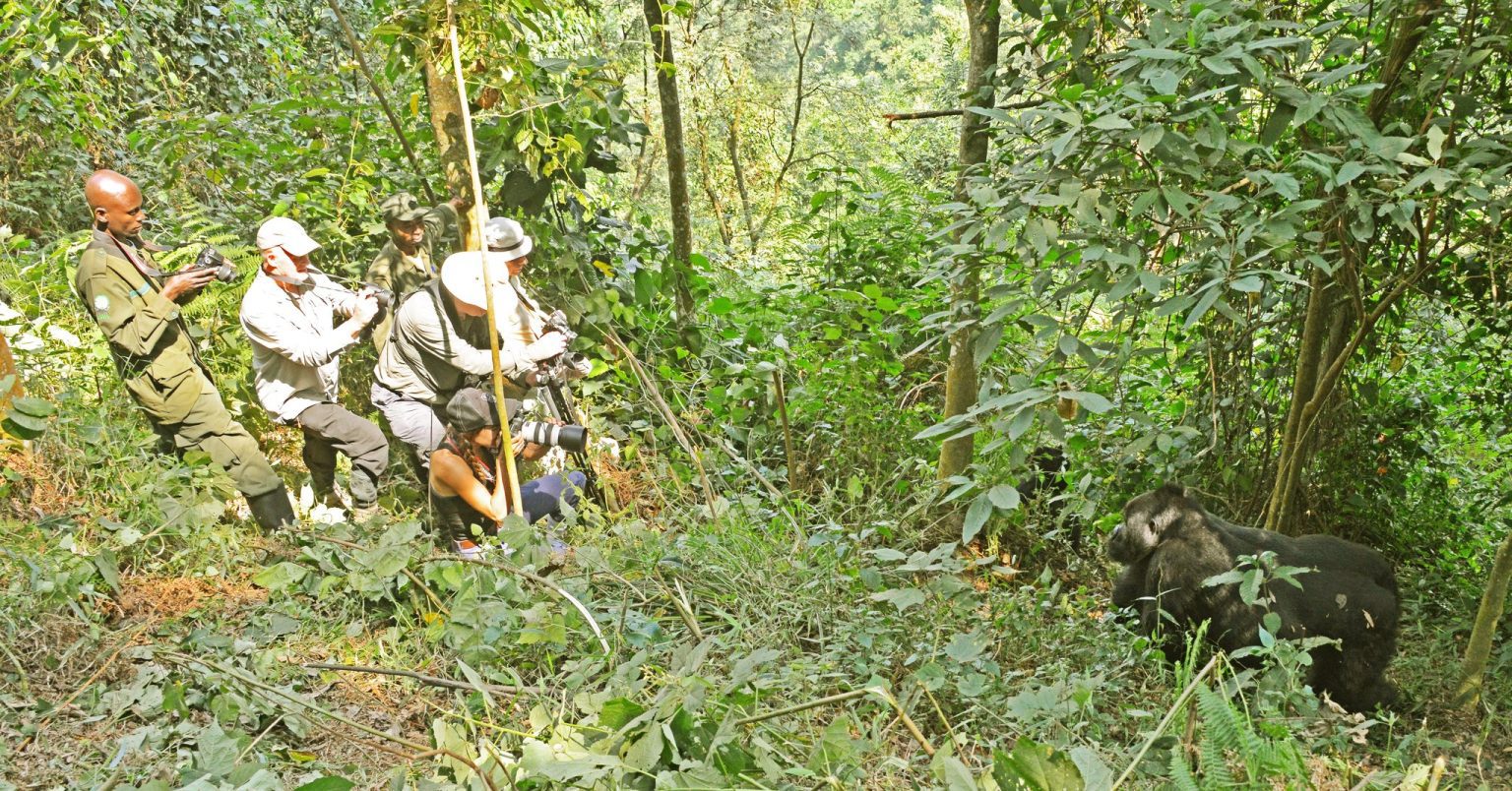
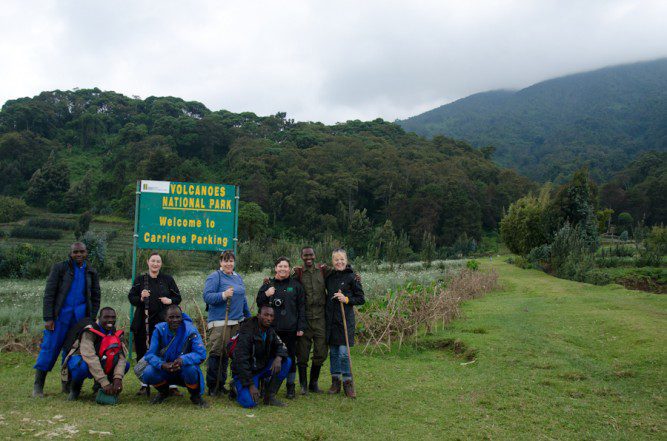
A gorilla trekking packing list starts with broken in waterproof boots, long trousers and sleeves in muted colours, a packable rain jacket, gardening gloves, knee high gaiters and a 20 to 30 litre daypack holding two litres of water, spare face masks and your passport. Lodges often lend bulky extras. It suits a gorilla trekking safari in Bwindi or Mgahinga in Uganda, or Volcanoes National Park in Rwanda, where a trek lasts one to eight hours through mud and nettles.
This checklist is the overview for any gorilla trek. For country detail, go straight to the Uganda gorilla trekking packing list or the Rwanda gorilla trekking packing list, and for a four hour visit read the habituation experience packing list.
Gorilla Trekking Packing List at a Glance: The Gear Hub
Treat this page as the master checklist for gorilla trekking gear. Each item gets a short reason here, and the bigger buying decisions each have their own guide, so pick whichever piece of kit you are still unsure about.
Six things decide whether trek day goes well: boots, long trousers and sleeves, a rain layer, hand protection, a seal where trouser meets boot, and a small pack with water in it. Get those right. Everything else is refinement.
The ground explains the list. Bwindi runs from roughly 1,160 to 2,607 metres above sea level, while Volcanoes climbs from about 2,400 to 4,507 metres. Mornings sit near 11C at the briefing; two hours of climbing later the air is closer to 23C and you are soaked in sweat. Rain falls in every month, and even on a dry day the leaves hold water, so the undergrowth you push through is wet anyway.
Want a printable version? Print this page, or copy the three rows above onto one sheet. Readers searching for a gorilla trekking packing list PDF usually want exactly that single page to tick off the night before the trek.
Trekking Clothes and Boots for Gorilla Trekking Day
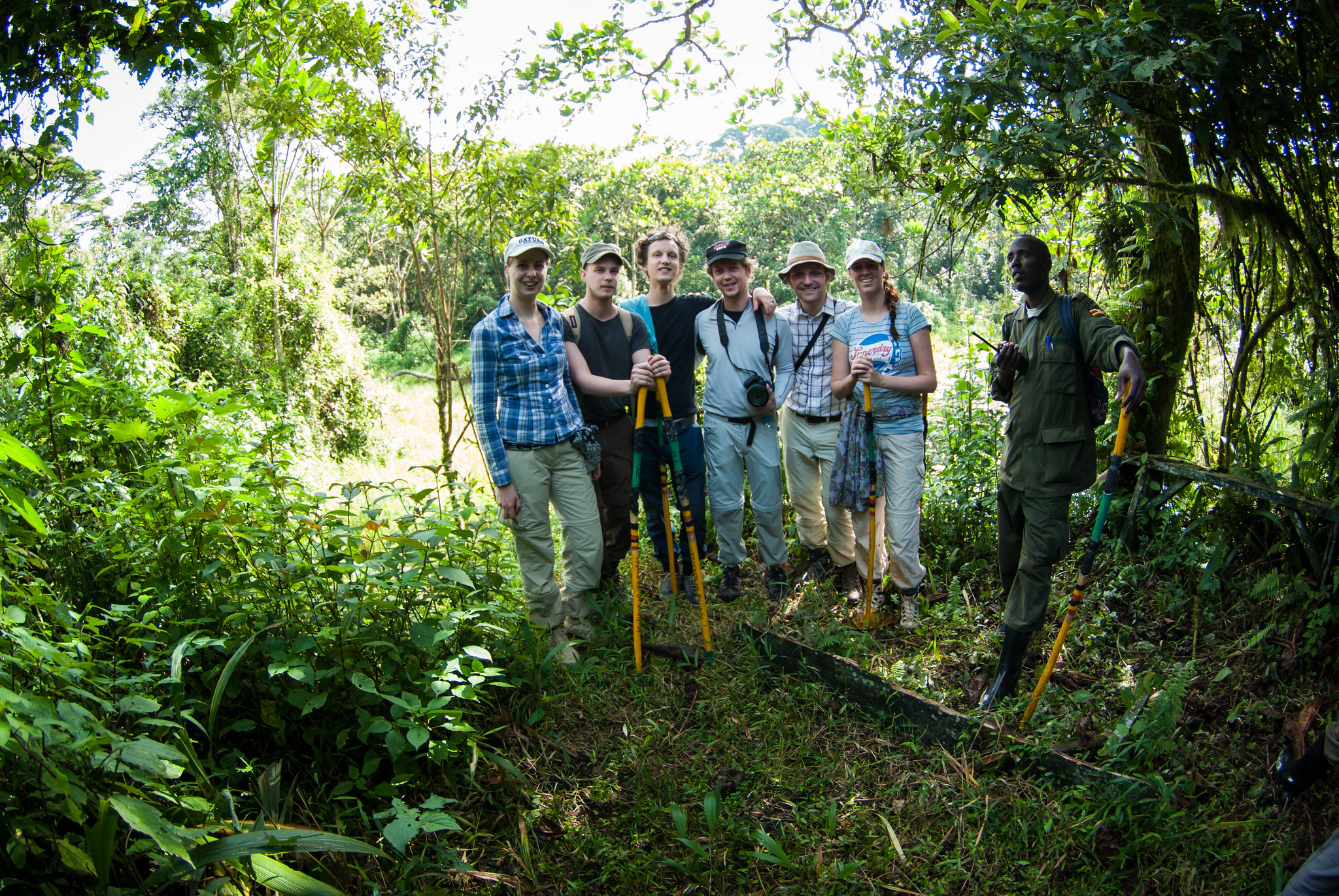
Everything in this group is on your body when you leave the briefing point. On a gorilla trek the vegetation, more than the weather, is what you dress against: cover skin, tuck in cuffs, and pick fabric that dries fast.
Colour matters more than people expect. Olive, khaki, grey, brown and muted green sit quietly in forest light and hide red clay stains, whereas neon, bright white and animal prints stand out. Dark blue and black draw tsetse flies on the drives in. Camouflage is a firm no: military pattern clothing is widely reported as off limits for civilians in Uganda and Rwanda, and that covers hats, belts, packs and socks too.
Leather in brown or black outperforms pale mesh for one unglamorous reason. Bwindi’s mud is red clay, and it wipes off leather far more easily. Try boots on with the thick socks you will trek in, because trip reports keep mentioning boots that fitted in the shop and pinched by the second hour downhill. Some rangers and porters trek in knee high gumboots, which shed mud perfectly but give little arch support on a five hour Nkuringo trek. A lighter waterproof trail shoe is enough for some people on the gentler Buhoma trails, yet the ankle support of a mid boot is what most need on the steep sectors. The full comparison sits in the guide to boots for gorilla trekking.
Jeans are not banned, and plenty of people trek in them. Wet denim is simply heavy, cold and slow to dry. Shorts are the real mistake, since nettles, thorns and biting ants all reach bare skin at knee height. Thin fashion leggings fail for the same reason; thick, brush resistant trekking leggings tucked into socks are fine.
How to Choose Gorilla Trekking Gear: Fabric, Colour, Weight and Waterproofing
Shopping for a gorilla trek differs from shopping for a savannah safari. On a game drive you sit in a vehicle and dress for sun and dust; on a gorilla trek you walk uphill through wet, thorny forest, so durability and drying time beat everything else. A few rules make the choice easier.
Buy the items that must fit, meaning boots, socks and a rain jacket, at home and early enough to test them on long walks. Gaiters, ponchos and walking sticks are the items lodges most often lend, so ask before you spend on them.
Gorilla Trekking Gear Picks: Starter, Mid Range and Premium Models
The models below come up repeatedly in trekking forums and gear reviews for wet mountain forest. We have not tested them in Bwindi ourselves, so treat this as a shortlist and check the maker’s current specification, since features change between versions.
Daypack Contents for the Gorilla Trek
The gorilla trekking daypack is what you, or more likely your porter, carry into the forest. Aim for around three kilograms loaded. Anything heavier usually means items that should have stayed at the lodge.
A porter carries a pack of this size easily, and hiring one changes the day more than any gear on this page. Porters steady you on descents, haul you up the steep banks and know which handholds sting. Several trekkers bring an extra snack to share with their porter, a small gesture that is always noticed.
Documents and Health Kit for a Gorilla Trekking Safari
No permit, no trek. Rangers check passports against permits at the briefing, so this part of the gorilla safari packing list has zero tolerance for forgetting.
One health rule catches people out. Turn up at the briefing with flu symptoms and rangers can and do turn you away, and Uganda has no refund policy for illness. Our travel first aid kit guide lists what to carry for blisters, stomachs and cuts.
Camera and Optics Kit for Gorilla Trekking
Forest light is dim and green, and it defeats a lot of expensive equipment. For gorilla trekking photography a fast 24 to 70mm, or a 70 to 200mm at a wide aperture such as f/2.8, earns more frames than the long telephoto you would take on a savannah game drive, because you shoot at close range under canopy.
Flash is prohibited outright, so switch it off by hand on both camera and phone rather than trusting auto. Set the shutter to silent where your camera allows it. Tripods split opinion: one photographer’s guide recommends a light carbon travel tripod for low light, yet rangers often refuse them and there is rarely flat ground, so the wooden walking stick usually serves as a monopod. Selfie sticks draw the same frowns. Drones need prior approval in Uganda and are not permitted over the parks. Bodies, lenses and glass are covered in the guide to cameras and binoculars, and settings in gorilla trekking and photography.
Lodge and Evening Packing on a Gorilla Safari
Evenings at the lodges around Bwindi and in Kinigi are colder than most people expect from equatorial Africa. Ruhija and Nkuringo feel like a mountain evening in Europe, and the fireplace in your room exists for a reason. Lodges such as Clouds Mountain Gorilla Lodge in Nkuringo, Buhoma Lodge in the north, and Bisate or Singita Kwitonda beside Volcanoes all lean on log fires and hot water bottles, and dress at dinner everywhere is smart casual at most.
Ask your lodge what it lends before you pack. Many keep fleeces, ponchos, gaiters and walking sticks in the room or at reception, and several trip reports describe heavy jumpers that never left the bag because the lodge supplied better ones. If you have spare luggage room, the Pack for a Purpose scheme lists school supplies that community projects near some lodges have asked for.
Luggage for Bush Flights and Road Transfers on a Gorilla Trip
How you pack the main bag depends on how you reach the park, which the guide to getting to Bwindi sets out. Scheduled light aircraft into Kihihi and Kisoro airstrips carry tight limits, commonly about 15 kilograms per passenger including hand luggage, in soft bags only. Confirm the figure with your airline when booking.
Road travellers have more room, yet the drive from Kampala or Kigali is long and bumpy, so a soft bag still travels better than a wheeled case on those roads.
Season by Season Gorilla Trekking Packing
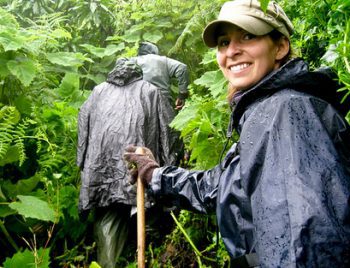
Bwindi has no dry season in the savannah sense, only wetter and less wet months, averaging somewhere near 2,400mm of rain a year. October is the wettest month at roughly 340mm across about twenty rainy days, and even July, the driest, still sees around 77mm. Check the forecast the week before you fly and adjust the rain kit, and see the month by month picture in the guide to the best time for gorilla trekking in Uganda.
Altitude changes the sums as much as the calendar. Nkuringo and Ruhija sit high enough that the fleece you thought excessive becomes the layer you wear longest, and the Kinigi briefing in Rwanda starts above 2,400 metres.
Gorilla Trekking Gear You Can Rent, Borrow or Hire at the Trailhead
You do not have to buy everything on a gorilla trekking checklist. Both parks hand out wooden walking sticks free at the briefing, and most people find them better on soft clay than sharp tipped poles, which sink rather than grip. Porters wait at every trailhead, and the money goes directly into the villages beside the park.
Several lodges around Bwindi and Volcanoes kit guests out at breakfast with gaiters, ponchos, walking sticks, daypacks and water bottles. Gaiters, boots and gumboots can often be hired locally too, subject to what is available in your size, which is the catch for large feet. Never count on hiring boots: buy and break in your own. A short email to your lodge a few weeks out can take three items off your list, and the guide to renting gorilla trekking gear sets out what is realistically available.
What Not to Pack for Gorilla Trekking in Uganda and Rwanda
The legal list first. Camouflage of any colour. Plastic carrier bags, which several older packing lists still suggest for wrapping a camera. Drones without written clearance. Vapes and electronic cigarettes are also confiscated on arrival in Rwanda.
Then the regret list. White trainers, a hard suitcase, a full size tripod, a telephoto lens you never mount, jewellery, three more shirts than you wear, and heavy cotton cargo trousers that never dry. Perfume and strongly scented lotions are best left off on trek day, since they draw insects and the gorillas notice strange smells. Bluetooth speakers have no place near the lodge or the forest. Flip flops are fine at the lodge and useless on the trail. Long generic lists that add a whistle, a tool kit, purification tablets, a phrasebook and a guidebook are packing for a wilderness expedition: on a guided gorilla trek the ranger carries the radio, the lodge supplies treated water, and a knife in your pack only slows the security check.
Trekking poles are a judgment call. If you already trust them at home, bring them. If you are buying purely for this trip, save the money and use the free stick.
Packing Lists by Destination and Gorilla Trip Type
The checklist above is the base. A few variations change it enough to have their own guides.
Terrain, Fitness and Safety Behind the Gorilla Trekking Packing List
The list makes more sense once you know the day. Groups are capped at eight visitors per gorilla family, briefings start around 7am, and the walk runs from under an hour to eight depending on where trackers found the family at dawn. Trip reports swing from twenty minutes to five hours on the same morning, in the same sector.
Buhoma is the gentlest Bwindi sector. Nkuringo is the hardest, with sustained steep gradients. Ruhija sits in between and higher. None of it is technical, though you need to walk for several hours over uneven ground with breaks. A few weeks of long hill walks in your trek boots, and cutting back on smoking if you smoke, makes the climb noticeably easier. The physical side is covered in how long gorilla trekking takes and how fit you need to be.
Injuries do happen, and nearly all of them are the ordinary hiking kind: slips on wet clay, twisted ankles, scratched hands and nettle stings. That is the real case for ankle high boots, gloves, a porter and insurance with evacuation cover. Serious harm from the gorillas themselves is very rare on guided treks; a silverback may bluff charge, and the ranger’s instruction to crouch and look down is the whole defence you need.
Frequently Asked Questions About the Gorilla Trekking Packing List
What do you wear gorilla trekking?
Long quick dry trousers tucked into tall socks, a long sleeved top in olive, khaki, brown or grey, waterproof ankle boots, gaiters, gardening gloves and a soft hat, with a fleece for the early briefing and a rain jacket within reach. Leave camouflage, bright colours and shorts at home. The full outfit is in the guide to what to wear for gorilla trekking.
How much does a gorilla trekking permit cost?
A standard permit in Bwindi or Mgahinga currently costs US$800 per person for foreign non residents, US$700 for foreign residents and UGX 300,000 for East African citizens. Uganda has announced a US$600 low season rate for foreign non residents in April, May and November, and those permits cannot be rescheduled. The four hour habituation experience costs US$1,500, rising to US$1,800 for foreign non residents from 1 January under a UWA notice. Rwanda charges US$1,500 per permit in Volcanoes National Park. Uganda permits are paid in full at booking, so confirm the rate with your operator before you pay.
What does it cost to hire a porter or rent gear near Bwindi?
Porters at the Bwindi trailheads commonly charge somewhere around US$15 to US$25 for the trek, with a tip at your discretion. Walking sticks are free at the briefing point. Gaiters, boots and gumboots can often be hired locally for a small daily fee, and many lodges lend gaiters and ponchos at no charge. Bring cash in small notes.
How difficult is gorilla trekking in Uganda?
Moderate to hard, and it changes daily. Bwindi’s trails are steep, muddy and often off the path once trackers lead you toward the family, and a trek can take under an hour or most of the day. Buhoma is usually the gentlest sector and Nkuringo the toughest. Anyone who walks for a few hours on hills can manage with a porter and rest stops.
Has anyone been injured gorilla trekking?
Yes, though mostly in minor ways: slips, sprained ankles, blisters, cuts and nettle stings. Attacks on tourists by habituated gorillas are very rare, and rangers manage the group’s distance and behaviour throughout. Good boots, gloves, a walking stick and a porter prevent most of the common injuries.
What should I pack for a two week African safari that includes gorillas?
Build one soft bag around the gorilla kit on this page, then add light sun focused layers, a wide brimmed hat and binoculars for the savannah legs, and plan on lodge laundry so you need about five days of clothes. If light aircraft are involved, stay inside the soft bag limit, often near 15 kilograms. The African safari packing list covers the savannah side in detail.
Do I really need gaiters, or will long socks do?
Long socks with cuffs tucked inside are the minimum workable barrier, and plenty of people manage that way in the drier months. Gaiters do the job better: they stop mud entering at the boot collar, keep trouser bottoms from wicking water upward and shield your shins from nettles. In April, May, October and November they move from useful to close to necessary.
Can I wear jeans or shorts on a gorilla trek?
Jeans, yes, and you will not be turned away. They are heavy and slow to dry once wet, so quick dry trekking trousers are the better tool. Shorts are a poor idea in Bwindi or Volcanoes, where nettles, thorns and biting ants all reach bare legs.
How much water should I carry on the trek?
Two litres is the working minimum and three is wiser on a long trek in June or July. A bladder in the daypack is easier to drink from on the move, though bottles are simpler to refill at the lodge.
Should I buy gear at home or rent it in Uganda?
Buy boots, socks and a rain jacket at home, because fit matters and sizes near the park are limited. Gaiters, ponchos, walking sticks and even daypacks are often available from lodges, so check with yours before buying items you will use once.
Are trekking poles allowed, and should I bring my own?
They are allowed, but both parks provide wooden walking sticks free of charge, and most trekkers find those better matched to soft clay. Bring your own only if you already use them and trust them.
What is the minimum age for gorilla trekking?
Fifteen years in Uganda and Rwanda alike, measured on the trekking date. Rangers verify age against a passport at the briefing. Chimpanzee tracking in Uganda accepts children from twelve.
How close do you get to the gorillas?
Uganda asks visitors to keep at least ten metres back, while Rwanda applies a seven metre minimum; treat ten as your own standard in either country. Viewing time is capped at one hour and flash photography is prohibited throughout.