The best things to do in Rwanda are mountain gorilla trekking in Volcanoes National Park, chimpanzee tracking and the canopy walk in Nyungwe, a Big Five game drive in Akagera, boat trips on Lake Kivu and the Kigali Genocide Memorial. Most travellers fly into Kigali and link four to six of these Rwanda safari activities on a seven to ten day trip, often adding Bwindi in Uganda. Rwanda is small and well paved, so transfers stay short.
That compact size is the whole story. You can sit with gorillas in the Virunga bamboo one morning and swim in Lake Kivu the next afternoon. This guide takes every activity in turn, with honest notes on what each is like on the day, then shows which suit which traveller and how to string them into three, five, seven and ten day plans. For where each park and town sits, our region by region guide to the best tourist destinations in Rwanda does that job. Prices and permits are kept to the FAQ.
Rwanda Safari Activities by Traveller Type: Which Trips Suit You
Rwanda safari activities sort neatly by the person doing them. A first timer with one week wants different mornings from a birder with a scope, and a family with a twelve year old meets age rules two retired hikers never will. Find yourself below, then jump to the sections that matter.
Order matters too. Golden monkeys make a gentle warm up the day before your gorillas, and chimps work better later in the week, once your legs know the hills. The 3 to 10 day plans put that order into practice, and the family section covers the under 15 rules.

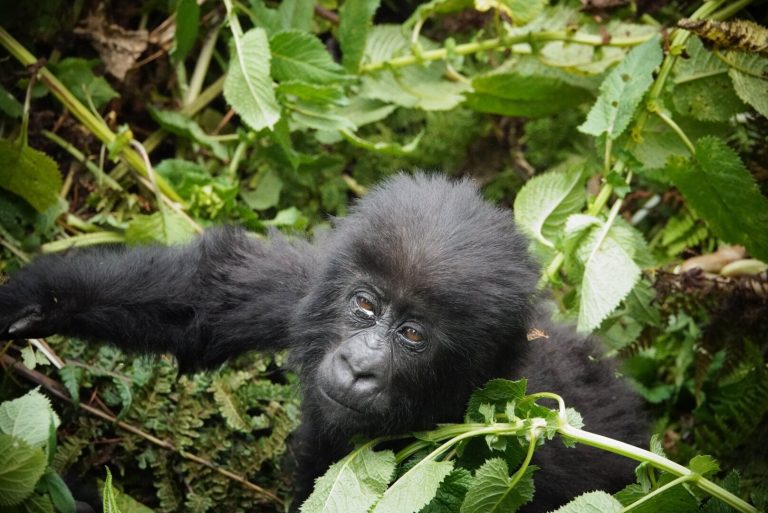
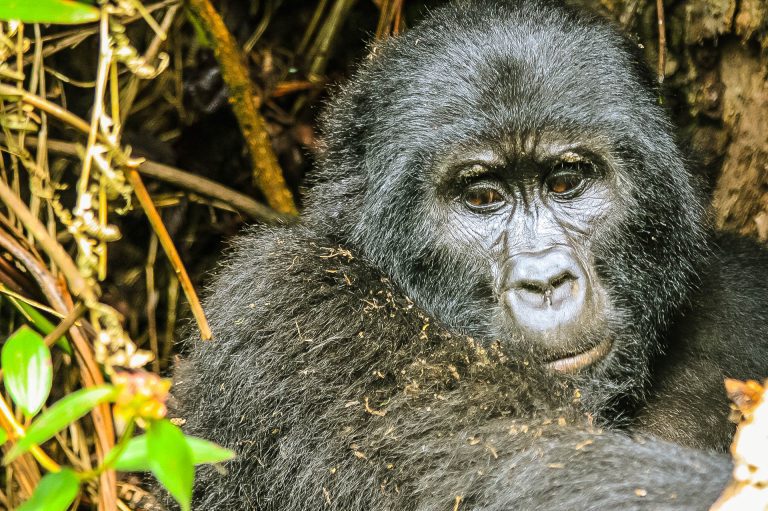
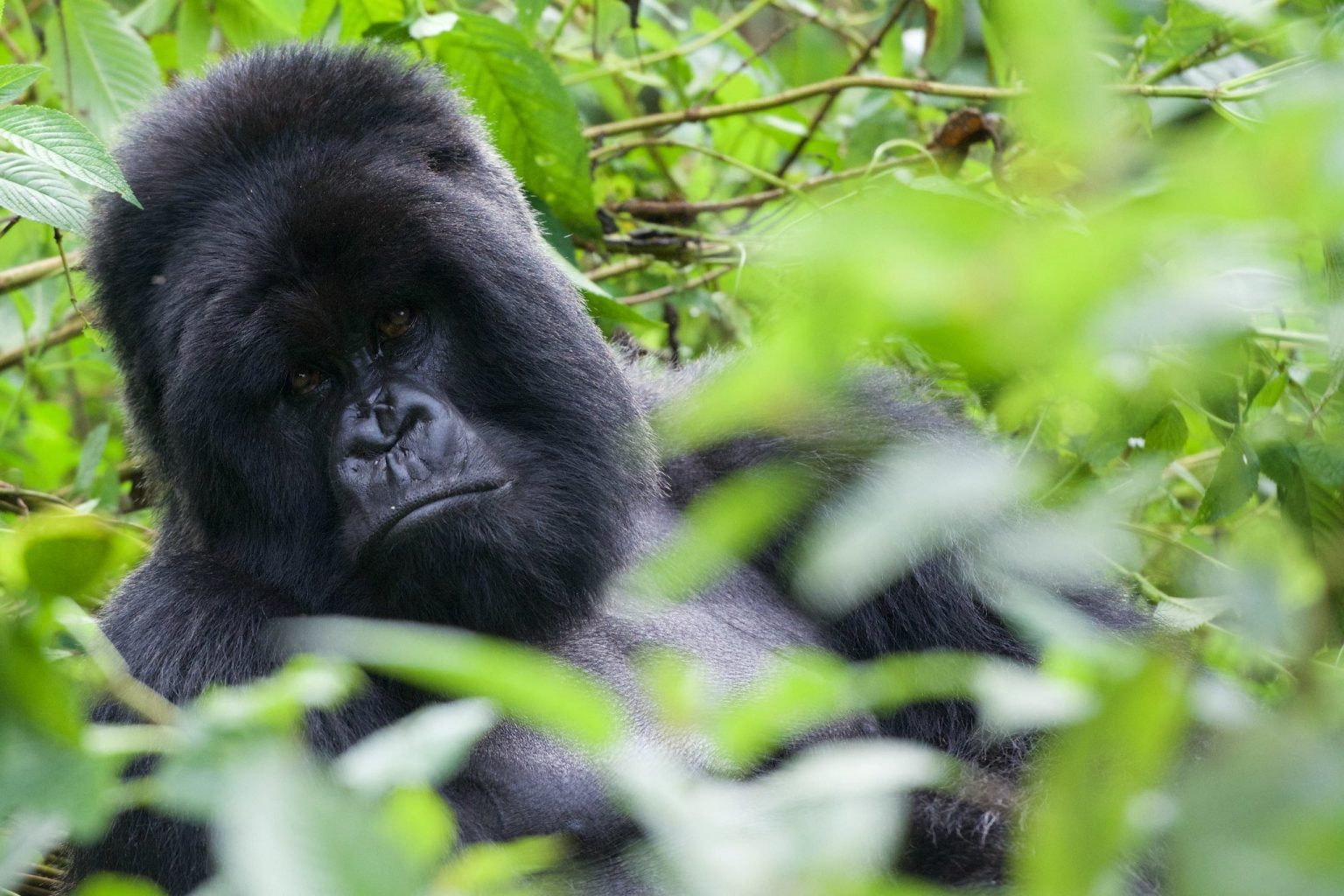
Mountain Gorilla Trekking Safari in Volcanoes National Park
Mountain gorilla trekking is why most people book a Rwanda safari. Volcanoes National Park covers roughly 160 square kilometres of bamboo, hagenia woodland and alpine meadow on the Rwandan side of the Virunga volcanoes, shared with Uganda’s Mgahinga and Congo’s Virunga park.
Every gorilla trek starts with a 7am briefing at the park headquarters in Kinigi. Rangers check passports, then sort visitors into groups of up to eight, each assigned to one habituated family. Fitter walkers tend to go to the families that range higher; tell the rangers, or ask your driver guide to tell them, if your knees need an easier family. You drive to a trailhead, walk through farmland to the park wall and climb into the forest while trackers radio in the family’s position.
The walk can take thirty minutes. It can also take four hours. Once the family is found you get one hour, usually at about seven metres, though young gorillas regularly ignore that rule. Visitors must be at least 15 on the trek date, not the booking date.
Trip reports repeat the same advice. Hire a porter even if you feel fit; the slopes are muddy and the money goes to families beside the park. Gardening gloves help against nettles, and gaiters keep safari ants out of your trousers. Sleep near Kinigi the night before, because a dawn drive from Kigali on a road shared with cargo trucks leaves no margin. Our Rwanda gorilla trekking packing list covers the rest, and the full day is explained in our guide to Rwanda gorilla safaris.
Short on time? Our 1 day gorilla trek from Kigali guide shows how a same day trip works, and Rwanda gorilla tours compares 1, 2 and 3 day options. Permits sell out months ahead for June to September; rates and the low season offer are on our Rwanda gorilla permits page.
Golden Monkey Tracking in the Virunga Bamboo Forest
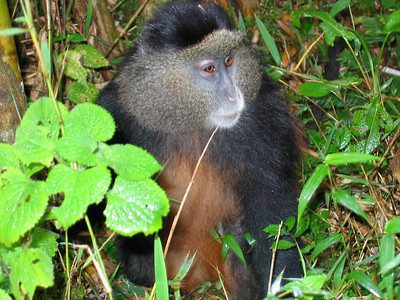
Golden monkey tracking is the shorter, livelier trek in Volcanoes National Park, and many people do it the day before their gorillas as a warm up. These endangered monkeys live only in the Albertine Rift, and the habituated troop usually feeds in the bamboo below Mount Sabyinyo.
The walk is often an hour or two. The monkeys leap between bamboo stems, so set a quick shutter speed before you reach the troop. You get one hour. Several visitors call it the surprise of their trip, partly because expectations were low and partly because the monkeys are so active next to a resting gorilla family. Children from age 12 can join. Our page on golden monkey treks in Rwanda has the detail.

Volcano Hiking Adventures: Bisoke, Karisimbi and Muhabura
If your idea of a good day is a summit and sore calves, the Virungas deliver. Each guided hiking safari starts with the 7am Kinigi briefing and an armed ranger escort.
Mount Bisoke (3,711 metres) is the popular day hike, five to seven hours up and down through bamboo and giant lobelia to a crater lake on the Rwanda and Congo border. The trail is steep and often very muddy. Cloud usually covers the crater by early afternoon, so start early.
Mount Karisimbi (4,507 metres), the highest Virunga, is a two day climb with a cold night camping on its shoulder; altitude, wet ground and frost make it the hardest walk in Rwanda. Our Mount Karisimbi hike guide covers the route. Mount Muhabura, the perfect cone on the Uganda border, is a long, steep day for strong walkers and can also be climbed from Mgahinga. Our page on the Virunga Mountains compares the peaks.
Dian Fossey Tomb Hiking Trail and the Gorilla Conservation Story
The Dian Fossey tomb hike climbs two to three hours to the ruins of Karisoke, the research camp Fossey founded in 1967 between Karisimbi and Bisoke. She is buried there beside Digit and other gorillas she studied. Buffalo and forest elephants leave signs along the trail, and the round trip fills most of a day.
Back in Kinigi, the Ellen DeGeneres Campus of the Dian Fossey Gorilla Fund opened to visitors in 2022, with exhibits on decades of gorilla research, a replica of Fossey’s cabin, a café and short nature trails. It makes a good afternoon after a morning trek.
In early September, ask about Kwita Izina, the gorilla naming ceremony held near Kinigi since 2005, when the year’s newborn gorillas receive names in front of a large crowd with music and dance. Lodges near the park fill fast that week.

Gorilla Guardians Village Tour, Musanze Caves and Twin Lakes Canoeing
The Gorilla Guardians Village, long known as Iby’Iwacu Cultural Village, sits close to the park in Kinigi. Set up with former poachers, it shows traditional life: intore dancing, drumming, a replica of the king’s house, banana beer brewing, healers, grinding sorghum, archery and Batwa pottery. Some adults find it staged; children rarely do, and the money goes to the community.

The Musanze Caves tour follows a lava tube about two kilometres long, the most visited of more than 50 caves surveyed in the district. Bats roost in the roof, helmets are handed out, and the tour runs one to two hours over steps and uneven rock.

East of Musanze, the Twin Lakes of Burera and Ruhondo lie in steep, terraced hills with the volcanoes behind. A canoe trip, a village walk or a night on an island in Burera makes a quiet break from trekking.
On the edge of Musanze, the Red Rocks Cultural Centre runs a smaller, looser kind of village tour. Visitors join local artists and farmers for banana beer brewing, basket weaving, cooking and painting sessions, and the centre hosts a yearly cultural festival with music, dance and art workshops. Travellers who found the bigger cultural village too rehearsed tend to like it more.
Nearer Kigali, Lake Muhazi is a weekend spot for city residents, with small beaches, boating and birdlife.

Chimpanzee Tracking Safari in Nyungwe Forest National Park
Chimpanzee tracking in Nyungwe is Rwanda’s second big primate trek. Nyungwe Forest National Park protects about 1,000 square kilometres of montane rainforest on the watershed between the Congo and Nile basins, home to 13 primate species including chimpanzees, L’Hoest’s monkeys and large troops of Angolan colobus.
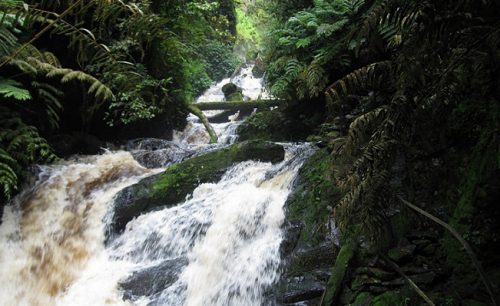
Treks start before dawn, because chimps feed and move early. The larger habituated community ranges around Uwinka; a smaller group lives in Cyamudongo, a separate forest block over an hour’s rough drive from Gisakura. Chimps travel fast and spend long spells high in fruiting trees, so this trek is harder and less predictable than gorilla trekking, on steep, slippery slopes. The minimum age is 15.
When the chimps are on the ground and calling, it is one of the best mornings in East Africa. When they sit high in a fig tree, you spend your hour looking at backsides through leaves. Go in knowing that. For comparison, our guide to chimpanzee trekking in Kibale covers Uganda’s main chimp forest, where sightings are usually easier.

Nyungwe Canopy Walk Tour and Rainforest Hiking Trails
The Nyungwe canopy walk is a suspension bridge about 160 metres long across a forested valley near Uwinka, up to around 70 metres above the ground. A short, steep hike on the Igishigishigi trail leads to it. It sways a little, and on clear mornings you look across the treetops to Burundi.
Two quieter primate walks round out a Nyungwe stay. Colobus monkey tracking follows the Angolan black and white colobus, which in Nyungwe gather in troops far larger than the small family groups seen elsewhere in East Africa; the walk is usually short, the monkeys are easy to watch, and it suits anyone too young for the chimps. L’Hoest’s and blue monkeys often feed in the same trees, and grey cheeked mangabeys turn up on some walks. Visitors have also reported a newer zipline near the forest edge in recent seasons; ask your lodge whether it is running on your dates before you count on it.

Nyungwe also has the best rainforest hiking in Rwanda. The Isumo waterfall trail runs from Gisakura through tea plantations, the Bigugu trail climbs to one of the park’s highest points, and the Kamiranzovu marsh trail crosses a swamp where forest elephants once lived. Ngabwe and Imbaraga suit a full day, and guides lead walks to a spring often called the most distant source of the Nile. Rain falls here in every month, so pack a light waterproof even in July; our gorilla trekking packing list works for every hike on this page.
Birdwatching Safaris in Rwanda: Nyungwe, Akagera and Rugezi Swamp
Birders often arrive for the gorillas and leave talking about the birds. A birdwatching safari in Rwanda covers montane forest, savannah, papyrus swamp and high marsh within a week.

Nyungwe has around 300 species, with Albertine Rift endemics such as Rwenzori turaco, red collared mountain babbler, Rwenzori batis, handsome francolin and regal sunbird. The road between Uwinka and Kitabi is productive at first light, and the canopy walk gives eye level views of mixed flocks. Our page on birding in Bwindi shares many of the same targets.
Akagera lists close to 500 species. A Lake Ihema boat brings fish eagles, kingfishers and the papyrus gonolek, and the shoebill turns up now and then, though nobody should promise it. Rugezi, a high marsh north of the Twin Lakes within a Ramsar site, is the stronghold of Grauer’s swamp warbler and grey crowned cranes; take a local guide. The Nyabarongo wetlands near Kigali add papyrus canary and Carruthers’s cisticola, and Umusambi Village in the city keeps rescued crowned cranes in a restored wetland. Migrants are present from about November to April.
Gishwati Mukura Chimpanzee and Primate Trekking
Gishwati Mukura National Park is Rwanda’s newest and smallest park, two forest fragments inland from Lake Kivu. Gishwati opened to visitors in December 2020; Mukura has mostly stayed closed to tourism.
The chimpanzee trek follows a small community of roughly 20 to 30 animals, a quiet walk with very few other visitors, and the sighting is a bonus rather than a promise. Golden, L’Hoest’s and blue monkeys live here too, along with more than 200 bird species. Lodging is very limited, so book early. It suits travellers who have done Nyungwe, or who want chimps without the long drive south.
Akagera National Park Big Five Game Drive Safari
An Akagera game drive safari is Rwanda’s only classic savannah safari. Akagera National Park covers about 1,122 square kilometres of grassland, acacia woodland, lakes and papyrus swamp on the Tanzanian border, roughly two and a half hours east of Kigali.
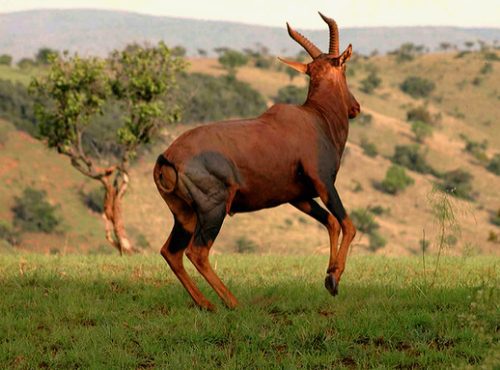
Since African Parks took over management with the Rwanda Development Board in 2010, lions have returned (2015), followed by eastern black rhinos (2017) and white rhinos, making it a Big Five park again. Elephants, buffalo, giraffes, zebras, topi, impala and hippos are reliable on the northern plains. Lions, rhinos and leopards take luck, and self drivers who skip the park guide often miss the lions. Tsetse flies are drawn to dark blue and black, so wear khaki or olive.

A late afternoon boat safari on Lake Ihema gets you close to hippos and large Nile crocodiles. Night drives look for genets, bush babies, hyenas and, with luck, leopard. A day trip from Kigali is possible but rushed; two nights cover the lot.
Lake Kivu Boat Tours, Island Trips and Hot Springs
Lake Kivu fills much of Rwanda’s western border, a deep lake of more than 2,000 square kilometres with steep green shores and scattered islands. After the treks, this is where the pace drops, and a Lake Kivu boat tour is the easy way in.

Rubavu (Gisenyi) in the north has sandy beaches and sits about one and a half hours from Musanze. Karongi (Kibuye) is quieter, on a bay full of islands. Rusizi (Kamembe) in the south sits closest to Nyungwe. From any of them, boats run to Napoleon Island and its fruit bat colony, or Amahoro Island for a swim, and most hotels rent kayaks and paddleboards. At dusk the fishing boats row out in threes with long eucalyptus poles, singing. Kivu has no hippos or crocodiles, so families swim off hotel jetties; afternoon waves turn choppy, so book morning boats with young children.

The Nyamyumba hot springs near Rubavu are a local bathing spot, scalding in parts, and the Bugarama springs near Rusizi sit beside a limestone quarry. Several lodges around the lake and Nyungwe offer tented or glamping style rooms for a slow end to the week.
Paddlers can go further than a hotel kayak. Guided Lake Kivu kayaking trips follow the shoreline between Rubavu and Karongi over several days, camping or staying in village guesthouses, and shorter half day paddles explore the coves and small islands such as Nyamunini off Karongi. Mornings are calm; the wind usually picks up after lunch, which sets the rhythm of any trip on the water.
Congo Nile Trail Hiking and Cycling Adventure
The Congo Nile Trail runs about 227 kilometres along Lake Kivu’s eastern shore, from Rubavu to Rusizi, through coffee farms, banana groves and fishing villages, following the ridge between the Congo and Nile watersheds.

The whole route takes about ten days on foot or five by mountain bike, with guesthouses, campsites and homestays. Few do it all. Most ride or hike a stage or two, often Rubavu to Karongi, with a support vehicle for the climbs, since the dirt turns slick in the rains. Coffee washing stations welcome visitors at harvest.
Kigali Genocide Memorial Tour and Rwanda’s Memorial Sites
A visit to the Kigali Genocide Memorial in Gisozi is the most important thing to do in Kigali, and almost every traveller says it changed how they saw the rest of the trip. More than 250,000 victims of the 1994 genocide against the Tutsi are buried here, and the exhibitions explain how the killing was planned, how it unfolded over about 100 days and how the country has rebuilt.

It opens daily from 9am to 5pm, last entry 4pm, and only from 1pm on the last Saturday of the month because of Umuganda. Allow at least ninety minutes; the children’s room is the part most visitors find hardest. No photography inside, and modest dress is expected.
Four sites were inscribed together on the UNESCO World Heritage List in 2023: Gisozi, the former church at Nyamata, Murambi in the south and Bisesero above Lake Kivu. Nyamata, about an hour from Kigali, pairs with the nearby Ntarama church on a half day tour. Murambi is far more graphic; read about it before deciding.
Kigali City Tour: Art, Markets, Coffee, Food and Horse Riding

A Kigali city tour is worth a full day at the start or end of a safari. Travellers who leave the morning they land miss the context for everything else. The streets are clean, plastic bags are banned and motorbike taxis carry spare helmets.
For art, the Inema Arts Center and Niyo Art Gallery show contemporary Rwandan work, often with artists present. Kandt House Museum covers the city’s early history, and the Rwanda Art Museum in the former presidential palace at Kanombe keeps the wreckage of the plane whose downing in April 1994 marked the start of the genocide.

Kimironko Market has fabric stalls where tailors make clothes in a day or two. Caplaki craft village sells carvings, imigongo art and baskets; bargain, and buy here rather than near the parks. The Nyamirambo Women’s Center runs walking tours and cooking classes.

Food is short on drama and long on flavour: brochettes, isombe from pounded cassava leaves, agatogo plantain stew, mizuzu fried plantain, beans, matoke, lake tilapia and sambaza, the small fried fish from Lake Kivu. After dark, the car free street in Biryogo near Nyamirambo turns into an open air food court of grills and stalls, the easiest place to try several dishes at once. Question Coffee and other cafés roast local beans, and milk bars serve fresh and fermented milk the way many Rwandans still drink it. Fans of Hotel Rwanda often stop at the Hôtel des Mille Collines, though reviews of its food are mixed. On Mount Kigali, the Fazenda Sengha ranch offers guided horse rides over the city; book ahead and wear long trousers.
For something active inside the city, the Nyandungu eco park on the eastern side has walking and cycling paths through a restored wetland and good birding early in the day. Sports fans can catch a basketball game or concert at BK Arena, which also runs tours on some days, and international cricket is played at the Gahanga ground south of the centre. Visit Rwanda also lists paramotor flights and helicopter transfers for travellers who want the hills from above.


On the last Saturday of each month the country stops from about 8am to 11am for Umuganda, the community work morning. Visitors are welcome to join, and roads and shops stay quiet until it ends, so plan transfers around it.

King’s Palace Museum and Ethnographic Museum Heritage Tour
A drive south makes a good heritage tour, and it sits on the road to Nyungwe. The King’s Palace Museum at Nyanza, about two hours from Kigali, pairs a rebuilt thatched royal palace with the colonial era residence of King Mutara III Rudahigwa. Most visitors remember the long horned Inyambo cattle, which keepers still sing to in the old royal style. The royal burial grounds sit on Mwima hill nearby.

In Huye (Butare), the Ethnographic Museum, opened in 1989, is the best place in Rwanda to learn about traditional life, with seven galleries on farming, hunting, weaving, architecture, dance and pre colonial history. Dance shows can be booked ahead, and hours vary, so check on the day.
Tea, Coffee and Beekeeping Tours in Rural Rwanda
Tea and coffee tours show how most rural Rwandans earn a living. Estates at Gisakura beside Nyungwe, Gisovu above Karongi and Pfunda near Rubavu let you pick leaves and follow them through the factory. Coffee tours along Lake Kivu, around Huye and at the Maraba cooperatives run from cherry to cup, best between March and July during harvest.

Beekeeping cooperatives near Nyungwe and the Virungas also take visitors, which helps keep communities on the side of the forest. These tours rarely appear on standard itineraries. People often talk about them most at home.
Family Safari Activities in Rwanda for Children Under 15
Rwanda works well as a family safari once you accept one rule: nobody under 15 joins a gorilla or chimp trek. Many families split the day, with teenagers and adults on the gorilla trek while younger children track golden monkeys (from age 12) or visit the Gorilla Guardians Village, then everyone swaps stories over lunch.
Akagera is the family highlight for many groups, because any age can join the game drives and the Lake Ihema boat. The canopy walk takes children from about six with an adult. Lake Kivu swimming, Twin Lakes canoes, the Musanze Caves and Umusambi’s cranes fill the gaps. Some lodges near Volcanoes and Akagera have family rooms and pools; ask your operator. Our family safari in Africa guide covers ages, health and pacing.
Rwanda Safari Activities by Trip Length: 3, 5, 7 and 10 Day Plans
Rwanda rewards short trips, yet Nyungwe always takes a full travel day each way. Three or four days covers Kigali and a gorilla trek; a week adds golden monkeys and Lake Kivu or Akagera; ten days or more takes in all three big parks plus the lake. These outlines put the long drives where they hurt least.
One planning catch: the low season permit discount from November to May depends on nights in Nyungwe or Akagera, so a seven or ten day plan with either park can pay for some of its own extra nights. The detail sits in the FAQ.
Families can use the same plans with a split gorilla day. Birders should stretch the ten day plan to twelve, adding Rugezi and a second Lake Ihema boat, and active walkers can swap golden monkeys for Bisoke or add Karisimbi. A licensed operator will adjust any of these; compare them on our list of Rwanda safari companies.
Combining Rwanda Tours with Bwindi Gorilla Trekking and the Wider Safari Circuit
Rwanda and Uganda work well as one trip. From Kigali, Bwindi’s southern sectors of Rushaga and Nkuringo, and Mgahinga, sit four to six hours away through the Cyanika border, while Buhoma and Ruhija in the north are reached through Katuna (Gatuna). Our route guide to gorilla trekking in Uganda from Kigali covers border times and sample days.
Many travellers trek in Bwindi Impenetrable Forest to keep costs down and spend their Rwanda days on Kigali, Nyungwe or Akagera. Bwindi also runs the gorilla habituation experience, four hours with a family still being habituated, which Rwanda does not offer. Our comparison of Uganda vs Rwanda helps you choose, and the East Africa Tourist Visa covers Rwanda, Uganda and Kenya on one document.
Short flights from Kigali reach Nairobi and Kilimanjaro, so gorillas pair easily with a Masai Mara safari in Kenya or a Serengeti safari in Tanzania for the migration. Our page on Congo gorilla trekking explains what is possible across the western border.
Planning a Rwanda Safari: Seasons, Drive Times and Operators
Rwanda has two dry seasons, June to September and mid December to February, when trails are firmer and Akagera’s animals gather near water. The long rains run from March to May and the short rains in October and November. Every activity runs all year, and the wet months bring greener hills, fewer visitors and a gorilla permit discount, but rain affects each activity differently.
Our guide to the best time for gorilla trekking covers the Virunga region month by month.
| From Kigali to | Drive time | Main activity |
|---|---|---|
| Kinigi (Volcanoes) | 2 to 2.5 hours | Gorillas |
| Akagera | About 2.5 hours | Game drives |
| Rubavu (Kivu) | 3 to 3.5 hours | Lake rest |
| Nyanza | About 2 hours | King’s Palace |
| Nyungwe | 5 to 6 hours | Chimps |
| Bwindi south | 4 to 6 hours | Gorillas |
A few practical points shape every activity day. English is widely spoken in tourism alongside Kinyarwanda, French and Swahili, so guides and lodges are easy to deal with. Drink bottled or filtered water rather than tap water. Cards and mobile money work at most lodges and in Kigali, and Akagera is cashless, but carry small Rwandan francs for village tours, markets and tips. Speed cameras are common and limits are low, so drives take a little longer than the map suggests. Some sites charge foreigners more than residents; that is policy rather than a scam.
Most visitors travel with a driver guide from a licensed operator, which makes permits, lodges and park rules easier. Our list of Rwanda safari companies and the wider directory of gorilla safari companies are good places to start, and our Rwanda safari cost guide breaks down a full budget. For accommodation near the gorillas, see lodges near Volcanoes National Park. An independent visit Rwanda guide is also useful for background reading on the country before you book.
Things to Do in Rwanda and Rwanda Safari Activities: FAQ
How much does gorilla trekking in Rwanda cost, and how does the low season discount work?
The Rwanda Development Board charges US$1,500 for a foreign non resident gorilla permit, covering one trek and one hour with a family. Between November and May a low season offer takes 30 percent off, to US$1,050, if you also stay two nights in Nyungwe or Akagera, or one night in each on consecutive nights, with a paid park activity and hotel receipts submitted when booking. Foreign residents and African citizens pay a promotional US$500, and Rwandan and East African citizens US$200, outside June to October, when no discount applies. A Uganda permit for Bwindi is US$800 for foreign non residents. The full table is on our Rwanda gorilla permits page.
What do the other Rwanda safari activities cost?
For foreign visitors, RDB lists golden monkey tracking at US$100, the Bisoke and Dian Fossey tomb hikes at US$75 each and the two day Karisimbi climb at US$400. Nyungwe park entry is US$100 for one night, US$150 for two and US$200 for three, plus US$150 for chimpanzee tracking and US$40 for the canopy walk. Akagera entry is US$100 for one day or night, half for children aged 6 to 12 and free for five and under; night drives are US$40 per adult, plus guide and boat fees. The Kigali Genocide Memorial is free, with donations welcome. Rates change, so confirm with RDB, African Parks or your operator.
What is a realistic budget for a seven to ten day Rwanda safari?
The gorilla permit is the largest item, followed by lodges and a driver guide. Operator quotes for a seven day trip with gorillas, chimps and Lake Kivu commonly run about US$3,500 to US$5,000 per person on a budget, US$5,000 to US$8,000 mid range, and well above US$10,000 at luxury level. Our Rwanda safari cost guide breaks this down by tier.
What can a tourist do in Rwanda?
A tourist in Rwanda can trek mountain gorillas and golden monkeys in Volcanoes National Park, track chimpanzees and cross the canopy walkway in Nyungwe, go on a Big Five game drive and boat safari in Akagera, swim, kayak and take island boat trips on Lake Kivu, hike or cycle the Congo Nile Trail, and spend a day in Kigali at the Genocide Memorial, galleries and markets. Heritage tours to Nyanza and Huye, tea and coffee farm visits and birding fill the gaps. For where each of these places sits and which town to stay in, see our guide to the best tourist destinations in Rwanda.
Is Rwanda a good place for tourists?
Yes. It is safe, clean and compact, roads are good, and a single week can hold gorillas, chimps, a savannah safari and a lake. Visitors often say the people and the order of daily life surprised them as much as the wildlife. The main drawback is cost, because the gorilla permit is the highest in the region, which is why many travellers trek in Uganda and spend their Rwanda days on the other activities.
Can US citizens visit Rwanda?
Yes. US citizens can get a single entry tourist visa on arrival at Kigali International Airport or at land borders, or apply online in advance through Rwanda’s immigration website, and the East Africa Tourist Visa covers Rwanda, Uganda and Kenya together. Your passport needs at least six months of validity and blank pages. A yellow fever certificate is required if you arrive from a country with yellow fever risk, and many travellers carry one anyway because Uganda asks for it.
Is LGBTQ legal in Rwanda?
Same sex relationships are not a crime in Rwanda, which sets it apart from several neighbours, but same sex marriage is not recognised and there are no specific anti discrimination protections. Attitudes are conservative and public affection of any kind is uncommon, so keeping it low key in public is the sensible norm for every couple. Check your government’s current travel advice, which covers this in its local laws section.
When is the best time for things to do in Rwanda?
June to September and mid December to February are the driest months and the best all round, especially for volcano hikes, chimp tracking and Akagera game drives. The wet months of March to May and October to November are greener and quieter, and every activity still runs; gorilla treks get muddier but sightings stay reliable. Birders do well from November to April when migrants arrive.
What can you do in Rwanda besides gorilla trekking?
Plenty: chimpanzee tracking and the canopy walk in Nyungwe, Big Five drives and boat safaris in Akagera, golden monkeys and volcano hikes in the Virungas, birding at Rugezi, Lake Kivu boats, the Congo Nile Trail, the Kigali Genocide Memorial, the King’s Palace at Nyanza, and tea and coffee tours.
How fit do you need to be, and which Rwanda safari activities are hardest?
Moderate fitness covers most of them. Karisimbi is the toughest, then Bisoke, Muhabura and the Nyungwe chimp trek. Gorilla treks run from under an hour to several hours on steep, muddy ground at altitude, and rangers try to match slower walkers with closer families. Golden monkeys and the canopy walk are moderate. A porter and a walking stick help on every trek, and regular walking before the trip helps most.
What can children under 15 do on a Rwanda safari?
Golden monkey tracking from age 12, the Nyungwe canopy walk from about six with an adult, Akagera game drives and boats at any age, Lake Kivu boats and swimming, the Musanze Caves, the Gorilla Guardians Village, Umusambi’s cranes and most Kigali sights. Gorilla and chimp treks are for 15 and over, checked against passports.
Is Rwanda good for a birding safari?
Yes. Nyungwe holds around 300 species with many Albertine Rift endemics, Akagera close to 500 including papyrus specialists, and Rugezi is the stronghold of Grauer’s swamp warbler. A week covers all three, and November to April adds migrants.
How many days do you need, and how many activities fit into a week?
Three or four days for Kigali and a gorilla trek, a week to add Lake Kivu or Akagera, and ten to fourteen days for all three parks plus the lake. A week holds five or six activities comfortably. Add three or four days to combine Rwanda with Bwindi.
Is Rwanda safe for tourists?
Rwanda is one of the safest countries in Africa for visitors, with low crime, good roads and a visible police presence. Kigali is comfortable to walk by day. Usual precautions apply in crowded markets, and check current travel advice for the Congo border areas.
Is a self drive Rwanda safari possible?
Yes. Roads are good and well signed, and forum reports call Rwanda one of Africa’s easier countries to drive. Avoid driving after dark when fog settles on the hills, take a park guide in Akagera, and note that gorilla permits and low season paperwork are easier through an operator.
Is it worth visiting Kigali on a Rwanda safari?
Yes. A day centred on the Genocide Memorial gives context for everything else you see, and the galleries, markets and cafés make a pleasant break between parks. Plan around Umuganda on the last Saturday of the month.
Should I combine Rwanda activities with Uganda?
Many travellers do, trekking gorillas in Bwindi and spending their Rwanda days on Kigali, Akagera and Nyungwe. Cyanika is the shortest crossing to southern Bwindi, and the East Africa Tourist Visa covers both countries.
For a region by region view of where to go, see our guide to the best tourist destinations in Rwanda, or jump back to Rwanda safari activities by traveller type.