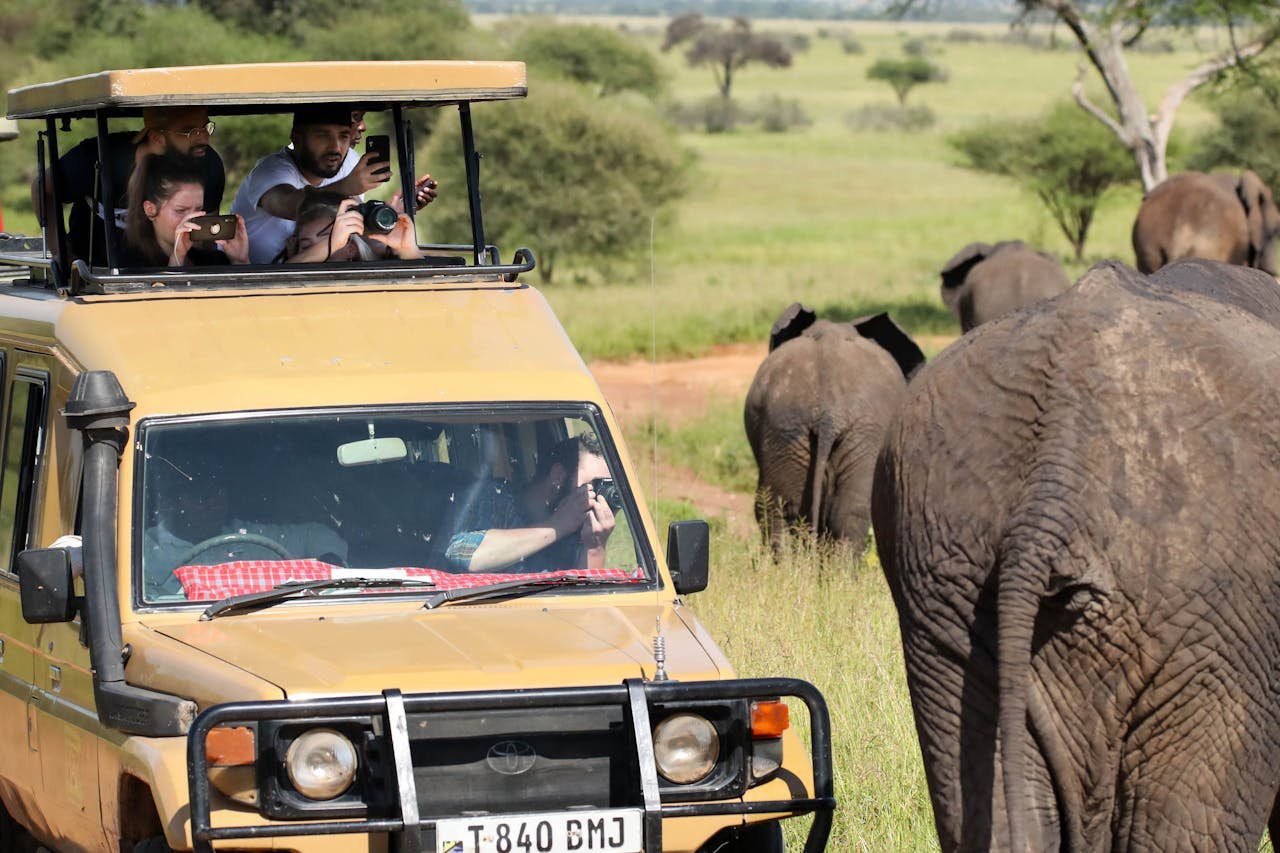
To choose a safari company in Tanzania, shortlist three or four operators that hold a current tourism business licence, appear on the member list of the Tanzania Association of Tour Operators, employ the guide and own the vehicle you will ride in, and send an itemised written quote with clear deposit and cancellation terms. Then compare like for like. Most reliable Tanzania safari companies are based in Arusha or Moshi, answer these questions before asking for money, and say so plainly when a route will not work.
What Separates a Good Tanzania Safari Company From the Rest
Tanzania has hundreds of safari companies, from family outfits running three Land Cruisers to large firms with their own camps. Plenty of them are excellent. Some are a website, a phone number and a borrowed logo. From the outside they look identical, which is why so many first time travellers feel stuck before they have even picked a park. That worry is reasonable, and it is also fixable with a few checks.
A good Tanzania safari company is boring in the right ways. It answers the question you asked, not the one it wanted. It tells you when a request will not work, such as squeezing the Serengeti, Ngorongoro and Tarangire into three days, and offers something that will. It is happy to put licences, inclusions and payment terms in writing.
There is no single best operator for everyone. A honeymoon couple chasing river crossings, a family with a six year old and a solo photographer on a tight budget need different companies, and the one that suits one of them may be a poor fit for the others. Decide your trip style first. Then judge companies against it.
Price is a poor guide on its own. The cheapest quote usually saves money somewhere you will feel it: an older vehicle, a lodge two hours from the park gate, a driver rather than a trained guide, or a shared seat when you asked for a private trip. The dearest quote is not automatically better either. What you want is a quote you can read line by line and match against the itinerary. Our guide to Tanzania safari packages explains how to compare quotes line by line.

Work through the sections below with every operator on your list and the weak ones tend to drop out on their own. If you want names to start from, the site keeps a separate list of the safari companies in Tanzania with the facts checked for each one, and you can run all of them through the same tests.
Types of Tanzania Safari Operators: Ground Operators, Camp Owners and Agencies
Before comparing names, work out what kind of business you are talking to. A Tanzania safari tour can be sold by four quite different kinds of company, and each carries its own strengths and its own questions.
Many overseas agencies selling Tanzania safari tours have no guides, vehicles or office in Tanzania. They pass your booking to a local ground operator in Arusha and add their margin. That is not a scam. A good agency offers home country consumer protection, one contact for complex trips and a buyer’s eye on the local partner. Still, you pay for it, and your guide and car come from the local company either way.
Booking direct with a Tanzanian company cuts out the middle layer and usually gives you more say over the guide and the route. If you are comparing quotes for a Tanzania safari from a locally run company, ask the same licensing and vehicle questions you would ask anyone, and ask whether they subcontract any part of the trip themselves. Some local firms pass overflow bookings to other operators in peak months.
With an overseas agency, ask for the name of the ground operator before you pay. Then run that company through the licence and TATO checks. A good agency will tell you. One that refuses has a reason.
Camp owners are a different case. Their guides and vehicles are their own, and the camp itself is the product, so ask how they link camps (road or air), what happens if a flight is cancelled, and whether they will book nights at camps they do not own when your route needs it.
Budget travellers comparing camping trips can read our Tanzania budget camping safari guide for what a lower price really buys.

Licence Checks for Tanzania Tour Operators: TALA, TATO and TANAPA
Every company selling a Tanzania safari tour on the ground needs a tourism business licence issued under the Tourism Act through the Ministry of Natural Resources and Tourism. Most people in the trade still call it the TALA licence, after the old Tourist Agents Licensing Authority, and it is renewed every year. Ask for the licence number and a copy. The licensing regulations also require it to be displayed on tour vehicles, so a quick look at the windscreen on day one tells you whether your car belongs to the company you paid.
TATO, the Tanzania Association of Tour Operators, was founded in 1983 and lists its members by category on its own website, with mainland operators, mountain trekking operators and Zanzibar operators shown separately. Membership is voluntary, so a small honest company may not have joined. What matters is the mismatch: a website showing the TATO badge for a company that is missing from the TATO list is a warning, because fake operators copy that badge more than any other.
Then there are the park authorities. Park fees for the Serengeti, Tarangire and the other national parks go to Tanzania National Parks (TANAPA), while the crater and its rim are run by the Ngorongoro Conservation Area Authority. Fees are paid electronically, and on most packages the operator pays them on your behalf before you arrive. Ask how and when that happens, and ask to see the payment receipts or permits with your names and dates on them before you travel. Travellers have reached a gate to find fees unpaid, and a company that pays openly will not mind the question.
That LATRA line is newer than most guides. Tanzania’s transport regulator has been verifying tour vehicles across the country, requiring tour companies to register their drivers and drivers to pass sector specific exams, with vehicles carrying permanent “Tour Services” markings on the side. An operator that shrugs at the question is telling you something.
Years trading is not a licence, though it tells you plenty. A company that has run northern circuit safaris for a decade has handled breakdowns, floods and cancelled flights before, and its review trail will show how. A new firm can be good, but ask who founded it and where its guides worked before.
For gorilla trips, the same logic applies over the border. Uganda and Rwanda have their own associations, and our pages on gorilla safari companies and Rwanda tour operators explain those checks.
Safari Guides and Vehicles: Questions for Every Tour Operator
Your guide makes the Tanzania safari. Full stop. The same park can feel empty with a driver who parks at the first lion and scrolls his phone, and alive with a guide who reads tracks, knows where a leopard has been lying all week and positions the car for the light. Several trip reports describe exactly the first kind of day, including a guide who spent long stretches on calls during a drive that had been booked around birds.
So ask direct questions. Does the company employ its guides full time or hire freelancers for the season? How many years has your guide worked in the northern parks? Where did the guide train? Which languages does the guide speak well? If you have a specialist interest such as birding, photography or walking, ask for that in writing and ask for the guide’s name. Reviews that praise a guide by name are worth more than a page of general compliments.

Vehicles come next. A proper safari game drive vehicle in Tanzania is a four wheel drive, usually a Toyota Land Cruiser, with a pop up roof for standing and viewing. Most seat six or seven passengers, and on a private trip you can ask for fewer. Ask the model and age of the car you will get, how many people will share it, and whether every traveller has a window seat. Ask about charging points, a fridge or cool box, binoculars and water on board. Photographers often pay for an extra empty seat; it is a fair request, and a good company will price it honestly.
Roads matter more than brochures admit. The stretch between the Ngorongoro gate and the Serengeti is dusty and badly corrugated, and travellers regularly mention noise, dust and fumes from tired vehicles. A newer car with working seals and suspension turns a hard drive into a tolerable one. A tired one makes it the part of the trip people complain about most.
One more question that sorts companies quickly: what happens if the vehicle breaks down in the Serengeti? A serious operator has a backup car and a mechanic it can send, and it can tell you roughly how long that takes from where you will be.

Testing a Tanzania Safari Company Before You Book: Replies, Quotes and Itineraries
The planning emails are a free trial of the service. Send every company on your shortlist the same short brief: dates, number of travellers, ages of any children, budget band, the parks you want, and one specific question, such as which camp they would use for the migration in your month and why. Then watch what comes back.
Good replies arrive within a day or two, answer your question directly and name lodges, the vehicle and ideally the guide. Weak replies paste a generic itinerary, dodge the question or push for a deposit before the plan is settled. If a company is slow and vague while it is trying to win your money, it rarely improves once it has it.
Ask at least three companies to quote the same Tanzania safari itinerary, with the same lodges or the same lodge standard, the same number of nights and the same vehicle arrangement. Only then are the numbers comparable. If one quote is far below the others, find the line where the difference sits before you get excited.
| Line in the quote | Ask this | Why |
|---|---|---|
| Park fees | Included, with VAT? | Largest cost |
| Crater fee | Per vehicle, paid? | Often left out |
| Lodges | Named, inside park? | Drive time |
| Vehicle | Private or shared? | Seat and pace |
| Meals and water | All meals listed? | Hidden extras |
| Flights | Bush flights in? | Bag limits |
| Transfers | Airport pickup in? | First night |
| Tips | Guideline given? | Budgeting |
| Exclusions | Listed in full? | No surprises |
Then read the itinerary for time, not just place names. How many hours are spent on the road between parks? Is the first night in the Serengeti spent inside the park or outside the gate? A lodge inside the park means an early start among the animals rather than ninety minutes of transfer. Ask whether game drives are full day with a packed lunch or broken up by a return to camp at noon.
Season changes the answer too. The wildebeest move through the Serengeti in a yearly loop, so the right camp in February is the wrong camp in August. Our migration guide and the page on the best time to visit Tanzania help you test whether a proposed route fits your dates. A common complaint after the trip is that it felt too short, so check whether the company pushed back on a rushed plan or just priced it.
Last, ask about the bad days. What happens if a bush flight is cancelled, a lodge overbooks or someone falls ill in the Serengeti? Which evacuation cover does the company carry, and who makes the call? A company that has thought about this answers in detail. For a sense of how itineraries are put together, compare a long route such as this 10 day Tanzania wildlife safari with the shorter quotes you receive.
Reviews and References for Tanzania Safari Tour Operators
Read reviews on more than one platform, and read the three star ones. Five star reviews tell you the good days went well. The middling reviews tell you how the company handles a broken vehicle, a missed transfer or a guide who did not suit. Look for detail: named guides, named lodges, a month of travel. A block of short, glowing reviews posted in the same fortnight is a pattern worth noticing.
Recent reviews count for more than old ones. A company that was excellent five years ago may have grown fast, lost its best guides or changed hands. Focus on the last year or two, and on whether the operator replies to complaints calmly and with specifics. Reviews that exist only on the company’s own website prove nothing.
Forums help too. Travellers on safari forums and in trip reports name the same few companies again and again, and they are frank about what went wrong. Treat a forum recommendation as a lead to check, not a verdict, since some posts come from people connected to the company they praise.
Ask for two or three recent references and actually email them. A company that cannot produce any, or produces only friends of the owner, has answered your question. Ask the references what went wrong, not just what went right, and whether they would book again.
Payment Protection When Booking a Safari in Tanzania
Payment is where most horror stories begin. Reported cases follow a familiar shape: a large deposit by wire transfer or a money service, then silence; a claim that the deposit “bounced” and must be paid again in cash; or an agent who takes the money and never passes it to the Tanzanian operator. Travellers have also arrived to find park fees or lodges unpaid.
Protect yourself. Pay by credit card where you can, since card schemes give you a way to dispute a charge. Never pay into a personal account. Get a receipt for every payment that names the company you checked, and make sure the account name matches the registered business. Keep every email and chat. And buy travel insurance that covers cancellation, medical evacuation and the activities you plan, including high altitude trekking if Kilimanjaro is on the list. Our guide to African safari insurance covers what to look for in a policy.
Read the cancellation terms before the deposit, not after. They should say what you lose at each stage, what happens if the company cancels, and whether a lodge’s own non refundable rules pass straight to you. Peak migration camps often have stricter terms than the operator’s standard ones, so ask which apply to each night.
Kilimanjaro Climbing Companies and the KPAP Porter Check
If your trip includes Kilimanjaro trekking, the operator question changes. On the mountain, your safety rests on guide training, oxygen and evacuation planning, and on a crew of porters whose treatment varies hugely from company to company.
The Kilimanjaro Porters Assistance Project (KPAP) is a project of the International Mountain Explorers Connection that works in Tanzania through the Kilimanjaro Responsible Trekking Organization. It runs a Partner for Responsible Travel programme. Partner companies agree to standards on porter wages, prompt payment, meals, tents and load weights, and KPAP monitors their climbs through porter interviews and reports from its own staff on the mountain. Joining costs nothing, so a company that is not a partner has chosen not to be.
Check the partner list on KPAP’s own site. Budget climbing companies sometimes claim partner status in their marketing when they hold none. Then ask the operator how tips reach the crew, what the porter load limit is and how many porters your group will have.
Ask too about summit night: pulse oximeter checks, bottled oxygen, a stretcher, and who decides to turn a climber around. For route lengths and the full list of park and crew charges, see our guide to the cost to hike Kilimanjaro.
Safety for Solo, Women and Family Travellers on a Tanzania Safari Tour
Safety questions are fair questions, and a good company answers them without making you feel awkward. Travelling alone, as a woman, or with small children changes what you should ask before you book a Tanzania safari tour.
Solo travellers should ask how the company handles a single person: whether you can join a shared vehicle to cut the cost, what single supplement the lodges charge, and who meets you at the airport at night. Women travelling alone or in pairs often ask whether female guides are available. A few Arusha companies employ them, though they remain a small share of guides, so ask early. Ask too about vetted transfer drivers, how the camps are staffed at night and how guests are escorted to tents after dark, which is standard in unfenced camps.
Families should ask about minimum ages for game drives and walks, child seats in vehicles, shorter driving days and lodges with family rooms. Tell the company about anything else that affects the trip: food allergies, heart conditions, limited mobility, motion sickness on long drives, the bed arrangement you need. A good operator adjusts the route or tells you honestly that an activity will not work.
Pack for both the cold crater rim at dawn and hot afternoons on the plains, because travellers are regularly caught out by the chill at Ngorongoro. Our page on safari clothes for women covers modest, practical layers that suit both game drives and towns.
Responsible Safari Companies in Tanzania: Communities, Crews and Greenwashing
Almost every safari company now calls itself green or community minded. Some mean it. The test is whether they can be specific. Ask what share of staff and guides are Tanzanian, whether the company pays guides and cooks a salary or only per trip, and which community or conservation projects it supports, with names and figures you can look up.
Third party schemes help where they exist. On the mountain, KPAP partner status covers porter welfare. For lodges and camps, look for independent certification or published conservation and community reports rather than a leaf logo on a website. Owner run Tanzanian companies often keep more of the money in the country, though plenty of foreign owned firms also employ and train locally, so ask rather than assume.
Watch the small signals too. Does the company keep vehicles off the grass in the crater, where off road driving is banned? Does it crowd sightings to please clients? A guide who backs away from a stressed cheetah is protecting the animal, and the next visitor’s sighting with it.
Red Flags That Should End the Conversation With a Safari Company
Some warning signs are subtle. These are not.
None of these are proof of fraud on their own. Two together should send you to the next name on the list. Telling a company that you are comparing quotes is fine, and a good operator will not punish you for it.
Combining a Tanzania Safari With Gorilla Trekking in Bwindi
Tanzania and Uganda sit side by side, and plenty of travellers pair a Serengeti safari and the Ngorongoro Crater with mountain gorillas in Bwindi Impenetrable National Park. The usual link is a flight from Kilimanjaro or Arusha to Entebbe or Kigali, then a road or light aircraft transfer to the forest. Our guide to combining a Tanzania safari and gorilla trekking sets out the routes and timing.
Here the operator question matters twice. Some Arusha companies sell gorilla extensions through partners in Uganda or Rwanda, and the same subcontracting checks apply. Gorilla permits are limited, so confirm that a Uganda gorilla permit has actually been secured before you pay the balance. For the trek itself, see our Bwindi gorilla trekking guide.

Tanzania Tour Operator Questions Travellers Ask
How do I choose a safari company in Tanzania?
Decide your trip style and budget, shortlist three or four companies that sell it, then check each one’s tourism licence, TATO listing, years trading and reviews on more than one platform. Send them all the same brief, compare the itemised quotes line by line and pay a deposit by card only once the terms are in writing.
Which safari tour company is the best in Tanzania?
No single company is best for every trip. The right one is licensed, listed with TATO, runs the style of safari you want and answers your questions clearly before taking money. Our list of the best safari companies in Tanzania gives names and the facts checked for each, and the steps on this page help you choose between them.
Which company is best to book an African safari with?
For a single country trip, a licensed local ground operator usually gives the most control over guide and route. For a complex trip across several countries, a good agency or planner can be worth its margin for the single contact and home country protection. In both cases, find out who runs the ground operation and check that company.
How do I check that a Tanzania safari company is licensed?
Ask for the company registration, its TIN and its current tourism business licence, often called the TALA licence, which is renewed every year through the Ministry of Natural Resources and Tourism. Then confirm TATO membership on the association’s own member list. On arrival, the licence should be displayed on your tour vehicle.
Is it safer to book with a local Tanzania tour operator or an overseas agency?
Both can be safe. An overseas agency adds consumer protection in your home country and a single contact, while a local operator gives you direct control over guide and route. Either way, find out who the ground operator is and check that company’s licence, vehicles and reviews.
What is the typical cost per person for a safari in Tanzania, and are park fees included?
The site’s Tanzania safari cost guide puts a camping safari at about US$220 to US$460 per person per day and a mid range lodge safari at about US$340 to US$515, park fees included, with luxury camp nights alone from about US$520 to over US$3,500. Park fees are set by TANAPA and the Ngorongoro Conservation Area Authority, charged per person per 24 hours, and carry VAT, so a good quote lists them as separate lines. A Uganda gorilla permit for a Bwindi extension costs US$800 for foreign non residents.
What deposit do Tanzania safari companies ask for, and how should I pay?
Most operators ask for a deposit of about 20 to 30 percent to confirm lodges, and some ask up to 40 percent, with the balance some weeks before travel. Terms vary, and peak migration camps can ask for more. Pay by credit card where possible, never into a personal account, and get the cancellation and refund terms in writing first.
What do travellers wish they knew before a Tanzania safari?
Trip reports return to the same points: road days between parks are long and dusty, the crater rim is cold at dawn, three days is too short for the northern circuit, a shared vehicle means sharing every stop, and the guide matters more than the lodge. Many also wish they had asked which camp they would use, and where it sits, before paying.
What should I ask a Kilimanjaro climbing company?
Ask whether it is a KPAP partner and check that on KPAP’s own list. Ask how porters are paid and tipped, the porter load limit, the guide to climber ratio, and what oxygen, pulse oximeters and evacuation plans it carries for summit night.
How far ahead should I book a Tanzania safari tour?
For the July to October migration river crossings and the best camps, many travellers book nine to twelve months ahead. For quieter months a few months is often enough. If gorilla trekking in Uganda is part of the trip, secure permits early, since daily numbers are capped.
Does this site recommend or book Tanzania safari companies?
No. bwindiforestnationalpark.com is an independent visitor guide. It does not sell safaris, book permits or rank companies for payment. It explains how to check operators and points you to lists of licensed companies to run through those checks yourself.