A 6 day Tanzania safari usually means five nights on the northern circuit from Arusha: an elephant afternoon in Tarangire, Lake Manyara or a slow second morning, two nights in the central Serengeti and a dawn descent into the Ngorongoro Crater before the drive home. It is built as a private road safari with one driver guide. Six days is enough for a first trip if you keep to four parks and accept one long day on gravel.
Everything below follows that order, night by night, and then looks at the versions operators sell when the standard loop does not fit your month, your flight times or the people travelling with you. The northern circuit is Tanzania’s busiest safari region, so small choices, like which side of the crater you sleep on, change how many vehicles you share a lion with. If you are still deciding between Tanzania’s regions, our Tanzania safari guide compares them.
The Six Day Tanzania Safari Route in Brief
Start near Arusha, finish near Arusha, and spend the middle of the trip as far out as the roads allow. That is the shape of this northern circuit safari. You never retrace a road on the same day, the Serengeti gets the two nights it needs, and the crater, which only takes a morning, sits at the end where it costs you nothing in transfer time.
Five nights, four different beds. That is the version most operators quote first. Cheaper quotes often replace the Tarangire night and the rim night with rooms in Karatu or Mto wa Mbu, which is fine until you count the extra hour of driving each morning. Get the overnight list in writing before you compare prices; it is the line that explains most of the difference between two quotes for the “same” trip.
Which Version of the 6 Day Safari Suits You
Read enough itineraries for this trip length and three other shapes keep appearing. None is wrong. Each trades a park, a night or a morning for something else.
The arrival night version. Several operators spend night one in an Arusha lodge after an evening landing at Kilimanjaro International Airport, then run the safari over the next five days. You lose a day of game viewing, and Manyara usually drops out, but you start the first drive rested rather than straight off a long haul flight. If your flight lands after midday, this is the honest choice. Arusha sits at the foot of Mount Meru, at about 4,560 metres the second highest peak in Tanzania, and a spare afternoon in town can include the Arusha Cultural Heritage Centre or a coffee farm on the mountain’s lower slopes.
The crater on the way in. Some trips descend into the crater on day three, eat lunch on the floor and carry on to the Serengeti that afternoon. It saves a night on the rim and lets you finish with a Serengeti morning. The cost is a very long day, and you reach the crater floor later than the first vehicles from the rim.
Three Serengeti nights. Drop Lake Manyara, drive straight from Tarangire to the Serengeti on day two, and keep three nights in the park before a rim night and the crater on the last morning. Seasonal operators move the camp to follow the herds: the south around Ndutu from about December to March, the centre in the transition months, the north from about July to October. Wildlife purists usually prefer this one.
Who is a six day trip for? First timers who want the classic parks without committing ten days. Couples adding a beach week on Zanzibar. Gorilla trekkers adding a savannah safari to Bwindi. It suits families too, provided the children cope with long days in a vehicle. It is less suited to serious photographers, who tend to want three or four nights in one area, and to anyone set on seeing the Mara River crossings by road.
Day 1: Tarangire Safari from Arusha
The first day of a Tarangire safari is short on driving and long on elephants. Tarmac runs west out of Arusha past Maasai grazing land and roadside markets, and the gate is about two hours away, so a game drive can start by late morning with lunch at one of the picnic sites above the river.
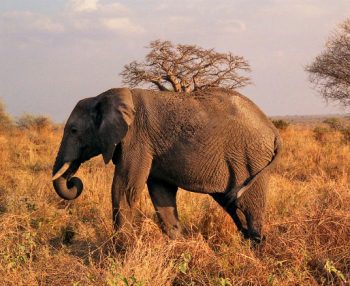
Tarangire National Park covers roughly 2,850 square kilometres of baobab ridges, acacia woodland and seasonal swamp, cut through by the Tarangire River. That river is the reason to come in the dry months. From about June to October it is the only reliable water for a long way, and elephant families walk in from the surrounding plains in groups that can number in the hundreds. Lion, buffalo, giraffe, zebra and wildebeest share the riverbanks. Some of the baobabs are thought to be many centuries old. In the rains, much of the game spreads out of the park and the elephant numbers fall.
Sleep inside the park or on its boundary if the budget stretches. It gives you the river at sunset and a dawn drive tomorrow without a commute, and camps outside the boundary can offer guided walks and night drives, which are not allowed inside the national park itself. Tsetse flies bite in the wooded sections. Pale khaki and sand colours help; dark blue and black attract them.
Day 2: Lake Manyara Game Drive, Mto wa Mbu and Karatu
An early game drive in Tarangire comes first, while the light is low and the cats are still moving. Then the road heads north for about an hour and a half to Lake Manyara National Park, a thin strip of land trapped between the Rift Valley wall and a shallow alkaline lake. Much of its area is water when the lake is high.
The market town at the gate, Mto wa Mbu, is worth an hour on foot if your guide suggests it. Banana plots, rice fields irrigated from the escarpment springs, a busy craft market and families from a long list of Tanzanian communities living side by side. Guides run cycling and walking tours here through village cooperatives.
A Lake Manyara safari begins in groundwater forest, under figs and mahogany, where baboon troops and blue monkeys are almost certain. Further in, the forest opens onto grassland and the lake shore. Flamingos gather when the water levels suit them, and more than 400 bird species have been recorded in the park. A canopy walkway of a few hundred metres runs through the treetops near the entrance for anyone who wants to stretch their legs. The park’s famous tree climbing lions share the habit with the Ishasha lions in Uganda, but they are hard to find now, and plenty of trip reports describe Manyara as the quietest drive of the week. Go for the forest and the birds. A lion on a branch is a bonus.
From the park the road climbs the escarpment to Karatu, a farming town on the edge of the Ngorongoro highlands, among coffee and wheat estates. Nights turn cool at this height. The lodges here are well placed for tomorrow’s early start. If four parks in six days sounds like too many, skip Manyara entirely, keep a second morning in Tarangire and arrive in Karatu in time for a farm walk and a quiet evening.
Day 3: Ngorongoro Highlands, Olduvai Gorge and the Serengeti Safari Road
Every 6 day Tanzania safari pays for its Serengeti nights on this day. From Karatu the road climbs through montane forest to the crater rim, where the first view into the caldera usually stops every vehicle, then descends past Maasai settlements and cattle onto the short grass plains. Plan on most of the day for the transfer, with game viewing through the second half.
Most guides break the drive at Olduvai Gorge, where Louis and Mary Leakey spent decades excavating early human fossils, including the Paranthropus boisei skull Mary Leakey found there, which is close to two million years old. The museum and the viewpoint over the gorge take about an hour. Some trips also stop at a Maasai boma on this stretch, for a separate fee paid to the village. Reports vary: some travellers valued the visit, others found it hurried and commercial. Ask your guide how it is run and who keeps the money before you say yes.
You enter the Serengeti through Naabi Hill Gate, where permits are checked, then follow the main track north to Seronera. The national park itself covers about 14,750 square kilometres, and the wider ecosystem twice that. The track is corrugated gravel, dusty in the dry months and slick after rain. People with bad backs feel it. A middle row seat rides more smoothly than the back, and a light scarf helps when a lorry passes in the other direction.
Days 4 and 5: Serengeti Game Drives, Balloon Safari and the Rim
Day four has no transfer at all, which makes it the core of the Serengeti safari. The central region around the Seronera Valley holds resident game through the year. Its river line of yellow fever trees and sausage trees, and the granite kopjes that rise from the grass, are among the best places in Africa to look for leopard, lion and cheetah, though no sighting is ever promised. Guides share news by radio. That raises your odds, and it also means a big cat rarely has only one vehicle beside it.

Ask for a full day with a packed lunch, and ask on the first evening. Plenty of guides return to camp at noon out of routine, and a recurring line in trip reports is that travellers only got their full day because they requested it. Dawn start, picnic under an acacia, slow drive home in the late light. That is the best use of the only whole day you have in the park.
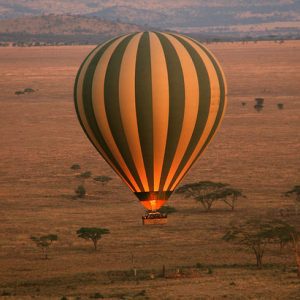
The hot air balloon safari is the add on most people consider. Pickup comes well before 5am, the flight lasts about an hour over the plains, and a bush breakfast follows the landing before your own guide collects you. It is not cheap, so weigh it against everything else on the trip, though few people who fly say they regret it.
Day five allows one more Serengeti morning. After that, three to four hours of driving bring you back past Naabi Hill and up to the rim. A rim lodge sits at well over 2,000 metres, so evenings are cold: pack a fleece and ask the lodge for a hot water bottle. The point of sleeping up here is simple. You are a few minutes from the descent road when it opens.
Day 6: Ngorongoro Crater Safari and the Road Home
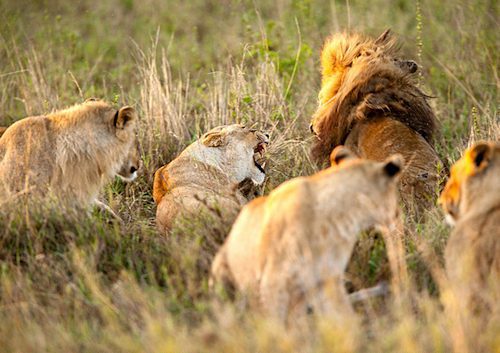
The final morning is a Ngorongoro Crater safari, and timing matters more here than anywhere else on the route. The descent road opens at 6am. Vehicles driving up from Karatu tend to arrive an hour or so later, and by mid morning a lion near the track can gather a dozen Land Cruisers.
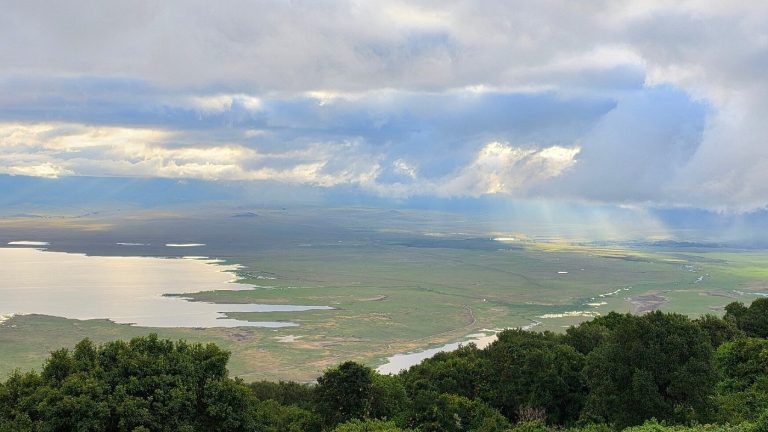
The crater floor lies roughly 600 metres below the rim and spans about 260 square kilometres of grassland, swamp, soda lake and a small fever tree forest. It is part of the Ngorongoro Conservation Area, a UNESCO World Heritage Site, and its resident population of large animals is commonly put at around 25,000. This is one of the more reliable places in East Africa to see black rhino, though they usually stand far out on the open grass, so bring binoculars. Lion, spotted hyena, buffalo, old elephant bulls, hippo and large herds of zebra and wildebeest are regular. Serval turn up in the long grass more often here than in most parks.

Time on the floor is capped at about six hours per vehicle. Go down at six, eat a picnic breakfast near the hippo pool, and climb out before noon. The rim to Arusha is roughly three and a half hours on tarmac, with another hour to Kilimanjaro International Airport, so an evening flight works. With an early flight the next day, book a night in Arusha rather than racing the clock.
Northern Circuit Drive Times Over Six Days
Distance tells you little on these roads. Hours in the seat are what matter, and over six days they add up. These are typical times with no long stops for wildlife.
| Leg | Time | Road |
|---|---|---|
| Arusha to Tarangire | About 2 hours | Tarmac |
| Tarangire to Manyara | About 1.5 hours | Tarmac |
| Manyara to Karatu | Under 1 hour | Tarmac |
| Karatu to Naabi Hill | About 3 hours | Gravel |
| Naabi to Seronera | 1 to 1.5 hours | Gravel |
| Seronera to crater rim | 3 to 4 hours | Gravel |
| Crater rim to Arusha | About 3.5 hours | Mixed |
The pinch point is day three. Karatu to Seronera, with Olduvai and some game on the way, eats most of the daylight, which is why good guides leave early. Operators who skip Manyara and drive Tarangire to the Serengeti in one go are looking at five to seven hours before any game drive. If someone in your group struggles with long days in a vehicle, the fly back version below removes the hardest return leg entirely.
Planning the 6 Day Trip Around the Migration
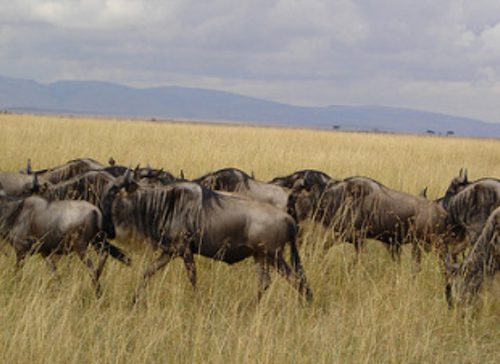
The standard route keeps you in the central Serengeti, which has wildlife every month. The great wildebeest migration is another matter. Roughly a million and a half wildebeest and some 200,000 zebra move in a loop through the year, and whether they are near Seronera on your two nights depends on the month you book.
| Months | Herds usually | Six day fit |
|---|---|---|
| Dec to Mar | Ndutu, south | Easy, near crater |
| Apr to May | Moving north | Good, central |
| Jun | Western Corridor | Possible, long |
| Jul to Oct | Mara River, north | Fly out only |
| Nov | Heading south | Good, east |
December to March is generous to short trips. The herds calve on the short grass around Ndutu, where the Serengeti meets the Ngorongoro Conservation Area, so two nights at Ndutu can replace Seronera and cut the drives on days three and five. Calving peaks around February, and the predators stay close.
April and May are the long rains. Lodge rates drop, some camps close, tracks turn to mud and afternoon storms are normal. The herds cross the centre on their way north, so a Seronera based plan often meets them.
In June the columns gather in the Western Corridor ahead of the Grumeti River. Dry, quieter than the north, but reaching it lengthens day three, so a corridor camp suits a seven or eight day trip better.
July to October is river crossing season on the Mara, four to five hours north of Seronera by road. A six day road safari cannot get there and back without losing a day. If crossings are the reason you are going, fly out of the north on day six, or look at the 10 day Tanzania safari, which gives the north three nights. Our best time to visit Tanzania page covers the weather month by month.
November brings the short rains and the herds drifting south again through the eastern plains. It is one of the better value months for this trip, with the green season deals starting and the crowds thin.
Other Ways to Build a 6 Day Tanzania Safari
Fly back from the Serengeti. Turn the loop around. Tarangire first, then Karatu or the rim with a crater morning, then three Serengeti nights and a scheduled light aircraft hop from Seronera or a northern airstrip to Arusha on day six. The hardest drive disappears, and in crossing season you can sleep in the north. The catch is the bag. Scheduled bush flights work to a standard allowance of about 15 kilograms per person in a soft bag, weighed at the strip, so pack to the limit. Our African safari packing list is written around it.
Two nights in Tarangire, no Manyara. Best from July to October, when the Tarangire elephants peak and Manyara’s game thins. One less bed change, an unhurried park, and walking or night drives from a boundary camp.
Camping or budget lodges. The same parks with public campsites or simple tented camps outside the gates, often in a shared vehicle on a group departure. It is the cheapest way to spend six days on the circuit. Public campsites have basic toilets and cold showers, and the Serengeti sites are unfenced, so hyenas walking between the tents after dark are part of the deal.
A cultural morning at Lake Eyasi, or a start in Arusha National Park. Lake Eyasi lies about two hours south of Karatu and is home to Hadzabe hunter gatherers and Datoga pastoralists; a dawn walk with a Hadzabe group can replace the Manyara afternoon. Arusha National Park, half an hour from town, suits travellers landing at lunchtime: colobus monkeys, giraffe, small crater lakes and a walk with an armed ranger before the main safari begins. Either one pushes another stop out of six days. If you want Eyasi and Lake Natron alongside the big parks, the 7 day Tanzania adventure safari is built around them.
The southern or western circuits. Six days also works in the south, with Nyerere and Ruaha reached by light aircraft from Dar es Salaam, or in the far west at Mahale and Katavi, where chimpanzee tracking and charter flights take over. These are quieter and pricier per day, and the logistics are different. Our Nyerere safari guide and the 12 day Tanzania safari cover the south.
What a 6 Day Tanzania Safari Package Covers
A typical Tanzania safari package for six days includes a private four wheel drive vehicle with a pop up roof, an English speaking driver guide throughout, park, conservation area and crater fees, five nights of accommodation with all meals, drinking water in the vehicle, and transfers from the airport or your Arusha hotel. Some operators guarantee every guest a window seat. A few also include short term evacuation cover with the AMREF Flying Doctors, which is worth asking about even if you hold full travel insurance.
Almost always excluded: international flights, visas, travel insurance, tips, lodge drinks, laundry, the balloon flight, Olduvai and Maasai boma fees on some quotes, and any hotel night in Arusha before or after the safari. Those first and last nights cause most of the confusion when travellers line quotes up side by side, so read them line by line. Group size moves the per person price sharply on a private trip, because the vehicle and guide cost the same whether two or six people sit in it.
Accommodation comes in three broad tiers. Budget trips use campsites or simple tented camps outside the gates and in Karatu. Mid range trips use permanent tented camps and lodges, some inside the parks. Luxury trips use small camps in private corners of the Serengeti and lodges on the crater rim that look straight down onto the floor. By most accounts the biggest single jump in comfort, and in game viewing time, comes from sleeping on the rim and inside the Serengeti rather than outside them.
Book with an operator holding a Tanzania tour operator licence and, ideally, membership of the Tanzania Association of Tour Operators. Ask for the itinerary, the overnight list and the inclusions in writing, and collect at least three quotes for the same route. Our guides to picking a Tanzania safari company and the best safari companies in Tanzania explain what to check, and the Tanzania safari cost guide breaks the money down. For binoculars that can pick out a rhino a kilometre away on the crater floor, see our safari camera and binocular guide.

Adding Zanzibar or Bwindi Gorilla Trekking to the Trip
Six days on the mainland pairs naturally with a beach or with gorillas. Zanzibar is a little over an hour by air from Arusha or Kilimanjaro, or from a Serengeti airstrip on the fly back version. Give it at least three nights, one in Stone Town and two on the north or east coast, and avoid April and May, when the rains close some beach hotels. The 15 day safari and Zanzibar holiday shows a longer version.
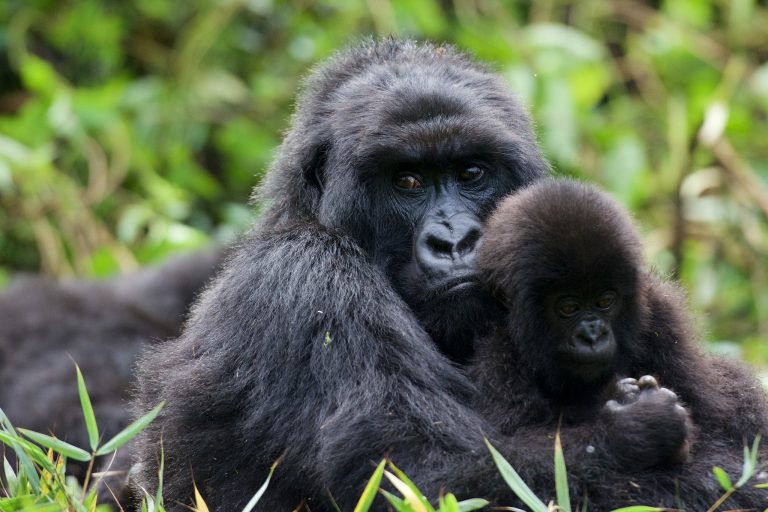
Tanzania has no gorillas. To add a gorilla trekking safari, fly from Kilimanjaro to Entebbe or Kigali on a day with a direct service, then carry on to Bwindi in Uganda or Volcanoes National Park in Rwanda. Three extra days covers the transfer, the trek and the way out. Book the gorilla permit before you book the Tanzania lodges, because permits sell out first in the dry months. Our pages on combining a Tanzania safari with gorilla trekking and gorilla trekking in Bwindi cover the routes and the fitness needed.
For shorter or longer versions of the circuit, compare the 4 day, 5 day and 8 day Tanzania safari outlines, or the 9 day trip if the migration sits far north in your month.
6 Day Tanzania Safari Questions
How much does a 6 day Tanzania safari cost?
Our Tanzania safari cost research puts published operator prices, park fees included, at about US$220 to US$460 per person per day on camping and group trips and about US$340 to US$515 on a private mid range lodge safari, with luxury days rarely below about US$900. Across six days that is roughly US$1,300 to US$2,750 on a budget, US$2,050 to US$3,100 mid range and from about US$5,400 in luxury camps, two people sharing. Couples on a private lodge safari often see quotes nearer US$3,700 to US$4,150 each, and solo travellers pay far more because the vehicle is not shared. Green season rates from late March to May are lower at many lodges. These are market ranges, not official rates.
Which park and crater fees are inside the price?
The Tanzania National Parks tariff is set in shillings: Serengeti entry is TZS 178,850 per adult per 24 hours, about US$70, and Tarangire and Lake Manyara TZS 127,750, about US$50, with VAT often added on top. With VAT, Serengeti entry comes to US$82.60 in the high season and US$70.80 from mid March to mid May. The Ngorongoro Conservation Area charges US$70.80 per adult per 24 hours, which a road safari also pays when crossing to and from the Serengeti, plus a crater service fee of US$295 per vehicle per descent, shared by everyone in it, and US$59 per adult per night at lodges inside the area. Fees change, so confirm the current figures with your operator.
What do the balloon, flights, visa, insurance and tips add?
Serengeti Balloon Safaris publishes US$599 per person for a shared flight with breakfast. Coastal Aviation lists Seronera to Arusha at US$259 plus taxes, so the fly back version adds about US$277 per person. The tourist visa is US$50 for most nationalities and US$100 for US citizens, and the mandatory inbound travel insurance is US$44 per person, one policy covering both mainland Tanzania and Zanzibar. A common tipping guide is about US$15 to US$20 per person per day in total. Adding gorillas means a Uganda permit at US$800, or US$600 in April, May and November, or US$1,500 in Rwanda.
Is 6 days enough for a Tanzania safari?
For a first trip, yes, if the route stays sensible. Six days gives you Tarangire, two Serengeti nights and a crater morning. It feels rushed once you add a fifth stop, so drop Manyara rather than squeezing in Lake Natron or Arusha National Park as well. Travellers who want the Mara River crossings or a slower pace usually wish they had booked eight to ten days.
Which month is best for a six day northern safari?
June to October is dry, with thin bush and easy game viewing. February suits a short trip particularly well, because calving at Ndutu sits close to the crater. June and early November are quieter. April and May are the wettest and cheapest months, and some camps close.
How many hours a day will I spend in the vehicle?
Most days run from about 7am to 5pm with a lunch stop, and game drives are vehicle time too. Day three, Karatu to Seronera, is the longest at seven or eight hours with stops. Other days mix two to four hours of transfer with game viewing. The pop up roof lets you stand and stretch.
Private or shared group safari for six days?
A private trip lets you set the pace, stay longer at a sighting and leave at dawn. Shared group departures cost less but follow a fixed timetable, and the window seat is not always yours. On a short trip the control over timing is usually worth paying for if the budget allows.
Is a six day safari suitable for children and older travellers?
Game drives need almost no fitness, but the gravel days are tiring. Families often drop Manyara and pick a lodge with a pool for a midday break. Older travellers may prefer the fly back version to skip the return drive. Some camps set minimum ages, so check before booking.
What documents, vaccinations and safety checks do I need?
A passport valid for at least six months, a Tanzania visa, which most travellers buy online before arrival, and the inbound insurance policy. A yellow fever certificate is asked of travellers arriving from or transiting through countries with yellow fever risk, and malaria tablets are advised for the whole circuit, so see a travel clinic a few weeks out. At the latest check the US State Department rates Tanzania Level 2, Exercise Increased Caution; read your own government’s advice before you go.
What should I pack for six days on the northern circuit?
Neutral clothing for the tsetse areas, a warm fleece for the rim and the dawn drives, a scarf for dust, a sun hat, binoculars and a soft bag if you might fly. Most lodges offer laundry. Our African safari packing list goes through it item by item.