An 8 day Tanzania safari covers the northern circuit at a comfortable pace: Tarangire, three nights in the Serengeti, the Ngorongoro Crater and a last morning at Lake Manyara, starting and finishing in Arusha. Most travellers book it as a private road safari with a driver guide, or trade some driving for a flight into the Serengeti. Eight days also leaves room to reshape the trip around the migration, a Zanzibar beach finish or gorilla trekking in Uganda.
Ask a dozen Arusha operators what length works best for a first safari and many will land on eight days. Shorter trips spend a large share of their hours in the vehicle between parks. Longer ones start to repeat themselves unless you add a new region. Eight days sits in the middle, and it is long enough that the Serengeti stops being an afternoon squeezed between two long drives. The plans below start with the classic route, then cover the versions people actually book.
The Classic 8 Day Tanzania Safari Itinerary, Day by Day
This is the 8 day Tanzania safari most licensed operators quote when someone asks for the northern circuit without rushing it. The route heads west from Arusha and loops back east, so the long highland road is driven once each way and the middle of the trip belongs to the Serengeti.

The route also runs in reverse, crater first and Serengeti last, which suits anyone flying out from a Serengeti airstrip on the final day. For the wider picture of parks, seasons and operators, the Tanzania safari guide is the place to start.
Pacing an 8 Day Safari Trip: Dividing the Nights and the Route to Avoid
The commonest mistake on a northern circuit safari is too many parks in too few nights. Each move between parks costs half a day. The Ngorongoro highlands road between Karatu and the Naabi Hill gate is rough, dusty and corrugated, and trip reports from people who drove it twice in one week say the same thing: they were worn out by day six and wished they had flown one leg.
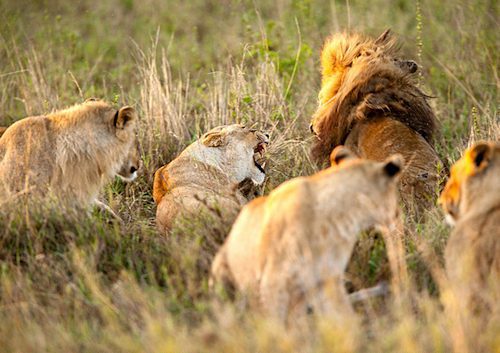
Two or three nights in one base is the cure. You arrive late on day three and then have two full days without packing a bag. That is when the long sightings happen, a cheetah waiting an hour before it hunts or a pride lying up on a kopje through the heat.
The route to avoid is the one that crams Tarangire, Manyara, Natron, the Serengeti, the crater, Eyasi and Arusha National Park into eight days with a new bed every night. It reads well in a brochure. On the ground it means packing at dawn six times and seeing the Serengeti through a dusty windscreen. If a quote looks like that, ask the operator to cut a park and give you a second night somewhere.
Lake Manyara sits on day eight on purpose. It is small, it lies right beside the road back to Arusha, and it turns the final day into a relaxed drive instead of a long transfer. Drop it if your flight leaves early. If you can add days, the 10 day Tanzania wildlife safari gives each park more nights, while the 4 day Tanzania safari shows what falls away when time is short.
A word on the roads. Tarmac runs from Arusha to the Ngorongoro gate and stops there. Beyond it everything is gravel and dirt, with dust on everything in the dry months and mud in parts of the southern Serengeti after heavy rain. Vehicles occasionally get stuck and wait for another guide to tow them out. Nobody is in danger, though it can cost an hour.
Fly In and Drive and Fly Versions of the 8 Day Safari
A fly in safari swaps the long road days for light aircraft. Scheduled flights from Arusha’s small airport to Seronera take about an hour to an hour and a quarter, against seven or eight hours by road, and airstrips are scattered across the Serengeti, including Kogatende in the north and Ndutu in the south.
Most people settle on a drive and fly plan. You drive the short legs to Tarangire, the crater and Manyara, where the road is good, then fly into or out of the Serengeti so the rough highland road happens once. A common shape:
On a full fly in trip each camp supplies its own vehicle and guide, so you meet someone new in every area. Some travellers like the local knowledge. Others miss having a single guide who learns what they want to see by day three. Light aircraft take soft bags only, and most cap you at about 15 kg including hand luggage, camera bag included.
Great Migration Safari: Matching the 8 Days to the Herds
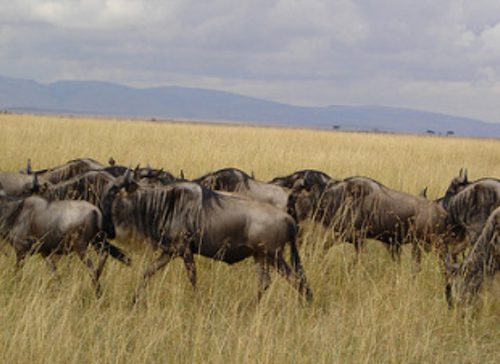
The great wildebeest migration circles the Serengeti ecosystem through the year, so a well planned 8 day migration safari moves its Serengeti nights to follow it. The table shows where the herds usually are and where to base your three nights. They follow the rain rather than the calendar, so treat it as a guide.
| Months | Herds usually | Base for 3 nights |
|---|---|---|
| Dec to Mar | Southern plains | Ndutu |
| Apr to May | South to central | Seronera |
| Jun | Western Corridor | Grumeti area |
| Jul to Oct | Mara River | Kogatende |
| Nov | Moving south | Lobo or Seronera |
Calving season, late January to early March. The herds gather on the short grass plains around Lake Ndutu, on the boundary of the Serengeti and the Ngorongoro Conservation Area. Thousands of calves are born each day near the February peak, and lions, cheetahs and hyenas stay close. On an 8 day trip, base all three nights at Ndutu. It is only a couple of hours from the crater, so the driving day shrinks and you gain game drive time. February is also the busiest month there, which means booking early.
Long rains, April and May. The herds drift north and west, roads in the south turn to mud and some seasonal camps close. Seronera is the safe base. Parks are quiet and lodge rates drop, while the crater and Tarangire still work well.
Western Corridor, June. Long columns push through the Grumeti region, where crocodiles wait in the river pools. It is a long way from Seronera, so give the west at least two nights.
River crossings, July to October. The herds reach the far north and cross the Mara River into Kenya and back. Reaching Kogatende from Seronera takes most of a day, so this version usually drives in through Tarangire and the crater, then flies from a northern airstrip back to Arusha. Crossings are never guaranteed. Herds can mass on the bank for hours and turn away, so give the north three nights and spend long mornings by the river. Many people pair this with the Masai Mara on the Kenyan side.
Short rains, November and December. The herds come south again through the eastern Serengeti around Lobo. Grass turns green, showers are short and the central lodges are easy to reach.

Month by month weather for the whole country is in the guide to the best time to visit Tanzania, and the Serengeti safari guide describes each region of the park.
Lake Natron and Ol Doinyo Lengai: The Off Road 8 Day Safari Variant
Some itineraries swap the drive back over the crater highlands for a loop through Lake Natron, and it is the most adventurous way to spend eight days in the north. Natron is a soda lake in the Rift Valley close to the Kenyan border, the main breeding ground for lesser flamingos, and it sits below Ol Doinyo Lengai, an active volcano the Maasai call the mountain of God.
Natron is hot, dusty and remote, and the road from the Serengeti is the hardest of the whole circuit. The reward is space: few vehicles, Maasai herders, the volcano’s grey cone above the lake and walking rather than driving. Fit walkers can attempt a night climb of Ol Doinyo Lengai, which usually starts around midnight to avoid the heat and is steep, loose and tiring on the way down. It depends on volcanic activity, so ask your operator whether summit climbs are running before you plan around one. Flamingo numbers swing with the water level, so they are not a sure thing either.
Southern Circuit Safari Alternative: 8 Days in Nyerere and Ruaha
Not every 8 day safari in Tanzania goes north. A southern circuit safari spends the week in Nyerere National Park, the former Selous, and Ruaha, one of the country’s largest parks, with far fewer vehicles than the Serengeti sees.
The south works best from June to October, when game gathers at the rivers. Most visitors fly between the parks rather than drive, since the roads are long and slow, and a cheaper version swaps one park for Mikumi, a few hours by road from Dar es Salaam. The trade off is clear: no crater, no migration, but more activities in a day and a wilder feel. First timers usually still choose the north, and some combine the two over twelve days or more.
The 8 Day Safari and Zanzibar Beach Trip
A bush and beach trip gives three safari days to the Indian Ocean. Five days in the parks is enough for Tarangire, two Serengeti nights and the crater if you fly out rather than drive back, so the usual order runs the crater first:
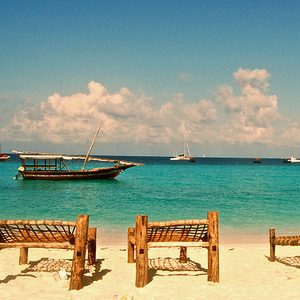
That leaves two nights on the island. If the beach matters more than a third Serengeti day, keep the safari to four days and stay four nights on Zanzibar. Snorkelling at Mnemba, dhow trips and kite or windsurfing are the usual activities. The north coast at Nungwi and Kendwa has a smaller tidal range than the east coast, which matters if you want to swim at any hour.
There is a fair case against Zanzibar inside an 8 day trip at all: two island nights mean two extra flights and a lot of packing. If the safari is the priority, keep all eight days on the mainland and add the beach as a separate stay. For a longer split, see the 15 day Tanzania safari and Zanzibar holiday.
Gorilla Trekking in Bwindi on an 8 Day Tanzania Trip
Tanzania has no mountain gorillas, yet Uganda and Rwanda are a short regional flight away, and a Tanzania safari and gorilla trekking combination is one of the best uses of eight days in East Africa. The price is time. You give up Serengeti depth for one hour with a gorilla family in the forest.
Secure the gorilla permit before anything else, since popular dates sell out months ahead and the rest of the trip hangs on the trekking day. The Bwindi gorilla trekking guide explains how the day runs, the Uganda gorilla permit page covers the booking rules, and gorilla trekking in Rwanda is the quicker option if you fly into Kigali. Trekkers must be at least 15 years old. With ten or eleven days, add the gorilla habituation experience or a second trek.
Cultural Tours, Walking and Balloon Safaris Along the Route
Plenty of itineraries trade a park day for a cultural tour, a fair swap if you have seen plenty of game by day six.
Lake Eyasi. Two hours south west of Karatu, this shallow soda lake is home to the Hadzabe, among the last hunter gatherers in East Africa, and the Datoga, who forge arrowheads and jewellery from scrap metal. Visits start before dawn so you can walk with a hunting party. Some visitors find it moving and others find it staged. Much depends on whether the operator pays the community fairly, so ask.
Maasai village visits. Bomas along the crater highlands road and at Oldonyo Sambu near Arusha welcome visitors with dancing, a look inside a house and beadwork for sale.
Arusha National Park. With a morning landing on day one, a half day here brings giraffe, buffalo, colobus monkeys in the forest, the Momela lakes with flamingos and Ngurdoto crater, all below Mount Meru. Canoeing on the Momela lakes and walks with an armed ranger are possible too, and some luxury itineraries spend the whole first day here.
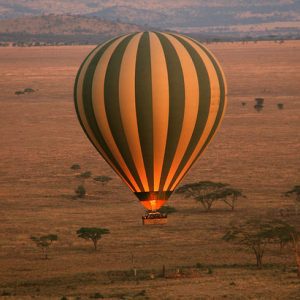
Walking and balloon safaris. Guided walks run in parts of Lake Manyara, Tarangire and the Ngorongoro highlands, including a rim walk with a ranger. The Serengeti balloon safari lifts off at dawn from Seronera, the south and the west, and lands for a bush breakfast. Bush dinners and sundowners are add ons many camps offer on request.
Wildlife on an 8 Day Tanzania Safari Tour, Park by Park
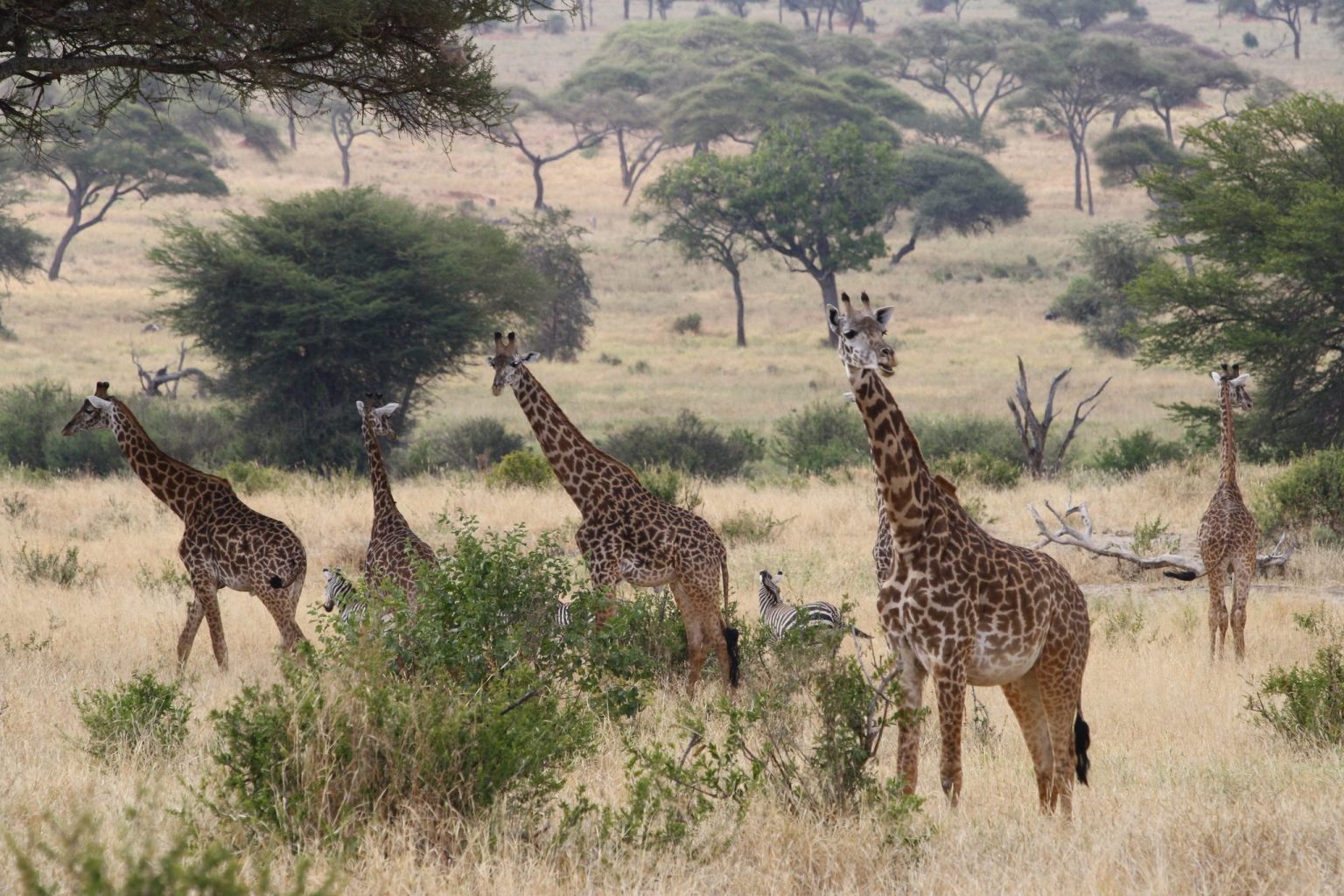
Each park on the route earns its place for a different reason, which is why an 8 day safari tour feels varied rather than repetitive.
Lion, elephant and buffalo are close to certain over eight days. Leopard and rhino take more luck. Sightings are never guaranteed, and the best guides say so before you set off.
Lodges, Tented Camps and Campsites for an 8 Day Safari Tour
Where you sleep changes the trip more than any other choice, because it decides how far you drive each morning to reach the animals. The same 8 day route runs at three levels.
Mobile migration camps move two or three times a year, so check where yours will be pitched in your month. The Ngorongoro Crater safari guide compares sleeping on the rim with Karatu, and safari lodges near Bwindi covers the gorilla side of a combined trip. Top end camps are set out in our Tanzania luxury safari cost guide.

Private, Group or Self Drive: Ways to Run an 8 Day Safari Trip
A private safari gives you your own vehicle and guide, so you decide when to leave a sighting and when to stop for lunch. It is the usual choice for couples, families and photographers. Shared group departures fill a vehicle with up to six or seven strangers on fixed dates; ask how many seats each vehicle holds and whether everyone gets a window.
A few companies offer the route as a self drive safari in a rented 4×4 with roof tent. It suits experienced African drivers. Without a guide you lose the local knowledge that finds leopards and reads the migration, and park rules for self drivers vary, so confirm the crater descent rules and road conditions with the hire company before you commit.
Starting points vary too. Most trips begin at Kilimanjaro airport or an Arusha hotel, while climbers often start from Moshi after coming off the mountain. Some operators start from Nairobi: the road via the Namanga border takes about five to seven hours to Arusha or Moshi depending on queues, so plan that as day one with nothing else in it. You can also link the northern parks with the Masai Mara on a two country trip.
What an 8 Day Tanzania Safari Package Includes and How to Compare Quotes
Most 8 day safari packages are quoted per person with two sharing, and the inclusions are similar across licensed operators. Read them anyway. What is missing matters more than what is listed.
Five things move a quote, roughly in this order: the lodge tier and whether it sits inside a park, the season, a private vehicle against a group, any light aircraft legs, and the fixed park fees, which are the same for campers and luxury guests. A private vehicle costs the same for two people or six, so families and friends travelling together save the most per head. Compare at least three quotes for the same route and the same lodges, or the comparison tells you nothing. The FAQ below carries the figures.
Planning the Trip: Arrival, Visas, Health, Safety and Packing
Fly into Kilimanjaro International Airport, which has direct and one stop links from Europe, the Gulf and Nairobi; Arusha’s own airport handles domestic and safari flights. If you land late, add a night in Arusha rather than starting day one tired. On the final day the drive back can run late after a slow sighting, so book an evening departure, not an afternoon one.
Most visitors need a Tanzanian visa, which can be applied for online before travel; the East Africa tourist visa guide explains the options. Mainland Tanzania and Zanzibar now require a government inbound travel insurance policy on top of your own cover, and one policy covers both. The northern parks and Zanzibar are malaria areas, so ask a travel clinic about tablets. A yellow fever certificate may be asked for if you arrive from a country with yellow fever risk, including Kenya and Uganda, which matters if you trek gorillas first.
The parks themselves see very little crime. Usual city care applies in Arusha, Dar es Salaam and Stone Town: valuables out of sight, licensed taxis after dark and the hotel safe for passports. Advisory levels change, so read the current US, UK and Canadian advice before you travel; the guide to safe countries to visit in Africa has the wider picture.
Pack for two climates. Days on the plains are warm, but the crater rim and dawn drives under an open roof are cold, so bring a fleece and a light windproof jacket. Khaki and olive hide dust; skip dark blue and black in tsetse areas such as Tarangire. A pair of binoculars each makes more difference than a long lens. The African safari packing list, the guide on what to wear on safari and the advice on cameras and binoculars cover the details, and the gorilla trekking packing list applies if you add Bwindi.
Book through a licensed Arusha operator or an agent you trust, and ask how many passengers ride in each vehicle. Our list of best safari companies in Tanzania is a sensible place to start comparing.

8 Day Tanzania Safari FAQ
How much does an 8 day Tanzania safari cost?
Published operator prices for the northern circuit fall into bands per person per day, two sharing, park fees included: about US$220 to US$460 on a budget camping or group safari, US$340 to US$515 for a mid range private lodge safari, and from about US$900 at luxury camps. Over seven nights that comes to roughly US$1,550 to US$3,200 per person on a budget, US$2,400 to US$3,600 mid range and US$6,300 upward for luxury, before international flights, visas and tips. Green season rates in April and May are often 20 to 30 percent lower. These are market ranges, not official rates, so ask for an itemised quote; the Tanzania safari cost guide has the full breakdown and worked totals.
What park fees are built into an 8 day safari quote?
Tanzania National Parks lists its fees in shillings. Non resident adult entry is TZS 178,850 per 24 hours in the Serengeti and TZS 127,750 in Tarangire and Lake Manyara, figures that match the long quoted US$70 and US$50 before 18 percent VAT. With VAT, Serengeti entry comes to US$82.60 in the high season and US$70.80 from mid March to mid May. Sleeping inside a park adds a concession fee per person per night. The Ngorongoro Conservation Area charges US$70.80 per adult per 24 hours, plus a crater service fee of US$295 per vehicle for each descent, shared by everyone in the vehicle, and US$59 per adult per night for rim lodges. The road to the Serengeti crosses the conservation area, so you pay its entry on the way in and out. Tariffs change, so confirm current figures with your operator or see the Tanzania safari cost page.
What do the optional extras, visa and insurance add?
Shared Serengeti balloon flights are published at around US$599 to US$700 per person including breakfast. Light aircraft legs between Arusha and the Serengeti commonly cost around US$300 to US$500 per person one way. Tanzania’s ordinary tourist visa is US$50 for most nationalities and US$100 for US citizens. The mandatory inbound travel insurance for mainland Tanzania and Zanzibar is US$44 per adult for up to 92 days, and one policy covers both. If you add gorilla trekking, a Uganda permit is US$800 for foreign non residents and US$700 for foreign residents, with a US$600 rate announced for April, May and November; Rwanda’s permit is US$1,500. Tipping guidance is roughly US$15 to US$20 per person per day in total, shared between your driver guide and the camp staff box.
Is 8 days enough for a Tanzania safari?
Yes, for the northern circuit. Eight days covers Tarangire, three Serengeti nights, the crater and Lake Manyara at a comfortable pace. It is not enough to add the southern parks such as Ruaha or Nyerere on top, and it is tight with a beach stay, which is why many people drop to five safari days when adding Zanzibar.
What is the best month for an 8 day Tanzania safari?
June to October is the dry season, with thin bush, animals near water and Mara River crossings from July. Late January to early March is calving season at Ndutu, with the busiest predator activity of the year. April and May bring heavy rain, but quiet parks and lower rates. No month is bad for the crater or the central Serengeti.
Should I drive or fly between the parks?
Drive if budget matters more than time, and you will see rural Tanzania, Maasai herders and the highlands on the way. Fly if long rough roads bother you or you want the far north of the Serengeti. Most people find the middle option works: drive the short legs and fly into or out of the Serengeti once.
Is it safe to go on a safari in Tanzania?
Most visitors travel without trouble, and the parks see very little crime. At the latest check the US State Department rated Tanzania at Level 2, Exercise Increased Caution, mostly over crime in towns, after a spell at Level 3 linked to election protests. Check the current advisory before you book and again before you fly, keep valuables out of sight in Arusha and Dar es Salaam, and use the transfers your operator arranges.
Which vaccinations or health checks do I need?
Talk to a travel clinic six to eight weeks before you go. The northern parks and Zanzibar are malaria areas, so tablets and repellent at dusk are standard advice. A yellow fever certificate may be checked if you arrive from a country with yellow fever risk, including Kenya and Uganda.
What are meals like on an 8 day safari?
Lodges and camps serve breakfast and dinner, and lunch is often a packed picnic eaten in the park so you do not lose drive time. Food is plentiful and familiar, and most kitchens handle vegetarian or allergy needs if told in advance. On a camping safari a cook travels with you and prepares hot meals at the campsite.
Is an 8 day safari suitable for children, older travellers or honeymooners?
Yes, with a private vehicle so you control the pace. Game drives need no fitness, but the Serengeti transfer day is long and bumpy, so a flight helps anyone with back trouble. Some camps set minimum ages of six to twelve for game drives and walks, and balloon flights have a minimum age too. See the family safari in Africa guide, or honeymoon in Africa for couples.
Will I see the Big Five on an 8 day safari?
Lion, elephant and buffalo are close to certain. Leopards turn up most often along the Seronera River and in Tarangire, and the crater is the most reliable place in northern Tanzania for black rhino, though rhinos can stay far out on the grass. Nothing is guaranteed, but eight days gives you a strong chance at all five.
How far ahead should I book an 8 day safari?
Six to nine months ahead for July to October, the Christmas holidays and February calving, when the best placed camps fill first. Outside those windows a few weeks is often enough. If gorilla trekking is part of the plan, book the permit first and build the safari around it.
Can I combine an 8 day Tanzania safari with Kilimanjaro?
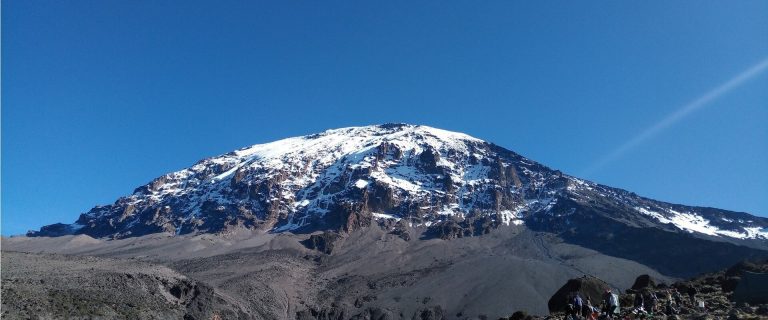
Not inside eight days, since the shortest sensible climb takes six or seven days on the mountain. Climbers usually summit first and add a three to five day safari afterwards. See Mount Kilimanjaro trekking.