A 7 day Tanzania safari can run as a loop with no backtracking: two nights at Lake Natron, the back road into the northern Serengeti, a night on the Ngorongoro Crater rim and a last night at Lake Eyasi with the Hadzabe. Most travellers book this route privately with a driver guide, or swap Natron for Tarangire on the classic version. All of it lies in northern Tanzania, west of Arusha.
This page sets out the adventure version first, because it is the seven day shape that does the most with the week: a volcano, a soda lake, the Serengeti from an entrance most visitors never use, the crater, and a morning with one of the last hunter gatherer communities in Africa. It is rougher and hotter than the standard circuit. If you would rather stick to the big four parks, the classic seven day plan, set out day by day, and a fly in version follow further down. If you are still choosing between parks, our Tanzania safari guide compares them all.
The 7 Day Tanzania Adventure Safari Route in Brief
Think of the route as a circle drawn clockwise from Arusha. You go north first, through Maasai country to the lake, then west into the Serengeti through Klein’s Gate, south through the park to Seronera, and back east over the crater highlands. Six nights, five beds.
Two nights at Natron sounds generous on a week long trip. It is not. The lake takes most of a day to reach and most of a day to leave, so a single night gives you a sunset and nothing else.
Days 1 and 2: Lake Natron Safari, Flamingo Flats and the Engare Sero Gorge
The Lake Natron safari begins on good tarmac west of Arusha. At Mto wa Mbu, below the Rift Valley wall, you turn north and the road turns to gravel, then to a rough, dusty track across open Maasai country. Plan on three hours or more from Mto wa Mbu, depending on the state of the track, and a four wheel drive is not optional. Several trip reports describe the last stretch as hard on the back and on the vehicle. Most also say the views of the escarpment and the volcano made up for it.
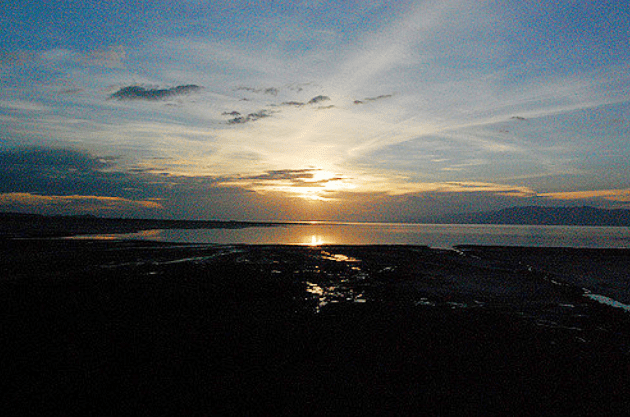
Natron is a shallow soda lake on the Kenya border, at the foot of Ol Doinyo Lengai, an active volcano the Maasai call the Mountain of God. The water is too alkaline for most life, which is exactly why lesser flamingos like it: the lake is their main breeding ground in East Africa. Visitors do not go near the nesting islands. What you see is flamingos feeding in the shallows on the southern shore, in numbers that vary a great deal from month to month. Ask your camp where they are before you walk out. Across that border, a 7 day Kenya safari covers Amboseli, Lake Nakuru and the Mara.

Day two starts early, because the heat at Natron is the thing nobody quite believes until they arrive. The lake sits low in the Rift, and by late morning the temperature can climb toward 40C in the hottest months. With a local guide from Engare Sero village, you first visit the Engare Sero footprints, a mudflat where several hundred human footprints from the late Pleistocene were preserved in volcanic ash. Then comes the waterfall gorge walk: a path up a narrow canyon that ends at a waterfall pool. Parts of it mean wading through knee deep water and climbing over rocks, so wear sandals or shoes you do not mind soaking, and carry your phone in a dry bag. A refillable bottle cuts down on plastic, and our guide to water bottles and filters for Africa compares the options.
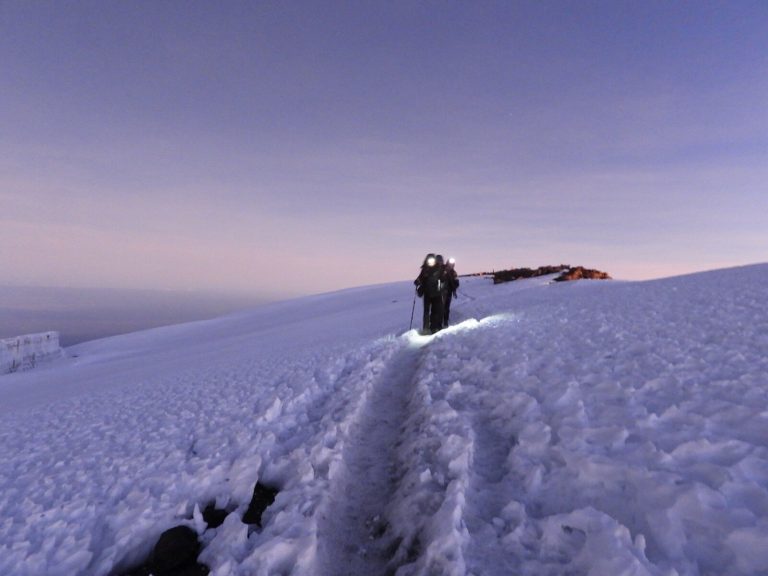
Afternoons are for shade. A visit to a Maasai village, arranged through the camp, fills the late afternoon, and the sunset over the volcano is the one most people photograph. Fit travellers sometimes climb Ol Doinyo Lengai overnight, setting off around midnight to reach the summit by dawn. It is a steep, loose, exhausting climb that wipes out the following day, so on a seven day plan it means dropping something else.
Day 3: Klein’s Gate and the Back Road into the Serengeti Safari
The third day of this Serengeti safari is the long one. The track climbs the escarpment west of the lake and crosses the Loliondo highlands, Maasai grazing land outside the park, through Wasso to Klein’s Gate in the northeast corner of the Serengeti. Allow four to six hours to the gate, with sections of new tarmac between long stretches of gravel. Carry a full tank from Mto wa Mbu and plenty of water; fuel is scarce on this side.
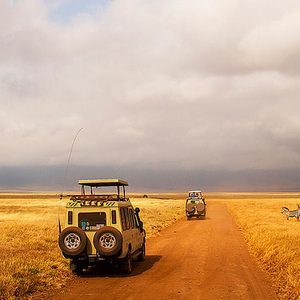
The reward is the entrance. Almost all Serengeti traffic comes in at Naabi Hill in the south, so the northeast feels empty by comparison. From Klein’s Gate it is a game drive of an hour or more to a camp in the Lobo area, a region of granite kopjes and open valleys where lion prides lie up on the rocks. Between about August and November the migration herds pass through on their way to and from the Mara River, and the north end of the park can be full of wildebeest. Our Great Migration safari packages guide sets out where the herds are month by month.
Days 4 and 5: Northern and Central Serengeti Game Drive Safari
Day four is a full Serengeti game drive that also happens to be a transfer. You drive south from Lobo through rolling grassland and patches of woodland, often with a picnic lunch on the way, and arrive at the Seronera Valley in the centre of the park by late afternoon. Ask your guide to take it slowly. There is no reason to arrive early.

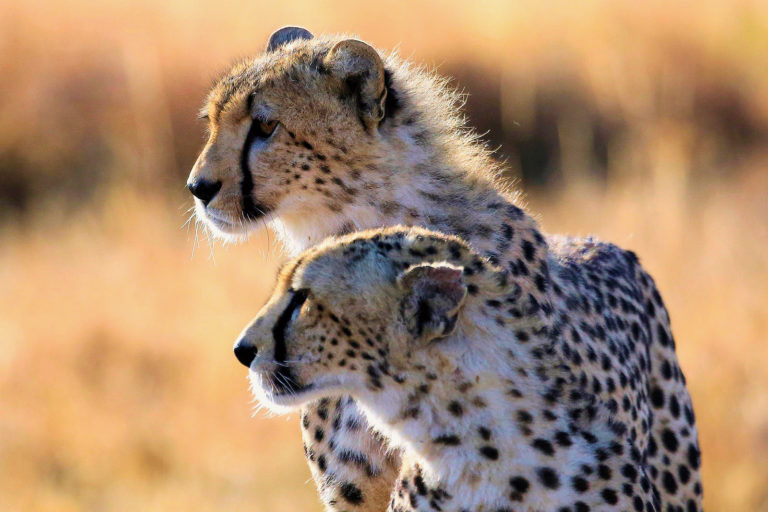
Seronera has resident game in every season. The river lined with sausage trees and yellow fever trees is the classic place to look for leopard, and the kopjes and short grass around them are good for lion and cheetah. None of it is guaranteed, and guides talk to each other by radio, so expect company at the big sightings. Get out at first light on day five for the best of it.
That morning is also when a hot air balloon safari launches from Seronera. Pickup comes before 5am, the flight lasts about an hour, and a bush breakfast follows before your guide collects you. Then the route turns east: past Naabi Hill, across the short grass plains, with a stop at Olduvai Gorge, where the Leakey family uncovered early human fossils. Their small museum is worth half an hour. You climb to the crater rim by late afternoon. Nights up there, at more than 2,000 metres, are cold, a sharp change from Natron’s heat, so keep a fleece near the top of the bag. The Serengeti safari guide covers the park’s regions in more detail.
Day 6: Ngorongoro Crater Safari, Then Down to Lake Eyasi
The Ngorongoro Crater safari works best as a dawn descent. The road down opens at 6am, and the vehicles from Karatu arrive about an hour later, so a rim lodge buys you the first quiet hour on the floor. The crater drops roughly 600 metres and its floor covers about 260 square kilometres of grass, swamp, lake and fever tree forest, all of it fenced in by the walls.

Black rhino are the animal most visitors hope for. They tend to stay far out on open ground, so binoculars make the difference between a grey dot and a rhino. Lion, hyena, buffalo, hippo, elephant bulls and big herds of zebra and wildebeest are all regular sights. Vehicles are allowed about six hours on the floor. Go down early, eat a picnic breakfast by the hippo pool, and climb out around midday.
From the rim, the road drops through Karatu and then runs southwest on gravel to Lake Eyasi, roughly two hours away. Eyasi is a long, shallow, salty lake under the Rift wall, surrounded by acacia scrub, onion fields and doum palms. Spend the late afternoon with the Datoga, a pastoralist people known for their blacksmiths, who melt down scrap metal to forge arrowheads and jewellery, and sleep at one of the small lodges or camps near the shore.
Day 7: Hadzabe Hunting Walk at Lake Eyasi and the Drive to Arusha
The last morning is a Hadzabe cultural tour, and it starts in the dark. You leave camp around 5.30am with a local guide to meet a Hadzabe group, among the last people in Africa who still live mainly by hunting and gathering. If they agree, you follow the men out with their bows into the bush for two or three hours. Most hunts bring back birds or small game, sometimes nothing, and the pace through thorn scrub is quicker than people expect. Wear closed shoes and long trousers.
Visits like this raise fair questions. Some travellers found theirs moving and honest; others came away uneasy, feeling it had turned into a performance. Ask your operator who arranges the visit, how the fee reaches the community, and whether photographs are welcome before you lift a camera. A good guide will tell you plainly.
After breakfast the drive back to Arusha takes about four to five hours, through Karatu, past Lake Manyara and Mto wa Mbu, then on tarmac to town. Kilimanjaro International Airport is a further hour, so a late evening flight works. If yours leaves before about 9pm, book a night in Arusha.
Drive Times on the Seven Day Adventure Safari
The adventure loop covers more rough road than the standard circuit. These times assume a normal pace with short stops and are slower after rain.
| Leg | Time | Road |
|---|---|---|
| Arusha to Mto wa Mbu | About 2 hours | Tarmac |
| Mto wa Mbu to Natron | 3 hours or more | Rough gravel |
| Natron to Klein’s Gate | 4 to 6 hours | Gravel, some tarmac |
| Klein’s Gate to Lobo | About 1 hour | Park track |
| Lobo to Seronera | 2 to 3 hours | Park track |
| Seronera to crater rim | 3 to 4 hours | Gravel |
| Crater rim to Eyasi | About 2.5 hours | Mixed |
| Eyasi to Arusha | 4 to 5 hours | Mixed |
Day three is the hard one, with six or seven hours of driving before you reach camp. The rest are mostly half days of transfer wrapped around game drives. If those hours worry you, look at the fly in version below.
The classic seven day safari spends fewer hours on the road. Arusha to Tarangire takes about two hours, Karatu to Seronera four to five with the Olduvai stop and game viewing on the way, the Serengeti back to the crater rim three to four, and the rim to Arusha around four. Trip reports agree that the gravel between the Ngorongoro highlands and Naabi Hill is the roughest stretch of the week, so anyone with a sore back should ask for a seat over the middle axle. Flat tyres and chipped windscreens are part of normal life on these roads; a good operator carries two spares and the guide changes a wheel in a few minutes.
When the Natron Route Works Best on a 7 Day Safari
Natron and the northern Serengeti have their own seasons, and they do not always agree. The great wildebeest migration decides whether Klein’s Gate is a clever entrance or a detour.
| Months | Natron | Serengeti herds | Route fit |
|---|---|---|---|
| Jun to Oct | Dry, hot | North, Lobo | Best |
| Nov | Short rains | Lobo, south | Good |
| Dec to Mar | Very hot | Ndutu, south | Reverse it |
| Apr to May | Tracks flood | Centre | Avoid |
From June to October the track is dry and the herds move into the north, so Klein’s Gate brings you straight to them. Mara River crossings run from about July, and a second Serengeti night in the far north can replace Seronera if crossings are your priority. Expect hot middays at the lake.
November brings the short rains and the herds back south through Lobo, which makes day three worthwhile. A wet track to Natron can slow you down.
From December to March the herds are calving around Ndutu, far from Klein’s Gate. Run the loop the other way round, or drop Natron for the classic route below and sleep at Ndutu. Natron itself is at its hottest in these months.
In April and May the long rains can make the Natron and Loliondo tracks impassable, and some camps close. Use the classic route instead. The best time to visit Tanzania page covers each month.
The Classic 7 Day Tanzania Safari Without Natron
Most ranking itineraries for seven days follow the standard northern circuit safari, and it remains the safer choice for a first trip, for anyone travelling in the wet months, and for anyone who wants as much big game as possible. It looks like this: Arusha to Tarangire on day one, a morning in Tarangire and an afternoon at Lake Manyara on day two with a night in Karatu, then three nights in the Serengeti, a night on the crater rim and the crater on the way home.
That third Serengeti night is the reason to choose seven days over six. It lets you base one night at Seronera and two wherever the herds are, at Ndutu from December to March or toward the north from July. Our 6 day Tanzania safari describes the same parks day by day with one fewer Serengeti night.
Plenty of operators run the same parks in another order. Some go crater first and finish with Manyara on the way home; others save Tarangire for the last morning. Either works, and the reverse order sometimes shortens the final day. In July to October the herds are in the far north, a full day’s drive from the crater, so the classic road trip stays central and leaves Mara River crossings to the fly in version below.
Small swaps change the feel of the week. Land in the morning and an afternoon in Arusha National Park, with colobus monkeys, giraffe and a walking safari on the lower slopes of Mount Meru, makes a gentle warm up before the long drives. A Maasai village visit near Monduli, or a walk through the banana farms, woodcarvers and markets of Mto wa Mbu, can replace the Manyara afternoon for travellers more curious about people than another park. Manyara’s tree climbing lions are the reason some people keep it, though sightings are infrequent enough that any you see should count as a bonus.
Two versions of the classic route turn up again and again. A low season safari in April, May or November uses the same parks at the lowest lodge rates, with fewer vehicles at sightings and the risk of afternoon storms and some muddy tracks. A honeymoon pace drops Manyara, adds a night at a quiet camp, and saves the balloon flight for the second Serengeti morning. For early arrivals, the spring fed pools at Kikuletwa near Moshi make a relaxed first afternoon. They are sold as hot springs, but the water is cool and the current can be strong.
Lake Eyasi also fits the classic route as a single night after the crater, which is how several operators sell a cultural seven day trip without the long Natron drives.
Fly In Version: Seven Days with a Bush Flight to the Serengeti
A fly in safari keeps the road for the short legs and flies the long ones. The most common pattern drives Arusha, Tarangire and the crater on days one to four, then flies from the Lake Manyara airstrip to Seronera, a hop of well under an hour. You spend three nights in the Serengeti and fly back to Arusha on day seven, in about an hour.
From July to October the same idea works with a mobile camp near Kogatende in the far north, close to the Mara River crossing points. That is the only realistic way to see crossings on a seven day trip, since the northern Serengeti is a full day’s drive from the crater.
Two things change when you fly. First, you usually switch from your private guide to the camp’s guides and shared vehicles in the Serengeti, so other guests’ interests shape the drives. Second, luggage. Shuttle airlines typically allow 15 to 20 kilograms per person in a soft bag, and they weigh it. Our African safari packing list is built around that limit.
What the 7 Day Tanzania Safari Package Covers
A standard Tanzania safari package for seven days includes a private four wheel drive vehicle with a pop up roof and a driver guide, park, conservation area and crater fees, six nights of accommodation with meals, drinking water in the vehicle, and airport transfers. On the adventure route, check that the Natron community fees, the local guides at Engare Sero and the Hadzabe and Datoga visits are written into the quote, because some operators leave them as extras payable in cash.
Not included, as a rule: international flights, visas, travel insurance, tips, drinks, laundry, the balloon flight, any Ol Doinyo Lengai climb, and nights in Arusha before or after the trip.
Private or group. Most seven day trips are sold as private safaris: your own vehicle, your own driver guide, and the freedom to sit with a cheetah for an hour if you want. Group joining safaris fill one vehicle with up to six or seven travellers on fixed departure dates and cost less per person, but the group sets the pace and the camps are chosen for you. Couples feel the price gap most, because a private vehicle and guide cost the same for two people as for six. A solo traveller on a private trip carries the whole vehicle cost alone, plus a single supplement at most lodges. Self drive is rarely worth it here: crater descents need a licensed guide, the park tracks are hard on hire cars, and the savings vanish in fees and fuel.
Pack for two climates. Natron, Eyasi and the Serengeti afternoons call for light, loose clothes in neutral colours, a wide brimmed hat and plenty of sunscreen; the crater rim at dawn calls for a fleece and a warm jacket. A headtorch, a dust cover for the camera and a spare battery pack help on every route, and dark blue or black clothing draws tsetse flies in parts of the Serengeti. The safari packing list covers the rest.
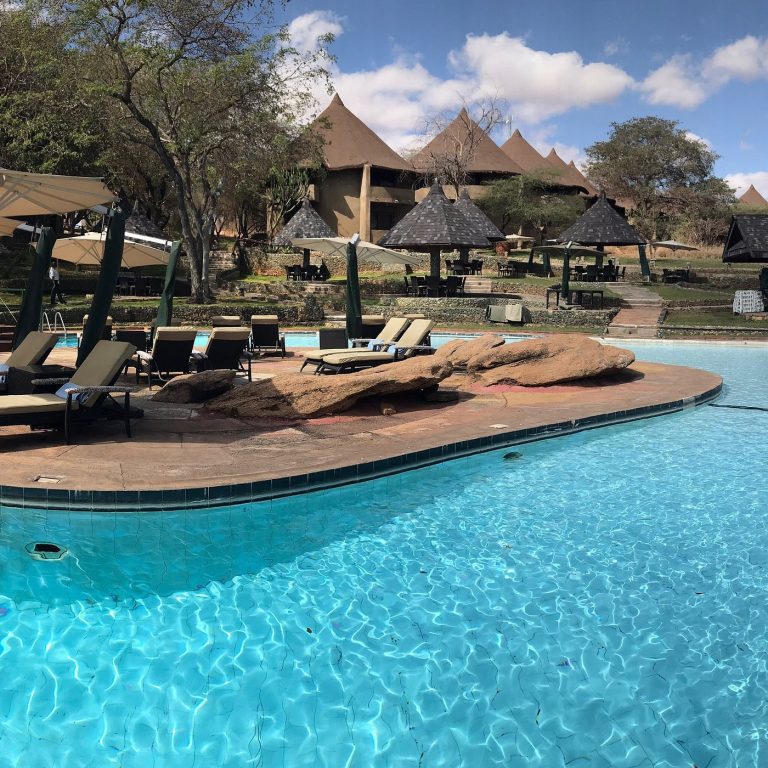
At Natron and Eyasi the choice of beds is small: a handful of tented camps, simple lodges and campsites. That is part of the appeal and also the main limit for travellers who want luxury every night. In the Serengeti and on the crater rim the range runs from public campsites to some of the most comfortable camps in Africa.
Pick a licensed operator who has run the Natron and Klein’s Gate route recently. Not every company does, and a driver who knows the Loliondo tracks matters. Ask how many times their guides drove it last season, get the overnight list in writing, and compare at least three quotes. Our guides to choosing a Tanzania safari company and the best safari companies in Tanzania explain what to check, and the Tanzania safari cost guide breaks the budget down. A good pair of binoculars helps on the crater floor; see our safari camera and binocular guide.

Extending a 7 Day Safari with Zanzibar, Kilimanjaro or Gorillas
Zanzibar. A flight of a little over an hour from Arusha or Kilimanjaro, or from a Serengeti airstrip on the fly in version, puts you on the island. Three nights is the least that feels like a holiday: one in Stone Town, two on the beach. The 15 day safari and Zanzibar holiday shows the longer version.
Kilimanjaro. A full climb is a week on its own, so it goes before or after the safari, not inside it. See our Kilimanjaro trekking guide for the routes.
Gorillas. Tanzania has chimpanzees in the far west but no gorillas. Direct flights from Kilimanjaro to Entebbe and Kigali on set days make a three or four day gorilla trekking safari in Bwindi or Rwanda an easy add on. Book the gorilla permit first, because it is the hardest part to change. Our pages on pairing a Tanzania safari with gorilla trekking, Bwindi gorilla trekking and Rwanda gorilla trekking set out the routes. For longer northern circuit plans, see the 8 day and 10 day Tanzania safari pages.
7 Day Tanzania Safari Questions
How much does a 7 day Tanzania safari cost?
Operator prices for the northern circuit fall into bands per person per day, two sharing, park fees included: about US$250 to US$400 for camping or group trips, US$450 to US$800 for a mid range private lodge safari, and from about US$900 to well past US$1,500 for luxury camps. Over seven days that is roughly US$1,750 to US$2,800 per person on a budget, US$3,150 to US$5,600 mid range and US$7,000 upward for luxury, before international flights, visas and tips. The Natron and Eyasi version usually lands in the middle of those ranges, since camps there are simple. Green season rates from late March to May can be 20 to 30 percent lower at many lodges. These are market ranges, not official rates. Per person prices fall as the group grows, since the vehicle and guide cost the same for two or six, and a solo traveller on a private trip pays the most. Our Tanzania safari cost guide builds full budgets line by line.
Which park and local fees does a 7 day safari pay?
Serengeti entry for a non resident adult is TZS 178,850 per 24 hours, about US$70, and Tarangire and Lake Manyara are TZS 127,750, about US$50, with operators often adding 18 percent VAT; sleeping inside a park adds a concession fee. With VAT, Serengeti entry comes to US$82.60 in the high season and US$70.80 from mid March to mid May. The Ngorongoro Conservation Area charges US$70.80 per adult per 24 hours, plus US$295 per vehicle for the crater descent and US$59 per adult per night at rim lodges. Lake Natron, Engare Sero and Lake Eyasi charge separate local fees set by the district and villages, plus the cost of local guides; amounts change, so ask your operator to include them in writing.
What do balloon flights, bush flights, visas and tips add?
A shared Serengeti balloon flight is published at about US$599 to US$700 per person with breakfast. Light aircraft flights between Arusha, Manyara and Serengeti airstrips usually cost US$300 to US$500 per person one way. Tanzania’s tourist visa is US$50 for most nationalities and US$100 for US citizens, and the mandatory inbound travel insurance for mainland Tanzania and Zanzibar is US$44 per adult. Guides are commonly tipped US$20 to US$30 per vehicle per day. A gorilla add on means a Uganda permit at US$800, or US$600 in April, May and November, or US$1,500 in Rwanda.
Is Lake Natron worth the drive on a 7 day safari?
For travellers who like remote places, yes. It offers a volcano, flamingos, a gorge walk and almost no other visitors. It is not a big game area, it is very hot in the middle of the day, and the tracks are rough. If your priority is lions and leopards, the classic route with Tarangire is the better seven days.
Can I climb Ol Doinyo Lengai on a seven day trip?
Only by giving up something else. The climb starts around midnight, takes most of the night on steep loose ash, and leaves you tired the next day. It suits very fit hikers, and it needs an extra night at Natron, usually taken from the Serengeti.
Is the Hadzabe visit at Lake Eyasi authentic?
Opinions differ. The Hadzabe still hunt and gather, and many visitors value the morning. Others found it staged. Small groups, a respectful local guide and an operator that pays the community directly make the difference, so ask how your visit is arranged.
Should I choose 7 days or the 6 day safari?
The extra day buys a third Serengeti night on the classic route, or makes the Natron and Eyasi loop possible at all. If you only want the four main parks and have little time, six days works. If you want the migration area or anything off the standard circuit, take seven.
Can you see the Big Five on a 7 day Tanzania safari?
Often, on the classic route, though nothing is promised. Elephant and buffalo are close to certain, lion is very likely in the Serengeti and the crater, and black rhino are most often seen in the crater, usually at a distance, so bring binoculars. Leopard is the hardest of the five; the river line at Seronera gives the best chance. The Natron loop skips Tarangire, so you see fewer elephants, but the crater still offers the rhino.
Is Tanzania safe for a 7 day safari?
For safari travellers, mostly yes. At the latest check the US State Department placed Tanzania at Level 2, Exercise Increased Caution, chiefly for crime in towns, and the parks themselves see very little. In Arusha keep valuables out of sight, use hotel or operator transport after dark, and avoid driving at night between towns. Look up the current advisory shortly before you travel, since levels change.
How do I get a visa for a Tanzania safari?
Most nationalities apply online for the Tanzanian eVisa before travel, and it is worth allowing a few weeks for approval. Visas on arrival are still issued at Kilimanjaro airport for many passports, but queues after a long flight can be slow. US passport holders receive a multiple entry visa. If Zanzibar follows the safari, buy the islands’ inbound travel insurance before you land there. Our East Africa visa guide explains how Tanzania fits with Uganda, Rwanda and Kenya visas.
Is the adventure route suitable for children and older travellers?
It suits active families with older children who cope with heat and long drives. The gorge walk involves wading and scrambling, and the Hadzabe walk is brisk. Younger children and travellers with back problems are better on the classic route or the fly in version.
Do I need malaria tablets or a yellow fever certificate?
Natron, Eyasi and the parks are malaria areas, so ask a travel clinic about tablets and cover up at dusk. Tanzania may ask for a yellow fever certificate if you arrive from a country with yellow fever risk, including Kenya and Uganda.