A 15 day Tanzania safari and Zanzibar trip splits into nine nights in the northern parks and five on the island: Tarangire, a night near the Ngorongoro Crater and four Serengeti nights set wherever the migration is, then a light aircraft flight to Zanzibar for Stone Town and the beach. Most people book it as a private road safari through a licensed Arusha operator, with the island flight leaving from a Serengeti airstrip so nothing is driven twice.
Two weeks gives you room to slow down. You get two bases in the Serengeti, then a proper rest on the sand after a week of dawn starts. It can still look like a lot to organise: airstrips, lodges, two entry checks, a beach to pick. This guide takes those choices one at a time. Compared with our 10 day Tanzania safari, the big change is the ending. You fly from the plains to the coast instead of driving back to Arusha.
The 15 Day Tanzania Safari and Zanzibar Route in Brief
Picture two halves joined by one flight. The safari half runs from east to west, starting near Arusha and ending deep in the Serengeti. Nine nights there, five on the island, fourteen nights in total.
Five beds on the mainland and two on the island is about as much moving as most people enjoy. Read enough trip reports and a pattern shows up: the travellers who came home tired blame a new room every night far more than any park. So this version gives Tarangire and the Serengeti at least two nights each, and it never asks you to drive from the crater to the far north in one day, a stretch of eight hours or more that forum regulars warn first timers off again and again.

Days 1 to 3: Arusha Arrival and a Tarangire Elephant Safari
Long haul flights into Kilimanjaro often land after dark, so night one is for sleep. Coffee lodges on the lower slopes of Mount Meru are calmer than town hotels, and several sit on working estates where you can walk between the bushes before breakfast.
Arriving a day early, or on a morning flight? Arusha has enough for a gentle first day. The Shanga workshop on the edge of town employs people with disabilities to make glass and beadwork, the Mount Meru foothills have short guided walks to waterfalls, and the Chemka hot springs, about an hour towards Moshi, are a clear spring pool under fig trees where locals swim at weekends. Some published routes give a whole day to Arusha National Park instead, with colobus monkeys, giraffe on open glades and canoeing on the Momella Lakes. That suits an afternoon arrival and would take the place of the second Tarangire night.
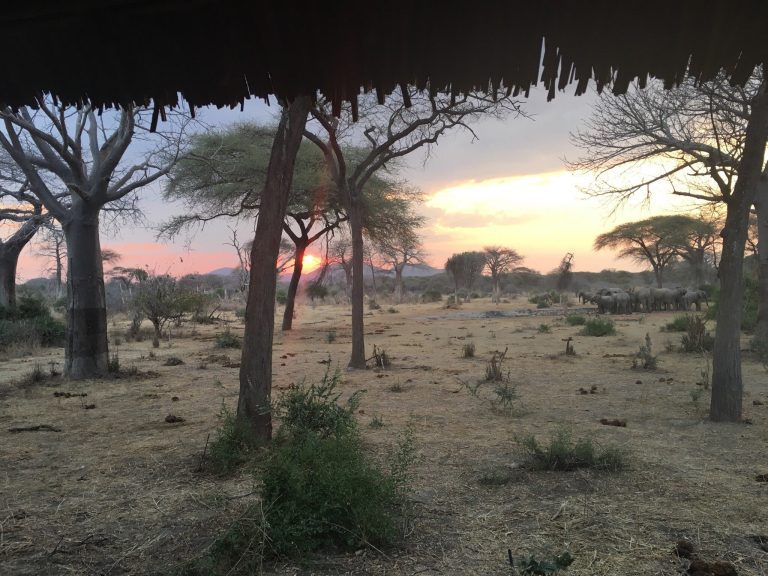
Then the Tarangire safari, about two hours west. People tend to underrate this park before they go and talk about it most afterwards. From roughly June to October the Tarangire River is one of the few reliable water sources for miles, and elephants walk down to it in big family herds, sometimes hundreds along the river line in one afternoon. Baobabs stand on the ridges. Lion, buffalo, giraffe and fringe eared oryx all turn up, and birders hunt for the yellow collared lovebird.
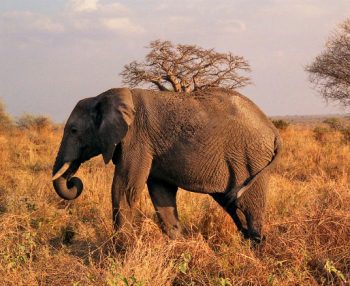
Why two nights here? A fifteen day trip can afford it, for one thing. For another, the camps on the park boundary can offer what park rules ban inside: walking safaris with an armed ranger, and night drives with a spotlight. Tarangire is the place on this route to book that night drive. A morning on foot among termite mounds and fresh elephant tracks feels nothing like the view from a pop up roof. In the wet months, from November to May, much of the game spreads out onto the wider plains and the park goes quiet, so the second night counts for less then.
Days 4 and 5: Lake Manyara or Lake Eyasi, Then the Ngorongoro Crater Safari
Day four bends to your taste. The classic plan leaves Tarangire after breakfast for a Lake Manyara game drive. It is a small park: groundwater forest with baboons and blue monkeys near the gate, then open grass, hippo pools and the lake shore, where flamingos gather when the water suits them. Manyara has a name for tree climbing lions, but recent trip reports call sightings patchy, so go for the forest and the birds. Several experienced forum posters would drop Manyara altogether and spend the day in Tarangire instead. Below the escarpment, Mto wa Mbu village has craft stalls, banana farms and guided cycle tours if you want an hour out of the vehicle.
The other choice is Lake Eyasi, about two hours south of Karatu in a hot, dry corner of the Rift Valley. Hadzabe families there still hunt with bows and gather wild food. A dawn outing with a Hadzabe group, then a visit to a Datoga blacksmith, is a cultural tour many people rank among the best mornings of the trip. It costs you Manyara and adds rough road, and some visitors feel the set up is staged. Ask your operator how the visit runs and who receives the fee.
Either way, you sleep in the Karatu highlands, where lodges sit on coffee farms at the edge of the Ngorongoro forest. Nights are cool up here.
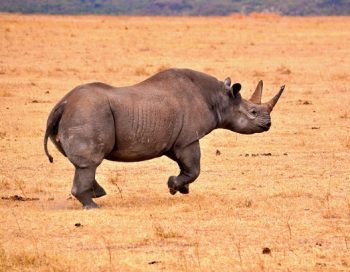
Day five is the Ngorongoro Crater safari. The floor sits about 600 metres below the rim and covers roughly 260 square kilometres of grass, swamp, a soda lake and fever tree forest. Wildebeest and zebra live down there all year with lion, hyena, buffalo, hippo and old elephant bulls, and it is one of the better places in East Africa to look for a black rhino, usually far out on open grass. Vehicles get about six hours on the floor. Drop in at the 6am gate opening, picnic by the hippo pool once the mid morning wave has passed, and climb out by early afternoon: that is how you dodge the crowds that close in on every lion from June to October.
Sleep on the rim that night. Rim lodges stand above 2,000 metres, a fleece and a hot water bottle are welcome, and you wake an hour nearer the Serengeti. Families or groups watching the budget sometimes stay in Karatu again and drive up in the morning, which saves the conservation area’s overnight fee at the cost of an earlier alarm. Doing the crater on the way back out only makes sense when a trip ends by road in Arusha. This one does not.
A Maasai boma visit often gets offered on the rim road. Opinions split. Plenty of village stops near the main road are set up for passing vehicles, with dancers lined up and a craft market at the end, and a few travellers come away uneasy. You can decide on the day; there is no need to book ahead. If a real conversation matters to you, ask for a community run visit, or plan a night at a Maasai owned lodge, where the community controls what guests see and keeps the income.
Days 6 to 9: Four Nights on a Serengeti Safari, Placed by the Migration
This Serengeti safari is the heart of the trip. From the rim the road drops onto the short grass plains and passes the turning for Olduvai Gorge, where the Leakey family found some of the best known early human fossils. The small museum and the view into the gorge take about an hour and split the drive well. Naabi Hill Gate is a few hours from the rim, with game all the way, and you reach camp by mid afternoon.
Corrugated gravel comes with every road safari here. Dust in the dry months, mud in the wet. Anyone with a bad back will feel it, and the seats near the middle of the vehicle give the softest ride.
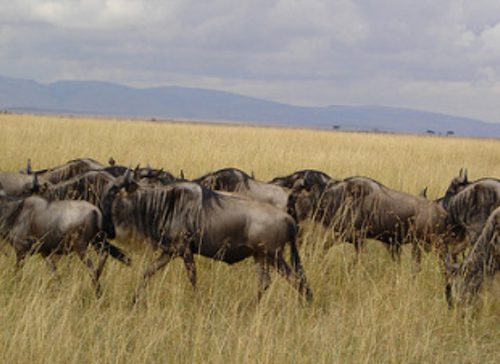
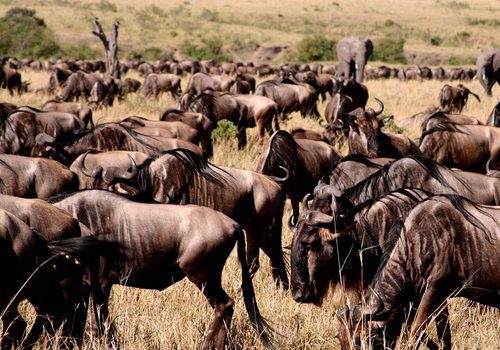
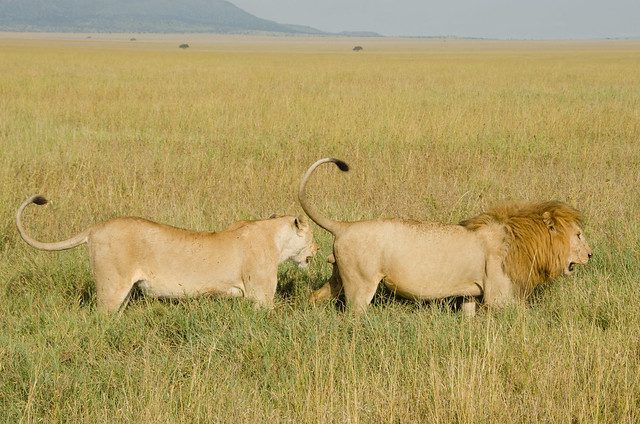
Two nights belong to the Seronera Valley in the centre, where resident lion, leopard and cheetah use the river line and the granite kopjes in every month, though sightings are never promised. The other two follow the great wildebeest migration. Seasonal and mobile camps move with the herds, so your second base depends on your travel month.
| Months | Herds usually | Second base | Zanzibar |
|---|---|---|---|
| Dec to Mar | Calving, south | Ndutu | Hot, dry |
| Apr to May | Moving north | Seronera | Long rains |
| Jun | West, Grumeti | Western Corridor | Dry, breezy |
| Jul to Oct | Mara River | Kogatende | Dry, breezy |
| Nov | Heading south | East or Seronera | Short rains |
February at Ndutu is calving season. Hundreds of thousands of calves arrive within a few weeks, and predators stay close. Ndutu sits on the edge of the Ngorongoro Conservation Area, so the drive from the crater is short, and camps there can take you on a guided walk of an hour or two, which the national park itself does not allow. In June the herds gather in the Western Corridor ahead of the Grumeti River, with fewer vehicles than the north. From July into October they reach the Mara River near Kogatende, and the crossings bring the year’s biggest crowds and highest rates. Early August usually gives the densest herds. Herds can stand on the bank for days without crossing, so give the north both nights and spend long mornings by the water.
Order matters too. See the centre first, then move north, then fly out from a northern airstrip. One route that did the rounds on a travel forum drove to the far north, back to Seronera and only then to the plane, and the replies were blunt about the wasted hours.
The most popular add on here is a dawn hot air balloon safari, flown from Seronera, the Western Corridor or the north, with a bush breakfast after landing. Book it with the safari itself, because the balloons fill up in peak months.
Day 10: Flying from the Serengeti to Zanzibar and a Night in Stone Town
Here this 15 day trip parts ways with many published routes, which drive all the way back to Arusha before flying to the island and lose a full day on the road. Scheduled light aircraft connect Seronera, Kogatende, Ndutu and the Grumeti airstrips with Zanzibar, usually with a stop at Arusha or Manyara. You can squeeze in a last morning drive, take off around midday and land on the island in the afternoon. With the stops, allow most of the day.
The planes are small and the bag rule is strict: soft bags with no wheels or frame, inside a weight limit that ground staff check at the strip. Mainland bush flights usually allow less than the domestic flights out of Zanzibar, so pack for the tighter limit. Our African safari packing list is built around it, and the what to wear on safari guide covers clothes that work in a game vehicle and in Stone Town.
Spend the first island night in Stone Town, a UNESCO World Heritage Site where Swahili, Arab, Indian and European building styles share narrow lanes and carved wooden doors. A Stone Town walking tour usually takes in the old fort, the market, the seafront and the Anglican cathedral, which stands on the site of East Africa’s last open slave market, with the holding chambers below it. At dusk the food stalls in Forodhani Gardens set up along the water, and a sunset dhow cruise from the beach in front of town is the easy way to see the skyline from the sea. Expect persistent sellers in the market lanes; a polite, firm no works.
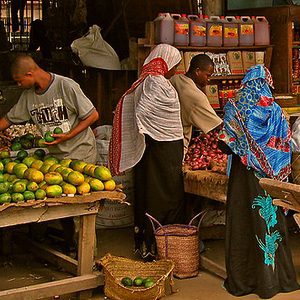
Stone Town is hot. Thick coral walls hold the day’s heat well into the night, and visitors who booked three or four nights there often wish they had headed for the coast sooner. One night, two at most, is the right dose. Zanzibar is mostly Muslim, so covered shoulders and knees are normal in town, and life slows right down during Ramadan.
Days 11 to 15: Zanzibar Beach Holiday, Boat Trips and Departure
On the morning of day eleven, a spice farm tour on the road out of town shows clove, nutmeg, vanilla and cinnamon growing, and breaks the drive to the coast. From Stone Town the north and east coast beaches are an hour to an hour and a half away by road.
Where you stay on the coast matters more than which hotel, because of the tide. Nungwi and Kendwa in the north keep swimmable water through most of the tide and face the sunset. The east coast, from Matemwe and Kiwengwa down to Paje and Jambiani, has a broad reef lagoon that drains far out at low water, leaving seaweed farms and rock pools instead of a swim. The complaints come from people who booked a sea view there without checking the tide tables. Paje suits kitesurfers, and Jambiani is quieter. On both, guesthouses can arrange a morning with the women who farm seaweed on the lagoon flats. Ask any hotel about its own stretch of shore, not just the village name.
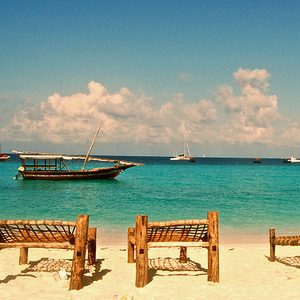
Four beach nights leave room for one or two Zanzibar boat tours and still a good amount of doing nothing. Couples should look at our Tanzania safari and Zanzibar honeymoon guide.
Mnemba snorkelling trips leave from the north and northeast coast for the reef around Mnemba Atoll, with turtles and reef fish, and dolphins on some days. Travellers suggest booking it early in your stay, so a windy day leaves a second chance. Safari Blue is a full day dhow trip in Menai Bay from Fumba, with snorkelling, a sandbank and a seafood lunch. Reviews are mixed: families rate it above serious snorkellers do, and a morning sail is calmer than an afternoon one. Prison Island, half an hour by boat from Stone Town, keeps giant Aldabra tortoises and fits on the Stone Town day.
Inland, Jozani Forest in Jozani Chwaka Bay National Park protects the Zanzibar red colobus, a monkey found only on the island, and adds a short primate walk for anyone who caught the bug on the mainland. Near Jambiani, Kuza Cave is a freshwater swimming cave in the coral rock with cool, clear water. The Mangapwani coral caves north of town, linked to the slave trade, are a smaller side trip, with slippery steps and tight spaces.
One trip deserves a second thought. Dolphin boats from Kizimkazi in the south draw criticism for crowding and chasing the animals. If you go, pick an operator that keeps its distance and never drops swimmers on top of a pod.
Leave at least one day with nothing booked. It tends to be the day people describe most fondly. Day fifteen is the airport transfer, and many international flights connect through Dar es Salaam, Nairobi, Doha, Dubai or Addis Ababa. Pemba, Mafia and the private island lodge on Mnemba extend the beach half for anyone with more time.
Safari Lodges and Beach Hotels by Tier on This 15 Day Trip
Lodges are where two quotes for the same 15 day safari differ most, so it helps to know what each tier looks like on this route before you compare. Operators usually offer the same itinerary at three or four levels, and the stops stay the same while the beds change.
Location counts as much as tier. A lodge inside a national park or on the crater rim adds a nightly fee per person that a lodge just outside avoids, which is why many mid range quotes sleep in Karatu rather than on the rim. In the Serengeti, a camp near the herds saves hours of driving each day; a big lodge in the wrong area for your month can mean two hours each way to reach them. Mixing tiers works well. Two plain nights near Arusha and Tarangire, then the money spent on the Serengeti camp and the beach where you spend the most time, gives a better trip than one middle standard throughout.
Kenya and Tanzania in 15 Days: the Masai Mara, Serengeti and Zanzibar Safari
Plenty of 15 day packages are not Tanzania only. They start in Nairobi, spend two or three nights in the Masai Mara, cross into Tanzania for the Serengeti and the crater, then fly to Zanzibar. Escorted small group tours like this one, and several private versions, add Lake Nakuru for rhino and Amboseli for elephants under Kilimanjaro.
It looks efficient on paper. On the ground, the Mara to Serengeti day takes eight or nine hours with the border formalities, most tours change vehicle and guide at the border, and you need two sets of entry papers: a Kenyan eTA and a Tanzanian visa, since the joint East Africa visa does not cover Tanzania. Check the East Africa tourist visa guide before you apply. The Mara and the northern Serengeti are one ecosystem, so in the migration months you see the same herds from both sides; outside them, a Tanzania only route spends less time in a vehicle. If Kenya appeals mainly for the Mara, our 3 day Kenya safari page shows the shortest version, which pairs well with a separate flight to Kilimanjaro.
Swapping Beach Days for the Southern Safari Parks or Lake Natron
Five beach nights is more than some people want. The most rewarding swap is a southern circuit safari, and Zanzibar is the natural springboard for it. Nyerere National Park, the former Selous Game Reserve, sits a short light aircraft hop from Zanzibar or Dar es Salaam. Its camps on the Rufiji River run boat safaris, walking safaris and game drives from the same base, with wild dog in the right season and far fewer vehicles than the north.
A workable version trims the northern half to seven days (one Tarangire night, the crater, three Serengeti nights) and flies to Zanzibar on day eight. Two nights split between Stone Town and the beach, three nights in Nyerere, then two final beach nights before the flight home. Ruaha National Park further west has big lion prides and baobab country but needs a longer flight, often three hours or more with stops, so give it three nights at least.
The southern parks are best in the dry months from June to October, and some camps close in April and May. Our 14 day Tanzania safari outline shows another way to mix north and south.
For a wilder northern detour, Lake Natron sits north of the Ngorongoro highlands under the Ol Doinyo Lengai volcano. A night or two there means a walk up a river gorge to a waterfall, flamingos on the soda flats and Maasai bomas far from the tour bus road, then a long rough drive on to Lake Eyasi or the Serengeti. It takes two of the beach nights. Skip it in the rains, when the tracks turn to mud and the heat is fierce.
Kilimanjaro Climb and Safari Version of the 15 Day Trip
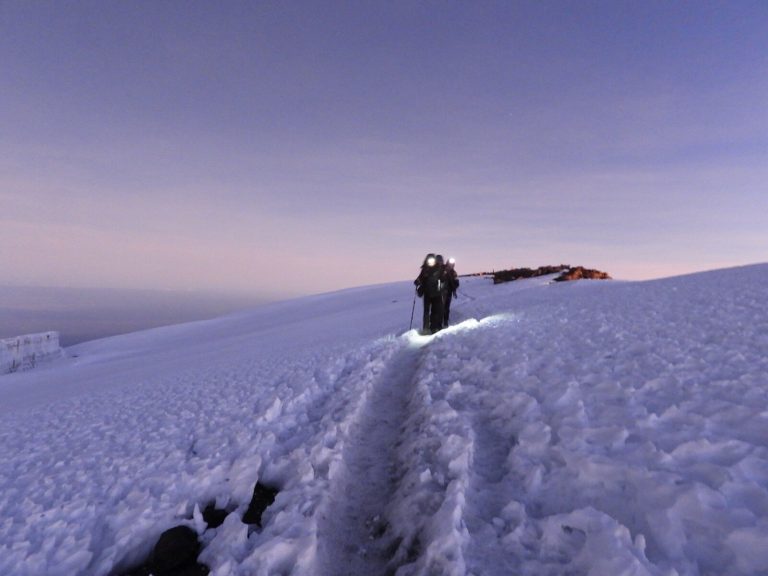
A Kilimanjaro climb, a safari and the beach do fit into fifteen days, just. The climb goes first. Nobody wants to start a mountain on beach legs, and a game vehicle is the kindest place to recover.
This version drops the Serengeti, which hurts in migration season. Five day climbs on the Marangu route exist and free up a day, but they put the fewest climbers on the summit, because the body gets the least time to adjust to altitude. Our Kilimanjaro trekking guide compares the routes, and the cost to hike Kilimanjaro page sets out the park fees and crew costs.
Gorilla Trekking in Bwindi Instead of Some Beach Days
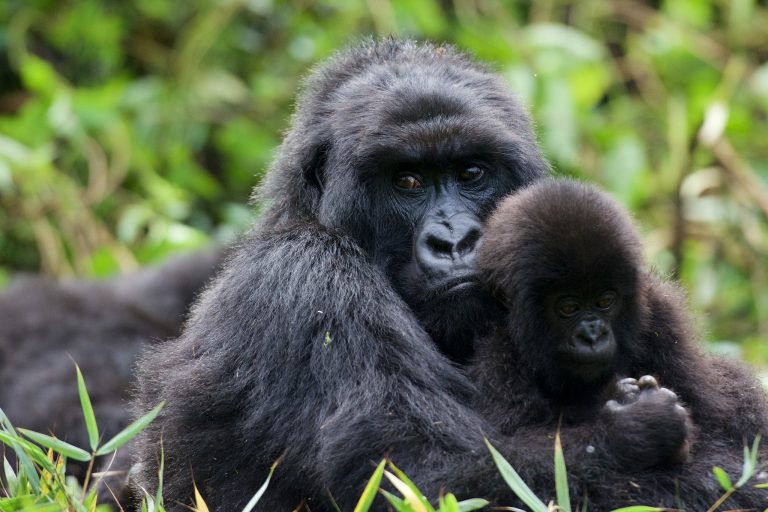
Tanzania has no mountain gorillas. Travellers who want them fly to Uganda or Rwanda, and a fifteen day trip holds a gorilla trekking safari comfortably if two or three beach nights give way. Gorillas first, then the safari, then the island is the cleanest order, as our page on combining a Tanzania safari with gorilla trekking explains: you do the hardest walking day while fresh and finish on the sand.
Direct flights between Kigali or Entebbe and Kilimanjaro run on certain days of the week only, so the whole plan hangs on the flight day. Fix that first, then the permit, then the lodges. The gorilla trek in Bwindi is a different sort of day from a game drive: thirty minutes to several hours on steep, muddy forest paths, then one hour with a habituated family. Permits sell out in the dry months, so securing a Uganda gorilla permit comes before anything else. For Rwanda, see Rwanda gorilla trekking; for the roads and airstrips on the Uganda side, see getting to Bwindi. Gloves and gaiters from the gorilla trekking packing list earn their space in the bag. Kenya fits this shape too: our gorilla and Masai Mara safari page pairs the Mara with a trek instead of Tanzania.
What a 15 Day Safari and Zanzibar Package Includes
A typical Tanzania safari and Zanzibar package quote covers a private four wheel drive vehicle with a pop up roof and a driver guide for the safari half; park, conservation area and crater fees; safari lodging on full board; drinking water in the vehicle; the light aircraft flight to Zanzibar; airport and hotel transfers on both sides; and island hotels on bed and breakfast or half board. Stone Town walking tours and the spice farm are often thrown in. Boat trips usually are not.
Outside the price, expect international flights, visas, inbound travel insurance, your own travel insurance, tips, drinks, laundry, the balloon flight, optional island tours and the nightly Zanzibar hotel levy, which is usually paid in cash at checkout. Always ask which nights are included. The first night in Arusha is where quotes differ most.
Five things move the price. Lodge tier comes first by a distance. Season comes second, with July to September and the Christmas weeks at the top and April and May at the bottom. Group size matters because the vehicle and guide cost the same for two people or six, which is why operators publish lower per person rates for bigger groups. Flights add cost and save time. And island hotels run from simple guesthouses to resorts priced like safari lodges. Our Tanzania safari cost page breaks the safari side down, and every figure for this trip sits in the FAQ below.
Private or group? A private safari keeps one vehicle and one guide for your party, so you set the pace, stay out through midday if you want and linger at a sighting. Escorted group tours run on fixed dates, up to about eighteen people split across vehicles that seat six or seven, with a tour manager and set meals; they suit solo travellers and anyone happy to follow a plan. Seat count matters on a shared trip. Ask for a guaranteed window seat, because the middle seats are the ones people grumble about after a long drive.
There are three ways to book. Self drive is possible but rarely wise here: the crater descent, the Serengeti tracks and the fee payments all favour an operator’s high clearance four wheel drive and a guide who reads the radio chatter. A local operator in Arusha gives the best value and the most say over the route. An overseas agent costs more but adds one contract under your own country’s consumer rules. Whoever you use, choose an operator with a government tour operator licence and ideally Tanzania Association of Tour Operators membership, get the lodges and flights in writing, and compare three quotes for the same route. Our guides to choosing a Tanzania safari company and the best safari companies in Tanzania explain what to check, and the Tanzania safari overview covers the other parks. On a private trip, say on day one if you want to stay out through midday; several travellers found guides kept a set rhythm unless asked.

Best Months for a Combined Safari and Zanzibar Trip
The two halves share their best weather. June to October is dry in the parks and on the coast, the southeast trade wind keeps the island fresh, and the Mara River crossings run in the north. Late December to February is hot and calm on Zanzibar and brings calving at Ndutu, which makes it the easiest season for a short drive between the crater and the herds.
April and May are the hard months. The long rains hit the coast hardest, some beach hotels and Serengeti camps close, and black cotton soil turns slippery, although lodge rates fall and the crater still delivers. November’s short rains are lighter and patchy, and early December can be quiet and dry enough for a good trip at lower rates. Our best time to visit Tanzania page goes month by month for the parks, Kilimanjaro and the island.
Entry Rules, Insurance, Health and Packing for the Mainland and Zanzibar
Zanzibar is part of Tanzania, so one tourist visa covers both. Most travellers apply online through the government eVisa portal a few weeks ahead, and the passport needs six months of validity and blank pages for the stamps. Carry it on the island flight too, because it is checked on arrival. Zanzibar has required foreign visitors to hold its own inbound travel insurance for some time, and mainland Tanzania has recently brought in a similar compulsory policy. Official notices say you buy it from the insurer for your first point of entry, the National Insurance Corporation for the mainland or the Zanzibar Insurance Corporation for the island, and operator guidance says one valid policy is accepted on the other side. The mainland rule is new and its details may still change, so check the official portals before you fly. This basic cover is for emergencies only and no substitute for your own policy; our African safari insurance guide explains what to look for, including evacuation from remote airstrips.
The parks and the island are both malaria areas, so see a travel clinic about eight weeks out and take the tablets for the full course after you leave. Drink bottled or filtered water, including for brushing teeth on the island. Zanzibar checks yellow fever certificates closely for anyone arriving from or through a country with yellow fever risk, which includes Kenya and Uganda, so the Kenya and gorilla versions of this trip need the card.
Money is simple. Park and lodge prices are set in US dollars, and clean, recent notes in small denominations are what lodges and guides accept for tips; older or torn notes are often refused. Cards work at most lodges for extras, often with a surcharge. A local SIM or an eSIM covers the towns and much of the northern circuit, though signal fades in the remote Serengeti.
For the bag: layers and a warm fleece for the crater rim, neutral colours for the vehicle (dark blue and black attract tsetse flies), reef shoes and modest clothes for Stone Town, reef safe sunscreen, and binoculars for the rhino. Our safari camera and binocular guide covers the optics.
15 Day Tanzania Safari and Zanzibar Questions
How much does a 15 day Tanzania safari and Zanzibar trip cost?
Published package prices for the full fifteen days, excluding international flights, start around US$3,039 per person for six people sharing in the low season on one Arusha operator’s own rate table, rising to about US$4,800 each for a couple in high season with the same lodges; Kilidove Tours prices 13 days of safari and Zanzibar from US$5,400. Escorted Kenya and Tanzania versions with Zanzibar run from about US$7,900 to US$9,099 land only, plus a US$2,000 single supplement on the Gate1 tour. For a custom trip, budget the safari days on the daily bands on our Tanzania safari cost page, park fees included: about US$220 to US$460 per person a day camping, US$340 to US$515 in mid range lodges, and rarely under US$900 a day in luxury camps. Then add the island hotels and the flight to Zanzibar. These are market prices, not official rates, so ask for an itemised quote.
Which park fees are built into the safari half?
Tanzania National Parks sets its non resident tariff in shillings: Serengeti entry is TZS 178,850 per adult per 24 hours, about US$70, and Tarangire and Lake Manyara are TZS 127,750, about US$50, with a concession fee per person per night for lodges inside a park. The Ngorongoro Conservation Area charges US$70.80 per adult per 24 hours, which every road safari pays crossing to the Serengeti, plus a crater service fee of US$295 per vehicle per descent and US$59 per adult per night at rim lodges. Ask your operator whether VAT is added on top for your dates. With VAT, Serengeti entry comes to US$82.60 in the high season and US$70.80 from mid March to mid May. Our Serengeti safari cost page works through the Serengeti fees zone by zone.
What do the visa, inbound insurance, flights, Zanzibar levy, balloon and tips cost?
Tanzania’s tourist visa is US$50 for most nationalities and US$100 for US citizens, who must buy the multiple entry version, and it covers Zanzibar. The compulsory inbound insurance is US$44 per person for up to 92 days, and one policy covers the mainland and the island. Coastal Aviation’s fare sheet lists Arusha to Zanzibar at US$348 plus US$32 in taxes; a flight from a Serengeti airstrip costs more. Operators list the Zanzibar infrastructure levy at up to US$5 per person per night, paid in cash at the hotel. A shared Serengeti balloon flight is published at US$599 per person with breakfast. One Arusha operator suggests tips of about US$15 to US$20 per person per day in total.
What does adding gorilla trekking or Kilimanjaro cost?
A Uganda gorilla permit costs US$800 for foreign non residents and US$700 for foreign residents, with a US$600 rate announced for April, May and November, and permits are paid in full at booking. Rwanda’s permit costs US$1,500, with a US$1,050 offer from November to May. Add a regional flight and two or three nights near the park. A Kilimanjaro climb is priced as its own package, and our Kilimanjaro cost page sets out the park fees and crew costs by route.
Where does a 15 day Tanzania and Zanzibar trip start and end?
Most start at Kilimanjaro International Airport, between Arusha and Moshi, and end at Zanzibar’s Abeid Amani Karume International Airport. Some international tickets route home through Dar es Salaam, a short hop from the island. The Kenya versions start in Nairobi.
Should I do the safari or Zanzibar first?
Safari first suits most people. Game drives start early and the roads are tiring, so the beach works as recovery before the flight home. Beach first can help jet lagged families or honeymooners arriving straight from a wedding, but going back to 5am starts after a week of lie ins is hard.
How many nights should I spend on Zanzibar?
Three nights is the minimum that feels like a holiday, and two can feel rushed. Four or five lets you see Stone Town, take one boat trip and still have lazy days. If you are torn between an extra beach night and an extra Serengeti night, most repeat visitors pick the Serengeti.
Can I fly straight from the Serengeti to Zanzibar?
Yes. Scheduled light aircraft link the main Serengeti airstrips with Zanzibar, normally stopping at Arusha or Manyara, and the trip takes most of a day. It saves the long drive back to Arusha and suits this route well. Bags must be soft and within the airline’s weight limit.
Can I see the Big Five on a 15 day Tanzania safari?
Lion, elephant and buffalo turn up on almost every northern circuit trip. Leopard are most often found along the Seronera River and in Tarangire’s big trees. Rhino are the hard one: the Ngorongoro Crater floor gives the best chance, usually at a distance, so bring binoculars. Nothing is guaranteed, but four Serengeti nights and a full crater morning give fair odds of all five.
Is a private or a group 15 day safari better?
Private suits couples, families and photographers who want to set the pace, and with four or more travellers it often costs little more per head. Group tours suit solo travellers and anyone who likes fixed dates and company. On either, ask how many people share a vehicle and whether every seat is a window seat.
Which Zanzibar beach is best after a safari?
Nungwi and Kendwa in the north have the most swimmable water at low tide and the best sunsets. The east coast is quieter and has wide tidal lagoons, good for walks and kitesurfing at Paje but not for swimming at low water. Check the tide at your hotel’s own beach before booking.
Is a 15 day Tanzania safari and Zanzibar trip good for a honeymoon or for families?
It is one of the most popular honeymoon routes in Africa, since the beach half gives time to rest. Families do well with two nights per safari stop, a lodge pool and shorter drives, and some camps set minimum ages for walks and balloon flights. Gorilla trekking has a minimum age of 15.
Will I see a river crossing on this trip?
Crossings happen from about July to October, with early August often busiest, but they are never guaranteed, since herds can wait on the bank for days. Two nights near Kogatende with long mornings by the river give a fair chance. In other months the calving herds or the Western Corridor take the second base.
Is Tanzania and Zanzibar safe for tourists?
At the latest check the US government rated Tanzania Level 2, exercise increased caution, and most safari and beach visits pass without trouble. In Stone Town keep valuables out of sight at night, use taxis arranged by your hotel and dress modestly away from the beach; hotels advise against walking empty beaches after dark. Swim where hotels mark the water as safe, and read your own government’s advice before you fly.
Do I need to book far ahead?
For July to October, Christmas and the calving season, six to twelve months ahead gets the best camps, guides and beach hotels. Green season trips can often be arranged a few weeks out. With gorillas in the plan, book the permit first and build the rest around it.