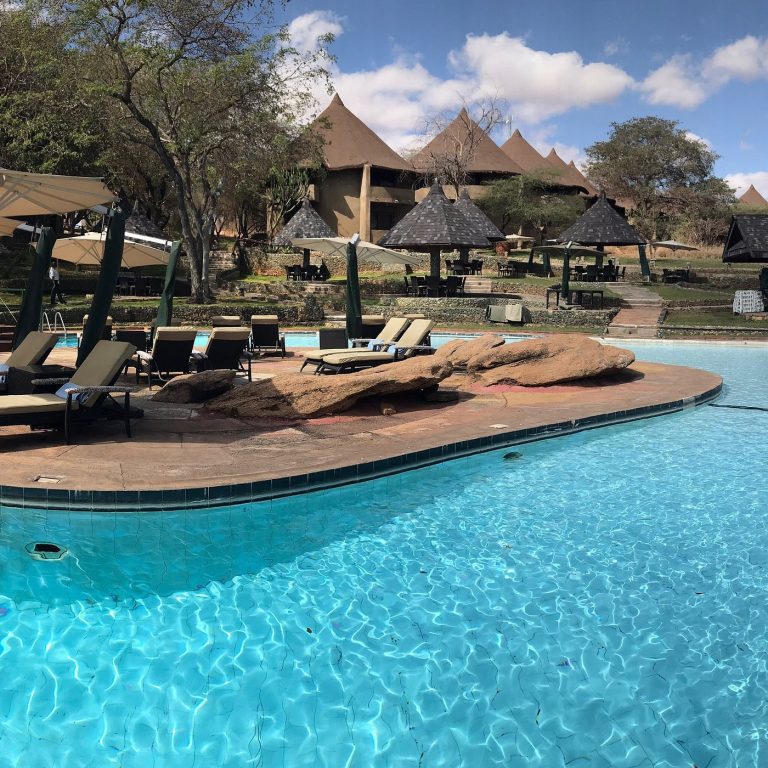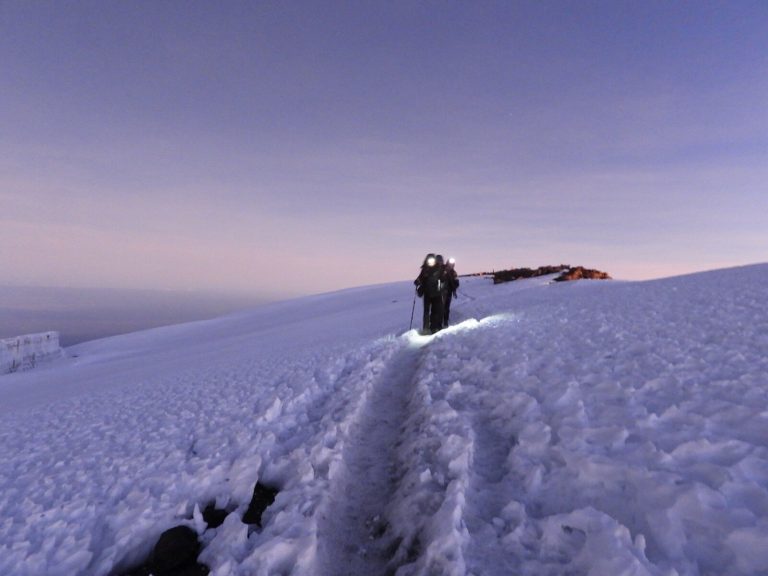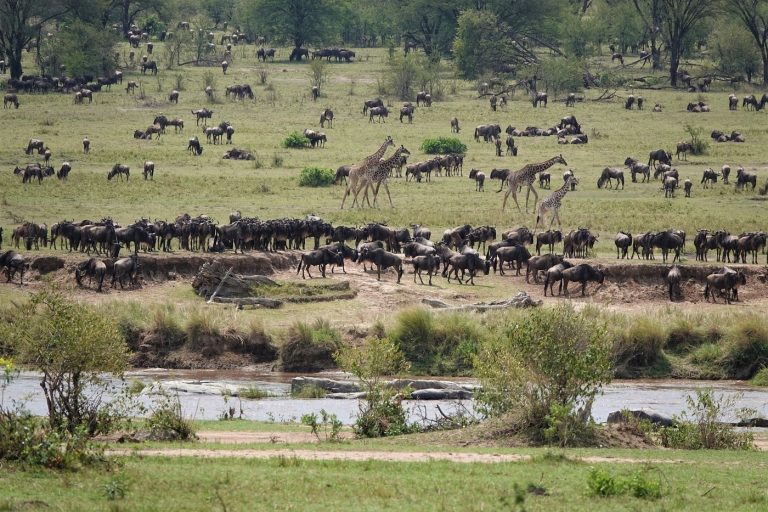
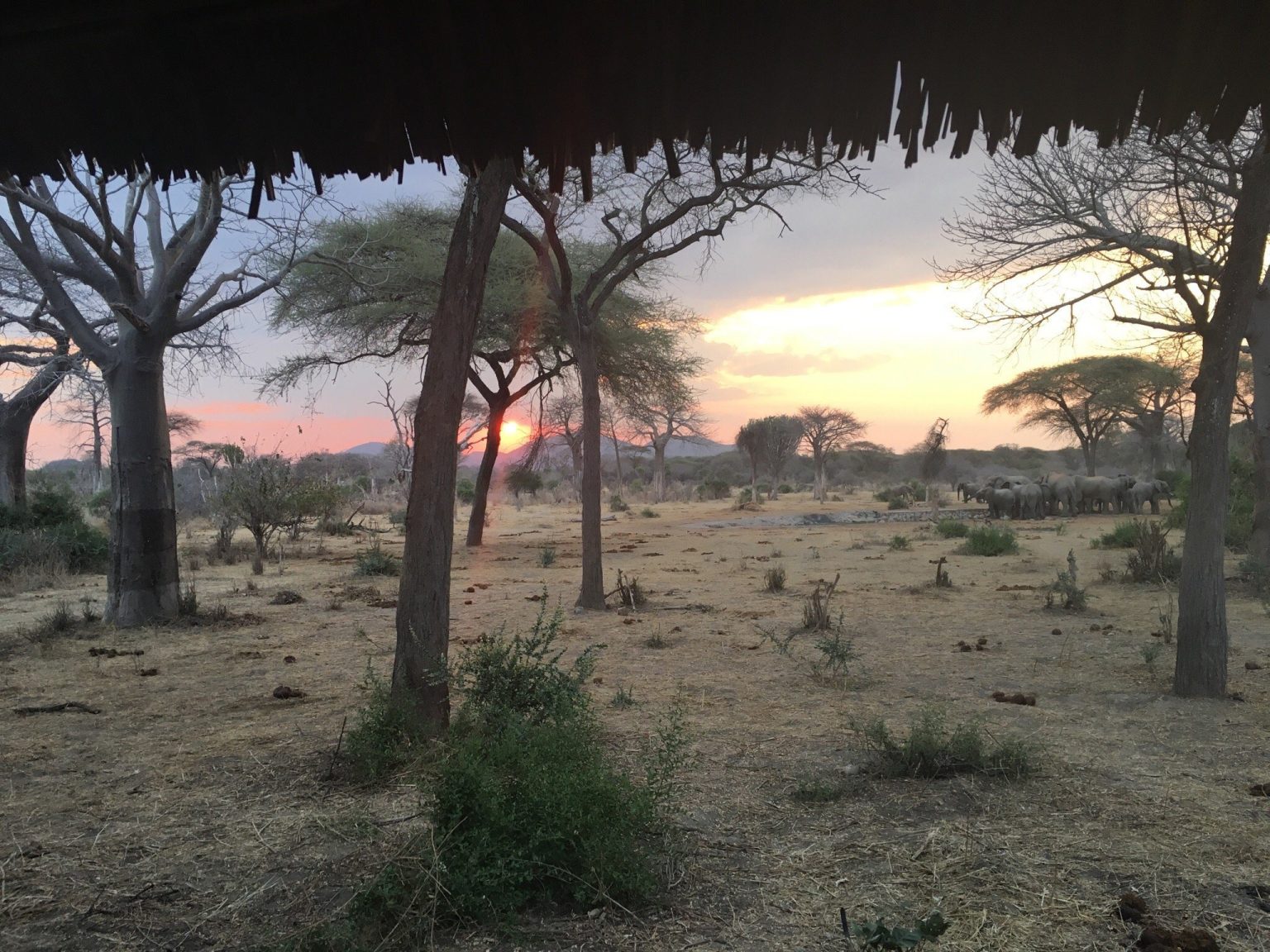
A 12 day Tanzania safari has room for both of the country’s safari circuits: six days in the north for Tarangire, the Ngorongoro Crater and three nights in the Serengeti, then a bush flight south to Ruaha and Nyerere for big lion prides, walking safaris and boat trips on the Rufiji River. Most people book it privately, driving the north and flying the south. Northern Tanzania holds the famous parks; the southern wilderness gets a fraction of the visitors.
Twelve days is where a Tanzania itinerary stops being a choice between parks. A 10 day Tanzania safari fills the northern circuit well; two more days let you add a second, very different country inside the same border. The plan below is the north and south version, followed by four other ways to spend the same twelve days, including a beach finish, a Kenya crossing and a gorilla trek in Bwindi. For the parks themselves, our Tanzania safari guide covers each one.
The 12 Day Tanzania Safari Route: North Then South
The shape is simple once you see it. Drive the northern circuit safari from Arusha, end it at a Serengeti airstrip, and let light aircraft carry you south. Eleven nights, five beds, and no long road day back to Arusha.
Why bother with the south at all? Because the two halves feel nothing alike. The north is open grassland, huge herds and plenty of other vehicles at the best sightings. The south is river country, baobab and miombo woodland, few camps and the freedom to walk. Several travellers who have done both describe the southern half as the part of the trip they talk about most, mainly because they had sightings to themselves.
The route runs one way, north to south, which avoids the eight hour drive back from the Serengeti. It also puts the slower, quieter days at the end, when people are usually tired of early starts in a moving vehicle.
Days 1 to 3: Arusha, Tarangire Safari and the Crater Rim
Most long haul flights reach Kilimanjaro in the evening. A night near Arusha is lost to nothing but sleep, and it means the Tarangire safari starts with a fresh driver guide and a fresh you. If you land early, an afternoon in Arusha National Park works well: colobus monkeys in the forest, giraffe on the glades and a canoe on the Momella Lakes below Mount Meru.
Arusha town fills a spare morning without much effort. The Maasai market and the cultural heritage centre on the Dodoma road sell carvings, beadwork and tanzanite, and most coffee farm lodges on the edge of town run short plantation walks. Some travellers add a second night here to shake off jet lag before the road days begin; on a twelve day plan that night has to come from somewhere, usually Lake Manyara.
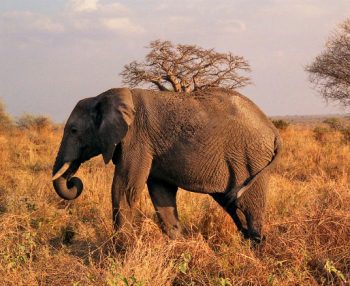
Tarangire earns its full day. In the dry months the Tarangire River is one of the few dependable water sources for miles, and elephants gather along it in big family herds. Baobabs stand on every ridge. Lion, buffalo, giraffe and large numbers of zebra and wildebeest are regular, and birders look for the yellow collared lovebird, found only in this corner of Tanzania. In the wet season much of the game spreads onto wider plains outside the park, so the same day can feel quiet.
On day three the guide usually runs a short morning drive, then heads west. Lake Manyara sits right on the road. Its groundwater forest holds baboons and blue monkeys, the lake shore draws flamingos when water levels suit them, and the park is known for tree climbing lions, though recent visitors report they are seen far less often than the brochures suggest. It is a good afternoon, not a must. Skipping it buys an unhurried arrival on the crater rim.
Sleep on the rim if you can. Lodges up there sit above 2,000 metres, nights are cold enough for a fleece and a hot water bottle, and you are minutes from the descent road when it opens at dawn. Karatu, 45 minutes further away, is the cheaper fallback, with coffee farm lodges and a Maasai or Iraqw village walk if you arrive with daylight to spare.
Days 4 to 6: Ngorongoro Crater Descent and Serengeti Game Drives
Day four is the longest of the trip and the one most worth starting early. The Ngorongoro Crater safari begins at the 6am opening: the floor lies about 600 metres below the rim and covers roughly 260 square kilometres of grass, swamp, soda lake and fever tree forest. It is one of the best places in East Africa to look for black rhino, usually far out on the open grass, so binoculars matter. Lion, hyena, buffalo, elephant bulls and hippo are regular, and the herds of zebra and wildebeest stay all year.
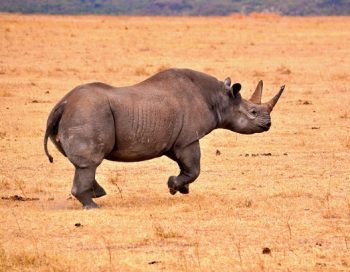
Crowds are the honest drawback. By mid morning in the dry season, a lion sighting can draw a queue of vehicles. Going down first, picnicking early and climbing out by lunch avoids the worst of it and leaves the afternoon for the drive west. That road crosses the Ngorongoro highlands, passes the turning for Olduvai Gorge, where a small museum covers the early human fossil finds made there, and reaches the Serengeti at Naabi Hill. Corrugated gravel, dust or mud: people with bad backs feel this stretch, so ask for a middle seat.
Three nights on a Serengeti safari is the core of the northern half. Central Serengeti around the Seronera Valley holds resident game all year, and its river lines and granite kopjes are among the most reliable places in Africa for leopard, lion and cheetah, though nothing is guaranteed. Which base you choose beyond Seronera depends on the great wildebeest migration: Ndutu for calving from about December to March, the Western Corridor in June, the far north for Mara River crossings from July into October.

Here the south shapes the north. The scheduled flight that links the Serengeti with Ruaha leaves from central airstrips, so the far north, around Kogatende, is harder to combine with this route. If river crossings are the point of your trip, the slow northern version further down suits you better. A dawn hot air balloon safari fits on day five or six from Seronera or the Western Corridor, finishing with breakfast in the bush.
Day 7: Flying From the Serengeti to Ruaha on a Bush Flight Safari
Day seven turns this into a fly in safari. Your guide drives you to a Serengeti airstrip after breakfast, says goodbye, and a light aircraft takes you south. Scheduled flights link the Serengeti with Ruaha on set days of the week, with a stop or two on the way, and the airline lists that connection as seasonal, running from about June to February. Outside those months, or on other days, the routing goes back through Arusha or Dar es Salaam and eats more of the day.
From here on you are on camp vehicles with camp guides. That is the trade most people notice. One guide has been with you for six days and knows how you like to spend a morning; now each camp has its own team, its own routine and its own open sided vehicles. It is worth saying on arrival what you want from the next three days, whether that is cats, birds or simply long mornings out.
Luggage is the practical catch. Light aircraft in Tanzania usually allow around 15 kilograms per person, hand luggage included, in a soft bag without wheels or a frame, and the limit is applied at the airstrip. Pack for that from day one, since the whole trip has to fit in the same bag. Our African safari packing list is built around that weight.
Days 7 to 9: Ruaha National Park Safari
A Ruaha safari feels like the north with the traffic removed. The park covers around 20,000 square kilometres of central southern Tanzania, making it one of the largest national parks in Africa, yet it has only a handful of camps. Driving for an hour without seeing another vehicle is normal here.
Life concentrates along the Great Ruaha River and its sand rivers in the dry season. Elephants dig for water in the dry beds. Lion prides here are large, and conservation researchers working in the area describe the wider Ruaha ecosystem as one of the most important lion strongholds left on the continent. Ruaha also sits where East and southern African species overlap, so both greater and lesser kudu live here, along with sable and roan antelope in the miombo woodland, and African wild dog range across the park.
Most camps offer a walking safari with an armed ranger, usually two or three hours at first light. On foot the bush changes completely: tracks, dung, birdsong and the size of a baobab up close. Walks are slow and quiet rather than exciting, which is exactly why people who try one tend to ask for another. Night drives are possible from some camps on the park edge.
Three nights here is right. Two feels rushed after the flight in, and the river at dusk, with elephants crossing below the camp, is worth a second and third evening.
Days 10 to 12: Nyerere Boat Safari and Walking Safari
The hop from Ruaha to Nyerere National Park takes a little over an hour on the daily scheduled service. Nyerere was gazetted in 2019 from the northern part of the old Selous Game Reserve, and at about 30,000 square kilometres it is Tanzania’s largest national park. Camps cluster around the Rufiji River and the chain of lakes beside it, such as Manze and Tagalala.
Water is what makes a Nyerere safari different. The boat safari is the signature activity: a small motorboat on the Rufiji or the lakes in the late afternoon, with hippo pods, big crocodiles, elephants drinking at the bank and a long list of water birds at eye level. Afternoon boat trips on day ten and game drives around the lakes on day eleven give a good balance. The park is also known for wild dog, and lion, buffalo, giraffe and elephant are all regular.
Day eleven starts on foot. Walking safaris and, at some camps, a night of fly camping under a mosquito net in the bush are allowed here, which the busier northern parks do not offer. Hot is the word for the south from October. Walks set off at first light, and midday is for the shade and the camp pool.
On day twelve a morning flight of under an hour reaches Dar es Salaam for international departures. Zanzibar is a short flight from the Nyerere airstrips too, so a beach extension tacks on with no backtracking.
Timing the North and South Safari Circuits
The north and south run on different calendars, and this 12 day Tanzania safari works best when both are in good shape at once. The dry season suits the pairing best.
| Months | North | South |
|---|---|---|
| Jun to Oct | Dry, herds west then north | Dry, peak game |
| Nov | Short rains | Hot, rains begin |
| Dec to Mar | Calving at Ndutu | Green, hot, humid |
| Apr to May | Long rains | Many camps shut |
June to October is the obvious window. Water shrinks to the rivers in Ruaha and around the Rufiji lakes, so game is easy to find, and the northern parks are dry and busy. Pack warm layers for the crater rim and light clothes for the south, where days get very hot by October.
December to March pairs the calving at Ndutu with a green south. Southern game is more spread out and the heat is humid, but camps are quieter. April and May are the long rains: many southern camps close and some roads in Nyerere flood, so this route is not a green season trip. November is a gamble, with storms building in the south. Our best time to visit Tanzania guide covers each month in detail.
Other 12 Day Tanzania Safari Itineraries
The north and south route is not the only good use of twelve days. The ranking itineraries group into four other shapes, and each suits a different traveller.
Slow northern circuit with Lake Eyasi. Stay in the north and add depth instead of a second region: Tarangire for two nights, a night at Lake Eyasi for a dawn walk with Hadzabe hunter gatherers and a visit to Datoga blacksmiths, the crater rim, then five Serengeti nights split between Seronera and the migration area. In July to October that means three nights near the Mara River in the far north, which gives crossings a fair chance, followed by a flight back to Arusha. It suits photographers and anyone who would rather wait at a river than catch a plane.
Safari and Zanzibar. The most common twelve day plan online spends eight days on safari and three or four on the island. Fly from Arusha or a Serengeti airstrip to Zanzibar, spend a night in Stone Town for the old quarter and a spice farm tour, then head to the north coast around Nungwi, where the sea stays swimmable at low tide. People who try this often wish they had given the beach longer, which is why the 15 day Tanzania safari and Zanzibar holiday exists.
From July to October the stronger version of the beach plan takes the herds into account. After the crater and a night in central Serengeti, a short bush flight or a long drive reaches the Kogatende area for two nights near the Mara River crossing points, and a flight from a northern airstrip goes straight to Zanzibar with no road back to Arusha. On the island, a boat trip to Mnemba Atoll is the snorkelling day most people choose, while Pemba and Mafia suit divers who would rather swap the busy north coast for something quieter.
Kenya and Tanzania together. Start in Nairobi, drop into the Rift Valley to Lake Naivasha, where Joy Adamson’s former home at Elsamere sits on the shore, then spend two nights in the Masai Mara. Cross into Tanzania at the Isebania border near Lake Victoria, drive into the western Serengeti, finish with the crater, a Maasai village visit and Arusha, and return to Nairobi past views of Kilimanjaro. Border formalities take time and you need two visas, but in August and September it puts both sides of the Mara River on one trip.
A second Kenya shape, closer to what Nairobi operators sell, adds rhinos and a mountain. It starts at Ol Pejeta on the Laikipia plateau for black and white rhino and a chimpanzee project, drops to Lake Naivasha for a boat trip and a walk on Crescent Island, then runs the Mara, the Serengeti and the crater before crossing back into Kenya at Namanga for two nights in Amboseli, where elephant herds walk under Kilimanjaro. The Mara to Serengeti day is the long one, often seven hours on the road with the border, so some trips fly that leg. Kenya now issues an electronic travel authorisation instead of a visa, and our East Africa visa guide sets out the current rules for both countries. A shorter Kenya leg on its own is laid out in the 7 day Kenya safari plan.
Gorillas instead of the south. Keep the first six days, then fly from Kilimanjaro to Entebbe or Kigali and spend the last four days on a gorilla trek in Bwindi or in Rwanda. Direct flights do not run daily, so the schedule fixes the plan. The 14 day Tanzania safari lays out the full Serengeti and Bwindi version, and our page on combining a Tanzania safari with gorilla trekking covers flights, visas and order. Uganda permits sell out early in the dry months, so securing a gorilla permit comes before booking any lodge.
The Rwanda version runs the other way round. Fly into Kigali, spend a night in the capital with time for the Kigali Genocide Memorial, then drive about two and a half hours north to Volcanoes National Park for two nights and one gorilla trek in Rwanda. On day four a regional flight carries you from Kigali to Kilimanjaro for five days on the northern circuit, and a flight to Zanzibar closes the trip with three nights on the coast. Rwanda’s permit costs more than Uganda’s, but the short drive from Kigali to the park is what draws people to this shape.
Classic northern circuit at a slower pace. The older way to spend twelve days never leaves the north. After a night in Arusha and a day in Arusha National Park, it gives Tarangire a night, Lake Manyara two, the crater area two, and then follows the road past Olduvai Gorge into the southern Serengeti for three nights before heading back to Arusha. Fewer packing days suit families and older travellers, though it spends more time at the smaller parks than most people need, and it ends with the long drive out of the Serengeti unless you fly.
Shorter on time? The 7 day and 9 day Tanzania safari outlines cover the north alone.
What a 12 Day Safari Package Includes and What Changes the Price
A typical 12 day Tanzania safari package quote covers the private four wheel drive vehicle with a pop up roof and a driver guide for the northern days, park, conservation area and crater fees, eleven nights on full board, game drives and activities at the southern camps, scheduled light aircraft flights, drinking water and airport transfers. Southern camps often include walking safaris and boat trips in their rates; northern lodges rarely include anything beyond meals. The usual exclusions are international flights, visas, travel insurance, tips, drinks, laundry, the balloon flight and any extra night in Arusha or Dar es Salaam. Top end camp rates are set out in our Tanzania luxury safari cost guide.
Six things move the price. Lodge tier comes first. Flights are next, because this route carries at least three light aircraft legs, and each is priced per person. Season follows, with July to September at the top. Group size matters on the northern half, where the vehicle and guide cost the same for two people or six. Sleeping inside a park adds a nightly concession fee. And the south has fewer camps, so the cheapest beds sell first.
A few smaller items catch people out. Some operators include emergency evacuation cover from AMREF Flying Doctors and some do not, so ask; in the south, where the nearest hospital is a flight away, it matters more than in the north. Solo travellers pay a single supplement at most camps, and children usually pay a reduced rate that varies by lodge and age. Group joining safaris run on fixed dates on the northern half and cut the per person cost, but they rarely continue south, where the camps’ own vehicles and guides take over anyway.

Use a licensed operator, ideally a member of the Tanzania Association of Tour Operators, and ask for the itinerary, camps and flight legs in writing. Compare at least three quotes for the same route. Our guides to choosing a Tanzania safari company, the best safari companies in Tanzania and the Tanzania safari cost breakdown cover what to check. For lenses and binoculars that reach a rhino across the crater floor, see our safari binocular and camera guide.

12 Day Tanzania Safari Questions
How much does a 12 day Tanzania safari cost?
Published operator prices fall into bands per person per day, two sharing, with park fees included: roughly US$250 to US$400 for budget camping or group trips, US$450 to US$800 for a mid range lodge safari with a private vehicle, and from about US$900 to well past US$1,500 for luxury camps. Over eleven nights that is about US$2,750 to US$4,400 on a budget, US$4,950 to US$8,800 mid range and US$9,900 upward for luxury, before international flights, visas and tips. The north and south route sits in the mid range and luxury bands, because southern camps are small and the flights add up; scheduled light aircraft legs in Tanzania commonly cost a few hundred dollars per person each, around US$300 to US$500 for the Arusha to Serengeti routes. These are market ranges, not official rates, so ask for an itemised quote. Our Tanzania safari cost guide breaks the figures down line by line.
Which park fees are included in a 12 day safari price?
Tanzania National Parks lists its non resident tariff in shillings, charged per adult per 24 hours. Serengeti and Nyerere entry is TZS 178,850, about US$70; Tarangire and Lake Manyara TZS 127,750, about US$50; and Ruaha TZS 76,650, about US$30. Operators often add 18 percent VAT. With VAT, Serengeti and Nyerere entry comes to US$82.60 in the high season and US$70.80 from mid March to mid May. Sleeping inside a park adds a nightly concession fee per person. The Ngorongoro Conservation Area charges US$70.80 per adult per 24 hours, plus a crater service fee of US$295 per vehicle per descent and US$59 per adult per night at rim lodges. Fees change, so confirm them with your operator.
What should I budget for the balloon, visa, insurance and tips?
Shared Serengeti balloon flights are published at around US$599 to US$700 per person with breakfast. Tanzania’s ordinary tourist visa is US$50 for most nationalities and US$100 for US citizens. Mainland Tanzania and Zanzibar require a mandatory inbound travel insurance policy, US$44 per adult for up to 92 days. Common tipping guidance is US$20 to US$30 per vehicle per day for a driver guide and US$10 to US$15 per guest per day for camp staff. A gorilla variant adds a Uganda permit at US$800, or US$600 in April, May and November, or a Rwanda permit at US$1,500.
Is the southern circuit worth adding to a 12 day Tanzania safari?
For most people on a second safari, or anyone who dislikes crowded sightings, yes. Ruaha and Nyerere add walking safaris, boat trips and far fewer vehicles. First timers who mainly want the migration may get more from extra Serengeti nights, so match the choice to what you want to see.
Is 12 days too long for a safari?
Not if the pace changes. Twelve days of identical game drives can wear people out, so this route mixes long northern drives with walks, boat trips and midday rest in the south. If you prefer variety of another kind, finish on Zanzibar.
What is the best month for a 12 day north and south safari?
June to October, when both circuits are dry and the scheduled Serengeti to Ruaha flight is running. July to September is the busiest and most expensive. Avoid April and May, when many southern camps close.
Can you see the Big Five on a 12 day Tanzania safari?
Your chances are good, though no sighting is guaranteed. The northern half gives elephant, buffalo and lion almost daily, black rhino in the Ngorongoro Crater, usually far out on the open grass, and leopard along the Seronera river line. The south adds big lion prides, wild dog and greater and lesser kudu, but rhino are not part of a Ruaha or Nyerere stay, so the crater morning is your rhino chance.
Is a 12 day Tanzania safari safe?
The parks and camps see very little crime, and most problems on a long trip are road dust, heat and tiredness. At the latest check the US State Department listed Tanzania at Level 2, Exercise Increased Caution, mostly for crime in towns, so take normal care in Arusha, Dar es Salaam and Stone Town and avoid road travel after dark. Advisories change, so check again before you go.
Which visas do the Kenya and Rwanda variants need?
Tanzania issues its own eVisa, best applied for online a few weeks before travel. The Kenya crossing adds a Kenyan electronic travel authorisation, and the Rwanda version adds a Rwandan visa, which most nationalities can get on arrival in Kigali. Because Uganda, Rwanda and Kenya can share a joint tourist visa that Tanzania is not part of, and Kenya’s place in it has been unsettled lately, the order of countries changes how many you buy. Our East Africa visa guide walks through the combinations.
How much luggage can I take on the bush flights?
Usually around 15 kilograms per person including hand luggage, in a soft bag with no wheels or frame. Some airlines allow 20 kilograms. Your Arusha hotel can store extra bags, but on a one way route that means collecting them, so pack light from the start.
Is a 12 day Tanzania safari suitable for children and older travellers?
Yes, with some care. Game drives need almost no fitness, but rough roads tire everyone. Walking safaris usually have a minimum age of around 12 to 16, and some southern camps set minimum ages for children. Older travellers often prefer this route because the flights replace the hardest road days.
Do I need malaria tablets for Ruaha and Nyerere?
Yes. The southern parks are hot, low and malarial, more so than the crater highlands. Ask a travel clinic about tablets, use repellent in the evening and sleep under the nets provided. Tsetse flies also bite in parts of the south, so neutral colours help more than dark blue or black.