A 10 day Tanzania safari usually means the full northern circuit from Arusha: a day in Tarangire, Lake Manyara or the Karatu highlands, four nights in the Serengeti placed wherever the migration is, and a morning in the Ngorongoro Crater on the way out. The main alternative is six or seven days on safari followed by three nights on Zanzibar. Most travellers book either version as a private road safari with a driver guide, and June to October and January to February are the strongest months.
Ten days is the length most guides would pick for a first visit. It gives the Serengeti enough nights to follow the herds rather than glimpse them, and it leaves room for one change of plan: a beach finish, a fly in shortcut, the southern parks, or two days with the mountain gorillas of Bwindi. The route below is the version most operators quote, with the choices that change it at each stage. Prices sit in the FAQ at the end.
The Classic 10 Day Tanzania Safari Route at a Glance
The shape of a good northern circuit safari is simple. Start with the parks closest to Arusha, spend the middle of the trip deep in the Serengeti, and save the crater for the drive out, when you pass it anyway. Nine nights, four or five beds, and one long day of driving in each direction.
Some operators run the loop the other way, crater first and Serengeti last, which suits an onward flight from a Serengeti airstrip. Either direction works. What matters more is the number of lodge changes: trip reports from people who regretted their safari tend to blame a bed change every night, not the parks themselves. Two nights in a place, wherever you can manage it, makes the trip feel like a holiday rather than a relay.
Two Ways to Spend Ten Days: Full Safari or Safari and Zanzibar
Almost every 10 day Tanzania tour on the market is one of two shapes, and choosing between them is the first real decision.
The trade is simple. Every night you give the beach comes out of the Serengeti or the smaller parks. With only two Serengeti nights you stay in one area, so in the river crossing months it pays to fly in and out of the north rather than drive. Travellers who have done both shapes often say the full safari felt right on a first visit and the beach finish felt right on a second.
Days 1 and 2: Arusha Arrival and a Tarangire Elephant Safari
Most international flights land at Kilimanjaro International Airport in the evening. A first night near Arusha costs you nothing in park time and means the Tarangire safari starts rested. Coffee lodges on the slopes of Mount Meru are quieter than town hotels and put you a little closer to the road west. If you land in the morning, a visit to a Maasai village or a walk through Arusha’s markets fills the afternoon without tiring anyone before the safari proper.
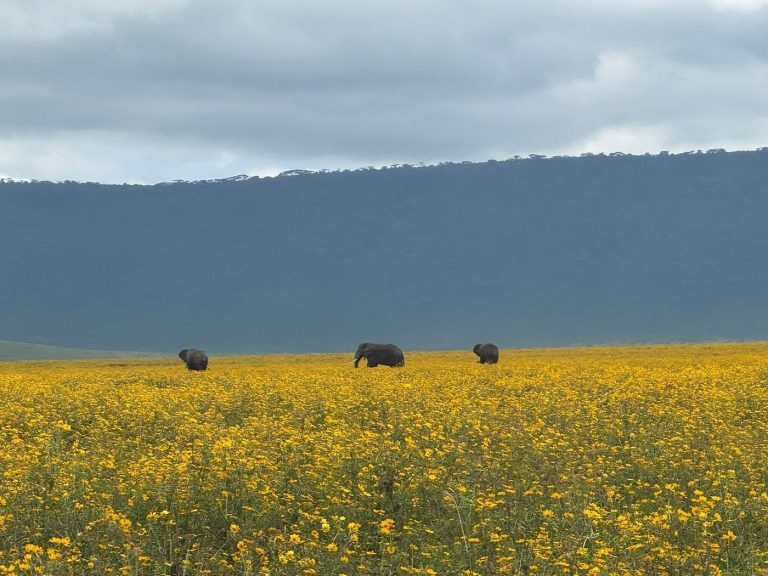
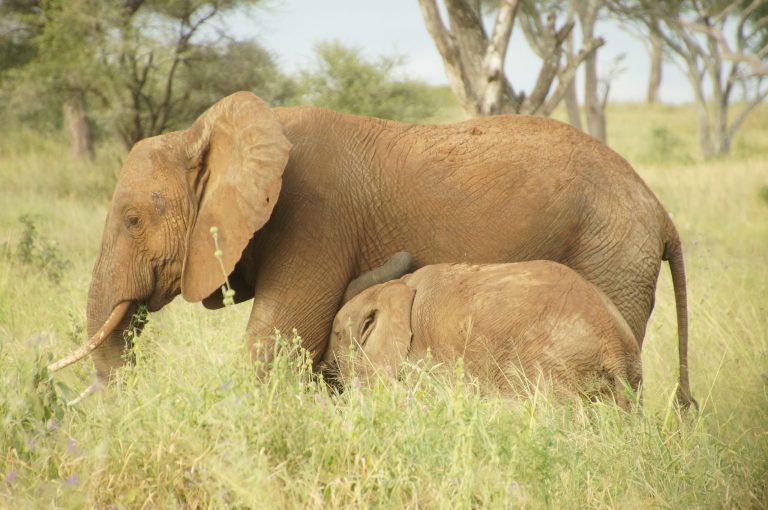
Tarangire is the park people undersell in advance and talk about afterwards. In the dry months from about June to October, the Tarangire River is one of the few reliable water sources in the region, and elephants come to it in large family herds. Baobabs line the low ridges. Lion, buffalo, giraffe and plenty of zebra and wildebeest stay through the dry season, and birders look for the yellow collared lovebird, a small parrot found only in this part of Tanzania. In the wet months many animals spread out onto the wider plains, so the park is quieter but the elephants are harder to find.

A full day here, with a picnic lunch under a tree and a sleep inside or just outside the park, is worth more than an afternoon squeezed in on the way to somewhere else. Camps on the park boundary often offer walking safaris and night drives, which national park rules do not allow inside Tarangire itself.
If you would rather begin gently, Arusha National Park is a half hour from town and makes a good day one for afternoon arrivals: colobus monkeys in the forest, giraffe on the open glades, canoeing on the Momella Lakes and short walks with an armed ranger. Adding it pushes something else out, usually Lake Manyara.
Day 3: Lake Manyara Game Drive or a Karatu Highlands Day
Day three is the most flexible day of the trip. The classic plan spends the morning in Tarangire, then drives to Lake Manyara National Park for an afternoon game drive before climbing the Rift Valley escarpment to sleep in Karatu.
Manyara is small and pretty. The road in runs through groundwater forest full of baboons and blue monkeys, then opens onto grassland and the lake shore, where flamingos gather when water levels suit them and more than 400 bird species have been recorded. The park is famous for tree climbing lions, much like Ishasha in Uganda, but sightings have become patchy, and several recent trip reports say the lions did not show. Go for the forest, the birds and the escarpment views, and treat a lion up a tree as a bonus.

The alternative is to skip Manyara and spend the afternoon in the Karatu highlands. Lodges here sit on coffee estates at the edge of the Ngorongoro forest, and the time can go on a farm walk, a village visit, or simply a rest before the long Serengeti day. Travellers on their third safari often prefer this. First timers who want to see as many species as possible usually keep Manyara.
A third option suits people with a cultural interest. Lake Eyasi, about two hours south of Karatu, is home to Hadzabe hunter gatherers and Datoga blacksmiths, and an early morning hunting walk with a Hadzabe group fits into a ten day plan if you drop the Manyara drive. Go with a guide who works with the same families regularly; trip reports are much warmer about those visits than about quick stops.
Days 4 to 7: Four Nights on a Serengeti Safari
The Serengeti safari is the reason for the trip, and four nights is what makes ten days worth booking over seven. The drive in takes most of day four. From Karatu the road climbs to the crater rim, drops across the short grass plains past the turning for Olduvai Gorge, and reaches Naabi Hill Gate. Allow three to four hours to the gate, plus another hour or more to Seronera, with game viewing along the way.
The road is rough. Corrugated gravel, dust in the dry months and mud in the wet are part of every road safari here, and people with back trouble feel it. Sitting near the middle of the vehicle helps, as does a scarf for the dust.
Central Serengeti around the Seronera Valley holds resident game all year. The river line and the granite kopjes are among the most reliable places in Africa for leopard, lion and cheetah, though sightings are never guaranteed. Two nights here give you two full days of morning and afternoon drives, and a fair chance at all of the Big Five across the trip once the crater’s rhino is added.
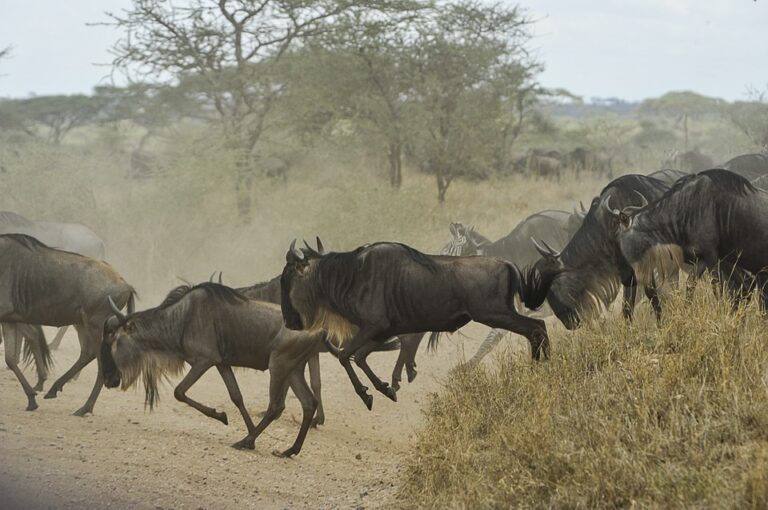
The other two nights go wherever the herds are. Mobile and seasonal camps move with the great wildebeest migration, so in February you might sleep at Ndutu among calving herds and in August near the Mara River in the north. A hot air balloon safari at dawn is the most popular add on, booked as a single morning from Seronera, the Western Corridor or the north, with breakfast in the bush after landing.
One honest warning from people who have done it: the far north is a long way from everything. Kogatende, the hub for Mara River crossings, is about four to five hours’ drive north of Seronera and roughly eight from the crater rim. If you want crossings, either fly out of the north at the end or accept that day eight will be a very long drive.
Placing the Serengeti Nights on the Migration Safari Calendar
Your travel month decides more about this 10 day Tanzania safari than the lodge list does. The herds move in a rough loop through the year, and the second Serengeti base should follow them.
| Months | Herds usually | Second base |
|---|---|---|
| Dec to Mar | Calving, south | Ndutu |
| Apr to May | Moving north | Seronera |
| Jun | West, Grumeti | Western Corridor |
| Jul to Oct | Mara River | Kogatende |
| Nov | Heading south | East or Seronera |
Calving at Ndutu peaks in February, when hundreds of thousands of calves are born within a few weeks and predators follow closely. Ndutu sits on the border of the Serengeti and the Ngorongoro Conservation Area, so this version of the route is the easiest on driving: the crater and the herds are close together. April and May bring the long rains, the cheapest rates and some closed camps, though the crater and central Serengeti still deliver good viewing for people who do not mind afternoon storms.
June is the quiet secret. The herds gather in the Western Corridor before the Grumeti River, crowds are thinner than in the north, and the weather is dry. From July into October the river crossings in the north draw the biggest crowds and the highest prices of the year, with August and early September the most reliable. Herds can mass on the bank for days without crossing, so three nights in the north beats one. November’s short rains turn the herds south again through the eastern plains. Our best time to visit Tanzania page covers the weather month by month, and the great migration safari packages guide shows how operators build trips around each season.
Days 8 and 9: Ngorongoro Crater Safari and the Rim
On day eight most guides fit in a last morning game drive on the way out of the Serengeti, then climb to the crater rim. Sleeping on the rim is what makes the Ngorongoro Crater safari work: you are at the descent road for the 6am opening, ahead of the vehicles coming up from Karatu. Rim lodges sit at over 2,000 metres, and nights are cold enough for a fleece and a hot water bottle, even in a hot month.
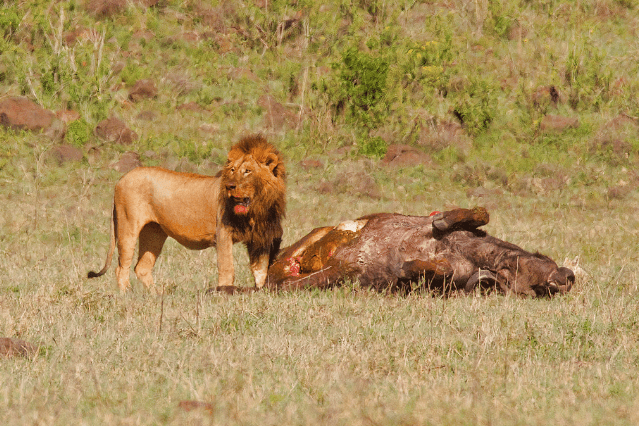
The crater floor drops about 600 metres from the rim and covers roughly 260 square kilometres of grassland, swamp, a soda lake and a patch of fever tree forest. It is one of the best places in East Africa to look for the black rhino, which usually keeps to the open grass well away from the track, so bring binoculars. Lion, hyena, buffalo, elephant bulls, hippo and big herds of zebra and wildebeest are all regular. Rules limit each vehicle to about six hours on the floor, and everyone must be out by early evening.
Crowds are the common complaint. From June to October dozens of vehicles converge on any lion sighting by mid morning. Going down at first light, picnicking by the hippo pool after the rush and climbing out at lunchtime avoids the worst of it. By early afternoon you are on the tarmac toward Karatu or Arusha, which is why the crater suits the last full day so well.
If you prefer one night less moving, Karatu works as the base for both the crater and the final night. The drive to the descent road takes about 45 minutes longer each way, and lodges are usually less expensive than the rim.
Day 10 and Other Ways to Shape the Northern Safari Trip
The last day is simple. From Karatu the tarmac road reaches Arusha in about three hours, with time for a lunch stop and the craft markets before an evening flight from Kilimanjaro. If your flight leaves early, sleep in Arusha on night nine instead.
The standard route bends in several directions, and the ranking itineraries show most of them.
Lake Natron. A rough drive north of Manyara reaches this soda lake below the Ol Doinyo Lengai volcano, with waterfall walks and, in season, lesser flamingos. It fits active travellers who will trade a Serengeti night for it.
Kilimanjaro. Climbing Kilimanjaro takes at least five or six days on its own, so a full ascent plus a real safari needs longer than ten days. A one day hike to the first hut on the mountain fits easily. Our Kilimanjaro trekking guide covers the routes.
Kenya. Some routes start in Nairobi, spend two nights in the Masai Mara, then cross the Isebania border into the Serengeti. The border adds paperwork and time, and two visas. Amboseli is another Kenyan add on, covered in our Amboseli safari guide, and the 10 day Kenya safari shows the Kenyan side on its own.
Family pace. With children, drop Manyara, take a lodge with a pool in Tarangire, and spend two nights in each place. Shorter drives with a midday rest work far better than full days in the vehicle. Some camps and balloon operators set minimum ages, which our family safari in Africa guide covers.
If ten days is too long or too short, compare the 7 day, 8 day and 9 day Tanzania safari outlines, or the 12 day and 14 day versions that add the southern parks or more Serengeti time.
Where to Sleep on a 10 Day Safari: Lodges, Tented Camps and Camping
Accommodation is the biggest single choice on a Tanzania safari tour after the route, and the same ten days can be run at three very different levels. What changes is comfort, location and how much time you lose driving to the game.
Where you sleep matters as much as the tier. A Serengeti camp near the herds saves hours in the vehicle, while a lodge outside a park gate is cheaper but adds a drive to every morning. Our safari lodges guide explains how camps work across East Africa, and the Tanzania budget camping safari page covers the camping version in detail.
Fly In Safari Version of the 10 Day Trip
A fly in safari keeps the same parks and replaces the long road days with light aircraft. Scheduled shuttles link Arusha airport with Lake Manyara and a string of Serengeti airstrips, including Seronera, Ndutu, Kogatende and the Grumeti area, landing on a timetable that suits morning connections. A Serengeti hop takes about an hour or a little more, depending on how many stops the plane makes.
The most popular mix drives the first half and flies the second: road safari through Tarangire, Manyara or Karatu and the crater, then a flight out of the Serengeti on the last day. That saves the eight hour return drive from the north and suits anyone chasing the river crossings. Fully flown trips let each camp use its own vehicles and guides, so you change guide at every stop.
Weight is the catch. Shuttle airlines commonly limit luggage to 15 to 20 kilograms per person, in a soft bag without wheels, and the limit is enforced at the airstrip. Check the allowance with your operator, and plan to leave a bag at your Arusha hotel. Our African safari packing list is written around that limit.
Zanzibar Beach Extension After a Northern Safari
The safari and Zanzibar combination is the single most common variant on the ranking itineraries. It usually means six or seven days on the mainland, cutting one Serengeti night and Manyara, then a flight of about an hour and ten minutes from Arusha or Kilimanjaro to Zanzibar for the last three nights.
Put the safari first. Early mornings and long drives are easier at the start of a trip, and the beach afterwards is where you recover from them. Travellers who did it the other way round often say they spent the safari wishing they were still lying down.
Three nights is the minimum that feels like a holiday. Spend one in Stone Town for the old quarter and a spice farm tour, then two on the beach. The north coast around Nungwi and Kendwa has swimmable water at all tides; the east and south east coasts around Paje and Jambiani have a wide tidal lagoon that drains far out at low tide, which surprises people who book a sea view without checking, though the kitesurfing there is excellent. Snorkelling trips to Mnemba atoll run from the north and east. Several travellers who tried the beach finish said they wished they had given the island more time, so if you can, stretch the trip into the 15 day Tanzania safari and Zanzibar holiday instead.
The long rains in April and May hit the coast hard, and some beach hotels close. Zanzibar works best in the same dry months as the safari, plus the hot, calm weeks from late December to February.
Southern Circuit 10 Day Safari: Nyerere and Ruaha
Ten days also fits a southern Tanzania safari, which looks nothing like the northern route. Flights from Dar es Salaam reach Nyerere National Park, the former Selous, where boat trips on the Rufiji River and walking safaris with an armed ranger are the main events, and Ruaha, a dry baobab park known for big lion prides and very few vehicles. A common shape is four nights in each, plus a night in Dar es Salaam or a short beach stop at the end.
There is no migration in the south, and the parks suit people who have already seen the Serengeti or who want walking and boats rather than vehicle traffic. The camps close in April and May, and the best months run from June to October. Travellers with twelve or fourteen days often split the time between the north and one southern park.
Swapping the Last Days for Gorilla Trekking in Bwindi
Tanzania has chimpanzees in its far west but no gorillas. People who want both fly from Tanzania to Uganda or Rwanda for a gorilla trekking safari, and a ten day trip can carry it if the Tanzania half is trimmed to seven days.
The usual shape: Arusha, Tarangire, the crater and three Serengeti nights, then a flight back to Kilimanjaro on day seven and a regional flight to Kigali or Entebbe. Direct flights between Kilimanjaro and both cities run on certain days of the week, so the whole plan hangs on the schedule. From Kigali, the southern sectors of Bwindi, Rushaga and Nkuringo, are about four to five hours by road over the Uganda border; from Entebbe, a domestic flight to Kisoro or Kihihi airstrip saves a full day on the road. Day eight is the transfer, day nine is the trek, and day ten is the way home. Rwanda’s Volcanoes National Park, about two and a half hours from Kigali, is the shorter option if time is the main constraint.
The gorilla trek in Bwindi itself is a different kind of day. You walk from thirty minutes to several hours on steep, muddy forest paths, spend one hour with a habituated family, and walk back. Permits sell out in the dry months, so securing a gorilla permit should happen before you book the Tanzania lodges. Our pages on combining a Tanzania safari with gorilla trekking, Rwanda gorilla trekking and getting to Bwindi cover the routes in more detail, and the gorilla trekking packing list covers the gloves and gaiters a forest trek needs and a game drive does not.
Timing works neatly. The dry trekking months in Uganda, June to September and December to February, overlap the Mara River crossings and the calving season. Bwindi is also good for birding on the spare afternoon after a trek.
Booking a 10 Day Tanzania Safari Tour: Private, Group and What a Package Includes
There are four common ways to book a Tanzania safari package. A licensed local operator in Arusha runs the trip directly and usually gives the most flexibility for the money. An overseas travel agent bundles flights and protection but adds a margin. Some lodges sell their own safaris, which suits short trips more than a ten day circuit. And self drive is possible but rare, since crater descents need a licensed guide and the roads are hard on a hire car.
Private or group. A private safari gives your party its own vehicle and driver guide, so you choose when to leave and how long to sit with a leopard. Group departures share a vehicle with other travellers and cut the cost, though you give up control of timing and stops. Couples feel the gap most; families of four or more rarely pay much extra to go private. On a private trip, say early what kind of days you want. Several travellers reported that guides stick to a habitual rhythm unless asked, so if you want to be out at dawn and stay out through midday, agree that on day one.
A typical quote covers a private four wheel drive vehicle with a pop up roof, a driver guide for the whole trip, park, conservation area and crater fees, nine nights of lodging on full board, drinking water in the vehicle and airport transfers. The usual exclusions are international flights, visas, the government inbound travel insurance, tips, drinks, laundry, the balloon flight and any night in Arusha before or after the safari dates. Always ask which nights are included, because the first and last nights are where quotes differ most. Our guide to Tanzania safari packages explains how to compare quotes.

Five things move the price more than anything else. Lodge tier is the biggest, from public campsites and budget tented camps to luxury lodges on the rim and in private reserves. Season comes next, with July to September at the top and April and May at the bottom. Group size matters because the vehicle and guide cost the same whether two or six people share them. Flights replace road days with airfares. And sleeping inside a park adds a nightly concession fee that camps outside the boundary avoid.
Choose an operator that holds a government tour operator licence and, ideally, membership of the Tanzania Association of Tour Operators, ask for the itinerary and lodges in writing, and compare at least three quotes for the same route. Our guides to choosing a Tanzania safari company, the best safari companies in Tanzania and the Tanzania safari cost breakdown explain what to look for.

Packing, Visas, Health and Safety for Your Tanzania Safari Trip
Pack for dust, early cold and midday heat. Layers in khaki, olive and tan work best, with a fleece for the crater rim and dawn drives, a scarf or buff for the dust, a hat, sunglasses and good binoculars for each person. Leave bright white at home: it shows red dust within an hour, and on a walk it stands out more than any other colour. Dark blue and black attract tsetse flies in Tarangire and parts of the Serengeti. Our guide on what to wear on safari covers fabrics and colours, and our safari binocular and camera guide suits the crater rhino and the Serengeti cats.
Most visitors need a Tanzanian visa, which can be applied for online before travel, and mainland Tanzania and Zanzibar now require a government inbound travel insurance policy on top of your own cover. The northern parks and Zanzibar are malaria areas, so talk to a travel clinic about tablets. A yellow fever certificate may be asked for if you arrive from a country with yellow fever risk, including Kenya and Uganda. Our East Africa visa guide and the page on African safari insurance cover the paperwork.
On safety, the parks themselves see very little crime, and the usual city care applies in Arusha, Dar es Salaam and Stone Town: no valuables on show, licensed taxis after dark, and a hotel safe for passports. At the latest check the US State Department rated Tanzania at Level 2, Exercise Increased Caution, mainly over crime in towns, after a spell at Level 3 that followed the election protests. Advisories change, so read the current US, UK and Canadian advice before you travel; our page on safe countries to visit in Africa compares them.
10 Day Tanzania Safari Questions
How much is a 10 day safari in Tanzania?
Published operator prices for the northern circuit fall into bands per person per day, two sharing, with park fees included: roughly US$220 to US$460 for budget camping or group trips, US$340 to US$515 for a private mid range lodge safari, and from about US$900 for luxury camps. Over nine safari nights that works out at about US$2,000 to US$4,150 on a budget, US$3,050 to US$4,650 mid range and US$8,100 upward for luxury, before international flights, visas and tips. Green season rates from late March to May can be 20 to 30 percent lower at many lodges. These are market ranges, not official rates, so ask for an itemised quote; our Tanzania safari cost guide builds real totals line by line.
Which park fees are built into a 10 day safari price?
Tanzania National Parks now lists its non resident tariff in shillings. Serengeti entry is TZS 178,850 per adult per 24 hours, about US$70, and Tarangire and Lake Manyara are TZS 127,750, about US$50; operators often add 18 percent VAT on top. With VAT, Serengeti entry comes to US$82.60 in the high season and US$70.80 from mid March to mid May. Sleeping inside a park adds a concession fee per person per night. The Ngorongoro Conservation Area charges US$70.80 per adult per 24 hours, which a road safari also pays crossing to the Serengeti, plus a crater service fee of US$295 per vehicle per descent, shared by everyone in it, and US$59 per adult per night at rim lodges. Fees change, so confirm them with your operator.
What do the balloon flight, internal flights, Zanzibar and the other extras cost?
Shared Serengeti balloon flights are published at around US$599 to US$700 per person with breakfast. Light aircraft flights between Arusha and Serengeti airstrips commonly cost US$300 to US$500 per person one way. Tanzania’s ordinary tourist visa is US$50 for most nationalities and US$100 for US citizens. Mainland Tanzania and Zanzibar both now require a mandatory inbound travel insurance policy, US$44 per adult for up to 92 days, bought from the official insurer for wherever you enter first; one policy covers both. Swapping the last days for gorillas adds a Uganda permit at US$800, or US$600 in April, May and November, or a Rwanda permit at US$1,500. Common tipping guidance is US$15 to US$20 per person per day in total, for the guide and the camp staff box. The Tanzania safari cost page keeps these figures together.
How many days is enough for a Tanzania safari?
Seven days covers Tarangire, the Serengeti and the crater in a hurry, with two Serengeti nights. Ten days is the length most guides recommend for a first visit, because it allows three or four Serengeti nights in two areas, or a full safari plus three nights on Zanzibar. Fourteen days lets you add the southern parks, a gorilla trek or more beach time.
Is 10 days too long for a Tanzania safari?
Not for most people, as long as the days are not all spent moving. Some travellers find a long run of game drives tiring, so build in a slow afternoon at a lodge, a Karatu farm day or a beach finish. Seven days covers the main parks in a hurry; ten lets the Serengeti breathe.
Is it safe for Americans to go to Tanzania right now?
Most American visitors travel without trouble, and the parks see very little crime. At the latest check the US State Department rated Tanzania at Level 2, Exercise Increased Caution, mostly over crime in towns, after a spell at Level 3 linked to election protests. Check the current advisory before you book and again before you fly, keep valuables out of sight in Arusha and Dar es Salaam, and use the transfers your operator arranges.
Why should you not wear white on safari?
White shows the red dust of the safari tracks within an hour, and on a walking safari it is the most visible colour in the bush, which many animals read as an alarm signal. Khaki, olive, tan and stone work better. Avoid dark blue and black too, since they attract tsetse flies. Off white is fine for dinner at the lodge.
What is the best month for a 10 day Tanzania safari?
June to October is dry, with the best general game viewing and the Mara River crossings from July. February is the peak of calving at Ndutu. June and early November offer good viewing with fewer vehicles. April and May are wet and cheapest, and some camps close.
Should I drive or fly between the parks?
Driving is cheaper and keeps one guide with you all trip, which many people value. Flying saves the longest days, especially to and from the northern Serengeti, and suits travellers with bad backs. A mix of road out and flight back is the most common compromise.
Will I see the Big Five or a river crossing on a 10 day safari?
Lion, elephant and buffalo are seen on almost every trip, leopard often in central Serengeti, and black rhino most reliably in the Ngorongoro Crater, so all five are possible but never promised. River crossings happen from July to October, and herds can wait on the bank for days. Three nights in the north, with long mornings near the river, gives you a fair chance; one night rarely does.
Is a 10 day northern circuit safari suitable for children and older travellers?
Yes, with pacing. Game drives need almost no fitness, but long days on rough roads are tiring, and some camps set minimum ages. Families do better with two nights per stop and a lodge pool. Older travellers often fly the longest legs. Gorilla trekking has a minimum age of 15.
Do I need malaria tablets or a yellow fever certificate?
The northern parks and Zanzibar are malaria areas, so ask a travel clinic about tablets and use repellent at dusk. Tanzania may ask for a yellow fever certificate if you arrive from a country with yellow fever risk, including Kenya and Uganda, which matters if you trek gorillas first.
Can I self drive a 10 day Tanzania safari?
It is possible with a suitable four wheel drive and the right paperwork, but few visitors find it worth it. Going down into the Ngorongoro Crater needs a licensed guide on board, roads are rough, and a local guide knows where animals were seen that morning. Our page on self drive safaris in Africa covers the details.