• The average Cost to Hike Kilimanjaro in 2026 ranges from $1,200 to $5,900 per person depending on route, duration, and operator quality
• Budget-friendly Marangu route climbs start at $1,220 for 5 days, while premium Northern Circuit expeditions reach $3,205 for 9 days
• Standard pricing includes park fees, professional guides, porters, meals, equipment, and transportation, but excludes tips, gear rental, and insurance
• Additional costs like mandatory guide tips ($250-$350), travel insurance, and gear rental can add $500-$800 to the base price
• Luxury operators charge significantly more, with premium expeditions reaching $8,800 when combined with safari packages
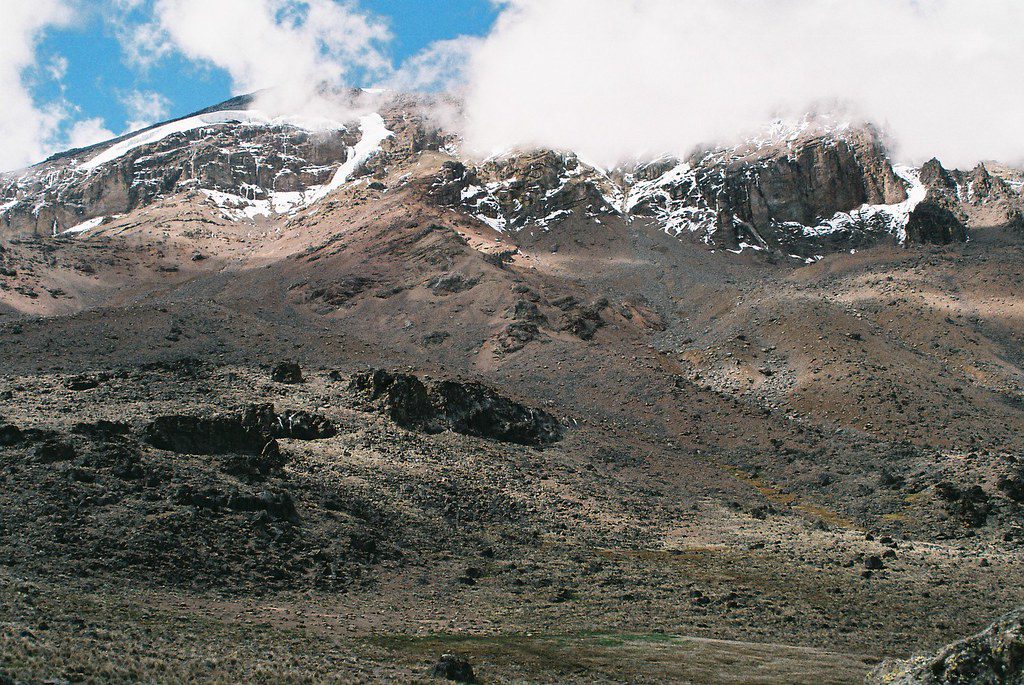
Route-Specific Cost to Hike Kilimanjaro Breakdown
Different routes up Kilimanjaro vary significantly in price due to duration, difficulty, and popularity factors. The Cost to Hike Kilimanjaro changes based on which path climbers choose for their ascent.
Marangu Route Pricing
The Marangu route offers the most budget-friendly option for climbing Kilimanjaro. A 5-day Marangu climb costs between $1,220 and $1,350 per person in 2025. The 6-day version ranges from $1,350 to $1,480 per person. This route uses mountain huts instead of camping, which reduces equipment costs but limits flexibility in scheduling.
Marangu’s lower cost reflects its shorter duration and established infrastructure. The hut system eliminates the need for extensive camping equipment, reducing porter requirements and overall expedition costs. However, the faster ascent profile may impact acclimatization and summit success rates.
Machame Route Investment
The popular 7-day Machame route costs approximately $2,600 per person with established operators in 2025. This route requires full camping equipment and additional porters to carry gear, increasing the overall expedition cost. The extra day compared to Marangu improves acclimatization and summit success rates.
Machame’s moderate pricing reflects its balance of duration, difficulty, and scenic value. The route attracts many climbers seeking a classic Kilimanjaro experience without premium pricing. Most operators offer competitive rates for Machame due to high demand and established logistics.
Lemosho Route Expenses
Lemosho route expeditions cost approximately $2,650 for 7-day climbs and $2,890 for 8-day versions in 2025. The longer approach through pristine wilderness areas requires additional permits and logistics, slightly increasing costs compared to Machame.
The 8-day Lemosho option provides excellent acclimatization with gradual altitude gain. The extra cost reflects additional camping nights, meals, and porter services. Many climbers consider the investment worthwhile for improved comfort and summit success rates.
Northern Circuit Premium Pricing
The 9-day Northern Circuit represents the most expensive standard route at approximately $3,205 per person in 2025. This longest route circumnavigates the mountain, requiring extensive logistics and supplies for the extended expedition.
Northern Circuit’s premium pricing reflects its comprehensive mountain experience and highest success rates. The route visits remote areas with spectacular scenery, justifying the additional investment for serious mountaineers. Limited group sizes and specialized logistics contribute to higher per-person costs.
Additional Expenses Beyond Base Cost to Hike Kilimanjaro
While base package prices cover essential services, several additional expenses can significantly impact the total Cost to Hike Kilimanjaro. Planning for these extras prevents budget surprises and ensures a smooth expedition experience.
Mandatory Tipping Requirements
Guide and porter tips represent a significant additional expense averaging $250 to $350 per climber. These tips are considered mandatory in Tanzanian mountain culture and directly support local communities. Most operators provide detailed tipping guidelines based on group size and expedition length.
Proper tipping ensures motivated support staff who prioritize climber safety and comfort. Guides typically receive $15-20 per day, while porters earn $8-10 daily. Cook staff and assistant guides fall between these ranges. Some operators collect tips centrally for fair distribution among all team members.
Equipment Rental Costs
Gear rental adds $200 to $400 per person depending on items needed. Essential rental equipment includes sleeping bags rated for high altitude, trekking poles, headlamps, and insulated jackets. Quality rental gear from reputable operators ensures proper function in harsh mountain conditions.
Many climbers prefer renting specialized items like mountaineering boots, gaiters, and high-altitude sleeping bags rather than purchasing expensive equipment for one-time use. Rental packages often provide better value than individual item rentals.
Travel Insurance Investment
Comprehensive travel insurance with high-altitude coverage costs $100 to $200 depending on trip value and coverage limits. Policies must specifically cover activities above 18,000 feet, as standard travel insurance excludes high-altitude mountaineering.
Medical evacuation insurance is particularly important given Kilimanjaro’s remote location and potential for altitude-related emergencies. Helicopter evacuation from high camps can cost $10,000 or more without proper insurance coverage.
Pre and Post-Climb Accommodations
Hotel nights before and after the climb add $50 to $200 per night depending on accommodation quality. Most climbers spend at least two nights in Moshi or Arusha for preparation and recovery. Budget guesthouses start around $30 per night, while luxury lodges exceed $300 nightly.
Some operators include basic hotel accommodations in their packages, while others offer upgrades for additional fees. Airport transfers and city transportation may also incur separate charges depending on package inclusions.
🏔️ Kilimanjaro Cost Calculator 2025
Calculate your total expedition cost based on route and preferences
Total Cost: $0
Luxury vs Budget Options for Cost to Hike Kilimanjaro
The Cost to Hike Kilimanjaro varies dramatically between budget and luxury operators, reflecting significant differences in service quality, safety standards, and overall experience. Understanding these distinctions helps climbers choose appropriate operators for their needs and budget.
Budget Operator Considerations
Budget operators typically offer the lowest prices but may compromise on safety equipment, guide qualifications, or food quality. These companies often use larger group sizes to reduce per-person costs and may employ less experienced staff. Basic camping equipment and simple meals characterize budget expeditions.
Climbers choosing budget options should carefully research operator safety records and guide certifications. Some budget companies provide excellent value with experienced local guides, while others cut corners on essential safety equipment. Reading recent reviews and verifying operator licenses helps identify reputable budget providers.
Budget expeditions may lack backup equipment, satellite communication devices, or comprehensive first aid supplies. Group sizes often exceed 12 people, reducing individual attention from guides. Meals tend to be basic but nutritious, focusing on carbohydrates and simple proteins.
Mid-Range Operator Value
Mid-range operators typically offer the best balance of cost and quality for most climbers. These companies invest in proper safety equipment, experienced guides, and quality camping gear while maintaining reasonable pricing. Group sizes usually range from 6 to 10 people, allowing for personalized attention.
Professional mid-range operators provide comprehensive safety equipment including pulse oximeters, satellite phones, and extensive first aid supplies. Guides typically hold wilderness first responder certifications and have extensive mountain experience. Meals are varied and nutritious, often including fresh fruits and vegetables.
Equipment quality meets international standards with proper sleeping bags, tents, and cooking facilities. Most mid-range operators include basic gear like sleeping pads and dining tents in their packages. Customer service and communication tend to be responsive and professional.
Premium Operator Investment
Luxury operators like Alpine Ascents International charge $5,900 for 7-day climbs or $8,800 with safari combinations. These companies provide superior equipment, highly qualified guides, and exceptional service throughout the expedition. Group sizes are typically limited to 6-8 climbers maximum.
Premium operators often include luxury camping equipment, gourmet meals, and extensive backup supplies. Guides frequently hold international mountain guide certifications and have climbed major peaks worldwide. Some luxury companies provide portable toilet facilities and heated dining tents for comfort.
Additional services may include gear cleaning, personal porter assistance, and premium hotel accommodations. Luxury operators typically maintain lower client-to-guide ratios and provide satellite communication for daily check-ins with families. Some companies offer helicopter evacuation insurance as standard coverage.
Planning Your Kilimanjaro Budget Strategy
Effective budget planning for the Cost to Hike Kilimanjaro requires considering both immediate expedition expenses and longer-term financial preparation. Smart climbers begin planning 6-12 months before their intended climb date to spread costs and secure better pricing.
Seasonal Pricing Variations
Kilimanjaro climbing costs fluctuate based on seasonal demand and weather conditions. Peak season pricing occurs during January-March and June-October when weather conditions are most favorable. Operators often charge premium rates during these periods due to high demand.
Shoulder season climbs in April-May and November-December may offer 10-20% discounts from peak pricing. However, these periods coincide with rainy seasons that can impact climbing conditions and success rates. Some budget-conscious climbers accept weather risks for significant cost savings.
Group booking discounts are often available for 4 or more climbers traveling together. Many operators provide 5-10% discounts for groups, making coordinated travel planning beneficial. Some companies offer early booking discounts for reservations made 6+ months in advance.
Payment Planning Strategies
Most operators require deposits of $500-$1,000 per person to secure bookings, with final payments due 60-90 days before departure. Some companies offer payment plans allowing monthly installments over 6-12 months. Credit card payments may incur 3-5% processing fees that cash or wire transfers avoid.
Travel insurance should be purchased soon after making initial deposits to cover trip cancellation scenarios. Some policies offer cancel-for-any-reason coverage that protects against personal schedule changes. Medical coverage limits should exceed $100,000 for high-altitude activities.
Currency exchange rates can impact final costs for international travelers. US dollar pricing is standard, but fluctuations may affect total expenses for travelers from other countries. Some operators accept local currency payments in Tanzania, though exchange rates may be less favorable.
Hidden Cost Awareness
Airport taxes, visa fees, and international flight costs add significant expenses beyond the climbing package price. Tanzania visa fees cost $50-$100 depending on nationality, while international flights range from $800-$2,500 depending on origin and season.
Vaccination requirements may necessitate medical consultations and immunizations costing $200-$400. Yellow fever vaccination is mandatory for travelers from certain countries, while hepatitis A/B, typhoid, and meningitis vaccines are recommended for all visitors.
Equipment purchases for items not included in rental packages can add $500-$1,500 to total costs. Quality hiking boots, appropriate clothing layers, and personal accessories require investment for comfort and safety. Some climbers prefer purchasing gear for future adventures rather than renting.
The Cost to Hike Kilimanjaro represents a significant investment in a transformative adventure that combines physical challenge with cultural immersion. Proper budget planning ensures climbers can focus on the mountain experience rather than financial concerns. Smart travelers research operators thoroughly, plan payments strategically, and account for all associated expenses when budgeting for their Kilimanjaro expedition.
Most successful climbers find that investing in quality operators and proper preparation pays dividends in safety, comfort, and summit success rates. The memories and personal achievement from reaching Uhuru Peak justify the financial investment for most adventurous travelers. Careful planning and realistic budgeting make this African adventure accessible to dedicated climbers willing to invest in proper preparation and professional guidance.