A 3 day Tanzania safari works best as a short northern circuit from Arusha: a full day in Tarangire, a morning game drive on the Ngorongoro Crater floor, then Lake Manyara or a slow morning in the Karatu highlands. If the Serengeti is the point, fly into it, because by road it eats a whole day each way. Both versions start near Kilimanjaro airport and suit a trip bolted onto a climb or a beach week.
Is a 3 Day Tanzania Safari Long Enough?
For the parks near Arusha, yes. For the Serengeti by road, barely. That honest answer shapes every route on this page.
Tarangire, Lake Manyara and the Ngorongoro Crater sit within about two hours of each other on good tarmac, so a 3 day safari tour built around them spends most of its daylight watching animals rather than watching the road. The crater alone holds lion, hyena, buffalo, elephant bulls, hippo and black rhino on one compact floor, which is why short trips lean on it so heavily. The Serengeti is another matter. Seven to eight hours from Arusha by road, it turns a three day plan that drives there and back into a trip spent mostly on corrugated gravel.
Plenty of people book three days because that is what fits around a Kilimanjaro climb, a Zanzibar week or a work trip to Arusha. Trip reports from short safaris rarely complain about the parks. They complain about packing a bag every morning, and about long afternoons in the vehicle. Keep one base, or fly the long leg, and three days feels like a proper safari rather than a sampler.
Travellers who look back and wish they had stayed longer usually say so about the Serengeti, not the crater. If you can stretch, the 4 day Tanzania safari and the 5 day safari add the Serengeti without the rush, and the 10 day Tanzania safari gives the whole northern circuit room to breathe.
The Classic 3 Day Safari Route: Tarangire, Ngorongoro Crater and Lake Manyara
This 3 day Tanzania safari itinerary is the one most operators quote, and for a first visit it is the one to beat. It uses a single lodge in Karatu for both nights, which cuts the repacking and leaves you forty five minutes to an hour from the crater descent road.
Some operators flip days one and two and sleep on the crater rim. A rim lodge gets you to the descent road first, which matters from June to October, but rim nights sit above 2,000 metres and are cold, and you still pack twice. Others sleep inside or just outside Tarangire on night one, which buys a dusk and dawn drive there for the price of a lodge change. A few packages run the same three parks in a different order, Manyara first and Tarangire last, so the long Tarangire day lands on the way home.
The road between these parks is the easiest in northern Tanzania. Families like it, older travellers like it, and it is the three day safari most often booked by climbers coming down from Kilimanjaro.

The map below shows the short triangle between Arusha, Tarangire and the crater.
Drive Times on Each Day of a Three Day Safari
Short trips live or die on hours in the vehicle, so it helps to see them laid out. These are typical transfer times on the classic route with a Karatu base, leaving out the game drives themselves.
| Leg | Day | Typical time |
|---|---|---|
| Arusha to Tarangire | 1 | 2 to 2.5 hours |
| Tarangire to Karatu | 1 | About 1.5 hours |
| Karatu to crater road | 2 | Under an hour |
| Karatu to Manyara | 3 | About 40 minutes |
| Manyara to Arusha | 3 | About 3 hours |
Add the game drives and most days still run from about 7am to 5pm. The crater descent and ascent roads are steep, rough and one way, and they take longer than the distance suggests. Vehicles have a pop up roof but usually no air conditioning, so a dusty dry season afternoon is warm work. Bring a scarf.
Tarangire Elephant Safari on Day One
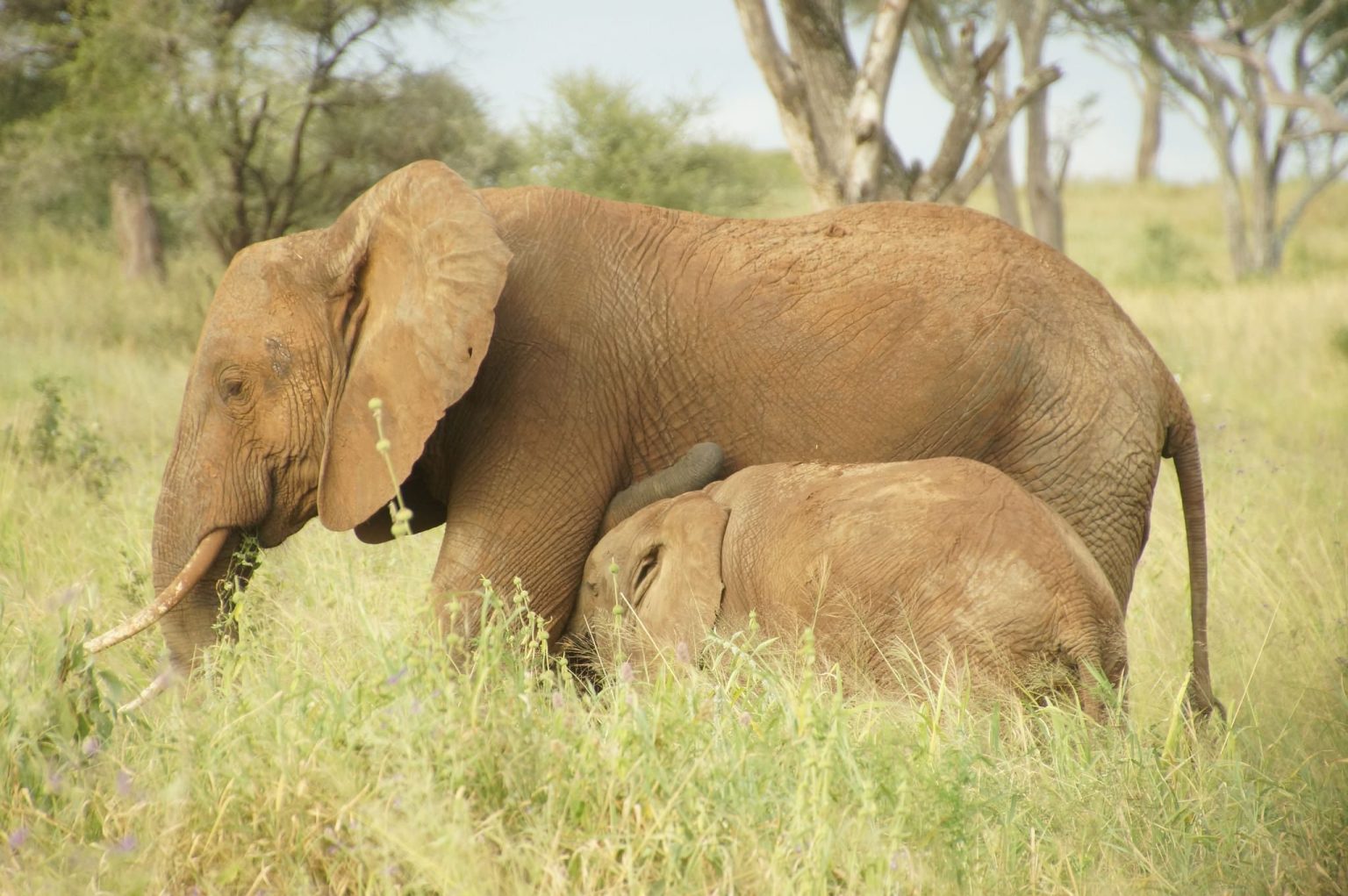
Tarangire is the park people undersell before they go and talk about afterwards. A Tarangire game drive in the dry months, roughly June to October, centres on the Tarangire River, one of the few reliable water sources in the area, and elephants come down to it in big family herds. Baobabs stand on the low ridges, some hollowed by elephants and some holding owls or hornbills. Lion, buffalo, giraffe, zebra and wildebeest stay through the dry season, and birders look for the yellow collared lovebird, a small parrot found only in this corner of Tanzania.
Give it the whole day. A drive through on the way somewhere else shows you elephants; a full day with a picnic under a tree shows you how they move to the river at midday. The picnic sites have resident vervet monkeys and baboons, and food left on a seat disappears fast.

In the wet months many animals spread onto the plains outside the park, so Tarangire turns quieter and greener and the elephants are harder to find. Tsetse flies bother people in the wooded parts. They are drawn to dark blue and black, so pale clothing helps.
Ngorongoro Crater Game Drive: The Centre of a Three Day Trip
The Ngorongoro Crater safari is what makes three days worth booking. The floor sits about 600 metres below the rim and covers roughly 260 square kilometres of open grass, swamp, a soda lake and a patch of fever tree forest. Nowhere else in northern Tanzania puts so many large animals in so small and so open a space.
It is one of the best places in East Africa to look for the black rhino, though they usually keep to the open grass well away from the track, so binoculars matter. Lion and spotted hyena are regular. Buffalo, zebra and wildebeest graze in large numbers, old elephant bulls feed in the Lerai forest, and hippos crowd the pools. Giraffe are absent, since they cannot manage the steep walls.

Crowds are the common complaint. From June to October dozens of vehicles can gather at a lion sighting by mid morning. Going down at first light, eating lunch after the rush and climbing out by early afternoon avoids the worst of it. Rules limit each vehicle to about six hours on the floor, and in practice that is plenty. Black kites swoop on sandwiches at the picnic sites, so eat inside the vehicle. Rim mornings are often wrapped in fog, too, so do not count on a view from the top before about nine.
Our full Ngorongoro Crater safari guide covers the descent and ascent roads, the picnic sites and what each season looks like.
Lake Manyara Game Drive and the Karatu Highlands Option
Day three is the flexible day. A Lake Manyara safari starts in groundwater forest full of baboons and blue monkeys, then opens onto grassland and the lake shore, where flamingos gather when water levels suit them and more than 400 bird species have been recorded. A treetop walkway runs through the canopy near the gate for anyone who wants to stretch their legs, and canoe trips run on the lake when the water allows. Rising water has flooded parts of the shoreline tracks in recent wet years, so some loops may be shorter than older guides describe.
The park is known for tree climbing lions, much like Ishasha in Uganda, which our page on tree climbing lions describes. Sightings at Manyara have become patchy, and many visitors leave without one. Go for the forest, the birds and the Rift Valley wall, and treat a lion in a branch as a bonus.

Not everyone wants a third game drive. Karatu lodges sit on coffee estates at the edge of the Ngorongoro forest, and a morning farm walk, a coffee tour or a guided walk through Mto wa Mbu, a market town of banana groves and many different peoples, makes a gentler end. Some lodges outside the park boundaries also run night drives on their own land, which park rules do not allow inside. Either option suits people catching a long flight that night.
Fly In Serengeti Safari in Three Days
If the Serengeti is the reason for your trip, fly. A fly in Serengeti safari turns a seven hour drive into a flight of about an hour from Arusha airport to Seronera or another park airstrip, and it is the only way to give three days real Serengeti time.
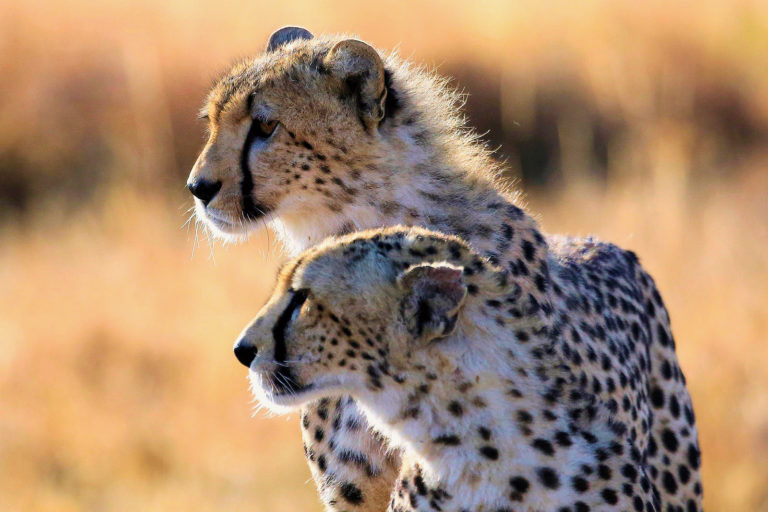
Central Serengeti holds lion, leopard and cheetah all year, though sightings are never guaranteed. Whether you see the great herds depends on the month, so a three day fly in safari should land at the airstrip nearest the herds rather than default to Seronera. The Serengeti safari guide covers the regions and camps.

Two catches. Light aircraft enforce a soft bag luggage limit, commonly 15 to 20 kilograms per person. And a fly in trip that also squeezes in the crater on day three makes for a long final day, so many people simply fly in and out of the Serengeti and leave the crater for another visit.
Migration Safari in Three Days: Calving at Ndutu or the Mara River
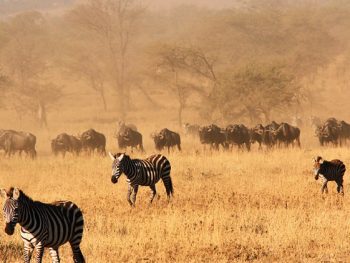
A three day migration safari is possible, but only by air, and only if you pick your month and airstrip carefully. Between roughly December and March the wildebeest and zebra herds calve on the short grass plains around Ndutu, on the boundary of the Serengeti and the Ngorongoro Conservation Area. Thousands of calves are born each day at the peak, and lion, cheetah and hyena follow them closely. Ndutu also allows off road driving on the conservation area side, which the main park does not.
From about July to October the herds sit in the far north, where they cross the Mara River back and forth. By road that is a full day from Arusha each way, so a three day crossing trip means a flight to Kogatende, two nights at a northern camp and a flight out. Crossings are unpredictable. Herds can mass on the bank for hours and turn back, so a single full day gives a fair chance, not a promise. Our great wildebeest migration guide tracks where the herds usually are each month.
Serengeti Road Safari and Camping Version
Budget operators sell a 3 day Serengeti and Ngorongoro camping safari by road, and it pays to know exactly what you are buying. Day one is the long drive from Arusha through the Ngorongoro highlands to the Serengeti, seven to eight hours with a stop at Olduvai Gorge, where early human fossils were found, and a short game drive on arrival. Night one is a public campsite near Seronera. Day two is a morning game drive and the drive back to a campsite on the crater rim. Day three is the crater floor and the road to Arusha.
You do see the Serengeti. You also spend around fourteen hours of three days in the vehicle, much of it on washboard gravel and, in the dry months, in thick dust. Campsites have basic shared washrooms, the rim campsite is cold and windy at night, and a cook travels with the vehicle. Group versions fill a vehicle with six or seven people. Younger travellers on tight budgets tend to enjoy it; anyone with a bad back should choose the classic route or fly.
The map shows the drive from Arusha to the Serengeti, the long leg of this version.
Arusha National Park Walking Safari Variant
A cheaper route starts closer to town. Arusha National Park lies under an hour from the city, and a walking safari there with an armed ranger, past giraffe and buffalo on the open glades and up to a waterfall, makes a good first morning for people arriving late or coming off the mountain. Colobus monkeys live in the forest, and canoe trips run on the Momella Lakes.
The shape is simple: Arusha National Park on day one with an afternoon transfer toward Tarangire, a full Tarangire day on day two, and Lake Manyara or the crater on day three before the drive home. Park fees at Arusha and Tarangire are lower than in the Serengeti and the crater, which is why budget operators like this version. You gain the only walk on foot in the northern parks. Mount Meru stands over the park, and on a clear morning Kilimanjaro shows to the east.
Cultural Tour Version: Lake Eyasi, Mto wa Mbu and the Moshi Villages
Some travellers want people as much as animals, and a cultural safari tour over three days is easy to build from Arusha. The usual shape spends day one on the road to Mto wa Mbu for a guided village walk and a visit to a Maasai homestead, and day two at Lake Eyasi, a soda lake south of the crater highlands where Hadzabe hunters still go out at dawn with bows and Datoga smiths work scrap metal into arrowheads and bracelets.
Day three either drops into the crater for a game drive or heads east to the slopes of Kilimanjaro, where Chagga villages around Materuni grow coffee and a short walk leads to a waterfall, and the Chemka hot springs near Moshi make a warm swim on the way to the airport. Hadzabe visits start very early, and the best ones are run with guides who know the families well, so ask operators how the visit is arranged and who it pays. Village craft sellers expect to bargain; a polite counter offer is normal.
Choosing Between the Three Day Safari Routes
The routes differ less in the animals than in the hours on the road. This comparison sets them side by side.
| Route | Road time | Best for |
|---|---|---|
| Tarangire, crater, Manyara | About 9 hours | First visits |
| Fly in Serengeti | Low | Big cats, herds |
| Fly in migration | Very low | Calving, crossings |
| Serengeti by road | About 14 hours | Tight budgets |
| Arusha NP, Tarangire, crater | About 9 hours | Walkers, climbers |
| Cultural tour | About 11 hours | People, villages |
For most people on a first trip the classic route wins. Pick the fly in version if you have seen elephants and the crater before, or if your month puts the herds near an airstrip. Lake Natron, with its flamingos and the Ol Doinyo Lengai volcano, is too far for three days and fits better on the 7 day safari.
The southern parks are a separate case. From Dar es Salaam or Zanzibar, a short flight reaches Nyerere National Park, the former Selous, where three days can mix game drives, a boat safari on the Rufiji River and a walk with an armed ranger. It is a good fit for beach travellers who never go near Arusha.
Wildlife You Can Expect on a Three Day Safari
Three days is enough to see a lot, provided you treat sightings as likely rather than certain. On the classic route most people see elephant, lion, buffalo, hippo, zebra, wildebeest, giraffe, warthog, both Thomson’s and Grant’s gazelle, impala, baboons and spotted hyena. Black rhino is likely but distant in the crater. Leopard is the hardest of the Big Five, seen more often in Tarangire and along the Seronera River than in the crater.
Will you get bored? Rarely. Each day covers a different habitat, and guides often say the best sighting comes late on an afternoon when the group nearly turned back. Some travellers bring a printed wildlife checklist for children, which turns quiet stretches into a game. A good guide matters far more than the lodge here: the one who switches the engine off and waits is the one who finds the leopard.
Timing a Short Tanzania Safari by Season
Every month works for the crater, which holds its animals all year. The season matters more for Tarangire and for the herds.
| Months | Weather | Short trip verdict |
|---|---|---|
| Jan to Feb | Warm, showers | Very good |
| Mar | Rains begin | Good |
| Apr to May | Long rains | Quiet, muddy |
| Jun to Oct | Dry, cool nights | Best overall |
| Nov | Short rains | Good |
| Dec | Warm, showers | Good, busy at holidays |
June to October is dry, the grass is short and Tarangire is at its best, with fewer mosquitoes too, but it is also the busiest time in the crater, so the early start matters most then. January and February bring calving on the southern plains, which makes a fly in Ndutu version especially rewarding. April and May are wet, the roads to the Serengeti can turn to mud and some camps close, though the crater still delivers and lodges are at their quietest. Our best time to visit Tanzania page has the month by month detail.
Where You Sleep on a 3 Day Safari Tour
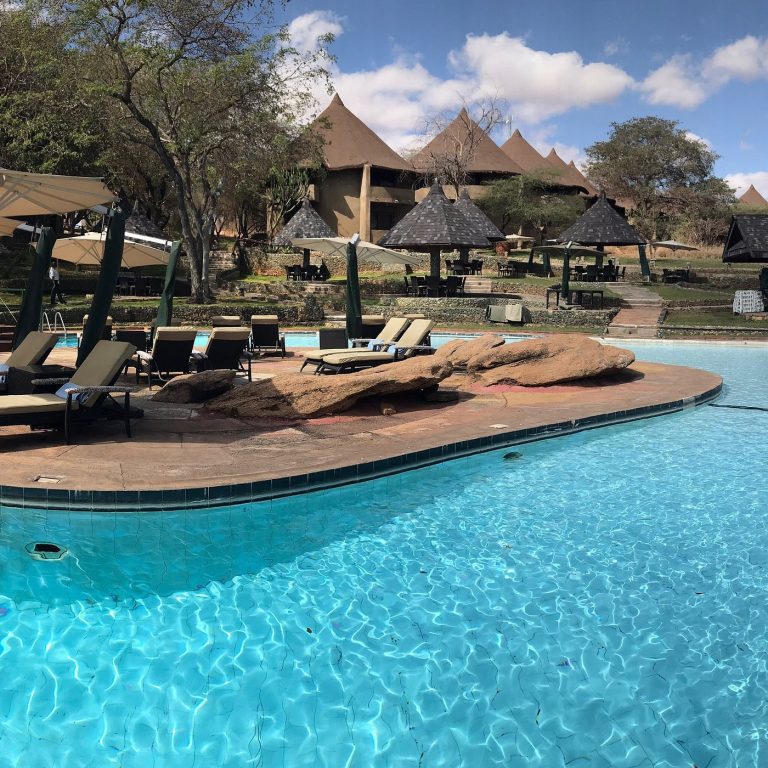
Two nights, and the location matters more than the thread count. Karatu is the usual base: lodges on coffee farms and in the highland forest, reached on tarmac, within an hour of the crater descent road and forty minutes of Lake Manyara. Staying both nights here is the single best way to make three days feel unhurried.
The crater rim lodges are first to the descent road and have the views, when the fog lifts. Rim stays add a nightly conservation fee and are cold after dark, so expect a hot water bottle in the bed. Tarangire lodges and tented camps, inside the park or on its boundary, give you a sunset and sunrise drive. Mto wa Mbu, at the foot of the escarpment, has simpler lodges and campsites that keep costs down. In tented camps an escort walks you to your tent after dark, since animals move through.
Lodges in the bush run on generators or solar, so electricity and hot water can cut out for a while, and charging may only work in the main area. Our Tanzania safari guide covers the wider circuit and its lodge areas.
What a 3 Day Safari Package Includes and Leaves Out
A typical quote for a 3 day Tanzania safari package covers a private four wheel drive with a pop up roof, a driver guide, park and crater fees, two nights on full board, drinking water in the vehicle and pickup in Arusha or Moshi. The usual exclusions are flights, visas, insurance, tips, drinks, laundry and any hotel night before or after the safari.
Four things move the quote. Lodge tier is the biggest, from campsites to luxury rim lodges. Group size comes next, because the vehicle and guide cost the same whether two or six people share them. Season matters, with July to September at the top and April and May at the bottom. And a flight to the Serengeti replaces road days with an airfare. The FAQ below puts figures on each, and the full Tanzania safari cost breakdown goes line by line.
Booking a 3 Day Safari Tour: Local Operators, Agents and Group Trips
You can book a three day trip directly with a licensed operator in Arusha or Moshi, or through an overseas agent who subcontracts to one. Booking direct usually costs less and puts you in touch with the people who run the vehicles. An agent adds a layer of protection and a single contact at home, which some first timers value. Either way, ask for the operator’s licence, the age of the vehicles and the name of your guide.
A shared group safari costs less and fills a vehicle with up to six or seven strangers, so you give up control of stops and timing. With only three days, private is usually worth it. Say on the first morning what you want: out at dawn, a long stay with a cat, a full day picnic. Guides tend to follow habit unless asked. To find a licensed operator, see our guides to choosing a Tanzania safari company and the best safari companies in Tanzania.
Adding Three Days to Kilimanjaro, Zanzibar or Gorilla Trekking
Three days is the most common length for a safari attached to something else, and each pairing has its own logic.
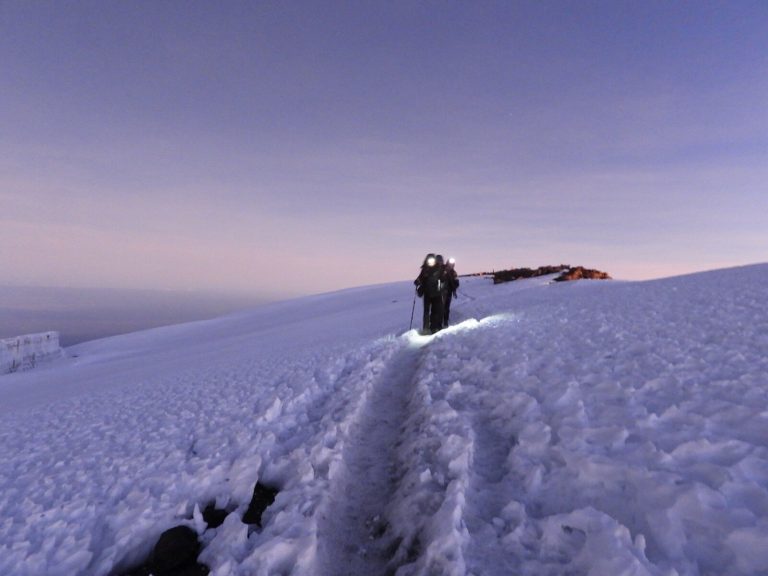
After Kilimanjaro. Game drives are seated and easy on tired legs, which is why the classic route is so popular after a climb. Take one rest night in Moshi or Arusha first if you can; most climbers come down sore and short on sleep. Our Kilimanjaro trekking guide covers the routes. A few people do it the other way round and use the safari as gentle time at altitude before the climb.
With Zanzibar. Flights of about an hour and ten minutes link Arusha and Kilimanjaro with the island, and some Serengeti airstrips connect to it directly, so a fly in Serengeti safari can end on the beach without backtracking. Starting a three day safari from Zanzibar means flying to Arusha the evening before. The 15 day Tanzania safari and Zanzibar holiday shows a longer version.
With gorillas. Does Tanzania have gorillas? No. It has chimpanzees in the far west, at Gombe and Mahale, but no gorillas. Direct flights from Kilimanjaro to Kigali and Entebbe run on certain days of the week, and from there a gorilla trekking safari in Bwindi or a Rwanda gorilla trek adds three or four days. Gorilla permits sell out before lodges do in the dry months, so secure the gorilla permit first. Our page on combining a Tanzania safari with gorilla trekking sets out the routes. Coming the other way, from Kenya, the 3 day Kenya safari to the Masai Mara is the equivalent short trip.
Arrival, Paperwork and Packing for a Short Safari
Most international flights reach Kilimanjaro International Airport in the evening, about an hour from Arusha, so plan on a hotel night before day one. A safari that starts straight off a night flight loses the first morning to tiredness. Arrange the airport pickup with your operator rather than looking for a taxi late at night.
Paperwork is simple but worth doing early. Most nationalities apply for the Tanzania tourist visa online before travel; the queue for a visa on arrival can run long when several flights land together. Our East Africa tourist visa page covers the options. Mainland Tanzania and Zanzibar now also require a government inbound travel insurance policy bought online before arrival, separate from your own travel cover, which should include medical evacuation. Your passport needs at least six months of validity. At the latest check the US State Department rated Tanzania at Level 2, Exercise Increased Caution, mostly over crime in towns, and the parks themselves are calm.
Money needs a little planning. US dollars are widely used for tips and extras, and exchange desks often refuse older or torn notes, so bring clean, recent bills. Some lodges do not take cards, and there is nowhere to draw cash in the parks.
Pack for cold and dust as much as heat. Crater rim mornings and Karatu evenings are chilly in every month, so bring a fleece and a warm hat, plus a scarf or buff for the dust, sunglasses, a sun hat, high factor sunscreen and neutral clothing that is not dark blue or black. Binoculars are the most useful thing you can bring for the crater rhino; one pair per person saves arguments. The northern parks are malaria areas, though the cold rim has few mosquitoes, so ask a travel clinic about tablets and use repellent at dusk, especially around Mto wa Mbu. Mobile signal covers most of Karatu and parts of the parks, but expect gaps on the crater floor and in remote Serengeti camps. Our African safari packing list covers the rest, including the soft bag a fly in safari needs.
3 Day Tanzania Safari FAQ
How much does a 3 day Tanzania safari cost?
Published operator prices for the northern circuit fall into bands per person per day, two sharing, with park fees included: roughly US$250 to US$400 for budget camping or group trips, US$450 to US$800 for a mid range lodge safari with a private vehicle, and from about US$900 to well past US$1,500 for luxury lodges. Over three days that is about US$750 to US$1,200 on a budget, US$1,350 to US$2,400 mid range and US$2,700 upward for luxury. Solo travellers pay more per head and often a single supplement, larger private groups pay less, and green season rates from late March to May can be 20 to 30 percent lower at many lodges. These are market ranges, so ask for an itemised quote and see our Tanzania safari cost guide.
Which park fees and extras are built into a 3 day safari price?
Tanzania National Parks lists its non resident tariff in shillings: Tarangire and Lake Manyara are TZS 127,750 per adult per 24 hours, about US$50, and the Serengeti TZS 178,850, about US$70, with operators often adding 18 percent VAT. With VAT, Serengeti entry comes to US$82.60 in the high season and US$70.80 from mid March to mid May. The Ngorongoro Conservation Area charges US$70.80 per adult per 24 hours, plus a crater service fee of US$295 per vehicle per descent, shared by everyone in it. Light aircraft flights between Arusha and Serengeti airstrips commonly cost US$300 to US$500 per person one way, and shared Serengeti balloon flights about US$599 to US$700. Tanzania’s tourist visa is US$50 for most nationalities and US$100 for US citizens, and the mandatory inbound insurance is US$44 per adult, one policy covering both the mainland and Zanzibar. Common tipping guidance for the driver guide is US$20 to US$30 per vehicle per day. Fees change, so confirm them with your operator.
What does it cost to add gorilla trekking to a short Tanzania safari?
A Uganda gorilla permit is US$800 for foreign non residents and US$700 for foreign residents, with a lower US$600 rate announced for April, May and November; low season permits cannot be rescheduled, and UWA now takes full payment at booking. A Rwanda permit is US$1,500. Flights from Kilimanjaro to Kigali or Entebbe and the onward transfer to the forest come on top. The gorilla trek guide sets out permits, sectors and what the day involves.
Can I see the Big Five on a 3 day safari?
It is possible in the Ngorongoro Crater, which holds lion, buffalo, elephant and black rhino, with leopard the hardest of the five. Rhino are usually distant. No route can guarantee all five, and most people see four.
Is 3 days better spent on the Serengeti or the crater?
By road, the crater and Tarangire give far more viewing time. If the Serengeti matters most, fly in, and pick the airstrip nearest the herds for your month.
Is a 3 day Tanzania safari worth it?
For most people, yes, provided the route keeps road time down. Three days on the classic loop usually delivers elephants, lions and the crater, and many travellers say it left them planning a longer trip rather than wishing they had skipped it.
Can a 3 day safari start from Zanzibar or Moshi?
Yes. From Zanzibar, fly to Arusha or Kilimanjaro the evening before, or fly straight to a Serengeti airstrip on day one. Most operators collect from Moshi hotels for an extra hour of driving, which suits Kilimanjaro climbers.
Is a 3 day safari suitable for children and older travellers?
The classic route is the easiest safari in Tanzania for both: short tarmac drives, one lodge, no walking. Some lodges set minimum ages for children, and long road days to the Serengeti are hard on anyone with back trouble.
Is Tanzania safe for a short safari?
At the latest check the US State Department rated Tanzania at Level 2, Exercise Increased Caution, mainly over crime in towns. On safari you are with a guide in a vehicle and staying in staffed lodges, so the usual advice is about towns: keep valuables out of sight and use operator transfers after dark.
Do I need malaria tablets for a short safari?
The northern parks are malaria areas, so ask a travel clinic about tablets and use repellent at dusk. Tanzania may ask for a yellow fever certificate if you arrive from a country with yellow fever risk, including Kenya and Uganda.