- Lope National Park hosts the world’s largest mandrill populations, with documented groups exceeding 800 individuals
- Tours require significant physical fitness with minimum 5km daily hikes through challenging terrain including swamps and dense forest
- Standard 10-day packages range from £7,250-£8,299 excluding international flights, with expert guides and full accommodation included
- The best viewing season coincides with mandrill activity peaks and can be combined with humpback whale watching opportunities
- Tours contribute directly to conservation efforts and local community revenue through employment of guides and drivers

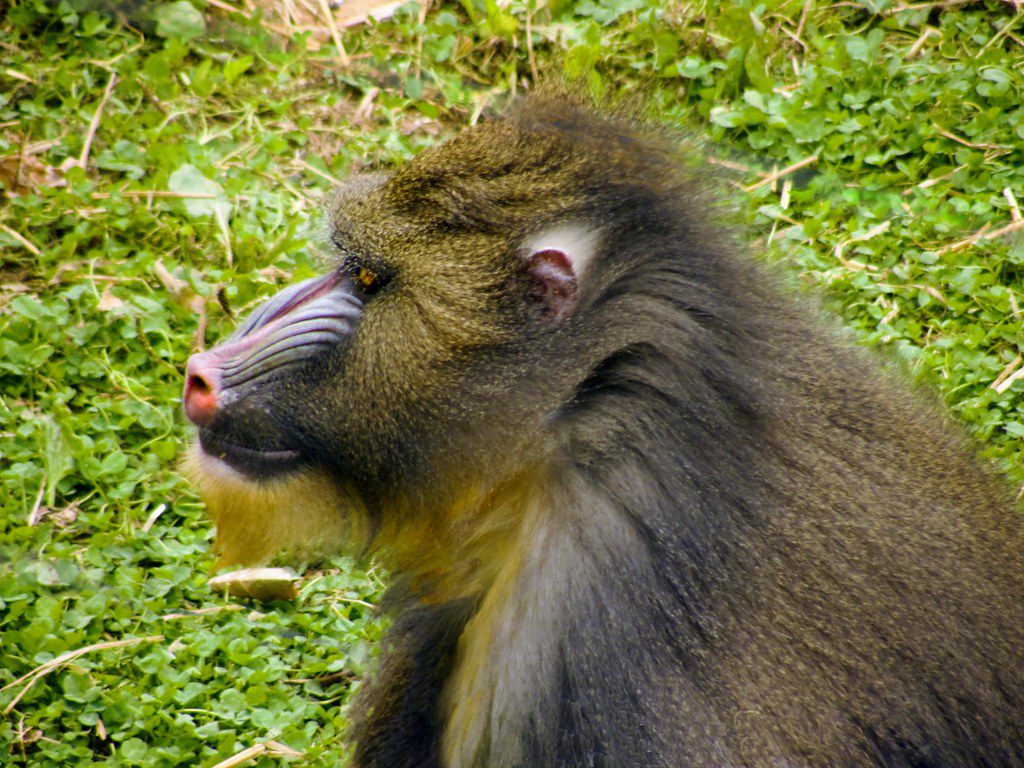
Planning Your Mandrills Tour in Gabon: What to Expect
Physical Requirements and Preparation
A Mandrills Tour in Gabon demands excellent physical condition. Daily treks cover minimum distances of 5 kilometers through some of Africa’s most challenging terrain. Participants navigate through swampy areas, degraded forest sections, and dense primary rainforest where mandrill hordes roam.
The terrain varies dramatically throughout each day. Morning hikes might begin on relatively flat savanna-forest edges before descending into muddy swamplands where mandrills often feed on aquatic plants. Afternoon tracking can involve steep climbs through virgin forest canopy where the primates retreat during the hottest parts of the day.
Weather conditions add another layer of complexity. Gabon’s equatorial climate brings high humidity year-round, with temperatures ranging from 24°C to 32°C. Rain can occur at any time, turning forest paths into slippery, muddy challenges that require sure footing and mental resilience.
Proper preparation includes cardiovascular training for extended hiking, strength building for uneven terrain navigation, and mental preparation for the physical demands of tropical forest trekking. Many tour operators recommend beginning fitness preparation at least three months before departure.
Tour Duration and Itinerary Structure
Standard mandrill tours span 10 days, providing adequate time for multiple mandrill tracking sessions while allowing for travel to and from remote locations. The extended duration accounts for the unpredictable nature of wildlife viewing and ensures multiple opportunities to observe different mandrill behaviors.
Typical itineraries begin with arrival in Libreville, Gabon’s capital, followed by transportation to Lope National Park via the Trans Gabon Railway. This air-conditioned express service departs at 16:00 and arrives at approximately 01:00, offering a comfortable transition from urban to wilderness environments.
Days three through eight focus intensively on mandrill tracking and observation. Each day begins before dawn with briefings from expert naturalist guides who explain the day’s objectives and share the latest information about mandrill horde locations. Radio collaring data from Wildlife Conservation Society research programs helps guides predict mandrill movements.
The final days often include visits to cultural sites within Lope National Park, including ancient petroglyphs and Iron Age archaeological locations. These additions provide context for the region’s human history while allowing recovery time from intensive wildlife tracking.
Cost Structure and Inclusions
Tour packages range from £7,250 to £8,299 per person, excluding international flights to Libreville. This pricing reflects the specialized nature of mandrill tourism and the significant logistical requirements of operating in remote Central African locations.
Package inclusions typically cover:
- Expert naturalist guides with mandrill specialization
- All meals from arrival to departure
- Accommodation in eco-lodges and field camps
- Internal transportation including railway transfers
- Park fees and permits
- Research contribution fees
- Local guide and driver employment
Additional costs participants should budget for:
- International flights to Libreville
- Travel insurance with medical evacuation coverage
- Personal equipment and specialized clothing
- Gratuities for guides and staff
- Optional cultural excursions
- Emergency evacuation insurance
Small group sizes of 2-10 participants keep costs higher than mass tourism but provide superior wildlife viewing opportunities and reduced environmental impact. The intimate group structure allows for flexible itinerary adjustments based on mandrill movements and weather conditions.
Lope National Park: The Heart of Mandrill Conservation
Lope National Park serves as the primary destination for Mandrills Tour in Gabon experiences. This UNESCO World Heritage Site covers 5,360 square kilometers of virgin forest and represents Gabon’s oldest protected area, established in 1946. The park’s unique forest-savanna mosaic creates ideal habitat conditions for the world’s largest mandrill populations.
The park’s ecosystem diversity supports not only mandrills but also lowland gorillas, chimpanzees, black colobus monkeys, red river hogs, and hippopotamuses. This biodiversity richness means mandrill tours often include sightings of multiple primate species and other African wildlife, creating comprehensive Central African safari experiences.
Archaeological significance adds cultural depth to wildlife tours. Lope contains over 1,800 Iron Age petroglyphs and Stone Age settlement sites, providing evidence of human occupation spanning thousands of years. These cultural resources demonstrate the long relationship between humans and the forest ecosystem that mandrills call home.
Wildlife Conservation Society Programs
The Wildlife Conservation Society operates extensive mandrill research and conservation programs at Lope. These scientific efforts include radio collaring of individual mandrills to track movement patterns, camera trap networks to monitor population dynamics, and training programs for local ecoguides who support tourism operations.
Tourist observations contribute directly to ongoing research through photo identification projects and behavioral data collection. Visitors’ photographs help researchers identify individual mandrills and track them over time, building comprehensive databases of mandrill social structures and population changes.
Local community involvement forms a cornerstone of conservation success. Tour operators employ local guides and drivers, creating direct economic benefits for communities surrounding Lope National Park. This employment provides alternatives to bushmeat hunting and creates stakeholders invested in mandrill conservation.
Transportation and Access
Reaching Lope National Park requires careful planning and multiple transportation modes. The Trans Gabon Railway provides the most reliable access from Libreville, offering air-conditioned comfort during the overnight journey to Lope station. This railway represents one of Africa’s most successful transportation infrastructure projects.
Road access exists but remains challenging, particularly during rainy seasons when forest roads become impassable. Most tour operators rely on railway transportation for reliability and passenger comfort, though some specialized tours include road segments for additional wildlife viewing opportunities.
Within the park, transportation relies on four-wheel-drive vehicles capable of handling muddy forest tracks and river crossings. These vehicles carry tracking equipment, emergency supplies, and communication devices necessary for safe operation in remote wilderness areas.
Best Times for Your Mandrills Tour in Gabon
Timing significantly impacts mandrill viewing success and overall tour quality. Mandrill behavior varies seasonally based on food availability, mating cycles, and weather patterns. Understanding these natural rhythms helps visitors choose optimal travel periods for their Mandrills Tour in Gabon.
Peak Mandrill Activity Seasons
The dry season from June through August offers the most predictable mandrill viewing opportunities. During this period, fruit scarcity forces mandrill hordes to concentrate around reliable food sources, making them easier to locate and observe. The reduced rainfall also makes forest trekking more manageable and comfortable.
Mating season from July through October brings peak mandrill social activity. Male facial coloring reaches maximum intensity as competition for breeding rights intensifies. Visitors during this period witness dramatic social interactions, territorial displays, and complex mating behaviors that showcase mandrill society at its most dynamic.
The wet season from October through May presents both challenges and unique opportunities. While hiking becomes more difficult due to muddy conditions, mandrill behavior changes as abundant fruit sources allow hordes to spread across larger territories. This dispersal can make tracking more challenging but often leads to more intimate viewing experiences with smaller sub-groups.
Combined Wildlife Opportunities
Tour operators often schedule Mandrills Tour in Gabon experiences to coincide with other wildlife viewing opportunities. Humpback whale migrations along Gabon’s coast occur from July through September, allowing visitors to combine forest primate tracking with marine wildlife observation.
Gorilla and chimpanzee activity patterns complement mandrill viewing seasons. The dry season concentration around water sources increases chances of observing multiple primate species during single expeditions. This timing maximizes wildlife diversity while minimizing the physical challenges of wet season forest travel.
Bird migration patterns add another dimension to tour timing considerations. European and Asian migrants arrive in Central African forests from October through March, creating exceptional birdwatching opportunities alongside mandrill observations.
🐒 Mandrill Tour Planner for Gabon
Find the perfect time for your mandrill adventure based on your preferences
Your Recommended Mandrill Tour
Preparing for Your Adventure: Essential Information
Success on a Mandrills Tour in Gabon depends heavily on proper preparation and realistic expectations. The remote location, challenging terrain, and unpredictable nature of wildlife viewing require careful planning and appropriate equipment selection.
Health and Safety Considerations
Medical preparation begins months before departure with consultation with travel medicine specialists familiar with Central African health risks. Yellow fever vaccination is mandatory for entry to Gabon, while malaria prophylaxis is essential for forest travel during any season.
Travel insurance with medical evacuation coverage provides crucial protection given the remote location of mandrill viewing areas. Standard travel insurance often excludes adventure activities, making specialized coverage necessary for forest trekking and wildlife tracking activities.
Emergency communication equipment carried by tour guides includes satellite phones and GPS beacons for location tracking. These safety measures provide peace of mind while allowing tours to operate in remote areas where mandrill populations thrive.
Equipment and Clothing Recommendations
Lightweight, quick-drying clothing forms the foundation of appropriate mandrill tour gear. Cotton clothing retains moisture and becomes heavy when wet, making synthetic materials or merino wool better choices for tropical forest conditions.
Waterproof rain gear is essential regardless of travel season. Sudden tropical downpours can occur at any time, and staying dry becomes crucial for comfort and safety during extended forest hikes.
High-quality hiking boots with ankle support and aggressive tread patterns provide necessary traction on muddy forest trails. Waterproof boots are recommended, though they may be warmer than breathable alternatives.
Essential equipment includes:
- Binoculars for wildlife observation
- Camera with extra batteries and memory cards
- Insect repellent with DEET
- Sunscreen and hat for savanna areas
- Personal first aid supplies
- Headlamp and backup lighting
- Water purification tablets
- Personal medications
Cultural Sensitivity and Etiquette
Respectful interaction with local communities enhances tour experiences while supporting positive relationships between tourism and conservation. Learning basic French phrases shows respect for Gabon’s official language and facilitates communication with local guides.
Photography etiquette around local communities requires permission before taking pictures of people or cultural sites. Many communities welcome respectful documentation of their relationship with forest ecosystems, but consent should always be obtained first.
Tipping guidelines vary by operator but generally include separate gratuities for guides, drivers, and camp staff. These gratuities represent significant income supplements for local employees and should be budgeted as part of total tour costs.
Making Your Mandrill Tour Dreams Reality
Booking a Mandrills Tour in Gabon requires advance planning due to limited group sizes and seasonal availability. The specialized nature of mandrill tourism means that popular departure dates fill quickly, particularly during peak viewing seasons.
Selecting Tour Operators
Reputable tour operators maintain partnerships with local communities, employ trained naturalist guides, and contribute meaningfully to conservation efforts. Research operator credentials, conservation partnerships, and safety records before making booking decisions.
Small group sizes of 2-10 participants provide superior wildlife viewing experiences while minimizing environmental impact. Larger groups create noise and disturbance that can affect mandrill behavior and reduce viewing quality for all participants.
Guide qualifications significantly impact tour quality and safety. Experienced mandrill guides possess intimate knowledge of horde movement patterns, individual mandrill identification skills, and expertise in forest navigation and safety protocols.
Booking Timeline and Availability
Tours for 2025-2026 are currently available through major operators, with departures scheduled to coincide with peak mandrill activity periods. Early booking secures preferred dates and allows adequate time for health preparations and equipment acquisition.
Cancellation policies vary by operator but typically become more restrictive closer to departure dates. Travel insurance with trip cancellation coverage protects against unforeseen circumstances that might prevent participation.
Payment schedules usually require deposits at booking with final payments due 60-90 days before departure. Some operators offer payment plans that spread costs over several months, making expensive mandrill tours more accessible to budget-conscious travelers.
Combining with Other African Experiences
Gabon’s location on Africa’s Atlantic coast creates opportunities to combine mandrill tours with other unique experiences. Humpback whale watching, sea turtle nesting observations, and coastal forest birding can extend trips while maximizing travel investment.
Regional connections allow combination with gorilla trekking in neighboring countries or cultural experiences in Central African communities. These combinations create comprehensive African adventures while supporting conservation across multiple countries and ecosystems.
Transportation logistics for combined trips require careful coordination but can provide cost savings through shared international flights and regional transfers. Experienced tour operators can arrange seamless connections between different activities and destinations.
The opportunity to witness massive mandrill hordes in their natural habitat represents one of Africa’s most exclusive wildlife experiences. A Mandrills Tour in Gabon provides not just wildlife viewing but participation in conservation efforts that protect one of the planet’s most remarkable primate societies. The physical challenges, significant costs, and remote locations involved create barriers that ensure these tours remain intimate and impactful experiences.
For those ready to accept the challenges, mandrill tours offer rewards that extend far beyond typical safari experiences. The sight of hundreds of colorful mandrills moving through ancient forests creates lasting memories while contributing directly to conservation efforts that protect these magnificent creatures for future generations.
The time to plan your mandrill adventure is now. With limited group sizes and growing interest in unique wildlife experiences, securing your place on a 2025 or 2026 departure ensures you won’t miss this opportunity to witness one of nature’s most spectacular displays while supporting crucial conservation work in Central Africa.
Ready to begin your mandrill adventure? Contact reputable tour operators today to discuss availability, begin health preparations, and start the fitness training that will prepare you for this extraordinary journey into the heart of Africa’s rainforest wilderness.