A good African safari packing list fits into one soft duffel of 15 to 20 kg, hand luggage included, and covers neutral layers, a warm jacket for dawn drives, sun protection, binoculars, a small health kit, documents and cash for tips. If you fly between camps in Kenya, Tanzania or Botswana, that weight limit decides everything else. This list suits savannah and delta safaris from the Serengeti and Masai Mara to the Okavango and Kruger.
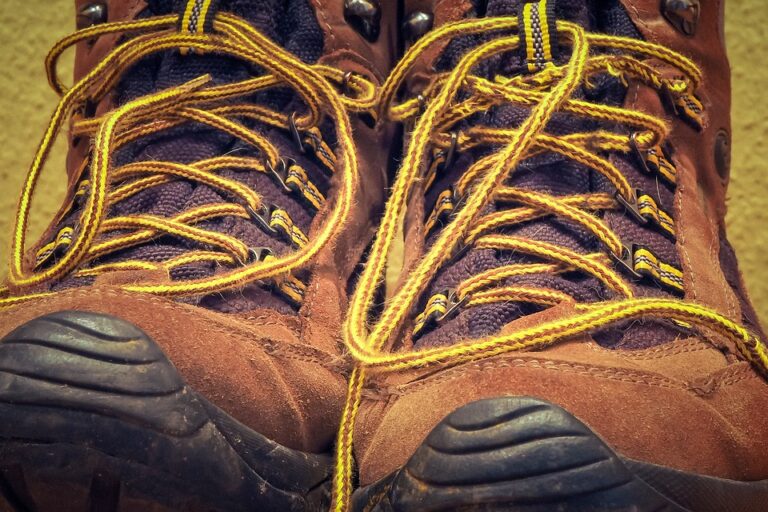
Gorilla trekking needs a different kit: waterproof boots, gloves for nettles, gaiters and a rain jacket for steep, muddy forest. If your trip includes Bwindi or Volcanoes, use our gorilla trekking packing list for that part and this page for the plains. Everything gear related on the site sits under our gear and clothing guide.
Safari Luggage Rules for Bush Flights in Kenya, Tanzania and Botswana
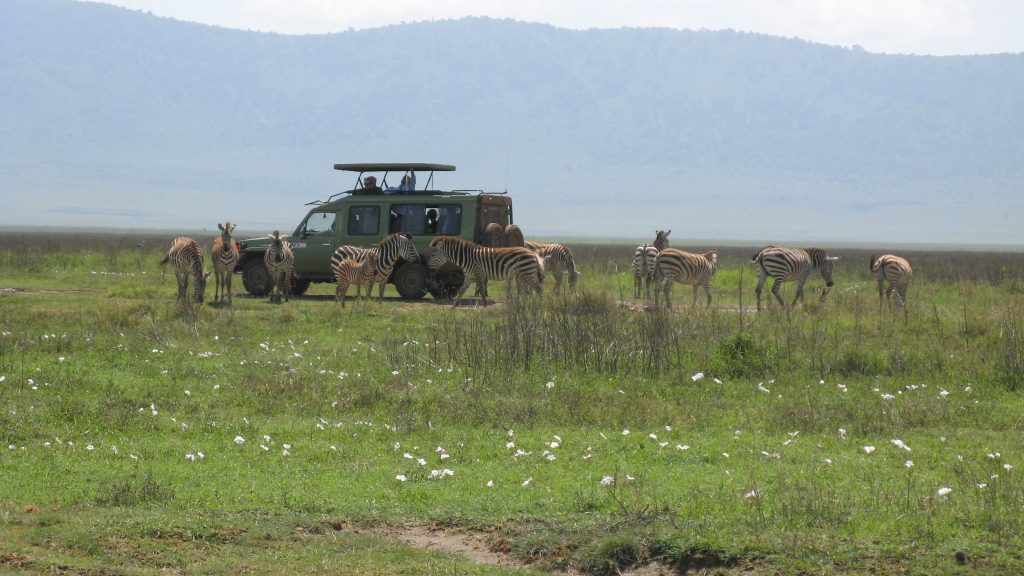
Start with the bag, because on a fly in safari the bag is the rule. The small Cessna Caravans and similar aircraft that hop between airstrips load luggage into a belly pod or a narrow hold. Hard suitcases with wheels and a rigid frame often will not fit, so the airlines ask for a soft duffel that can be squashed into odd spaces. Everything is weighed at the check in desk. That includes your daypack, your camera bag and the binoculars round your neck.
Limits vary by airline and route. Here is what the main safari carriers publish, and it is the figure to pack against:
Excess bags are not lost. Safarilink at Wilson Airport in Nairobi and Mack Air at Maun both offer storage for luggage you will not need in the bush, safari operators in Arusha usually arrange the same, and many city hotels hold bags for free until you come back. That is the place for your smart clothes, the gifts for later and the hard case you flew in with.
A small digital luggage scale saves the scramble at the airstrip. Weigh the duffel and the daypack together at home. For the flight itself, our guide to the best travel backpack for Africa covers carry on size and weight. Over the limit? The answer is fewer clothes, not a heavier camera bag, because the camps do laundry. Most lodges wash clothes daily, often included in the rate, though many will not wash underwear for cultural reasons, so a little travel wash in the bag helps.
For the duffel itself, look for a soft bag of about 60 to 90 litres with no wheels, no rigid frame and a sturdy zip that can take a padlock. A soft travel duffel without wheels from makers such as Patagonia (the Black Hole range), The North Face (Base Camp) or Eagle Creek folds flat when empty. Compression packing cubes keep a soft bag organised, which matters when it gets rammed into a pod. Many travellers also drop a luggage tracker tag, such as an Apple AirTag, into each checked bag, which is reassuring when bags change planes in Nairobi, Johannesburg or Doha.
Safari Clothing to Pack: The 5 4 3 2 1 Rule Adapted for a Safari Trip
You may have seen the 5 4 3 2 1 packing rule: five tops, four bottoms, three pairs of shoes, two swimsuits and one hat, with versions that swap the numbers around. It is a fair starting point for a beach week. On a safari trip, with camp laundry and a 15 kg limit, it shrinks.
Three or four tops are enough for a week with camp laundry. A khaki long sleeved UPF shirt in quick dry fabric, from brands such as Columbia or Craghoppers, guards against sun and mosquitoes at once. Add two pairs of light trousers; convertible zip off safari trousers double as shorts when the midday heat arrives. Socks and underwear for four or five days, sleepwear and a swimsuit for the lodge pool finish it off. Do not bring your favourite clothes. Dust, thorns and laundry by hand are hard on fabric.
For full advice on fabrics, cuts and outfits, see our guide to what to wear on safari; for the forest side, read what to wear for gorilla trekking.
Packing the Right Colours for a Safari: Neutral Tones, White, Red, Blue and Black
On a game drive safari, clothing colour is practical, not fashion. Khaki, olive, sand, tan and light brown hide dust, stay cooler in the sun and do not stand out to animals on a walking safari.
Why can’t you wear white on safari? You can in camp, but it is a poor choice in the bush. White shows red dust within an hour, and on a walking safari it is the colour that stands out most, since many prey animals flash white as an alarm when they run. Guides on walks often ask guests in white to change.
Blue and black are the colours to leave at home in tsetse areas. Tsetse flies are drawn to blue from a distance and prefer to land on black, which is exactly why the fly traps you see in Tanzania’s Tarangire, the western Serengeti, parts of the Okavango and northern Kruger are made of blue and black cloth. A navy fleece or black jacket turns you into a trap. The bite is sharp, can come through thin fabric, and repellent does little to stop it. Dark jeans, black daypacks and navy caps all count.
Can you wear red in Africa? Yes. There is no rule against red, and Maasai herders in Kenya and Tanzania are famous for their red shukas. On a game drive it makes no difference. On a walk, bright red, orange and neon draw the eye, so guides prefer muted tones, and the same goes for gorilla trekking in the forest. Camouflage is a separate issue, covered further down.
Warm Layers to Pack for Cold Morning Game Drives on Safari
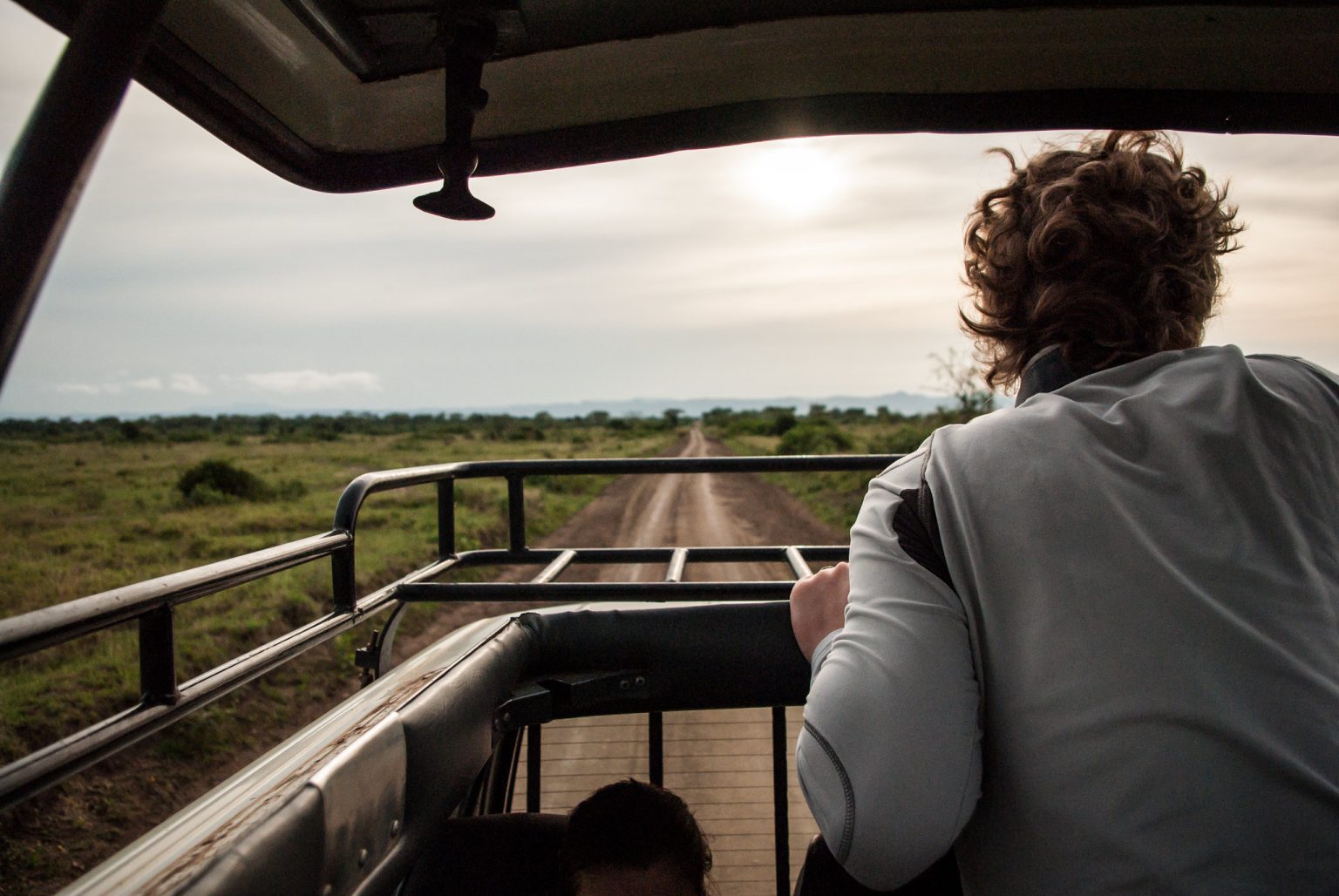
Most first timers expect Africa to be hot. Then the 6am game drive leaves camp in an open vehicle, at 30 or 40 km per hour, in the dry season, and they are cold. Properly cold. Several trip reports describe borrowing a fleece from another guest by the second morning.
The reason is altitude and season. The Serengeti plains sit at roughly 1,500 metres and the Masai Mara is similar, while the Ngorongoro Crater rim is above 2,200 metres and can be close to freezing at dawn in June and July. In Botswana and Kruger, the southern winter from May to August brings clear skies, warm afternoons and mornings in single figures. By 10am you are peeling layers off. By 4pm you are putting them back on for the evening drive.
Pack in thin layers rather than one heavy coat, since layers weigh less and work across the whole day. A lightweight fleece jacket in olive or tan sits over your shirt, and a packable down jacket stuffs into its own pocket and handles the coldest mornings. Add a warm beanie and thin gloves for June to August. Many camps put blankets, lined ponchos or hot water bottles in the vehicles, though not all do, so ask rather than assume.
A full rain jacket is optional for a dry season safari, since vehicles carry ponchos and most have a roof. In the green season from November to April, a light packable shell earns its space for walks around camp. A small safari dry bag keeps your phone, passport and spare batteries dry when a storm hits the open vehicle.
Sun Protection and Water for Open Vehicle Safaris
The equatorial sun on a Serengeti or Mara safari burns faster than most people expect, and the wind on an open vehicle hides how hot it is. Long sleeves do most of the work. After that, the hat matters most.
Pick a wide brim sun hat with a chin strap. Without the strap it blows off the first time the driver picks up speed, and nobody climbs out to fetch it in lion country. A crushable brim survives being stuffed in a duffel; our safari hats guide compares the styles. Polarised wraparound sunglasses cut glare off dry grass and keep grit out of your eyes; contact lens wearers often switch to glasses on dusty drives for that reason.
A neck gaiter or buff does three jobs: sun on the neck, dust over the mouth on dry roads and a quick lens wipe. Bring a high factor sunscreen, SPF 50 is the common advice, and lip balm with SPF, decanted into small bottles to save weight. Lip balm tops many travellers’ lists of things they were glad they packed, because the dry wind cracks lips in a day or two.
Pick a lightweight UPF 50 neck gaiter in a neutral colour. On open vehicle drives it pulls up over your nose and mouth when dust rolls off the track ahead, and worn low it shades the back of your neck through the midday heat. At dawn it keeps your throat warm until the sun is up. Permethrin treated gaiters add bite protection in tsetse country. Pack the same one for a gorilla trek, where it soaks up sweat, and for Kilimanjaro, where it blocks wind and summit dust.
Most camps and vehicles supply drinking water, often in refill stations rather than plastic bottles. A filtered water bottle, such as the LARQ or Grayl styles, lets you top up anywhere and keeps water cool in the vehicle. The water bottles and filters guide explains which filters do what.
Binoculars, Camera Gear and a Field Guide for Game Drive Safaris
If you buy one thing for a wildlife safari, make it binoculars. Guides carry a pair, but they are using them to find animals, and passing one pair round a vehicle means missing the leopard in the tree. Most guides and birders recommend 8×42 or 10×42 models: bright enough for dawn and dusk, light enough to hold steady from a moving vehicle.

Look for waterproof, fog proof roof prism models with full multi coated lenses. A pair of 8×42 waterproof binoculars from brands such as Vortex (the Crossfire and Diamondback lines), Nikon (Prostaff and Monarch) or Celestron covers almost every safari. Our full guide to safari cameras and binoculars explains magnification and lens size, and best binoculars for safari picks models by tier.
For photography, a zoom that reaches 300mm to 400mm suits most game drives; a phone works for scenery and camp but struggles with animals at a distance. Weight is the catch on a 15 kg flight, so one body and one long zoom usually beat a bag of lenses, as the best camera for safari guide explains. Bring at least two spare batteries and spare memory cards, since a single good sighting can fill a card, and a small card reader so you can back up to a phone or laptop at camp. A camera bean bag, filled with rice or beans at your first camp, steadies a long lens on the vehicle rail better than any tripod. Leave the tripod at home. Dust is the other enemy: keep a blower and cloth handy and change lenses inside a closed bag, never in the wind. Our guides to the best lens for safari and to a safari camera bag and rain cover go into more detail.
A pocket East Africa wildlife field guide or a bird app downloaded before you leave turns “what was that?” into a name, and keeps the long quiet stretches between sightings interesting.
Drones need a permit in most East African countries and are not allowed in national parks without one, and most camps ban them too. For most visitors the realistic answer is to leave the drone at home.
Safari Health Kit: Malaria, Repellent and First Aid
Most safari destinations in East Africa, the Okavango Delta and northern Botswana are malaria areas. Kruger and the Lowveld carry a lower, seasonal risk. Malaria tablets are prescription medicine, and the right choice depends on your health, your route and other medication, so see your doctor or a travel clinic six to eight weeks before you fly. They will also go over vaccines.
Repellent does the daily work. Use one with DEET at 20 to 30 percent or picaridin at around 20 percent, both recommended by health authorities against mosquitoes. A picaridin 20 percent repellent is gentler on skin, clothes and camera plastics; a DEET 30 percent repellent is the long standing standard, though it can mark plastics and synthetic fabric, so keep it off binoculars and camera grips. Mosquitoes bite most at dusk and after dark, so long sleeves and trousers at sundowners and dinner matter as much as the spray. Treating clothes with permethrin before you leave adds another layer.
Keep a small travel first aid kit in your daypack with plasters, antiseptic, painkillers, antihistamine, rehydration sachets and diarrhoea tablets. Our travel first aid kit guide lists the rest. Add motion sickness tablets if small planes or bumpy roads upset you, and lubricating eye drops for dust. Carry prescription medicine in its original packaging with a copy of the prescription, and put it in hand luggage. Some countries restrict medicines that are sold freely at home, such as certain antihistamines and codeine painkillers, and cannabis products including CBD are illegal across the region, so check the rules for every country on your route. Camps are often hours from a pharmacy.
Safari Toiletries and Personal Care in Camp
Most lodges and tented camps supply shampoo, conditioner, soap and body lotion, often in refillable bottles, so you can leave the big bottles at home. Pack the things they will not have: your own sunscreen, contact lens solution, any skincare you rely on, a razor, a hairbrush and feminine hygiene products, which are hard to find outside towns.
Keep liquids in hand luggage under 100 ml each in a clear resealable bag, since many airports on the way still enforce that rule, and a clear zip lock toiletry bag is also allowed through Tanzania’s plastic bag ban. Hand sanitiser and a pack of wet wipes earn their weight on long drives with bush toilet stops. Skip the hair dryer: camps running on solar panels often cannot take one, and the wind on the next drive undoes the work anyway.
For nights in a tent, foam earplugs for sleeping are worth a few grams. Hippos grazing outside the tent, lions calling and hyenas whooping are part of the fun, until the third night.
Safari Documents: Passports, Visas and Yellow Fever Certificates
The paperwork for an Africa safari is simple, but small mistakes cause big problems at the border. Your passport needs at least six months of validity after you leave and a few blank pages, since some countries want a full page for the visa or entry stamp.
Visa rules differ by country and change often. Kenya runs an online Electronic Travel Authorisation for most visitors from outside Africa, applied for before you travel. Tanzania, Uganda and Rwanda issue visas online, and the East Africa Tourist Visa covers Kenya, Uganda and Rwanda on one document, explained in our East Africa tourist visa guide. Botswana and South Africa admit many Western passport holders without a visa for short stays. Check the official government portal for your passport before booking flights.
The yellow fever certificate trips people up most. Kenya, Uganda, Tanzania and Rwanda all have yellow fever risk areas. Uganda announced in October that it no longer requires the certificate for entry, but Rwanda still checks it, and South Africa, Botswana, Kenya and Tanzania ask for it from travellers arriving from a risk country, which can include a long airport transit in one. So a trip that goes Kenya then Tanzania, or Uganda then Rwanda or South Africa, can need the card even if your home country does not. The vaccine must be given at least 10 days before arrival. Keep the yellow card with your passport, not in the duffel.
Pack printed and digital copies of your passport, visas, insurance policy and flight tickets, plus your insurer’s emergency number. Travel insurance with medical evacuation cover is a condition of booking at many camps. Keep the originals in your carry on with a change of clothes and your medicines, in case a checked bag misses a connection; our long haul flight essentials list covers the rest of the cabin bag.
Charging and Electronics in Safari Camps
Safari camps run on solar panels and generators, so charging works differently from a hotel. Many tented camps have a charging point in the main area rather than in the tent, and some switch the generator off overnight. Charge everything during the afternoon break between drives.
Plug types vary. Kenya, Uganda and Tanzania mostly use the British three pin Type G, with some Type D sockets in Tanzania. South Africa uses the large round Type M, and Botswana uses a mix of Type M, D and G. Mains voltage is 220 to 240 volts across the region, so check that anything from North America is dual voltage. A universal travel plug with Type M and USB C covers the whole continent with one item; our travel adapter guide goes into the plug types. A 10,000 mAh portable charger keeps a phone and camera running on long drives; vehicles sometimes have USB points, but not always.
A rechargeable headlamp with a red light mode is the other item worth packing. Camps are dark at night, you will be walked to your tent by a guard after dinner, and red light does not ruin night vision or blind the stars. See the headlamps for safari guide for models. Wifi exists at many lodges but is slow and patchy, so download maps, books and bird apps before you leave; an ebook reader is lighter than paperbacks for the midday break.
Cash for Safari Tips and Small Purchases
Tipping is part of every safari tour in Africa: your driver guide, the tracker, and the camp staff through a shared tip box. Cards work for lodge bills in most places, but tips go in cash. Your operator will give suggested amounts, and those figures are in the FAQ below. Envelopes for each tip save fumbling at the end of a stay.
US dollars are widely accepted for tips in Kenya, Tanzania, Uganda and Rwanda, but only crisp, recent notes. Banks and lodges routinely refuse older series bills, and anything torn, marked or faded. Bring small denominations so you are not asking for change. Rules around local currency have tightened in Tanzania, so carry some shillings and ask your operator how they want tips handled. Botswana and South Africa are easy with pula and rand from ATMs, which work in Maun, Kasane and every Kruger gateway town. A slim hidden travel wallet keeps cash flat and out of sight in cities.
What Not to Bring on an African Safari
Some items are simply useless on a safari trip. Others can get you fined at the border.
Camouflage clothing is widely reported as illegal for civilians in Zimbabwe, and travel advice for Tanzania, Zambia and Uganda warns against it because it is linked with the military. Rules and enforcement vary, and nobody wants to test them at a roadblock. Leave all camouflage at home, including caps, bags and children’s clothes.
Plastic carrier bags are banned in Kenya, Tanzania and Rwanda, and the bans apply to visitors. Kenya has some of the strictest penalties in the world for carrying one. Tanzania extended its ban to arriving travellers, with clear zip lock toiletry bags allowed through. Rwanda has banned them for many years and checks luggage at the border. Pack shoes and dirty laundry in fabric bags or packing cubes instead.
Smart evening clothes are rarely needed; a clean shirt and trousers do for dinner at almost every camp.
Safari Packing for Women, Men, Children and Luxury Trips
The core list is the same for everyone on a safari holiday, with a few tweaks. Women often add a supportive sports bra for bumpy tracks, a pashmina that doubles as a blanket on cold drives, and a dress or jumpsuit for dinner; the full list is in our guide to safari clothes for women. Men can keep it to two pairs of convertible trousers, three shirts and one collared shirt for dinner, as set out in safari clothes for men.
Children need more spares, a fleece even in the dry season, and their own small binoculars so they are not waiting for a turn. Check minimum ages before you pack for activities: many camps restrict children on walks and in open vehicles, chimpanzee tracking in Uganda starts at 12 and gorilla trekking at 15. Our safari gear for kids page covers the rest.
A luxury safari changes less than people think. The 15 kg bush flight limit applies in a private charter just as much, unless you pay for an extra seat for luggage. Top camps provide more, such as laundry, toiletries, charging in the tent and sometimes binoculars, so you can carry less rather than more.
Packing for the Serengeti, Masai Mara, Okavango and Kruger by Season
The core list stays the same, but each safari destination tips the balance between warm and light, wet and dry. Here is how to tweak it.

Safari Gear Picks: Entry, Mid Range and Premium Makers
Most of the list is already in your cupboard. For the handful of things people do buy, these are the makers that come up most often on safari packing lists. We have not tested them ourselves, so check each maker’s own specifications before ordering.
The Complete African Safari Packing Checklist
This is the full safari packing list in one place, grouped the way you would pack it, and laid out to print or save as a PDF from your browser. It assumes a week to ten days with camp laundry and a 15 kg limit.
For a gorilla leg, add the forest items from the gorilla trekking packing list: waterproof boots, gardening gloves, gaiters and a proper rain jacket. A daypack for gorilla trekking doubles as the vehicle bag on the plains.
Packing for a Safari and Gorilla Trekking Combo Trip
Many travellers pair a Masai Mara or Serengeti safari with gorilla trekking in Bwindi or Rwanda, and the packing works out fine if you plan the order. The forest kit adds weight: boots, gaiters and a rain jacket together can take 2 to 3 kg of your allowance. The usual answer is to wear the boots on every flight, leave the gorilla items in storage in Nairobi, Arusha or Kigali while you fly into the bush, or route the trip so the gorilla leg comes first or last by road. Local porters at the trailhead carry your daypack on the trek itself.
Each forest item has its own buying guide. Knee high gorilla trekking gaiters keep mud and ants out of your boots, gloves for gorilla trekking save your hands from nettles, and a breathable rain jacket for gorilla trekking earns its weight in any month. A trekking pole helps on steep descents. Rather than carry it all, some travellers ask whether they can rent gorilla trekking gear at the park. Country lists cover the Uganda gorilla trekking packing list, the Rwanda gorilla trekking packing list and the longer habituation experience packing list. Climbing Kilimanjaro on the same trip? Start with the Kilimanjaro gear list and our guide to boots for Kilimanjaro.
The yellow fever card matters more on a combo, since Rwanda asks for it from anyone arriving from Uganda and other countries on the route may ask too, although Uganda dropped its blanket requirement in October. If you are still planning the route, Tanzania safari and gorilla trekking shows how the two fit together, and permits for the forest side are explained under Uganda gorilla permits.
African Safari Packing List FAQ
What is the luggage limit on a safari bush flight?
In Kenya and Tanzania it is usually 15 kg per person including hand luggage, in a soft bag. In Botswana’s Okavango it is usually 20 kg including hand luggage. Some routes, such as Nairobi to Diani or Zanzibar, allow 20 kg. Always confirm with the airline named on your itinerary.
What is the 5 4 3 2 1 rule for packing?
It is a capsule rule of five tops, four bottoms, three pairs of shoes, two swimsuits and one hat, with variations. For a safari with camp laundry, cut it to four tops, three bottoms, two pairs of shoes, two warm layers and one hat.
What not to bring on African safari?
Camouflage, plastic carrier bags, a hard or wheeled suitcase, blue and black clothing in tsetse areas, valuable jewellery, a hair dryer, a drone without permits and any cannabis or CBD products.
Why can’t I wear white on safari?
You can in camp, but white shows dust within an hour and stands out more than any other colour on a walking safari, where guides may ask you to change. Khaki, olive and tan are the safer choice.
Can I wear red in Africa?
Yes. Red is not restricted anywhere, and Maasai herders wear it daily. On walking safaris and gorilla treks, muted colours are still preferred because bright ones draw attention.
Can I take a wheeled suitcase on safari?
Not on most light aircraft. Hard and wheeled bags often do not fit the cargo pod and may be left behind. If you are driving, or on a Kruger self drive, any bag is fine. Fly in travellers should use a soft duffel and store the suitcase in the city.
How many clothes should I pack for a week on safari?
About three or four tops, two pairs of trousers, one pair of shorts, warm layers and socks and underwear for four or five days. Most camps wash clothes daily, so packing for the full trip only adds weight. Bring travel wash for underwear, since many camps will not launder it.
Do I need my own binoculars on safari?
Yes. Guides carry a pair, but sharing one pair round a vehicle means missing sightings. An 8×42 pair is the most useful size for game drives and birding.
What should I not wear on an African safari?
Avoid blue and black in tsetse areas, bright white that shows dust, loud patterns on walking safaris and any camouflage, which is restricted for civilians in several countries and reported as illegal in Zimbabwe.
Do I need a yellow fever certificate for a safari?
Uganda announced in October that it no longer requires one for entry, but Rwanda asks travellers arriving from Uganda to show it, and Kenya and Tanzania ask arrivals from risk countries, so carry the card on any combined trip. South Africa, Botswana and Tanzania ask for it if you arrive from, or transit for a long period through, a risk country such as Kenya or Uganda. On a multi country trip, get the vaccine and carry the card.
How much cash should I bring for safari tips?
Operators commonly suggest around US$15 to US$30 per guest per day for a driver guide on a shared safari, more for a private vehicle, plus roughly US$10 to US$15 per guest per night for the camp staff tip box. Bring crisp, recent US dollar notes in small denominations, or local currency in Botswana and South Africa, and check your operator’s guidance since amounts vary.
What does safari gear cost to buy before the trip?
It depends on what you already own. A soft duffel, a fleece, a sun hat and repellent can usually be bought for a modest outlay, while decent 8×42 binoculars run from budget entry pairs to premium glass costing many times more. Mid range waterproof 8×42 models are the sensible middle ground for most visitors.
Is the same packing list fine for gorilla trekking?
No. Gorilla trekking needs waterproof boots, gloves, gaiters and a rain jacket for steep, wet forest. Use the safari list for the plains and add the forest items from the gorilla trekking packing list.