On safari, wear loose, breathable clothes in khaki, olive, tan or stone, in layers you peel off as a cold dawn game drive turns hot, plus a wide brimmed hat with a chin strap and comfortable closed shoes. Knowing what to wear on safari matters most in open vehicles in Kenya, Tanzania, Botswana and South Africa, and on walking safaris, where guides ask for muted colours. Pack light, since bush flights cap bags at about 15 kg.
The cold catches out more people than anything else. Plenty of first timers pack shorts and vests, then spend the first dawn drive wrapped in a borrowed blanket. Below you will find colours, fabrics, layers, shoes, outfits for women, men and children, camp and dinner wear, the wet season, Zanzibar, laundry and how the kit changes from the Serengeti to the Namib. Our guide to safari clothes for women covers fit, layers and what works in the bush.
One thing first. Gorilla trekking is a different activity with different clothing, closer to a wet mountain hike than a game drive. If you are adding Bwindi or Volcanoes to your trip, read our gorilla trekking clothing guide and the gorilla trekking packing list for that part of the safari.
Safari Clothing Colours: What to Wear and What to Leave Home
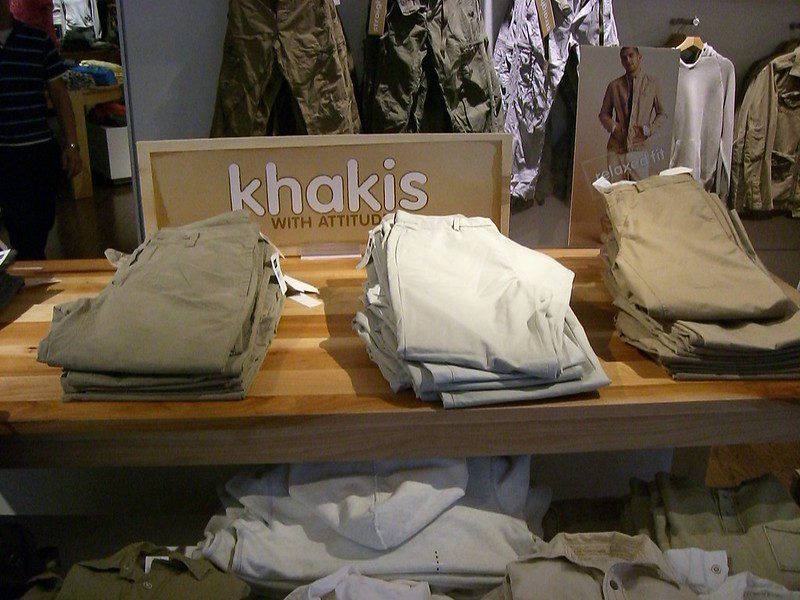
Colour is the first call in any safari clothing plan, and the rule fits in one line: earth tones blend into dry grass and dusty tracks, loud colours do not. Khaki, olive, sand, stone, tan, soft grey and brown make up the classic safari palette for practical reasons. They hide red dust, they do not glare in photos, and they never look out of place on a walk.
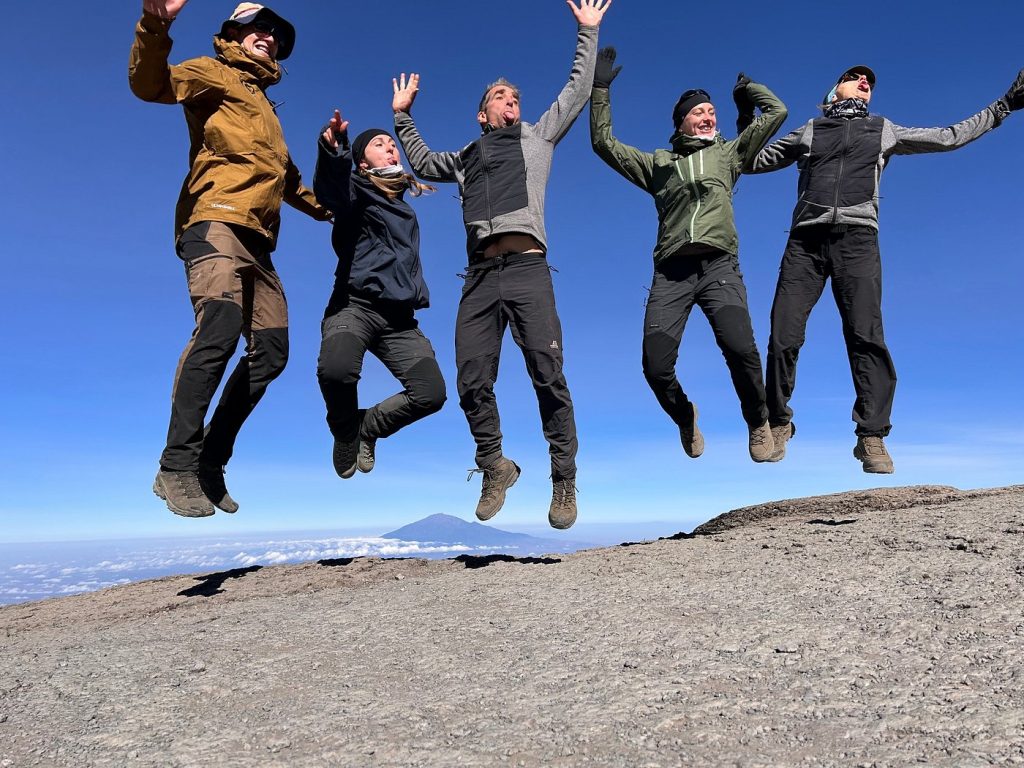
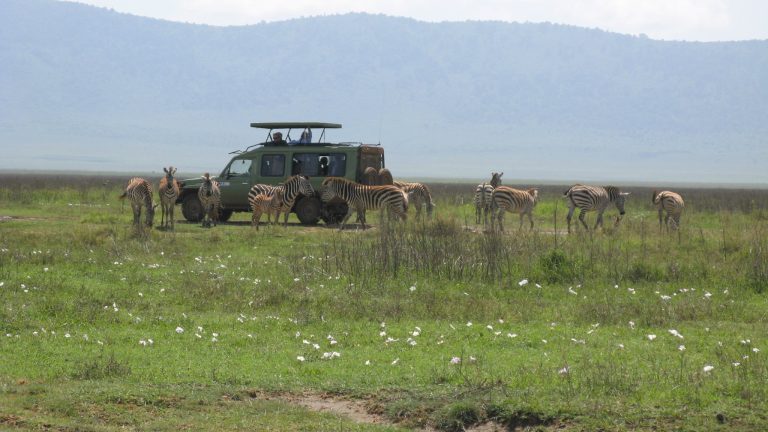
From a vehicle, colour matters less than people fear. Animals read the vehicle as one large shape and mostly ignore the people inside it. On foot, it matters a great deal. Walking safari guides in Zambia, Zimbabwe and South Africa routinely send guests in bright or white clothing back to change before setting out, since a person on foot is something an animal watches closely.
Where are tsetse flies a problem? They live in pockets of woodland and thicker bush: parts of the western and northern Serengeti, Tarangire, Ruaha and Nyerere in Tanzania, patches of the Masai Mara, the Okavango and Moremi in Botswana, and much of Zambia and Zimbabwe. Kruger and most South African reserves are not tsetse areas, so navy is no real issue there. Your guide will know the local picture, but leaving dark blue and black at home costs you nothing.
What about jeans in neutral grey or a black pair of leggings? One forum thread on safari clothes made the sensible point that brown, grey, green and beige clothes you already own will do, and nobody needs a costume. Stick to that palette, skip the bright red tee, and you are set.
Fabrics for a Safari Trip: Breathable, Quick Dry and Insect Treated
The fabric does more work on a safari than the cut. You want clothes that breathe in midday heat, dry overnight after a sink wash, shrug off dust and pack small. Lightweight synthetic travel fabrics such as nylon and polyester blends tick all four boxes. Linen and light cotton feel lovely in the heat, but cotton holds sweat, stays damp in the evening chill and dries slowly. Heavy denim is the worst offender of all: hot in the afternoon, cold and stiff at dawn, and almost impossible to dry in camp.
Merino wool is the natural fibre that earns its place. A thin merino tee works as a base layer on cold mornings, stays comfortable when the day heats up and resists odour for several wears, which matters on a small luggage allowance. Look for a lightweight merino wool t shirt from makers such as Smartwool or Icebreaker in a neutral shade.
Long sleeves pull their weight too. A UPF long sleeve safari shirt with roll up tabs and a vented back blocks the sun, keeps mosquitoes off your arms at dusk and cuts the wind in an open vehicle. Columbia’s Silver Ridge range, Craghoppers and Royal Robbins all make them in khaki and olive; our best safari shirts guide compares the main styles.
Some shirts and trousers come with a built in insect repellent treatment, usually permethrin, sold under names such as Craghoppers NosiLife and ExOfficio BugsAway. An insect repellent treated travel shirt makes sense for malaria areas and tsetse country, alongside a proper repellent on exposed skin. Makers say the treatment lasts a set number of washes, so check the label. You can also treat clothes you already own with a spray, covered in our guide to insect repellent and permethrin clothing.
A Safari Day in Outfits: Layering for Cold Morning Game Drives
Here is the part most packing advice undersells. A typical safari day starts with a knock on the tent at about 5:30am, coffee by the fire and a game drive leaving at first light. You spend three or four hours in an open sided Land Cruiser moving at 30 to 40 km/h through air that may be 5 to 10°C. The Serengeti plateau, the Masai Mara and the Ngorongoro highlands all sit high enough for chilly mornings year round; the crater rim is over 2,000 metres up and can be cold in any month. Botswana and the Kruger in the southern winter, June to August, start the day close to freezing.
Then by 11am it can be 28°C. So you dress like an onion.
Many camps put blankets, lined ponchos or hot water bottles in the vehicles, which helps. They do not replace a proper jacket. The layers you shed go into the seat pocket or your daypack until the evening drive cools down again after sunset. A cotton utility jacket or a wool wrap can stand in for the fleece if you prefer something that looks less technical at dinner.
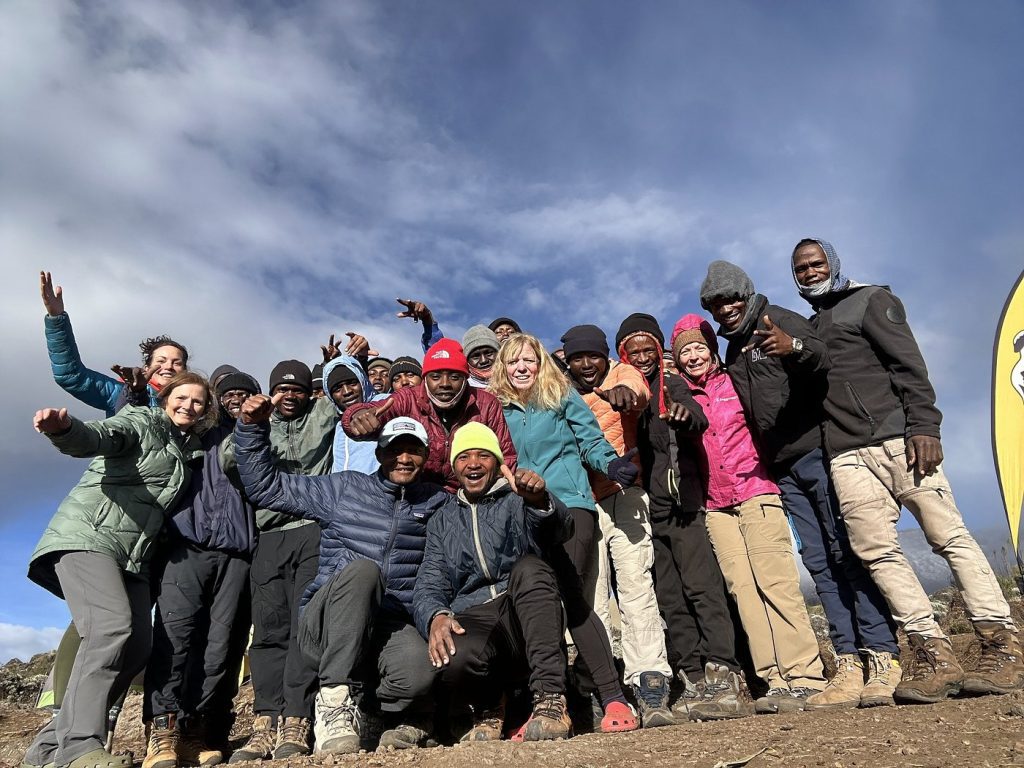
Sun Protection on Safari: Wide Brim Hat, UPF Shirts and a Buff
East Africa sits on the equator and the parks are high, so the sun on a safari is fierce even when the air feels cool. A wide brim safari hat with a chin strap is non negotiable. The strap matters. Hats without one fly off on every bumpy stretch, and nobody gets out of the vehicle to fetch one beside a lion pride. Tilley, Sunday Afternoons and crushable felt outback styles from makers such as Scala survive a duffel bag; the best safari hats guide goes through the shapes.
Add a lightweight neck gaiter or buff. It is probably the most useful small item on a dusty drive: it covers your neck from the sun, pulls up over your nose when another vehicle passes on a dry track, and keeps your throat warm at dawn. A cotton scarf or kikoi does the same job and doubles as a cover for your camera. On very hot days in the Okavango or Zambezi Valley, an evaporative cooling scarf that you wet and wring out takes the edge off the midday heat.
One dust and UV neck gaiter covers most of a safari. Pull it over your nose and mouth when you drive behind another vehicle on a dry road, wear it low to keep the sun off the back of your neck at midday, and roll it up as a warm collar on a cold dawn drive. In tsetse areas, a permethrin treated version adds a layer of bite protection. The same gaiter works as a sweatband on a gorilla trek and as a wind and dust filter on Kilimanjaro.
Finish with polarised wrap around sunglasses, which cut glare off the grass and keep grit out of your eyes. Contact lens wearers often switch to glasses on dusty drives, and prescription sunglasses are worth having if you rely on lenses. Our guide to the best sunglasses for safari compares lens types and dust proof frames. High factor sunscreen and SPF lip balm complete the set. For optics and camera kit, see our safari camera and binoculars guide.
Safari Footwear: Vehicle Game Drives Versus Walking Safaris
For a classic vehicle safari you spend most of the day sitting, climbing in and out at lodges and lunch stops. Heavy boots are overkill. Comfortable closed trainers or lightweight hiking shoes from makers such as Merrell, Salomon, New Balance or Columbia are ideal, ideally in a muted colour that hides dust. Closed toes matter more than ankle support, since camp paths at night can hold scorpions, thorns and the odd snake.
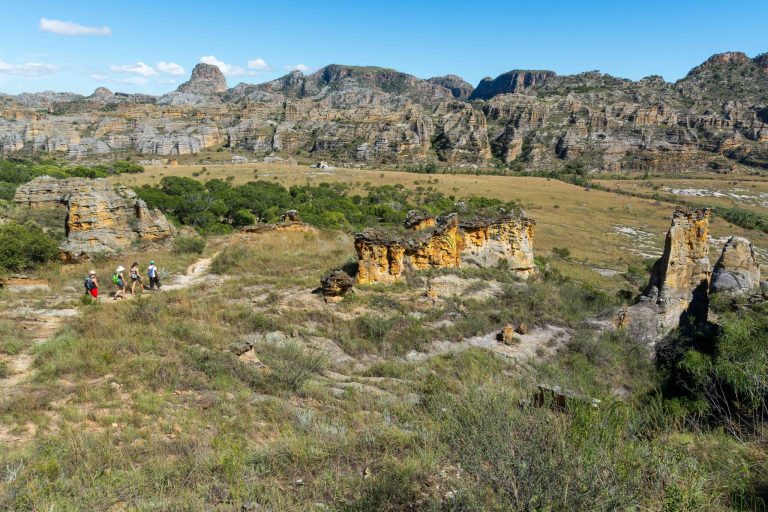
Walking safaris raise the bar. Guides in places such as South Luangwa, Mana Pools, the Kruger wilderness trails and Selinda expect closed shoes with real grip, long trousers and socks that cover the ankle. Low cut hiking shoes are usually enough on flat bush trails, and a pair of short canvas gaiters keeps grass seeds out of your socks. Save stiff waterproof boots for gorilla and chimpanzee trekking, which our gorilla trekking boots guide covers.
For camp, pack one pair of lightweight walking sandals or slip ons for the evenings and the pool; Teva and Birkenstock style sandals both work. Two to four pairs of thin, quick drying hiking socks from brands such as Smartwool or Darn Tough cover a week with camp laundry. Leave heels, smart leather shoes and flip flops for long walks at home.
What Women Wear on Game Drives and in Camp
So what should a woman wear on a safari? Good safari outfits for women look relaxed rather than costume, and the pieces mix and match. A typical game drive outfit is a neutral long sleeved shirt over a fitted tee, women’s convertible zip off safari trousers or loose lightweight trousers, trainers, a hat and a scarf. Trousers beat skirts in the vehicle, since you climb up high steps and sit for hours with your knees in the sun.
A tip that comes up again and again in trip reports: wear a supportive sports bra on game drives. Off road tracks are bumpy, sometimes for hours, and an ordinary bra becomes uncomfortable fast. Leggings in olive or charcoal suit long transfer days and pair with the same fleece. For the midday break and dinner, a khaki utility jumpsuit, a romper or a button through shirtdress packs flat and needs no planning.
Jewellery is best kept minimal. Shiny pieces catch the light and nobody wants to lose a ring in a sandy tent; many women travel with a plain band or a silicone ring instead. Fit, sleeves and how to handle periods on a long drive are covered in the dedicated women’s guide linked above.
What Men Wear on Safari From Dawn to Dinner
Safari clothes for men follow the same logic with fewer options to think about. The core is two pairs of convertible safari trousers in khaki and olive, such as the Columbia Silver Ridge or similar styles, two or three long sleeved vented shirts, a couple of tees, one pair of shorts, a fleece and a down jacket. Zip off legs are handy on a day that starts at 8°C and ends at 30°C, though plenty of men simply wear lightweight chinos and roll the sleeves. Our safari pants guide compares the cuts.
A multi pocket safari vest is optional, but photographers like one for spare batteries and memory cards on long drives. Shorts are fine in a vehicle if you do not mind the sun on your knees, but switch to long trousers at dusk when mosquitoes appear. Quick drying travel underwear helps more than you would think, for the reason explained in the laundry section below.
Safari Clothes for Children on a Family Safari Trip
Children on a family safari follow the same rules as adults, just with more spares. Neutral colours, long sleeves for the evening, a hat with a strap and closed shoes cover it. Kids tend to get dustier and colder faster than adults, so pack a fleece and a beanie even for a dry season trip, and a set of clothes you do not mind ruining.
Light kids’ zip off hiking trousers save packing two sets of bottoms. Check age limits before you plan the wardrobe around activities: many camps set minimum ages for game drives in open vehicles and for walking safaris, and chimpanzee tracking in Uganda starts at 12 while gorilla trekking starts at 15. Our safari gear for kids page goes further.
What to Wear in Safari Camp, at Sundowners and at Dinner
Dress at almost every safari camp and lodge is casual. Most guests come back from the afternoon drive, shower and change into a clean shirt and long trousers for drinks around the fire and dinner. At plenty of camps people go straight from the vehicle to the table without changing at all. Long sleeves and trousers at night are as much about mosquitoes as manners.
Evenings get cool fast, particularly in East Africa and the southern winter, so a fleece, a pashmina or a light jacket goes with you to dinner. A handful of high end lodges in South Africa and some city hotels lean towards smart casual, so pack one nicer outfit if your itinerary includes them, but nothing formal. Boma dinners outside under the stars are the coldest meal of the trip.
Skip strong perfume, aftershave and heavily scented lotions. Animals have sensitive noses, and scent draws insects in the evening.
Sleepwear depends on season. In the southern winter, tents can be cold at night even with hot water bottles in the bed, so warm pyjamas or a thermal set earn their space. Our safari lodges guide covers what different camps provide.
Wet Season Safari Clothing: Rain Shells and Quick Dry Layers
A green season safari, roughly November to April in much of East and southern Africa, brings short afternoon storms, mud and fewer vehicles. The wardrobe barely changes. Swap one cotton shirt for a second quick dry one, carry the rain jacket every day rather than leaving it in the tent, and pack shoes you do not mind getting wet.
Most vehicles carry ponchos and many have a canvas roof, so heavy rain gear is rarely needed on a drive. What does help is a small roll top dry bag for the camera and the warm layer, plus a little anti chafe balm for long humid walks. Laundry slows down in the rains when clothes struggle to dry, so build in one spare outfit.
Swimwear on Safari and Modest Dress for Zanzibar and Town Visits
Pack a swimsuit. Many safari lodges and tented camps have a small plunge pool, and the hot hours between the morning and afternoon drives are when people use it. A light cover up or sarong lets you walk to lunch without changing.
Town days and the coast call for a different wardrobe. Zanzibar is a mainly Muslim island, and in Stone Town, villages and on local transport visitors are expected to cover shoulders and knees. Swimwear belongs on the beach and at the hotel, and the authorities have issued fines for clothing judged indecent in public. During Ramadan dress becomes stricter, with legs covered for men and women. A loose linen maxi dress or wide linen trousers with a top that covers the shoulders is cool and respectful, and the same pieces work for visits to Maasai or Hadzabe villages and towns such as Arusha and Nairobi.
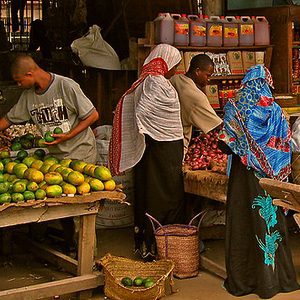
Men should keep a shirt on away from the beach. Sheer or crochet beach dresses do not count as covering up.
What Not to Wear on Safari
The list of what not to wear on a safari trip is short, and most of it comes down to colour, weight and sense.
Safari Laundry and Luggage Weight Limits: A 15 kg Capsule Wardrobe
Two facts shape how many clothes you take on a safari. First, the small planes that hop between airstrips carry strict baggage limits. Coastal Aviation in Tanzania and Safarilink in Kenya allow 15 kg per person including hand luggage, and light aircraft operators in Botswana usually allow about 20 kg. Soft sided bags are strongly preferred or required, because they must squeeze into a small cargo pod. Camera gear counts towards the total. A soft travel duffel of about 60 litres is the usual answer, organised with compression packing cubes; our safari duffel bag guide covers sizes. Do not pack plastic carrier bags, since Kenya, Tanzania and Rwanda ban them.
Second, most camps wash your clothes, often daily, and return them within a day. A week on safari needs only three or four days of clothing. Many camps will not wash underwear, for cultural reasons, and leave washing powder in the bathroom so you can rinse it yourself. That is why quick drying underwear and socks are worth having, and why some travellers carry a portable wash bag such as the Scrubba for smalls.
A good habit from experienced travellers: lay out everything you plan to take, then remove a third. Wear your bulkiest layers on the flights and keep one full outfit in your daypack in case a bag goes astray. Our African safari packing list covers everything beyond clothing, and the safari gear and clothing section has guides to individual items.
Safari Clothing Picks: Entry, Mid Range and Premium Makers
You do not need specialist kit to go on safari, but if you are buying, these are the makers that turn up again and again on safari packing lists. We have not tested them ourselves, so check each maker’s own size and fabric details before ordering.
Safari Clothing by Destination and Season: Serengeti, Mara, Okavango, Kruger and Namibia
The basic kit stays the same across Africa, but each safari region tweaks it. The table gives the short version; the detail follows.
| Safari region | Coldest months | Rainy months | Key extra |
|---|---|---|---|
| Serengeti | Jun to Aug | Nov, Mar to May | Down jacket |
| Masai Mara | Jun to Aug | Nov, Apr to May | Rain shell |
| Okavango | Jun to Aug | Dec to Mar | Beanie, gloves |
| Kruger | Jun to Aug | Nov to Mar | Warm layers |
| Namib desert | Jun to Aug | Little rain | Sun cover |
Combining a Savannah Safari With Gorilla Trekking
Many travellers pair a Masai Mara or Serengeti safari with gorilla trekking in Bwindi. Most of the safari wardrobe crosses over: neutral long sleeves, quick dry trousers, a fleece and a rain shell all work in the forest. What you add for the trek is waterproof boots with ankle support, gloves for gorilla trekking to handle nettles and vines, gaiters and a proper rain jacket. The colour rule tightens too: no bright colours and no camouflage in the forest. Women can find trek outfits in our guide on what to wear gorilla trekking as a woman.
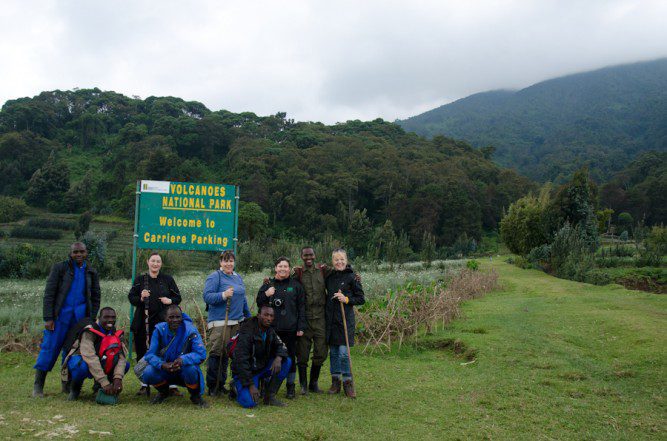
The gorilla trekking clothing guide lists exactly what changes, and bush flight weight limits still apply if you fly between Kenya or Tanzania and Uganda’s airstrips. Hiring a local porter at the trailhead takes the daypack off your back. Our gorilla and Masai Mara safari page shows how the two halves of the trip fit together.
What should I wear on a safari game drive?
Wear neutral, breathable layers: a tee, a long sleeved safari shirt, lightweight trousers, a fleece and a packable jacket for the cold start, plus a wide brimmed hat with a chin strap, sunglasses, a buff and comfortable closed shoes. Take layers off as the day warms up.
What colors are you allowed to wear on safari?
No colour is banned on a game drive, but khaki, olive, tan, stone, brown and muted grey work best. Avoid white because it shows dust and stands out on walks, dark blue and black in tsetse fly areas, and camouflage, which is restricted for civilians in some countries. In camp, wear whatever you like.
What should a woman wear on a safari?
A neutral long sleeved shirt over a tee, zip off or light trousers, a supportive sports bra for bumpy tracks, trainers, a hat with a strap and a scarf, with a fleece and a puffer for dawn. For camp and dinner, a maxi dress, jumpsuit or linen trousers with a pashmina. Keep jewellery minimal.
Can I wear jeans on safari?
You can, but they are a poor choice. Denim is hot in the afternoon, cold when damp, heavy against a 15 kg baggage limit and slow to dry after camp laundry. One pair for the flight is fine; lightweight travel trousers do the job better in the bush.
What not to wear on a safari?
Camouflage, white and bright colours on walking safaris, navy and black in tsetse areas, heavy jeans, heels, valuable jewellery and strong perfume. Leave hard shoes and anything you would hate to lose at home.
Are shorts OK on safari?
Yes, in the vehicle and around camp during the heat of the day. Switch to long trousers at dusk for mosquitoes, and wear long trousers on walking safaris, where guides may insist on them.
What should I wear on safari in the evenings?
Long sleeves and long trousers or a long dress, with a fleece or light jacket. It cools quickly after sunset, and covering up is the best defence against mosquitoes at sundowners and dinner.
How many outfits do I need for a one week safari?
Three or four days of clothing is enough because most camps offer laundry. Plan on three shirts, two pairs of trousers, one pair of shorts or a skirt, a warm layer, a dinner outfit and swimwear, plus extra underwear since many camps do not wash it.
Is there a dress code for dinner at safari lodges?
Rarely. Clean casual clothes are the norm, typically a fresh shirt and long trousers or a simple dress. A few high end lodges and city hotels suggest smart casual. Nothing formal is needed.
How much do safari clothes cost?
You do not need a new wardrobe. Many people buy only a couple of items, such as a UPF safari shirt, convertible trousers or a safari hat, and mix them with neutral clothes they already own. Prices vary widely by brand, and mid range outdoor brands are perfectly adequate for a safari. For the cost of the trip itself, see our Kenya, Tanzania and Botswana safari cost guides.