
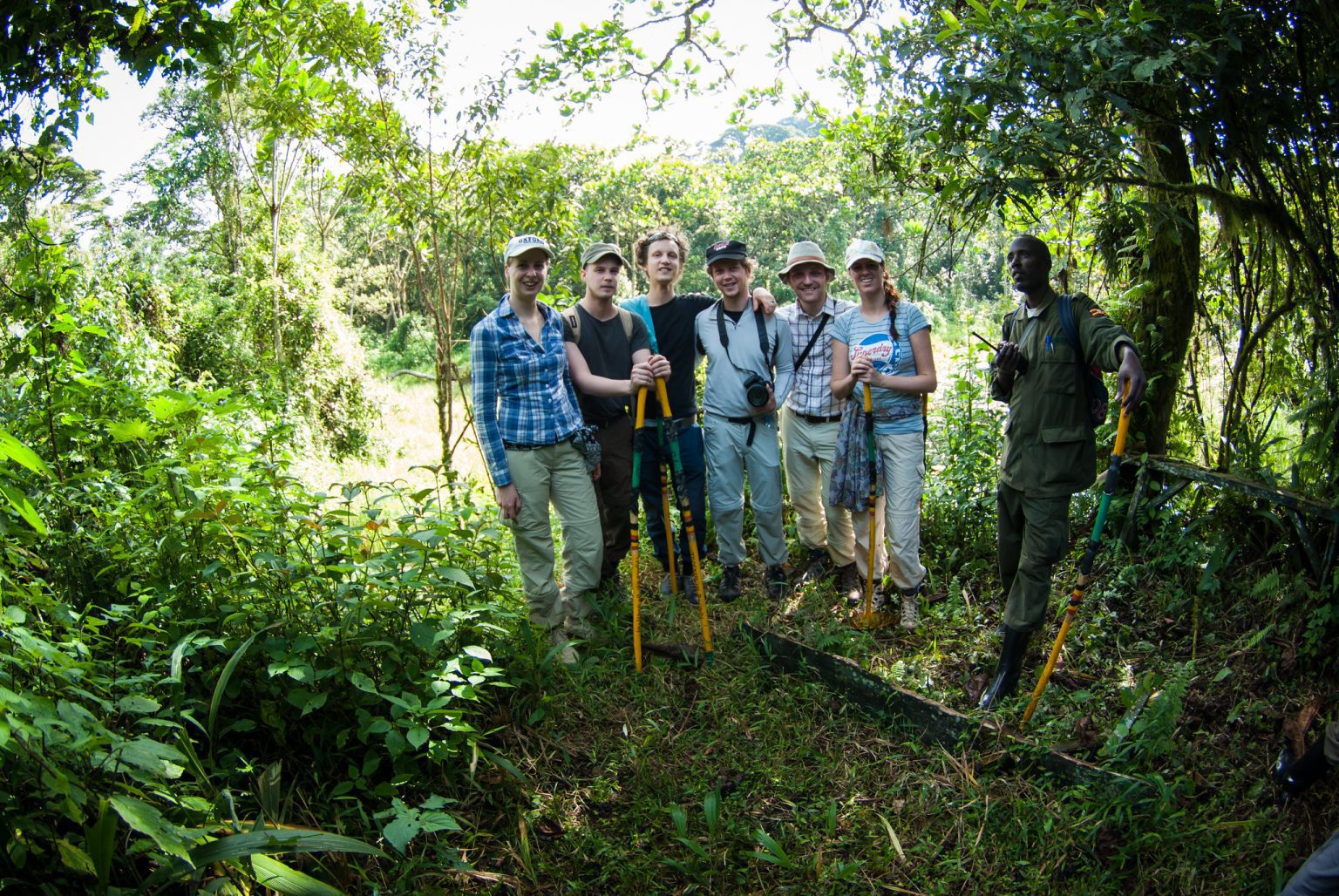
Safari gear and clothing for Africa comes down to two kits. Gorilla trekking in Bwindi or Volcanoes needs waterproof boots, gaiters, gloves and a rain jacket for steep, wet forest. A savannah safari needs neutral layers, a brimmed hat, binoculars and a soft bag that fits the 15 kg light aircraft limit. This page sorts every gear guide on the site by need, and the gear finder builds your list.
We are an independent visitor guide. We do not sell gear, permits or tours, and nothing here is sponsored. The picks below are item types with search links rather than single products, because sizes, fits and stock change and the right boot for one foot is wrong for another. Read the buying guide first, then shop. Our affiliate disclosure explains how the links work.
Safari Gear Finder by Trip and Season
Most travellers combine a gorilla trek with a game drive safari, and the overlap is smaller than people expect. Choose a trip and a season and the finder trims the list to match.
Safari gear finder
Pick your trip and season. The list below narrows to the kit that trip needs, with the buying guide and an Amazon pick for each item. Ticks are saved in this browser.
Full gear list
Trekking kit 8 items
Clothing and rain gear 9 items
Optics and electronics 8 items
Health and comfort 5 items
Luggage 3 items
Season tags follow the usual pattern: Bwindi and Volcanoes can be wet in any month, so the forest list keeps its rain gear all year. Amazon links are searches for the item type, tagged as affiliate links.
Gorilla Trekking Gear for Bwindi and Volcanoes
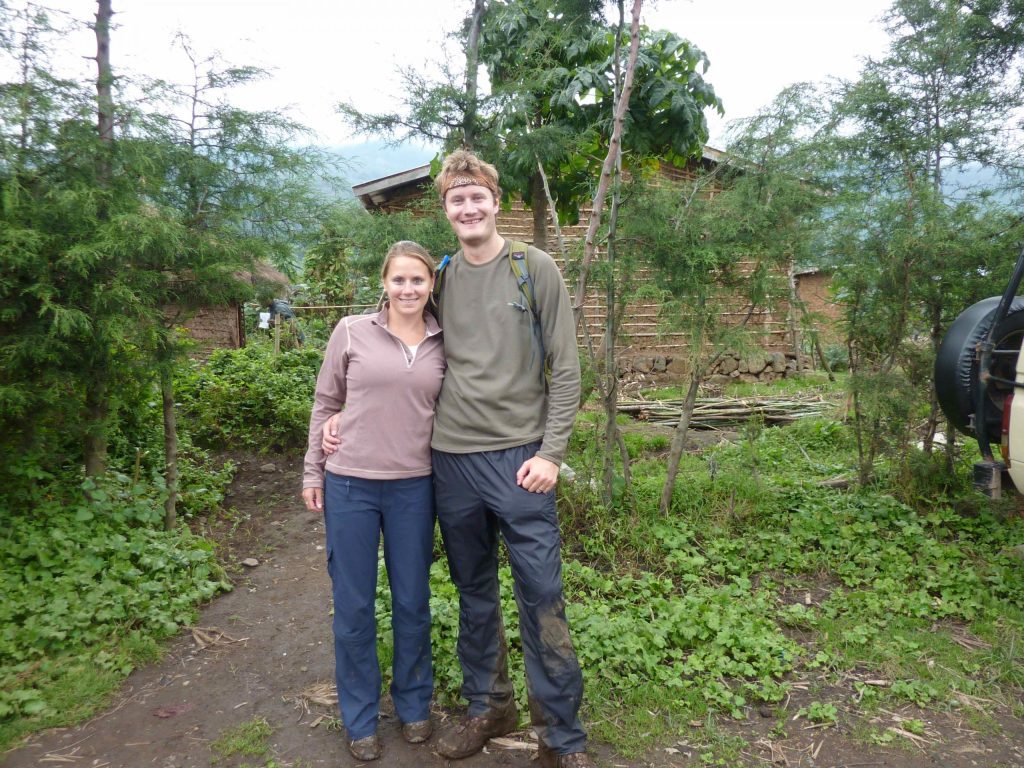
Gorilla trekking gear is about mud, slope and stinging plants. The trek leaves the path once trackers find the family, and the last stretch is often a scramble through vines on wet red clay. Rain can fall in any month in Bwindi, so the forest kit does not change much between seasons.
Footwear first. Waterproof mid boots with deep lugs and a heel that does not slip are the one item worth spending on, and they need to be broken in before the flight. Knee high gaiters seal the gap between boot and trouser against mud and biting safari ants. Cheap rubber palmed gardening gloves protect hands from nettles and thorns when you grab a vine, which you will. Long sleeves and tough trousers do the same job for arms and legs.
Carry a breathable rain jacket even on a blue sky morning, plus a 20 to 30 litre daypack with a rain cover for water, lunch and a fleece. Porters can be hired at the trailhead to carry it, and many trekkers find that worth it on the steeper southern trails. Walking sticks are usually handed out at the briefing; a folding pole is better if your knees dislike long descents. If you would rather not buy anything, read whether you can rent gorilla trekking gear before you fly.
Safari Clothing for Game Drives: Colours, Layers and Hats
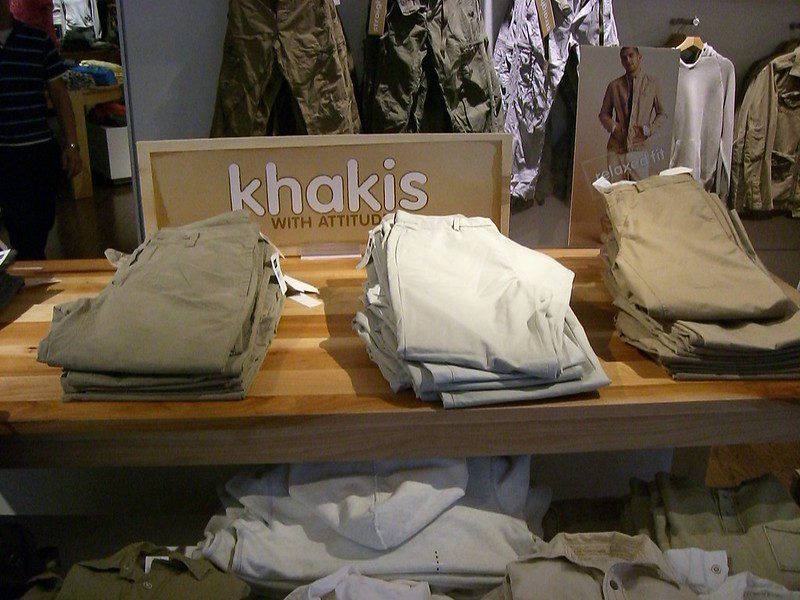
Safari clothing follows a few plain rules. Khaki, tan, stone, olive and soft green blend in and hide dust. Dark blue and black are widely reported to attract tsetse flies in parts of Tanzania, Zambia and Botswana, and bright white turns brown by lunchtime. Camouflage prints are best left at home, because several African countries reserve them for the military.
Layers matter more than outfits. An open vehicle at dawn is cold, often cold enough for a fleece, a beanie and gloves, and by eleven the same drive is hot. Convertible trousers, a long sleeve shirt over a light tee and a fleece you can stuff in a bag handle the swing. A wide brim hat with a chin strap shades the neck and stays on when the driver speeds up. Laundry is offered at most camps, so five days of clothes covers a two week trip.
Binoculars, Cameras and Lenses for a Safari
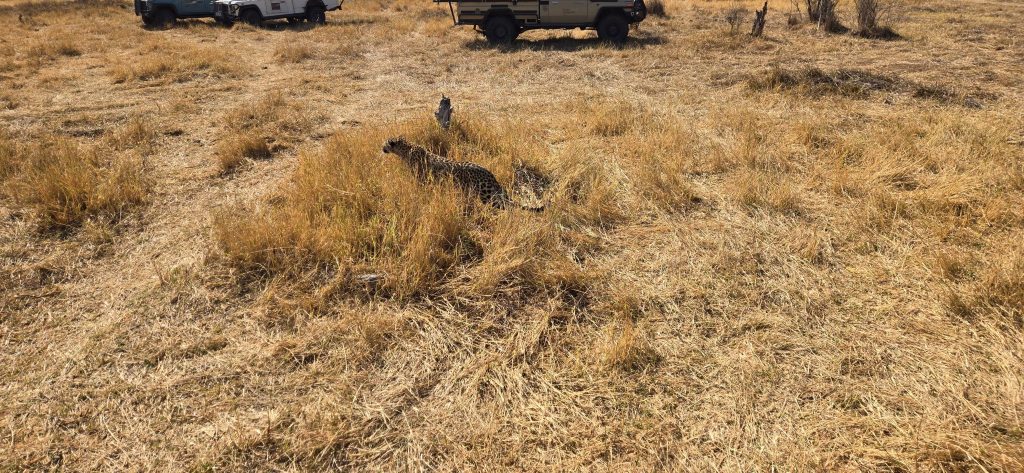
Good binoculars change a game drive safari more than any camera. An 8×42 pair gives a bright, steady view and suits most people, while 10×42 pulls in distant plains game and birds at the cost of a little shake. Bring one pair per person. Waterproof and fog proof bodies matter in the forest and on boat trips.
For photos, the reach you need depends on the trip. On the savannah, a lens around 100 to 400 mm covers lions at the roadside and birds in the acacias. Gorillas usually sit within a few metres, under a dim canopy where flash is not allowed, so a fast lens and a body that copes with high ISO matter more than reach. A bridge camera with a long zoom is the simple answer for travellers who do not want to change lenses in dust. Add a rain cover, a bean bag for the vehicle window and spare batteries, because some camps charge only while the generator runs.
Health and Comfort on Safari and Trekking: Repellent, Sunscreen and Water
Most safari and gorilla trekking areas in East Africa carry malaria risk, so repellent is a daily item rather than an extra. A picaridin or DEET product on skin at dusk, plus permethrin spray on clothes before you fly, covers mosquitoes and tsetse flies. Talk to a travel clinic about antimalarial tablets and vaccinations well before the trip.
The sun near the equator burns quickly, more so at altitude in the forest where cloud fools people. Pack a sweat resistant sunscreen and reapply after the trek. For water, a filter bottle cuts the plastic and lets you refill from camp taps. A small first aid kit with blister plasters and rehydration salts deals with the common problems; your guide or lodge carries the larger kit.
Safari Luggage, Soft Bags and the 15 kg Light Aircraft Limit
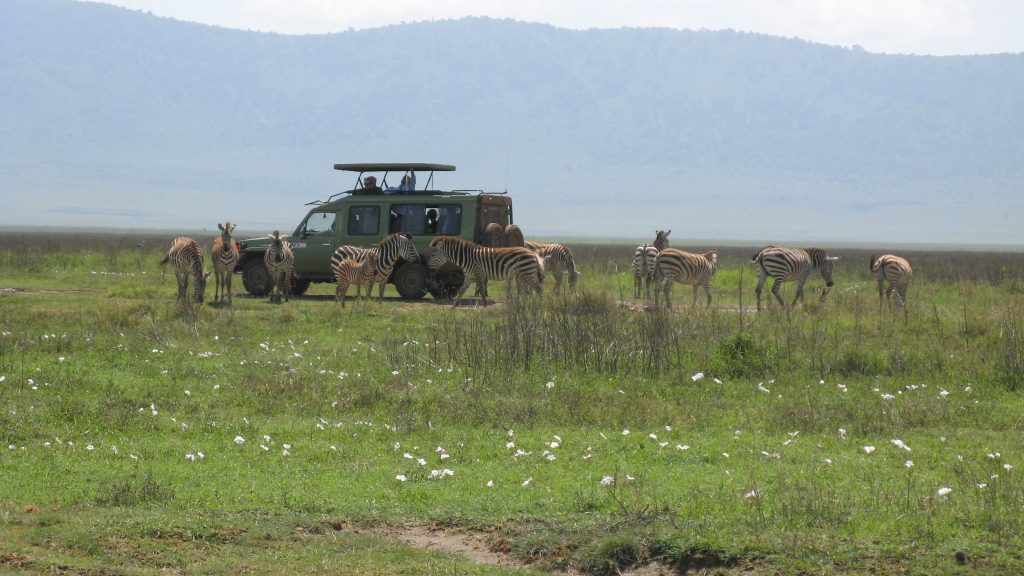
Light aircraft into the Masai Mara, the Serengeti, the Okavango and Bwindi’s airstrips usually limit you to 15 kg per person, in a soft bag with no wheels or rigid frame, and on many routes that figure includes hand luggage. Some operators allow more for a fee or sell an extra seat. Check with your airline or safari company, then weigh the bag at home.
A soft duffel of 40 to 60 litres with backpack straps fits the pod of a small plane and the back of a vehicle. Packing cubes keep it in order, and a luggage scale settles the argument before the airstrip does. On a combined trip, wear your boots on every flight and leave city clothes at a hotel in Nairobi, Arusha, Kigali or Entebbe.
Safari Packing Lists and What to Wear for Each Trip
The item guides above tell you what to buy. The packing lists tell you how much and in what order, and each one is tuned to a different trip. Start with the list for your main experience, then add from the others.
Kilimanjaro Climbing Gear and Safari Gear for Children
Two trips need their own lists. Climbing Kilimanjaro adds sub zero summit nights, so the kit grows into proper insulation, a warm sleeping bag and stiffer boots, while much of the gorilla kit still carries over. Families have a different problem: children grow out of gear quickly, and the minimum age for gorilla trekking is 15, so the priorities shift toward sun protection, comfortable shoes and their own binoculars.
Safari Gear and Clothing FAQ
What should I wear for gorilla trekking?
Long sleeves, tough quick dry trousers tucked into tall socks or gaiters, waterproof mid boots, gardening gloves and a hat, with a rain jacket in the daypack. Muted greens, browns and khaki work best. Our guide to what to wear for gorilla trekking covers each layer.
What colours should I avoid on safari?
Avoid dark blue and black in tsetse fly areas, bright white because of dust, and camouflage prints, which several countries reserve for the military. Neutral khaki, olive and tan are safe everywhere.
Can one bag of gear cover a safari and a gorilla trek?
Yes, with planning. Most of the clothing overlaps; the forest adds boots, gaiters, gloves and rain gear. Wear the boots on flights to save weight, and use the gear finder above with the trip set to both.
Can I rent gorilla trekking gear in Bwindi?
Some lodges and trailhead shops hire boots, gaiters and rain jackets, but stock and sizes are limited. Bring your own boots at least. Our page on renting gorilla trekking gear explains what to expect.
What binoculars are best for a safari?
An 8×42 pair suits most people: bright, wide and steady. Choose 10×42 if you care most about birds and distant game. Waterproof and fog proof bodies are worth having for the forest and boat trips.
How strict is the 15 kg luggage limit on safari flights?
Strict enough to plan around. Bags are weighed at the airstrip, soft bags are required on most light aircraft, and excess weight may need an extra seat or be left behind. Operators and routes differ, so confirm with yours.
Do the Amazon links cost me anything extra?
No. We may earn a commission from Amazon links, at no cost to you, and the price you pay is the same. No brand pays to appear on this page.