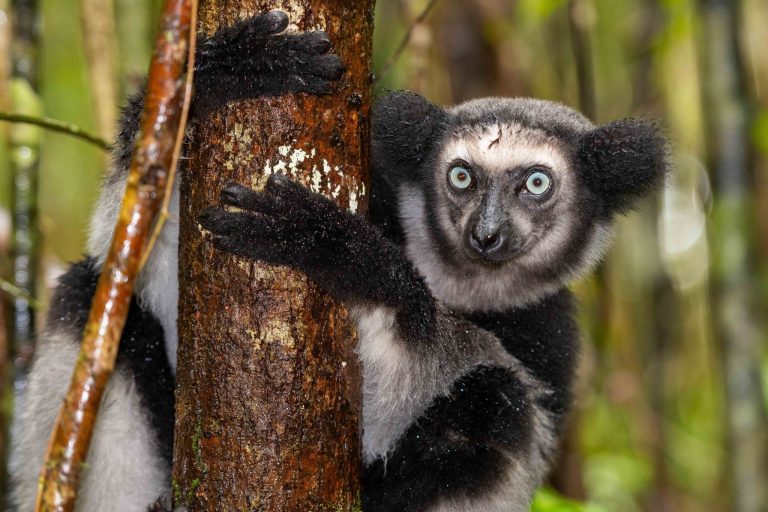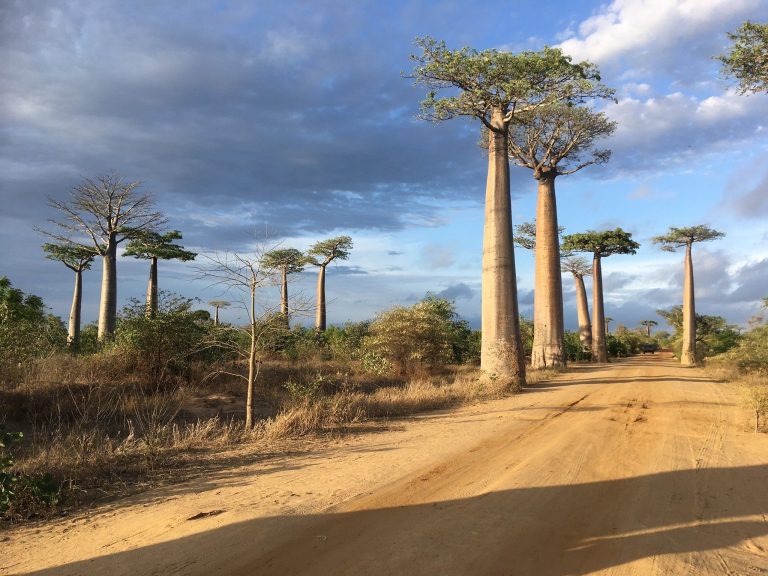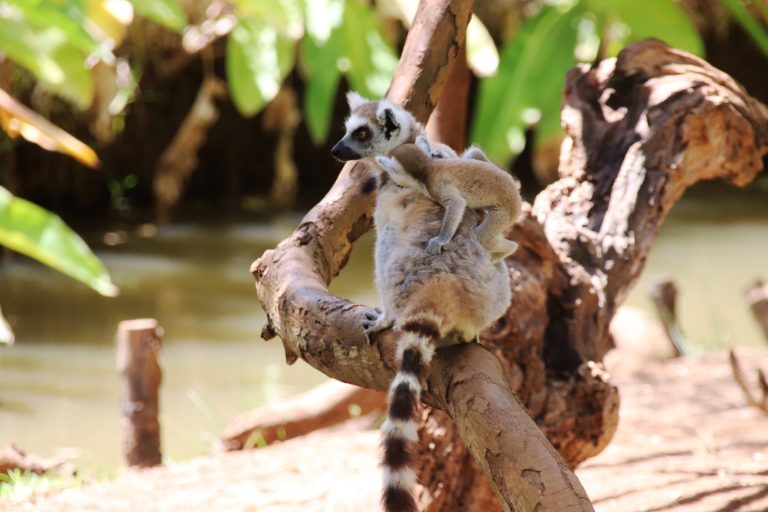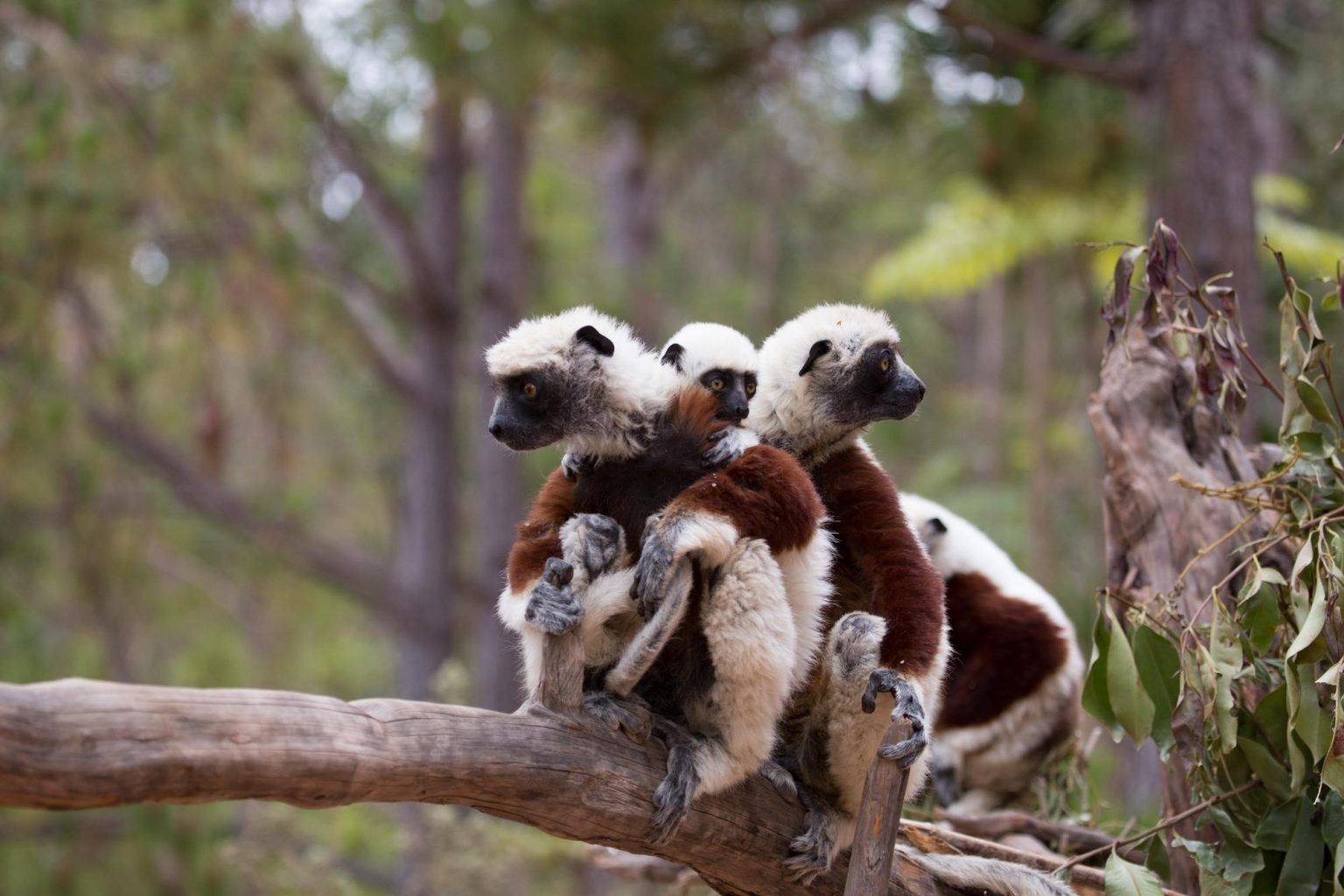
The best lemur tours in Madagascar are guided forest walks in national parks and community reserves, booked as a private trip with a driver guide or as a small group tour through a licensed operator. Most start at Andasibe, three to four hours by road from Antananarivo, where the indri sings, and longer tours add Ranomafana, Anja, Isalo, Berenty or Kirindy. Two nights per park and a night walk at each make the biggest difference to what you see.
This guide covers the kinds of lemur tour on sale, the routes they follow, what a good quote includes and how to book one well. For the animals themselves, species by species, see our primates of Madagascar guide.
What a Lemur Tour in Madagascar Involves
A lemur tour is mostly walking. You reach a park office early, pay entry and head into the forest with a local park guide, who is compulsory in every national park and most community reserves. Spotters often go ahead, fan out from where each group slept and call the guide once they find one.
Walks run from about two hours to a full day. Mornings work best, because most lemurs feed soon after sunrise and rest through midday. After dark comes the night walk on the edge of a park or in a community forest, where a torch picks out the eyeshine of mouse and dwarf lemurs, plus sleeping chameleons and tree frogs.
Between parks, the driving takes over. Madagascar is the fourth largest island in the world, its roads are slow, and the parks holding different lemurs sit far apart, so some tours swap a twelve hour drive for a domestic flight. A tour’s length depends more on travel days than forest days. Small private parties ride in a car or four wheel drive with an English or French speaking driver guide, and some local firms offer German or Italian speakers too.
Book two nights at any major park. A second morning roughly doubles your chances with a shy species, and a group that stayed deep in the forest on day one may be feeding beside the path on day two.
Types of Lemur Tours: Day Trips, Private Driver Guides, Small Groups and Expeditions
Every Madagascar lemur tour fits one of a handful of types. Choose the type first, and the rest of the planning gets easier.
For a first visit, the private driver guide tour usually wins. Solo travellers pay more per head than on a group tour, but a couple or a family gets the most control, lingering where the lemurs are. Our Madagascar tour cost guide sets out what each type costs.
Where Lemur Tours Go: Matching Parks to the Lemurs You Want
The right lemur tour route depends on which lemurs matter most to you. Madagascar holds about 112 lemur species, every one found nowhere else, but no single park has more than about fourteen. This table pairs the main parks with their headline species and how tours reach them.
| Park | Headline lemurs | Access |
|---|---|---|
| Andasibe Mantadia | Indri, diademed sifaka | Road, east of Tana |
| Palmarium | Black lemur, aye aye | Road and boat |
| Ranomafana | Golden bamboo lemur | RN7 south |
| Anja reserve | Ring tailed lemur | RN7 south |
| Isalo | Ring tailed, sifaka | RN7 south |
| Zombitse | Sportive lemur | RN7 south |
| Berenty | Dancing sifaka | Fly to Fort Dauphin |
| Kirindy | Mouse lemurs, sifaka | Fly to Morondava |
| Ankarafantsika | Coquerel’s sifaka | Fly to Mahajanga |
| Amber Mountain | Crowned lemur | Fly to Diego |
| Ankarana | Crowned lemur | Fly to Diego |
| Lokobe, Nosy Be | Black lemur | Fly to Nosy Be |
| Masoala | Red ruffed lemur | Remote, by boat |
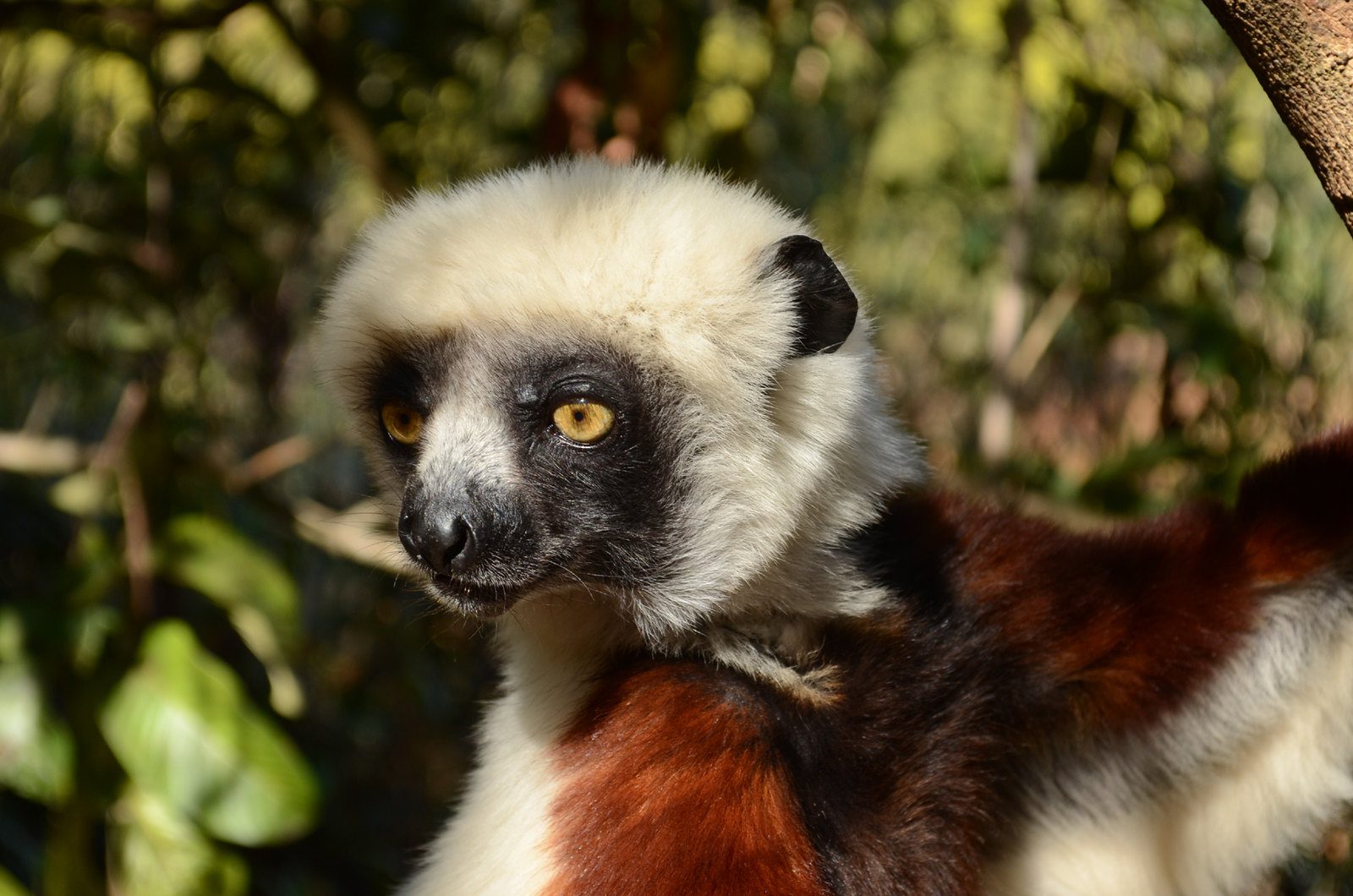
Most first lemur tours pair Andasibe with the RN7 south, because between them those parks hold the indri, the bamboo lemurs, the ring tailed lemur and Verreaux’s sifaka, all reachable by road. Anyone wanting the dancing sifakas of Berenty, the night life of Kirindy, where Madame Berthe’s mouse lemur, the smallest primate known, is the prize, or the crowned lemurs of the north adds a domestic flight for each. Every flight costs most of a day.
Specialists push further, to the silky sifaka at Marojejy, the golden crowned sifaka near Daraina or Masoala’s red ruffed lemur. Those need extra days, fitness for steep wet trails and an operator who has run them before.
Short Lemur Tours From Antananarivo: a Four Day Plan
Plenty of travellers have only a few days. A short lemur tour from Tana can still show you wild indri if you give it one night in the forest, and better still two.
Lemurs’ Park, about 20 km west of the city along the RN1, fills half a day. Its lemurs are mostly animals confiscated from illegal pet owners, living in fenced forest and, where possible, prepared for release: a fair introduction, but not wild lemurs. A day trip to Andasibe means three to four hours of driving each way, so you arrive after the best of the morning and miss the night walk. This four day outline is what most short private tours look like.
Night walks are not allowed inside the national park itself, which is why they happen on its edge. With a fifth day, swap the return for a boat along the Pangalanes Canal to the Palmarium, where an evening outing looks for the aye aye.
Many short tours include Vakona’s Lemur Island, where rescued lemurs fed by staff climb onto visitors after a short canoe crossing. Children love it, but primate welfare groups advise against contact of this kind, so decide before you go. The same applies to Nosy Komba, off Nosy Be, where semi wild black lemurs are handed bananas on most cruise excursions; nearby Lokobe shows them wild.
Sample Lemur Tour Routes for One and Two Weeks
These outlines show what fits into a week or a fortnight of lemur watching tours. Each assumes a private driver guide, and small group tours follow similar lines on fixed dates.
Whichever route you pick, give the forest parks two nights each, and never stack a long drive and a long walk on the same day. Our Madagascar itinerary page has more routes, including the north and Nosy Be.
Lemur Tour Extensions: Tsingy, Whale Watching and Culture Trips
Most operators sell lemur tour extensions of a few days, and three are common.
The Tsingy de Bemaraha and Kirindy extension runs north from Morondava to the limestone pinnacles of the Tsingy, a World Heritage Site, with Kirindy’s sifakas and night walks on the way. The road opens roughly from late May to November. Allow about a week, much of it on rough tracks.
Whale watching trips follow the seasons: humpback whales pass Sainte Marie from about July to September, and whale sharks appear off Nosy Be from about October to December, alongside Lokobe’s black lemurs.
Culture stops fill the drives. Ambohimanga near the capital, the pot makers of Ambatolampy, Ambositra’s wood carvers and the paper workshop at Ambalavao sit on the RN7, and a good driver guide explains fady, the local taboos that vary by village and sometimes protect particular forests or animals.

What a Lemur Tour Quote Should Include
Lemur tour quotes look alike until you read the small print. Before comparing prices, check each lemur tour quote line by line against this list.
How to Book a Lemur Tour in Madagascar, Step by Step
Booking a lemur tour well comes down to asking every operator the same questions and comparing like with like. This sequence works for private and group tours.
Responsible Lemur Tours: Captive Lemurs, Distances and Night Walks
Nearly all lemur species are threatened, and the way a lemur tour is run affects them. The primate specialists at the IUCN have published plain guidance for visitors, and a well run tour follows it without being asked.
The harder issue is captive lemurs. Many hotels, restaurants and roadside stops keep lemurs to draw tourists, and most of those animals were taken from the wild illegally, ring tailed lemurs above all. A lemur on your shoulder for a photograph usually means a lemur that should be in a forest. Ask your operator to keep such places off the route, and decline politely if one appears anyway.
Souvenirs matter too. Rosewood and ebony carvings come from illegal logging of lemur forest, while money spent at community reserves such as Anja and Mitsinjo goes straight to the villages that protect it.
Best Months for a Madagascar Lemur Tour
April to November is the main season for lemur tours, with drier trails and most roads open. Within that window, the months differ.
April and May follow the rains. Forests are green, visitor numbers low, and the Tsingy road may not open until late May. June to August is cool, dry and busy, with highland nights close to freezing; July and August are the peak months, so book early. September to November is the choice of many specialists: baby lemurs ride on their mothers’ backs, chameleons are active, birds are nesting, and the weather warms. By November the south is hot.
Night walks keep their own calendar. In the dry west and south, some dwarf lemurs spend the cool months dormant, so a Kirindy night walk is richer from October onward. December is warm, wet and good for frogs and reptiles, but the rain arrives. January to March is cyclone season, when roads wash out and some lodges close, and only specialists travel then.
Adding Gorilla and Chimpanzee Trekking to a Lemur Tour
Madagascar has lemurs but no apes or monkeys, so many travellers pair a lemur tour with gorilla trekking in Bwindi or in Rwanda’s Volcanoes National Park, with chimpanzee trekking in Kibale as the natural second stop. Flights link Antananarivo with Nairobi and Addis Ababa, and from there with Entebbe and Kigali. Our Madagascar and Uganda itinerary lays out the combined trip day by day.
Book the gorilla permit before anything else, because permits sell out in the busy months long before flights do; our Uganda gorilla permits page explains how. Madagascar has at times refused entry to visitors recently in a country with an Ebola outbreak, so check the current rule with your airline and consider visiting Madagascar first. Pack once for both: the rain jacket and grippy boots on our gorilla trekking packing list suit Ranomafana’s wet trails too, and our binoculars and headlamp guides cover the two items lemur watchers use most. For the wider island, read our Madagascar tours guide.
Madagascar Lemur Tour FAQ
How much does a lemur tour in Madagascar cost?
Short private Andasibe tours of four or five days are advertised from about US$1,300 to US$1,700 per person sharing. Small group tours of about two weeks commonly sell for US$2,300 to US$4,000 per person sharing, and a private 14 day trip with mid range to upscale lodges about US$5,500 to US$8,500 per person for a couple, both before international flights. Naturalist led tours often cost US$5,000 to US$9,000 or more. Domestic flights add roughly US$80 to US$300 one way each, and driver guide tips are commonly 20,000 to 40,000 ariary a day per vehicle. These are market ranges; our Madagascar tour cost page explains every line.
What do park fees and lemur guides cost?
Park entry for foreign adults has been about 45,000 to 65,000 ariary a day at the main national parks. Madagascar National Parks has announced a doubling, reportedly due from November, which would put parks such as Andasibe Mantadia at about 90,000 ariary and Isalo and Ankarana at about 130,000, so check the current rate before you go. Local guides charge per circuit, commonly 25,000 to 40,000 ariary per group, with night walks charged separately. Pay in ariary cash.
Can I see lemurs on a day trip from Antananarivo?
Yes. Lemurs’ Park, about 20 km west of the city, shows rescued lemurs in half a day. Wild indri at Andasibe are possible in a very long day, but an overnight trip with a night walk is far better.
How many lemur species will I see on a lemur tour?
A short Andasibe trip with a night walk often turns up six to ten species, since the Analamazaotra area alone records about fourteen. A two week RN7 tour commonly reaches fifteen or more, and specialist tours using flights to Berenty, Kirindy and the north aim for twenty to thirty. Nocturnal species count for a lot of the total, so skip the night walks and the number drops.
Are lemur sightings guaranteed on a tour?
No wild sighting is guaranteed, but the common species at Andasibe, Anja and Isalo are seen on most walks because guides track habituated groups daily. Rarer species, such as the golden bamboo lemur or the aye aye, can take more than one attempt, which is why two nights per park matters.
Is it all right to touch or feed lemurs?
No. Primate specialists advise against any contact, even with tame lemurs at hotels or on islands, because of bites, disease and the illegal trapping of animals to entertain tourists. Keep about 7 metres away and let the lemurs come and go.
Should I book a local Madagascar operator or an international company?
Both can work well. A licensed local operator is often cheaper and more flexible. An international company adds a margin but also payment protection and help if flights are cancelled. Compare two or three quotes on the same brief and ask each for its licence and the driver guide’s name.
Is Madagascar safe for a lemur tour?
At the latest check, the US State Department rated Madagascar Level 2, exercise increased caution, mainly over crime and civil unrest in towns. Lemur tours spend most of their time in parks and rural lodges with a driver guide, and the usual advice applies: avoid driving after dark, keep valuables out of sight in the capital, and read your government’s current advice before you go.
Are lemur tours suitable for children and older travellers?
Yes, on the right route. Andasibe’s main trails are short and fairly level, and the eastern tour keeps drives short. Ranomafana’s trails are steep and muddy, while Berenty and Isalo are hot, so choose parks to suit the least fit member of the group.
How far ahead should I book a lemur tour?
Six months or more for July, August and October, when lodges at Andasibe, Ranomafana and Isalo fill and domestic flights sell out. Three months is often enough for April, May or November. Specialist and research led departures can fill a year ahead.