The best Madagascar itinerary for 10 to 14 days covers one or two regions, not the whole island: the RN7 south from Antananarivo to Isalo and the coast, the western baobabs and Tsingy paired with the Andasibe rainforest, or the north with Nosy Be. One week suits the east alone, and three weeks allows a grand circuit. Most travellers book a private driver guide through a licensed operator. Madagascar, the world’s fourth largest island, holds lemurs found nowhere else.
Below are six route shapes with day by day plans, the drive times that decide them, and what a quote for each should cover. For the parks and wildlife in depth, read our Madagascar tours guide; for prices, our Madagascar tour cost page breaks down every line of a quote.
How to Plan a Madagascar Trip Itinerary: One or Two Regions
Planning a Madagascar trip starts with distance. The island runs about 1,600 km from north to south, outside the national roads most routes are dirt, and a hundred kilometres can take three hours. Google’s drive times are often wrong by hours. So the first decision is the region, and the honest answer for two weeks is one region, or two joined by a flight.
Four circuits cover almost every Madagascar tour sold:
Seven days fits the east. Ten days fits one region comfortably. Fourteen days fits one region slowly or two with a domestic flight between them, and three weeks or more opens a road circuit through the south and west. Travellers who forced in three regions in two weeks tend to report the same regret: too many ten hour days in the car and not enough nights in the parks.
A good rhythm is one transfer day, then one park day. Two nights is the sensible minimum at any rainforest park, because lemur groups move and a second morning doubles your chances.
One Week in Madagascar: 7 Day Andasibe and Pangalanes Tour
A 7 day Madagascar tour works only if it stays close to the capital, and the east is the one region that allows it. No domestic flight is needed, and the indri is the reward.
If you have a week and want ring tailed lemurs instead, drive the highland half of the RN7 to Ranomafana and Anja and back; our Madagascar RN7 itinerary sets out that 7 day shape. Five days is too short for anything beyond Andasibe.
Classic 14 Day RN7 Tour: Andasibe, Highlands, Isalo and the Southwest Coast
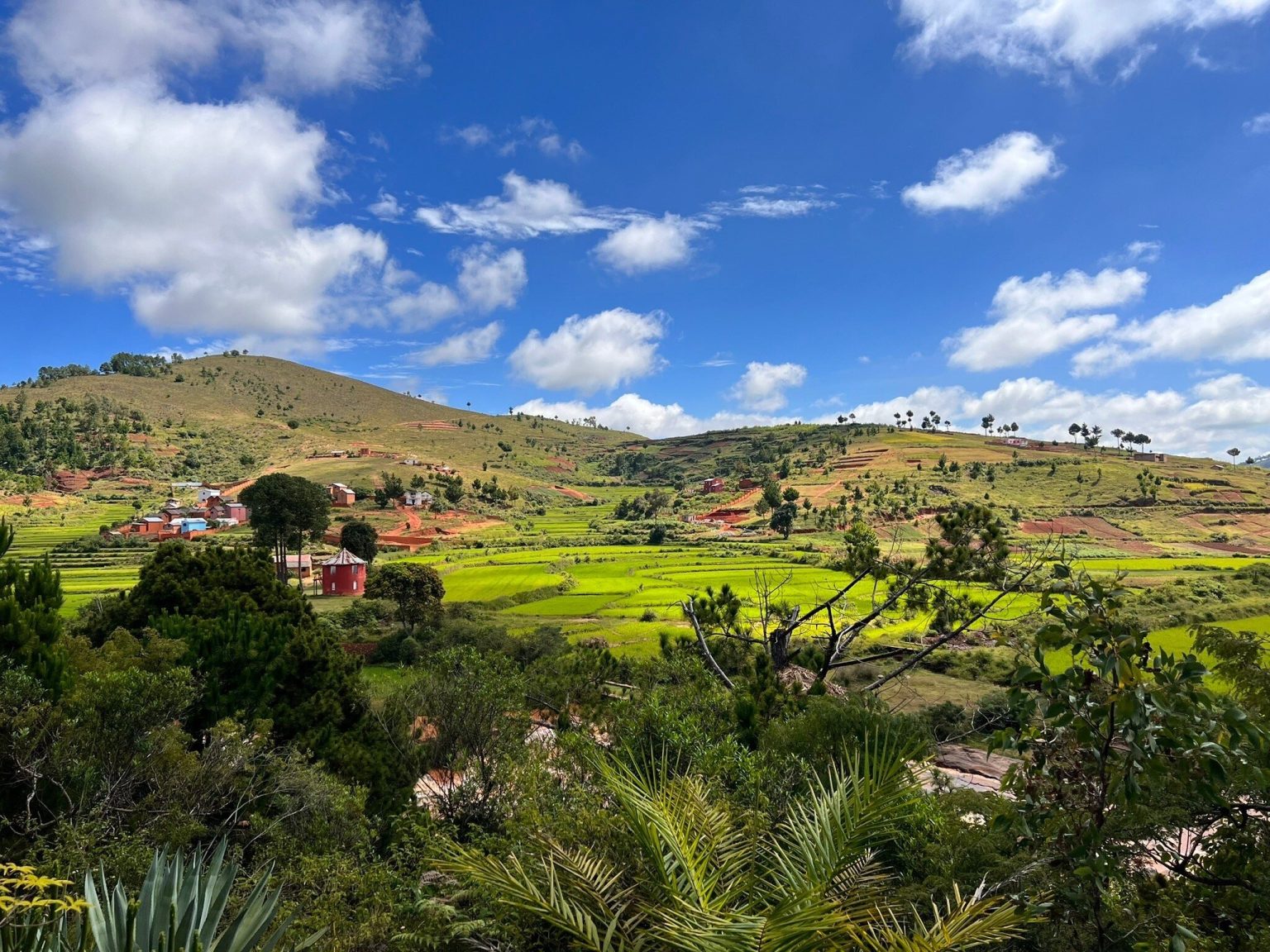
The RN7 road trip is the route most first time visitors choose, and the one most operators know best. It runs south from Antananarivo through rice terraces and craft towns to the dry sandstone of Isalo and the reef coast. Here it is in outline; the full day by day plan with drive times sits on our RN7 road trip page.
The 10 day version drops the coast and either returns north by road from Isalo or flies out of Toliara after two Isalo nights. Fit walkers sometimes swap a coast day for a two or three day trek in Andringitra National Park near Ambalavao.
The weak spot of this route is the drive back if there is no flight. Toliara to Antananarivo is two or three long days, which is why one domestic flight is worth paying for. Highland nights from June to August are cold, close to freezing in places, so pack a warm layer for Antsirabe and Isalo.

12 Day West and East Madagascar Tour: Baobabs, Tsingy and the Rainforest
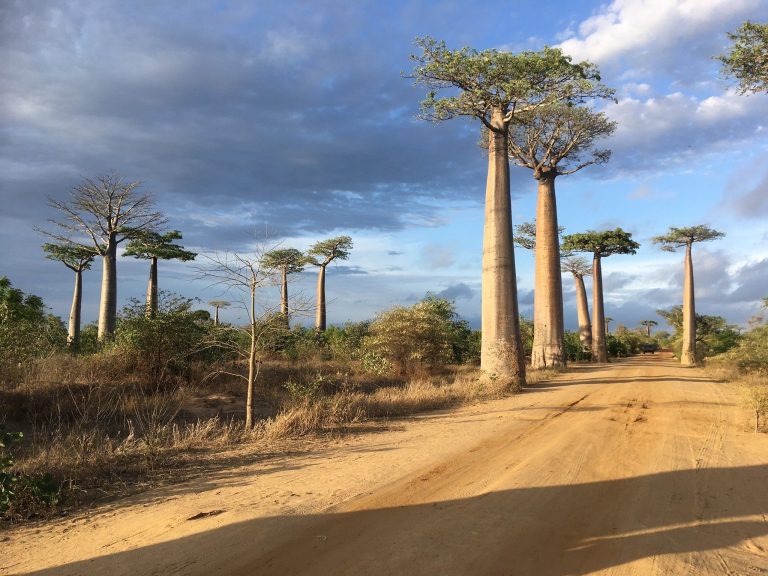
This Madagascar adventure tour pairs the photographs most people picture, the baobabs and the limestone pinnacles, with the eastern rainforest. It works only in the dry season, roughly May to November, because the road to the Tsingy closes in the rains.
Plan the west early in your trip and book the Morondava flights first. They fill in July and August, and one traveller who booked in May still could not get August seats. Overland from Antananarivo to Morondava takes two long days by private car, via Antsirabe and the hot river town of Miandrivazo, and the public minibus does it in one punishing run of around 17 hours. Missing the flight changes the whole plan.
The Grand Tsingy is hard work for anyone with vertigo, and the road from Morondava is rough even by local standards. Vehicles often travel in convoy so that drivers can pull each other out of mud, and the ferries stop running in the evening. Some travellers go the old way instead, by boat down the Tsiribihina River for two or three days of camping on sandbanks, but UK travel advice has warned of robberies on that river, so check the current position before booking it.
Morondava itself is a relaxed seafood town, and a pirogue trip to the Vezo fishing village of Betania just south of town fills a spare afternoon. Add two days and this route grows into a 14 day trip with Ranomafana or the Pangalanes Canal.
10 Day Northern Madagascar Trip: Amber Mountain, Ankarana and Nosy Be
The northern Madagascar tour suits anyone who wants forest walks and a proper beach in ten days with only short drives. It also works later in the year than the west.
Stretch it to 14 days by adding the Emerald Sea boat trip from Diego and more nights on the islands, or by flying first to Mahajanga for Ankarafantsika and its Coquerel’s sifakas. Whale sharks appear off Nosy Be from about October to December, which makes late in the year a good time for this route.

10 Day Madagascar Wildlife Tour: Rainforest, Canal and Sainte Marie
This lemur tour stays in the east, where drives are short and wildlife is dense. It suits families, first timers with ten days, and anyone travelling in the whale season from about July to September.
Without a flight, Sainte Marie is reached by road up the coast past the beach village of Mahambo to Soanierana Ivongo, then by ferry across the channel. It is slow, and the sea crossing can be rough, so most short trips fly at least one way.
Families can soften it further with a morning at Vakona’s lemur island. Honeymooners often replace the canal with extra nights on Sainte Marie or Nosy Be. Birders should add Ranomafana or the spiny forest of the south for the ground rollers and vangas the east lacks. Rain can fall here in any month, so a light jacket and long socks against leeches are worth packing.

Three Week Madagascar Grand Circuit Tour: South, West and East
With three weeks or more, a Madagascar road trip can join the RN7, the west and the east without a frantic pace. Overland travellers and self drivers take this loop, and so do travellers who simply want to see more than one face of the island.
The coastal track from Ifaty north to Morondava is a true expedition: river ferries, sand, few fuel stops and no signposts, possible only in the dry season and best avoided without a guide who has driven it. Most people fly. Self drivers who have done the full loop report that the Tsingy road was the worst of it in May, when the mud has not fully dried.
Madagascar Itineraries for Families, Honeymoons and Wildlife Trips
The same regions combine differently depending on who is travelling. These Madagascar trip shapes come up again and again in operator quotes.
For lemur focused routes with more forest time, our lemur tours in Madagascar guide goes into each reserve.
Drive Times, Flights and Buffer Days on a Madagascar Trip
Road time decides every Madagascar travel itinerary. These are typical times in dry conditions with a private driver; add more in rain or traffic around Antananarivo.
| Leg | Road time | Road |
|---|---|---|
| Tana to Andasibe | 3 to 4 hours | Paved |
| Tana to Antsirabe | 4 to 5 hours | Paved |
| Antsirabe to Ranomafana | 5 to 7 hours | Paved, slow |
| Ranomafana to Ambalavao | 2 to 3 hours | Paved |
| Ambalavao to Ranohira | 4 to 5 hours | Paved |
| Ranohira to Ifaty | 5 to 6 hours | Potholed |
| Morondava to Bekopaka | 8 to 10 hours | Dirt, ferries |
| Tana to Morondava | 2 long days | Mixed |
| Andasibe to Manambato | 4 to 5 hours | Paved |
| Ankarana to Ankify | 3 to 4 hours | Paved |
Never plan a drive after dark. Roads are unlit, vehicles often run without lights, and robberies on main roads happen mostly at night, so a good driver will stop well before sunset. That is another reason ten hour days are a poor idea.
Domestic flights on Madagascar Airlines save whole days, but schedules change at short notice and checked bags may follow on a later flight. Keep one buffer night in Antananarivo before any international departure, and never connect a domestic flight to a long haul flight on the same day. Pack soft and light for the small aircraft; our safari duffel bag guide covers what fits.
Self drive is possible but rare. Most hire cars come with a driver anyway, and the driver handles police checks, ferry queues and lodge bookings in Malagasy. The taxi brousse minibus network is cheap but slow and crowded, and several governments advise visitors to avoid it.
What a Madagascar Tour Quote Should Include
Once you have picked a route, ask three operators to price the same Madagascar tour itinerary with the same lodges and nights. A complete quote names:
Agree each park circuit with your guide before the walk starts. One trip report describes an extra loop at Anja added and charged at the end.
Best Months for Each Madagascar Tour Route
Timing changes which Madagascar route works. April to November is the main travel window, and September to November is the favourite for wildlife, with baby lemurs and active chameleons.
| Route | Best months | Avoid |
|---|---|---|
| RN7 south | Apr to early Dec | Jan to Mar |
| West and Tsingy | Late May to Nov | Dec to Apr |
| North and Nosy Be | May to Dec | Jan to Mar |
| East and Sainte Marie | Sep to Dec | Feb to Mar |
The RN7 south works from April to November and often into early December, though highland nights are cold in June to August and the south is hot by November. The west depends on the Tsingy road, open roughly from late May to November, so April and December trips should skip it. The north is good from May to December. The east is wet all year, with September to December the driest stretch and humpback whales off Sainte Marie from about July to September.
January to March is cyclone season. Roads wash out, some lodges close and flights are disrupted. Only specialists after frogs and orchids should plan a trip then. July and August are busiest because of European school holidays, so book lodges at Andasibe, Ranomafana and Isalo early. Month by month detail sits in the seasons section of our Madagascar tours guide.
Entry, Money, Health and Language on a Madagascar Trip
A few practical points shape any Madagascar travel itinerary before the first drive.
Entry. Most visitors buy an eVisa online or a visa on arrival at Ivato; fees and the free short stay rules have been reported differently by different sources, so check the official eVisa portal before you fly. A yellow fever certificate is required if you arrive from a country with yellow fever risk, and an Ebola entry rule affects anyone coming from East Africa, covered in the gorilla section below.
Money. The ariary cannot be bought outside Madagascar. Change money or use a cash machine at the airport, carry euros in clean notes as a backup, and keep a thick stack of small ariary for guides, tips and markets. Cash machines exist only in the larger towns, and park offices rarely take cards.
Phone and electricity. Local SIM cards are sold at the airport. Travellers find one network faster in towns and another better in the rural west, so ask your driver which works on your route. Electricity cuts are common, even in decent hotels in the capital.
Health and safety. Malaria is present in most lowland areas, so plan prevention with your doctor. Drink bottled water and peel your own fruit. The US rated Madagascar at Level 2, exercise increased caution, at the latest check; in Tana, keep phones out of sight and avoid walking after dark.
Language. Malagasy and French are the official languages, and English is rare outside lodges, which is one more reason to hire an English speaking driver guide. Learning salama for hello and misaotra for thank you earns smiles everywhere. Visiting the parks is itself the best support for conservation, since entry fees and guide wages give villages a reason to keep the forest standing; some reserves also run tree planting you can join.
Adding Gorilla Trekking or a Beach Stay to Your Madagascar Trip
Madagascar has lemurs but no apes, so many travellers add gorilla trekking in Bwindi or Volcanoes National Park. Kenya Airways flies between Nairobi and Antananarivo and Ethiopian Airlines between Addis Ababa and Antananarivo, with easy links on to Entebbe and Kigali. Three or four nights is enough for one gorilla trek plus a second activity, such as chimpanzee trekking in Kibale. Our Madagascar and Uganda itinerary lays out a combined route day by day.
Put Madagascar first. Madagascar currently refuses entry to foreign visitors who were in an Ebola affected country in the previous 21 days, and it has not published a fixed list, so arriving from East Africa carries a risk that flying on there does not. Confirm the rule with your airline before paying. June to September is dry in both Madagascar and Bwindi, and gorilla permits sell out before anything else, so book the permit first. Start with our Bwindi gorilla trekking safari guide, the Uganda gorilla permits page, the best time for gorilla trekking in Uganda and the Rwanda gorilla trekking guide, and pack once using our gorilla trekking packing list, since Ranomafana and Bwindi need the same rain gear.
For a beach finish beyond Ifaty or Nosy Be, Mauritius is a short flight away; see our Mauritius tours and holidays guide. Our primates of Madagascar guide helps you pick parks by the lemurs you most want to see.
Madagascar Itinerary FAQ
How much does a 10 to 14 day Madagascar itinerary cost?
Before international flights, operators’ own rates put a private 8 day RN7 tour for two with a local operator at about €1,025 to €1,510 per person, a local 12 day group trip from about €1,060, a 14 day international small group tour at about US$3,900 to US$4,900, and a 14 day private luxury fly in tour at about €9,400 to €10,700. Solo travellers pay more on private trips because the vehicle is not shared. Each domestic flight adds from about €90 to €130 one way on the cheapest fares. Our Madagascar tour cost page explains every line.
What fees should I budget for on the road?
Foreign adults pay 45,000 to 65,000 ariary a day at the main parks under the current Madagascar National Parks tariff, depending on the park’s tier, and children 25,000. A doubling has been announced, reportedly due from 1 November, which would put Andasibe Mantadia at about 90,000 ariary, the Tsingy and Ranomafana at about 110,000, and Isalo and Ankarana at about 130,000. Local guides charge per circuit at rates each park sets, and night walks are extra. An eVisa covers short stays; published fees have differed between sources, so confirm the current fee on the official eVisa portal before you travel. Tips for driver guides are expected, usually per vehicle, though no set rate is published.
How many days do you need in Madagascar?
Ten days is the sensible minimum for one region, and two weeks lets you join two regions with a flight. One week works for Andasibe and the Pangalanes Canal, and three weeks or more allows a road circuit through the south and west.
Is 10 days enough for Madagascar?
Ten days is enough for one region done properly: the east with Andasibe and Sainte Marie, the north with Nosy Be, or a shortened RN7 to Isalo with a flight out. It is not enough for the RN7 and the west together without long driving days.
Can I see the baobabs, the Tsingy and the RN7 in two weeks?
Only with two domestic flights and very little rest. Most travellers who try it say the car time was too much. Choose the west plus Andasibe, or the RN7 plus a short Andasibe stay, and save the other for a second trip.
Should I fly domestically or drive everywhere in Madagascar?
Drive within a region and fly between regions. A flight to Morondava, Toliara, Diego Suarez or Nosy Be replaces one or two days on the road, but schedules change at short notice, so keep a buffer night before your international flight.
Is the long drive to the Tsingy worth it?
For most first time visitors, yes, if they travel in the dry season and do not mind heights. The Grand Tsingy circuit is unlike anything else on the island. If you dislike long rough days or exposed ladders, the Red Tsingy and Ankarana in the north give a taste of the limestone with far shorter drives.
Which Madagascar itinerary is best for a first visit?
The RN7 south. It mixes rainforest, highland towns, dry canyon country and a beach, it runs mostly on paved road, and lodges along it are used to visitors. The west is the better second trip.
Should I self drive in Madagascar?
Very few visitors do. Roads are narrow and potholed, signs are scarce and night driving is unsafe. A driver guide costs little extra, speaks Malagasy and handles checkpoints and ferries, so most hire cars come with one.
Is Madagascar good for children?
Yes, on a short drive route. The east, with Andasibe, Vakona and Sainte Marie, keeps transfers short and lemurs easy to see. Avoid the Grand Tsingy with young children and plan malaria prevention with your doctor.
How fit do I need to be for these routes?
Moderately fit. Ranomafana’s trails are steep and muddy, Isalo is hot and rocky, and the Grand Tsingy has ladders, narrow squeezes and exposed bridges. Andasibe’s main trails are short and easy, and night walks follow the park edge.
What should I pack for a Madagascar itinerary?
A head torch for night walks, binoculars, a light rain jacket, a warm layer for highland nights, walking shoes with grip, long socks, sun protection and insect repellent. Carry euros in clean notes and plenty of small ariary for guides. Our African safari packing list covers the rest.