A good Madagascar RN7 itinerary takes 12 to 16 days, drives south from Antananarivo through the highlands to Isalo and the coast near Toliara, then flies back to the capital. Most travellers book it as a private road trip with a driver guide through a licensed operator, and spend two nights at each main park. The RN7 is the island’s main southern highway, and its parks hold rainforest lemurs, sandstone canyons and spiny forest.
If you are still choosing between regions, start with our 10 to 14 day Madagascar itinerary, which compares the RN7 with the west, the north and the east coast.
Planning an RN7 Road Trip: Direction, Length and Pace
The RN7 road trip runs about 950 km from Antananarivo, which everyone shortens to Tana, to Toliara on the southwest coast. On a map that looks like three days of driving. In practice it takes two weeks, because the parks are the point, and potholes, zebu carts and slow trucks keep averages to 40 or 50 km an hour.
Three choices come first.
Direction. Most RN7 tours run north to south and finish with a flight from Toliara back to Tana. Running it the other way, flying to Toliara first and driving north, gets the domestic flight out of the way early and ends the trip a few hours from the international airport. Some travellers who drove it south to north liked finishing in the cooler highlands with a day spare for shopping in Tana.
Length. Sixteen days, ending with a buffer night in Tana, is the comfortable version described below. Thirteen days works if you skip the Andasibe detour and spend one less day at Isalo. Nine days is possible. Seven is a sprint.
Pace. Experienced drivers repeat one rule: two nights at every major park. Lemur groups move, rain cancels walks, and a second morning roughly doubles your chances of seeing the species you came for. Long driving days are fine if a rest day follows. Malagasy people have a phrase for the pace of the road, mora mora, meaning slowly, slowly, and it is worth taking on board before day one rather than learning it on day three.

RN7 Drive Times, Distances and Road Conditions, Leg by Leg
These are typical driving times for the RN7 tour with a private driver in dry conditions. Distances are rounded. Add an hour or two to every long day for photo stops, roadside fruit stalls and the inevitable police checkpoint.
| Leg | Distance | Road time | Road |
|---|---|---|---|
| Tana to Andasibe | about 160 km | 3 to 4 hours | Paved, winding |
| Tana to Antsirabe | about 170 km | 4 to 5 hours | Paved |
| Antsirabe to Ambositra | about 95 km | 2 hours | Paved |
| Ambositra to Ranomafana | about 135 km | 3 to 4 hours | Paved, potholes |
| Ranomafana to Ambalavao | about 120 km | 2 to 3 hours | Paved |
| Ambalavao to Ranohira | about 220 km | 4 to 5 hours | Paved |
| Ranohira to Ifaty | about 265 km | 5 to 6 hours | Potholed |
Andasibe to Antsirabe has no shortcut. You drive back through Tana, so that day runs 7 to 9 hours, and leaving Tana at rush hour can turn a few kilometres into an hour of crawling. Plan to clear the city before seven or after ten in the morning.
The RN7 is tarred almost all the way, but stretches have broken up into deep potholes, speed bumps hide under overhanging trees, and the highland sections twist for hours. Darkness falls around six in the evening. A good driver leaves at six or seven on a long day, so that he is parked well before sunset.
One turn catches out self drivers and mapping apps. For Ranomafana, stay on the RN7 to Alakamisy Ambohimaha and turn east there on the paved road. The signed shortcut just south of Ambohimahasoa follows an older stretch of the RN25 that has broken down into a slow track, and it is best avoided in a normal car. Offline maps help, since phone signal drops out between towns.
Days 1 to 3 of the RN7 Trip: Antananarivo and the Andasibe Detour
Andasibe is not on the RN7 at all. It sits three to four hours east of Tana on the RN2, and most RN7 tours start there anyway, because it is the only easy place to see the indri, the largest living lemur, whose wailing song carries across the valley at dawn.
The national park and Mitsinjo both have habituated indri groups. Mitsinjo is quieter, and in July, August and the December holidays the main park trails get busy, with night walk groups on the road numbering in the dozens. A short indri loop takes two to three hours; a full Mantadia day can run eight.

Short on time? Drive straight from Tana to Antsirabe on day 2, though you lose the indri. Families sometimes swap the Andasibe detour for a morning at Lemurs’ Park, a private reserve under an hour west of Tana, which is easy but no substitute for wild indri. Our primates of Madagascar guide sets out which lemurs each RN7 park holds.
Days 4 to 7 on the RN7: Antsirabe, Ambositra and Ranomafana Rainforest Treks
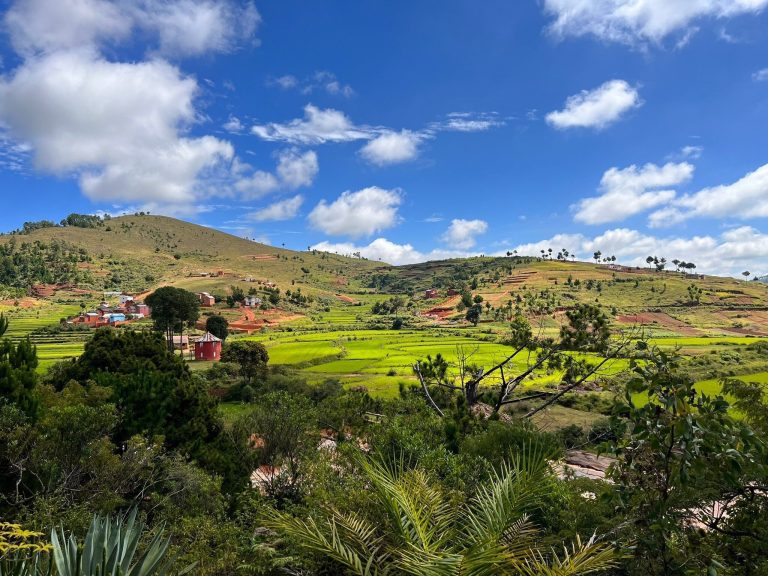
The highland stretch of the RN7 itinerary is about culture as much as wildlife, with rice terraces, red brick villages and craft towns between Tana and Fianarantsoa.
The crater lake at Tritriva and the larger Lake Andraikiba, both a short drive west of Antsirabe, make easy walks for anyone with spare time. Antsirabe is also where the national beer is brewed, so a cold one at the end of the first long drive is close to a tradition. Highland nights from June to August drop close to freezing, and not every guesthouse heats its rooms.
Ranomafana trekking is the hardest walking of the trip. Trails climb and drop sharply, they turn to mud after rain, and leeches appear in the wet months, so long socks pulled over your trousers help. Walks run from two hours to a full day, depending on where the lemur groups are feeding, and the village collects a small commune tax from foreign visitors before the circuits. Spotters who go ahead of the group to find the lemurs often expect a tip of their own, separate from the guide.
Days 8 to 10 on the RN7: Ambalavao, Anja Reserve and the Andringitra Hike
South of Fianarantsoa the land opens into granite domes, and the RN7 road trip reaches a village reserve full of ring tailed lemurs.
Anja is run by the village association, and the entry money pays for guards, school costs and replanting. Agree the circuit and the price with your guide at the ticket office before you start. Several trip reports describe an extra loop added and charged at the end, or a price quoted above the posted board.
The zebu market runs mainly on Wednesdays, with a shorter, very early session on Thursdays. It is one of the largest cattle markets on the island, and herders walk their animals in for days to reach it. It is worth moving a night to catch it.
Hikers can turn this section into the highlight of the trip by adding Andringitra National Park. From Ambalavao a rough 60 km track, half of it unpaved, reaches the Tsaranoro valley in about three and a half hours. Two nights allow a full day on the trails, such as the Chameleon track below the Tsaranoro cliffs, or the climb towards Pic Boby, the island’s second highest summit, which takes two to three days with a guide and camping. Do not drive that track after dark or in heavy rain. Children in the villages along it often ask passing cars for sweets; a donation to the school through your guide does more good.
Days 11 to 13 on the RN7: Isalo Hiking Tours and the Road to Zombitse
Isalo hiking tours swap rainforest for sandstone. The park protects eroded canyons, palm lined streams and natural pools in the dry Bara country around Ranohira, and the walking is hot and rocky.
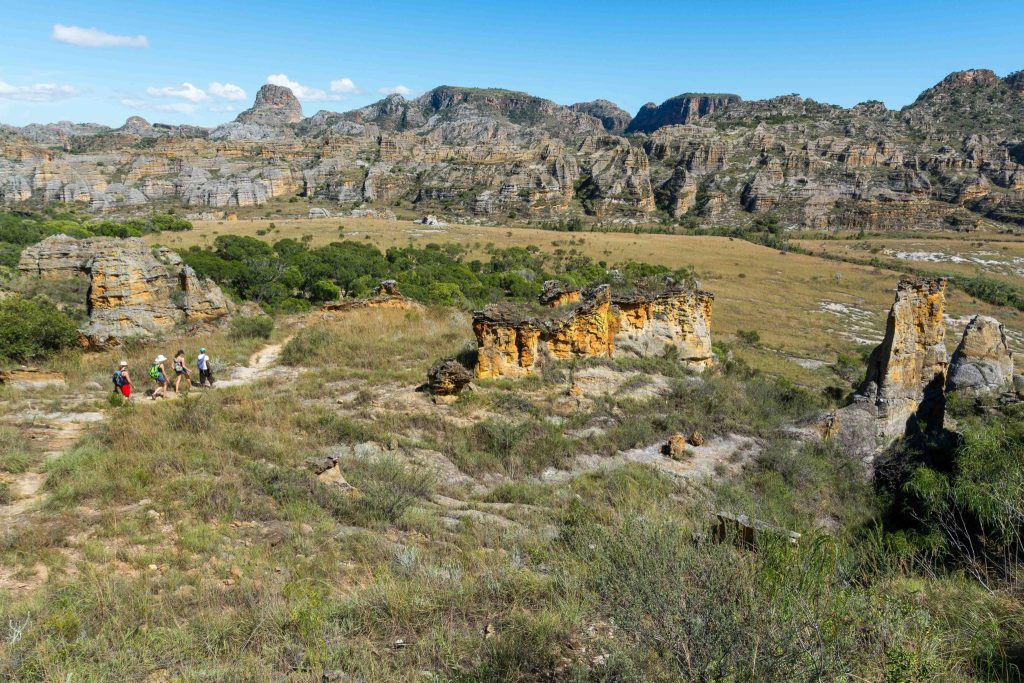
Book your Isalo guide at the park office in Ranohira the afternoon before, since the office does not open before seven and the best walking is early, before the heat builds. Carry more water than you think, plus a hat and sun cream. Nights at Isalo can still be cold in winter, so the fleece stays in the bag.
Ilakaka grew from almost nothing after sapphires were found in the late 1990s. Conservation groups ask visitors not to buy loose gemstones there, since most of the mining is informal and harms forests and miners alike.
Days 14 to 16 of the RN7 Trip: Ifaty, Reniala and the Flight Back
The RN7 ends at Toliara, a hot port town. The beach finish to an RN7 tour happens at Ifaty, about 30 minutes north, or at Anakao, a boat ride south.
Add a coast night if you can. Ifaty suits a quiet rest; Anakao is more remote, with whales offshore from about July to September and boat trips to the islet of Nosy Ve, where red tailed tropicbirds nest. From Anakao, birders sometimes make a long day trip to Tsimanampesotse National Park and its soda lake.
Never book the Toliara flight on the same day as your long haul flight home. Domestic schedules on Madagascar Airlines change at short notice, and some travellers have been moved to the next day. Driving back up the RN7 instead takes two or three long days.
Shorter and Longer RN7 Tour Variants: 7, 9, 13 and 18 Days
The same road works at different lengths. These RN7 tour variants show what you give up or gain.
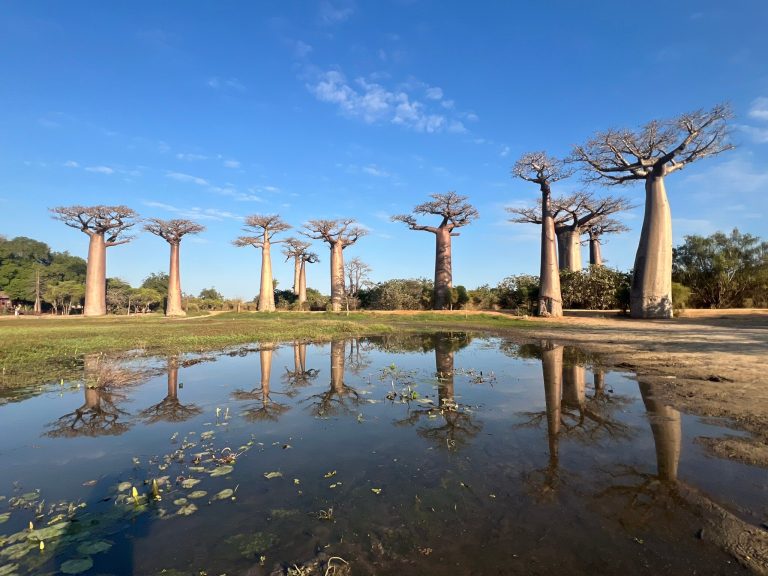
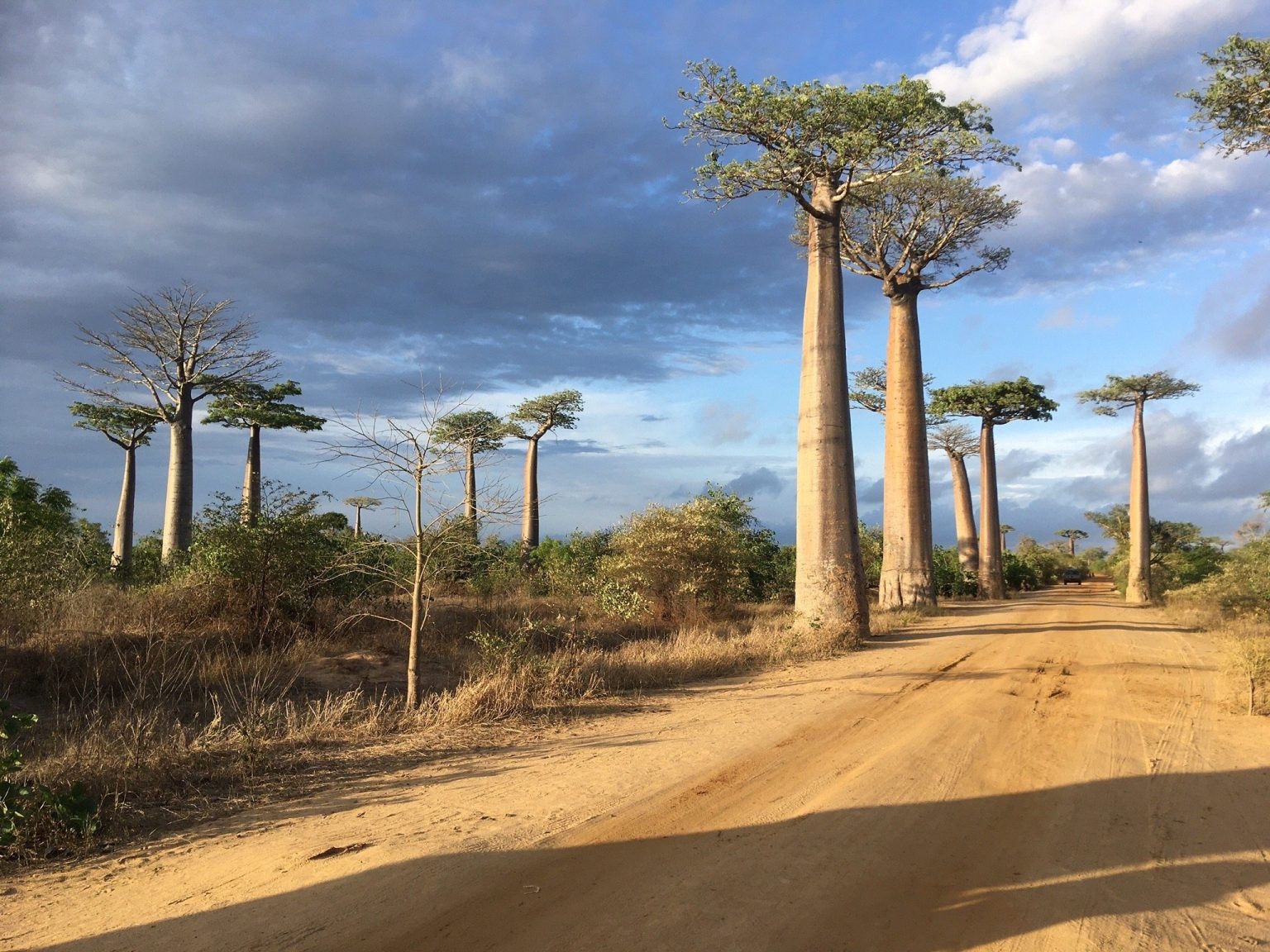
Two side trips need care. The Fianarantsoa to Manakara railway has spent long periods suspended or running only part of the line, so never build days around it. The Grand Tsingy and the baobab avenue are in the west, a flight away, and add four or five days; our Madagascar itinerary page lays out those routes. A few specialists also run expeditions from the RN7 into the remote Makay massif west of Ranohira, which needs a 4×4, camping gear and several extra days.
Lemur lovers who want more forest time than the RN7 allows should read our lemur tours in Madagascar guide, and travellers adding gorillas can follow the sample route on our Madagascar and Uganda itinerary.
Self Drive, Camping and Budget RN7 Road Trips
The self drive RN7 trip is a small but growing niche. A handful of rental firms in Tana hire out 4x4s without a driver, often with a rooftop tent for camping in lodge grounds and community sites, and the road itself is mostly tarmac. Budget travellers who camp report cutting their accommodation costs sharply against hotels, at the price of cold nights in the highlands and early starts.
It suits confident drivers only. You need an international driving licence alongside your own, cash for fuel and roadside fees, a stock of food and water bought in Tana, and the discipline to refuel in every town, since fuel stations thin out in the south. Collect the car at the rental office rather than having it delivered, because Tana’s narrow streets are a poor place to learn a manual 4×4. Most rental cars are manual. Two drivers sharing the wheel make the long days easier.
Most visitors still take a driver guide, who speaks Malagasy, handles police checks, knows which lodge has a room when the planned one is full, and leaves you free to watch the road. Hire with a driver usually includes his meals and bed. Motorbike hire exists for experienced riders, and the taxi brousse minibus network is far cheaper again, but it is slow, crowded and runs through the night, and several governments advise visitors against it.
What an RN7 Tour Quote Should Include
Ask two or three operators to price the same RN7 road trip with the same nights and lodge standard, and check that each of these is named in writing.
Our Madagascar tour cost guide explains each line of a quote and what pushes the total up or down.
RN7 Road Trip Safety and Seasons
Safety on the RN7. The US State Department rated Madagascar at Level 2, exercise increased caution, at the latest check. Government travel advice has for years flagged the southern stretch of the RN7, roughly from Fianarantsoa or Ihosy down to Toliara, for armed robbery of vehicles, with the risk concentrated after dark. Daytime travel with an experienced driver and a reputable operator is how almost every visitor does the route. In Tana, keep your phone out of sight on the street. Check your own government’s current advice before you book and again before you fly, because it changes.
Seasons. April to November is the main window for an RN7 tour, and the road stays usable into early December.
| Months | Weather | RN7 verdict |
|---|---|---|
| Jan to Mar | Cyclones, rain | Avoid |
| Apr to May | Drying, green | Good, quiet |
| Jun to Aug | Dry, cold nights | Busy, book early |
| Sep to Oct | Warm, dry | Best for lemurs |
| Nov to Dec | Hot south, showers | Good, babies |
June to August is cool and dry, with cold highland nights, and July and August are the busiest months, so book Ranomafana and Isalo lodges early. September to November brings baby lemurs, active chameleons and warmer weather, though the south is hot by November. January to March is cyclone season, when roads wash out and some lodges close.
Money, Food and Daily Life on an RN7 Road Trip
The RN7 trip runs on cash. Cards work in some upmarket lodges, but park offices, guides, markets and small hotels want ariary, and cash machines are found only in the larger towns: Tana, Antsirabe, Fianarantsoa and Toliara, with Ranohira’s supply unreliable. Carry a stock of small notes, because the largest note is worth only a few dollars and change is often short. The ariary cannot be bought before you arrive.
Food along the road is rice with something: zebu steak, chicken in a ginger broth, or romazava, the national stew of beef and greens. Many lodges cook European dishes for visitors, so ask for the Malagasy dish of the day if you want local food. Drink bottled water, including for brushing teeth, and peel fruit yourself. Rum infused with vanilla, lychee or ginger, sold as rhum arrangé, turns up at most bars.
Malaria is present along much of the route, so plan prevention with your doctor and use repellent with a high DEET content at dusk. Electricity cuts happen in small towns, which is another reason to carry a head torch with a red light setting for night walks. Pack good walking shoes, a warm fleece and a rain shell. Our African safari packing list and headlamp guide cover the details, and a soft duffel bag fits the Toliara flight’s baggage limits.
A few words of Malagasy go a long way: salama for hello and misaotra for thank you. Children call out to foreigners in every village; a wave costs nothing. The RN7 also pairs well with gorilla trekking: see our Bwindi gorilla trekking safari guide and book the Uganda gorilla permit first, since permits sell out before flights do. Put Madagascar first on a combined trip, because its entry rules for visitors arriving from East Africa are stricter than the other way round. Our guide to the best African safari countries suggests mainland partners for that combined trip.
Madagascar RN7 Itinerary FAQ
How many days do you need for an RN7 itinerary?
Twelve to sixteen days is the comfortable range for the drive from Antananarivo to the coast with a flight back. That allows two nights at Ranomafana and Isalo and a short beach stay. Nine days is the practical minimum for the whole road, and adding Andasibe, Andringitra or a drive back north takes the trip to 18 days or more.
Can you drive the RN7 in one week?
Only part of it. One way from Tana to Toliara takes at least five long driving days with almost no park time, plus a flight back. In a week, drive Tana to Ranomafana and Anja and back, or fly to Toliara and drive north as far as Isalo and Ranomafana. Travellers adding a beach island such as the Seychelles to two weeks usually do the highland half only.
How much does an RN7 road trip cost?
Before international flights, operators’ own rates put a private 8 day RN7 tour for two with a local operator at about €1,025 to €1,510 per person depending on hotel standard, a local 12 day group trip from about €1,060, and a 14 day international small group tour at about US$3,900 to US$4,900. Car hire with a driver starts at about €50 a day with local firms, so ask whether fuel is included, and the cheapest Toliara to Antananarivo fares start at about €90 to €130 one way. Our Madagascar tour cost page explains each item.
What do park fees and guides cost along the RN7?
Foreign adults pay 45,000 to 65,000 ariary a day under the current Madagascar National Parks tariff, depending on the park’s tier: about 45,000 at Andasibe, 55,000 at Ranomafana and 65,000 at Isalo, with children at 25,000. A doubling has been announced, reportedly due from 1 November, which would put Isalo at about 130,000 ariary, Ranomafana at about 110,000 and Andasibe Mantadia at about 90,000, so check the rate before you go. Ranomafana adds a commune tax of 5,000 ariary. Local guides charge per circuit at rates each park sets, night walks are extra, and tips for the driver guide are expected but have no published rate. Carry ariary cash.
Is the RN7 paved all the way?
Almost. The RN7 is tarred from Antananarivo to Toliara, but long sections are badly potholed and slow, especially in the south. The tracks to Andringitra and parts of the Mantadia road are unpaved. A 4×4 is not strictly needed on the RN7 itself in the dry season, but it rides far better on the bad stretches.
Should I drive the RN7 north to south or south to north?
North to south is the usual RN7 road trip because it ends on the beach. South to north works just as well and puts the domestic flight at the start, so a delay never threatens your flight home. Choose by which flight schedules suit your dates.
When is the best time for an RN7 tour?
April to November. May, June, September and October balance dry weather with fewer visitors. Avoid January to March for cyclones, and pack warm clothes for June to August highland nights.
Is the RN7 safe for tourists?
By day, with a driver, most visitors have no trouble. The US rated Madagascar at Level 2 at the latest check, and the southern RN7 has a long record of vehicle robberies after dark, so the firm rule is no driving at night. Keep valuables out of sight in towns and follow your driver’s advice on where to stop.
Which lemurs will I see on the RN7?
Indri and diademed sifakas at Andasibe, golden and greater bamboo lemurs at Ranomafana, ring tailed lemurs at Anja and Isalo, Verreaux’s sifakas at Isalo, and mouse lemurs on night walks. Sightings are likely but never guaranteed. Our lemur tours in Madagascar guide covers lemur focused trips in more depth.