The best safari duffel bag is a soft, frameless duffel of about 40 to 70 litres with no wheels, a tough water resistant fabric, backpack straps and a lockable zip, light enough empty that your packed weight stays under the 15 kg bush flight limit. Light aircraft in Kenya, Tanzania and Uganda hold you to 15 kg in soft bags, hand luggage included, while Mack Air in Botswana allows 20 kg in a soft bag no bigger than 30 by 42 by 70 cm.
Those rules exist because small planes load luggage by hand into narrow cargo pods. This guide covers the airline limits, what size and fabric to look for, the named duffels travellers and reviewers rate, which bags to avoid, and how to pack and store luggage around a combined savannah safari and gorilla trek. If you have not yet sorted what goes inside the bag, start with the African safari packing list, then come back here for the bag itself.
Why Fly In Safaris Need a Soft Duffel Bag
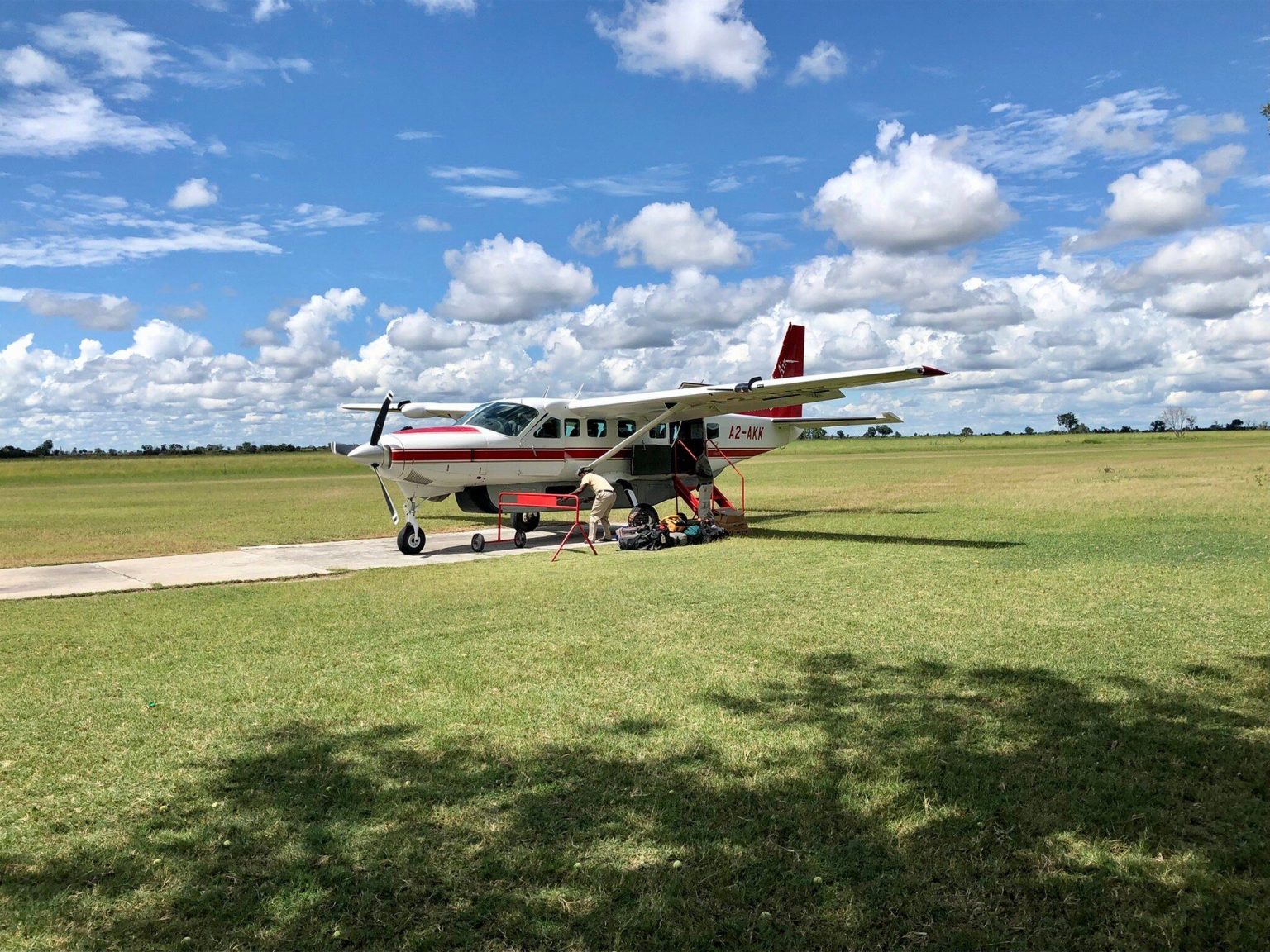
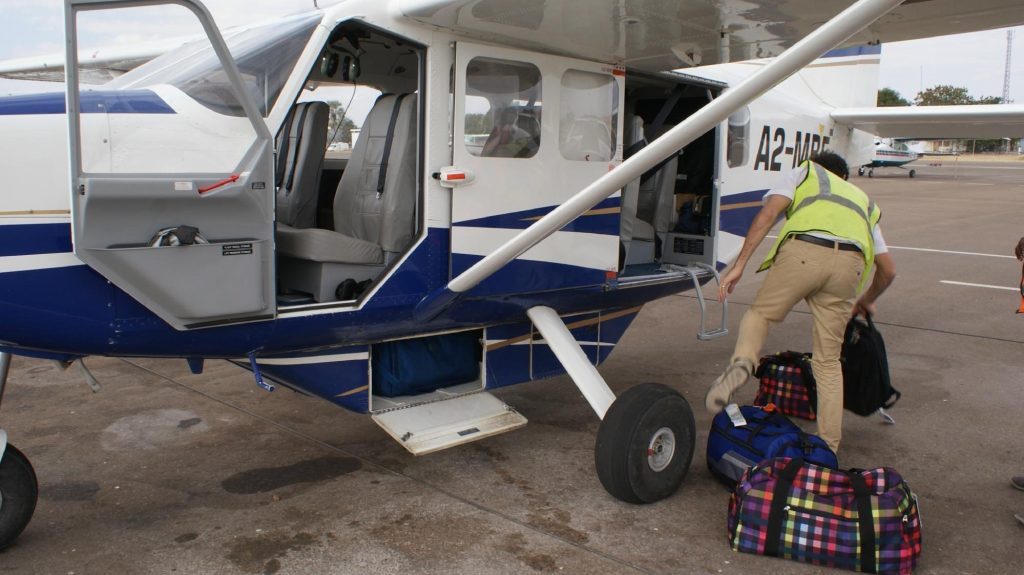
On a fly in safari, the aircraft decides the luggage. Airlines such as Safarilink and AirKenya in Kenya, Coastal Aviation and Auric Air in Tanzania, AeroLink in Uganda and Mack Air in Botswana fly single engine Cessna Caravans and similar light aircraft between airstrips. Bags go into a belly pod or a narrow rear hold, loaded by hand, and they are squeezed around each other until the door closes.
A soft duffel bends into that space. A hard shell suitcase does not. Neither does a wheeled bag with a rigid frame and telescopic handle, and pilots have the final say on what goes aboard, so a bag that does not fit can be left at the airstrip to follow on a later flight. Mack Air states plainly that soft shell baggage is required. Coastal Aviation strongly recommends soft bags and publishes the size a hard case must pass through its cargo pod door.
Weight matters as much as shape. Small aircraft fly to strict weight and balance limits, and on hot days at high altitude airstrips the margin shrinks further. That is why the allowance is low and why staff weigh everything at check in, including the daypack on your back and the camera round your neck. Assume yours will be weighed, even at a dusty airstrip.
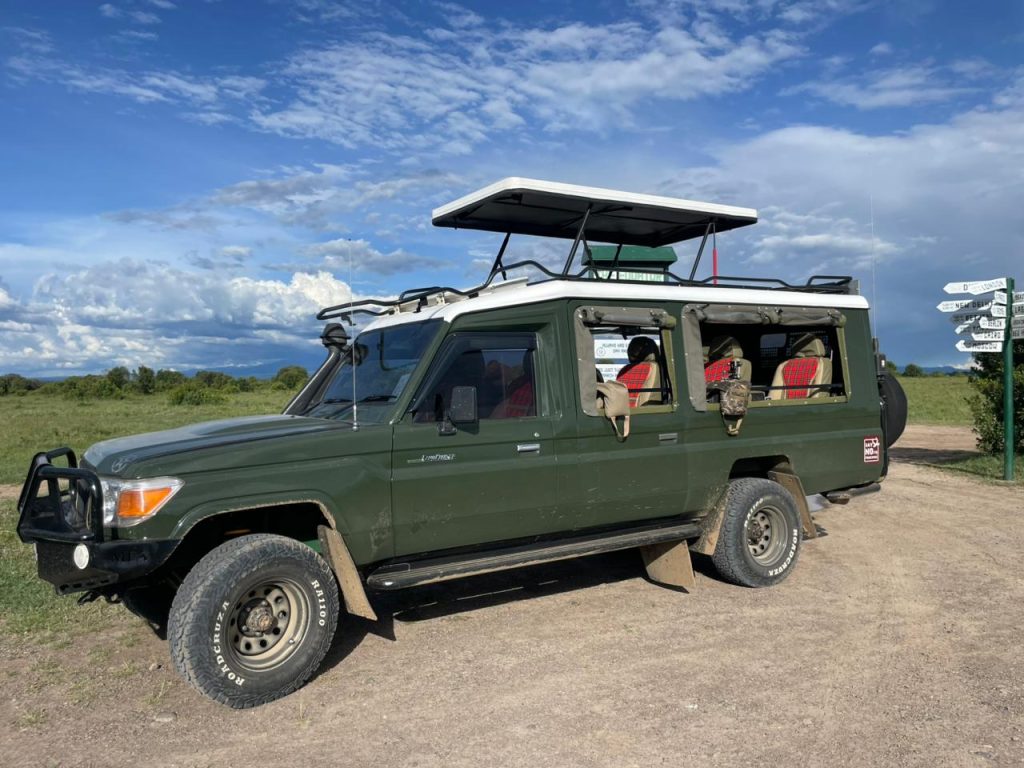
Safari Bush Flight Luggage Limits by Country
Limits vary by airline and occasionally by route, so the figure on your own ticket always wins. These are the published allowances for the main safari airlines, and they are what to pack against.
| Country | Limit | Includes | Bag |
|---|---|---|---|
| Kenya | 15 kg | Hand luggage | Soft only |
| Tanzania | 15 kg | Carry on | Soft advised |
| Uganda | 15 kg | Hand luggage | Soft only |
| Botswana | 20 kg | Hand luggage | Soft, 30x42x70 cm |
A few details sit behind the table. AirKenya sets 15 kg on all services in soft sided bags, gives a guideline of 60 by 45 by 33 cm for the checked bag, and lets hand luggage weigh up to 5 kg within that 15 kg. Walking sticks, coats and a small backpack all count as hand luggage, so choose a light travel backpack for Africa as your carry on. Safarilink into the Masai Mara, Amboseli and Samburu works to the same 15 kg total, with a similar soft bag size, though some coastal routes carry a higher allowance, so check the ticket.
In Tanzania, Coastal Aviation allows 15 kg per person including carry on, recommends a soft duffel of up to 40 by 40 by 80 cm, and says a small hard case must fit through a pod door of 76 by 48 by 29 cm. A premium seat with a 30 kg allowance is sold on some flights, subject to availability.
Uganda’s AeroLink flies from Entebbe to Kihihi and Kisoro for Bwindi, and to Murchison Falls, Queen Elizabeth and Kidepo. Its rules mirror AirKenya’s: 15 kg in soft bags with hand luggage included, a 60 by 45 by 33 cm guideline, and up to 5 kg of personal items in the cabin.
Mack Air in Botswana is the generous one. It allows a maximum of 20 kg including hand luggage, requires soft shell bags because its lighter aircraft have small baggage compartments, and gives maximum bag dimensions of 30 cm wide, 42 cm high and 70 cm long. That shape is long and slim, so a tall, boxy duffel can fail it even when it is light enough. Our Botswana safari cost guide covers how those flights fit into a camp itinerary.
Can you take more? Sometimes. Most airlines carry excess weight if the aircraft has space, but nothing is guaranteed on the day, and the extra bag may follow on a later flight. AirKenya and AeroLink also sell a guaranteed freight seat for heavy loads. Photographers with long lenses often book an extra seat through their operator, which is the one sure way to keep the kit with you.
What Size Duffel Bag Works for a Safari Trip
Size is about weight, not volume. A 15 kg limit fills long before a large bag does, and a big duffel tempts people to overpack. Most safari regulars settle on a 40 to 60 litre duffel for a trip of one to two weeks, with camp laundry doing the rest. A 70 litre bag still works when it is not stuffed, since soft fabric squashes down, but it is the upper end for small planes.
Check the empty weight before buying. A coated duffel with straps usually weighs between about 0.7 and 1.5 kg; a soft rolling duffel can weigh close to 3 kg, and a leather and canvas holdall can reach 5 kg before anything goes in it. Every gram of bag is a gram less of clothing or camera kit. When torn between two sizes, choose the smaller one.
Is a Duffel Bag Good for Safari Travel?
For a safari, yes, and for most other trips it is better than people expect. A duffel has no frame, so it weighs less than a suitcase of the same size, squashes into vehicle boots, pods and roof racks, and opens wide so you can see everything at once. Backpack straps let you carry it across a gravel airstrip or up a sandy lodge path where wheels would be useless.
The trade offs are real. Clothes crease more without a frame, so packing cubes matter. A heavy duffel is harder on the shoulders through a long international terminal than a spinner case. And a fully soft bag gives little protection to fragile items, which is why cameras and lenses ride in hand luggage. Many travellers solve the long haul problem with two bags: a suitcase that stays in the city, and a duffel that goes into the bush.
Safari Duffel Bag Features: Fabric, Zips and Straps
A safari bag lives a hard life. It is thrown into pods, strapped to roof racks, dragged across dusty airstrips and dropped on wet decks. Fabric and hardware matter more than brand.
Best Safari Duffel Bags by Type
No single bag is right for every African safari. These are the types that work, with well known makers in each, and a search link so you can compare current versions. We have not tested them; notes come from maker listings and the consensus of travellers and reviewers.
Coated weatherproof duffel. This is the safari standard. The Patagonia Black Hole duffel in 55 litres appears on more safari lists than any other bag, light for its toughness, with straps that tuck away. Light packers may prefer the Patagonia Black Hole 40 litre duffel, which slips under most size limits with room to spare. The North Face Base Camp duffel in medium is heavier and close to indestructible, worth it if the bag will also go on mountain trips such as Kilimanjaro, though for 15 kg flights the North Face Base Camp duffel in small is the safer fit.
Travel pack duffel. Osprey’s Transporter duffel has proper padded shoulder straps, so it carries more like a backpack on long walks between terminals and airstrips. The lighter Osprey Daylite duffel in 45 litres is a favourite of safari bloggers for its low weight and simple backpack carry.
Ultralight packable duffel. When every gram counts, a Eagle Creek Cargo Hauler duffel weighs well under a kilogram and folds into its own pocket. A Lifeventure packable duffle is the low cost version. The fabric on both is thinner and less water resistant, so they suit careful travellers rather than rough expeditions.
Waterproof roll top duffel. For the Okavango Delta, mokoro trips, boat transfers on Lake Bunyonyi or green season travel, a waterproof roll top duffel or a sealed bag such as the Thule Chasm duffel keeps everything dry if it sits in a puddle on the airstrip.
Canvas and leather holdalls. Waxed cotton bags from makers such as Filson or Duluth Pack look the part and last decades. A waxed canvas travel duffle often weighs twice as much as a coated nylon bag, and a canvas and leather weekender duffle more again, so they suit a 20 kg Botswana allowance or a road safari better than a 15 kg Kenya flight. Look for a shoulder strap that detaches and a soft base without a board.
Soft wheeled duffel. On a road safari, a lightweight soft rolling duffel saves your back in airports and hotels. The Patagonia Black Hole wheeled duffel and the Osprey Rolling Transporter 40 are the two travellers ask about most. Their wheels sit on a stiff frame, though, and Mack Air, AirKenya and AeroLink all ask for soft bags, so leave a wheeled bag in the city if any light aircraft are on the itinerary.
Duffel Bags for Gorilla Trekking and Uganda Road Safaris
Most gorilla trekking safaris in Uganda and Rwanda travel by road, in a 4×4 or minivan with a driver guide, and there the bag rules relax. A soft duffel still packs best in the back of a vehicle loaded with four people’s luggage, but the 15 kg flight limit no longer applies. Flying changes that. AeroLink’s scheduled flights to Kihihi for Buhoma and Ruhija, or to Kisoro for Rushaga, Nkuringo and Mgahinga, hold you to 15 kg with hand luggage, as the getting to Bwindi guide explains. Charter and helicopter transfers can be tighter still.
The forest kit is heavy. Waterproof gorilla trekking boots, a rain jacket, gaiters and gloves can add two to three kilograms, which hurts on a 15 kg flight. Wear the boots on travel days, roll the rain jacket into the daypack, or rent trekking gear near Bwindi instead of flying it in. You do not need to fly in a walking stick either: free wooden sticks are handed out at the trek briefing, and folding trekking poles pack inside a duffel if you want your own. On a combined trip that starts with a Masai Mara or Serengeti fly in safari, many travellers leave the gorilla items with their hotel in Nairobi or Arusha and collect them on the way to Uganda or Rwanda.
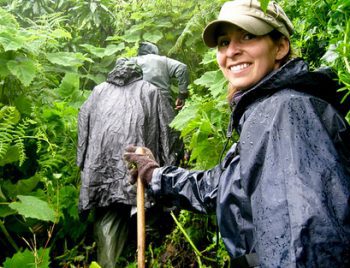
On the trek itself the duffel stays at the lodge. What you carry is a small waterproof daypack, covered in the gorilla trekking daypack guide, and the full forest list is on the gorilla trekking packing list. For clothing, the what to wear gorilla trekking guide covers colours and layers. Porters at the trailhead will carry the daypack for you, which helps more on a steep trek than any choice of bag.
Daypack, Camera Bag and Packing Accessories for Safari Luggage
The duffel is only half the system. A small daypack rides in the vehicle with water, sunscreen, a fleece and binoculars, and on flights it is your hand luggage. Choose a soft packable lightweight daypack that squashes under a seat. Photographers usually swap it for a weatherproof camera backpack, and keep lenses on their knees rather than in the pod. That camera bag counts toward the weight limit, which is why the safari lens guide leans toward lighter zooms, and why the binoculars for safari guide favours compact models.
Three small items earn their place in every safari duffel. Compression packing cubes keep a soft bag organised when it has been squashed into a pod, and they let you pull out one day’s clothes without emptying everything. A roll top dry bag inside the duffel protects electronics and documents from rain and boat spray. And a digital luggage scale ends the guesswork; weigh duffel and daypack together at home and again before each flight, since a few souvenirs add up fast. Uganda, Kenya and Tanzania mostly use UK style Type G sockets, and our travel adapter guide covers what to buy.
One rule catches people out. Plastic carrier bags are banned in Kenya, Tanzania and Rwanda, and the bans apply to visitors’ luggage. Use fabric bags or cubes for shoes and laundry, and keep toiletries in clear zip lock bags, which are tolerated. A small cable luggage lock or a couple of cable ties on the zip pullers deters casual pilfering in city transit. Keep a small travel first aid kit in your hand luggage.
Safari Bags to Avoid on Bush Flights
Some luggage simply does not belong on a safari trip with flights. The hard shell spinner case is the obvious one: it will not bend, it often exceeds the pod size and it may be refused. Framed wheeled suitcases have the same problem. Leave them at your city hotel.
Oversized expedition duffels of 100 litres or more are a quieter mistake. They exceed stated dimensions, and filled they weigh far more than 15 kg. Heavy leather holdalls look elegant but use up a large share of the allowance before anything goes in them. Very cheap thin duffels are false economy: seams split on the first roof rack and replacements are hard to find in Maun or Kasane, let alone in a Serengeti camp.
Watch the shape, not just the size. A bag that is short but very deep can fail Mack Air’s 30 cm width even when its volume looks modest, while a long, slim duffel loads easily.
Black and navy bags are not banned, though in tsetse areas such as parts of the Serengeti, Tarangire and the Okavango, dark blue and black attract the flies. That matters more for clothes than for a bag in the pod, but it is one reason neutral colours dominate. The what to wear on safari guide covers colours in full.
Packing and Storing Your Duffel on a Safari Tour
Pack with the airstrip scale in mind. Wear the heaviest items on travel days: boots, fleece, the bulky jacket. Plan on three or four tops and two pairs of trousers, because most camps wash clothes daily, often within the rate, though many will not wash underwear, so a little travel wash goes in the duffel. Keep passports, medicine, cash, phone, camera and anything valuable in hand luggage, never in the pod.
Extra luggage does not have to come with you. AirKenya offers free storage to passengers on return flights, Coastal Aviation stores bags at its Dar es Salaam airport office, operators in Nairobi, Arusha, Maun and Kampala usually hold bags, and many city hotels store them free until you return. That is where the hard suitcase, the smart clothes for the end of the trip and the gifts can wait. Tag the stored bag clearly and lock it.
Plan the order of a multi country trip so the luggage works with it. A common pattern is Nairobi, a Mara fly in safari, back to Nairobi, then a flight to Entebbe or Kigali for the gorillas by road, collecting stored bags on the way. Routes like that are covered in Tanzania safari and gorilla trekking, gorillas and the Masai Mara and in our Okavango Delta safari guide for the Botswana side. The rest of the series sits under the safari gear guide.
Safari Duffel Bag FAQ
What is the best luggage for a safari?
A soft sided duffel of about 40 to 60 litres with no wheels or frame, a coated water resistant fabric and backpack or shoulder straps, plus a small daypack for the cabin. Patagonia’s Black Hole, The North Face Base Camp in small and Osprey’s Daylite or Transporter duffels are the bags most often recommended.
What size duffel bag do I need for a safari?
For one to two weeks with camp laundry, a 45 to 60 litre soft duffel suits most people. Light packers and short trips manage with 35 to 45 litres. Bags over about 90 litres are usually too big for light aircraft and too heavy when full. Check the dimensions too: around 60 by 45 by 33 cm in East Africa, and 30 by 42 by 70 cm on Mack Air in Botswana.
What sizes are available for safari suitcases?
Safari duffels come from about 30 litres up to well over 100 litres, usually sold as small, medium, large and extra large. For bush flights, small or medium is the useful range. If you mean the Safari luggage brand, its hard and soft suitcases come in cabin, medium and large check in sizes, but hard cases are not accepted on most safari light aircraft.
Is Safari Bags an Indian company?
Yes. Safari is an Indian luggage brand made by Safari Industries, based in Mumbai, which sells suitcases, backpacks and duffels. Its name is a coincidence: the brand has no special link to African safaris, and a “safari duffel bag” in travel advice means any soft duffel that suits bush flights.
Is a duffel bag good for traveling?
Yes for safaris, road trips and adventure travel, where a light, squashable bag with straps beats a suitcase. Less so for long city trips with smart clothes, since soft bags crease clothes and give less protection. Packing cubes fix most of that.
Can I take a wheeled suitcase on safari?
On a road safari, yes. On a fly in safari, usually not: light aircraft ask for soft bags without wheels or rigid frames, and pilots can refuse bags that do not fit the pod. Store the suitcase in the city and take a soft duffel into the bush.
Does my camera bag count toward the 15 kg safari duffel bag limit?
Yes. On Safarilink, AirKenya, Coastal Aviation and AeroLink the allowance includes hand luggage, so the duffel, daypack and camera bag are weighed together. Mack Air in Botswana allows 20 kg, also including hand luggage.
What happens if my bag is over the weight limit, and what does excess cost?
Airlines may carry excess weight if the aircraft has space, but it is not guaranteed and the bag may follow on a later flight. AirKenya and AeroLink charge US$5 per extra kilo and sell a freight seat for up to 75 kg; Coastal charges excess at its freight rate. If you carry heavy camera gear, booking an extra seat through your operator is the reliable option.
How much does a good safari duffel bag cost?
Prices change with sales and versions, but as a rough guide, ultralight packable duffels often sell for under about US$100, coated weatherproof duffels from the big outdoor brands typically run around US$130 to US$200, and waterproof welded or waxed canvas bags can cost US$300 or more. A mid range coated duffel is enough for almost every safari.
Do I need a waterproof duffel bag for safari?
A water resistant coated duffel is enough for most trips, since bags travel inside vehicles and pods. A fully waterproof bag helps in the Okavango Delta, on boat transfers and in the green season, or put a dry bag inside your normal duffel.
What bag should I take for gorilla trekking in Uganda?
If you travel by road, any soft duffel works and weight limits do not apply. If you fly to Kihihi or Kisoro with AeroLink, pack to 15 kg including hand luggage, wear your boots on the flight, and carry a small waterproof daypack on the trek itself.