The best insect repellent for Africa is a skin product with DEET at 20 to 50 percent or picaridin at 20 percent, backed up by clothing treated with permethrin, because those are the ingredients the CDC and the WHO point travellers to in malaria areas. Buy both at home before a Kenya, Tanzania, Botswana, South Africa or Uganda safari. Picaridin is kinder to cameras and sensitive skin, DEET has the longest record, and neither stops tsetse flies, which call for clothing instead.
This guide is written for people on African safaris and gorilla treks, and it sticks to what health agencies publish. It is not medical advice. Malaria tablets, vaccines and anything involving pregnancy, babies or a health condition belong with a doctor or travel clinic, ideally six to eight weeks before you fly. Repellent and clothing are the part you can sort out yourself, so that is where this page spends its time, next to our full African safari packing list.
What Makes a Repellent Work on an African Safari
A safari repellent is only as good as the active ingredient on the label and the percentage beside it. Brand, scent and price tell you very little. Turn the bottle over first.
The CDC’s travel health guidance names six active ingredients registered with the US Environmental Protection Agency for skin use: DEET, picaridin (sold as icaridin outside the US), oil of lemon eucalyptus, its synthetic form PMD, IR3535 and 2 undecanone. The WHO’s malaria guidance is shorter. It tells travellers to use repellents containing DEET, IR3535 or icaridin after dusk, to wear protective clothing and to sleep under a net where malaria is present. Anything outside those lists, from citronella candles to ultrasonic gadgets, has no backing from either agency.
Strength sets the clock. Products under 10 percent active ingredient may give only one to two hours of protection, the CDC notes, and higher concentrations last longer whatever the ingredient. With DEET the gain flattens out at roughly 50 percent. Past that point you are paying for smell, not hours.
Most travellers do best with two products, one for skin and one for clothes, and a spare of the skin product. The picks near the top of this page are the short answer, and they cover nearly every safari.
DEET Repellents for Safari Trips in Malaria Areas
DEET has been sold to civilians since the 1950s, which is why it is still the default answer for a malaria area safari. For the Serengeti, the Masai Mara, the Okavango or Uganda’s lowland parks, a strength of 25 to 35 percent covers an evening game drive and dinner without much topping up.
Two formats earn their place. A controlled release DEET lotion, such as the 3M Ultrathon type of product, holds on through sweat and spreads evenly, so one careful morning coat lasts well into a long day out of the vehicle. A 30 percent DEET pump spray from brands such as Ben’s, Repel or Sawyer is quicker on ankles and the backs of hands before a sundowner, and pumps travel better than aerosols on small planes.
By budget, the named options the ranking guides keep returning to sit in three bands. At the value end, Ben’s 30 Wilderness formula DEET spray and Cutter Backwoods Dry repellent are easy to find and do the job. In the middle sit the controlled release lotions above. Travellers from Australia and the UK often pack Bushman DEET dry gel repellent, which comes as a gel or roll on and stays where you put it.
For the daypack, a pack of individually wrapped DEET wipes weighs almost nothing and is handy for reapplying after a hot afternoon or a swim.
Then the gear problem. DEET labels warn that it can damage synthetic fabrics, plastics, watch glass and painted surfaces, and safari forums are full of sticky binocular eyecups and clouded sunglasses. Wash your hands after applying it and before you pick up a camera. Very high strength bottles such as 98 percent DEET (Repel 100 type) do last a long time per coat, but given the CDC’s point about the benefit levelling off near 50 percent, most people on a lodge safari never need one. Keep it for a swampy camp or a walking safari in the rains, if at all.
Is DEET safe? The EPA’s reassessment concluded that normal use of DEET does not present a health concern to the general population, children included, provided you follow the label. Skin irritation happens in some people, and it stings in eyes and cuts. That is the honest risk, not the scare stories that circulate on blogs.
Picaridin Repellents for Game Drives and Camera Gear
Picaridin is the repellent many guides and photographers now carry on a game drive. The CDC lists it with DEET as an ingredient that gives reasonably long lasting protection, and the WHO names it, as icaridin, for malaria areas. It lacks DEET’s greasy feel and smell and is not known for marking plastics, which matters when your hands go straight from the bottle to a lens.
Choose a 20 percent picaridin spray from makers such as Sawyer, Natrapel or Ranger Ready for cuffs, ankles and the back of the neck. A 20 percent picaridin lotion works better on the face and ears, where a spray drifts, and you can rub it in without getting it in your eyes. Ranger Ready also sells a larger trigger bottle that suits a family sharing one supply; the Ranger Ready 20 percent picaridin repellent comes scented and unscented.
Low strength picaridin in the 5 to 10 percent range is fine for a garden in Europe. For a malaria area, skip it.
Travellers with sensitive skin often say picaridin stings less than DEET, and a Tauck forum thread on a South Africa trip ended with most posters choosing it for the same reasons: no smell, no grease. Skin reactions are personal, so try any new repellent on a small patch at home first. One small practical point from the same discussions: pump bottles can weep in a bag, so screw caps tight and pack them in a zip bag.
Lemon Eucalyptus, IR3535 and Natural Options on Safari
Not everyone wants a synthetic chemical on their skin for two weeks of safari tours. Two registered options are plant derived or mild, and then there is a large group of products no health agency recommends.
Oil of lemon eucalyptus, sold as OLE or PMD (often branded Citriodiol), is the plant derived option on the CDC list. Look for a 30 percent oil of lemon eucalyptus repellent from brands such as Repel or Mosi guard, not a bottle of pure lemon eucalyptus oil, which the CDC does not treat as a repellent. The British brand incognito, which the top ranking travel blog for this query champions, is also PMD based; an incognito PMD insect repellent spray is a fair choice for people avoiding DEET, as long as you reapply it more often than you would DEET or picaridin. None of these is for children under three.
IR3535 turns up in Avon’s Skin So Soft Bug Guard range and many European family repellents. It is gentle and the WHO lists it, though some UK travel health sources prefer DEET for the highest risk malaria areas. If you plan to rely on an IR3535 Skin So Soft Bug Guard type lotion alone, ask your travel clinic first.
Citronella candles, wristbands, clip on fans, ultrasonic plug ins and smartphone apps are not on the CDC or WHO lists. Mosquito coils and plug in vaporisers can cut mosquito numbers in a room, and lodges often use them, but they do not replace repellent on skin. Health writers based in Africa make the same point about natural products in general: they are pleasant, they are gentler for some people, and they wear off fast.
Permethrin Clothing and Sprays for Safari and Trekking
Permethrin clothing is the second half of a good bite plan. It is an insecticide that bonds to fabric, and at 0.5 percent the CDC says treated clothing repels and kills ticks, chiggers and mosquitoes. It should never be applied to skin, only to clothing, nets and other fabrics.
There are two ways to get it.
Spray outdoors on a calm day and concentrate on the openings: cuffs, collars, waistbands and sock tops. Wet permethrin is toxic to cats, so keep pets away until clothes are dry, and do not spray near ponds or streams. Never dry clean treated clothes; it strips the treatment.
Long sleeves and trousers in a muted colour do half the work on their own. Our guides to safari clothes for men, safari clothes for women and what to wear on safari cover the clothing itself.
Tsetse Flies on Safari: What Repellent Can and Cannot Do
Plenty of travellers buy repellent with mosquitoes in mind and then meet tsetse flies on a savanna safari: the woodland of Tarangire, the western Serengeti, parts of the Masai Mara, Ruaha and Nyerere in southern Tanzania, the Okavango fringes, Zambia’s Luangwa and Zambezi valleys and stretches of Uganda’s northern savanna parks. The bite is sharp. They chase moving vehicles, and they bite through thin shirts.
On repellent the evidence is plain, and it is not good news for the bottle. The CDC states that permethrin treated clothing and insect repellent have not been proven to work against tsetse flies. What it does recommend is clothing: long sleeves and long trousers in medium weight fabric, because tsetse bite through light cloth, in neutral colours, because the flies are drawn to bright and dark shades, especially blue and black.
Dark blue matters most. Tsetse control teams across Africa catch the flies on blue and black cloth targets for exactly this reason, so a navy shirt or a dark blue fleece in a tsetse belt works like a lure. Leave navy and black at home, wear a thicker long sleeved shirt over a T shirt on drives through woodland, and close the vehicle windows when the guide suggests it. Repellent may help a little and does no harm, but do not expect it to stop them. Our guide to the best safari shirts compares fabric weights, sleeves and treated options.
Tsetse flies can carry sleeping sickness. The WHO reports that the East African form, rhodesiense, occurs in 13 countries of eastern and southern Africa, and that only certain tsetse species carry it; infection in visitors is rare. If you develop a fever or a painful, swollen bite after a trip, tell your doctor where you have been.
Ticks on Walking Safaris and Bush Trails
Ticks are the bite people forget on a walking safari. They sit on grass stems and low bush, and they climb onto boots and trousers, which makes walks, bush camps and the grassy paths around unfenced lodges the places you meet them.
The one to know about is African tick bite fever. The CDC describes it as the most commonly reported rickettsial infection picked up during travel and, after malaria, the second most common cause of fever in travellers returning from sub Saharan Africa. Safari goers, visitors to national parks and hunters are named as the groups at higher risk, and cases often come in clusters from the same tour group. There is no vaccine.
Prevention is the same kit you already have. DEET, picaridin, IR3535 and OLE all repel ticks on skin. Permethrin on trousers, socks and boots kills the ones that climb. Tuck trousers into socks on walks, and check yourself in the shower each evening, paying attention to the waistband, behind the knees and the hairline.
If you find one attached, remove it as soon as you can. The CDC advice is to grip it with fine tipped tweezers as close to the skin as possible and pull steadily without crushing it. A pair of fine tip tick removal tweezers weighs a few grams and belongs in the washbag. A rash, a dark scab at the bite or a fever in the weeks after a trip is worth reporting to a doctor.
Choosing a Safari Repellent by Trip Type, Skin and Budget
The right repellent for an Africa trip depends on where you sleep, what you carry and who travels with you. This table sums up the common choices.
| Trip | Skin product | Clothing |
|---|---|---|
| Lodge safari | DEET 25 to 35% | Permethrin |
| Photo safari | Picaridin 20% | Permethrin |
| Walking safari | DEET or picaridin | Treated socks |
| Camping safari | DEET lotion | Treated, plus net |
| Gorilla trek | Picaridin spray | Treated trousers |
| Family trip | Picaridin or DEET | Long sleeves |
How much to pack? Use runs higher than people expect when you apply it every evening and again on walks. A spray bottle used every few hours in a high risk area can be gone within a week, so take a spare bottle or a pack of wipes rather than one small bottle.
Safari Repellent by Region and Season: East Africa, Southern Africa and the Forests
Where and when you travel changes how hard your repellent has to work on a safari trip. These are planning notes, not a malaria map; your travel clinic checks current risk for your exact route.
Light aircraft and long haul flights add one rule of their own. Liquids over 100 ml go in checked luggage, and aerosols face tighter airline limits than pump sprays, so a pump bottle or lotion is the simpler choice. Check your airline’s dangerous goods page if you plan to carry an aerosol, and keep the bush flight soft bag limit in mind; our safari duffel bag guide explains the weights.
Nets, Head Nets and Lodge Protection on a Safari Trip
Malaria mosquitoes bite mostly between dusk and dawn, which is why the WHO tells travellers to sleep under a net wherever malaria is present. Most lodges and tented camps in malaria zones hang mosquito nets over the beds, spray rooms before dinner and often leave a bottle of repellent in the tent. Check the net for holes when you arrive and tuck it under the mattress.
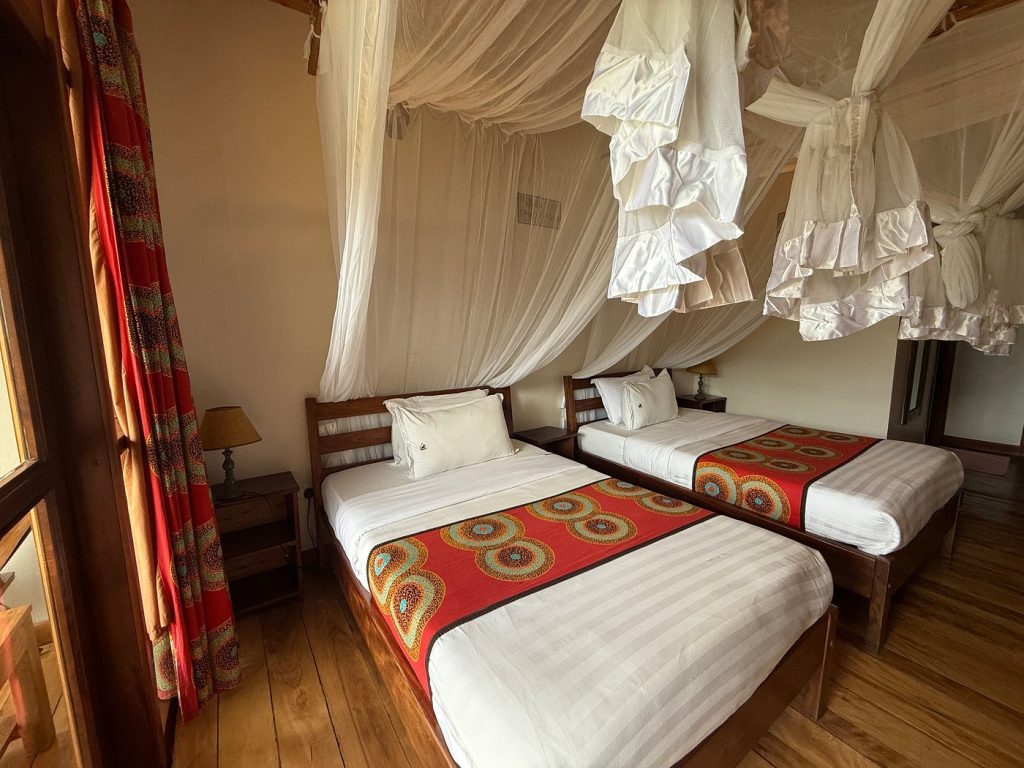
On a budget camping safari or an overland trip, take your own. A permethrin treated travel mosquito net with a single hanging point packs smaller than a water bottle and fits most budget rooms and dome tents.
A fine mesh head net weighs a few grams and earns its place on evening walks near rivers, around the Okavango in the wet months and anywhere small flies swarm. It looks odd. Nobody minds.
Moving air helps too. Mosquitoes are weak fliers, which is why a ceiling fan over the bed makes such a difference, and why some travellers on budget trips pack a small rechargeable clip on travel fan for rooms without one. It is a comfort, not a substitute for the net.
Bites will still happen. A small insect bite relief stick in the washbag stops you scratching bites open in the heat, and some people swear by an electronic bite relief clicker, which needs no batteries and never runs out.
Applying Repellent on Safari: Order, Timing and What Not to Buy
Order first. The CDC advises sunscreen first and repellent on top, as separate products, and warns that DEET applied over sunscreen can cut the sunscreen’s SPF by about a third. Keep topping up sun protection on a long midday drive. It also tells travellers to avoid combined sunscreen and repellent products, because sunscreen needs reapplying far more often than repellent does.
Timing on a game drive safari follows the insects. Mornings are usually quiet. Late afternoon, sundowners, the drive back to camp and dinner on an open deck are when mosquitoes are busiest, and that is when repellent and long sleeves both need to be on. Reapply after swimming or heavy sweating, never more often than the label allows.
Cover exposed skin thinly and skip skin under clothing. People miss the same spots again and again: ankles, the back of the neck, behind the ears and the backs of the knees. Spray onto your hands first for the face, keep it away from eyes and mouth, and wash it off at bedtime if you sleep under a net.
Skip these purchases: wristbands and patches, ultrasonic gadgets, pure plant oils, combined sunscreen repellents, and anything under 10 percent for malaria areas. None of them appears on the CDC or WHO lists for preventing malaria bites.
Pack the repellent with the rest of the health kit and keep one small bottle in your daypack for the vehicle. Binoculars and cameras are covered in our camera and binoculars guide and the best binoculars for safari page, and a headlamp makes the nightly tick check and the net tuck far easier.
Insect Repellent for Africa: Frequently Asked Questions
What is the best bug repellent for an Africa safari?
A product with DEET at 20 to 50 percent or picaridin at 20 percent, the ingredients the CDC and WHO point to, plus permethrin on your clothes. Picaridin is easier on camera gear and skin; DEET has the longest track record. Lemon eucalyptus (OLE or PMD) and IR3535 are registered alternatives that need reapplying sooner.
What is the best bug spray to use to prevent malaria?
The WHO names DEET, IR3535 and icaridin (picaridin) for use after dusk in malaria areas, and the CDC agrees on DEET and picaridin as long lasting choices. DEET around 25 to 35 percent or picaridin at 20 percent is a sound pick. No spray prevents malaria alone; nets, clothing and the tablets your travel clinic prescribes work alongside it.
Do I still need repellent if I take antimalarial tablets?
Yes. Tablets lower the risk if an infected mosquito bites you, but they do not stop bites and no tablet is fully protective. Repellent, treated clothing and a net reduce the number of bites in the first place, and they also cover other mosquito and tick infections the tablets do nothing for.
What is the best insect repellent for South Africa?
The same ingredients apply: DEET or 20 percent picaridin for Kruger and the northeast, which have a seasonal malaria risk, plus treated clothing. For malaria free areas such as Cape Town, the Garden Route, Madikwe and the Eastern Cape, a milder product or a local brand such as Peaceful Sleep from a South African pharmacy is usually enough for evening mosquitoes.
Does insect repellent stop tsetse flies?
Not reliably. The CDC states that repellents and permethrin treated clothing have not been proven to work against tsetse flies. Wear medium weight long sleeves and trousers in khaki, olive or tan, avoid dark blue and black, and follow your guide’s advice about vehicle windows in tsetse areas.
How much does safari repellent and permethrin cost?
Prices vary by brand and size. As a rough guide, a bottle of 20 percent picaridin or 30 percent DEET usually costs between about US$8 and US$20, a bottle of permethrin clothing spray about US$12 to US$25, and a factory treated shirt about US$50 to US$100. For most travellers the full set for a two week safari comes to well under US$100.
Can I buy insect repellent in Africa?
Yes, in larger towns. RID and similar local brands are sold in supermarkets and pharmacies in Nairobi, Arusha, Kampala and Kigali, South African pharmacies carry their own brands, and lodge shops often stock a bottle. Strong picaridin products and permethrin sprays are harder to find, so bring those from home.
Do I need repellent for gorilla trekking in Bwindi?
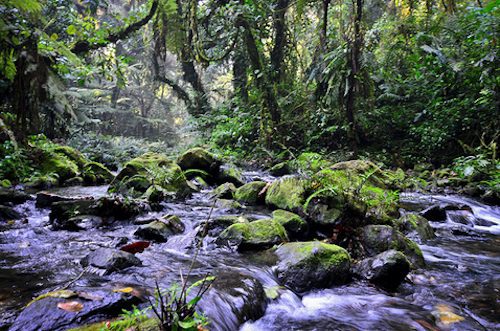
Yes. Bwindi is a high, cool forest with fewer mosquitoes than the savanna parks, yet Uganda has malaria and the forest has biting insects and ants. Spray trousers, socks and gaiters with permethrin before the trip, and carry picaridin or DEET in the daypack.
Is permethrin safe to use on clothes?
The CDC recommends 0.5 percent permethrin on clothing, gear and nets, applied and dried before you wear it, and never on skin. Follow the label, spray outside, keep cats away until the clothes are dry, and wash treated clothes separately.
Malaria Planning and Gorilla Trekking Trips With a Safari
Most safari destinations in East Africa, the Okavango and northern Botswana, Zambia and parts of Kruger are malaria areas, and the risk changes with season and altitude. Repellent and clothing reduce bites. Malaria tablets, vaccinations and personal health questions are for your doctor or travel clinic, who will check the CDC or national guidance for your exact route. On yellow fever, Uganda announced in October that it no longer requires the certificate on arrival, while Rwanda still checks it, so carry the card if you have one. Our pages on the Serengeti safari, the Masai Mara, the Okavango Delta and Zambia describe the seasons in each park. Bite cream and antihistamines belong in a travel first aid kit too.
If you are adding gorilla trekking in Bwindi or chimpanzee trekking in Kibale, treat your trekking trousers and socks with permethrin along with the safari clothes. The forest kit is listed in our gorilla trekking packing list and what to wear for gorilla trekking, and more gear guides sit under Safari Gear and Clothing.