A good Botswana and Victoria Falls itinerary runs seven to fourteen nights and links three stops: the Okavango Delta, the Chobe riverfront near Kasane and two nights at the Falls. Most trips start or end at Victoria Falls airport, cross the Kazungula border by road and reach the Delta by light aircraft, all booked through one licensed operator. The Falls sit on the Zambezi between Zambia and Zimbabwe, about an hour’s drive plus border time from Botswana’s Chobe National Park.
Botswana and Victoria Falls trip at a glance.
The pieces are covered in our Okavango Delta safari guide, the Victoria Falls Zambia guide and the Zimbabwe safari page. This one stitches them together, night by night.
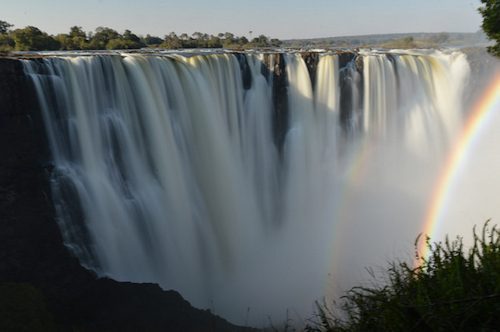
How a Botswana and Victoria Falls Safari Itinerary Fits Together
Every Botswana and Victoria Falls safari is built from the same three blocks, and geography decides the order more than taste does.
Victoria Falls is a town in Zimbabwe, with Livingstone in Zambia across the river. Two nights covers a guided walk along the Falls, a Zambezi sunset cruise and one big activity such as a helicopter flight, rafting or, in low water, Devil’s Pool. Chobe starts at Kasane. The Kazungula border post sits about ten minutes from Kasane, and the road on to Victoria Falls town takes roughly fifty minutes, so the drive is short; the queues are what stretch it to an hour and a half or two. The riverfront is Botswana’s best value big game country, with boat cruises among elephant and buffalo herds. The Okavango Delta lies further southwest, a light aircraft hop from Kasane, and its camps link by air to Maun.
That line from the Falls through Kasane to Maun gives the two classic directions. Falls first lets you land at Victoria Falls, recover from the long flight with easy sightseeing, then build to the wilderness, ending in the Delta and flying out of Maun. Falls last starts in Maun and ends with a soft landing in a town with restaurants, curio markets and a bigger airport.
Which is better? Check flights first. Victoria Falls airport usually has more connections than Maun. Some travellers like finishing in the quiet of the Delta, others find the Falls a gentle way back to the world.
Nights matter more than order. Three per Delta camp is the figure planners keep returning to, since two nights loses half of each end to transfers. Two suits Chobe, and two or three the Falls.
Rough transfer times between the stops. Road times assume dry tracks and include no game viewing stops, which on sand routes are the point.
7 Night Victoria Falls, Chobe and Okavango Safari Itinerary
The seven night Victoria Falls, Chobe and Okavango safari is the shortest version that still gives each place a fair share. It runs Falls first and ends in Maun.
7 nights: Falls, Chobe, Delta.
Use a mixed water and land camp for the Delta nights so you get canoes and drives. With six nights, cut a Falls night, not a Delta one. The Delta camp sets most of the bill.
Chobe’s riverfront is busy in the dry months, and trip reports often name the boat cruise as the highlight, level with the elephants. Take binoculars, a hat and water for the three hour afternoon cruise, and keep hands inside the boat: the crocodiles along the bank are large. Our Chobe safari guide covers the riverfront lodges, the cruise and the day trip from the Falls.
A shorter four night Chobe and Falls trip without the Delta is laid out on our Botswana safari packages page.
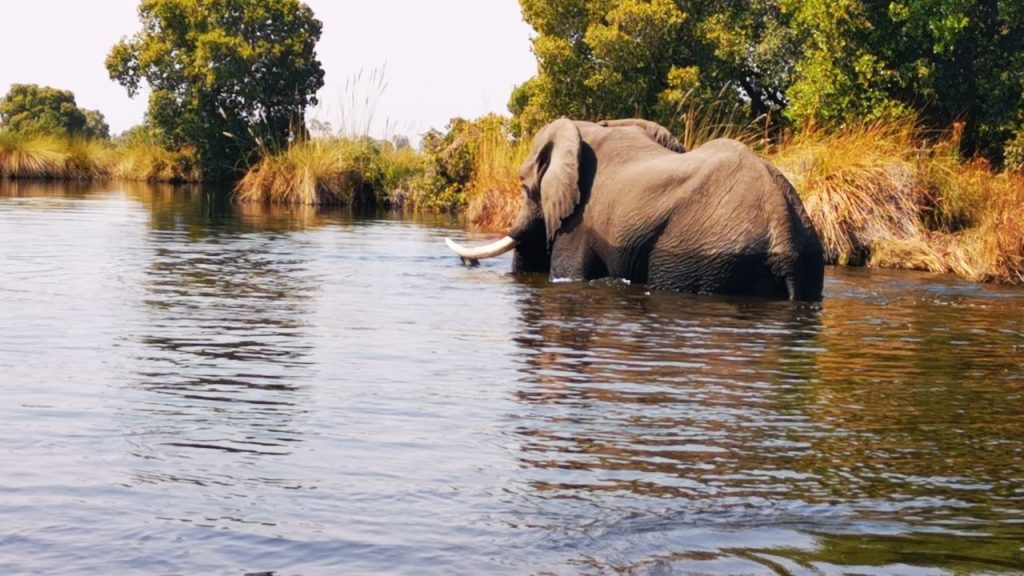
10 Night Fly In Botswana Safari Itinerary with Victoria Falls
The ten night fly in Botswana safari is what most brochures sell as the classic. It runs from Maun to the Falls, links every stop by light aircraft except the last, and spends long enough in each place to settle.
10 nights: Delta water, Delta land, Chobe or Linyanti, Falls.
The water camp then land camp pairing is the one guides recommend most. Choosing the Linyanti on day 7 trades Chobe’s cruises and crowds for predators on quiet private land. Camp groups with camps in all three areas often sell this circuit linked by their own aircraft, and some offer a better rate for a longer stay across their camps. Our Okavango Delta safari cost page explains how camp choice moves the total.
11 Night Road Safari: Maun, Moremi, Khwai, Savute, Chobe and the Falls
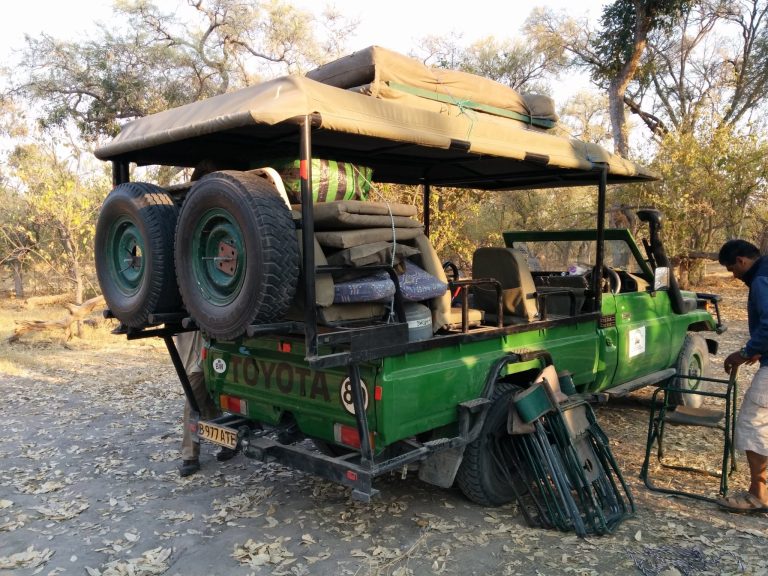
A mobile safari by road covers the same northern circuit through the national parks, with a guide and crew setting up camp ahead of you. It costs well under the fly in route, and the drives between areas become game drives.
11 nights: overland from Maun to Victoria Falls.
This route sees the Delta from Moremi’s eastern edge rather than from inside it. Add a mokoro trip in Moremi where water allows, or two nights at a value island camp flown in from Maun before you set off. Expect long hours on sand, dust and early starts, and a single guide for the whole trip, which many travellers say was the best part. Campsites in Moremi and Savute book out months ahead for the dry season.
Move days are long. The crew strikes camp while you are out on the morning drive, so a transfer day can run from a 6:30 start to arrival after dark, with the drive itself doubling as a game drive. Camps are unfenced: after dark you walk to your tent with a guide, and nights in June and July are cold enough for a hat and gloves.
Cheaper again are overland group tours, some from Windhoek via Ghanzi and Maun to the Falls. They usually spend one night in the Delta by mokoro, with your main bag left in Maun, then run through Nata and Kasane. Our Botswana budget safari guide compares those departures with private mobile trips.
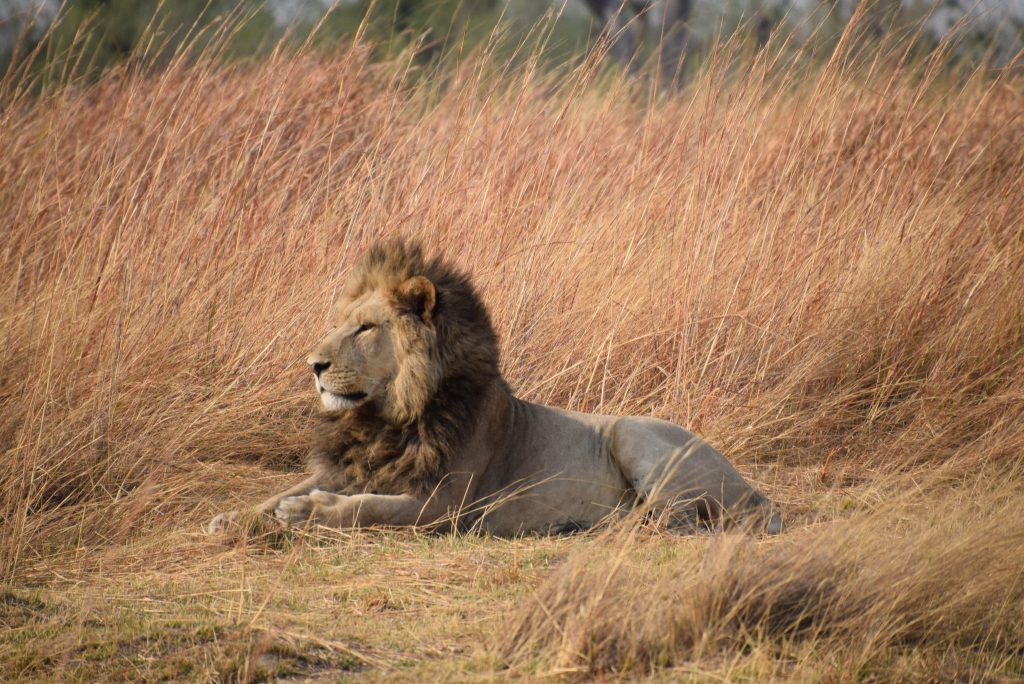
14 Night Botswana Safari Itinerary from the Makgadikgadi Pans to Victoria Falls
Two weeks lets a Botswana safari tour take in the whole north, from the salt pans to the Zambezi, and finish at the Falls. This version runs by road with a private mobile crew; every leg can be flown instead if you would rather swap sand for time.
14 nights: Pans, Moremi, Khwai, Savute, Chobe, Falls.
Road time on this route adds up to roughly a full day spread over two weeks, not counting the game drives. If that sounds like too much, fly the two longest legs, Makgadikgadi to Moremi and Savute to Kasane, and keep the rest on the ground. A shared group departure on the same route costs less than a private one; a private trip lets you stay out with a leopard instead of heading back with the vehicle.
Many people who do this route add one more night at the Falls. A single night after two weeks in the bush leaves no slack if the Kazungula queue is long.
Cape Town, Botswana and Victoria Falls Trip Itinerary
The most requested variant puts Cape Town at the start of a southern Africa safari tour, and it works because Johannesburg and Cape Town both have direct flights to Maun, Kasane and Victoria Falls. A common shape is three nights in Cape Town for the peninsula and the winelands, four in the Okavango Delta with mokoro and game drives, two at Chobe and two at the Falls.
12 nights: Cape Town, Delta, Chobe, Falls.
Put Cape Town first in the southern winter months, June to August, when it is cool and wet there but dry in Botswana, and the city’s wet days fall before the safari rather than after. Escorted coach tours sell a similar triangle with Kruger instead of the Delta; that suits travellers who prefer a fixed group, though it gives Botswana only a night or two at Chobe. For the Kruger side see our South Africa safari page.
Itinerary Extensions: Hwange and Bwindi Gorilla Trekking
With twelve to fourteen nights, one more stop broadens this southern Africa safari in a different direction.
Hwange National Park. Zimbabwe’s largest park, about two hours by road from Victoria Falls, with big elephant herds at pumped waterholes in the dry season. Two or three nights here before or after the Falls suits travellers who want more game without more flights. Our Zimbabwe safari cost page covers that side.
Makgadikgadi Pans as a short add on. If the fourteen night route above is too long, two nights on the pans can still sit between Maun and the Delta on a fly in trip, best from November to March for the zebra.
Bwindi gorilla trekking. The most different pairing. From Victoria Falls or Livingstone, fly through Johannesburg or Nairobi to Entebbe, then on to Bwindi by light aircraft or by road. Three or four nights covers one or two treks. Book the permit first, since dates sell out before Botswana camps do. Our guides to gorilla trekking in Uganda, fly in gorilla safaris and gorilla trekking from Entebbe explain the logistics, and Rwanda gorilla trekking is the shorter alternative from Kigali. A typical order is three nights at the Falls, three in Chobe, four in the Delta, then four for Bwindi. The gorilla trekking and Victoria Falls page sets out that combination in full.
A beach finish in Mozambique or Zanzibar also connects through Johannesburg; our Africa honeymoon safari guide covers those pairings. Our guide to the best African safari countries shows how Botswana and Zimbabwe compare with East Africa.
Private, Group or Fly In: Choosing the Style of Your Botswana Safari Tour
The same map can be travelled four ways, and the style changes the trip more than the route does.
A private trip costs more per person for two people than a shared one, because the vehicle and guide cost the same whether one or six people sit in it. For four or more travelling together the gap closes fast. Booking direct with a licensed Botswana operator usually costs less than booking the same camps through an overseas agent, who adds a margin; an agent can earn it on complex trips with several countries, so compare like with like. For style by style prices see the Botswana safari cost guide, and for the top camps the Botswana luxury safari cost page.
Best Time for a Botswana and Victoria Falls Trip, Month by Month
Timing this Botswana and Victoria Falls tour means juggling two calendars. Botswana’s game is best in the dry months. The Falls run on Zambezi water from rain far upstream, peaking around March and April and dropping lowest in October and November, when the Zambian side can run nearly dry.
| Months | Falls water | Botswana game | Verdict |
|---|---|---|---|
| Jan to Feb | Rising | Scattered | Green value |
| Mar to May | Peak spray | Fair to good | Falls by air |
| Jun to Aug | Full, clearer | Very good | Best balance |
| Sep to Oct | Falling | Best | Game first |
| Nov to Dec | Lowest | Good, hot | Zim side only |
June to August is the best all round window. The Delta flood is high, Chobe’s herds are building, the Falls still show a full curtain, and the spray has thinned enough to see the drop. Mornings in open vehicles are cold, often near freezing in the Delta, which first timers underestimate every year.
September and October give the strongest game viewing in Botswana and Devil’s Pool on the Zambian side, with heat building fast. Choose the Zimbabwe side for the Falls by late October.
March to May brings the Falls at full roar, with more mist than view from the path, so a helicopter flight shows it best. April and May are value months in the Delta, and May often prices below the peak.
November to February is the green season: storms, calves, migrant birds, the zebra on the Makgadikgadi and the lowest camp rates, with tall grass and scattered game. A few roads in Savute and Khwai turn difficult in heavy rain. Our best time to visit Botswana guide covers each month in detail.
Victoria Falls on Your Safari Itinerary: The Rainforest Walk, Activities and Which Side
The Falls day is the easiest part of this safari trip to plan badly. The curtain is about 1.7 km wide and drops roughly 108 metres, and the paths are wet.
The Zimbabwe rainforest walk runs past a series of numbered viewpoints facing the main curtain. Allow about three hours to walk it unhurried. From roughly the middle of the path onwards in high water the spray falls like heavy rain, so carry a poncho or rent one at the gate, and put your phone and camera in a dry bag. The Zambian side is a separate walk of a couple of hours, with the Knife Edge Bridge, the Eastern Cataract and, in low water, Devil’s Pool from Livingstone Island.
Zimbabwe holds most of the Falls’ frontage and keeps water falling even in the driest months. Zambia gives the closer view of the Eastern Cataract and Devil’s Pool from about mid August until the river rises again, usually in December or January. Victoria Falls town is compact and walkable; Livingstone has riverside lodges upstream. Many people stay on one side and cross the bridge for a morning on the other, which needs the right visa.
Beyond the walk, the activities split into gentle and loud. A sunset cruise on the upper Zambezi, a white rhino walk in Zambia’s Mosi oa Tunya park and a curio market morning sit at one end; helicopter and microlight flights, gorge swings, the bridge bungee and Batoka Gorge rafting at the other. Rafting runs best when the river drops, from about August. In Kasane, before you cross, tiger fishing and the old baobab prison fill a spare morning.
Borders, Visas, Health and Luggage on a Botswana and Victoria Falls Tour
Four practical rules trip up more travellers on this safari route than anything else.
The border. Victoria Falls to Kasane crosses at Kazungula, and Livingstone to Kasane uses the Kazungula bridge into Botswana. Stamping out of Botswana is usually quick; the Zimbabwe side takes longer at busy times. Drivers usually help with forms, queues build through the morning, so leave early, and US dollar cash helps because card machines at the post are unreliable.
Visas. Many nationalities, including citizens of the United States, the United Kingdom and the European Union, need no visa for a short stay in Botswana, and Zambia waives visas for many passports. Zimbabwe charges most visitors, and some passports, British among them, pay more than the standard rate. The KAZA UniVisa covers Zambia and Zimbabwe together and day trips into Chobe through Kazungula, but it does not cover a stay in Botswana: sleeping in Botswana ends it. It has been suspended and restored over the years and is open only to certain nationalities. Buy the visa for the side of the Falls you stay on, check rules for your passport, and carry cash for a single entry visa in case UniVisa stickers have run out. Travel on a passport with at least six months left and several blank pages, and carry birth certificates for children, which Botswana has asked families to show; confirm the current rule before you fly.
Health. The Delta, Chobe and the Falls are malaria areas, so talk to a travel clinic about tablets well before you go, and pack repellent and long sleeves for evenings. Make sure your safari insurance covers medical evacuation from remote camps and any rafting or bungee you plan.
Book the clinic visit about two months out, since some courses need time. Most travellers are advised to be up to date with routine jabs and to discuss hepatitis A, typhoid and tetanus, with rabies and hepatitis B for longer or more rural trips. A yellow fever certificate matters if you arrive from, or transit through, a country with yellow fever risk, which can include a connection through East Africa after a gorilla trek, so check the rule for each border on your route before you fly.
Luggage. Botswana’s light aircraft allow about 20 kg per person in total, hand luggage and camera kit included, in a soft bag with no wheels or frame. Some flights allow less, around 15 kg. That limit covers the whole trip, so your Falls rain jacket and walking shoes live inside it. Pack a light rain shell, quick dry layers and a fleece, wear your heaviest shoes on travel days, and use a soft safari duffel bag. Hotels in Victoria Falls, Kasane, Maun and Johannesburg store extra bags. Our African safari packing list and what to wear on safari guides fill in the rest.
What a Botswana and Victoria Falls Itinerary Quote Should Include
A quote for this Botswana and Victoria Falls trip mixes fully inclusive Botswana camps with a bed and breakfast Falls hotel, and the difference trips people up when comparing.
Line by line check for this route.
Ask how many guests share a vehicle and whether any camp is on public land, and check the route against your flights. Botswana’s park fee schedule is under review, so on mobile and self drive trips ask whether a later change would be passed on. Ask, too, what financial protection covers your deposit if the operator or a camp fails.
Payment terms on this route follow a common pattern. Operators usually take a deposit of around a fifth to a quarter of the trip price to hold camps and flights, with the balance due somewhere between six weeks and three months before you travel, and card payments sometimes carry a surcharge. Cancellation charges climb as departure nears and often reach the full price in the final weeks, because the camps charge the operator the same way. Get the schedule in writing, and buy travel insurance with cancellation cover when you pay the deposit, not later.
Flights and Arriving for Your Botswana and Victoria Falls Safari
Victoria Falls airport and Livingstone airport both connect to Johannesburg, and Kasane and Maun take flights from Johannesburg too, with some routes from Cape Town. Fly into the side where you sleep to avoid two sets of border formalities on day one. Open jaw tickets, into Maun and out of Victoria Falls or the reverse, save a backtrack and usually cost little more than a return.
If you are flying a long way, a first night near the airport before any bush flight protects the expensive part of the trip: light aircraft run to set times, and a missed connection in Johannesburg can cost a Delta night. The Maun airport sits a few minutes from most town lodges, and the Victoria Falls airport about twenty minutes from town.
Botswana and Victoria Falls Itinerary: Questions
How much does a Botswana and Victoria Falls itinerary cost?
Typical per person sharing prices, excluding international flights: a group overland tour of about ten days from roughly US$1,300 to US$2,000; a budget mobile camping trip from about US$2,680 for six nights and US$3,200 for eight on published rates; an eleven night private mobile safari by road with two Falls nights around US$4,000 to US$7,000, falling as the group grows; the seven night Falls, Chobe and Delta route with mid range lodges about US$5,000 to US$8,000; a ten night fly in circuit in premier camps about US$12,000 to US$20,000; and well above US$25,000 at the most famous camps. Lodge rates in the green season can be close to half the peak rate, while mobile camping prices barely move.
What extras should I budget for: Falls fees, visas, flights and tips?
The Zimbabwe side of the Falls charges international visitors US$58 at the main rainforest gate, and the Zambian side has been around US$20. The KAZA UniVisa costs US$50, and a Zimbabwe single entry visa about US$30 for most nationalities. A shared light aircraft seat between Kasane or Maun and a Delta airstrip usually costs about US$185 to US$400 one way where not included, and a shared road transfer between Victoria Falls and Kasane is around US$75 per person each way at some lodges. Some camps add a community fee of US$60 per person a night. Botswana’s park fees are included at fixed camps; on mobile and self drive trips they are paid daily, and with the schedule under review you should confirm the current rate with your operator. Tipping guidance in Botswana camps is about US$10 to US$20 per guest per day for your guide and US$10 to US$15 for the staff box.
What does adding Bwindi gorilla trekking cost?
A Uganda gorilla permit costs US$800 for foreign non residents, US$700 for foreign residents and UGX 300,000 for East African citizens. In April, May and November it is US$600 and US$500, and those permits cannot be rescheduled. Permits are paid in full at booking. The gorilla habituation experience costs US$1,500, with an announced rise to US$1,800, and a Rwanda permit costs US$1,500, or US$1,050 on the low season offer from November to May. Add flights to Entebbe or Kigali, lodging and transfers.
Should I visit Victoria Falls at the start or the end?
Let your flights decide. Ending at the Falls usually gives more departure options than Maun. Starting there gives an easy first two days after a long flight. The game viewing is the same either way.
How many days do I need for Botswana and Victoria Falls?
Seven nights is the minimum for the Falls, Chobe and one Delta camp. Ten to eleven nights allows two Delta camps or a third area. Twelve to fourteen nights adds the Makgadikgadi, Savute, Hwange, Cape Town or gorillas.
Can I do Chobe as a day trip from Victoria Falls?
Yes, with a morning river cruise and an afternoon drive, but the border takes time each way and you miss the river at dawn and dusk. Two nights in Kasane is far better if Chobe is your main Botswana stop.
Should I stay on the Zimbabwe or Zambia side of the Falls?
Zimbabwe for the widest views and water all year; Zambia for Devil’s Pool, riverside lodges and the Knife Edge Bridge. From late October to December, choose Zimbabwe if seeing falling water matters.
Does the KAZA UniVisa cover Botswana?
Only day trips into Chobe through Kazungula. If you sleep in Botswana, the UniVisa ends and you need entry on the terms for your passport, which for many nationalities means no visa at all.
Do I need malaria tablets for this trip?
The Okavango Delta, Chobe and the Victoria Falls area are all malaria zones, so most travel clinics advise tablets, with the risk highest in the wet months from November to April. Take advice for your own health and your children’s, and cover up at dusk either way.
What is a mobile camping safari in Botswana like?
Walk in tents with beds, a bush shower filled with hot water, a dining tent and a crew who move camp every two or three nights. Days start before sunrise and move days run long, but you sleep inside Moremi and Savute rather than outside them. Camps are unfenced, so a guide walks you to your tent after dark.
Is this itinerary good for a first safari or for families?
Yes for first timers: it mixes water, river and a big sight. Families should check camp age limits, often six or more in the Delta, and plan a private vehicle for younger children. See our family safari in Africa guide.
How far ahead should I book?
Ten to twelve months for July to October in the best known Delta camps and the Moremi and Savute campsites, and earlier still if you add gorilla permits. Green season trips can often be arranged a few months out.
What wildlife will I see on a Botswana and Victoria Falls safari?
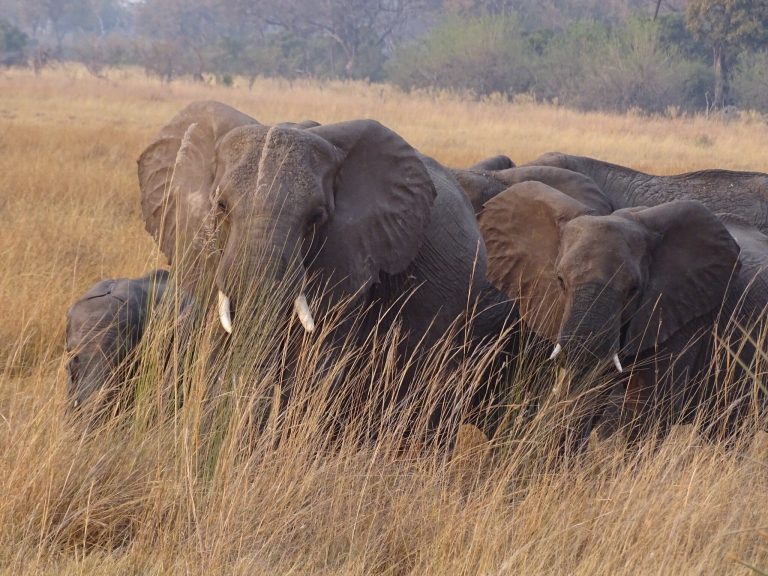
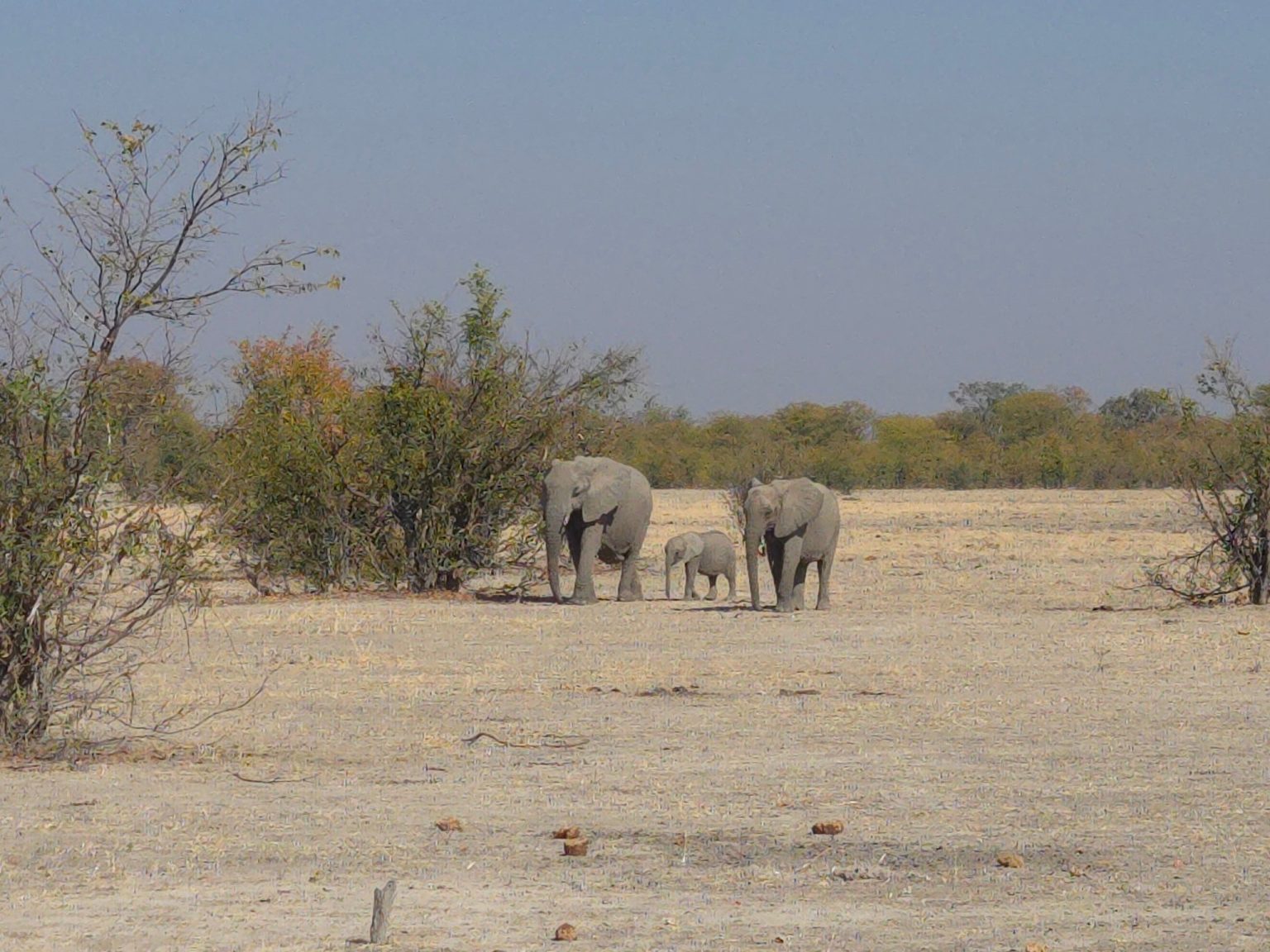
Elephants above all: Botswana holds Africa’s largest elephant population, and herds gather along the Chobe and Linyanti rivers in the dry months. In the Delta, red lechwe, hippos and crocodiles are near certain, with lion, leopard, spotted hyena and wild dog seen regularly in the predator areas. Sitatunga, sable, cheetah and Pel’s fishing owl are harder, and rhinos are few and their locations kept quiet. Nothing on any drive is guaranteed.
How fit do I need to be for this itinerary?
Average fitness is enough. Game drives and boat trips are seated, the Falls rainforest walk is on mostly level paths that turn slippery in high water, and getting into a mokoro means stepping down into a low canoe. Walking safaris and Batoka Gorge rafting, where the climb out is steep, ask more. Age limits apply mainly to adventure activities, with rafting usually from 15.
What makes Botswana different from other safari countries?
Low volume. Much of the north is split into private concessions, each used by a few camps, so sightings are shared with one or two vehicles and night drives, walks and off road driving are allowed. Water and land sit side by side, so the same trip mixes mokoro and boat outings with drives, and most camps are unfenced, which is why staff walk you to your tent after dark.